

P0303 on 2014-2021 Mazda 6: Cylinder 3 Misfire Causes and Fixes
On a 2014-2021 Mazda 6, code P0303 is most often caused by a failed ignition coil on cylinder 3. A specific TSB identified certain factory coils as faulty. Swapping the coil with another cylinder is the easiest way to confirm. Expect to pay $50-$100 for an aftermarket coil or around $150 for an OEM part. The updated OEM part number is PE20-18-100B.
- P0303 on your Mazda 6 is a misfire in cylinder 3, most likely caused by a bad ignition coil.
- Before buying any parts, swap the ignition coil from cylinder 3 with another cylinder to see if the code follows. This simple test can save you time and money.
- Check your ignition coils for the brand name. A TSB identified 'YUMEBISHI' coils as faulty; if you have these, they should be replaced with the updated 'MITSUBISHI' parts.
- If the coil is good, the next most likely cause is a worn spark plug. Always replace spark plugs as a complete set.
- Do not drive with a flashing Check Engine Light, as it can cause rapid and expensive damage to your catalytic converter.
What's Unique About the 2014-2021 Mazda 6
For this generation of Mazda 6, the most significant issue related to a P0303 code is a known history of premature ignition coil failure. Mazda issued a Technical Service Bulletin (TSB 01-014/16) for models produced before April 2016, identifying coils from a specific supplier ('YUMEBISHI') as being prone to internal failure. The recommended fix is to replace them with the updated 'MITSUBISHI'-branded coils. Additionally, as a direct-injection engine, the Skyactiv-G is susceptible to carbon buildup on intake valves over time (typically 80k+ miles), which can restrict airflow and cause misfires that are harder to diagnose. Manufacturer service bulletins such as TSB Bulletin #01-012-19-3612 for related Skyactiv platforms confirm that these vehicles frequently experience the Check Engine Light with DTC P0303:00 stored in memory.
Symptoms You May Notice
- Rough or shaky idle
- Hesitation or stumbling during acceleration
- Noticeable loss of engine power
- Flashing or solid Check Engine Light
- Reduced fuel economy
- Vehicle may enter 'limp mode' with severely reduced power
- Exhaust may smell like gasoline or rotten eggs
- Replacing only the spark plugs when the underlying issue is a faulty ignition coil.
- Replacing fuel system components before performing the simple and free ignition coil swap test.
- Performing an expensive carbon cleaning service when the issue was a simple ignition component.
Most Likely Causes
- Faulty Ignition Coil 🔴 High Probability → Shop Ignition Coil Mazda TSB #01-014/16 identified that 'YUMEBISHI'-produced ignition coils on 2014-2016 models were prone to internal failure due to temperature fluctuations. The fix involves replacing them with updated 'MITSUBISHI'-produced coils.
How to confirm: Swap the ignition coil from cylinder 3 (third from the front/belt side) with another cylinder (e.g., cylinder 2). Clear the codes and drive. If the code changes to P0302, the ignition coil is faulty. This is the most common and successful diagnostic step reported by owners.
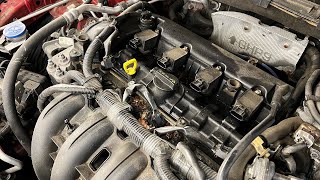
Typical fix: Replace the single faulty ignition coil. 🎬 Watch: Step-by-step guide to replacing your Mazda 6 ignition coils. It is often recommended to replace all four if they are the original, problematic 'YUMEBISHI' brand, or if they are high mileage.
Est. part cost: $50-$180 - Worn or Fouled Spark Plug 🔴 High Probability → Shop Spark Plug Spark plugs are a standard maintenance item with a finite lifespan (typically 40,000-75,000 miles on this engine). An old, worn, or fouled plug can fail to produce a strong enough spark, especially under load.
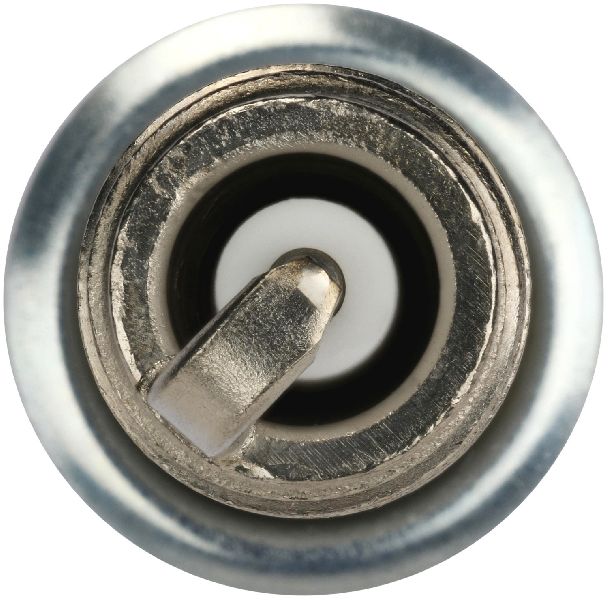
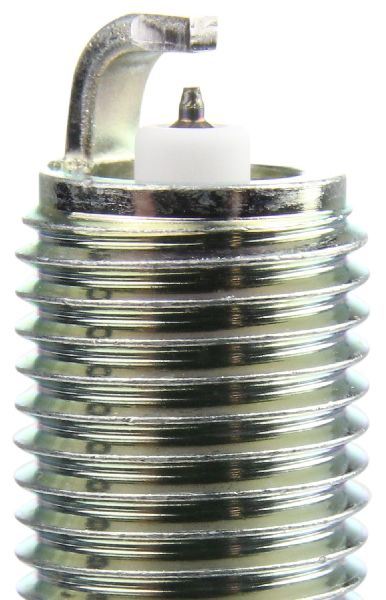
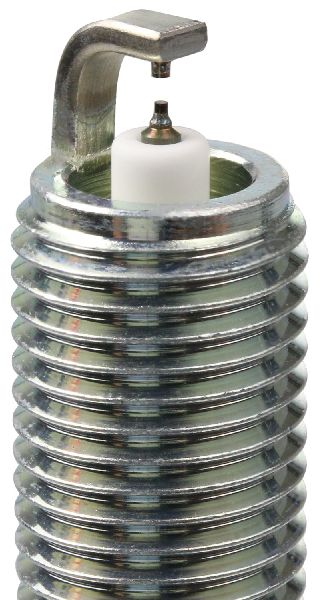
How to confirm: After ruling out the ignition coil, swap the spark plug from cylinder 3 with another cylinder. If the misfire code follows the plug, the plug is bad. Visually inspect the plug for wear (rounded electrode), carbon fouling, oil deposits, or an excessively wide gap.
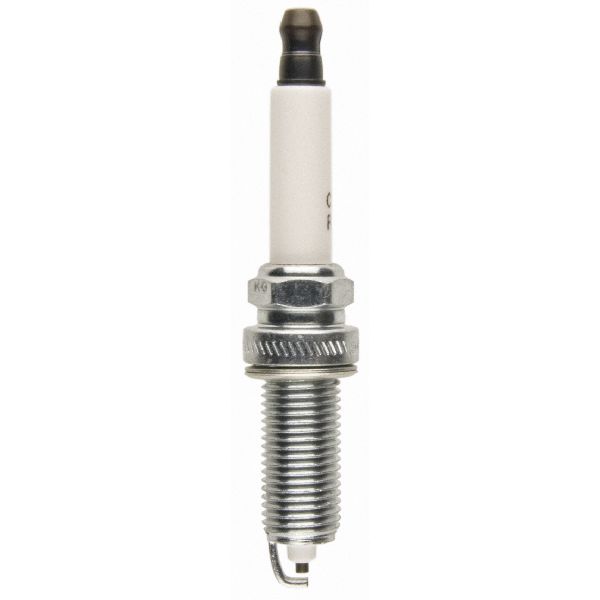
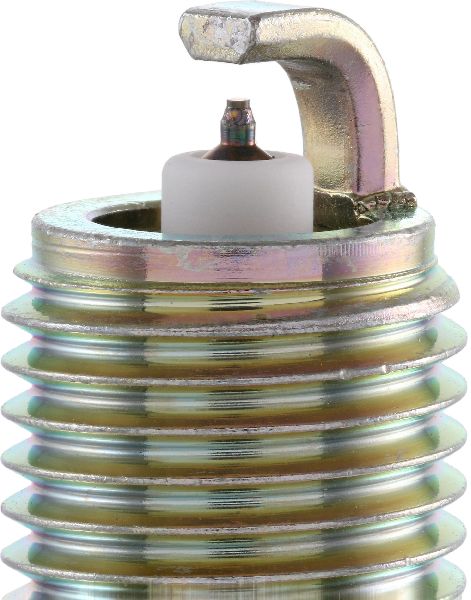
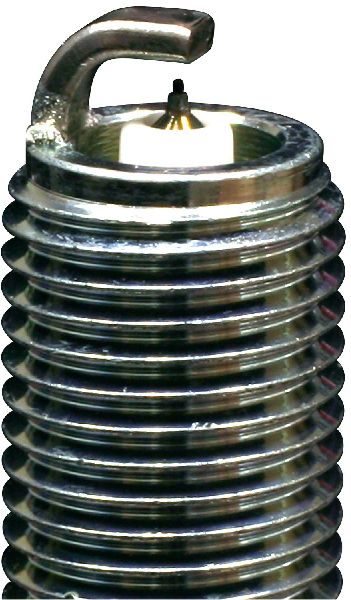
Typical fix: Replace all four spark plugs as a set 🎬 See this walkthrough for changing spark plugs on Skyactiv engines. with the correct OEM-spec plugs (NGK ILKAR7L11). It is not recommended to replace only one.
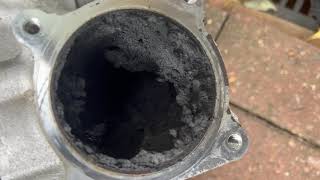
Est. part cost: $60-$120 for a set of four - Carbon Buildup on Intake Valves 🟡 Medium Probability The PY-VPS is a Gasoline Direct Injection (GDI) engine. Fuel is injected directly into the cylinder, so it never washes over the intake valves. Oil vapor from the PCV system can bake onto the hot valves, restricting airflow and causing misfires, typically at higher mileage (80,000+ miles).
How to confirm: This is difficult to confirm without a borescope to visually inspect the intake ports and valves. It is usually diagnosed after ignition and fuel delivery issues have been ruled out. Symptoms may be worse on cold starts.
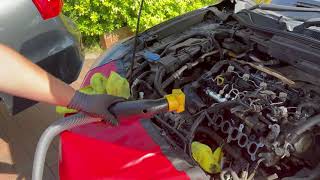
Typical fix: Requires a professional intake valve cleaning service, often called 'walnut blasting,' where crushed walnut shells are used to safely blast the carbon deposits off the valves. Some owners install an oil catch can to reduce the rate of future buildup.
Est. part cost: $0 (service cost is labor, typically $400-$800) - Clogged or Faulty Fuel Injector ⚪ Low Probability → Shop Fuel Injector While less common than ignition issues, the high-pressure direct injectors can become clogged or fail electronically. This is more likely if lower-quality fuel has been used.
How to confirm: This typically requires professional diagnosis. A scan tool can be used to perform an injector balance test. A mechanic can also listen for the injector's clicking sound with a stethoscope or test its resistance. Swapping injectors is possible but much more labor-intensive than coils or plugs.
Typical fix: Replace the faulty fuel injector. This is more involved than a spark plug or coil change and may require replacing seals.
Est. part cost: $100-$250
Rare But Worth Checking
- Frozen Exhaust Muffler: In very cold climates, especially on vehicles driven for short trips, condensation can freeze inside the muffler, creating an exhaust restriction. This backpressure can cause random misfires. Mazda issued TSB 01-001/19, and the fix is a modified muffler with drain holes. TSB Bulletin #01-007-19-3541 further notes that frozen water accumulated in the main silencer can restrict exhaust flow and trigger P0303.
- Low Engine Compression: This indicates a mechanical engine problem like a bad valve, worn piston rings, or a failed head gasket. A compression test followed by a leak-down test is needed to confirm. This is an unlikely but serious cause. On rare occasions, this has been linked to cracked cylinder heads on this engine platform.
- Faulty Valve Stem Seals: A known issue on some 2021 models, but possible on others, is failing valve stem seals causing excessive oil consumption. This can lead to the spark plug in cylinder 3 becoming fouled with oil, causing a misfire.
- Turbo-Specific Issues: For models equipped with the turbo engine, TSB Bulletin #01-001-23a notes that customers may complain about poor acceleration, rough idling, or the Check Engine light with P0303:00.
Diagnosis Steps
- Read the trouble codes with an OBD-II scanner to confirm P0303 and check for any other codes.
- Identify cylinder 3. On the 2.5L I4 engine, the cylinders are numbered 1-2-3-4 from the front (belt side) to the back (transmission side). Cylinder 3 is the third one from the passenger side of the engine.
- Swap the ignition coil from cylinder 3 with the coil from cylinder 2. The coils are held by a single 10mm bolt.
- Clear the codes with the scanner and drive the vehicle until the Check Engine Light returns.
- Re-scan the codes. If the code is now P0302, the ignition coil from the original cylinder 3 is faulty and must be replaced.
- If the code remains P0303, the coil is likely not the issue. Move the coil back to its original position. Proceed to swap the spark plug from cylinder 3 with cylinder 2.
- Clear the codes and drive again. If the code changes to P0302, the spark plug is the culprit. Replace all four spark plugs as a set.
- If the code remains P0303 after both swaps, the issue is more complex. Inspect the wiring and connector for the cylinder 3 ignition coil and fuel injector for any damage, corrosion, or loose pins.
- If wiring is okay, the cause may be a clogged fuel injector, significant carbon buildup on the intake valves, or a mechanical engine issue (low compression). These steps typically require professional diagnosis and tools like a borescope or compression tester. Note that TSB Bulletin #01-010-18-3442b mentions that even if a misfire occurs, DTCs may not always be stored unless the misfire is continuous.
Parts You'll Likely Need
- Ignition Coil
(OEM #PE20-18-100B (supersedes PE20-18-100A))— This is the most common cause of a single-cylinder misfire on this engine, with TSB 01-014/16 identifying faulty units from the factory. The 'B' version is the updated, more reliable part.
Trusted brands: Mazda (OEM - Mitsubishi Electric), NGK (48940), Denso (673-6303), Bosch
OEM price range: $140-$180
Aftermarket price range: $50-$100 - Iridium Spark Plug
(OEM #PE5R-18-110A)— Spark plugs are a routine maintenance item and the second most likely cause of a misfire. They should always be replaced as a set.
Trusted brands: NGK (ILKAR7L11), Denso (DXE22HQR-D11S)
OEM price range: $20-$30 per plug
Aftermarket price range: $15-$25 per plug
Related Codes That Often Appear With This One
- P0300 — If the misfire is intermittent or affects multiple cylinders, a P0300 (Random/Multiple Cylinder Misfire) may be stored alongside P0303. This could point to a systemic issue like a vacuum leak, bad fuel, or multiple failing coils.
- P0301, P0302, P0304 — If other cylinders are also misfiring due to a common cause like bad fuel, carbon buildup, or multiple failing coils, their respective codes will also appear. TSB 01-014/16 specifically notes that multiple codes can appear as the faulty coils fail.
- P0316 — As noted in TSB Bulletin #01-005-20-3704, this code may appear alongside P0303 and may be associated with rough running or a lack of power.
Technical Service Bulletins (TSBs) & Recalls
- 01-014/16 (also 01-014-16-3208A): Addresses Check Engine Light with misfire DTCs (P0300-P0304) due to internal failure of specific 'YUMEBISHI' branded ignition coils.
- TSB Bulletin #01-012-19-3612: Documents instances where vehicles experience the Check Engine Light ON with DTC P0303:00 stored in memory.
- TSB Bulletin #01-010-18-3442b: Describes engine misfires during acceleration with the check engine light flashing and P0303:00 detected.
- TSB Bulletin #01-001-23a: Specifically addresses P0303:00 in turbo-equipped engines, noting symptoms of poor acceleration and rough idling.
- TSB Bulletin #01-005-20-3704: Notes that vehicles may exhibit rough run and lack of power with DTC P0303.
Platform-Specific Known Issues
- TSB #01-014/16 addresses premature failure of 'YUMEBISHI'-branded ignition coils on 2014-2016 models, causing misfires. The fix is to replace them with 'MITSUBISHI'-branded coils (P/N PE20-18-100A or the newer PE20-18-100B).
- As a direct-injection engine, the 2.5L Skyactiv-G is prone to carbon buildup on intake valves, which can cause misfires at higher mileage (80k+ miles).
- TSB #01-001/19 details how condensation can freeze in the muffler in cold climates, causing an exhaust restriction that leads to misfire codes.
Mechanic-Grade Diagnostic Values
- Fuel Injector Resistance — expected: 1.6 - 2.52 ohms (at 0-80 °C / 32-176 °F). Failure: A reading outside this range, or an open/infinite reading, indicates a failed injector.
- High-Pressure Fuel System Pressure at Idle — expected: Around 400+ PSI. Failure: Pressure significantly below this range (e.g., in the 200s) could indicate a failing high-pressure fuel pump or relief valve, leading to misfires under load.
Hidden / Shadow Codes Worth Checking
- Mode $06, TID $A2-$A5, CID $0B: This is not a DTC, but a monitor within the PCM that tracks the raw misfire count for each cylinder (A2 for Cyl 1, A3 for Cyl 2, A4 for Cyl 3, A5 for Cyl 4) during the last 10 driving cycles. A high count for cylinder 3 (TID $A4) can confirm an intermittent misfire before it's severe enough to set a P0303 code. (see via Use an advanced OBD-II scanner or software (like FORScan or some Autel models) that can display Mode $06 test results.)
Scan Tool Commands That Help
- Mazda M-MDS, FORScan, or other professional scan tools: Cylinder Power Balance Test — This active test allows the technician to sequentially disable the fuel injector to each cylinder while monitoring the RPM drop. If disabling cylinder 3 results in little or no RPM drop compared to other cylinders, it confirms that cylinder 3 is not contributing power, isolating the fault to that cylinder. This is a definitive way to confirm the misfire location without swapping parts.
Real Owner Repair Stories
- Reddit user in /r/mazda (2012 Mazda 3 (similar Skyactiv platform)) — Persistent P0303 code.
❌ Tried (didn't work) Replaced all spark plugs., Replaced all ignition coils with aftermarket parts.
✅ What actually fixed it The user was advised by a dealer that carbon build-up was the cause, a common issue on GDI engines. Another user with a 2018 Mazda 3 with P0301 confirmed that after swapping coils didn't work, a walnut blast cleaning of the intake valves resolved their persistent misfire. - Mazdas247 Forum User (2019 Mazda CX-5 2.5T (similar Skyactiv engine family)) — Misfire code, rough running.
❌ Tried (didn't work) Replacing spark plugs.
✅ What actually fixed it The dealer performed a compression test and found one cylinder was significantly lower than the others. This points to a mechanical engine issue rather than a simple ignition or fuel component failure.
OEM Part Supersession History
PE20-18-100A→PE20-18-100B— The 'A' revision was the initial replacement for the problematic 'YUMEBISHI' coils. The 'B' revision is a further updated part from Mitsubishi Electric, considered the most reliable version.
Model Year Variations Within This Range
- 2014-2017: These models were more likely to be equipped with the faulty 'YUMEBISHI' ignition coils from the factory as noted in TSB 01-014/16.
- 2018-2021: The 2018 model year marked a significant refresh. While the base 2.5L NA engine is fundamentally the same, it received minor updates (like cylinder deactivation) and a slight power bump. Higher trims (Grand Touring, Signature) offered a new 2.5L Turbo engine which has different potential failure points (e.g., TSBs related to turbo components). These later models are less likely to have the original faulty ignition coils.
Diagnostic Flowchart
Other Known Issues on This Vehicle
Issues unrelated to this code that are worth knowing about as an owner of this generation:
- Infotainment 'Ghost Touch' and Malfunctions 🟠 Medium — Very common on 2016+ models. The touchscreen may register phantom inputs, reboot, or freeze. (Ref: Multiple TSBs (e.g., SA-001-23, 09-003/22) and a Customer Service Program (CSP13) exist to address this by replacing the screen or updating software.)
- Excessive Oil Consumption (Valve Stem Seals) 🔴 High — Primarily documented on 2021 models (especially Turbo), but earlier models can be affected. Caused by faulty exhaust valve stem seals allowing oil into the combustion chamber. (Ref: A class-action lawsuit and settlement led to warranty extensions and repair programs. Mazda acknowledged the issue in bulletins like MT-005/20.)
- Premature Wheel Bearing Failure 🟡 Low — Fairly common; owners report humming or grinding noises from the wheel area, often starting before 80,000 miles.
- Soul Red Crystal Paint Chipping/Peeling 🟡 Low — Extremely common complaint for vehicles with this premium color. The paint is known to be thin and easily damaged by road debris.
- Frozen Main Muffler in Cold Climates 🟠 Medium — Occurs on vehicles in freezing climates driven for short trips, where condensation doesn't evaporate and freezes, causing an exhaust blockage and misfires. (Ref: TSB 01-001/19 (supersedes 01-007/19) describes the issue and the fix, which involves replacing the muffler with a modified version containing drain holes.)
Used vs. New Parts: Buying Guide for This Vehicle
When a used part is the smart pick: For this repair, buying used parts is generally not recommended. The primary causes are wear items (spark plugs) or parts with known factory defects (ignition coils). A used ignition coil from a junkyard has an unknown history and may be from the same faulty batch as the part being replaced.
Donor-vehicle mileage cap: roughly under 50000 miles for the part to have meaningful remaining life.
What to inspect on the donor part:
- If considering a used coil, verify it is a 'MITSUBISHI' branded part, not 'YUMEBISHI'.
- Inspect the plastic housing for any cracks or signs of heat stress.
- Check the electrical connector for corrosion or damage.
OEM-only on this vehicle (don't cheap out):
- Ignition Coil: While some aftermarket brands are reputable, the OEM Mitsubishi Electric coil (P/N PE20-18-100B) is the guaranteed fix for the TSB-related issue and is highly recommended to avoid repeat failures.
Aftermarket brands forum-validated for this vehicle:
- NGK (for both spark plugs and ignition coils)
- Denso (for both spark plugs and ignition coils)
Brands owners have reported issues with on this vehicle:
- Unnamed or 'white-box' ignition coils from online marketplaces have a high failure rate and can cause diagnostic confusion, as seen in some owner reports where new aftermarket parts were immediately suspect.
Real Owner Stories
Aggregated from forums and TSBs cited above. Mileages and costs reflect what owners reported in those sources.
2016 Mazda 6 2.5L — 206000 miles
Symptoms: P0303 misfire code; owner acknowledged running on original spark plugs.
What fixed it: Community suggested replacing spark plugs and considering new coils.
Source hint: Reddit r/MechanicAdvice - '2016 Mazda 6 code P0303 misfire help' (2023)
2014-2016 Mazda 6 2.5L
Symptoms: Check Engine Light with misfire DTCs due to internal failure of specific branded coils.
What fixed it: Replacing 'YUMEBISHI' branded ignition coils with 'MITSUBISHI' branded coils.
Source hint: TSB #01-014/16 (also 01-014-16-3208A)
2023 Mazda 6 2.5L
Symptoms: P0303 Misfire code.
What fixed it: Replaced coils and plugs; discussion suggested checking injector and wiring next.
Source hint: Reddit r/mazda6 - 'P0303 Misfire code' (2023)
Related OBD-II Codes
Frequently Asked Questions
Does TSB #01-014/16 apply to my 2014-2016 Mazda 6?
Which spark plugs should I use for my 2.5L Skyactiv-G engine to fix a P0303?
Where is cylinder 3 located on the Mazda 6 2.5L engine?
Can cold weather cause a P0303 misfire code on this vehicle?
Is carbon buildup a common cause for misfires on the 2014-2021 Mazda 6?
What is the 'swap test' recommended for diagnosing a faulty Mazda 6 ignition coil?
Helpful Videos
![How to Fix P0303 Engine Code in 3 Minutes [2 DIY Methods / Only $4.11]](https://img.youtube.com/vi/HWIPUES0bQs/mqdefault.jpg)
We Have This Part in Stock

The information in this article is provided for general reference and educational purposes only. Vehicle specifications, procedures, and part compatibility can vary by production date, trim level, and region. Always consult your vehicle's factory service manual and verify part numbers before purchasing or performing repairs. Safety-critical components such as airbags, seat belts, and braking systems should be installed by a qualified professional.
- Mazda 6:
- 🧭 Diagnostic Flowchart
- 🎬 Helpful Videos
- 🛍️ Shop This Part
- What's Unique About the 2014-2021 Mazda 6
- Symptoms You May Notice
- Most Likely Causes
- Rare But Worth Checking
- Diagnosis Steps
- Parts You'll Likely Need
- Related Codes That Often Appear With This One
- Technical Service Bulletins (TSBs) & Recalls
- Platform-Specific Known Issues
- Mechanic-Grade Diagnostic Values
- Hidden / Shadow Codes Worth Checking
- Scan Tool Commands That Help
- Real Owner Repair Stories
- OEM Part Supersession History
- Model Year Variations Within This Range
- Other Known Issues on This Vehicle
- Used vs. New Parts: Buying Guide for This Vehicle
- Real Owner Stories
- 2016 Mazda 6 2.5L — 206000 miles
- 2014-2016 Mazda 6 2.5L
- 2023 Mazda 6 2.5L
- Related OBD-II Codes
- Frequently Asked Questions
- 🎟️ Get 5% Off