

P0303 on 2013-2024 Mazda CX-5: Cylinder 3 Misfire Causes and Fixes
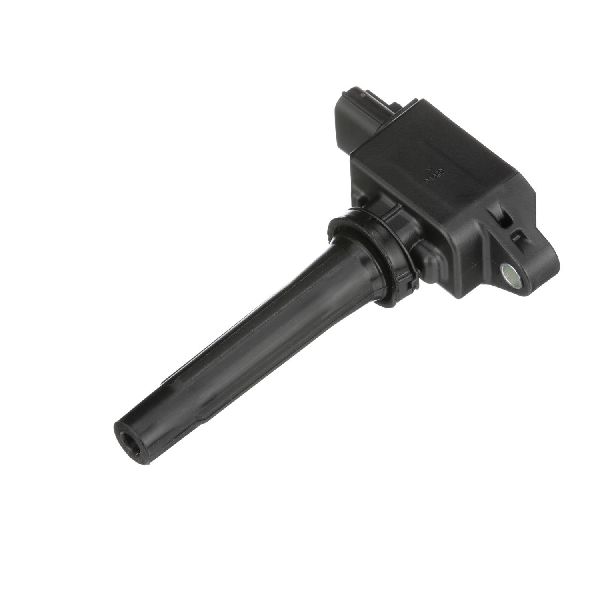
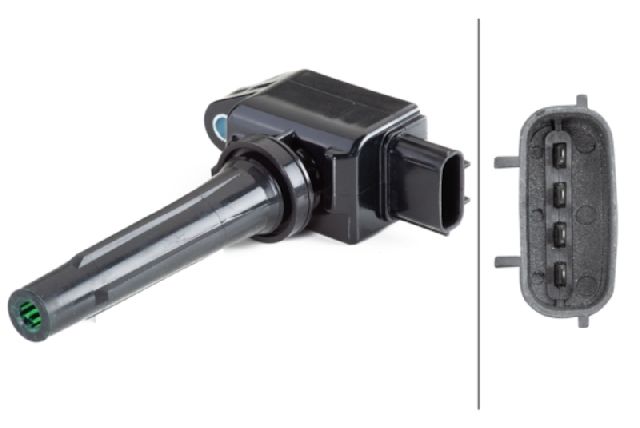
On a 2013-2024 Mazda CX-5, code P0303 almost always means a failed ignition coil on cylinder 3. This is a known weak point, especially on 2013-2016 models due to faulty 'YUMEBISHI' coils identified in a TSB. A new, updated OEM Mitsubishi-made coil (part #PE20-18-100A) costs about $120-$175, and it's a simple 15-minute DIY fix. Always swap the coil to another cylinder to confirm before buying parts.
- P0303 on a Mazda CX-5 is overwhelmingly likely to be a bad ignition coil on cylinder 3.
- Always diagnose before buying parts. A 10-minute 'coil swap' test is free and can definitively confirm a bad coil.
- If the check engine light is flashing, pull over immediately to prevent expensive damage to the catalytic converter.
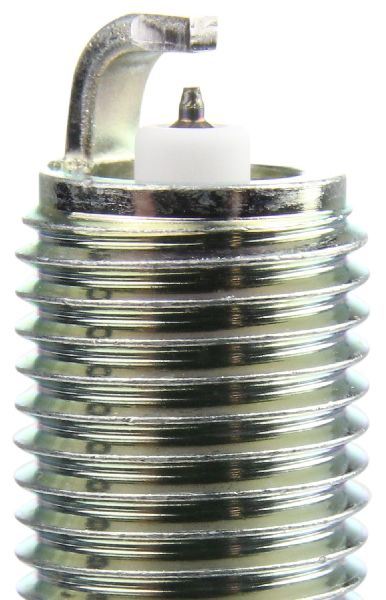
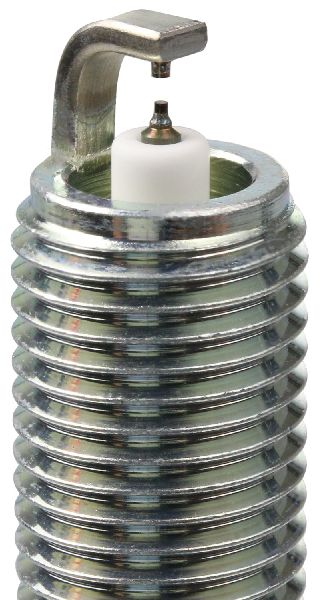
- When replacing spark plugs, use the correct OEM-spec NGK Iridium plugs (ILKAR7L11) and replace them as a full set of four.
- If you have a 2018-2019 model, check with a dealer to see if your vehicle was part of the cylinder deactivation recall (3719F), which can cause this code.
What's Unique About the 2013-2024 Mazda CX-5
For this specific vehicle range, P0303 is very frequently linked to known manufacturing issues. Mazda issued a Technical Service Bulletin (TSB 01-014/16) for 2013-2016 models, identifying that original ignition coils from a supplier named 'YUMEBISHI' were prone to internal failure. These faulty coils are identifiable by a 4-digit lot number, whereas the improved replacement coils are made by 'MITSUBISHI' and have a 5-digit lot number. While the TSB officially covers the first generation, this pattern of coil failure remains the most common cause for a P0303 code on the 2017+ models as well. Additionally, some 2018-2019 models with cylinder deactivation were recalled (Mazda Recall 3719F / NHTSA 19V497000) for a software issue that could cause a rocker arm to come out of position and lead to a misfire.
Generation note: This guide covers two generations of the Mazda CX-5: the first generation (KE, 2013-2016) and the second generation (KF, 2017-2024). A TSB for faulty ignition coils (01-014/16) specifically applies to 2013-2016 models produced before April 7, 2016. A recall for a PCM software issue (Mazda Recall 3719F) that can cause misfires applies to certain 2018-2019 models.
Symptoms You May Notice
- Rough idle
- Engine hesitation or stumbling during acceleration
- Loss of power
- Flashing or solid Check Engine Light
- Vehicle may enter 'limp mode' with reduced power.
- Shuddering or shaking felt throughout the vehicle
- Replacing only one spark plug instead of the full set.
- Using incorrect, non-OEM specification spark plugs, which can cause further issues on Skyactiv engines.
- Replacing the catalytic converter when it has been damaged by a persistent misfire, without fixing the root cause of the misfire first.
Most Likely Causes
- Failed Ignition Coil 🔴 High Probability → Shop Ignition Coil Mazda TSB 01-014/16 identified that original equipment 'YUMEBISHI' brand coils on 2013-2016 models were prone to internal failure due to temperature changes. This remains the most common cause across the entire 2013-2024 year range, as confirmed by numerous owner experiences.
How to confirm: Swap the ignition coil from cylinder 3 (third from the front/belt side) with another cylinder (e.g., cylinder 2). Clear the codes and drive. If the code changes to P0302, the ignition coil is faulty. This is the definitive free diagnostic step.
Typical fix: Replace the faulty ignition coil. It is held on by a single 8mm bolt. Many owners choose to replace all four coils if they are the original 'YUMEBISHI' type. The updated OEM part is made by Mitsubishi.
Est. part cost: $40-$80 - Worn or Fouled Spark Plug 🟡 Medium Probability → Shop Spark Plug Spark plugs are a standard wear item with a 75,000-mile replacement interval. The Skyactiv engine is sensitive to plug type, and using incorrect or old plugs can easily cause a misfire. One owner on Mazdas247.com fixed a persistent P0303 code simply by replacing aftermarket plugs with the correct OEM NGK plugs.
How to confirm: After ruling out the coil, inspect the spark plug from cylinder 3. Look for wear, carbon fouling, or cracks in the porcelain. Ensure it is the correct OEM-spec plug (NGK ILKAR7L11, stock number 94124).
Typical fix: Replace all four spark plugs as a set with the correct OEM-specification Iridium plugs.
Est. part cost: $40-$80 - Clogged or Faulty Fuel Injector ⚪ Low Probability → Shop Fuel Injector As a direct-injection (GDI) engine, the fuel injectors operate under high pressure and can become clogged or fail over time. Manufacturer TSB Bulletin #01-017-16-3242 and TSB Bulletin #01-004-17-3317a note that an engine running rough with P0303 may also store fuel injector circuit/open codes like P0203.
How to confirm: This is more difficult to diagnose for a DIYer. If new coils and plugs do not fix the P0303, the issue may be the injector. A professional can perform a fuel injector balance test or you can try swapping injectors between cylinders, though this is a more involved job.
Typical fix: Replace the fuel injector for cylinder 3. This is a more involved repair than plugs or coils.
Est. part cost: $140-$200
Rare But Worth Checking
- Intake Valve Carbon Buildup: Because Skyactiv-G is a direct injection engine, fuel doesn't wash over the intake valves. Over many miles (typically 60k-80k+), carbon can build up, restrict airflow, and cause misfires, particularly at cold start. Professional cleaning (walnut blasting) is the typical fix, with owners reporting costs from $400 to as high as $1700 at a dealership.
- PCM Software Issue (2018-2019 models): A recall (NHTSA 19V497000 / Mazda 3719F) was issued for some 2018-2019 models. The software controlling the transition from cylinder deactivation could fail, causing a rocker arm to move out of position and contact internal engine parts, leading to a misfire and potential engine stall. The fix is a PCM software reprogram performed by a dealer.
- Frozen Water in Main Silencer: Manufacturer TSB Bulletin #01-007-19-3541, TSB Bulletin #01-006-18-3429, and TSB Bulletin #01-002-17-3299a identify that P0303 can be caused by frozen water accumulated in the main silencer, which creates a restriction.
- Low Engine Compression: A mechanical issue like a burnt valve or bad piston rings can cause a lack of compression, leading to a persistent misfire. This is rare but should be checked with a compression test if all ignition and fuel-related causes have been ruled out.
Diagnosis Steps
- Read the code with an OBD-II scanner and note if the Check Engine Light is flashing. A flashing light indicates a severe misfire; avoid driving.
- Perform an ignition coil swap. Move the coil from cylinder 3 to cylinder 2. This requires removing the engine cover and a single 8mm bolt per coil. Clear the codes, drive the car, and re-scan. If the code is now P0302, the coil is bad.
- If the code remains P0303, inspect the spark plug in cylinder 3. Look for wear, damage, or heavy deposits. Ensure it's the correct OEM-spec part (NGK ILKAR7L11).
- If the spark plug is suspect, replace all four plugs as a set. The service interval is 75,000 miles.
- If the code persists, inspect the wiring and connector for the cylinder 3 ignition coil and fuel injector for any damage or corrosion.
- For 2018-2019 models, contact a Mazda dealer with your VIN to check if recall 3719F (NHTSA 19V497000) is open for your vehicle. The recall addresses a software issue that can cause misfires.
- If the issue is still not resolved, the cause may be a clogged fuel injector, significant intake valve carbon buildup, or a mechanical engine problem. Professional diagnosis, including a fuel injector balance test or compression test, may be required.
Parts You'll Likely Need
- Ignition Coil
(OEM #PE20-18-100A)— This is the most frequent cause of P0303 on this engine due to a known manufacturing defect in the original 'YUMEBISHI' parts, as documented in Mazda TSB 01-014/16. This part number supersedes older versions 🎬 Watch: How to replace both spark plugs and ignition coils. like PE01-18-100 and P51B-18-100.
Trusted brands: Mazda (OEM - Mitsubishi manufactured), NGK, Denso, Bosch
OEM price range: $120-$175
Aftermarket price range: $40-$80 - Iridium Spark Plug
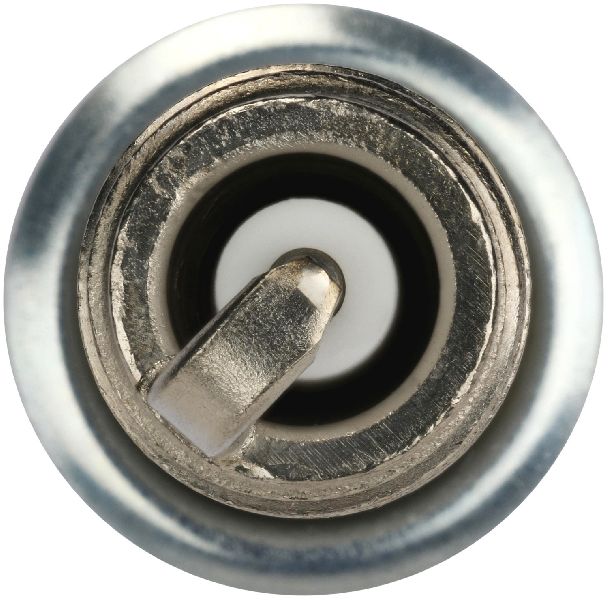
(OEM #PE5R-18-110)— This is a standard maintenance item and the second most likely cause. The Skyactiv engine is sensitive to plug type, so using the correct OEM-spec plug (NGK ILKAR7L11 / NGK part #94124) is crucial.
Trusted brands: NGK, Denso
OEM price range: $20-$30 per plug
Aftermarket price range: $10-$20 per plug
Related Codes That Often Appear With This One
- P0300 — If the condition causing the misfire is not isolated to one cylinder (e.g., a large vacuum leak, widespread carbon buildup, or multiple failing coils), a P0300 (Random Misfire) code may appear alongside P0303.
- P0301, P0302, P0304 — If other cylinders are also misfiring, their specific codes will be present. This points towards a systemic issue rather than a single component failure on cylinder 3. A P0302 code is commonly seen during diagnosis when a faulty cylinder 3 coil is swapped to cylinder 2.
- P0171 — A 'System Too Lean' code can accompany a misfire if the root cause is a vacuum leak or a fuel delivery problem affecting the overall air-fuel ratio.
- P0172 — A 'System Too Rich' code may appear if a fuel injector is stuck open, causing excess fuel to enter the cylinder, which can lead to a misfire.
Technical Service Bulletins (TSBs) & Recalls
- 01-014/16: Lack of power/rough idle with misfire DTCs P0300-P0304 due to internal failure of YUMEBISHI-brand ignition coils on 2013-16 CX-5, 2014-16 Mazda3, and 2014-16 Mazda6.
- 01-005/15: Misfire codes and increased engine oil level on 2.0L models in cold weather due to PCM logic for short-trip operation.
- Recall 3719F / NHTSA 19V497000: PCM software error on 2018-19 CX-5, 2018-19 Mazda6, and 2019 Mazda3 with cylinder deactivation may cause engine stall or misfire.
- TSB Bulletin #01-007-19-3541: Notes that P0300 through P0304 may be caused by frozen water accumulated in the main silencer.
- TSB Bulletin #01-017-16-3242: Describes an engine running rough with P0303 and fuel injector circuit codes (P0201-P0204) often stored at the same time.
- TSB Bulletin #01-006-18-3429: Identifies restricted exhaust from frozen water in the main silencer as a cause for cylinder misfire codes P0300-P0304.
- TSB Bulletin #01-004-17-3317a: Reports that misfire codes P0301-P0304 are usually stored alongside fuel injector circuit/open codes.
- TSB Bulletin #01-002-17-3299a: Confirms that frozen water in the main silencer can cause P0303 and other misfire codes due to restriction.
Platform-Specific Known Issues
- TSB 01-014/16 was issued for 2013-2016 models due to high failure rates of original 'YUMEBISHI'-brand ignition coils. The bulletin advises replacing them with 'MITSUBISHI'-brand coils, which can be identified by a 5-digit lot number.
- Recall 3719F / NHTSA 19V497000 was issued for some 2018-2019 models with cylinder deactivation. A PCM software problem could cause an intake valve rocker arm to dislodge when switching from 2-cylinder to 4-cylinder mode, causing a misfire.
- TSB 01-005/15 notes that on some 2013-2015 2.0L models, repeated short trips in cold weather (below 14°F / -10°C) could cause fuel to accumulate in the oil due to PCM logic, leading to misfires. The fix involves a PCM reprogram and an oil change.
- TSB 01-011/15 addresses a lack of p
Mechanic-Grade Diagnostic Values
- Ignition Coil Secondary Winding Resistance — expected: 9.5 - 11.1 kΩ. Failure: A reading outside this range indicates a faulty coil.
- High-Pressure Fuel Rail Pressure (at idle) — expected: ~300-400 PSI. Failure: Significantly lower pressure (e.g., under 100 PSI) at idle points to a failing high-pressure fuel pump (HPFP).
- High-Pressure Fuel Rail Pressure (under load/WOT) — expected: ~1600-3000 PSI. Failure: Failure to build pressure under acceleration is a clear sign of a weak HPFP.
- Spark Plug Resistance — expected: 5.0 - 6.0 kΩ. Failure: While a resistance test can be performed, a visual inspection for cracks, fouling, or wear is more effective for diagnosing a bad plug.
Hidden / Shadow Codes Worth Checking
- Mode $06, TID $A4, CID $0B: This is not a standard trouble code, but a PCM monitor for the raw misfire count for cylinder 3 during the last 10 driving cycles. A high or rapidly increasing count here can confirm an intermittent misfire on cylinder 3 before it's severe enough to trigger the P0303 CEL. (see via Use an advanced OBD-II scanner or software like FORScan or some Autel models that can display Mode $06 test results.)
Scan Tool Commands That Help
- FORScan / Mazda IDS: Power Balance Test — This function deactivates one cylinder at a time and measures the corresponding drop in RPM. If deactivating cylinder 3 results in a smaller RPM drop compared to other cylinders, it confirms that cylinder 3 is contributing less power and is the source of the misfire.
- FORScan / Mazda IDS: Misfire Counter (Live Data) — Monitor the live misfire count for each cylinder. This is essential for confirming the misfire is isolated to cylinder 3 and for verifying that a repair (like swapping a coil) has successfully moved the misfire to another cylinder (e.g., P0302).
Real Owner Repair Stories
- Mazdas247 Forum User 'jpadilla68' (2013 Mazda CX-5 Grand Touring, 260k+ miles) — Sudden loss of power, check engine light on. Initially had a P0302 code.
❌ Tried (didn't work) Replaced all 4 spark plugs with NGK Iridium plugs (code then changed to P0303)., Replaced the new spark plug in cylinder 3 again., Swapped ignition coil from cylinder 3 to cylinder 4 (code remained P0303).
✅ What actually fixed it The user discovered they had installed the wrong model of NGK spark plugs. After a forum member provided the correct OEM-spec NGK part number (ILKAR7L11), the user purchased and installed the correct plugs, which completely resolved the persistent misfire. - Reddit user 'pnkcloudsummer' (2019 Mazda CX-5) — Stuttering and chugging on acceleration, flashing check engine light, initially a P0304 code, later a P0300 random misfire code.
❌ Tried (didn't work) Replaced all spark plugs and ignition coils with aftermarket parts. The first replacement coil failed within a month, causing a P0304. A second replacement coil failed shortly after, causing a P0300.
✅ What actually fixed it The consensus from other users was that the root cause was the use of aftermarket ignition coils. The Skyactiv ignition system is known to be very sensitive, and non-OEM coils frequently cause misfires or fail prematurely. The recommendation was to use only OEM (Mitsubishi) or OEM-equivalent (NGK, Denso) coils.
OEM Part Supersession History
P51B-18-100, PE01-18-100, PE01-18-100A, PE20-18-100→PE20-18-100A— Standard part evolution and updates to improve reliability, specifically moving away from the problematic 'YUMEBISHI' supplier to 'MITSUBISHI'.
Heads up: While all listed part numbers are technically superseded by PE20-18-100A, using any of the older numbers (especially from the 'YUMEBISHI' era) is not recommended due to the known high failure rate.
Model Year Variations Within This Range
- 2013-2016: These models were subject to TSB 01-014/16 for faulty 'YUMEBISHI' ignition coils. They are the most likely to have the original defective parts.
- 2018-2019: These models feature cylinder deactivation. They are subject to Recall 3719F / NHTSA 19V497000 for a PCM software issue that could cause a rocker arm to dislodge, leading to a misfire.
- 2013-2015 (2.0L only): TSB 01-005/15 was issued for these models, where repeated short trips in very cold weather (<14°F) could cause fuel to dilute the engine oil due to PCM logic, leading to misfires. The fix is a PCM reprogram and an oil change.
Diagnostic Flowchart
Other Known Issues on This Vehicle
Issues unrelated to this code that are worth knowing about as an owner of this generation:
- Premature Brake Wear 🟠 Medium — Commonly reported on 2014-2016 models, with owners replacing pads and rotors as early as 40,000 km (25,000 miles).
- Infotainment System Glitches (Mazda Connect) 🟡 Low — Widespread on earlier models (approx. 2014-2017), involving freezing, random reboots, and unresponsive screens. (Ref: Various software updates were released, but no single recall.)
- Cracked Windshields 🟡 Low — Owners of 2014-2016 models report that windshields are prone to cracking from minor impacts or even temperature changes.
- Daytime Running Light (DRL) Failure 🟠 Medium — Common on 2016 models, leading to a class-action lawsuit and a recall (NHTSA 19V038000) for the LED lighting control module. (Ref: NHTSA 19V038000)
- Vehicle Not Shutting Off (Electrical) 🟠 Medium — A well-documented issue on 2014 models where accessories remain powered after turning the engine off, draining the battery. It is often traced to a faulty park position sensor in the shifter assembly. (Ref: No recall was issued for this specific problem.)
Used vs. New Parts: Buying Guide for This Vehicle
When a used part is the smart pick: For this specific repair, using used parts is generally not recommended. The most common failure part, the ignition coil, has a known manufacturing defect in early models. A used coil from a junkyard is highly likely to be the same failure-prone part or have significant wear.
Donor-vehicle mileage cap: roughly under 40000 miles for the part to have meaningful remaining life.
What to inspect on the donor part:
- For ignition coils, verify the brand is 'MITSUBISHI' and it has a 5-digit lot number, not the failure-prone 'YUMEBISHI' with a 4-digit lot number.
- Check for any cracks in the plastic housing or corrosion on the electrical connector pins.
- Ask for the VIN of the donor vehicle to check its year and mileage.
OEM-only on this vehicle (don't cheap out):
- Ignition Coil
Aftermarket brands forum-validated for this vehicle:
- NGK
- Denso
Brands owners have reported issues with on this vehicle:
- Generic, unbranded parts from online marketplaces like Amazon or eBay are frequently reported by owners to be incompatible or fail very quickly, often causing more issues than they solve.
Real Owner Stories
Aggregated from forums and TSBs cited above. Mileages and costs reflect what owners reported in those sources.
2013 Mazda CX-5 2.0L — ~125000 miles
Symptoms: Experienced a P0302, then a P0303 after replacing plugs.
What fixed it: Replacing the initially provided incorrect aftermarket plugs with the correct OEM-spec NGK plugs (ILKAR7L11).
Source hint: mazdas247.com: [2013~2016 - P0303 Cylinder 3 Issue]
2013 Mazda CX-5 2.0L — 60000 miles
Symptoms: Sudden #2 cylinder misfire (P0302) that stranded the driver.
What fixed it: Dealer replaced a failed ignition coil.
Source hint: mazdas247.com: [Ignition coil failure]
2016 Mazda CX-5 — 42000 miles
Symptoms: Issues arising from short, slow trips requiring professional service.
What fixed it: Intake valve carbon cleaning performed by the dealership.
Cost: $1700-$1700
Source hint: reddit.com/r/mazda: [Dealer had to clean intake carbon at about 42,000 miles]
Related OBD-II Codes
Frequently Asked Questions
My 2015 CX-5 has a P0303 code; how can I tell if it's the ignition coil issue mentioned in TSB 01-014/16?
Is there a recall for misfires on the 2018-2019 CX-5 models?
What specific spark plugs should I use for my Skyactiv-G engine to avoid P0303 codes?
I live in a very cold climate and my 2.0L CX-5 is misfiring. Could this be related to the oil level?
How much do the parts typically cost to fix a P0303 on a CX-5?
Helpful Videos
We Have This Part in Stock


The information in this article is provided for general reference and educational purposes only. Vehicle specifications, procedures, and part compatibility can vary by production date, trim level, and region. Always consult your vehicle's factory service manual and verify part numbers before purchasing or performing repairs. Safety-critical components such as airbags, seat belts, and braking systems should be installed by a qualified professional.
- Mazda CX-5:
- 🧭 Diagnostic Flowchart
- 🎬 Helpful Videos
- 🛍️ Shop This Part
- What's Unique About the 2013-2024 Mazda CX-5
- Symptoms You May Notice
- Most Likely Causes
- Rare But Worth Checking
- Diagnosis Steps
- Parts You'll Likely Need
- Related Codes That Often Appear With This One
- Technical Service Bulletins (TSBs) & Recalls
- Platform-Specific Known Issues
- Mechanic-Grade Diagnostic Values
- Hidden / Shadow Codes Worth Checking
- Scan Tool Commands That Help
- Real Owner Repair Stories
- OEM Part Supersession History
- Model Year Variations Within This Range
- Other Known Issues on This Vehicle
- Used vs. New Parts: Buying Guide for This Vehicle
- Real Owner Stories
- 2013 Mazda CX-5 2.0L — ~125000 miles
- 2013 Mazda CX-5 2.0L — 60000 miles
- 2016 Mazda CX-5 — 42000 miles
- Related OBD-II Codes
- Frequently Asked Questions
- 🎟️ Get 5% Off