

P0303 on 2003-2008 Toyota Corolla: Cylinder 3 Misfire Causes and Fixes
P0303 on a 2003-2008 Corolla most often means a bad ignition coil on cylinder 3. A simple diagnostic is to swap the coil with another cylinder to see if the code follows. If not, a worn spark plug is the next likely culprit. Another common issue on this platform is a leaking intake manifold gasket. This is a very DIY-friendly repair, with parts costing between $25 and $90.
- P0303 on a 2003-2008 Corolla is a misfire on cylinder 3, most often caused by a bad ignition coil.
- The easiest and quickest diagnostic step is to swap the cylinder 3 ignition coil with another cylinder's coil and see if the misfire code moves to that new cylinder.
- If the coil isn't the problem, a worn spark plug or a leaking intake manifold gasket are the next most likely culprits.
- Do not drive if the Check Engine Light is flashing, as this can cause expensive damage to your catalytic converter.
- This is a highly manageable DIY repair for the most common causes, requiring basic hand tools.
What's Unique About the 2003-2008 Toyota Corolla
The 1ZZ-FE engine in the 9th generation Corolla is known for its general reliability, but ignition coil failure is one of its most common weak points as it ages. Another well-documented issue on this platform is a leaking intake manifold gasket, which can cause a vacuum leak, leading to lean conditions and misfires, sometimes isolated to a single cylinder. While P0303 points specifically to cylinder 3, these two issues are the most frequent causes owners encounter.
Symptoms You May Notice
- Rough or shaky idle, sometimes feeling like the car is in a massage chair.
- Hesitation or stumbling during acceleration.
- Noticeable loss of engine power.
- Check Engine Light is on and steady.
- Check Engine Light is flashing (during a severe, catalyst-damaging misfire).
- Smell of unburnt fuel from the exhaust.
- Engine sounds different, sometimes described as sounding like a Subaru.
- Replacing the fuel pump when only a single cylinder is misfiring. A fuel pressure issue would typically cause random misfires on multiple cylinders (P0300) or a lean code (P0171).
- Replacing oxygen sensors. While a faulty O2 sensor can affect overall fuel trim, it is highly unlikely to cause a consistent misfire on only one specific cylinder.
Most Likely Causes
- Faulty Ignition Coil 🔴 High Probability → Shop Ignition Coil The coil-on-plug ignition coils on the 1ZZ-FE engine are a very common failure item as the vehicle ages. Heat cycles cause the internal windings or the housing to fail, leading to a weak or no spark. This is widely reported by owners as the number one cause for a P030x code.
How to confirm: Swap the ignition coil from cylinder 3 with another cylinder (e.g., cylinder 2 or 4). Cylinder 3 is the third from the left (passenger side) when facing the engine. Clear the codes and drive the car. If the code changes to P0302 or P0304, the ignition coil is faulty. This is the definitive, no-cost diagnostic step. 🎬 Watch: A step-by-step guide to diagnosing and fixing a P0303 code.
Typical fix: Replace the faulty ignition coil. It is held in by a single 10mm bolt. 🎬 Watch: A quick walkthrough on replacing your ignition coils. While you can replace just one, if the coils are original and over 100,000 miles, it's often wise to replace them as a set along with the spark plugs.
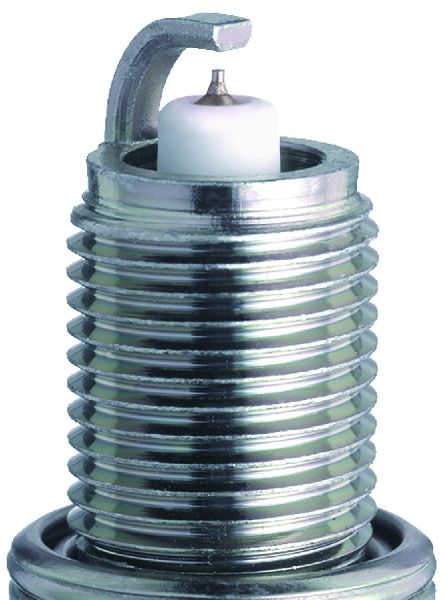
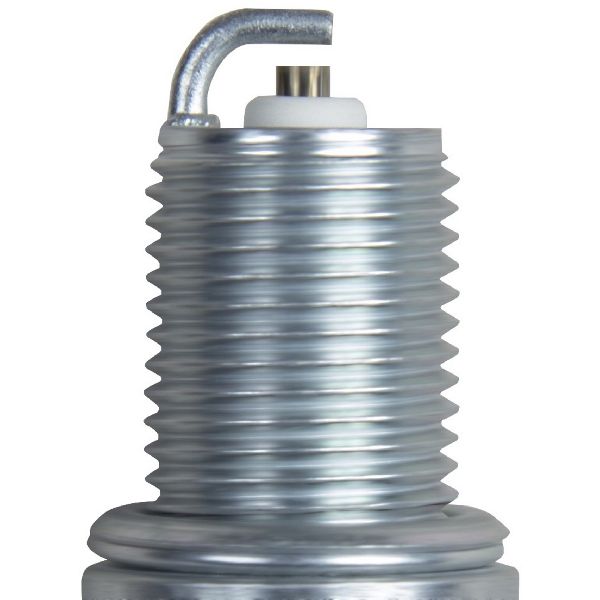
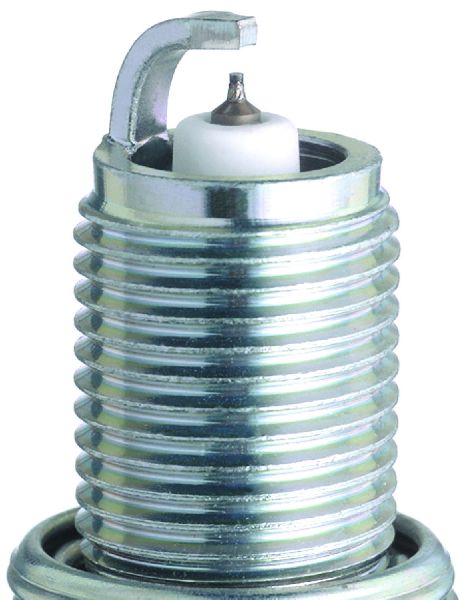
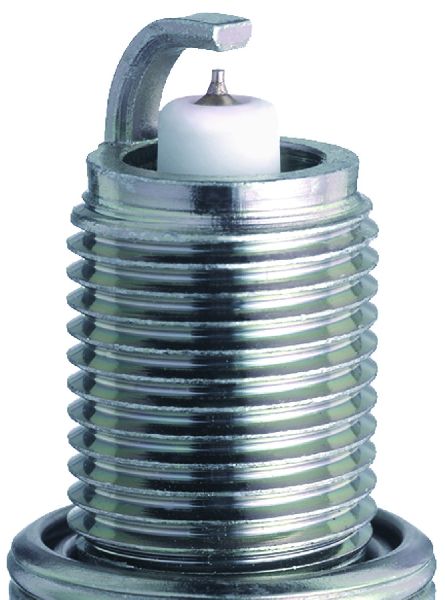
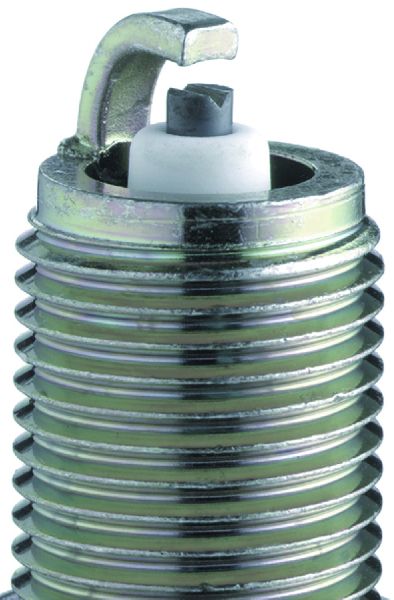
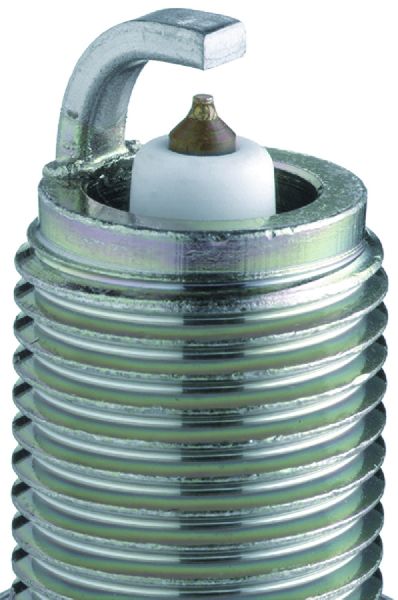
Est. part cost: $25-$90 - Worn or Fouled Spark Plug 🟡 Medium Probability → Shop Spark Plug Spark plugs are a regular maintenance item. If they are past their service life (typically 100,000-120,000 miles for iridium plugs), the electrode can wear down, or they can become fouled with oil or carbon, preventing a strong spark. A bad spark plug can also overwork and damage the ignition coil.
How to confirm: After confirming the coil is good, remove the spark plug from cylinder 3. Inspect it for wear (worn electrode), damage (cracked porcelain), or fouling (black, wet, or white deposits). If the plug is wet with oil, it points to a leaking spark plug tube seal, a common issue on the 1ZZ-FE.
Typical fix: Replace the spark plug. It is strongly recommended to replace all four spark plugs at the same time to ensure consistent performance. Use OEM-spec NGK or Denso Iridium plugs for longevity.
Est. part cost: $20-$50 for a set of four - Leaking Intake Manifold Gasket 🟡 Medium Probability → Shop Engine Intake Manifold The original intake manifold gaskets on the 1ZZ-FE engine are known to degrade and flatten over time, causing a vacuum leak. This unmetered air leans out the air/fuel mixture and can cause misfires, particularly at idle. While it often causes a P0171 (System Too Lean) code, it can also present as a single-cylinder misfire if the leak is most prominent near one cylinder's runner.
How to confirm: With the engine running, spray brake cleaner, starting fluid, or a propane torch (unlit) around the intake manifold runner for cylinder 3 where it meets the cylinder head. If the engine idle speed changes or stumbles, a leak is present. A professional smoke test is the most definitive method.
Typical fix: Replace the intake manifold gasket. This involves removing the plastic intake manifold to access and replace the old gasket. It is a relatively simple job on this engine. 🎬 See how to replace the intake manifold gasket to fix lean codes.
Est. part cost: $10-$30 - Clogged or Faulty Fuel Injector ⚪ Low Probability → Shop Fuel Injector
How to confirm: Use a mechanic's stethoscope or a long screwdriver to listen to the injector; it should make a consistent, rapid clicking sound. You can also swap the cylinder 3 injector with another cylinder to see if the misfire code follows, though this is more labor-intensive than swapping a coil. A professional can perform a fuel injector balance test to confirm flow rates.
Typical fix: Replace the faulty fuel injector. It's also a good time to replace the injector's O-rings and seals. Sometimes running a high-quality fuel system cleaner like Sea Foam can resolve a minor clog.
Est. part cost: $40-$120
Rare But Worth Checking
- Low Engine Compression: This indicates a mechanical engine problem, such as a burnt valve, worn piston rings, or a head gasket issue. A compression test is needed to diagnose this. If compression in cylinder 3 is more than 15-20% lower than the others, this is likely the cause. This is a serious issue requiring professional repair.
- Damaged Wiring or Connector: The wiring harness or connector for the ignition coil or fuel injector on cylinder 3 could be damaged or have a poor connection. The small plastic locking tab on the ignition coil connector is known to become brittle and break, leading to a loose connection. Visually inspect the harness for any signs of cracking, melting, or corrosion at the connector.
- Faulty Engine Control Module (ECM): → Shop Engine Control Module (ECM) This is extremely rare, but a recall was issued for some 2005-2008 models for potential ECM circuit board cracks. This would typically cause more widespread issues than a single cylinder misfire, but it is a possibility. All other possibilities should be exhausted before considering the ECM as the cause.
Diagnosis Steps
- Read the code with an OBD-II scanner to confirm P0303 is the primary code present. Note any other codes like P0171 or P0300.
- Check if the Check Engine Light is flashing. If so, limit driving immediately to prevent catalytic converter damage.
- Swap the ignition coil from cylinder 3 (third from the left/passenger side) with another cylinder, for example, cylinder 4.
- Clear the codes with the scanner. Start the engine and let it idle or take a short drive until the Check Engine Light returns.
- Scan for codes again. If P0304 appears, the ignition coil is bad and needs replacement. This is the most common fix.
- If P0303 returns, the coil is good. Next, inspect the spark plug from cylinder 3. Check for wear, fouling, or oil in the spark plug tube. If the plug is old or fouled, replace all four spark plugs.
- If P0303 still returns with a good coil and new plug, inspect for a vacuum leak around the intake manifold runner for cylinder 3. Use the brake cleaner or propane method while listening for a change in engine idle.
- If no vacuum leak is found, listen to the fuel injector on cylinder 3 with a stethoscope or long screwdriver. It should have a steady, audible click. Compare its sound to the other injectors.
- If the injector sounds dead or different, consider swapping it with another cylinder (more advanced) or having a professional test it.
- If all else fails, perform an engine compression test to rule out internal mechanical problems like a burnt valve or bad head gasket.
Parts You'll Likely Need
- Ignition Coil
(OEM #90919-02239)— This is the most frequent cause of a single-cylinder misfire on the 1ZZ-FE engine.
Trusted brands: Denso (OEM), NGK
OEM price range: $70-$90
Aftermarket price range: $25-$60 - Spark Plugs (Set of 4)
(OEM #90919-01217 (Denso SK16R11))— Worn spark plugs are a common cause of misfires and are a standard maintenance item. A bad plug can ruin a new coil.
Trusted brands: NGK (BKR5EIX-11), Denso (SK16R11)
OEM price range: $40-$60
Aftermarket price range: $20-$40 - Intake Manifold Gasket
(OEM #17171-22030)— A known weak point on this engine platform that causes vacuum leaks and misfires. The original orange/red gaskets are prone to flattening.
Related Codes That Often Appear With This One
- P0300 — If the cause of the misfire, like a large vacuum leak or failing fuel pump, begins to affect other cylinders, a P0300 (Random/Multiple Cylinder Misfire) may appear alongside P0303.
- P0171 — If the misfire is caused by a leaking intake manifold gasket, the resulting lean condition will often trigger a P0171 (System Too Lean Bank 1) code.
- P0353 — This code indicates a fault in the ignition coil 'C' (Cylinder 3) primary or secondary circuit. It often appears with P0303 and points directly to an electrical problem with the coil or its wiring/connector.
Technical Service Bulletins (TSBs) & Recalls
- TSB EG045-07 (July 2007) & EG003-06 (January 2006) - While not directly for P0303, these bulletins address a separate issue of stripped cylinder head bolt threads on some 2002-2005 1ZZ-FE engines, which can lead to head gasket failure and misfires. This is a rare but severe potential cause.
- TSB EG-6020 (May 2006) - A European TSB addressing excessive oil consumption on 1ZZ-FE engines due to piston design. It calls for an updated short block. While not a direct cause of a single misfire, severe oil consumption can foul spark plugs.
- TSB-0134-08 - This TSB updates the oil dipstick and oil capacity for 2003-2005 models to combat issues related to low oil levels, which can contribute to the oil consumption problem.
Platform-Specific Known Issues
- The original design of the intake manifold gasket is prone to flattening and failing over time, causing vacuum leaks that lead to lean codes and misfires. The updated OEM and aftermarket gaskets are typically a revised design and material.
- Oil can leak from the valve cover's spark plug tube seals and pool in the spark plug wells, which can short out and destroy the ignition coil, causing a misfire. If oil is found on the coil boot or spark plug, the valve cover gasket and tube seals must be replaced along with the affected coil and plugs.
Mechanic-Grade Diagnostic Values
- Fuel Pressure at Idle — expected: 304 to 343 kPa (44 to 50 psi). Failure: Pressure below this range can indicate a weak fuel pump; pressure above can indicate a faulty regulator.
- Fuel Pressure Static Hold (5 minutes after engine off) — expected: 147 kPa (21 psi) or more. Failure: A rapid drop in pressure indicates a leak in the system, possibly from a fuel injector or check valve.
- Engine Compression (Standard) — expected: 189 psi. Failure: Pressure below the minimum of 145 psi, or a difference of more than 15 psi between any two cylinders, indicates mechanical engine wear (rings, valves, head gasket).
- Ignition Coil Primary Resistance (Cold) — expected: 0.36 - 0.55 Ω. Failure: Readings outside this range indicate a faulty primary winding in the coil.
- Ignition Coil Secondary Resistance (Cold) — expected: 9.0 - 15.4 kΩ. Failure: Readings outside this range indicate a faulty secondary winding in the coil.
Hidden / Shadow Codes Worth Checking
- Mode $06, Test ID $53: This is not a DTC, but a specific monitor within the OBD-II system that tracks misfire counts for each cylinder. It can show misfires happening before they are frequent enough to trigger a P0303 code. (see via Use a scan tool with Mode $06 capabilities, like Toyota's Techstream. Navigate to the 'Monitor' or 'Misfire Monitor' screen to see current and historical misfire counts per cylinder, which is more accurate than the live data list under load.)
Scan Tool Commands That Help
- Toyota Techstream: Misfire Monitor Screen — Use this instead of the standard 'Data List' for misfire diagnosis. The Data List may not accurately count misfires under load, while the Monitor screen provides a more reliable snapshot of current and past misfire events per cylinder, helping to confirm which cylinder is the problem.
- Toyota Techstream: Active Test: Control the Injection (Fuel Cut) — This function allows the technician to individually disable a fuel injector. While the engine is idling, you can cut fuel to cylinder 3. If the engine's idle does not change, it confirms that cylinder 3 was not contributing, pointing to a problem with that cylinder (spark, fuel, or compression). If the idle gets worse, the injector was working.
- Toyota Techstream: Health Check — Performs a comprehensive scan of all vehicle ECUs to check for any related trouble codes in other systems that might be contributing to the misfire, such as in the transmission or ABS modules.
Wiring & Ground Locations
- EA / E1 / E4 — On the 1ZZ-FE, a critical ground point (labeled EA in some diagrams) is located on the intake manifold, near the cylinder head. Other key grounds (E1, E4) are on the engine block near the front and on the firewall.. The ignition coils and injectors are grounded through the engine harness, which relies on these main engine-to-chassis ground points. A loose or corroded ground at these locations can cause a weak or intermittent spark or injector pulse, leading to misfires that can be difficult to diagnose.
- Ignition Coil Connector (Pin 4) — The 4-pin connector on each ignition coil.. Pin 4 is the ground wire for the ignition coil. A continuity test from Pin 4 to a known good chassis ground should show near-zero resistance. A high resistance reading indicates a problem in the wiring harness or a poor engine ground connection.
Real Owner Repair Stories
- ToyotaNation Forum User (2003 Toyota Corolla, 1ZZ-FE, 180,000 miles) — P0303 code, rough idle, hesitation on acceleration.
❌ Tried (didn't work) Replaced spark plug on cylinder 3, Swapped ignition coil from cylinder 3 to 2 (code remained P0303), Replaced fuel injector on cylinder 3, Replaced intake manifold gasket
✅ What actually fixed it A compression test revealed cylinder 3 was 40 psi lower than the others. A subsequent cylinder leak-down test confirmed a burnt exhaust valve. The cylinder head had to be removed and repaired to resolve the misfire. - CorollaForum User (2006 Toyota Corolla S, 1ZZ-FE) — P0303 and P0171, very rough idle when cold, smoothed out when warm.
❌ Tried (didn't work) Cleaned MAF sensor, Replaced spark plugs
✅ What actually fixed it Replacing the intake manifold gasket. The user noted the original gasket was orange and had become hard and flattened. The new, revised design gasket (also orange) was thicker and sealed the leak, resolving both the misfire and the lean code.
OEM Part Supersession History
17171-22030→17171-22060 (per some forums) or updated version of 17171-22030— The original black or grey gaskets were prone to flattening and causing vacuum leaks. Toyota revised the design to a more robust orange/rust-colored gasket that provides a better seal.
Heads up: Ensure you are getting the revised, thicker (often orange) gasket. While the old design fits, it is prone to the same failure. Fel-Pro part MS93942 is a common aftermarket equivalent to the older black style, while the OEM Toyota part is the recommended fix.90919-02239→90919-02262— Standard part evolution and supplier changes.
Heads up: Both parts are interchangeable for this application. Denso (the OEM supplier) and NGK are highly recommended brands. Avoid unbranded, cheap aftermarket coil sets as they have a high failure rate.
Model Year Variations Within This Range
- 2005-2008: A safety recall was issued for the Engine Control Module (ECM) on 2005-2008 Corolla and Matrix models with the 1ZZ-FE engine. The ECM, supplied by Delphi, could develop cracks on the circuit board, leading to issues like harsh shifting, no-start, or engine stalling. While this typically caused more widespread problems than a single cylinder misfire, a faulty ECM driver for the cylinder 3 ignition coil is a remote possibility if all other causes have been ruled out on these specific model years.
Diagnostic Flowchart
Other Known Issues on This Vehicle
Issues unrelated to this code that are worth knowing about as an owner of this generation:
- Excessive Oil Consumption 🔴 High — Very common on 2003-2005 models. Caused by a design flaw in the pistons/piston rings allowing oil to burn. Toyota redesigned the parts in mid-2005. (Ref: TSB EG-6020 (EU), TSB-0134-08)
- Stripped Cylinder Head Bolt Threads 🔴 High → Shop Engine Cylinder Head — Affects a subset of 2002-2005 1ZZ-FE engines. The threads in the aluminum block can pull out, causing the head gasket to fail, leading to overheating and misfires. (Ref: TSB EG003-06)
- Timing Chain Tensioner O-Ring Leak 🟡 Low — A very common and minor oil leak that develops as the engine ages. The O-ring on the tensioner dries out, causing a slow drip of oil onto the passenger side of the engine block.
- ECM (ECU) Failure 🟠 Medium — A recall was issued for 2005-2008 models where cracks could develop on the ECM's circuit board, potentially causing harsh shifting, stalling, or failure to start. (Ref: NHTSA Recall 10V384000)
Used vs. New Parts: Buying Guide for This Vehicle
When a used part is the smart pick: For this repair, used parts are generally not recommended. The primary failure components (ignition coils, spark plugs, gaskets) are wear items. A used ignition coil or fuel injector from a junkyard has an unknown history and may fail shortly after installation. Given the low cost of new, quality aftermarket or OEM parts, buying new is the smarter choice.
Donor-vehicle mileage cap: roughly under 120000 miles for the part to have meaningful remaining life.
What to inspect on the donor part:
- If forced to buy used (e.g., an entire engine harness), look for a low-mileage donor vehicle.
- Inspect plastic connectors for brittleness or cracking.
- Check wiring for any signs of previous repairs, splicing, or heat damage.
OEM-only on this vehicle (don't cheap out):
- Intake Manifold Gasket - While good aftermarket exists, the OEM revised (orange) gasket is a known, reliable fix for a very low price.
Aftermarket brands forum-validated for this vehicle:
- Ignition Coils: Denso (OEM), NGK
- Spark Plugs: Denso (Iridium), NGK (Iridium)
- Fuel Injectors: Standard Motor Products (SMP), Beck/Arnley
Brands owners have reported issues with on this vehicle:
- Unbranded, no-name ignition coil sets from online marketplaces. These are notorious for premature failure, often within weeks or months.
Real Owner Stories
Aggregated from forums and TSBs cited above. Mileages and costs reflect what owners reported in those sources.
2005 Toyota Corolla 1ZZ-FE
Symptoms: Check engine light on with code P0303.
What fixed it: Swapped the ignition coil to another cylinder to confirm it was bad, then replaced the faulty ignition coil.
Source hint: ToyotaNation Forum: A user with a 2005 Corolla and P0303 confirmed the fix was a bad ignition coil after performing the swap test. URL: https://www.toyotanation.com/threads/p0303-on-my-05-corolla.322099/
2006 Toyota Corolla 1ZZ-FE
Symptoms: Vehicle threw both P0171 and P0303 codes.
What fixed it: Replaced the intake manifold gasket.
Source hint: CorollaForum: Discussion on a 2006 Corolla with P0303 and P0171, where the ultimate cause was a bad intake manifold gasket. URL: https://www.corollaforum.com/threads/p0171-and-p0303-on-2006-corolla.1367/
2008 Toyota Corolla 1ZZ-FE
Symptoms: P0303 misfire code present.
What fixed it: Diagnosed by swapping the coil from cylinder 3 to 4, which moved the code to P0304, confirming a bad coil.
Source hint: YouTube - Iczer Garage: A clear video walkthrough of diagnosing a P0303 on a 2008 Corolla
Related OBD-II Codes
Frequently Asked Questions
Where is cylinder 3 located on my 2003-2008 Corolla 1ZZ-FE engine?
My 2005 Corolla has a P0303; could this be related to the cylinder head bolt thread issue mentioned in TSB EG045-07?
Should I replace all my ignition coils if only cylinder 3 is failing?
I have a P0303 and a P0171 code at the same time. What is the most likely cause?
What spark plugs should I use for my 1ZZ-FE engine to prevent misfires?
Can high oil consumption cause my P0303 misfire?
Helpful Videos
![Diagnosing and fixing a misfire P0303 (2008 Toyota Corolla LE - Coil Pack Replacement) [E112]](https://img.youtube.com/vi/4k2t7Wk7BP8/mqdefault.jpg)
We Have This Part in Stock

The information in this article is provided for general reference and educational purposes only. Vehicle specifications, procedures, and part compatibility can vary by production date, trim level, and region. Always consult your vehicle's factory service manual and verify part numbers before purchasing or performing repairs. Safety-critical components such as airbags, seat belts, and braking systems should be installed by a qualified professional.
- Toyota Corolla:
- 🧭 Diagnostic Flowchart
- 🎬 Helpful Videos
- 🛍️ Shop This Part
- What's Unique About the 2003-2008 Toyota Corolla
- Symptoms You May Notice
- Most Likely Causes
- Rare But Worth Checking
- Diagnosis Steps
- Parts You'll Likely Need
- Related Codes That Often Appear With This One
- Technical Service Bulletins (TSBs) & Recalls
- Platform-Specific Known Issues
- Mechanic-Grade Diagnostic Values
- Hidden / Shadow Codes Worth Checking
- Scan Tool Commands That Help
- Wiring & Ground Locations
- Real Owner Repair Stories
- OEM Part Supersession History
- Model Year Variations Within This Range
- Other Known Issues on This Vehicle
- Used vs. New Parts: Buying Guide for This Vehicle
- Real Owner Stories
- 2005 Toyota Corolla 1ZZ-FE
- 2006 Toyota Corolla 1ZZ-FE
- 2008 Toyota Corolla 1ZZ-FE
- Related OBD-II Codes
- Frequently Asked Questions
- 🎟️ Get 5% Off