

P0304 on 2010-2015 Buick LaCrosse V6: Cylinder 4 Misfire Causes and Fixes
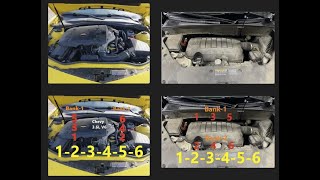
P0304 on a V6 LaCrosse is a misfire on cylinder 4. The most likely cause is a failed ignition coil or a worn spark plug. Cylinder 4 is the middle cylinder on the front bank (Bank 2), closest to the radiator, making it easy to access. A DIY fix with a new coil and plug costs around $60-$100. If these parts don't solve it, suspect carbon buildup on intake valves, a known issue for this direct-injection engine.
- P0304 on this vehicle is a misfire on the middle, front cylinder (Cylinder 4), which is easy to access.
- The most probable cause is a bad ignition coil or spark plug. A simple swap test can diagnose this in minutes.
- If new ignition parts don't fix the problem, the next most likely cause is carbon buildup on the intake valves, a known issue with these direct-injection engines requiring professional service.
- Do not drive if the check engine light is flashing, as this indicates a severe misfire that can quickly destroy your catalytic converter.
What's Unique About the 2010-2015 Buick LaCrosse
The V6 engines in this LaCrosse (3.0L LF1, 3.6L LLT/LFX) are all direct-injection designs. This makes them highly susceptible to carbon buildup on the intake valves, as fuel is injected directly into the cylinder and never washes the valves clean. Oil vapor from the PCV system bakes onto the hot valves, restricting airflow and causing misfires, especially on cold starts. While a P0304 is often a simple ignition part failure, if new coils and plugs don't solve the issue, carbon buildup is a very common underlying cause on this specific platform, often requiring professional cleaning.
Symptoms You May Notice
- Check engine light is on or flashing
- Rough or shaky idle
- Noticeable loss of power and poor acceleration
- Hesitation or stumbling when accelerating
- Increased fuel consumption
- Smell of unburned fuel from the exhaust
- Shuddering sensation felt through the vehicle, especially under load
- Replacing oxygen sensors. While O2 sensors are part of the fuel control system, they are unlikely to cause a single-cylinder misfire like P0304.
- Replacing the catalytic converter. A misfire can damage a catalytic converter, but a bad converter does not cause the misfire. The converter fails as a result, not a cause.
Most Likely Causes
- Failed Ignition Coil 🔴 High Probability → Shop Ignition Coil Ignition coils are a common wear item that fail from heat cycles and vibration over time. GM documented misfires from heat-stressed coils in this engine family in TSB PI0043. The coil-on-plug design is generally reliable, but age and heat lead to internal winding failure.
How to confirm: Swap the ignition coil from cylinder 4 with the coil from an adjacent, easily accessible cylinder 🎬 Watch: How to identify cylinder locations and firing order (like cylinder 2, the front-most one). Clear the codes and drive. If the code changes to P0302, the coil is faulty.
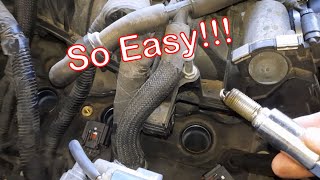
Typical fix: Replace the faulty ignition coil. It is often recommended to replace the spark plug at the same time. Many owners recommend using ACDelco or Delphi coils 🎬 See this walkthrough for replacing spark plugs and coils to avoid issues with cheaper aftermarket parts.
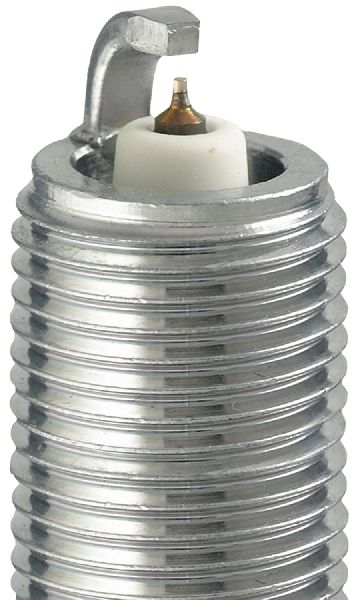
Est. part cost: $45-$80 - Worn or Fouled Spark Plug 🔴 High Probability → Shop Spark Plug Spark plugs are a routine maintenance item. The manufacturer-recommended iridium plugs have a long life (up to 100,000 miles) but will eventually wear out, increasing the gap and causing a weak spark. Oil leaks from valve cover gaskets or the porous head issue (TSB PIP5095G) can also foul the plug, causing a misfire.
How to confirm: After confirming the coil is good, swap the spark plug from cylinder 4 to cylinder 2. If the code moves to P0302, the spark plug is bad. Visually inspect the plug for wear (rounded electrode), carbon tracking, oil fouling, or a cracked insulator.
Typical fix: Replace the spark plug. It's best practice to replace all spark plugs as a set if they are near the end of their service life. The ACDelco 41-109 is pre-gapped and should not be adjusted.
Est. part cost: $12-$25 - Carbon Buildup on Intake Valves 🟡 Medium Probability As documented in GM TSB PIP5029C and its successors, the direct-injection design of the V6 engines allows oil vapor to bake onto the intake valves, restricting airflow and causing misfires, especially on cold starts. This issue is common across all GM vehicles with the 3.6L engine.
How to confirm: This is difficult to confirm without tools. A borescope inspection of the intake valves (with the intake manifold removed) is the definitive method. Misfires that are worse when the engine is cold and may be accompanied by a P050D code are a strong indicator.
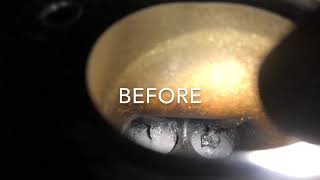
Typical fix: Professional cleaning of the intake valves, most effectively done via 'walnut blasting'. 🎬 Watch: How to perform a professional walnut blasting cleaning Chemical cleaners induced through the intake are a less effective, temporary solution.
Est. part cost: $0 (if using chemicals) to $50 (walnut shells) - Clogged or Faulty Fuel Injector ⚪ Low Probability → Shop Fuel Injector Fuel injectors can become clogged with debris over time or fail electronically, preventing the correct amount of fuel from being delivered to cylinder 4. While less common than ignition issues, it's a known failure point. Manufacturer Bulletin #PIP3333C notes that technicians may find P0304 due to fuel system issues and should follow published Service Information diagnostics to isolate the cause.
How to confirm: Listen to the injector with a mechanic's stethoscope; it should have a consistent, rapid clicking sound. Compare the sound to a neighboring injector. You can also test its resistance with a multimeter or have a professional perform a flow test.
Typical fix: Replace the faulty fuel injector. It's recommended to replace the injector seal at the same time.
Est. part cost: $60-$120
Rare But Worth Checking
- Chafed Fuel Injector Wiring: → Shop Fuel Injector GM issued TSB PIP4924C/D warning that the injector wiring harness can rub through on the intake plenum, valve cover bolts, or fuel lines, causing a short that leads to a misfire on a specific cylinder. This can trigger codes like P0204 along with P0304.
- Leaking Spark Plug Tube (Cylinder Head Porosity): → Shop Spark Plug A rare but serious issue covered by TSB PIP5095G (and its successors). A defect in the cylinder head casting can cause the integrated spark plug tube to leak oil or coolant directly onto the spark plug, fouling it and causing a persistent misfire. The official GM fix is to replace the entire cylinder head, as the tubes are not serviceable.
- Stretched Timing Chain: This was a more prominent issue on the 2010-2011 3.6L LLT engine and the 2012 LFX. While it typically sets multiple misfire codes or timing-related codes (P0008, P0017, etc.), it can sometimes manifest as a single cylinder misfire in its early stages.
Diagnosis Steps
- Retrieve the freeze-frame data with an OBD-II scanner to see the engine conditions (RPM, load, temperature) when the code was set.
- Visually inspect the area around cylinder 4. Look for any obvious issues like a loose ignition coil connector, damaged wiring, or signs of oil leaks from the valve cover.
- Swap the ignition coil from cylinder 4 to cylinder 2. Clear the codes, run the engine, and see if the misfire code moves to P0302. If it does, the coil is bad.
- If the misfire remains on cylinder 4, inspect the spark plug tube for any signs of oil or coolant before removing the plug. This could indicate the serious head porosity issue (TSB PIP5095G).
- If the tube is dry, swap the spark plug from cylinder 4 to cylinder 2. If the code moves to P0302, the spark plug is bad.
- If the misfire still remains on cylinder 4, the issue is not a simple ignition component. The next steps are to check for a faulty fuel injector or a mechanical problem.
- Listen to the cylinder 4 fuel injector with a stethoscope. It should click regularly. Compare the sound to a neighboring injector.
- Inspect the fuel injector wiring harness for any signs of chafing or damage, as noted in TSB PIP4924D. Common chafe points are against the intake plenum and valve cover bolts.
- If ignition and fuel injector seem okay, the cause is likely mechanical. Consider the high probability of carbon buildup on the intake valves, which requires a borescope for visual confirmation.
- As a final step, a compression test can be performed on cylinder 4 to rule out internal engine damage like bad rings or valves.
Parts You'll Likely Need
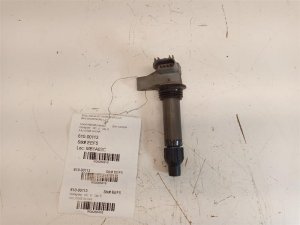
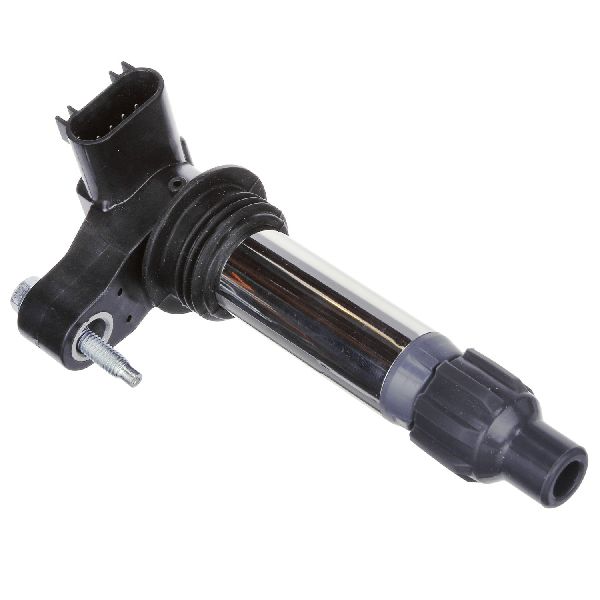
- Ignition Coil
(OEM #12632479)— This is the most common part to fail and cause a P0304 code. Heat and vibration cause the internal windings to break down over time. This part number supersedes 12590990, 12610626, and 12618542.
Trusted brands: ACDelco (D515C), Delphi, NGK
OEM price range: $55-$80
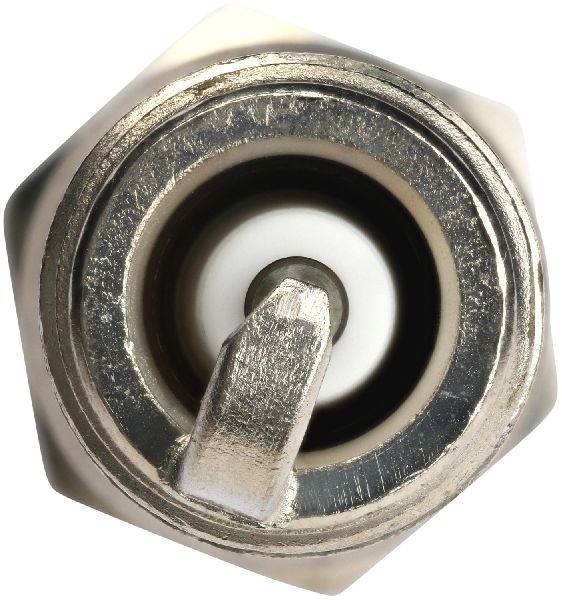
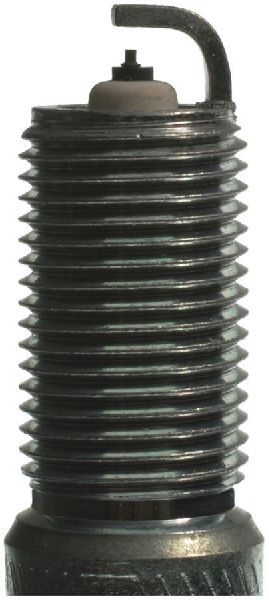
Aftermarket price range: $35-$60 - Iridium Spark Plug
(OEM #12622561)— Spark plugs are a maintenance item and the second most likely cause of a misfire. A worn plug cannot create a strong enough spark for complete combustion. This is the original GM part number for many of these engines.
Trusted brands: ACDelco (41-109), NGK, Denso
OEM price range: $12-$25
Aftermarket price range: $8-$18
Related Codes That Often Appear With This One
- P0300 — If the condition causing the P0304 (like a failing fuel pump or major vacuum leak) worsens, it can start to affect other cylinders, leading to a P0300 'Random Misfire' code.
- P0302, P0306 — These codes indicate misfires on other cylinders on the same bank (Bank 2, the front bank). If you see all three, it could point to a problem affecting the entire bank, such as a clogged catalytic converter for that bank or a timing issue.
- P0354 — This code for 'Ignition Coil D Primary/Secondary Circuit Malfunction' points directly to an electrical fault with the cylinder 4 ignition coil or its circuit, strongly suggesting the coil itself or its wiring/connector is the problem.
Technical Service Bulletins (TSBs) & Recalls
- Bulletin #PIP3333C: Describes an intermittent engine misfire and a Service Engine Soon Malfunction Indicator Lamp where technicians may find Diagnostic Trouble Code P0304. It advises following published Service Information diagnostics to isolate the cause.
- PIP5029C: Addresses engine misfires, which may be more apparent on a cold start, due to heavy carbon buildup on the intake and/or exhaust valves in direct-injection engines. Recommends chemical cleaning (decarbonization) as a potential fix.
- PIP4924C: Warns of the fuel injector wiring harness chafing against engine components like the intake plenum or valve cover bolts. This can cause a short and lead to injector-related codes and misfires on specific cylinders.
- PIP5095G: Details a condition where oil or coolant can leak into the spark plug tube due to porosity in the cylinder head casting. This fouls the spark plug and causes a misfire. The only official repair is cylinder head replacement.
Platform-Specific Known Issues
- Owner Experience: Simple Coil and Plug Swap: A user on BuickForums.com with a 2011 LaCrosse reported a P0304 code and a rough idle. Following advice, they swapped the cylinder 4 coil with the cylinder 2 coil. The code changed to P0302, confirming a bad coil. They replaced the single ACDelco coil and the corresponding spark plug in about 20 minutes, which completely resolved the issue. This highlights the effectiveness of the coil swap diagnostic method.
- Repair Story: Carbon Buildup Diagnosis: On a related platform (Chevy Traverse with the 3.6L LLT), a technician documented a case of P0304 that was not resolved by new plugs and coils. The freeze-frame data showed the misfire occurred primarily at cold start and low RPM. A borescope inspection revealed heavy carbon deposits on the intake valve for cylinder 4, preventing it from sealing properly when cold. A walnut blast cleaning of the intake valves was performed, which permanently fixed the misfire.
Mechanic-Grade Diagnostic Values
- Fuel Injector Resistance (3.6L LFX V6, 2012-2015) — expected: 1.9 to 2.3 Ohms at 68°F (20°C). Failure: A reading significantly outside this range, or an open circuit (OL), indicates a failed injector. Resistance changes with temperature.
- Fuel Injector Resistance (3.6L LLT V6, 2010-2011) — expected: 1.5 to 1.6 Ohms. Failure: A reading outside this range, or showing an open (OL) or shorted (near 0 Ohms) circuit.
- Fuel Injector Resistance (3.0L LF1 V6, 2010) — expected: ~12 Ohms. Failure: A reading significantly different from 12 Ohms suggests a faulty injector for this specific engine.
- Injector Control Circuit Voltage — expected: A 65V pulse to open the injector, then held open with 12V.. Failure: Absence of this pattern on an oscilloscope indicates a problem with the ECM or wiring.
Hidden / Shadow Codes Worth Checking
- Misfire Counter Data: Professional scan tools like the GM GDS2 or Tech2 do not show a 'hidden code' but provide access to live misfire counters for each cylinder. This allows a technician to see if misfires are occurring in real-time, even if they aren't frequent enough to set a P0304 code yet. This is crucial for diagnosing intermittent issues like cold-start misfires from carbon buildup. (see via GM GDS2 or Tech2 Scan Tool, or high-end professional scanners with GM-specific software.)
Scan Tool Commands That Help
- GM GDS2 / Tech2: Injector Balance Test — Use this automated test when wiring and resistance checks are inconclusive. The tool commands each injector to fire and measures the corresponding drop in fuel rail pressure. A minimal or inconsistent pressure drop for cylinder 4 points to a clogged or failing injector.
- GM GDS2 / Tech2: Cylinder Power Balance — This function allows the technician to disable one cylinder at a time and observe the drop in engine RPM. If disabling cylinder 4 causes little or no change in RPM compared to other cylinders, it confirms that cylinder 4 is not contributing power, validating the misfire.
Wiring & Ground Locations
- ECM Connector X1, Pin 47 — On the main Engine Control Module (ECM) in the engine bay. For a 2011 3.6L, the control wire for the cylinder 4 injector is a Light Blue wire at this pin.. This is the definitive point to test for a control signal from the ECM and to check for continuity or shorts in the injector harness without having to remove the intake manifold first.
- G103 — Located at the rear of the left-hand (front) cylinder head.. This is a primary engine ground. A loose or corroded connection here can cause erratic sensor readings and incorrect voltage references for the ignition and fuel systems, potentially leading to misfires.
- G105 / G106 — G105 is at the left front of the engine compartment; G106 is on the front frame cross rail.. These are major chassis and engine block grounds. A poor connection can cause a host of difficult-to-diagnose electrical issues, including intermittent misfires.
Real Owner Repair Stories
- GM Technical Service Bulletin PIP4924D (Multiple GM vehicles 2009-2014 with 3.0L & 3.6L V6 engines) — Engine misfire, Service Engine Soon light, codes such as P0304, P0204.
❌ Tried (didn't work) Replacing ignition coils, Replacing spark plugs, Replacing the fuel injector
✅ What actually fixed it Finding and repairing a section of the fuel injector wiring harness that had chafed through against the intake plenum, a valve cover bolt, or a fuel line. The fix involves repairing the wire and protecting the harness with split-loom tubing. - GM Technical Service Bulletin PIP5029 series (Multiple GM vehicles with Gasoline Direct Injection (GDI) engines) — Misfire (P0300-P0308), especially on cold starts, rough idle, extended crank time.
❌ Tried (didn't work) Replacing ignition coils and spark plugs, Using fuel-additive intake cleaning products
✅ What actually fixed it Physically cleaning the intake valves. The most effective method is walnut shell blasting, which removes the hard carbon deposits that restrict airflow and cause the misfire. Chemical soaks can be partially effective but often don't fully resolve the issue.
"I Checked Everything" — The Actual Cause
- A common scenario for a persistent P0304 after ignition parts are replaced is heavy carbon buildup on the intake valves. This restricts airflow into the cylinder, causing a misfire that a smoke test (designed to find vacuum leaks) will not detect. The misfire is often worse on a cold engine.
- Another cause that evades standard tests is an intermittent short in the fuel injector wiring harness, as documented in TSB PIP4924D. The wire may only short to ground under specific vibrations or temperatures, making the misfire hard to replicate, and it will not be found with a smoke test.
When the Usual Fixes Don't Work
- While swapping the coil and plug is the correct first step, many owners on forums report that this did not fix their P0304. The two most common 'what finally fixed it' scenarios for this platform are a professional intake valve cleaning (walnut blasting) to resolve carbon buildup, or finding and repairing a chafed fuel injector wire as described in GM TSB PIP4924D.
OEM Part Supersession History
12590990, 12610626, 12618542→12632479 (ACDelco D515C)— Internal design updates to improve durability and resistance to heat-related failure.
Model Year Variations Within This Range
- 2010-2011 (LLT/LF1) vs 2012-2015 (LFX): The engine was updated in 2012 to the LFX version. Key differences include a lighter composite intake manifold (vs. aluminum on LLT), integrated exhaust manifolds cast into the cylinder heads, and a different ECM (Delphi on LFX vs. Bosch on LLT). This means intake manifold gaskets and fuel injectors have different part numbers and resistance values between the engine versions.
- 2012 only: The 2012 model year was the first year for the LFX engine but carried over the timing chain design from the earlier LLT engine. This design was updated in 2013 to improve longevity. As a result, 2012 LFX engines can be more prone to timing chain stretch than 2013-2015 models, though less so than the original LLT.
Diagnostic Flowchart
Real Owner Stories
Aggregated from forums and TSBs cited above. Mileages and costs reflect what owners reported in those sources.
2011 Buick LaCrosse CXS 3.6L
Symptoms: P0304 code and a rough idle.
What fixed it: Swapped the cylinder 4 coil with the cylinder 2 coil to confirm the failure, then replaced the single ACDelco coil and the corresponding spark plug in about 20 minutes.
Source hint: BuickForums.com thread titled '2011-lacrosse-cxs-3-6-misfire-p0304.53241/'
Chevy Traverse 3.6L LLT
Symptoms: P0304 misfire occurring primarily at cold start and low RPM, which was not resolved by installing new plugs and coils.
What fixed it: A borescope inspection revealed heavy carbon deposits on the intake valve for cylinder 4. A walnut blast cleaning of the intake valves permanently fixed the misfire.
Source hint: YouTube video 'L24_zS0g3-c' documenting a Traverse 3.6L LLT repair
Related OBD-II Codes
Frequently Asked Questions
Does TSB PIP5095G apply to my 2010-2015 Buick LaCrosse V6?
What is the recommended spark plug for the 3.6L V6 in my LaCrosse?
My LaCrosse misfires mostly on cold starts. What does TSB PIP5029C suggest?
I have a P0304 code and suspect the ignition coil. Which brand should I buy?
Could a wiring issue cause the P0304 code on my LaCrosse?
How can I easily test if the cylinder 4 ignition coil is bad on my Buick?
Helpful Videos
Used OEM Parts in Stock
New Aftermarket Parts Available


The information in this article is provided for general reference and educational purposes only. Vehicle specifications, procedures, and part compatibility can vary by production date, trim level, and region. Always consult your vehicle's factory service manual and verify part numbers before purchasing or performing repairs. Safety-critical components such as airbags, seat belts, and braking systems should be installed by a qualified professional.
- Buick LaCrosse:
- 🧭 Diagnostic Flowchart
- 🎬 Helpful Videos
- 🛍️ Shop This Part
- What's Unique About the 2010-2015 Buick LaCrosse
- Symptoms You May Notice
- Most Likely Causes
- Rare But Worth Checking
- Diagnosis Steps
- Parts You'll Likely Need
- Related Codes That Often Appear With This One
- Technical Service Bulletins (TSBs) & Recalls
- Platform-Specific Known Issues
- Mechanic-Grade Diagnostic Values
- Hidden / Shadow Codes Worth Checking
- Scan Tool Commands That Help
- Wiring & Ground Locations
- Real Owner Repair Stories
- "I Checked Everything" — The Actual Cause
- When the Usual Fixes Don't Work
- OEM Part Supersession History
- Model Year Variations Within This Range
- Real Owner Stories
- 2011 Buick LaCrosse CXS 3.6L
- Chevy Traverse 3.6L LLT
- Related OBD-II Codes
- Frequently Asked Questions
- 🎟️ Get 5% Off