

P0304 on 2011-2015 Buick Regal: Cylinder 4 Misfire Causes and Fixes
P0304 on a 2011-2015 Buick Regal indicates a misfire in cylinder 4. The most common causes are a faulty ignition coil or a worn spark plug. Carbon buildup on the intake valves is also a known issue for these direct-injection engines and can cause this code, especially on higher mileage vehicles. Less common but notable issues include a clogged PCV orifice in the 2.4L engine's intake manifold and, in rare cases for the 2.0L Turbo, a cracked piston.
- P0304 on your Regal is a misfire on cylinder 4, the one closest to the driver's side.
- Always diagnose in order: start by swapping the ignition coil from cylinder 4 to another cylinder. This is free and quickly identifies the most common problem.
- If the coil isn't the issue, inspect and likely replace the spark plugs, especially if they are old.
- Be aware that on these direct-injection engines, heavy carbon buildup on the intake valves is a known cause of misfires that won't be fixed by new plugs or coils.
- If you have the 2.4L engine, a stubborn misfire could be caused by a clogged PCV passage inside the intake manifold, a known platform issue.
What's Unique About the 2011-2015 Buick REGAL
The 2011-2015 Regal uses direct-injection (GDI) engines (2.0L Turbo and 2.4L). While efficient, GDI engines are known for developing carbon deposits on the intake valves over time because fuel is no longer sprayed over the valves to clean them. This buildup can restrict airflow, causing misfires like P0304, a fact supported by owner complaints to the NHTSA mentioning an "engine de-carbon procedure" as a potential fix. GM has a technical service bulletin (PIP5029E) that acknowledges engine misfires can be caused by major carbon buildup on the intake valves in these engines. A separate Special Coverage bulletin (14882) also addresses a plugged PCV orifice on 2.4L engines, which can increase crankcase pressure and lead to misfires.
Diagnostic Flowchart
Tap your situation to follow the diagnostic path that matches what you're seeing on this vehicle.
Symptoms You May Notice
- Rough or shaky idle.
- Hesitation or stumbling during acceleration.
- Noticeable loss of engine power.
- Solid or flashing Check Engine Light.
- High idle RPMs, potentially around 1000-1500 RPMs.
- Smell of unburned fuel from the exhaust.
- Engine stalling, especially at stops.
- Increased fuel consumption.
- Replacing only the spark plugs when the ignition coil is the actual cause.
- Replacing fuel injectors before confirming they are faulty, as ignition or carbon issues are more common.
- Searching for a vacuum leak externally when the 2.4L engine's issue may be an internal PCV passage in the intake manifold.
- Assuming a new spark plug or coil is good, without considering the possibility of a defective or counterfeit part, especially if purchased from non-reputable online sellers.
Most Likely Causes
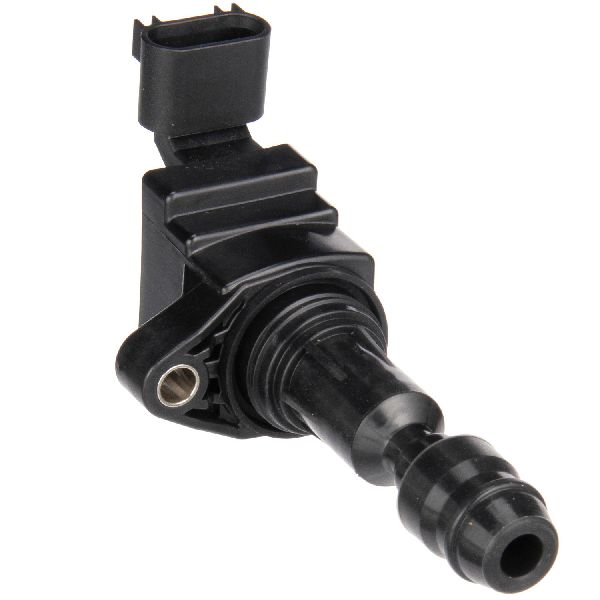
- Faulty Ignition Coil 🔴 High Probability → Shop Ignition Coil Coil-on-plug ignition systems are a common failure point on most modern vehicles as they age due to heat cycles and electrical stress. These coils are known to fail randomly or degrade over time.
How to confirm: Swap the ignition coil from cylinder 4 with another cylinder (e.g., cylinder 3). Clear the codes and drive the vehicle. If the code changes to P0303, the ignition coil is faulty. A good coil should have a primary resistance of approximately 0.49–0.57 ohms and a secondary resistance of 9.5–11.1 kilohms.
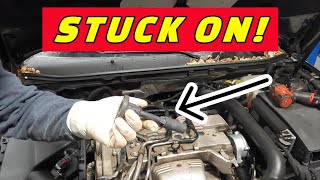
Typical fix: Replace the faulty ignition coil. Many technicians and experienced owners recommend replacing all four coils if they are original and have high mileage to prevent future failures. 🎬 Watch: Step-by-step guide to replacing spark plugs and coils.
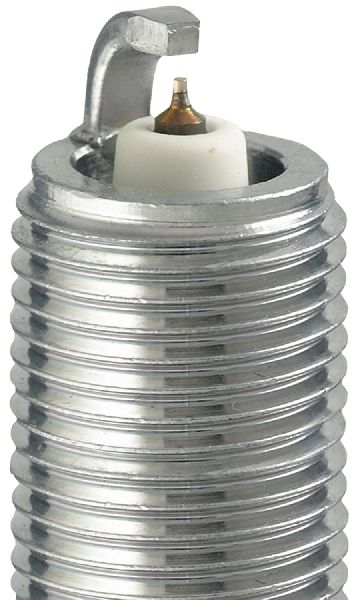
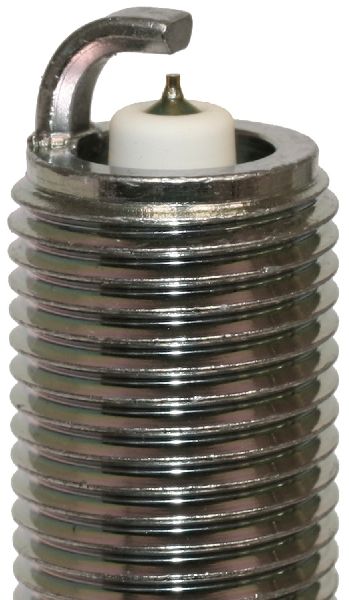
Est. part cost: $40-$75 - Worn or Fouled Spark Plug 🔴 High Probability → Shop Spark Plug Turbocharged engines like the 2.0T can be harder on spark plugs, leading to a shorter service life. Normal wear also applies to the 2.4L. It's crucial to use the correct OEM-spec Iridium plugs and be wary of counterfeit parts from online marketplaces, which can cause persistent misfires.
How to confirm: After confirming the coil is good, remove the spark plug from cylinder 4. Inspect it for wear (worn electrode), oil fouling, carbon tracking, or damage to the ceramic insulator. Compare it to a plug from another cylinder.
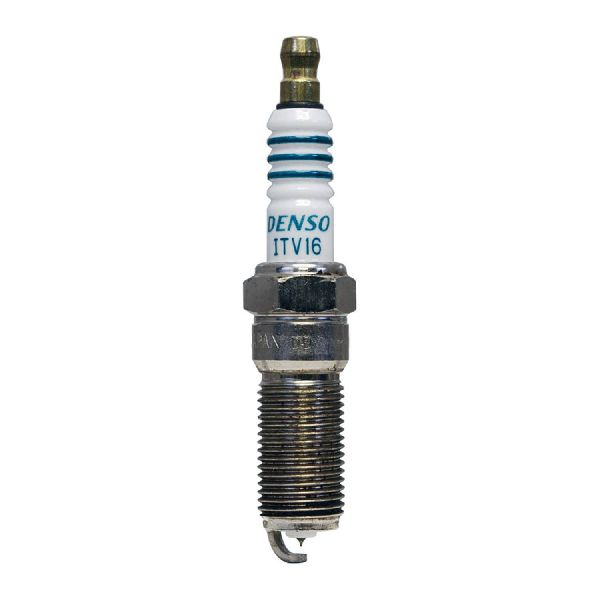
Typical fix: Replace the spark plug in cylinder 4. It is best practice to replace all four spark plugs at the same time with OEM-spec iridium plugs, such as ACDelco 41-108. These plugs are typically pre-gapped and should not be adjusted.
Est. part cost: $10-$25 per plug - Carbon Buildup on Intake Valves 🟡 Medium Probability Both the 2.0L and 2.4L are direct-injection engines, which are inherently susceptible to carbon deposits on intake valves, disrupting airflow and causing misfires. An NHTSA complaint for a 2015 Regal with P0304 specifically notes a de-carbon procedure as the likely solution. GM TSB PIP5029E directly links these engines to misfires from carbon buildup.
How to confirm: This requires a borescope inspection of the intake ports and valves, which usually necessitates removing the intake manifold. It cannot be diagnosed externally.
Typical fix: The intake valves need to be cleaned, typically through walnut shell blasting or another manual scrubbing method. This is a labor-intensive job. Following the cleaning, using Top Tier gasoline is recommended to minimize future deposits.
Est. part cost: $5-$20 for gaskets, but labor is high - Clogged or Faulty Fuel Injector ⚪ Low Probability → Shop Fuel Injector Direct injection fuel injectors operate under extremely high pressure and can become clogged or fail electronically over time. Carbon buildup on the injector tip can also disrupt the spray pattern.
How to confirm: Listen to the injector with a mechanic's stethoscope; it should have a steady, rapid clicking sound. An advanced scan tool like a GM GDS2 can perform an injector balance test to measure the pressure drop for each injector. A variance greater than 20% from the average of the other cylinders indicates a problem.
Typical fix: Replace the faulty fuel injector. This often requires replacing the Teflon injector seal as well, which may require special tools.
Est. part cost: $70-$150
Rare But Worth Checking
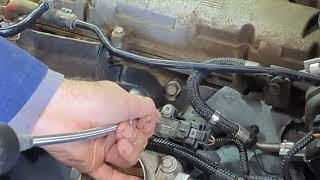
- Clogged PCV Orifice in Intake Manifold (2.4L Engine): → Shop Engine Intake Manifold A known issue on the 2.4L Ecotec engine is a small, non-serviceable PCV orifice inside the intake manifold getting clogged. This disrupts crankcase pressure and can cause oil consumption and misfires that are hard to diagnose, as it won't show up on a typical vacuum leak test. The fix is to clean or replace the entire intake manifold. Some owners have drilled an access hole in the manifold to clean the orifice without removing it. 🎬 See how to fix a plugged PCV orifice without removal. GM issued Special Coverage 14882 for this issue.
- Low Engine Compression: A mechanical engine problem like a burnt valve, worn piston rings, or a leaking head gasket can cause a persistent misfire in one cylinder. A compression test and a cylinder leak-down test are required to confirm this.
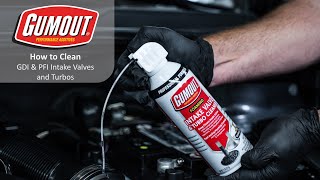
- Cracked Piston (2.0L Turbo Engine): While less common for a single cylinder misfire, the 2.0L Turbo Ecotec engines (LHU, LTG) have a known issue with cracked pistons, particularly on the ring lands. This will result in low compression and a persistent P0304 code that does not resolve with ignition or fuel system repairs. 🎬 Watch: Common 2.0L Turbo failures and how to prevent them.
- Fuel Contamination Sloshing in Fuel Rail: GM TSB PIP3333C describes a rare scenario where fuel contaminants can collect in the returnless fuel rail. During a hard right turn, this debris can slosh over and temporarily clog the #4 fuel injector, causing a brief P0304 misfire that may resolve itself. The fix involves cleaning the entire fuel system.
Diagnosis Steps
- Read the trouble codes with an OBD-II scanner. Note any other codes that are present and freeze frame data.
- Clear the codes and test drive the vehicle to see if P0304 returns immediately. Note if the Check Engine Light is solid or flashing.
- Swap the ignition coil from cylinder 4 with the coil from cylinder 3. Clear the codes and drive again. If the code changes to P0303, the ignition coil is the problem.
- If the code remains P0304, swap the spark plug from cylinder 4 with the plug from cylinder 2. If the code changes to P0302, the spark plug was the issue.
- If the code remains P0304, inspect the wiring and connector for the cylinder 4 ignition coil and fuel injector for any damage, corrosion, or looseness.
- If ignition components are good, the next steps involve more advanced diagnostics: testing the fuel injector (e.g., with a noid light or scan tool balance test), performing an engine compression test on cylinder 4, and conducting a cylinder leak-down test to check for mechanical faults like bad rings, valves, or a head gasket.
- If all else checks out, a borescope inspection of the intake valves for carbon buildup is recommended, especially on higher-mileage vehicles. For the 2.4L engine, this is also the time to inspect the PCV orifice inside the intake manifold.
Parts You'll Likely Need
- Ignition Coil
(OEM #12638824 (Also sold as ACDelco D522C))— This is one of the most common failure items to cause a single-cylinder misfire. This part is a GM-recommended replacement.
Trusted brands: ACDelco, Delphi, NGK, Denso
OEM price range: $50-$80
Aftermarket price range: $30-$60 - Iridium Spark Plug
(OEM #41-108)— Spark plugs are a regular maintenance item and a frequent cause of misfires. Iridium is the recommended type for these engines. Be cautious of counterfeit parts.
Trusted brands: ACDelco, NGK, Denso
OEM price range: $15-$25
Aftermarket price range: $10-$20
Related Codes That Often Appear With This One
- P0300 — If the condition causing the misfire in cylinder 4 is also intermittently affecting other cylinders (like widespread carbon buildup or a vacuum leak), a P0300 (Random Misfire) code may also be stored.
- P0301, P0302, P0303 — If other cylinder-specific misfire codes are present, it points towards a systemic problem affecting the whole engine, such as low fuel pressure, a major vacuum leak, or a stretched timing chain.
- P1101 — This code for Intake Airflow Performance is often caused by vacuum leaks or PCV system issues. If the underlying cause also affects a single cylinder's mixture, it can appear alongside a misfire code like P0304.
Technical Service Bulletins (TSBs) & Recalls
- PIP3333C: Mentions that DTCs P0300, P0301, and/or P0304 can occur due to fuel contamination sloshing in the fuel rail during turns (right turns for cylinder 4). Recommends fuel system cleaning if confirmed.
- PIP5029E: Addresses engine misfires (P0300-P0306) caused by heavy carbon deposits on the intake and/or exhaust valves on direct-injected engines, including the 2.0L and 2.4L in the Regal. Recommends decarbonization procedures.
Platform-Specific Known Issues
- Carbon Buildup on Intake Valves: As direct-injection engines, both the 2.0L Turbo and 2.4L are prone to carbon deposits that can cause misfires. An NHTSA complaint (ODI #11140152) for a 2015 Regal with P0304 specifically mentions a recommendation for an "engine de-carbon procedure". GM TSB PIP5029E covers this issue across many GDI engines, including those in the Regal.
- Clogged PCV Orifice (2.4L): The 2.4L Ecotec can suffer from a clogged PCV passage within the intake manifold, leading to improper crankcase ventilation and misfires. This requires cleaning or replacing the manifold itself. This is a well-documented issue in owner forums and videos for platform-mates like the Chevy Equinox.
Mechanic-Grade Diagnostic Values
- Ignition Coil Primary Resistance — expected: 0.49 - 0.57 Ω. Failure: A reading outside this range indicates a faulty coil.
- Ignition Coil Secondary Resistance — expected: 9.5 - 11.1 kΩ. Failure: A reading outside this range indicates a faulty coil.
- Fuel Injector Balance Test (GDS2) — expected: Pressure drop should be consistent across all cylinders.. Failure: A cylinder's pressure drop varying more than 20% from the average of the others suggests a faulty injector.
- Crankcase Pressure (2.4L PCV Test) — expected: Negative pressure (vacuum) should be felt at the PCV hose on the cam cover at idle.. Failure: No vacuum or positive pressure indicates a clogged PCV orifice in the intake manifold.
Scan Tool Commands That Help
- GDS2 / Tech2: Fuel Injector Balance — To test for a clogged or failing fuel injector after ignition issues have been ruled out. It automates the process of disabling each injector and measuring the corresponding fuel pressure drop to find inconsistencies.
- GDS2 / Tech2: Cylinder Power Balance — To identify which cylinder is contributing the least amount of power by sequentially disabling spark or fuel to each cylinder and measuring the RPM drop. A cylinder with a significantly smaller RPM drop is the likely source of the misfire.
- GDS2 / Tech2: Crankshaft Position System Variation Learn — This should be performed after replacing the ECM, crankshaft position sensor, or major engine work. If not performed, the ECM may misinterpret normal crankshaft fluctuations and falsely trigger misfire codes.
Wiring & Ground Locations
- G102 — Located at the left rear of the engine.. This ground point is specifically for the ignition coils. A loose or corroded connection here can cause weak spark and misfires in one or more cylinders.
- G103 — Located at the left rear of the engine compartment on the cowl, above the brake booster.. This is a major ground point for the Body Control Module (BCM) and Engine Control Module (ECM). A poor connection can cause a wide range of erratic electronic issues, including false sensor readings and misfire detection problems.
- ECM Connector (Cylinder 4 Injector Control) — Within the main connectors to the Engine Control Module.. The ECM directly controls the fuel injector for cylinder 4. A damaged pin or wire at the ECM connector can interrupt the signal, causing a P0304 code. Diagnosis requires an ECM pinout diagram for the specific engine.
Real Owner Repair Stories
- YouTube user Jamieson's Repair Shop (GM Vehicle with 2.4L Ecotec Engine (e.g., Chevy Equinox, shared with Regal)) — Oil consumption, condensation/sludge under oil cap, potential for misfire codes due to high crankcase pressure.
❌ Tried (didn't work) The standard fix requires complete removal of the intake manifold, which is very labor-intensive.
✅ What actually fixed it Drilled a small access hole in the plastic intake manifold directly over the clogged PCV orifice. Used a drill bit to clean out the carbon/sludge from the orifice, then sealed the access hole with a screw and sealer. This restored proper crankcase ventilation without removing the manifold.
"I Checked Everything" — The Actual Cause
- A common scenario on the 2.4L Ecotec is presenting misfire codes (like P0304 or P0300) with no vacuum leaks found during a smoke test. The actual cause is often the internal PCV orifice inside the intake manifold becoming clogged with oil sludge. This does not create an external vacuum leak that a smoke test can find, but it severely disrupts crankcase pressure and the air/fuel mixture, leading to misfires. The fix requires cleaning the orifice, which often involves removing the intake manifold or using a DIY drilling method.
OEM Part Supersession History
12633115→12641847— Part revision and consolidation for the 2.4L Ecotec High-Pressure Fuel Pump.
Heads up: While 12641847 is a common replacement, always verify the correct part number with the vehicle's VIN, as mid-generation changes can occur.12654078→12687140— Part revision for the ignition coil used on some 2.0L LTG engines.
Model Year Variations Within This Range
- 2011-2013 (2.0L Turbo): These models use the LHU Ecotec engine.
- 2014-2015 (2.0L Turbo): These models use the updated LTG Ecotec engine. While similar, some parts like pistons and specific sensors may differ from the earlier LHU engine. The LTG offered slightly different horsepower and torque ratings.
- 2011-2013 (2.4L): These models are explicitly covered under GM Special Coverage 14882 for the clogged PCV orifice in the intake manifold, extending the warranty for this specific repair to 10 years or 120,000 miles.
Helpful Videos


We Have This Part in Stock


The information in this article is provided for general reference and educational purposes only. Vehicle specifications, procedures, and part compatibility can vary by production date, trim level, and region. Always consult your vehicle's factory service manual and verify part numbers before purchasing or performing repairs. Safety-critical components such as airbags, seat belts, and braking systems should be installed by a qualified professional.
- Buick REGAL:
- 🧭 Diagnostic Flowchart
- 🎬 Helpful Videos
- 🛍️ Shop This Part
- What's Unique About the 2011-2015 Buick REGAL
- Symptoms You May Notice
- Most Likely Causes
- Rare But Worth Checking
- Diagnosis Steps
- Parts You'll Likely Need
- Related Codes That Often Appear With This One
- Technical Service Bulletins (TSBs) & Recalls
- Platform-Specific Known Issues
- Mechanic-Grade Diagnostic Values
- Scan Tool Commands That Help
- Wiring & Ground Locations
- Real Owner Repair Stories
- "I Checked Everything" — The Actual Cause
- OEM Part Supersession History
- Model Year Variations Within This Range
- 🎟️ Get 5% Off