

P0304 on 2010-2017 Cadillac Escalade ESV: Cylinder 4 Misfire Causes and Fixes
P0304 indicates a misfire in cylinder 4. For the 2010-2017 Escalade ESV, the most common causes are a worn spark plug, a bad ignition coil, or a loose spark plug wire. However, a persistent P0304, especially with a ticking noise, is a strong indicator of a more serious, well-documented Active Fuel Management (AFM) lifter failure on cylinder 4, which is one of the AFM-managed cylinders.
- P0304 is a misfire on cylinder 4, located second from the front on the passenger side.
- Always start diagnosis with the simple, common fixes: inspect the spark plug wire connection (per TSB PIP4819A), check the spark plug, and swap the ignition coil with another cylinder to see if the misfire follows.
- A flashing Check Engine Light is a critical warning to stop driving to prevent expensive damage to the catalytic converter.
- Be aware that a persistent P0304, especially when accompanied by a ticking engine noise, is a very strong indicator of a failed AFM lifter, a common and serious issue on these 6.2L V8 engines.
What's Unique About the 2010-2017 Cadillac ESCALADE ESV
The 6.2L V8 engines in this generation of Escalade are known for two specific issues that directly relate to a P0304 code. First, a GM Technical Service Bulletin (TSB #PIP4819A) explicitly calls out loose spark plug wires as a cause for misfires. Second, and more seriously, these engines use an Active Fuel Management (AFM) system that deactivates cylinders—including cylinder 4—to save fuel. The hydraulic lifters used in this system are a common failure point, and a collapsed or stuck AFM lifter on cylinder 4 is a well-documented cause of a persistent misfire that won't be fixed by new plugs or coils. This failure often presents with a distinct ticking noise and can lead to further damage to the pushrod and camshaft.
Diagnostic Flowchart
Tap your situation to follow the diagnostic path that matches what you're seeing on this vehicle.
Generation note: This range covers two Escalade generations. The 2010-2014 models (third generation, GMT900 platform) use the 6.2L L94 V8. The 2015-2017 models (fourth generation, K2XX platform) use the updated 6.2L L86 EcoTec3 V8 with direct injection. Both engines feature Active Fuel Management (AFM) and are susceptible to the same primary causes for a P0304, including ignition component failure and AFM lifter issues, as cylinder 4 is an AFM cylinder on both engine variants.
Symptoms You May Notice
- Rough or shaky idle.
- Hesitation or stumbling during acceleration.
- Noticeable loss of engine power.
- Solid or flashing Check Engine Light.
- A distinct ticking or tapping noise from the engine (often indicates a lifter problem).
- Smell of unburned fuel from the exhaust.
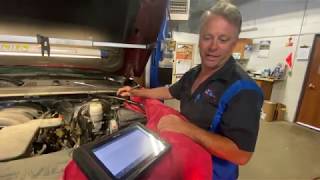
- "Service Stabilitrak" and "Service Traction Control" messages appearing on the dashboard. 🎬 Watch: Real-world diagnosis of a 6.2L misfire and ticking noise.
- Replacing oxygen sensors, as they can be affected by the misfire but are not the root cause.
- Assuming the catalytic converter is bad without first diagnosing the persistent misfire that is causing it to fail.
- Replacing only ignition components when a mechanical ticking is present, often delaying the correct diagnosis of a failed AFM lifter.
Most Likely Causes
- Worn or Fouled Spark Plug 🔴 High Probability → Shop Spark Plug Spark plugs are a standard maintenance item with a typical life of 100,000 miles. The high-heat environment of the V8 can lead to wear over time.
How to confirm: Remove the spark plug from cylinder 4 (the second cylinder from the front on the passenger side) and inspect it for a worn electrode, carbon buildup, oil fouling, or a cracked insulator.
Typical fix: Replace the spark plug. It is best practice to replace all 8 spark plugs at the same time. Use the specified Iridium plugs (e.g., ACDelco 41-110 or 41-114) for longevity.
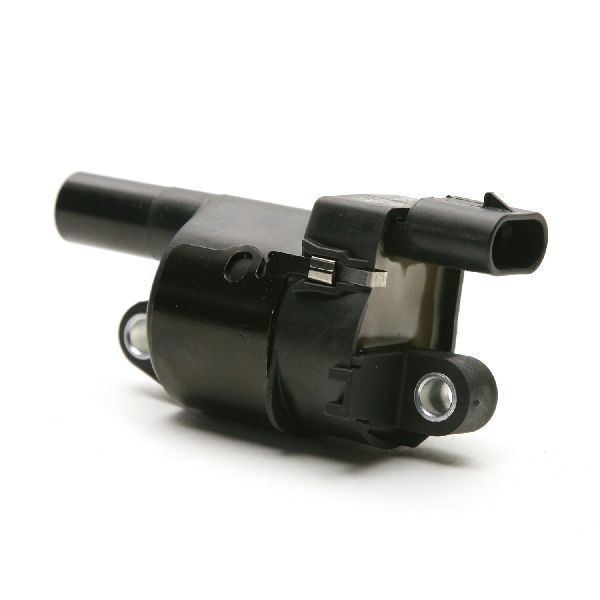
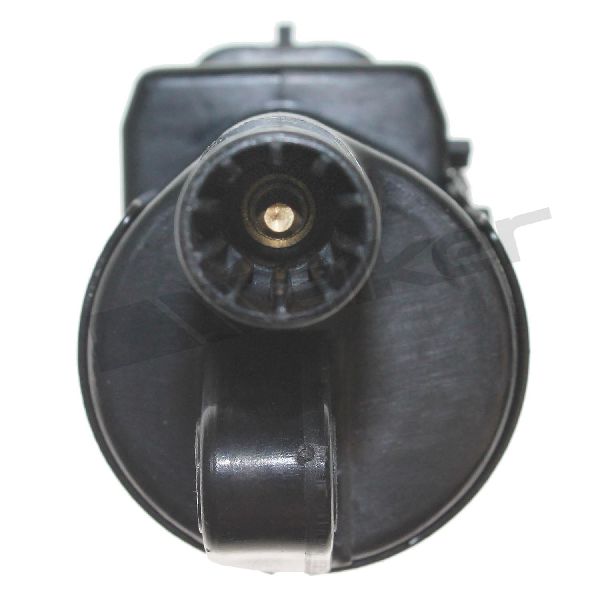
Est. part cost: $10-$25 per plug - Failed Ignition Coil 🔴 High Probability → Shop Ignition Coil Coil-on-plug units are subjected to constant heat and vibration, making them a common failure point on modern V8s.
How to confirm: Swap the ignition coil from cylinder 4 with another cylinder (e.g., cylinder 2, the front cylinder on the passenger side). Clear the codes and drive the vehicle. If the code changes to P0302, the ignition coil is faulty.
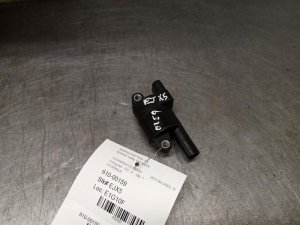
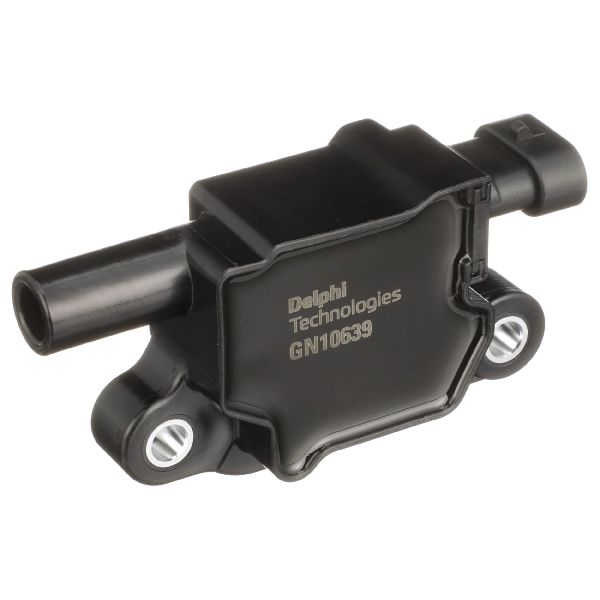
Typical fix: Replace the failed ignition coil. It's often wise to use a reputable OEM brand like ACDelco or Delphi. The ACDelco part number is commonly D510C (GM 12611424).
Est. part cost: $40-$90 - Loose or Damaged Spark Plug Wire 🟡 Medium Probability → Shop Spark Plug A specific GM Technical Service Bulletin (TSB #PIP4819A) was issued for these engines, noting that loose-fitting spark plug wires can cause misfires. Heat cycling can also make wires brittle.
How to confirm: Physically inspect the spark plug wire for cylinder 4. Ensure it 'clicks' into place and is securely connected at both the ignition coil and the spark plug. Check for burns or damage.
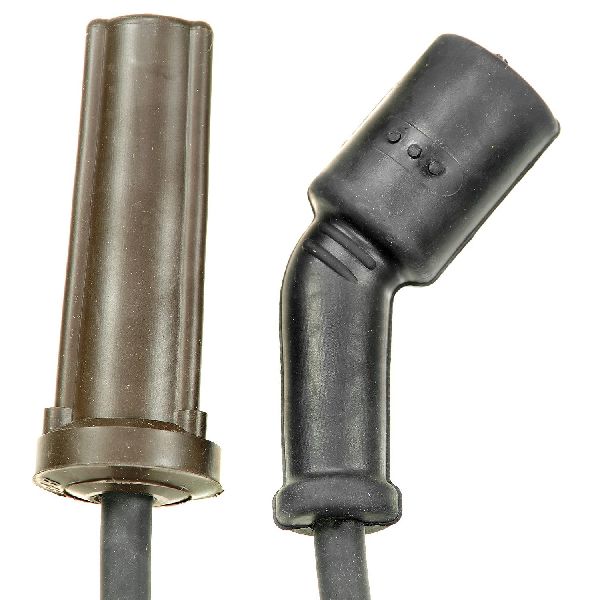
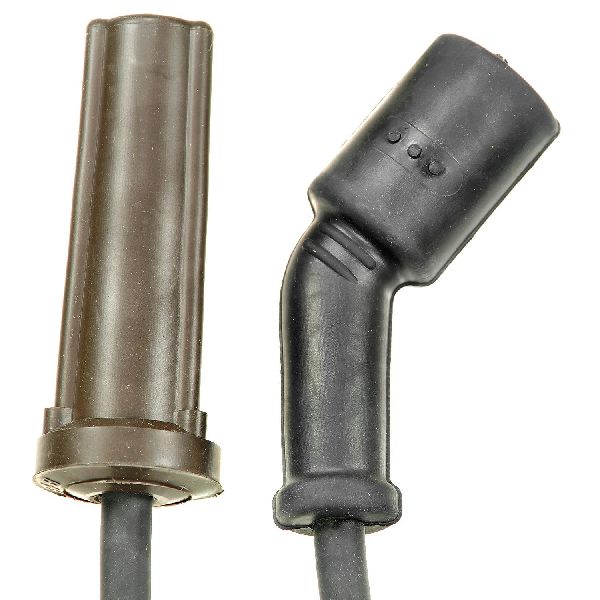
Typical fix: Securely reconnect the wire. Per the TSB, if a wire is found to be loose, it should be replaced. It's recommended to replace the entire set (e.g., ACDelco 9748RR).
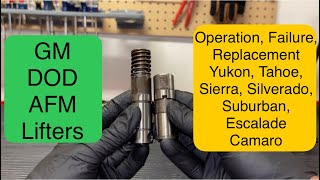
Est. part cost: $50-$100 for a full set - Failed Active Fuel Management (AFM) Lifter 🟡 Medium Probability → Shop Engine Valve Lifter The AFM system deactivates cylinders 1, 4, 6, and 7. The specialized lifters for these cylinders are a known, widespread failure point on GM V8s, leading to a collapsed or stuck lifter. This issue is the subject of class-action lawsuits. 🎬 See how AFM lifters fail and why they cause misfires.
How to confirm: This is often diagnosed after ignition and fuel system issues are ruled out. A key symptom is a persistent ticking/tapping noise from the engine. A compression test on cylinder 4 may show low or zero compression. Removing the valve cover may reveal a loose rocker arm and a bent pushrod.
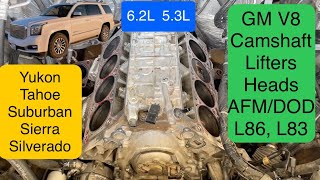
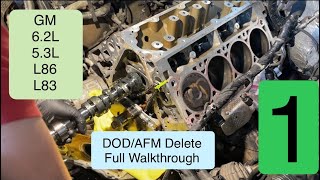
Typical fix: This is a major repair that involves removing the cylinder head to replace the failed lifters. Often, the camshaft is also damaged and requires replacement. Many owners or shops also replace the Valve Lifter Oil Manifold (VLOM) and the lifter guides (e.g., ACDelco 12669184) at the same time. Some owners opt for a full AFM delete, which involves replacing the AFM lifters, camshaft, and VLOM with standard components and reprogramming the ECU. 🎬 Watch: Step-by-step guide to performing a full AFM delete.
Est. part cost: $400-$800 for lifters and gaskets; up to $2000+ if the camshaft, VLOM, and other components also need replacement. - Clogged or Faulty Fuel Injector ⚪ Low Probability → Shop Fuel Injector Fuel injectors can become clogged with deposits over time, affecting their spray pattern and fuel delivery.
How to confirm: After ruling out ignition issues, you can swap the fuel injector from cylinder 4 with another cylinder. This is more labor-intensive than swapping a coil. A professional can perform an injector balance test with a scan tool. One owner on a GM forum noted they replaced the injector on cylinder 4 to no avail, with the issue later being a lifter.
Typical fix: Replace the faulty fuel injector.
Est. part cost: $70-$150
Rare But Worth Checking
- Broken Valve Spring: While less common than a lifter failure, a broken valve spring can cause a complete loss of compression and a persistent misfire on a single cylinder. One owner of a 2013 Yukon with a 6.2L engine reported finding a broken valve spring after a shop had misdiagnosed the P0304 as a lifter failure.
- Intake Manifold Gasket Leak: → Shop Engine Intake Manifold A vacuum leak near the intake runner for cylinder 4 can lean out the air/fuel mixture enough to cause a misfire. This would often be accompanied by a lean code like P0171 or P0174.
Diagnosis Steps
- Check if the Check Engine Light is solid or flashing. A flashing light indicates a severe misfire requiring immediate attention to prevent catalytic converter damage.
- Scan the PCM for any other stored trouble codes. Codes like P0300 or P3400 can provide crucial diagnostic direction.
- Identify cylinder 4, which is the second cylinder from the front on the passenger side of the engine.
- Listen carefully for a persistent ticking or tapping noise from the engine bay, especially the passenger side valve cover area. This is a classic symptom of a failed AFM lifter.
- Inspect the spark plug wire for cylinder 4. Ensure it is fully seated on both the ignition coil and the spark plug, as noted in TSB #PIP4819A.
- Swap the ignition coil from cylinder 4 with the coil from cylinder 2 (front passenger side). Clear the codes and run the engine. If the code changes to P0302, the ignition coil is bad.
- If the code remains P0304, remove and inspect the spark plug from cylinder 4. Look for excessive wear, damage, or fouling. Replace if necessary.
- If ignition components are good and a ticking noise is present, perform a compression test on cylinder 4. A significant loss of compression points to a mechanical problem like a collapsed lifter or broken valve spring.
- If compression is low, remove the passenger side valve cover and inspect the valve train for cylinder 4. Look for a loose rocker arm or a bent pushrod, which are definitive signs of a collapsed lifter.
Parts You'll Likely Need
- Spark Plug
(OEM #ACDelco 41-114 or 41-110 (Verify by VIN))— This is a primary wear item and one of the most common causes of a single-cylinder misfire.
Trusted brands: ACDelco
OEM price range: $15-$25
Aftermarket price range: $10-$20 - Ignition Coil
(OEM #ACDelco D510C (GM 12611424))— Ignition coils are a frequent failure point due to heat and vibration, leading to a lack of spark.
Trusted brands: ACDelco, Delphi
OEM price range: $60-$90
Aftermarket price range: $40-$70 - Spark Plug Wire Set
(OEM #ACDelco 9748RR)— TSB #PIP4819A specifically calls out loose wires as a cause for misfires. Heat and age can also cause them to fail.
Trusted brands: ACDelco
OEM price range: $70-$100
Aftermarket price range: $50-$80 - AFM Lifter Kit
(OEM #GM 12570616 (individual lifter, verify full kit))— The specialized AFM lifters are a known major failure point on these engines, causing a persistent misfire that standard ignition repairs will not fix.
Trusted brands: ACDelco, Melling
OEM price range: $300-$500 for a set
Aftermarket price range: $200-$400 for a set
Related Codes That Often Appear With This One
- P0300 — If the cause of the misfire is systemic (like a failing AFM lifter system or low fuel pressure), multiple random misfires may be detected along with the specific cylinder 4 misfire.
- P3400 — This code relates to the Cylinder Deactivation System. Its appearance with a P0304 strongly points towards a problem with the AFM system, such as a failing lifter or VLOM on an AFM cylinder.
- P3425 — This code is 'Cylinder 4 Deactivation Control Circuit'. It specifically points to an issue in the electronic control of the AFM system for cylinder 4, which could be the solenoid in the VLOM or wiring.
Technical Service Bulletins (TSBs) & Recalls
- TSB #PIP4819A: Calls out loose spark plug wires as a potential cause for engine misfires (P0300-P0308).
Platform-Specific Known Issues
- Active Fuel Management (AFM) Lifter Failure: → Shop Engine Valve Lifter The most significant vehicle-specific issue for a P0304 code on this platform is the failure of the AFM lifters. Cylinder 4 is one of the four cylinders (1, 4, 6, 7) that are deactivated under light load. The complex design of these lifters makes them a common failure point, leading to a collapsed lifter that no longer opens the valve correctly. This is a well-documented, widespread problem across GM's 6.2L V8s of this era.
Mechanic-Grade Diagnostic Values
- Fuel Pressure (2010-2014 L94 Engine) — expected: 58-60 PSI with key on, engine off; 43-45 PSI at idle.. Failure: Pressure significantly below these ranges suggests a weak fuel pump, clogged filter, or faulty Fuel Pump Driver Module (FPDM).
- Ignition Coil Primary Resistance (ACDelco D510C equivalent) — expected: ~0.820 ohms. Failure: A reading significantly higher or lower than this value can indicate a faulty coil winding.
- Long Term Fuel Trim (LTFT) — expected: Between -10% and +10% at idle.. Failure: Sustained values above +15% can indicate a vacuum leak or fuel delivery issue that could contribute to a misfire, though this is less common for a single-cylinder misfire.
Hidden / Shadow Codes Worth Checking
- P3425 - P3432: Cylinder Deactivation Control Circuit codes for cylinders 4 through 8 respectively. For a P0304, a corresponding P3425 ('Cylinder 4 Deactivation Control Circuit') is a major clue. (see via These codes are often not visible on basic consumer-grade OBD-II scanners. A professional-grade tool like a GM Tech2 or GDS2 is required to see these manufacturer-specific codes, which are critical for diagnosing AFM-related misfires.)
Scan Tool Commands That Help
- GDS2 (GM Global Diagnostic System 2): AFM Live Data Analysis — When an AFM-related misfire (P0304 on an AFM cylinder) is suspected. This function allows a technician to monitor individual cylinder deactivation status, AFM solenoid voltage, and oil pressure within the AFM circuit to pinpoint a fault in the valvetrain hydraulic system.
- GDS2 / Tech2: Cylinder Power Balance Test — To confirm which cylinder is contributing least to engine power. The tool sequentially disables fuel to each cylinder and measures the corresponding drop in RPM. A cylinder with a smaller RPM drop is not performing correctly. This can help confirm the P0304 before tearing into components.
- Any professional scan tool: Misfire Counters — During diagnosis, monitoring the live misfire counter for cylinder 4 (and others) can show the severity of the misfire and under what conditions (idle, load, RPM) it occurs, providing valuable diagnostic clues.
Wiring & Ground Locations
- G103 — On the front of the passenger side (Bank 2) cylinder head.. This is a primary engine-to-chassis ground on the same bank as cylinder 4. A loose or corroded connection here can cause erratic voltage and weak spark for all components on that bank, including the cylinder 4 ignition coil and injector.
- G102 — On the lower left front of the engine or rear of the left cylinder head, depending on hybrid vs. non-hybrid models.. This is a common ground point for all eight ignition coils. While a fault here would typically cause multiple misfires (P0300), a partially compromised connection could intermittently affect a single coil.
- Cylinder 4 Ignition Coil Connector — The 4-pin electrical connector on the ignition coil for cylinder 4 (second from front, passenger side).. The pins supply power, ground, and the trigger signal from the ECM. A visual inspection for corrosion or damage and a wiggle test of the harness are crucial. A wiring diagram is needed to test for 12V power, good ground, and the signal pulse with a multimeter or scope.
Real Owner Repair Stories
- Reddit user in r/ChevyTrucks (Chevy Truck with GM V8 (specific year not mentioned, but AFM engine)) — P0304 code with a loud ticking/flapping noise that increases with acceleration.
❌ Tried (didn't work) Swapped spark plugs, Swapped spark plug wires, Swapped ignition coils, Cleaned fuel injectors
✅ What actually fixed it The user suspected a failed lifter was the root cause after all ignition and basic fuel system fixes failed to resolve the issue and the mechanical noise persisted. - Chevrolet Forum user (2016 Silverado with 6.2L V8 at 56,000 miles) — Started as a valve lifter tapping noise isolated to cylinder #4 with a stethoscope, only in V8 mode. Later, the noise stopped and was replaced by a rough running engine and a flashing P0304 code.
❌ Tried (didn't work) Initial diagnosis was auditory before the code appeared.
✅ What actually fixed it The owner concluded the lifter had completely failed, causing the persistent misfire. The progression from a tapping noise to a hard misfire code is a classic sign of complete AFM lifter failure. - Tahoe Yukon Forum user (GMC Denali (year/mileage not specified, but has AFM)) — P0304 code, engine missing, and a new, loud knock from the passenger side of the engine.
❌ Tried (didn't work) New spark plugs, New spark plug wires, New ignition coil on cylinder 4
✅ What actually fixed it The consensus diagnosis from experienced forum members was a failed AFM lifter on cylinder 4, which is an AFM cylinder. The final fix is replacing the lifters and likely the camshaft, with many recommending a full AFM delete. The key diagnostic indicator was the loud knock that persisted after ignition parts were replaced.
OEM Part Supersession History
ACDelco 41-110→ACDelco 41-162— Spark Plug - GM reportedly changed suppliers for the iridium spark plugs.
Heads up: Both are generally compatible, but it's best practice to use the latest recommended part number and not mix types.GM 12623130→GM 12673824— Fuel Injection Fuel Rail Pressure Sensor (for 2015+ L86 engines).
Heads up: The newer part number should be used for replacement. Using the old part number may result in premature failure if the design was updated for reliability.GM 12570616→Multiple aftermarket and updated OEM kits— AFM Valve Lifter. The original design is prone to failure.
Heads up: When replacing failed lifters, it is critical to replace them as a set for the affected bank and use new lifter guides. Many owners opt for an 'AFM Delete Kit' which uses standard, non-AFM lifters and requires ECU reprogramming.
Model Year Variations Within This Range
- 2015-2017: These models use the L86 V8 engine with direct injection. This introduces a high-pressure fuel system, including a high-pressure fuel pump and different fuel injectors and rails. While a fuel system issue is a low-probability cause for a single cylinder misfire, on these later models it involves diagnosing a more complex system compared to the port injection on the 2010-2014 L94 engines.
- 2010-2014: These models use the L94 V8 engine with a standard port fuel injection system. Fuel system diagnosis is simpler, focusing on the fuel rail Schrader valve for pressure tests and the individual port injectors.
Helpful Videos

Used OEM Parts in Stock
New Aftermarket Parts Available


The information in this article is provided for general reference and educational purposes only. Vehicle specifications, procedures, and part compatibility can vary by production date, trim level, and region. Always consult your vehicle's factory service manual and verify part numbers before purchasing or performing repairs. Safety-critical components such as airbags, seat belts, and braking systems should be installed by a qualified professional.
- Cadillac ESCALADE ESV:
- 🧭 Diagnostic Flowchart
- 🎬 Helpful Videos
- 🛍️ Shop This Part
- What's Unique About the 2010-2017 Cadillac ESCALADE ESV
- Symptoms You May Notice
- Most Likely Causes
- Rare But Worth Checking
- Diagnosis Steps
- Parts You'll Likely Need
- Related Codes That Often Appear With This One
- Technical Service Bulletins (TSBs) & Recalls
- Platform-Specific Known Issues
- Mechanic-Grade Diagnostic Values
- Hidden / Shadow Codes Worth Checking
- Scan Tool Commands That Help
- Wiring & Ground Locations
- Real Owner Repair Stories
- OEM Part Supersession History
- Model Year Variations Within This Range
- 🎟️ Get 5% Off