

P0304 on 2010-2013 Chevrolet Corvette: Cylinder 4 Misfire Causes and Fixes
P0304 on a C6 Corvette indicates a misfire in cylinder 4. The most common causes are a faulty spark plug or a loose/failed spark plug wire. A GM Technical Service Bulletin specifically notes that loose spark plug wires can cause this code. Swapping ignition components to another cylinder is the primary diagnostic step.
- P0304 on a 2010-2013 Corvette is a misfire on cylinder 4, located on the passenger side, second from the front.
- Always check the spark plug wire first; a GM TSB specifically calls out loose wires as a known issue, and they are a very common failure point.
- If the wire is secure, inspect the spark plug and then swap the ignition coil with another cylinder to definitively diagnose a bad coil.
- If ignition parts don't solve the misfire, consider a faulty fuel injector or, in rarer cases, a mechanical issue like a broken valve spring.
- Avoid driving with a flashing check engine light to prevent expensive damage to the catalytic converter.
What's Unique About the 2010-2013 Chevrolet CORVETTE
The 2010-2013 Corvette belongs to the C6 generation. A notable issue for this platform is highlighted in a General Motors Technical Service Bulletin (TSB), which states that misfire codes, including P0304, can be caused by spark plug wires that are loose from the factory. This makes checking the spark plug wire connection at the coil and the plug a critical first step. Additionally, the high-performance nature of the LS engines, particularly the LS7 with its history of valve train concerns, means that mechanical issues like a broken valve spring, while less common, are a more significant possibility than on standard passenger cars.
Diagnostic Flowchart
Tap your situation to follow the diagnostic path that matches what you're seeing on this vehicle.
Symptoms You May Notice
- Flashing or solid Check Engine Light
- Rough or unstable idle
- Engine hesitation or stumbling during acceleration
- Noticeable loss of power
- Smell of unburnt fuel from the exhaust
- Stabilitrak / Traction Control service lights illuminating
- Replacing the oxygen sensor before diagnosing the ignition system.
- Assuming a bad catalytic converter is the cause, when it is actually the victim of the misfire.
Most Likely Causes
- Loose or Failed Spark Plug Wire 🔴 High Probability → Shop Spark Plug A specific TSB (#PIP4819A) was issued for 2010 models regarding loose spark plug wires causing misfires. Wires can also degrade from high engine bay temperatures or fail even when new, as documented by owners.
How to confirm: Visually inspect the wire for cylinder 4. Ensure it is securely clicked onto the ignition coil and the spark plug. Check for any signs of arcing (white marks), cracking, or melting. Test the wire's resistance with a multimeter; a good rule of thumb is under 1,000 ohms per foot, but a failed wire may show infinite resistance.
Typical fix: Reseat or replace the spark plug wire. It is often recommended to replace the full set with a quality brand like ACDelco to avoid issues. Be cautious of counterfeit parts from online marketplaces.
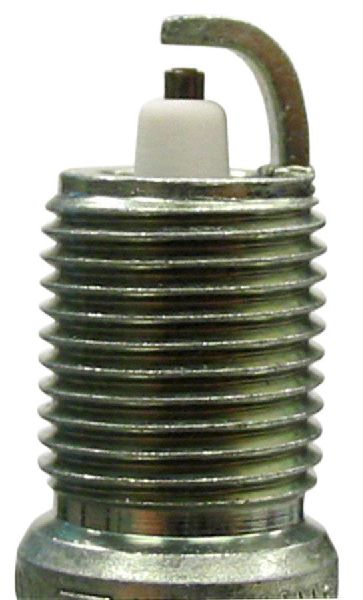
Est. part cost: $60-$190 - Worn or Fouled Spark Plug 🔴 High Probability → Shop Spark Plug
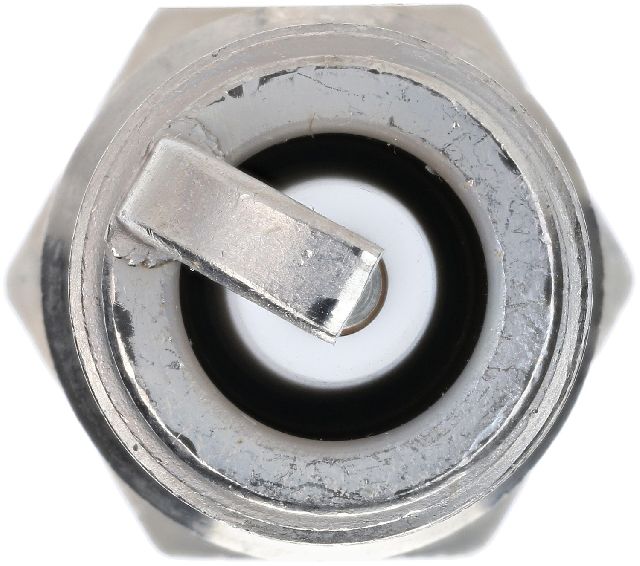
How to confirm: Remove the spark plug from cylinder 4. Inspect the electrode for excessive wear, carbon buildup, oil fouling, or damage to the porcelain. A cracked insulator can cause a misfire that is hard to see without removing the plug.
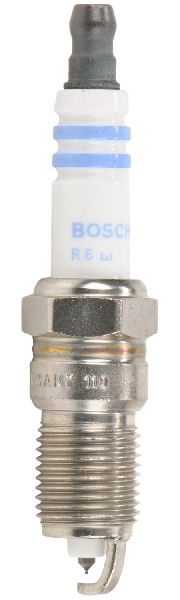
Typical fix: Replace the spark plug. It is best practice to replace all 8 spark plugs at the same time. 🎬 Watch: Step-by-step guide to changing C6 Corvette plugs and wires. The original OEM plug was ACDelco 41-110, which was superseded by 41-162. Some owners prefer the look and quality of the original 41-110 if they can be found.
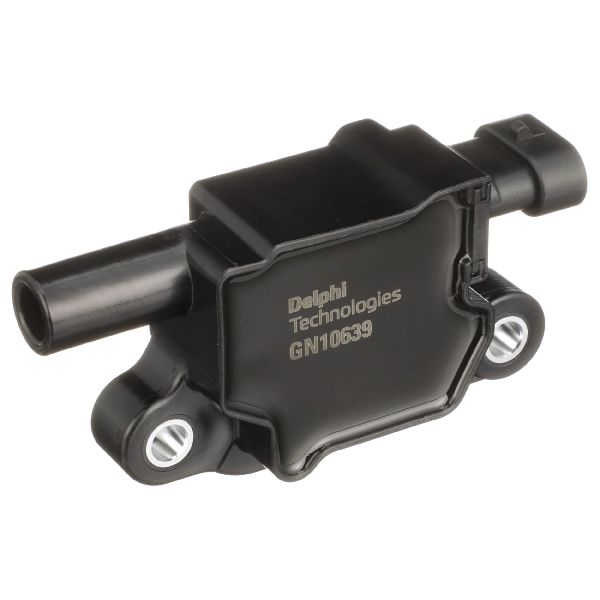
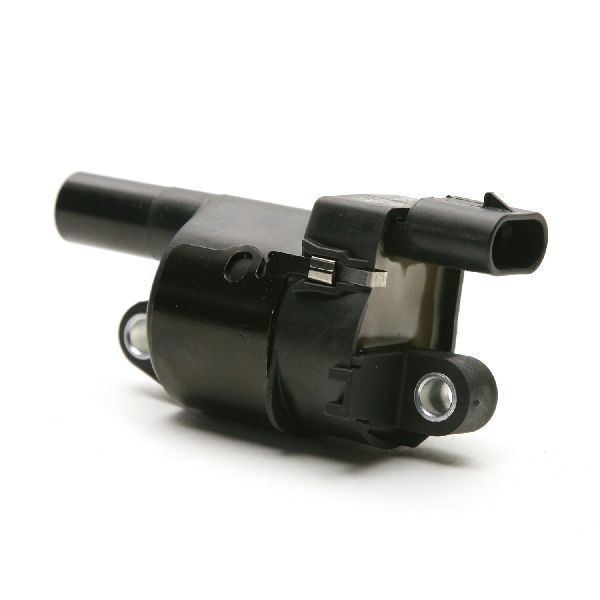
Est. part cost: $10-$25 per plug - Faulty Ignition Coil 🟡 Medium Probability → Shop Ignition Coil
How to confirm: Swap the ignition coil from cylinder 4 with another cylinder (e.g., cylinder 2, which is the front cylinder on the passenger side). Clear the codes and drive the vehicle. If the code changes to P0302, the coil is faulty.
Typical fix: Replace the failed ignition coil.
Est. part cost: $40-$80 - Clogged or Failed Fuel Injector ⚪ Low Probability → Shop Fuel Injector
How to confirm: Listen to the injector with a mechanic's stethoscope or a long screwdriver; you should hear a consistent clicking sound. You can also swap the injector with another cylinder to see if the misfire code follows, though this is more labor-intensive than swapping a coil.
Typical fix: Replace the faulty fuel injector.
Est. part cost: $70-$150
Rare But Worth Checking
- Broken Valve Spring: A known, though uncommon, failure point on LS engines. If a misfire persists after ignition and fuel system checks, this becomes a possibility, especially on the LS7. 🎬 See how to replace a broken valve spring on a Z06. Diagnosis requires removing the valve cover to inspect the springs and rocker arm movement.
- Intake Manifold Gasket Leak: → Shop Engine Intake Manifold A vacuum leak near the intake runner for cylinder 4 can lean out the air/fuel mixture and cause a misfire.
- Low Cylinder Compression: This indicates a more serious internal engine problem, such as a worn piston ring, a bad valve, or a damaged cylinder head. A compression test is needed to confirm.
Diagnosis Steps
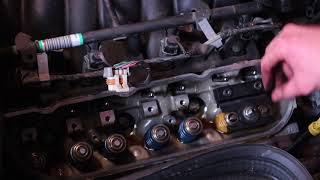
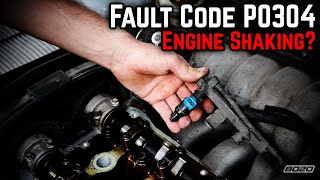
- Read the code from the OBD-II port using a scanner. Confirm P0304 is the primary code. 🎬 Watch this breakdown to find the root cause of your misfire.
- Identify cylinder 4 (passenger side, second from the front).
- Inspect the spark plug wire for cylinder 4. Ensure it is fully seated on the coil and plug with a distinct 'click'. Check for damage. This is the most likely cause per TSB PIP4819A.
- Remove and inspect the spark plug for wear, fouling, or damage. Check the spark plug well for oil, which would indicate a leaking valve cover gasket that needs replacement. Replace plug if necessary.
- If the wire and plug are good, swap the ignition coil from cylinder 4 with the coil from cylinder 2 (P0302). Clear the codes, run the engine, and see if the misfire moves to cylinder 2 (now showing a P0302 code). If it does, the coil is bad.
- If the misfire remains on cylinder 4, check the fuel injector by listening for a steady clicking sound. A more advanced step is to swap injectors to see if the code follows.
- If ignition and fuel seem okay, perform a compression test on cylinder 4 to rule out mechanical engine issues.
- If compression is good, consider removing the passenger-side valve cover to inspect the valve springs for cylinder 4 for any visible breaks.
Parts You'll Likely Need
- Spark Plug Wire Set
(OEM #ACDelco 9748RR (Gold/Professional))— A loose or failed spark plug wire is a primary cause for P0304 on this vehicle, as noted in a manufacturer TSB. Owners have reported success with this specific part number.
Trusted brands: ACDelco
OEM price range: $70-$100
Aftermarket price range: $60-$150 - Iridium Spark Plug
(OEM #ACDelco 41-162 (Supersedes 41-110))— Spark plugs are a common wear item and a frequent cause of single-cylinder misfires. The 41-162 is the current OEM recommended plug.
Trusted brands: ACDelco, NGK
OEM price range: $15-$25
Aftermarket price range: $10-$20 - Ignition Coil
(OEM #12699382)— The individual coil-on-plug design means a single coil failure will cause a misfire in only one cylinder. Swapping coils is the easiest way to confirm failure.
Trusted brands: ACDelco, Delphi, Bosch
OEM price range: $60-$80
Aftermarket price range: $40-$70
Related Codes That Often Appear With This One
- P0300 — If the misfire is intermittent or begins to affect other cylinders, a P0300 (Random/Multiple Cylinder Misfire) code may also be triggered.
Technical Service Bulletins (TSBs) & Recalls
- PIP4819A: States that a Service Engine Soon lamp with misfire codes (P0300-P0308) may be due to loose spark plug wires that require inspection and replacement.
Platform-Specific Known Issues
- Technical Service Bulletin PIP4819A points directly to loose spark plug wires as a cause for P030x codes on 2010 models. The bulletin advises technicians to inspect and replace any loose wires.
- For LS7-equipped models (Z06), while less common for a simple P0304, there is a known history of valve guide and valve spring issues that can manifest as a misfire. If ignition/fuel fixes fail, mechanical inspection is more critical on these engines.
Mechanic-Grade Diagnostic Values
- Fuel Pressure at Fuel Rail — expected: 58 PSI (400 kPa). Normal operating range is 55-62 PSI.. Failure: Pressure significantly below 55 PSI could indicate a weak fuel pump or clogged filter, potentially causing a lean misfire.
- Fuel Injector Resistance — expected: 11.0 to 16.0 Ohms (for stock high-impedance LS3 injectors).. Failure: A reading of 0 ohms (dead short) or infinite/OL (open circuit) indicates a failed injector. A reading significantly outside the expected range also points to a faulty injector.
Hidden / Shadow Codes Worth Checking
- Live Misfire Counters: This is not a stored code, but a live data parameter showing the number of misfire events per cylinder in real-time. It can reveal intermittent misfires on a specific cylinder before they are frequent enough to set a P0304 trouble code. (see via Requires a GM-specific scan tool like a Tech 2, VCX Nano with GDS2 software, or a high-end professional scanner (e.g., Autel) with GM-specific software.)
Scan Tool Commands That Help
- Tech 2 / GDS2: Crankshaft Variation Learn (CASE Learn) — After replacing a crankshaft position sensor, camshaft position sensor, or PCM. Also useful if false misfires are suspected due to road vibrations or minor engine wear, as it helps the ECM more accurately identify true misfire events.
- Tech 2 / GDS2: Injector Balance Test — To diagnose a potentially clogged or failing fuel injector after spark and compression have been ruled out. The test fires each injector for a set time while monitoring fuel pressure drop with a mechanical gauge. An injector with a smaller pressure drop than the others is likely restricted.
- Tech 2 / GDS2: Power Balance / Cylinder Cutout — To identify the misfiring cylinder in real-time. The technician can command the scan tool to disable fuel to each cylinder one by one. When the misfiring cylinder is disabled, there will be little to no change in engine RPM, confirming its lack of contribution.
Wiring & Ground Locations
- G105/G106 — On the frame rail in the engine compartment, typically near or under the battery tray.. This is a primary engine and chassis ground. Corrosion here is common and can cause a host of seemingly unrelated electrical issues, including weak spark or erratic sensor readings that could lead to a misfire code.
- Engine Block Ground — A ground strap or cable connecting the engine block to the chassis, often located near the starter motor.. A loose or corroded main engine ground can affect the entire ignition system, as the coils ground through the cylinder heads to the block. This can cause a weak spark on one or more cylinders.
- Engine Harness Chafe Point — Inspect the engine wiring harness for rubbing on the back of the driver's side cylinder head, the ECM/TCM mounting bracket, and the shock tower.. Vibration can cause the harness to rub through, potentially shorting the ignition coil or fuel injector control wire for cylinder #4. This would directly cause a P0304 code.
Real Owner Repair Stories
- CorvetteForum user (2011 Corvette Grand Sport (LS3)) — Persistent P0304 code with rough idle and hesitation.
❌ Tried (didn't work) Replaced spark plug on cylinder 4, Replaced spark plug wire on cylinder 4, Swapped ignition coil from cylinder 4 to cylinder 2 (code did not move), Replaced fuel injector on cylinder 4
✅ What actually fixed it A failed valve lifter on cylinder 4. The owner performed a compression test which was good, but further mechanical inspection revealed the lifter was not functioning correctly, causing the valve to not open properly. Replacing the lifter and camshaft resolved the misfire.
Model Year Variations Within This Range
- 2010-2013: Grand Sport models with a manual transmission were equipped with a hand-built LS3 featuring a dry-sump oiling system, similar to the Z06's LS7. Automatic Grand Sport models used the standard wet-sump LS3. This does not directly affect the cause of P0304 but is a major engine architecture difference.
- 2012-2013: Models from 2012 and later were equipped with four catalytic converters instead of the two used on 2010-2011 models. This change is downstream of the combustion process and will not cause a P0304, but is relevant for exhaust-related work.
Helpful Videos
Used OEM Parts in Stock
New Aftermarket Parts Available

The information in this article is provided for general reference and educational purposes only. Vehicle specifications, procedures, and part compatibility can vary by production date, trim level, and region. Always consult your vehicle's factory service manual and verify part numbers before purchasing or performing repairs. Safety-critical components such as airbags, seat belts, and braking systems should be installed by a qualified professional.
- Chevrolet CORVETTE:
- 🧭 Diagnostic Flowchart
- 🎬 Helpful Videos
- 🛍️ Shop This Part
- What's Unique About the 2010-2013 Chevrolet CORVETTE
- Symptoms You May Notice
- Most Likely Causes
- Rare But Worth Checking
- Diagnosis Steps
- Parts You'll Likely Need
- Related Codes That Often Appear With This One
- Technical Service Bulletins (TSBs) & Recalls
- Platform-Specific Known Issues
- Mechanic-Grade Diagnostic Values
- Hidden / Shadow Codes Worth Checking
- Scan Tool Commands That Help
- Wiring & Ground Locations
- Real Owner Repair Stories
- Model Year Variations Within This Range
- 🎟️ Get 5% Off