

P0304 on 2011-2015 Chevrolet Volt: Cylinder 4 Misfire Causes and Fixes
P0304 on a 2011-2015 Chevy Volt indicates a misfire in cylinder 4. This is most often caused by a failed ignition coil cassette or worn spark plugs. A key failure point is corrosion on the contact spring for cylinder 4 inside the one-piece coil assembly. Replacing the entire coil cassette and all four spark plugs is the most common and effective repair.
- P0304 on a Gen 1 Volt is almost always an ignition issue.
- The primary suspect is the one-piece ignition coil cassette, specifically corrosion on the spring for cylinder 4.
- Always replace the coil cassette and all four spark plugs together.
- Use dielectric grease in the new coil boots to prevent future moisture damage.
- A flashing check engine light means stop driving to prevent catalytic converter damage.
What's Unique About the 2011-2015 Chevrolet VOLT
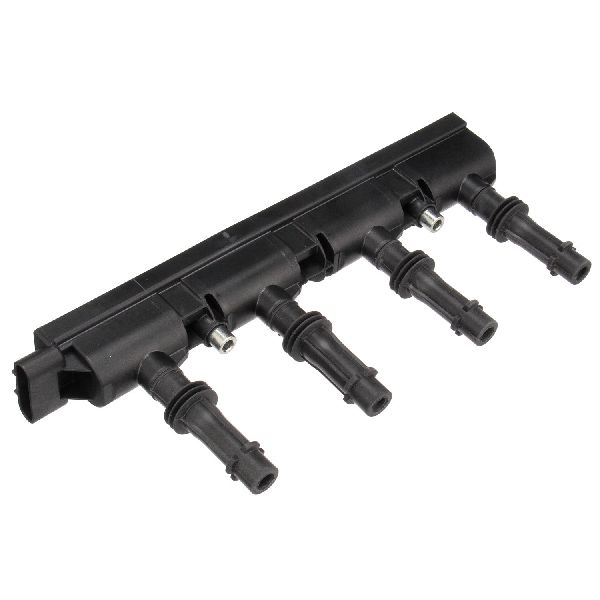
The 2011-2015 (Gen 1) Volt uses a 1.4L gasoline engine primarily as a range extender. Its infrequent use compared to a conventional car can lead to unique issues. The most notable is the ignition system, which uses a single, one-piece ignition coil cassette (also called a rail) that houses all four coils. This cassette is a very common failure point, often due to moisture ingress causing corrosion (typically appearing as white or green residue) on the internal contact springs that connect to the spark plugs, rather than a complete electronic failure. Cylinder 4 is particularly susceptible.
Diagnostic Flowchart
Tap your situation to follow the diagnostic path that matches what you're seeing on this vehicle.
Symptoms You May Notice
- Check Engine Light (Service Engine Soon light) is on, may be flashing in severe cases
- Rough running or shaking when the gasoline engine is on
- Reduced power or hesitation when the engine is active
- Audible snapping or arcing sound from the engine bay
- Smell of unburned fuel from the exhaust
- "Service StabiliTrak" or "Service Traction Control" messages may appear on the dash along with the misfire
- Replacing only the spark plug without inspecting the coil cassette, as corrosion inside the coil boot is a very frequent cause of the misfire.
- Replacing oxygen sensors, which may report abnormal readings due to the misfire but are not the root cause.
- Assuming a new, out-of-the-box ignition coil is good. These cassettes are sensitive and can be damaged if dropped during shipping, leading to a misfire on a different cylinder after installation.
Most Likely Causes
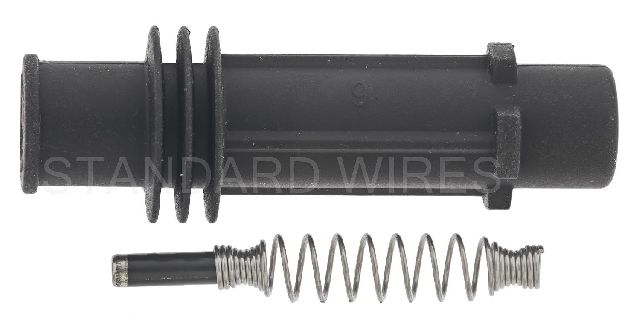
- Failing Ignition Coil Cassette 🔴 High Probability → Shop Ignition Coil The one-piece coil cassette on the 1.4L engine is a widely documented, common failure item. Moisture often gets trapped in the spark plug wells, causing the metal contact spring inside the coil boot for cylinder 4 to corrode. This creates a poor connection, leading to a weak or inconsistent spark under load.
How to confirm: Remove the single coil cassette assembly by taking out the two T30 Torx bolts. Unplug the connector and pull the cassette straight up. Inspect the inside of each coil boot, especially the one for cylinder 4. Look for any signs of white or greenish corrosion, rust, or moisture on the springs. A visual inspection often confirms the failure. Since it's a single unit, you cannot swap just one coil to test.
Typical fix: Replace the entire ignition coil cassette as a single unit. It is highly recommended to apply a small amount of dielectric grease to the inside of the new coil boots to seal out moisture and prevent future corrosion. Always replace all four spark plugs at the same time to prevent the old plugs from damaging the new coil.
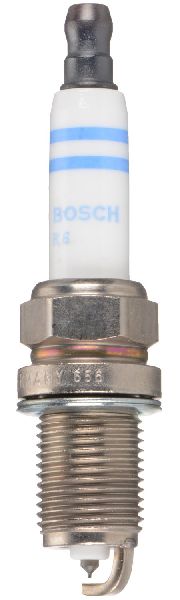
Est. part cost: $100-$250 - Worn or Fouled Spark Plugs 🔴 High Probability → Shop Spark Plug The intermittent operation of the Volt's engine can lead to carbon and moisture buildup on the spark plugs, causing them to foul. Also, a loose spark plug can cause issues. The Gen 1 Volt requires premium (91+ octane) fuel; using lower octane gas can lead to incomplete combustion and fouled plugs.
How to confirm: Remove the spark plug from cylinder 4 and inspect it. Look for a cracked porcelain insulator, heavy carbon deposits, oil fouling, or a worn-down electrode. Compare it to the other plugs. The correct gap should be verified.
Typical fix: Replace all four spark plugs as a set. Use the OEM-recommended Iridium plugs for longevity. Ensure they are torqued to the manufacturer's specification.
Est. part cost: $30-$60 - Faulty Fuel Injector ⚪ Low Probability → Shop Fuel Injector Less common than ignition issues, but an injector can become clogged or fail. TSB #PIP3333C notes that on returnless fuel rail systems like the Volt's, contaminants can gather over the #4 injector inlet during right turns, potentially causing a temporary misfire.
How to confirm: This is more difficult to diagnose. A professional can perform a fuel injector balance test. A DIY method is to listen to the injector with a mechanic's stethoscope to ensure it's clicking like the others. Swapping injectors between cylinders is possible but requires more disassembly.
Typical fix: Replace the faulty fuel injector. It's good practice to replace the injector seal at the same time.
Est. part cost: $50-$120
Rare But Worth Checking
- Low Cylinder Compression: A mechanical engine problem, such as a bad valve, worn piston rings, or a leaking head gasket can cause a lack of compression, leading to a misfire. This is unlikely on a low-mileage engine but should be considered if ignition and fuel system checks don't solve the problem. A compression test is needed to confirm.
- Vacuum Leak: A leak in the intake manifold gasket near cylinder 4 could lean out the air/fuel mixture enough to cause a misfire. On the related 1.4L engine, a failed PCV diaphragm in the valve cover is a common source of vacuum leaks that can lead to misfires and a P0171 code.
- Leaking Valve Cover Gasket: → Shop Engine Valve Cover A common issue on the related 1.4L engine is for the valve cover gasket to leak oil into the spark plug tubes. This oil can saturate the ignition coil boot, causing it to swell, degrade, and lead to spark failure. When replacing the coil, always check for oil in the spark plug wells.
Diagnosis Steps
- Read the code with an OBD-II scanner to confirm P0304 and check for any other codes. 🎬 Watch: Understanding the causes and fixes for a P0304 code.
- Visually inspect the engine bay for any obvious issues like disconnected hoses or damaged wiring.
- Remove the plastic engine cover. The ignition coil cassette is held on by two T30 Torx bolts.
- Disconnect the electrical connector and pull the entire cassette straight up and out of the engine.
- Thoroughly inspect the inside of each coil boot, paying close attention to the one for cylinder 4. Look for any white or greenish corrosion on the contact springs, which is a very common failure point. Also check for cracks in the cassette housing or oil saturation on the boots.
- If corrosion or significant oil contamination is found, the coil cassette is the problem and must be replaced.
- While the cassette is off, remove and inspect all four spark plugs using a spark plug socket. Look for signs of wear, fouling, or damage. Even if they look okay, it's best to replace them if their age is unknown or if you are replacing the coil.
- If the coil and plugs appear perfect, the next most likely cause is the fuel injector for cylinder 4. Diagnosis from here may require a professional or injector swapping.
- A compression test can be performed to rule out mechanical engine issues if all else fails.
Parts You'll Likely Need
- Ignition Coil Cassette
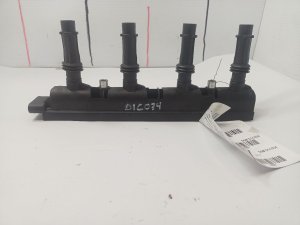
(OEM #25198623)— This is the most common failure point for misfires on the 1.4L engine used in the Gen 1 Volt. It is replaced as a single unit. The ACDelco service part number is D521C.
Trusted brands: ACDelco, Delphi, NGK
OEM price range: $150-$250
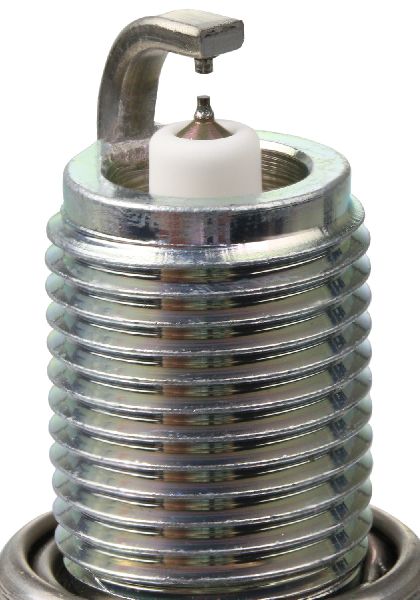
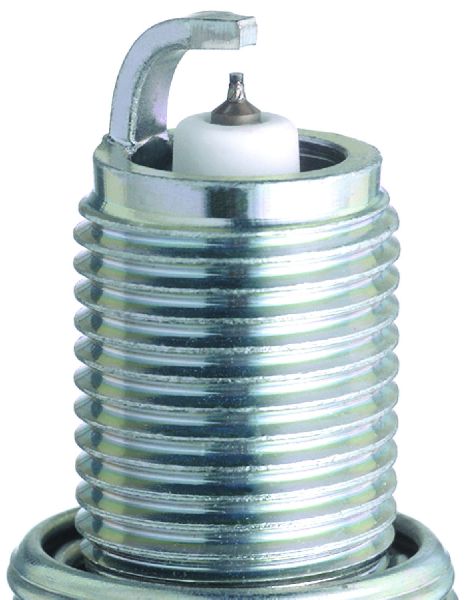
Aftermarket price range: $100-$180 - Iridium Spark Plugs
(OEM #41-108)— Spark plugs are a routine maintenance item and are often replaced with the ignition coil to ensure a complete and lasting repair. Old plugs can overwork and damage a new coil.
Trusted brands: ACDelco (41-108), NGK (ILTR5D / 5476)
OEM price range: $8-$15 per plug
Aftermarket price range: $6-$12 per plug
Related Codes That Often Appear With This One
- P0300 — If the misfire is intermittent or affects multiple cylinders, a P0300 (Random Misfire) may be stored along with, or instead of, P0304. The TSB #PIP3333C specifically mentions P0300 and P0304 occurring together.
- P0301, P0302, P0303 — Since the ignition coil is a single cassette, a failure can sometimes cause misfires on multiple cylinders, leading to other P030x codes.
- P050D — A TSB for the 2016-2017 Volt mentions that an engine misfire condition can also set a P050D (Cold Start Rough Idle) code, indicating a potential link in the engine's software logic.
Technical Service Bulletins (TSBs) & Recalls
- PIP3333C: Addresses intermittent engine misfires (P0300, P0301, P0304) and points to a rare cause of fuel contamination sloshing over the #4 fuel injector during right turns on vehicles with returnless fuel systems.
Platform-Specific Known Issues
- Technical Service Bulletin #PIP3333C was issued for intermittent engine misfires that can set codes P0300, P0301, and/or P0304. It suggests that on vehicles with returnless fuel rails, fuel contaminants can collect over the #4 injector during right-hand turns, causing a temporary misfire.
- A user on BobIsTheOilGuy.com with a P0304 on a related engine found the coil boot for cylinder 4 had crumbled and the internal spring was covered in gunk, confirming this failure mode.
- A Reddit user with a P0304 on a similar engine noted rust on the #4 coil spring after only 6 months, highlighting how susceptible this area is to moisture and corrosion.
Helpful Videos

Used OEM Parts in Stock
New Aftermarket Parts Available


The information in this article is provided for general reference and educational purposes only. Vehicle specifications, procedures, and part compatibility can vary by production date, trim level, and region. Always consult your vehicle's factory service manual and verify part numbers before purchasing or performing repairs. Safety-critical components such as airbags, seat belts, and braking systems should be installed by a qualified professional.
- Chevrolet VOLT:
- 🧭 Diagnostic Flowchart
- 🎬 Helpful Videos
- 🛍️ Shop This Part
- What's Unique About the 2011-2015 Chevrolet VOLT
- Symptoms You May Notice
- Most Likely Causes
- Rare But Worth Checking
- Diagnosis Steps
- Parts You'll Likely Need
- Related Codes That Often Appear With This One
- Technical Service Bulletins (TSBs) & Recalls
- Platform-Specific Known Issues
- 🎟️ Get 5% Off