

P0304 on 2011-2015 Dodge Journey: Cylinder 4 Misfire Causes and Fixes
P0304 on a Dodge Journey indicates a misfire in cylinder 4. On 3.6L V6 models (2011-2013), this is frequently caused by a faulty left cylinder head, a known issue covered by a 10-year/150,000-mile warranty extension (X56). On 2.4L models, or newer 3.6L models, the cause is more likely a bad spark plug, ignition coil, or a failing rocker arm—another known Pentastar issue.
- For a 2011-2013 Dodge Journey with the 3.6L V6, a P0304 code is very likely caused by a known cylinder head defect.
- Before replacing parts on a 3.6L V6, perform a cylinder leak-down test to confirm or rule out the head issue.
- For a Journey with the 2.4L I4 engine, the most probable causes are more conventional: a bad spark plug or ignition coil.
- Do not continue driving for an extended period with a flashing check engine light, as this can cause expensive damage to the catalytic converter.
What's Unique About the 2011-2015 Dodge JOURNEY

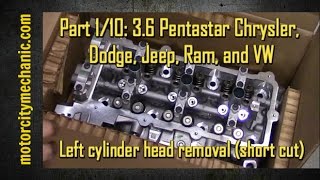
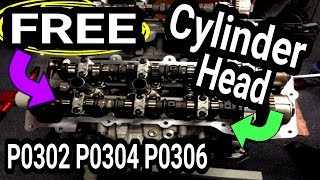
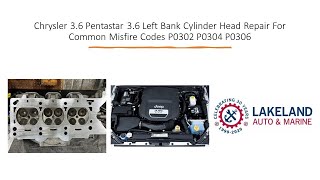
The 2011-2015 Dodge Journey was available with two distinct engines, and the cause of a P0304 code often differs between them. For the 3.6L Pentastar V6 (specifically 2011-2013 models), this code is notoriously linked to a manufacturing defect in the left cylinder head, which houses cylinders 2, 4, and 6. This problem was so widespread that Chrysler issued a 10-year/150,000-mile warranty extension (code X56) for the repair. 🎬 Watch: How to get a free cylinder head replacement under warranty. Later 3.6L models can suffer from failed rocker arm bearings, which also cause misfires. For the 2.4L 4-cylinder engine, a P0304 is more likely due to standard ignition system wear, such as a failed spark plug or coil, though some TSBs also point to potential PCM software issues requiring an update. [Bulletin #18-081-17]
Diagnostic Flowchart

Tap your situation to follow the diagnostic path that matches what you're seeing on this vehicle.
Symptoms You May Notice

- Flashing or solid Check Engine Light
- Rough or shaking idle
- Noticeable loss of power and acceleration
- Engine hesitation or stumbling
- Increased fuel consumption
- Smell of unburned gasoline from the exhaust
- Audible ticking or tapping noise from the engine, especially with rocker arm failure
- Replacing only spark plugs and coils on a 2011-2013 3.6L V6 without performing a leak-down test, potentially missing the common cylinder head failure.
- On later 3.6L models, replacing ignition components when the actual cause is a failing rocker arm, identifiable by a ticking noise.
Most Likely Causes

- Defective Left Cylinder Head (3.6L V6 Only, 2011-2013) 🔴 High Probability → Shop Engine Cylinder Head A known manufacturing defect related to valve seats and guides affects the left cylinder head on 2011-2013 3.6L Pentastar engines, leading to a loss of compression and misfires on cylinders 2, 4, and 6. This was covered under warranty extension X56.
How to confirm: A cylinder leak-down test is the definitive diagnostic step per TSB 09-002-14 REV. B. If cylinder 4 shows leakage of 25% or more, the head is considered faulty and requires replacement.
Typical fix: Replacement of the left cylinder head assembly with the revised part.
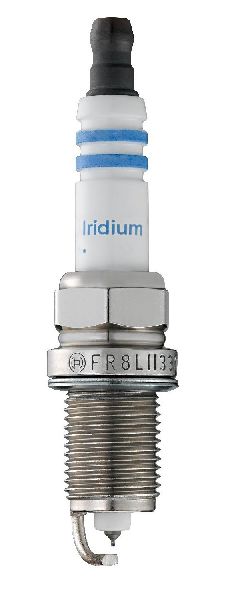
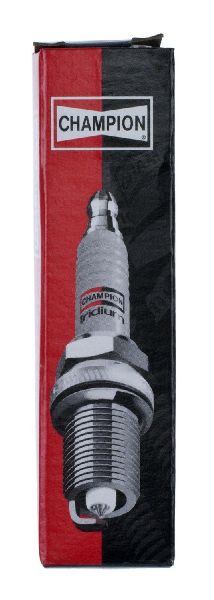
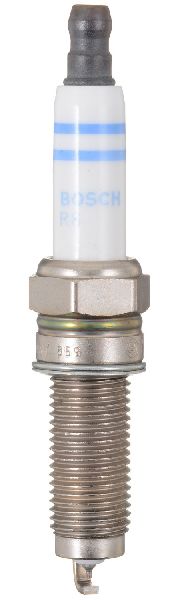
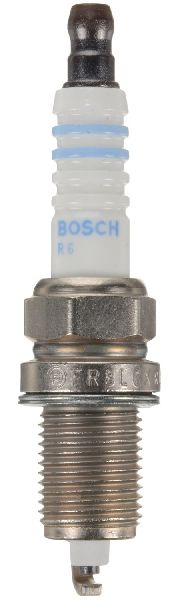
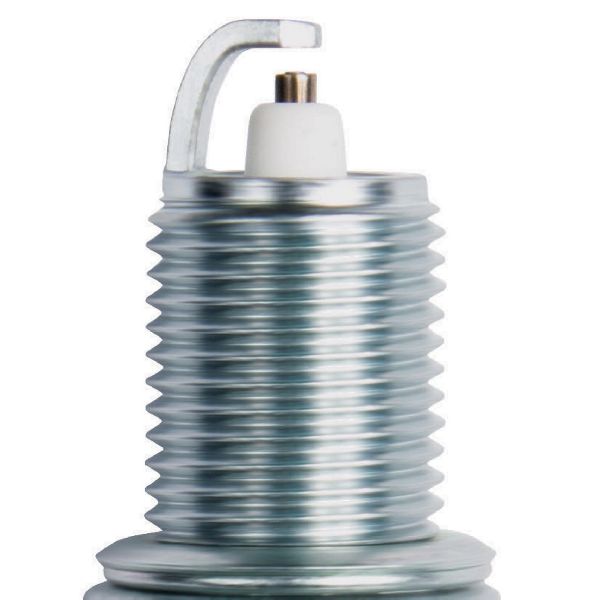
Est. part cost: $800-$1500 - Worn Spark Plugs 🔴 High Probability → Shop Spark Plug Spark plugs are a routine maintenance item. Carbon buildup or electrode wear can prevent a strong spark, causing a misfire. This is a common cause on both the 2.4L and 3.6L engines and often the first and cheapest part to replace.
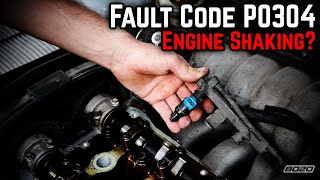
How to confirm: Inspect the spark plug from cylinder 4. Look for wear, oil fouling, or damage. A simple diagnostic step is to swap the plug with another cylinder (e.g., cylinder 2) and see if the code changes to P0302 after clearing codes and driving. 🎬 Watch: A simple guide to troubleshooting cylinder misfire problems.
Typical fix: Replace the spark plugs. It is recommended to replace all plugs at the same time.
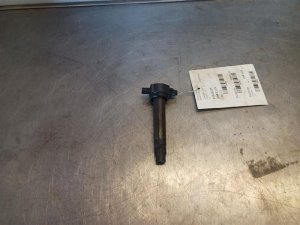
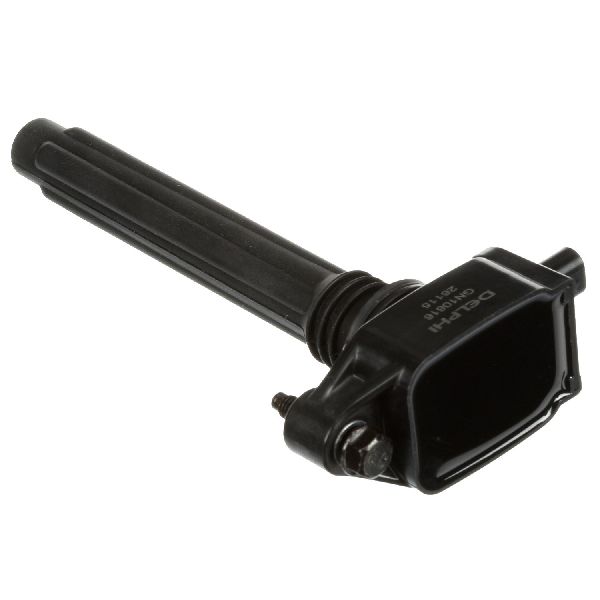
Est. part cost: $20-$80 - Failed Ignition Coil 🟡 Medium Probability → Shop Ignition Coil The coil-on-plug ignition system places a coil directly on each spark plug. Heat and vibration can cause these coils to fail over time, leading to a weak or no-spark condition.
How to confirm: Swap the ignition coil from cylinder 4 with another cylinder (e.g., cylinder 2). If the misfire code changes to P0302, the coil is bad. This is a very common and effective diagnostic technique mentioned in many owner forums.
Typical fix: Replace the faulty ignition coil. Many owners choose to replace all coils at once as a preventative measure.
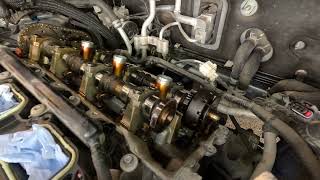
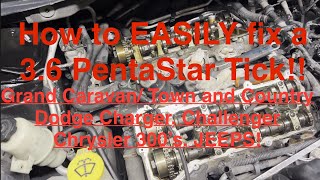
Est. part cost: $40-$100 - Failed Rocker Arm/Lifter (3.6L V6) 🟡 Medium Probability → Shop Engine Rocker Arm The 3.6L Pentastar engine is known for issues with rocker arm bearings failing, which leads to a ticking noise ('Pentastar Tick') and can cause the arm to shift, resulting in improper valve lift and a misfire. This can happen on models outside the 2011-2013 cylinder head issue window.
How to confirm: Listen for a distinct ticking sound from the top of the engine. The definitive diagnosis requires removing the valve cover for a visual inspection of the rocker arms and camshaft lobes for wear or damage.
Typical fix: Replacement of all rocker arms and potentially the camshafts if they are scored. This is a labor-intensive job. 🎬 See this walkthrough on replacing rocker arms and camshafts.
Est. part cost: $200-$600 - Faulty Fuel Injector ⚪ Low Probability → Shop Fuel Injector
How to confirm: Listen to the injector with a mechanic's stethoscope for a consistent clicking sound. You can also test the injector's resistance with a multimeter or swap it with another cylinder to see if the misfire follows.
Typical fix: Replace the faulty fuel injector.
Est. part cost: $50-$150
Rare But Worth Checking
- Vacuum Leak: A leak in the intake manifold gasket near cylinder 4 can lean out the air/fuel mixture and cause a misfire. This can sometimes happen after other repairs where the intake manifold was removed. A user on Dodge Journey Forum noted that replacing crushed intake gaskets is a good idea during related service.
- Powertrain Control Module (PCM) or Wiring Issue: → Shop Engine Control Module (ECM) TSBs #18-081-17 and #18-033-16 for the 2.4L engine list misfire codes alongside PCM and sensor circuit codes, suggesting that in some cases, the fault may be electrical or with the PCM itself, potentially requiring a software reflash.
- Bad Piston Ring / Loss of Compression: In a thread on Dodge Journey Forum, an owner with a 2015 3.6L chased a P0304 code after trying all the common fixes. The ultimate cause was a bad piston ring found via a leak-down test, even though a standard compression test showed acceptable results.
Diagnosis Steps
- Read the codes with an OBD-II scanner and check for any other pending or active codes. Note any codes like P0300, P0302, or P0306.
- Identify the engine (2.4L I4 or 3.6L V6) as the diagnostic path differs significantly.
- Listen for an engine tick. A prominent ticking noise on a 3.6L V6 strongly suggests a rocker arm/lifter issue.
- If no tick is present, perform basic ignition swaps. Swap the ignition coil from cylinder 4 to another cylinder (e.g., cylinder 2). Clear the codes and drive. If the code changes to P0302, the coil is bad.
- If the misfire remains on cylinder 4, swap the spark plug from cylinder 4 to a different cylinder. If the code follows the plug, the plug is bad.
- If ignition components are ruled out, inspect the fuel injector wiring and listen for its operation. Consider swapping the injector if tools are available.
- For 3.6L V6 (2011-2013) only: If ignition/fuel swaps don't solve the issue, a cylinder leak-down test is the next critical step. Per TSB #09-002-14 REV. B, leakage over 25% on cylinder 2, 4, or 6 indicates the need for left cylinder head replacement. The labor time for this repair is estimated at up to 10.2 hours for the Journey.
- For all other cases: If the misfire persists, perform a compression test, followed by a leak-down test on cylinder 4 to check for mechanical issues like bad rings or valves.
- Inspect for vacuum leaks around the intake manifold, especially near the runner for cylinder 4.
Parts You'll Likely Need
- Cylinder Head Assembly (Left Side, 3.6L V6)
(OEM #68141353AC)— This is the primary fix for the common P0304 on 2011-2013 3.6L engines due to a known manufacturing defect. The original part number RL141353AC has been superseded by this new number.
Trusted brands: Mopar
OEM price range: $1000-$1500
Aftermarket price range: $800-$1200 - Ignition Coil
(OEM #5149168AI (3.6L V6), 04606824AC (2.4L I4))— A common failure item on both engines that directly causes a single-cylinder misfire.
Trusted brands: Mopar, NGK, Delphi, Bosch
OEM price range: $60-$100
Aftermarket price range: $40-$70 - Spark Plug — A standard maintenance part and the most frequent cause of misfires when not related to the cylinder head or rocker arm issues.
Trusted brands: NGK, Champion
OEM price range: $10-$20
Aftermarket price range: $5-$15
Related Codes That Often Appear With This One
- P0300 — If the cylinder head issue (on the 3.6L) is severe or if there are multiple failing ignition components, the PCM may log a 'Random/Multiple Cylinder Misfire' code in addition to the specific cylinder code.
- P0302, P0306 — On the 3.6L V6, these codes often appear with P0304 because cylinders 2, 4, and 6 are all located on the problematic left cylinder head.
- P2311 — This code for 'Ignition Coil D Secondary Circuit' can sometimes accompany a P0304, pointing more directly toward a failed ignition coil or its wiring, as seen in a DodgeForum thread.
Technical Service Bulletins (TSBs) & Recalls
- 09-002-14 REV. B: 'MIL Illumination: P0300, P0302, P0304 or P0306 (X56 Warranty Extension)' - The final revised bulletin outlining the procedure to perform a cylinder leak-down test and replace the left cylinder head on affected 3.6L engines if leakage is 25% or greater.
- 09-002-14: Original version of the TSB for the 3.6L cylinder head issue.
- 18-081-17: Lists P0304 with other misfire and PCM/sensor codes for the 2.4L engine, suggesting a PCM software update may be required.
- 18-033-16: Similar to the above, linking P0304 to potential electrical issues on the 2.4L engine.
Platform-Specific Known Issues
- 3.6L V6 (2011-2013): Defective Left Cylinder Head: → Shop Engine Cylinder Head Subject to warranty extension X56 for a defective left cylinder head causing misfires on cylinders 2, 4, and/or 6. The warranty was extended to 10 years or 150,000 miles from the in-service date. The repair, detailed in TSB 09-002-14 REV. B, involves a cylinder leak-down test and, if failed, replacement of the head. Owners who paid for this repair out-of-pocket could apply for reimbursement.
- 3.6L V6 (All Years): Rocker Arm Failure: → Shop Engine Rocker Arm The Pentastar V6 is also known for premature failure of the rocker arm bearings, causing a 'Pentastar Tick'. This wear can lead to the rocker arm shifting, damaging the camshaft, and causing a misfire on any cylinder, including cylinder 4. This is a separate issue from the 2011-2013 cylinder head problem.
- 2.4L I4: PCM Software Updates: TSBs #18-081-17 and #18-033-16 group P0304 with other misfire codes and codes for the Crankshaft Position Sensor and internal PCM timers. This indicates a potential for electrical or control module faults causing the misfire on this engine, which may be resolved with a PCM software update at a dealership.
Mechanic-Grade Diagnostic Values
- Fuel Injector Resistance (3.6L V6) — expected: 11.0 - 14.0 Ohms. Failure: A reading outside this range, especially an open (infinite) or shorted (near zero) reading, indicates a faulty injector. Some sources show a tighter range of 12.0-12.5 Ohms.
- Ignition Coil Primary Resistance (2.4L I4) — expected: 0.495 - 0.605 Ohms. Failure: A reading outside this range indicates a faulty coil winding. A Delphi-specific part lists the primary resistance as 0.56 Ohms.
- Ignition Coil Secondary Resistance (2.4L I4) — expected: 5.13K - 6.27K Ohms. Failure: A reading outside this range indicates a failure in the secondary winding.
- Long Term Fuel Trim (LTFT) Bank 2 (3.6L V6) — expected: Close to 0%, typically within +/- 5%. Failure: A technician on a diagnostic forum noted a P0304 was accompanied by a Bank 2 (which includes cylinder 4) LTFT of -7.2%, indicating the PCM was removing fuel, possibly due to an injector issue or misfire detection anomaly.
Hidden / Shadow Codes Worth Checking
- Mode 6, Test ID $0A, Component ID $04: This is not a 'hidden code' but rather raw data from the onboard diagnostic monitoring. It shows the misfire count for cylinder 4 during the current and last 10 driving cycles. A high count here before the P0304 code is set can be an early warning. (see via A professional scan tool or an advanced consumer OBD-II app that can access Mode 6 data. The wiTECH dealer tool has a dedicated 'Which cylinder is misfiring' monitor.)
Scan Tool Commands That Help
- wiTECH (Dealer Tool), Autel, or similar professional scanner: Cylinder Drop Test / Power Balance Test / Control Selected Cylinder Fuel Cut — This function allows a technician to manually disable the fuel injector for each cylinder one by one while the engine is running. If disabling cylinder 4 causes no change in engine RPM or smoothness, it confirms that cylinder was not contributing in the first place, pinpointing the misfire. If disabling another cylinder makes the engine run much worse, it confirms that cylinder was working correctly.
Wiring & Ground Locations
- G924 — Lower right rear corner of the engine compartment.. This is a primary engine ground. A loose or corroded connection here can cause intermittent and hard-to-diagnose electrical issues, including weak spark or erratic sensor readings that could lead to a misfire code. Forum users have noted that adding or upgrading engine-to-chassis grounds is a common fix for various electrical gremlins on this platform.
- PCM Connector C2 (3.6L V6) — The Powertrain Control Module (PCM) is located in the front left of the engine bay. It has two large multi-pin connectors. C2 is typically the one closer to the headlight.. The control signal for the cylinder 4 ignition coil and fuel injector originates here. A visual inspection for corrosion or pushed-out pins is warranted if a wiring fault is suspected. The cylinder 4 injector control wire is typically found at pin 14 (LT GRN/BRN wire).
Real Owner Repair Stories
- ScannerDanner Forum user (2017 Dodge Journey SXT 3.6L V6) — Misfire felt only after driving for about 30 minutes, juddering to a stop, rough idle. P0304 code present.
❌ Tried (didn't work) Swapped spark plug from cylinder 4 to 2., Swapped ignition coil from cylinder 4 to 6., Checked for vacuum by removing oil cap.
✅ What actually fixed it The user performed a compression test and found cylinders 2 and 4 were low (115 psi) compared to others (120-125 psi). The final diagnosis pointed towards a mechanical issue, likely rocker arms or lifters, which is a common failure on higher mileage 3.6L engines that can present as a heat-soaked misfire. - Dodge Journey Forum user (2012 Dodge Journey 3.6L V6, 210,000 km) — Rough shaking at idle, started with no code, then P0304 appeared, then P0300 after swapping parts.
❌ Tried (didn't work) Replaced spark plugs., Replaced intake manifold gaskets., Used Seafoam fuel additive., Swapped ignition coil from cylinder 4 to cylinder 2.
✅ What actually fixed it The user noted that the old spark plug from cylinder 6 had oil on the threads. The combination of symptoms (P0304, then P0300 after a coil swap) and the oil fouling pointed strongly toward the known rocker arm/lifter failure on the 3.6L Pentastar, which affects valve operation and can cause intermittent and multiple misfires. The recommended fix in the thread was to inspect and replace the rocker arms.
"I Checked Everything" — The Actual Cause
- In a forum discussion, a technician described a scenario where a P0304 was chased on a vehicle that passed a smoke test with no apparent leaks. The final cause was a hairline crack in the plastic upper intake manifold near the cylinder 4 runner. The crack was so small that it only opened up and allowed unmetered air to enter when the engine reached a specific temperature and was under certain vibration loads, which is why it didn't show up during a static smoke test.
When the Usual Fixes Don't Work
- While swapping ignition coils and spark plugs is the standard first step, multiple owner accounts on 2014+ 3.6L V6 models confirm that a persistent P0304 was ultimately resolved only by replacing the rocker arms and lifters on the left bank (Bank 2). This was often preceded by a faint but noticeable ticking sound from the engine. In these cases, owners spent money on ignition components that were not faulty before addressing the core mechanical problem.
OEM Part Supersession History
5149168AH→5149168AI, 5149168AJ— Revision of the ignition coil for the 3.6L V6 engine to improve durability and performance.4606824AB→4606824AC— Revision of the ignition coil for the 2.4L I4 engine.
Model Year Variations Within This Range
- 2011-2013: These model years with the 3.6L V6 are highly susceptible to the left cylinder head failure. P0304, P0302, or P0306 on these years should immediately trigger a check for the X56 warranty extension and a plan to perform a cylinder leak-down test.
- 2014-2015: On these later 3.6L models, the cylinder head issue was largely resolved. A P0304 is much more likely to be caused by a failing rocker arm/lifter (often with an audible tick) or more traditional causes like coils and plugs.
Helpful Videos



Used OEM Parts in Stock
New Aftermarket Parts Available

The information in this article is provided for general reference and educational purposes only. Vehicle specifications, procedures, and part compatibility can vary by production date, trim level, and region. Always consult your vehicle's factory service manual and verify part numbers before purchasing or performing repairs. Safety-critical components such as airbags, seat belts, and braking systems should be installed by a qualified professional.
- Dodge JOURNEY:
- 🧭 Diagnostic Flowchart
- 🎬 Helpful Videos
- 🛍️ Shop This Part
- What's Unique About the 2011-2015 Dodge JOURNEY
- Symptoms You May Notice
- Most Likely Causes
- Rare But Worth Checking
- Diagnosis Steps
- Parts You'll Likely Need
- Related Codes That Often Appear With This One
- Technical Service Bulletins (TSBs) & Recalls
- Platform-Specific Known Issues
- Mechanic-Grade Diagnostic Values
- Hidden / Shadow Codes Worth Checking
- Scan Tool Commands That Help
- Wiring & Ground Locations
- Real Owner Repair Stories
- "I Checked Everything" — The Actual Cause
- When the Usual Fixes Don't Work
- OEM Part Supersession History
- Model Year Variations Within This Range
- 🎟️ Get 5% Off