

P0304 on 2011-2019 Ford Explorer 3.5L V6: Cylinder 4 Misfire Causes and Fixes
P0304 on a 2011-2019 Ford Explorer 3.5L V6 is most often caused by a failed ignition coil on cylinder 4. A worn spark plug is the second most likely cause. Cylinder 4 is on the front bank (radiator side), making it the easiest cylinder to access for a quick DIY repair. Expect to pay around $30-$75 for a new coil and $10-$20 for a spark plug.
- P0304 means your Ford Explorer's cylinder #4 is misfiring.
- The most likely culprit is a bad ignition coil, which is a simple and relatively inexpensive DIY fix because cylinder 4 is easily accessible at the front of the engine.
- The easiest way to confirm a bad coil is to swap it with one from an adjacent cylinder (like #5) and see if the trouble code follows it (e.g., changes to P0305).
- If the coil isn't the problem, a worn spark plug is the next most likely cause. It's best to replace all six plugs if they are old.
- Do not ignore a flashing check engine light, as this indicates a severe misfire that can quickly damage your catalytic converter.
What's Unique About the 2011-2019 Ford Explorer
The 3.5L V6 engine in the fifth-generation Explorer uses a coil-on-plug ignition system, which is generally reliable but prone to heat-related failures over time. For this engine, cylinder #4 is located on the front bank (closest to the radiator), making it much easier to access for diagnosis and repair compared to the rear cylinders (1, 2, and 3) which are tucked under the intake manifold. This accessibility makes a P0304 code one of the more straightforward misfire codes to fix on this specific V6 engine.
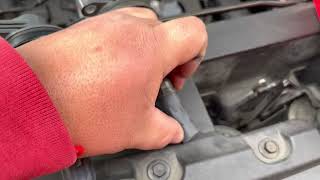
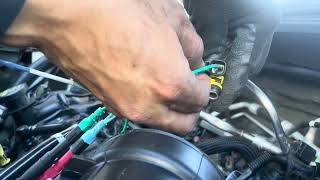
🎬 Watch: A real-world fix for a P0304 code on this engine.Symptoms You May Notice
- Rough or shaky idle
- Hesitation or stumbling during acceleration
- Noticeable loss of engine power
- Flashing or solid Check Engine Light
- Reduced fuel economy
- Smell of unburned fuel or 'rotten eggs' from the exhaust
- Replacing the fuel pump when only a single cylinder is misfiring. A fuel pump issue would typically affect all cylinders and cause random misfire codes (P0300) or lean codes.
- Replacing oxygen sensors. While a misfire can affect O2 sensor readings, the sensors themselves are rarely the cause of a specific cylinder misfire code like P0304.
Most Likely Causes
- Faulty Ignition Coil 🔴 High Probability → Shop Ignition Coil Ignition coils are wear-and-tear components that fail from heat cycles and vibration over many miles. It's the most common cause for a single-cylinder misfire on modern engines. Given cylinder 4's location on the hot front bank of the engine, it is susceptible to heat-related failure.
How to confirm: Swap the ignition coil from cylinder 4 with an adjacent cylinder (e.g., cylinder 5). Clear the codes and drive the vehicle. If the code changes to P0305, the ignition coil is faulty. This is a definitive and free diagnostic step.
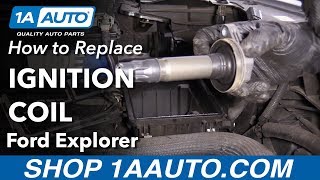
Typical fix: Replace the faulty ignition coil. Since cylinder 4 is on the easily accessible front bank, this is a simple repair that takes less than 15 minutes with basic tools. 🎬 See this walkthrough on how to replace the ignition coil. Many owners recommend using OEM Motorcraft coils for longevity.
Est. part cost: $30-$75 - Worn or Fouled Spark Plug 🟡 Medium Probability → Shop Spark Plug Ford recommends a 100,000-mile spark plug replacement interval, but owners and technicians often report misfires occurring sooner. If the vehicle has over 60,000 miles on the original plugs, they should be considered a prime suspect.
How to confirm: After confirming the coil is good, remove the spark plug from cylinder 4. Inspect it for heavy carbon buildup, oil fouling, a cracked insulator, or a worn-out electrode. The gap should be checked; while the OEM plug is pre-gapped, the gap can widen with wear.
Typical fix: Replace the spark plug. It is best practice to replace all six spark plugs at the same time to ensure even performance, especially if they are near the end of their service life. Note that replacing the rear three plugs (1, 2, 3) is much more difficult as it requires removing the intake manifold. 🎬 Watch: A DIY guide to replacing all six spark plugs.
Est. part cost: $10-$20 per plug - Faulty Fuel Injector ⚪ Low Probability → Shop Fuel Injector Fuel injectors can become clogged with deposits over time or fail electronically, preventing the correct amount of fuel from reaching the cylinder. While less common than ignition components, it's the next logical item to check.
How to confirm: If swapping the coil and plug doesn't solve the issue, the injector is the next suspect. A mechanic can perform a fuel injector balance test. A DIY method is to listen to the injector with a mechanic's stethoscope; it should have a consistent clicking sound. You can also swap the injector with another cylinder, but this is a more involved job.
Typical fix: Replace the fuel injector for cylinder 4. This requires depressurizing the fuel rail and is a more advanced repair.
Est. part cost: $50-$150
Rare But Worth Checking
- Intake Manifold Gasket Leak: → Shop Engine Intake Manifold A leak in the intake manifold gasket near the runner for cylinder 4 could lean out the air/fuel mixture and cause a misfire. This is less common for a single-cylinder misfire but can happen as the gaskets age and harden.
- Carbon Buildup on Intake Valves: While the naturally aspirated 3.5L V6 uses port fuel injection (which helps keep valves clean), some minor carbon buildup can still occur over high mileage, potentially affecting airflow into one cylinder more than others. This is a much larger issue on the direct-injected EcoBoost versions of this engine.
- Internal Engine Mechanical Failure: This is the worst-case scenario and includes issues like low compression from a bad valve, worn piston rings, or a damaged cylinder head. A compression test followed by a cylinder leak-down test is needed to diagnose this. A failing internal water pump on this engine can leak coolant into the oil, leading to catastrophic engine damage that may first present as a misfire. In extreme cases, a Ford owner reported in NHTSA ODI #11642051 that a P0304 and P0302 misfire was diagnosed as a melted piston, requiring engine replacement.
Diagnosis Steps
- Read the code with an OBD-II scanner to confirm P0304 is the primary code. Note if P0316 is also present.
- Identify Cylinder 4. On the transversely mounted 3.5L V6, the cylinders closest to the radiator are 4, 5, and 6 (from passenger to driver side). Cylinder 4 is on the front bank, passenger side, making it the easiest to access.
- Swap the ignition coil. Disconnect the battery. Unbolt and swap the ignition coil from cylinder 4 with the coil from cylinder 5. Reconnect the battery, clear the codes, and start the engine. Let it run for a few minutes or test drive it.
- Re-scan for codes. If the code is now P0305, the ignition coil you moved is bad and needs to be replaced. This is the most likely outcome.
- If the code remains P0304, inspect the spark plug. Remove the spark plug from cylinder 4. Check for wear, fouling, or damage. It's wise to replace it regardless, but you can also swap it with cylinder 5's plug to see if the misfire follows.
- If the code remains P0304, the problem is likely a fuel injector or a mechanical issue. Inspect the fuel injector wiring for damage. Listen for a steady clicking from the injector with a stethoscope.
- At this point, more advanced diagnostics like a fuel injector balance test or a cylinder compression test are needed to pinpoint the cause. These may require professional assistance.
Parts You'll Likely Need
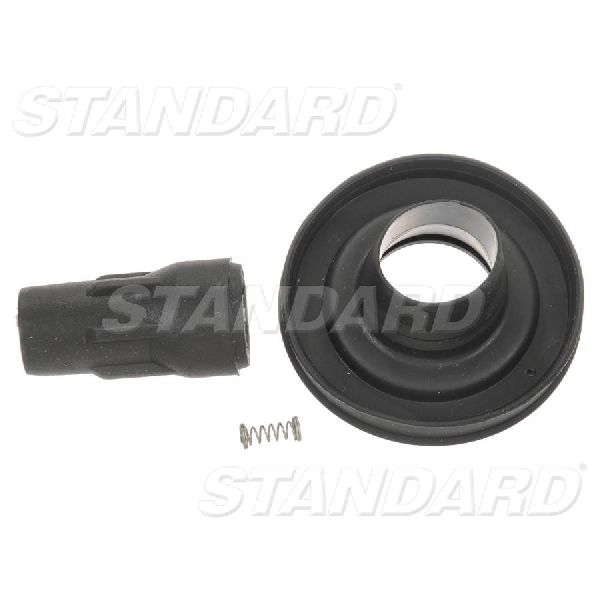
- Ignition Coil (Coil-on-Plug)
(OEM #DG549)— This is the most frequent cause of a single-cylinder misfire on the 3.5L V6 engine. Using the OEM Motorcraft part is highly recommended for reliability.
Trusted brands: Motorcraft, NGK, Delphi, Bosch
OEM price range: $50-$75
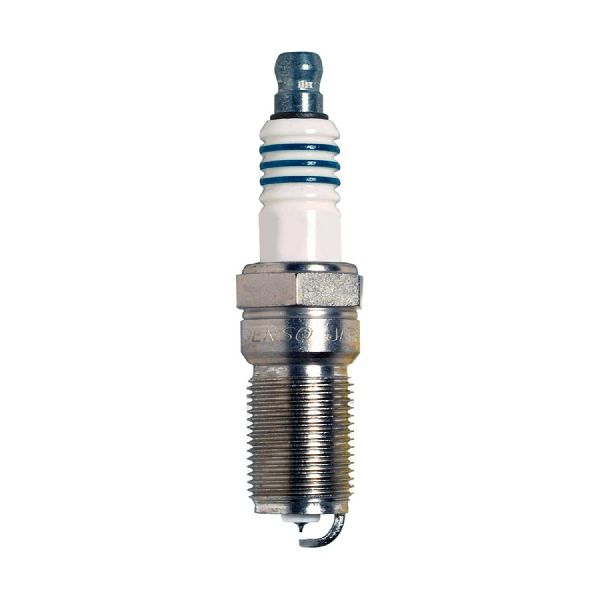
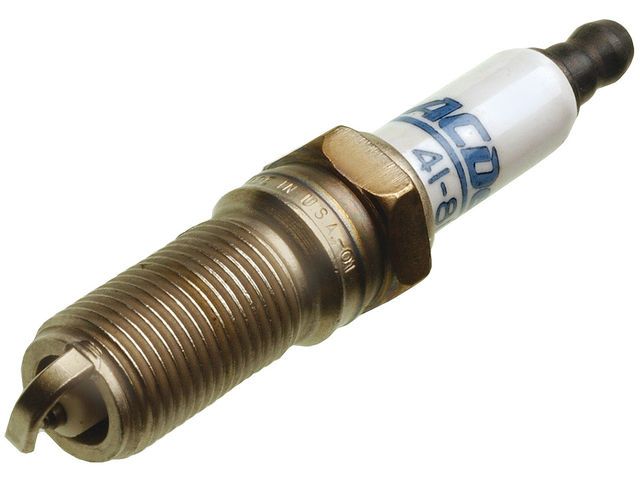
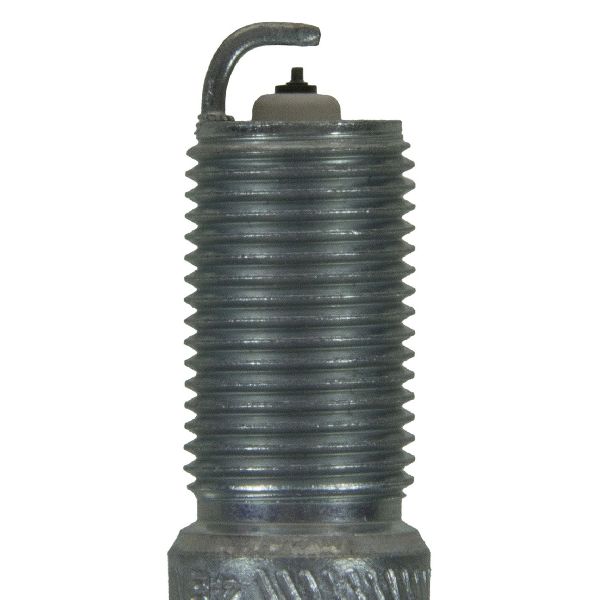
Aftermarket price range: $30-$60 - Spark Plug
(OEM #SP-534 / CYFS-12Y-T)— A worn or fouled spark plug is the second most common cause, especially on higher-mileage vehicles. It's recommended to replace them in sets. Some sources indicate SP-580 is a newer, compatible part number.
Trusted brands: Motorcraft, NGK, Denso
OEM price range: $15-$25
Aftermarket price range: $10-$20
Related Codes That Often Appear With This One
- P0300 — If the misfire is intermittent or starting to affect other cylinders, a P0300 (Random Misfire) code may appear alongside P0304.
- P0316 — This code indicates a misfire was detected within the first 1,000 engine revolutions on startup. It is very common to see this code alongside a specific cylinder misfire code like P0304.
- P0430 — Catalyst System Efficiency Below Threshold (Bank 2). A chronic P0304 misfire on the front bank will dump raw fuel into the Bank 2 catalytic converter, eventually destroying it and triggering a P0430 code.
Technical Service Bulletins (TSBs) & Recalls
- TSB 13-3-3: While for the F-150 EcoBoost, it shows a history of Ford addressing misfire codes (including P0304) in humid conditions and linking them to catalytic converter damage, highlighting the importance of a quick repair.
- SSM 47170 & TSB 16-0093: These bulletins relate to VCT solenoids, which can cause misfire-like symptoms if they fail. They advise checking for oil contamination as a root cause.
- TSB 23-2011: A manufacturer service bulletin notes that vehicles may exhibit an illuminated MIL with DTCs P0304 and/or P0316 due to water build up in the spark plug well(s) which can lead to signs of corrosion.
- TSB 24-2191: This manufacturer bulletin indicates that cylinder misfire DTCs including P0304 and P0316 may be due to the software level of the powertrain control module (PCM).
Platform-Specific Known Issues
- Rear Bank Accessibility: While P0304 is easy to fix due to Cylinder 4's location, be aware that if you decide to change all spark plugs, the rear bank (cylinders 1, 2, 3) is significantly harder. The upper intake manifold must be removed, turning a 15-minute job into a 2-3 hour job.
Mechanic-Grade Diagnostic Values
- Ignition Coil Primary Resistance — expected: 0.4 to 2.0 ohms. Failure: A reading outside this range indicates a faulty coil winding.
- Ignition Coil Secondary Resistance — expected: 6,000 to 11,500 ohms (6.0kΩ - 11.5kΩ). Failure: A reading outside this range, or an open circuit (infinite resistance), points to a failed coil.
- Fuel Injector Resistance — expected: 11 to 18 ohms. Failure: A reading significantly outside this range, or one that differs by more than ~1 ohm from the other injectors, indicates a bad injector coil.
- Low-Side Fuel Pressure (Key On, Engine Off) — expected: ~45-65 PSI. Failure: Pressure significantly below this range could indicate a weak fuel pump, but this would typically affect all cylinders, not just one.
- Mode $06, Test ID $53 — expected: A low misfire count for Component ID $04 (Cylinder 4).. Failure: A high or failing value for Component ID $04 confirms the PCM is detecting a high number of misfire events on that specific cylinder, even if a code is not yet set.
Hidden / Shadow Codes Worth Checking
- Mode $06, Test ID $53, Component ID $04: This is not a DTC, but a specific monitor within the PCM's non-continuous tests. It provides the raw misfire count for cylinder 4 for the current and last 10 driving cycles. A high count here, even without a P0304 code, confirms a misfire is occurring. (see via Requires an advanced OBD-II scanner capable of displaying Mode $06 data. The Component ID corresponds to the cylinder number (e.g., $01 for cylinder 1, $04 for cylinder 4).)
Scan Tool Commands That Help
- Ford IDS, FORScan, High-End Snap-on/Autel: Power Balance Test — This function graphically displays the power contribution of each cylinder by selectively disabling the fuel injector to each one and measuring the RPM drop. If disabling cylinder 4 causes little or no RPM drop compared to other cylinders, it confirms cylinder 4 is not contributing power. This is extremely useful for verifying the misfire before swapping parts.
- Ford IDS, FORScan, High-End Snap-on/Autel: Misfire Monitor Neutral Profile Correction — This procedure must be performed after major engine or transmission repairs, or replacement of the PCM or crankshaft position sensor. Failure to perform this relearn can cause the PCM to incorrectly interpret crankshaft speed variations as misfires, leading to false P030x codes. If a P0304 appears immediately after such a repair, running this procedure is a critical first step.
Wiring & Ground Locations
- Engine Ground Strap — A primary ground strap often connects the engine block or transmission case to the chassis, sometimes near the passenger side strut tower or below the brake booster.. A loose or corroded main engine ground can introduce electrical noise and voltage drops throughout the engine management system. This can cause erratic behavior from sensors and actuators, including the ignition coils and fuel injectors, potentially leading to phantom misfire codes.
- Cylinder 4 Ignition Coil Connector — On the front valve cover (radiator side), on the passenger-most side of the engine.. This is the primary connection for the ignition coil. The connector and its wiring are subject to heat and vibration. Check for a secure connection, pushed-out pins, or brittle/damaged wiring. The PCM sends the trigger signal to the coil through this connector.
- Cylinder 4 Fuel Injector Connector — On the fuel rail, below the upper intake manifold, corresponding to the front-most cylinder on the passenger side.. This connector provides power and the control signal from the PCM to the fuel injector. Damage to this connector or its wiring will prevent the injector from firing correctly, causing a misfire. Accessing it requires removing the upper intake manifold.
Real Owner Repair Stories
- Ford F150 Forum (Ford F-150 5.4L (Similar engine architecture principles)) — Intermittent shudder/misfire once the engine warmed up, but no check engine light.
❌ Tried (didn't work) Initial diagnostic scan by a mechanic found no codes.
✅ What actually fixed it The root cause was coolant that had leaked into the spark plug wells for cylinders #3 and #4 during a recent intake manifold replacement. The coolant was shorting the spark to ground. The fix was to thoroughly blow out the spark plug wells with compressed air to dry them completely. - Reddit r/mechanicadvice (Vehicle not specified, but general P0304 case) — Persistent P0304 code, check engine light.
❌ Tried (didn't work) Replaced ignition coil on cylinder 4., Replaced spark plug on cylinder 4., Replaced the ignition coil a second time under warranty.
✅ What actually fixed it The discussion pointed towards the next logical steps being a faulty fuel injector or a wiring issue to the coil/injector, as the ignition components had been ruled out. This highlights the need to move beyond ignition parts if the problem persists. - NHTSA ODI #11433129 — An owner reported a P0304 cylinder 4 misfire that required a technician to replace all four spark plugs and use a specific cleaner to resolve the issue.
- NHTSA ODI #11716439 — One owner described misfires with codes P0304 and P0301 where the spark plugs were completely worn out; the owner also noted a loss of coolant with no visible leaks, which can be a precursor to internal engine issues.
"I Checked Everything" — The Actual Cause
- A common scenario for a single-cylinder misfire like P0304 where a smoke test for vacuum leaks comes back clean is a faulty fuel injector. The injector may not be leaking externally (which a smoke test wouldn't find), but it could be clogged internally or have a failing electronic coil, preventing it from delivering the correct fuel charge. This would not be identified by a smoke test, compression test, or spark test, requiring an injector balance test or resistance check to diagnose.
When the Usual Fixes Don't Work
- While the vast majority of P0304 codes on this engine are fixed by replacing the ignition coil or spark plug, there are documented cases where the problem persists. In one instance, a user replaced both the coil and plug, only to have the code return. The next diagnostic steps pointed to a faulty fuel injector or a break in the wiring harness leading to the coil, demonstrating that the 'common fix' is not always the final fix. In another scenario, misfire symptoms appeared immediately after an intake manifold replacement; the cause was not a faulty part but coolant that had spilled into the spark plug wells during the repair, shorting the ignition system.
OEM Part Supersession History
SP-534 (CYFS-12Y-T)→SP-580 (CYFS-12Y-T4), sometimes listed as SP-580X— Standard part number evolution by the manufacturer. The SP-580 is the current recommended OEM replacement for the 3.5L NA engine.
Heads up: The SP-534 and SP-580 are directly compatible for this application. While some forum discussions mention different gaps for EcoBoost engines, for the naturally aspirated 3.5L, using the current SP-580 part is correct.
Model Year Variations Within This Range
- 2011-2019: While the core 3.5L Ti-VCT engine remained largely the same, there were minor PCM software updates and potentially slight variations in wiring harness routing or connector types following the 2016 model year facelift. However, the fundamental causes and diagnostic procedures for a P0304 code are consistent across the entire 2011-2019 generation.
Diagnostic Flowchart
Other Known Issues on This Vehicle
Issues unrelated to this code that are worth knowing about as an owner of this generation:
- Internal Timing-Chain-Driven Water Pump Failure 🔴 High — Common on high-mileage vehicles (typically over 100,000 miles). Failure can be sudden.
- Power Transfer Unit (PTU) Overheating and Failure 🔴 High — Common on AWD models, often before 100,000 miles. The unit is not considered 'serviceable' by Ford, leading to fluid breakdown.
- Exhaust Fume / Carbon Monoxide Intrusion into Cabin 🟠 Medium — Widespread enough to trigger NHTSA investigations and multiple TSBs. (Ref: TSB 16-0166, TSB 17-0029, TSB 17-0044)
- Throttle Body Malfunction 🟠 Medium — A common issue on 5th generation Explorers, often triggering codes P2111 or P2112.
- Rear Suspension Toe Link Fracture 🔴 High — Affects 2011-2017 models and was subject to a major recall. (Ref: NHTSA Recall 19V435000)
Used vs. New Parts: Buying Guide for This Vehicle
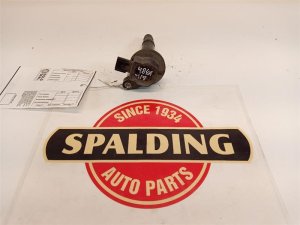
When a used part is the smart pick: A used ignition coil from a reputable auto recycler can be a cost-effective diagnostic tool. If you suspect a bad coil, swapping in a known-good used one for $10-$20 can confirm the diagnosis before you spend more on a new OEM part. It can also serve as a temporary fix while waiting for a new part to arrive.
Donor-vehicle mileage cap: roughly under 80000 miles for the part to have meaningful remaining life.
What to inspect on the donor part:
- Check for cracks, melting, or swelling on the plastic housing.
- Ensure the rubber boot is pliable and not torn, brittle, or coated in oil.
- Look for corrosion on the electrical connector pins.
- Ask for the donor vehicle's mileage; lower is always better.
OEM-only on this vehicle (don't cheap out):
- Spark Plugs: These are wear items and are inexpensive. Never install used spark plugs. Always use new Motorcraft or equivalent NGK/Denso plugs.
- Fuel Injectors: While a used injector can work, the labor to replace one (especially on the rear bank) is significant. The risk of installing a used injector that is also near the end of its life makes it a poor value proposition. It's better to install a new or professionally remanufactured injector.
Aftermarket brands forum-validated for this vehicle:
- Ignition Coils: NGK, Delphi, Bosch
- Spark Plugs: NGK, Denso
Brands owners have reported issues with on this vehicle:
- No-name, unbranded ignition coils from online marketplaces. Forum consensus strongly suggests these have a very high failure rate, often within a few thousand miles. Stick to OEM (Motorcraft) or reputable Tier 1 aftermarket brands.
Real Owner Stories
Aggregated from forums and TSBs cited above. Mileages and costs reflect what owners reported in those sources.
2018 Ford Explorer 2.3L
Symptoms: The vehicle experienced a misfire with codes P0304 and P0316. The owner replaced the spark plugs and then the coils, but the pending code returned.
What fixed it: The issue persisted after plugs and coils, suggesting the cause was likely related to fuel injectors or wiring.
Source hint: Reddit r/MechanicAdvice
Related OBD-II Codes
Frequently Asked Questions
Where is cylinder 4 located on my 2011-2019 Ford Explorer 3.5L V6?
Should I replace all my spark plugs if I only have a P0304 code?
Does TSB 13-3-3 apply to my Explorer's misfire?
Can a VCT solenoid cause my P0304 misfire code?
What brand of ignition coil should I use for the 3.5L V6?
Is there a way to test the cylinder 4 coil for free?
Helpful Videos
Used OEM Parts in Stock
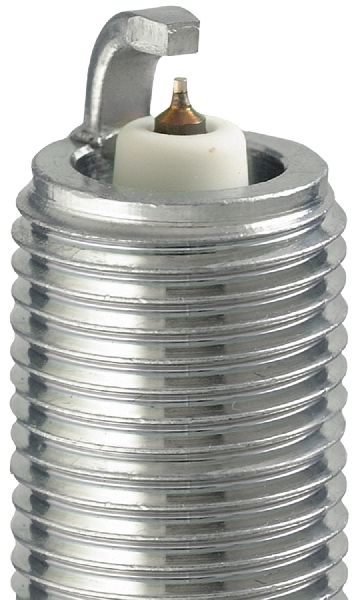
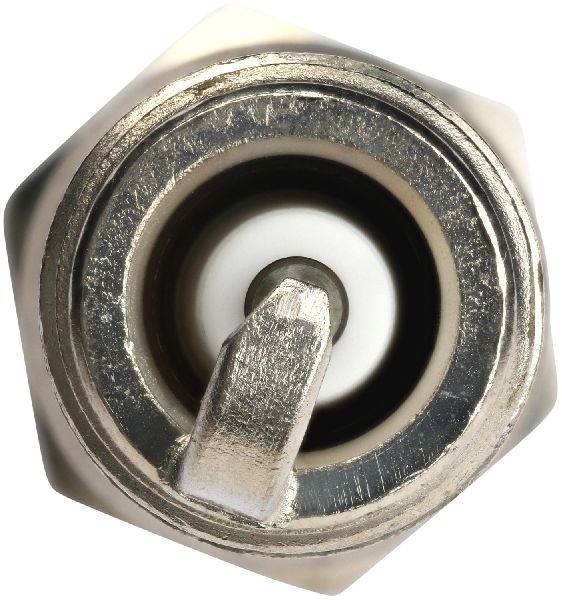
New Aftermarket Parts Available

The information in this article is provided for general reference and educational purposes only. Vehicle specifications, procedures, and part compatibility can vary by production date, trim level, and region. Always consult your vehicle's factory service manual and verify part numbers before purchasing or performing repairs. Safety-critical components such as airbags, seat belts, and braking systems should be installed by a qualified professional.
- Ford Explorer:
- 🧭 Diagnostic Flowchart
- 🎬 Helpful Videos
- 🛍️ Shop This Part
- What's Unique About the 2011-2019 Ford Explorer
- Symptoms You May Notice
- Most Likely Causes
- Rare But Worth Checking
- Diagnosis Steps
- Parts You'll Likely Need
- Related Codes That Often Appear With This One
- Technical Service Bulletins (TSBs) & Recalls
- Platform-Specific Known Issues
- Mechanic-Grade Diagnostic Values
- Hidden / Shadow Codes Worth Checking
- Scan Tool Commands That Help
- Wiring & Ground Locations
- Real Owner Repair Stories
- "I Checked Everything" — The Actual Cause
- When the Usual Fixes Don't Work
- OEM Part Supersession History
- Model Year Variations Within This Range
- Other Known Issues on This Vehicle
- Used vs. New Parts: Buying Guide for This Vehicle
- Real Owner Stories
- 2018 Ford Explorer 2.3L
- Related OBD-II Codes
- Frequently Asked Questions
- 🎟️ Get 5% Off