

P0304 on 2014-2019 Ford Fusion: Cylinder 4 Misfire Causes and Fixes
While a P0304 code can be from a simple bad spark plug or ignition coil, on 2014-2019 Ford Fusions with 1.5L or 2.0L EcoBoost engines, it is a very strong indicator of coolant leaking into the cylinders due to a known engine block defect. This is a serious issue that often requires a short block or complete engine replacement, a repair acknowledged by Ford in multiple Technical Service Bulletins.
- On a 2014-2019 Fusion with an EcoBoost engine, P0304 is a strong warning sign for the known coolant intrusion engine defect.
- Before buying any parts, check your coolant level. If it's dropping without any visible leaks, suspect coolant intrusion.
- While swapping the coil and spark plug is a valid first step, do not assume it will fix the problem. A borescope inspection is the key to confirming or denying the more serious issue.
- Check with a Ford dealer to see if your vehicle falls under any warranty extensions or customer satisfaction programs (like 21N12 for the 1.5L) related to this issue.
What's Unique About the 2014-2019 Ford FUSION
For the 2014-2019 Ford Fusion equipped with the 1.5L and 2.0L EcoBoost engines, a P0304 misfire code is not just a routine maintenance issue. It is frequently a symptom of a serious, well-documented engine design flaw. The engine block has a vulnerability that allows coolant to leak directly into the cylinders, causing misfires. [33, ODI 11653487, ODI 11340757] The design flaw is related to an open-deck block design with thin cooling passages between the cylinders; a crack can form, allowing coolant to seep into the combustion chamber. [33, ODI 11685232] Ford has issued a series of superseding Technical Service Bulletins (TSBs), with TSB 22-2229 being a key document for the 2.0L engine, acknowledging this problem which often requires a complete long block replacement as the only permanent fix. [5, 20, 26, 27, ODI 11609723] For the 1.5L engine, TSBs like 19-2139 and 20-2100 🎬 Watch: How to diagnose 1.5L misfires and coolant loss call for a short block replacement. This issue is so prevalent that it has led to class-action lawsuits and numerous owner complaints to the NHTSA mentioning P0304 in conjunction with coolant loss. [ODI 11650523]
Diagnostic Flowchart
Tap your situation to follow the diagnostic path that matches what you're seeing on this vehicle.
Symptoms You May Notice
- Flashing or solid Check Engine Light
- Rough idle, especially on cold starts. [ODI 11650523]
- Engine hesitation or stumbling during acceleration
- Noticeable loss of power
- White, sweet-smelling smoke from the exhaust, indicating burning coolant, often most visible on startup. [5, 27, ODI 11650523]
- Gradual but consistent loss of engine coolant with no visible external leaks.
- Engine running rough. [ODI 11650523]
- Sloshing or water rushing sound from the dashboard area as air enters the cooling system.
- Replacing only the spark plugs and ignition coils without investigating potential coolant loss. An owner complaint to the NHTSA details this exact scenario, where new plugs and coils did not fix the misfire. [ODI 11362490] A Reddit user with a 2018 1.5L EcoBoost reported the same reoccurring P0304 after replacing plugs and coils.
- Replacing oxygen sensors or the catalytic converter when they are actually failing as a result of the root misfire problem.
- Mistaking the issue for a bad turbocharger. White smoke and misfires are classic signs of coolant intrusion on this engine, not necessarily turbo failure.
Most Likely Causes
- Engine Coolant Intrusion into Cylinder 🔴 High Probability A known design flaw in the open-deck 1.5L and 2.0L EcoBoost engine blocks can cause a crack to form between coolant passages and the cylinder wall. This allows coolant to seep into the combustion chamber, fouling the spark plug and causing a misfire. This is documented in Ford TSB 22-2229 for the 2.0L and TSB 19-2346 for the 1.5L.
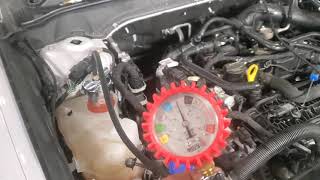
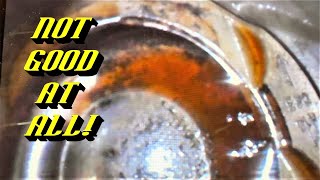
How to confirm: Check for steady coolant loss in the reservoir. Perform a cooling system pressure test; the system should hold pressure, but a drop of more than 4 psi over 5 hours is a strong indicator of a leak per Ford's TSB. The definitive test is to use a borescope camera through the spark plug hole to look for coolant inside cylinder 4. An unusually clean, steam-cleaned piston top is also a sign of coolant intrusion. [ODI 11620471]
Typical fix: For the 2.0L engine, the fix is to replace the complete long block assembly. For the 1.5L engine, the fix is to replace the engine short block with a redesigned part. This is a major and expensive repair, with dealer quotes often ranging from $6,500 to $8,000.
Est. part cost: $2500-$5000 - Worn or Fouled Spark Plug 🟡 Medium Probability → Shop Spark Plug While a standard maintenance item, a spark plug can become fouled with coolant due to the engine defect, leading to a misfire. If the plug is wet with coolant, it confirms the more serious issue. A cracked porcelain insulator on the spark plug can also cause a misfire by allowing spark to leak to ground.
How to confirm: Remove the spark plug from cylinder 4. Inspect it for wear, carbon buildup, or wetness from coolant or fuel. A spark plug wet with coolant is a strong sign of the more serious engine issue. Also inspect the white porcelain for thin black lines, which indicate a crack.
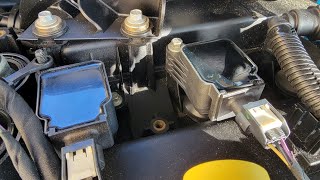
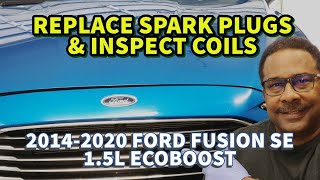
Typical fix: Replace the spark plug. It is best practice to replace all four spark plugs at the same time. 🎬 Watch: How to replace spark plugs and inspect coils If the plug was coolant-fouled, this is only a temporary fix.
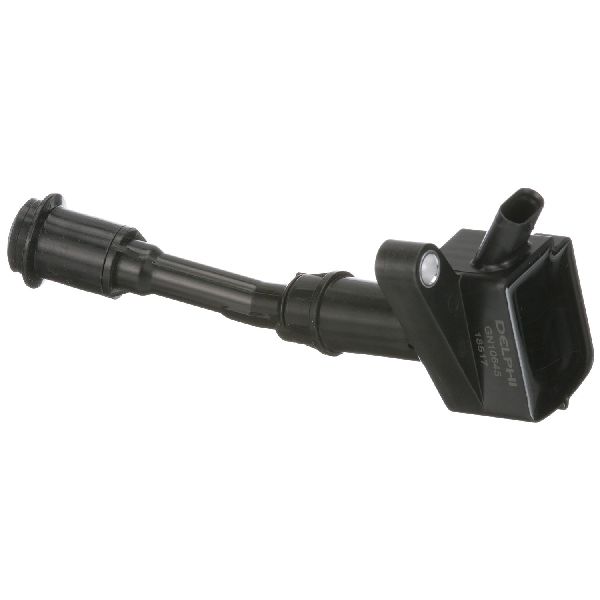
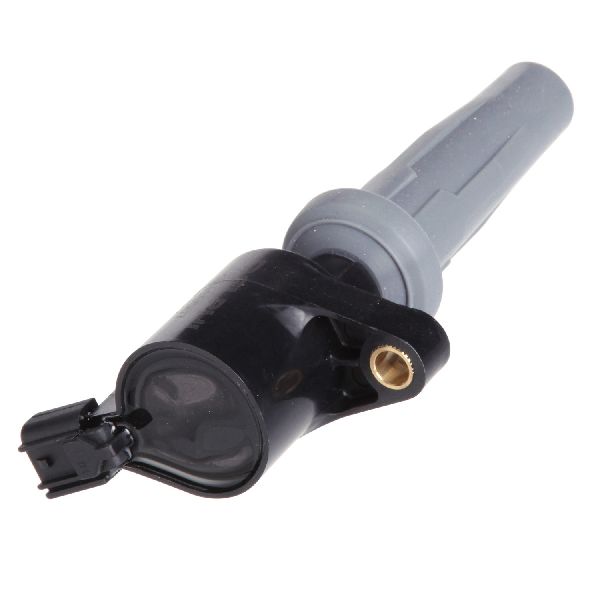
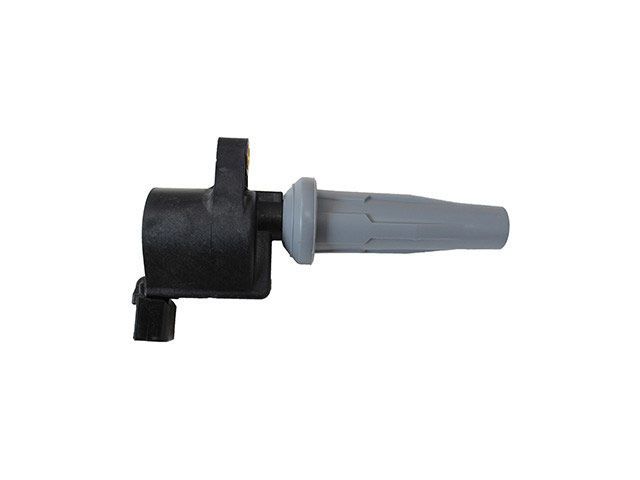
Est. part cost: $10-$25 per plug - Failed Ignition Coil 🟡 Medium Probability → Shop Ignition Coil
How to confirm: Swap the ignition coil from cylinder 4 with another cylinder (e.g., cylinder 3). Clear the codes and drive the vehicle. If the code changes to P0303, the ignition coil is faulty.
Typical fix: Replace the failed ignition coil.
Est. part cost: $40-$80 - Clogged or Faulty Fuel Injector ⚪ Low Probability → Shop Fuel Injector Gasoline Direct Injection (GDI) injectors can be prone to clogging, but this is less common than the coolant intrusion issue on this platform.
How to confirm: Listen to the injector with a mechanic's stethoscope for a consistent clicking sound. A more involved test is to swap the injector with another cylinder to see if the misfire code follows. This is more difficult than swapping a coil. A professional scan tool can also perform an injector activation test.
Typical fix: Replace the faulty fuel injector.
Est. part cost: $50-$150
Rare But Worth Checking
- Intake Manifold Gasket Leak: → Shop Engine Intake Manifold A vacuum leak near cylinder 4 can lean out the air-fuel mixture, causing a misfire. One owner on a forum reported this as the final diagnosis after checking other components.
- Low Engine Compression: Internal mechanical problems like a burnt valve, worn piston rings, or other damage can cause a loss of compression, leading to a misfire. This requires a compression test to diagnose. One owner on Reddit reported finding zero compression in cylinder 4.
Diagnosis Steps
- Check the engine coolant reservoir. Is the level below the minimum line? Mark the current level and monitor it over a few days of driving.
- Scan the PCM for any other stored trouble codes to get a complete picture of the issue. Pay close attention to codes like P0316 or any overheat codes.
- Swap the ignition coil from cylinder 4 to another cylinder (e.g., cylinder 3). If the code changes to P0303, the coil is bad.
- Remove and inspect the spark plug from cylinder 4. Look for signs of excessive wear, damage, or fouling. A wet plug that smells sweet indicates coolant. Also check the porcelain for cracks.
- If coolant loss is suspected, perform a cooling system pressure test. Pressurize the system to 20 psi and let it sit for several hours. A pressure drop of more than 4 psi in 5 hours indicates a leak.
- Use a borescope to visually inspect the inside of cylinder 4 for any signs of moisture, coolant pooling, or an unusually clean piston top (steam cleaned). This is the most definitive diagnostic step for coolant intrusion. [ODI 11620471]
- If no coolant intrusion is found, proceed with testing the fuel injector and performing an engine compression test to check for mechanical issues like worn rings or valves.
Parts You'll Likely Need
- Engine Long Block Assembly (2.0L)
(OEM #J2GZ6006E (example for newer revision))— This is the official Ford-recommended repair for the coolant intrusion issue on the 2.0L engine, as it replaces the defective engine block with a redesigned version.
Trusted brands: Motorcraft
OEM price range: $3000-$5000
Aftermarket price range: $2500-$4000 - Engine Short Block Assembly (1.5L)
(OEM #DS7Z-6009-G)— This is the official Ford-recommended repair for the coolant intrusion issue on the 1.5L engine, as specified in TSB 19-2139.
Trusted brands: Motorcraft
OEM price range: $2500-$4000
Aftermarket price range: $2000-$3500 - Ignition Coil
(OEM #DG541 (Motorcraft))— A common failure point for any gasoline engine that can cause a single-cylinder misfire.
Trusted brands: Motorcraft, NGK, Delphi, MSD
OEM price range: $60-$80
Aftermarket price range: $40-$70
Related Codes That Often Appear With This One
- P0300 — Indicates a random or multiple cylinder misfire, which often occurs as the coolant intrusion problem begins or worsens. [5, 27, ODI 11461286, ODI 11650523]
- P0316 — Means 'Misfire Detected on Startup (First 1000 Revolutions)'. This is very common with coolant intrusion, as coolant pools in the cylinder overnight and causes a misfire immediately upon starting the cold engine. [5, 27, ODI 11340757]
- P0301, P0302, P0303 — Misfire codes for other cylinders may appear as the coolant intrusion issue is not always limited to a single cylinder, with cylinders 2 and 3 also being commonly affected. [5, 27, ODI 11362490, ODI 11461286]
- P0217, P1285, P1299 — These are engine overheat or coolant temperature related codes that may be stored along with misfire codes when the root cause is coolant loss, as noted in Ford's TSBs.
Technical Service Bulletins (TSBs) & Recalls
- TSB 22-2229 (2.0L EcoBoost): Supersedes previous versions. Outlines diagnosis and replacement of the long block assembly for coolant intrusion.
- TSB 19-2346 (2.0L EcoBoost): An earlier version of the TSB for coolant intrusion, also recommending long block replacement.
- TSB 20-2100 / 19-2139 (1.5L EcoBoost): Superseding bulletins that specify replacing the short block and head gasket for the coolant intrusion issue.
- Customer Satisfaction Program 21N12 (1.5L EcoBoost): Provided a one-time, no-cost short block replacement for eligible vehicles within 7 years/84,000 miles.
- Customer Satisfaction Program 19B37 (1.5L EcoBoost): A required PCM software update intended to improve cooling performance, which was a prerequisite for 21N12 eligibility.
Platform-Specific Known Issues
- A design defect in the 1.5L and 2.0L EcoBoost engine blocks allows coolant to leak into the cylinders, causing misfires (like P0304), white smoke, and eventual engine failure. This is officially recognized by Ford in TSBs like 22-2229 (2.0L) and 20-2100 (1.5L).
- Ford initiated Customer Satisfaction Program 21N12, extending the warranty for this specific issue on certain 2017-2019 1.5L Fusions to 7 years or 84,000 miles. This program had a final claim date of November 30, 2022, for vehicles already outside the initial limits.
- A prerequisite for program 21N12 was the completion of program 19B37, which involved a PCM reprogram to improve cooling.
- The issue has resulted in multiple class-action lawsuits against Ford, alleging the company knowingly sold vehicles with this engine defect.
Mechanic-Grade Diagnostic Values
- Low-Side Fuel Pressure (Engine Off) — expected: 45-70 psi. Failure: Pressure below 45 psi can indicate a weak in-tank fuel pump.
- High-Side Fuel Pressure (Direct Injection) — expected: Can reach up to 15 MPa (2175 psi) under load.. Failure: Significantly lower pressure under load may indicate a failing high-pressure fuel pump (HPFP) or a worn cam follower.
- Ignition Coil Voltage (Live Data) — expected: 12V - 14V when firing.. Failure: Low voltage can indicate a faulty coil or a wiring issue.
- Injector Pulse Width at Idle (Live Data) — expected: 2.0ms - 3.0ms. Failure: Values that are inconsistent with other cylinders can point to an injector or fueling problem.
- Spark Plug Gap (1.5L EcoBoost) — expected: 0.65–0.75 mm (0.026–0.030 in). Failure: An incorrect gap can cause inefficient spark and lead to misfires.
- Ignition Coil Primary Resistance (Aftermarket Example) — expected: ~0.410 Ohms. Failure: A reading significantly outside this range suggests a faulty coil. (Note: OEM spec may vary).
Scan Tool Commands That Help
- Ford IDS, Snap-on, Launch, FORScan: Misfire Monitor Neutral Profile Correction — This relearn procedure is required after replacing the PCM, crankshaft sensor, or performing major internal engine repairs (like a short/long block replacement). Failure to perform it can lead to inaccurate misfire detection.
- Ford IDS, High-End Snap-on Scanners: Power Balance Test — To definitively identify a misfiring cylinder. The tool disables one fuel injector at a time and graphically displays the RPM drop for each cylinder. A cylinder with little to no RPM drop when its injector is disabled is the one not contributing power.
- Professional Scan Tools: Injector Activation / Buzz Test — To test the electrical function of the fuel injector for cylinder 4. The tool commands the injector to open and close, allowing the technician to listen for an audible 'click' to confirm it's working.
Wiring & Ground Locations
- G104 — Right front of the engine compartment.. This is a primary engine ground point. A loose or corroded connection here can cause insufficient voltage to the ignition coils, leading to a weak spark and intermittent misfires that are difficult to diagnose.
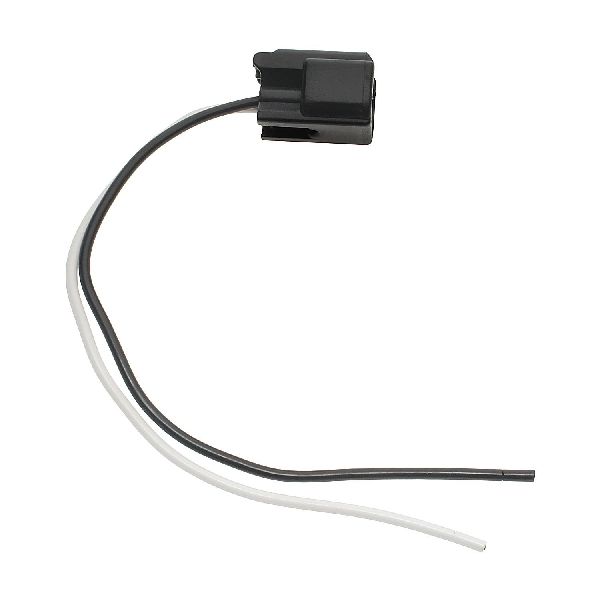
- Ignition Coil Connector — On top of each ignition coil.. It is a 2-wire connector. One pin should have 12V+ with the key on, engine off. The other is the trigger signal from the PCM. Testing for power at this connector is a key step in diagnosing a no-spark condition.
Real Owner Repair Stories
- Reddit user on r/fordescape (2018 Ford Escape 1.5L EcoBoost) — Recurring P0304 code, fine at idle but a semi-rough idle when put into gear.
❌ Tried (didn't work) Replacing all four spark plugs, Replacing all four ignition coils
✅ What actually fixed it The user did not post a final resolution, but the story is a valuable example of the common misdiagnosis where replacing plugs and coils does not fix the issue, strongly suggesting a deeper problem like coolant intrusion or a fuel injector fault. - Ford F-150 Forum user (2017 Ford F-150 3.5L EcoBoost) — Blinking CEL, thumping/shaking under acceleration, P0304.
❌ Tried (didn't work) Replacing all spark plugs, Replacing cylinder 4 ignition coil (first with aftermarket, then with OEM), Replacing cam phasers under recall
✅ What actually fixed it The final diagnosis after all other attempted fixes was low compression in cylinder 4. This points to a mechanical engine problem (valves, piston, cylinder wall) as the root cause, not ignition or typical electronic faults.
OEM Part Supersession History
N/A (Various)→J2GZ-6006-E (2.0L Long Block example)— The original engine block design for 2.0L EcoBoost engines was prone to cracking between cylinders. The superseding long block assembly contains a revised engine block to correct this flaw.TSB 22-2133→TSB 22-2229— The Technical Service Bulletin for the 2.0L coolant intrusion issue was updated to revise the parts list and service procedure.
Model Year Variations Within This Range
- 2017-2019: Per TSB 22-2229, 2.0L EcoBoost Fusions built on or before April 8, 2019, are susceptible to the coolant intrusion issue. Vehicles built after this date have the revised engine block design.
Helpful Videos
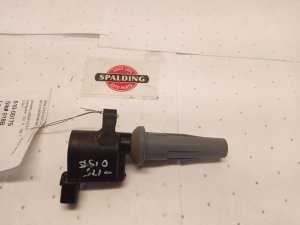
Used OEM Parts in Stock
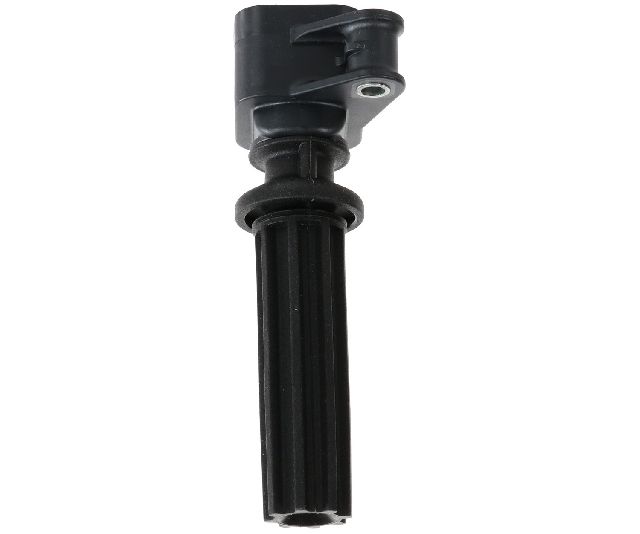
New Aftermarket Parts Available


The information in this article is provided for general reference and educational purposes only. Vehicle specifications, procedures, and part compatibility can vary by production date, trim level, and region. Always consult your vehicle's factory service manual and verify part numbers before purchasing or performing repairs. Safety-critical components such as airbags, seat belts, and braking systems should be installed by a qualified professional.
- Ford FUSION:
- 🧭 Diagnostic Flowchart
- 🎬 Helpful Videos
- 🛍️ Shop This Part
- What's Unique About the 2014-2019 Ford FUSION
- Symptoms You May Notice
- Most Likely Causes
- Rare But Worth Checking
- Diagnosis Steps
- Parts You'll Likely Need
- Related Codes That Often Appear With This One
- Technical Service Bulletins (TSBs) & Recalls
- Platform-Specific Known Issues
- Mechanic-Grade Diagnostic Values
- Scan Tool Commands That Help
- Wiring & Ground Locations
- Real Owner Repair Stories
- OEM Part Supersession History
- Model Year Variations Within This Range
- 🎟️ Get 5% Off