

P0304 on 2010-2012 GMC Canyon: Cylinder 4 Misfire Causes and Fixes
P0304 means cylinder 4 is misfiring. On 2010-2012 GMC Canyons, this is most often caused by a bad spark plug or ignition coil. On V8 models, a specific TSB points to loose spark plug wires. For I4/I5 engines, cylinder 4 is the rearmost cylinder. For the V8, it's the second cylinder back on the passenger side. Expect to pay $15-$50 for a DIY fix.
- P0304 is a misfire on cylinder 4, most often caused by a bad spark plug or ignition coil.
- If you have the 5.3L V8, the first thing to check is for a loose spark plug wire on cylinder 4, as noted in a GM service bulletin.
- A flashing check engine light is serious. Avoid driving to prevent expensive damage to your catalytic converter.
- Diagnosing this code is straightforward for a DIYer. Swapping the coil and then the spark plug with a neighboring cylinder is the easiest way to find the fault.
- Know your cylinder 4 location: it's the rearmost on I4/I5 engines and the second one back on the passenger side for the V8.
What's Unique About the 2010-2012 Gmc CANYON
For the 2010-2012 GMC Canyon, the cause of a P0304 misfire can depend on the engine. The I4 and I5 engines use a reliable coil-on-plug design where coils can fail over time due to thermal degradation. However, for the 5.3L V8 engine, GM issued a specific Technical Service Bulletin (TSB) warning technicians about loose spark plug wires causing this exact code. Additionally, the I4 and I5 Atlas engines have a known history of cylinder head issues leading to compression loss and misfires, though this was more common on pre-2008 models. Knowing your cylinder location is key: on the 2.9L I4 and 3.7L I5, cylinder 4 is the rearmost cylinder (closest to the firewall). On the 5.3L V8, cylinder 4 is the second cylinder back on the passenger side.
Diagnostic Flowchart
Tap your situation to follow the diagnostic path that matches what you're seeing on this vehicle.
Symptoms You May Notice
- Rough or shaky idle
- Hesitation or stumbling during acceleration
- Noticeable loss of engine power
- Flashing or steady Check Engine Light
- Decreased fuel economy
- Smell of raw gasoline from the exhaust
- Replacing the fuel pump when only a single cylinder is misfiring. A fuel pump issue would typically cause random misfires on multiple cylinders (P0300).
Most Likely Causes
- Faulty Spark Plug 🔴 High Probability → Shop Spark Plug
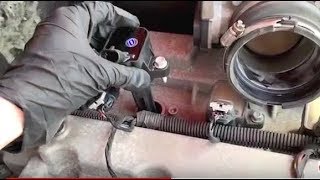
How to confirm: Inspect the spark plug for cylinder 4. 🎬 Watch: Step-by-step guide to fixing a cylinder 4 misfire Look for wear, fouling (black, oily, or white deposits), or a cracked insulator. Swap the spark plug from cylinder 4 with another cylinder (e.g., cylinder 3). If the code changes to P0303, the spark plug is the problem.
Typical fix: Replace the spark plug. It is recommended to replace all spark plugs at the same time for even performance.
Est. part cost: $5-$15 per plug - Faulty Ignition Coil or Spark Plug Wire 🔴 High Probability → Shop Ignition Coil Ignition coil failure is a very common issue on the Atlas I4 and I5 engines. For the 5.3L V8, TSB #PIP4819A specifically identifies loose spark plug wires as a cause for misfires.
How to confirm: Swap the ignition coil (and wire on V8s) from cylinder 4 with another cylinder. Clear the codes and drive. If the misfire code moves to the new cylinder, the coil/wire is faulty.
Typical fix: Replace the faulty ignition coil or the full 🎬 Watch: How to diagnose ignition coil failures on GMC vehicles set of spark plug wires (on V8 models).
Est. part cost: $30-$75 for one coil, $40-$80 for a wire set - Clogged or Faulty Fuel Injector 🟡 Medium Probability → Shop Fuel Injector
How to confirm: Listen to the injector with a mechanic's stethoscope; it should have a steady clicking sound. You can also swap the injector with another cylinder to see if the misfire code follows, though this is more labor-intensive. A professional can perform a fuel injector balance test to measure its flow rate.
Typical fix: Clean or replace the fuel injector for cylinder 4.
Est. part cost: $50-$120
Rare But Worth Checking
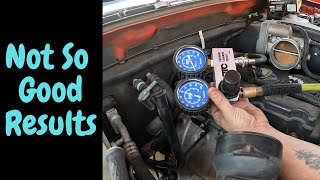
- Low Engine Compression (Valve Seat Issue): While less common on these later models, the Atlas I4 and I5 engines have a history of valve seat issues causing low compression and misfires, often appearing only at idle as described in TSB #PIP4013D. A cylinder leakage test is needed 🎬 See a real-world misfire diagnosis on the Atlas engine to confirm this, which may lead to cylinder head replacement.
- Collapsed AFM Lifter (5.3L V8 Only): → Shop Engine Valve Lifter The 5.3L V8 engine uses Active Fuel Management (AFM), which can lead to lifter failure. A collapsed lifter on an AFM cylinder (1, 4, 6, or 7) will cause a persistent misfire and zero compression. This is a major mechanical failure requiring cylinder head removal to replace the lifters.
- Intake Manifold Gasket Leak: → Shop Engine Intake Manifold A vacuum leak near the intake runner for cylinder 4 can lean out the air/fuel mixture and cause a misfire. A smoke test is the best way to find a vacuum leak.
Diagnosis Steps
- Read the code with an OBD-II scanner and confirm P0304 is present. Note any other codes.
- Determine your engine and locate cylinder 4. For the 2.9L I4 and 3.7L I5, it's the rearmost cylinder. For the 5.3L V8, it's the second cylinder on the passenger side.
- For 5.3L V8 models, first inspect the spark plug wire for cylinder 4. Ensure it is securely clicked onto both the coil and the spark plug, per TSB #PIP4819A.
- For all engines, swap the ignition coil from cylinder 4 with an adjacent cylinder (e.g., cylinder 3). Clear the codes and run the engine. If the code changes to P0303, the ignition coil is bad.
- If the misfire remains on cylinder 4, swap the spark plug from cylinder 4 with another cylinder. If the code moves, the spark plug is bad.
- If the misfire still remains on cylinder 4, inspect the fuel injector wiring and listen to the injector for a consistent clicking sound.
- If ignition and fuel seem okay, perform a compression test on cylinder 4 to check for mechanical engine problems like a bad valve or, on V8s, a collapsed lifter.
Parts You'll Likely Need
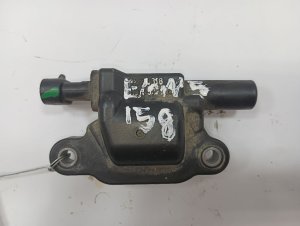
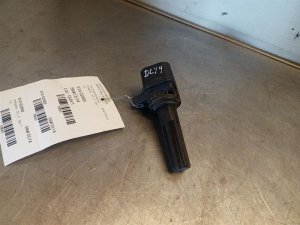
- Ignition Coil
(OEM #ACDelco D510C (or GM 12631132))— This is a very common failure item on the I4 and I5 engines that directly causes a single-cylinder misfire.
Trusted brands: ACDelco, Delphi, NGK
OEM price range: $50-$90
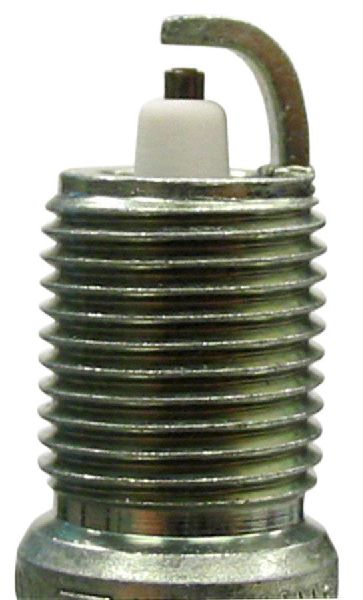
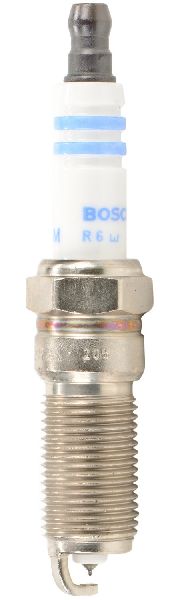
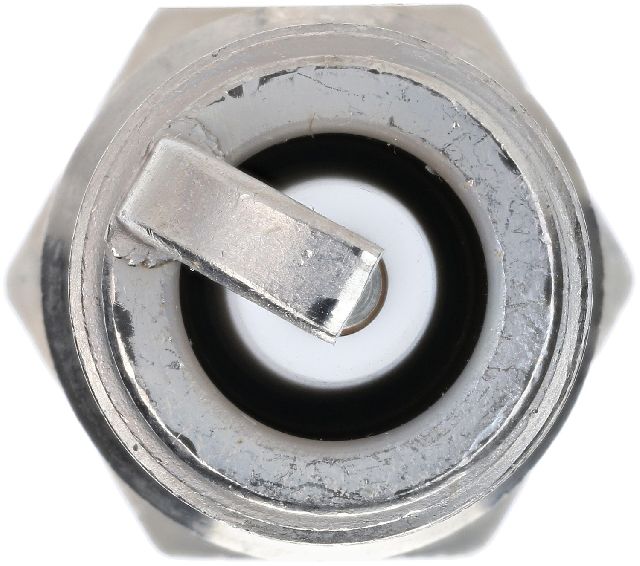
Aftermarket price range: $30-$75 - Spark Plug
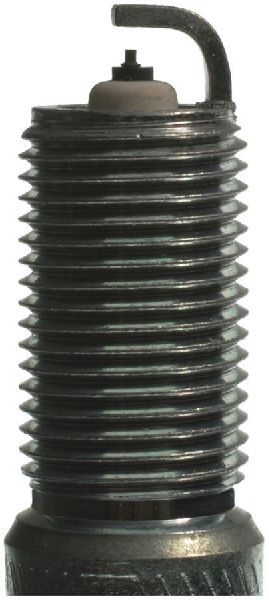
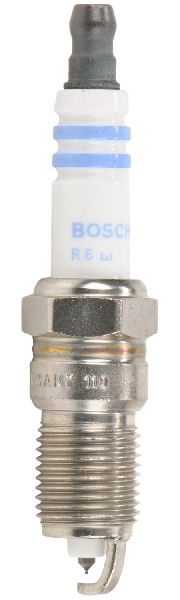
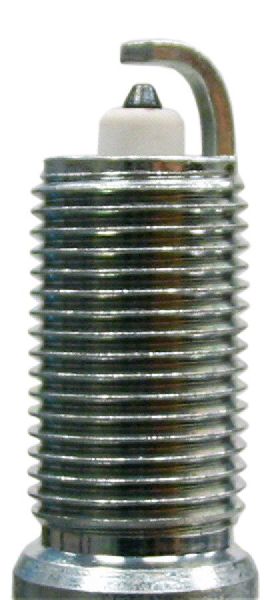
(OEM #ACDelco 41-103 (Iridium))— Spark plugs are a routine maintenance item and a frequent cause of misfires when worn or fouled.
Trusted brands: ACDelco, NGK, Denso
OEM price range: $8-$20
Aftermarket price range: $5-$15 - Spark Plug Wire Set (5.3L V8 Only)
(OEM #ACDelco 748RR)— A GM Technical Service Bulletin specifically calls out loose spark plug wires as a cause for misfires on these V8 engines.
Trusted brands: ACDelco, NGK
OEM price range: $60-$100
Aftermarket price range: $40-$80
Related Codes That Often Appear With This One
- P0300 — If the condition causing the P0304 is intermittent or beginning to affect other cylinders, a P0300 (Random/Multiple Cylinder Misfire) code may also be stored.
Technical Service Bulletins (TSBs) & Recalls
- PIP4819A: Addresses engine misfires (P0300-P0308) and directs technicians to inspect and replace loose spark plug wires. [⭐ MANUFACTURER TSB — highest authority]
- PIP4013D: Details diagnosis for idle-only misfires on I4/I5 engines, pointing towards potential valve or valve seat damage.
Platform-Specific Known Issues
- TSB #PIP4819A: On V8 models, misfire codes including P0304 can be caused by spark plug wires that are not fully seated on the spark plug or ignition coil. The fix is to inspect and secure any loose wires. [⭐ MANUFACTURER TSB — highest authority]
- TSB #PIP4013D: On I4 and I5 engines, a persistent misfire at idle that disappears at higher RPMs can be caused by a damaged valve or valve seat, requiring a cylinder leakage test to diagnose.
Mechanic-Grade Diagnostic Values
- Fuel Pressure (5.3L V8, Key On, Engine Off) — expected: 55-65 PSI. Failure: Pressure below 55 PSI may indicate a weak fuel pump or clogged filter.
- Fuel Pressure (5.3L V8, Engine Idling) — expected: 55-62 PSI. Failure: Pressure below this range suggests a fuel delivery problem.
- Fuel Injector Resistance — expected: 12-17 Ohms. Failure: A reading significantly outside this range indicates a faulty injector coil.
- Ignition Coil Primary Resistance — expected: ~0.8 to 1.5 Ohms. Failure: A reading of OL (over-limit) or significantly higher resistance points to a bad primary winding.
- Ignition Coil Secondary Resistance — expected: ~10,000 to 14,000 Ohms (10-14 kOhms). Failure: A reading far outside this range suggests a failure in the secondary windings.
- Fuel Injector Balance Test Pressure Drop — expected: All cylinders should have a pressure drop within 1.5 PSI of each other.. Failure: A cylinder with a significantly smaller pressure drop has a clogged/restricted injector. A larger drop could indicate a leaking injector.
Hidden / Shadow Codes Worth Checking
- Mode $06 Misfire Data: The PCM continuously tracks misfires on each cylinder. This data can be accessed via Mode $06 on a capable scan tool. It shows the raw misfire count for the current and previous drive cycles, allowing a technician to see which cylinder is misfiring even if the count isn't high enough to set a P030x code. (see via Professional OBD-II scan tool with Mode $06 diagnostic capabilities.)
Scan Tool Commands That Help
- Tech2 / GDS2 or equivalent professional scanner: Fuel Injector Balance Test — Use this command when a fuel injector is suspected. The tool commands the PCM to fire a single injector and measures the corresponding drop in fuel rail pressure. This directly tests injector flow without requiring removal from the engine.
- Tech2 / GDS2 or equivalent professional scanner: Crankshaft Position System Variation Learn — This procedure should be performed after replacing a crankshaft position sensor, flexplate, or ECM. It calibrates the PCM to minor variations in the crankshaft reluctor wheel, ensuring accurate misfire detection. Failure to perform this can lead to false P0300 or single-cylinder misfire codes.
Wiring & Ground Locations
- G105 (or SP105) — On the driver's side of the engine bay, near the battery.. This is a primary ground point for components including the fuel pump. A poor connection here can cause low fuel pressure, leading to lean conditions and misfires.
- Engine Block/Cylinder Head Grounds — There are multiple ground straps and wires connecting directly to the engine block and cylinder heads from the battery and chassis. A common one is from the negative battery cable to the passenger side cylinder head.. The ECM, ignition coils, and fuel injectors all rely on a solid engine ground. A corroded or loose engine ground can cause erratic behavior in the ignition and fuel systems, leading to phantom misfires that are difficult to diagnose.
Real Owner Repair Stories
- 355Nation Forum User (2010 GMC Canyon w/ 3.7L I5) — Check engine light on with code P0304, rough idle.
❌ Tried (didn't work) Initial inspection of spark plug.
✅ What actually fixed it Swapped ignition coil from cylinder 4 to cylinder 3. The code changed to P0303, confirming the ignition coil was faulty. Replacing the single ignition coil for cylinder 4 resolved the issue. - YouTube User Experience (GMC Canyon (I5 Engine)) — Oil consumption, blue smoke at startup, possible misfire codes.
❌ Tried (didn't work) Cleaning the fixed PCV orifice in the valve cover.
✅ What actually fixed it The initial cleaning of the PCV orifice worsened the issue by allowing oil to be pulled into the intake. The final fix required removing the valve cover and thoroughly cleaning a large amount of sludge from the internal baffles, which was the root cause of the excessive crankcase pressure.
"I Checked Everything" — The Actual Cause
- On I4/I5 engines, the PCV system uses a fixed orifice integrated into the valve cover, not a traditional removable valve. This orifice can become clogged. If a smoke test on the intake manifold is clean, the misfire could be caused by excessive crankcase pressure from this clog forcing oil past the piston rings or valve seals on cylinder 4, fouling the spark plug. The issue is internal to the engine's crankcase ventilation system and won't present as a typical vacuum leak.
Model Year Variations Within This Range
- 2010-2012: No significant variations affecting the diagnosis of P0304 have been identified within this specific model year range for the 2.9L, 3.7L, or 5.3L engines. Diagnostic procedures are consistent across these years.
Helpful Videos


Used OEM Parts in Stock
New Aftermarket Parts Available

The information in this article is provided for general reference and educational purposes only. Vehicle specifications, procedures, and part compatibility can vary by production date, trim level, and region. Always consult your vehicle's factory service manual and verify part numbers before purchasing or performing repairs. Safety-critical components such as airbags, seat belts, and braking systems should be installed by a qualified professional.
- Gmc CANYON:
- 🧭 Diagnostic Flowchart
- 🎬 Helpful Videos
- 🛍️ Shop This Part
- What's Unique About the 2010-2012 Gmc CANYON
- Symptoms You May Notice
- Most Likely Causes
- Rare But Worth Checking
- Diagnosis Steps
- Parts You'll Likely Need
- Related Codes That Often Appear With This One
- Technical Service Bulletins (TSBs) & Recalls
- Platform-Specific Known Issues
- Mechanic-Grade Diagnostic Values
- Hidden / Shadow Codes Worth Checking
- Scan Tool Commands That Help
- Wiring & Ground Locations
- Real Owner Repair Stories
- "I Checked Everything" — The Actual Cause
- Model Year Variations Within This Range
- 🎟️ Get 5% Off