

P0304 on 2010-2013 GMC Sierra Denali: Cylinder 4 Misfire Causes and Fixes
P0304 on a 2010-2013 Sierra Denali is a misfire on cylinder #4. The most common fixes are a new spark plug (ACDelco 41-110, ~$15) or ignition coil (ACDelco D510C, ~$35-$85). However, if you hear a persistent ticking noise, suspect a more serious Active Fuel Management (AFM) lifter failure, a known and widespread issue on these 6.2L V8 engines that can lead to a multi-thousand dollar repair.
- P0304 is a misfire on cylinder #4, located second from the front on the passenger's side.
- Start your diagnosis with the cheapest and easiest parts: check the spark plug wire, then swap the ignition coil with another cylinder to see if the misfire follows.
- A flashing check engine light is a serious warning. Pull over safely to prevent expensive damage to your catalytic converter.
- If you hear a persistent ticking or tapping noise from the engine, the cause is very likely a failed AFM lifter, a common but expensive problem on this specific engine.
- Due to the known AFM issues, using high-quality oil and adhering to strict oil change intervals is critical for engine longevity.
What's Unique About the 2010-2013 Gmc SIERRA DENALI
The GMC Sierra Denali from this era primarily uses a 6.2L V8 engine (RPO code L94) equipped with Active Fuel Management (AFM). While standard ignition issues are common, this platform is particularly known for AFM lifter failures. These specialized lifters, which deactivate cylinders 1, 4, 6, and 7 to save fuel, can collapse or get stuck due to issues like oil aeration or internal damage. A failure on cylinder 4 directly causes a P0304 misfire and is a much more severe and costly repair than a typical tune-up, often requiring camshaft replacement.
Diagnostic Flowchart
Tap your situation to follow the diagnostic path that matches what you're seeing on this vehicle.
Symptoms You May Notice
- Flashing or solid Check Engine Light
- Rough or shaking idle
- Engine hesitation or stumbling during acceleration
- Noticeable loss of power
- Ticking or tapping sound from the engine bay, particularly from the passenger side valve cover area.
- Smell of raw gasoline from the exhaust
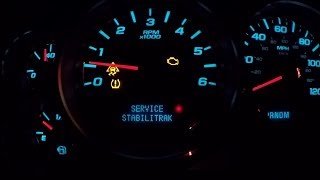
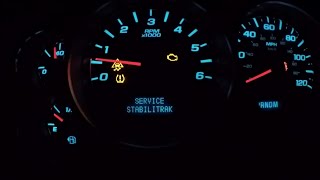
- "Stabilitrak Off" and "Traction Control Off" messages may appear on the dash along with the check engine light. 🎬 Watch: How to fix Stabilitrak and blinking engine light issues
- Replacing the catalytic converter. A misfire can damage the converter, but it is not the cause of the P0304 code.
- Replacing oxygen sensors. O2 sensors may provide strange readings due to the unburnt fuel from the misfire, but they are rarely the cause of a single-cylinder misfire.
- Repeatedly replacing plugs and coils when the root cause is a mechanical AFM lifter failure.
Most Likely Causes
- Faulty Ignition Coil 🔴 High Probability → Shop Ignition Coil The coil-on-plug ignition system is a common failure point on many modern engines due to heat and vibration. Cylinder 8, the rearmost on the passenger side, is particularly susceptible to heat soak, which can shorten coil life.
How to confirm: Swap the ignition coil from cylinder #4 with another cylinder (e.g., #2, the front-most cylinder on the passenger side). Clear the codes and drive the vehicle. If the code changes to P0302, the ignition coil is faulty. 🎬 See these quick DIY methods to fix a P0304 code
Typical fix: Replace the failed ignition coil. It is often recommended to replace the spark plug at the same time.
Est. part cost: $35-$85 - Worn or Fouled Spark Plug 🔴 High Probability → Shop Spark Plug Oil consumption issues related to the AFM system can sometimes cause premature fouling of spark plugs on AFM cylinders, as noted in TSB 10-06-01-008H.
How to confirm: Remove the spark plug from cylinder #4 and inspect it for wear, carbon buildup, oil fouling, or damage to the electrode or ceramic insulator. The correct gap should be 0.040 inches.
Typical fix: Replace the spark plug. It's best practice to replace all 8 spark plugs if they are near the end of their service life.
Est. part cost: $10-$20 per plug - Collapsed Active Fuel Management (AFM) Lifter 🟡 Medium Probability → Shop Engine Valve Lifter The AFM system in the 6.2L V8 is a well-documented weak point. The complex lifters on AFM cylinders (1, 4, 6, and 7) are prone to failure due to oil pressure issues, aeration, or wear, causing them to get stuck or collapse. This issue is so common it has led to class-action lawsuits.
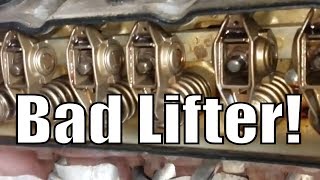
How to confirm: This is often accompanied by a distinct ticking or chirping noise from the top of the engine. A compression 🎬 Watch: How to diagnose a bad hydraulic lifter on GMC trucks test may show very low compression on cylinder #4. In some cases, a bent pushrod may also be found upon inspection.
Typical fix: This is a major repair that involves replacing all AFM lifters (Part #12645725, superseded by #12740071), lifter guides, and often the camshaft if it has been damaged by the failed lifter. Many owners opt to install an AFM-delete kit at this time.
Est. part cost: $500-$1200 for a full lifter and camshaft kit - Loose or Damaged Spark Plug Wire 🟡 Medium Probability → Shop Spark Plug A GM Technical Service Bulletin (PIP4819A) specifically mentions this as a potential cause for misfires on these trucks, instructing technicians to check for wires that are not fully seated.
How to confirm: Visually inspect the spark plug wire for cylinder #4. Ensure it is securely clicked onto both the ignition coil and the spark plug. Check for any signs of arcing (white marks) or physical damage.
Typical fix: Reseat the wire firmly or replace it if it's damaged. The TSB recommends replacing any wire found loose.
Est. part cost: $50-$100 for a full set - Faulty Fuel Injector ⚪ Low Probability → Shop Fuel Injector
How to confirm: Swap the fuel injector from cylinder #4 with another cylinder. If the misfire code follows the injector, the injector is the problem. This is more labor-intensive than swapping a coil. A professional scan tool can perform an 'Injector Balance Test' to measure the pressure drop for each injector, identifying a weak one.
Typical fix: Replace the faulty fuel injector.
Est. part cost: $50-$100
Rare But Worth Checking
- Low Engine Compression: If ignition and fuel components are good, a mechanical issue like a worn piston ring, a bad valve, a bent pushrod, or a leaking head gasket could be the cause. A compression test is needed to diagnose this. A collapsed lifter is a primary cause of low compression on this engine.
- Intake Manifold Gasket Leak: → Shop Engine Intake Manifold A vacuum leak near the intake runner for cylinder #4 can lean out the air/fuel mixture and cause a misfire. This would typically be accompanied by a lean code (P0171/P0174) and affect adjacent cylinders as well. The plastic intake gaskets on these engines are known to degrade over time.
Diagnosis Steps
- Read the code with an OBD-II scanner to confirm P0304 and check for any other codes like P0300 or P3400.
- Listen carefully for a persistent ticking noise from the engine, especially the passenger side. This is a strong clue for AFM lifter failure.
- Inspect the spark plug wire for cylinder #4. Ensure it is fully seated on the coil and plug, per TSB #PIP4819A.
- Swap the ignition coil from cylinder #4 with cylinder #2. Clear the codes and see if the misfire moves to cylinder #2 (now showing a P0302 code). If it does, the coil is bad.
- If the misfire stays on cylinder #4, remove and inspect the spark plug for wear, damage, or fouling. Ensure the gap is 0.040".
- If ignition components are good, perform a compression test on cylinder #4. A reading significantly lower than other cylinders (e.g., under 100 PSI) points to a serious internal problem like a failed lifter, bent pushrod, or bad valve.
- If compression is low, remove the valve cover to visually inspect the valve springs, rocker arms, and pushrods for cylinder #4. A dislodged or bent pushrod is a clear sign of lifter/cam issues.
- If all of the above check out, consider testing the fuel injector, possibly by swapping it with another cylinder.
Parts You'll Likely Need
- Ignition Coil
(OEM #D510C)— A failed ignition coil is a very common cause for a single-cylinder misfire. It fails to provide the necessary spark to ignite the air-fuel mixture.
Trusted brands: ACDelco, Delphi, NGK
OEM price range: $60-$85
Aftermarket price range: $35-$60 - Iridium Spark Plug
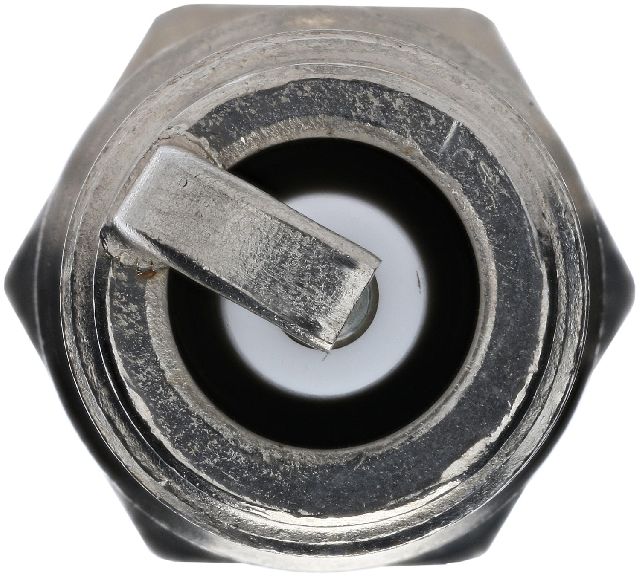
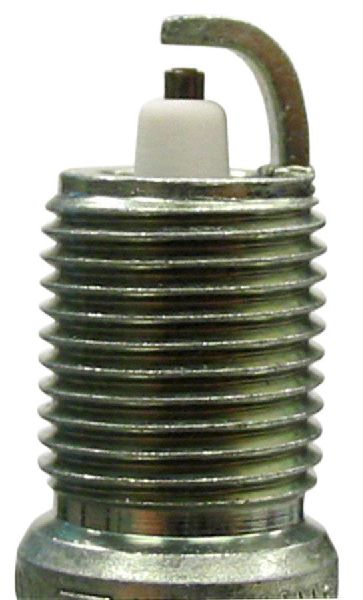
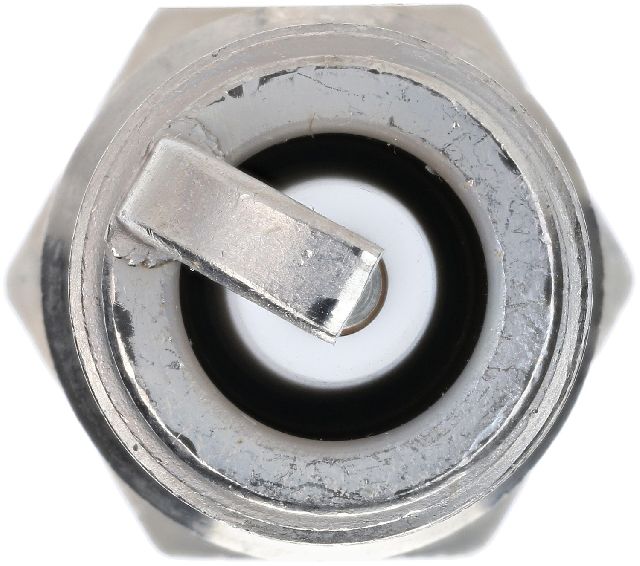
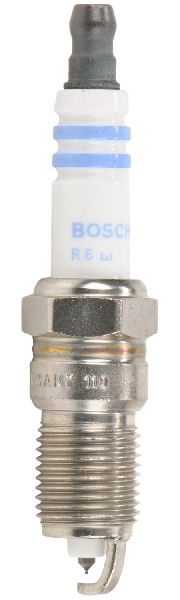
(OEM #41-110)— Spark plugs are a routine maintenance item and wear out over time, leading to a weak or inconsistent spark. The correct plug is critical for proper performance.
Trusted brands: ACDelco, NGK
OEM price range: $12-$20
Aftermarket price range: $8-$15 - AFM Lifter Replacement Kit
(OEM #12645725 (single AFM lifter))— For the known AFM failure issue, a complete kit is required. This typically includes all 16 lifters (8 AFM #12645725 and 8 standard), new lifter guides, and head gaskets.
Trusted brands: ACDelco, Michigan Motorsports, Sealed Power
OEM price range: $400-$600
Aftermarket price range: $250-$400
Related Codes That Often Appear With This One
- P0300 — If the misfire is intermittent or starting to affect other cylinders, a P0300 (Random Misfire) code may appear alongside P0304. This is common with a failing AFM lifter.
- P0306, P0301, P0307 — Since cylinders 1, 4, 6, and 7 are all controlled by the AFM system, it's possible to see misfire codes for these other cylinders if there is a systemic issue with the AFM components.
- P3400 — This code means 'Cylinder Deactivation System Bank 1'. It can appear alongside a P0304 when the AFM system itself malfunctions, strongly pointing towards a lifter or related component failure.
Technical Service Bulletins (TSBs) & Recalls
- Bulletin #PIP4819A: Notes that engine misfires (P0300-P0308) on 2010 models can be caused by loose spark plug wires that require inspection and proper seating.
- Bulletin #15-06-01-002H: Addresses engine misfire/tick noise and P0300 caused by a mechanically collapsed or stuck AFM lifter, and advises on camshaft inspection.
- Bulletin #10-06-01-007D: Discusses engine valve lifter tick noise after a cold soak, which may be caused by aerated oil in the lifter body, and recommends replacing all 8 AFM lifters if the noise persists.
Platform-Specific Known Issues
- A known major issue is the failure of Active Fuel Management (AFM) lifters. The lifters for cylinders 1, 4, 6, and 7 can collapse or become stuck, leading to a misfire and a distinct ticking noise. This is a labor-intensive repair often requiring replacement of the lifters, lifter guides, and sometimes the camshaft. Multiple TSBs (e.g., 15-06-01-002F, 10-06-01-007D) have been issued by GM to address engine tick noises and misfires related to these lifters.
Mechanic-Grade Diagnostic Values
- Fuel Injector Resistance (L94 Engine) — expected: 11 to 14 ohms. Failure: A reading outside this range indicates a faulty injector coil.
- Ignition Coil Secondary Resistance — expected: 8.22K ohms. Failure: Significant deviation from the expected value.
- Spark Plug Wire Resistance — expected: 4,000-20,000 ohms. Failure: A reading over 30,000 ohms suggests the wire is bad.
- Engine Oil Pressure (Hot Idle) — expected: 25-30 PSI. Failure: Pressure significantly below this range can cause issues with AFM lifter actuation.
Scan Tool Commands That Help
- GDS2/Tech2: Cylinder Deactivation — This allows a technician to manually command the AFM system on and off to test the response of the solenoids and lifters, helping to confirm if the fault is within the AFM system when a P0304 is present on an AFM cylinder.
- GDS2/Tech2: Injector Balance Test — This function systematically tests each injector and measures the fuel pressure drop to identify a weak or clogged injector on cylinder 4 that could be the cause of the misfire.
- GDS2: Cylinder Power Balance Test — This graphically displays the power contribution of each cylinder, allowing a technician to quickly confirm that cylinder 4 is the underperforming cylinder before beginning physical diagnosis.
Wiring & Ground Locations
- G102 — Located at the left rear of the engine, typically on the cylinder head.. This ground is for all 8 ignition coils. A poor connection here could cause erratic spark and misfires on one or more cylinders, including cylinder 4.
- G103 — Located on the front of the right (passenger side) cylinder head.. This is a major engine ground point on the same bank as cylinder 4. Corrosion or a loose connection can create electrical issues for components on that side of the engine.
- Injector #4 Connector — The connector for the fuel injector on the second cylinder from the front on the passenger side.. The wiring to the injector can become brittle or the connector pins can lose tension, causing an intermittent connection and a misfire. The power wire is typically Pink (PNK) on GM trucks of this era.
Real Owner Repair Stories
- Go-Parts.com article citing a Yukon owner (2013 Yukon with 6.2L engine) — P0304 misfire code.
❌ Tried (didn't work) A repair shop misdiagnosed the issue as a lifter failure.
✅ What actually fixed it The actual cause was a broken valve spring on cylinder 4, found after removing the valve cover.
OEM Part Supersession History
12645725→12740071— This is the AFM (Active Fuel Management) valve lifter. Part numbers are often superseded due to design improvements or manufacturing changes to increase reliability.D510C→12699382— This is the ignition coil. The part was superseded, indicating a potential revision or change in manufacturer supply.
Model Year Variations Within This Range
- 2010-2013: The 6.2L V8 in the 2010-2013 Sierra Denali is the L94 variant, which was introduced in 2010. The key difference from the preceding L9H engine (used in 2009) was the addition of Active Fuel Management (AFM). This makes AFM-related failures, like a collapsed lifter on cylinder 4, a primary concern for this entire model year range but not for pre-2010 6.2L engines.
Helpful Videos
![How to Fix P0304 Engine Code in 3 Minutes [2 DIY Methods / Only $4.33]](https://img.youtube.com/vi/i7ubv6oYJlI/mqdefault.jpg)
We Have This Part in Stock

The information in this article is provided for general reference and educational purposes only. Vehicle specifications, procedures, and part compatibility can vary by production date, trim level, and region. Always consult your vehicle's factory service manual and verify part numbers before purchasing or performing repairs. Safety-critical components such as airbags, seat belts, and braking systems should be installed by a qualified professional.
- Gmc SIERRA DENALI:
- 🧭 Diagnostic Flowchart
- 🎬 Helpful Videos
- 🛍️ Shop This Part
- What's Unique About the 2010-2013 Gmc SIERRA DENALI
- Symptoms You May Notice
- Most Likely Causes
- Rare But Worth Checking
- Diagnosis Steps
- Parts You'll Likely Need
- Related Codes That Often Appear With This One
- Technical Service Bulletins (TSBs) & Recalls
- Platform-Specific Known Issues
- Mechanic-Grade Diagnostic Values
- Scan Tool Commands That Help
- Wiring & Ground Locations
- Real Owner Repair Stories
- OEM Part Supersession History
- Model Year Variations Within This Range
- 🎟️ Get 5% Off