

P0304 on 2010-2017 GMC Yukon: Cylinder 4 Misfire Causes & Fixes
P0304 on a GMC Yukon indicates a misfire in cylinder 4. The most common causes are a bad spark plug, ignition coil, or a loose spark plug wire. However, a well-documented and more serious issue for the V8 engines in these trucks is a failed Active Fuel Management (AFM) lifter, which is often accompanied by a ticking noise and will not be fixed by a simple tune-up.
- P0304 is a misfire on cylinder 4, located on the passenger side, second from the front.
- Always start diagnosis with the simple and cheap fixes: check for a loose spark plug wire (per TSB #PIP4819A), then inspect the spark plug and test the ignition coil by swapping it.
- If a rhythmic ticking noise is present with the misfire, a failed Active Fuel Management (AFM) lifter is the most likely cause. This is a common and serious mechanical issue on these engines.
- Do not ignore a flashing Check Engine Light. It signals a severe misfire that can destroy your catalytic converter, leading to a much more expensive repair.
What's Unique About the 2010-2017 Gmc YUKON

This year range covers two Yukon generations (GMT900 and K2XX) that heavily feature V8 engines with Active Fuel Management (AFM) or Dynamic Fuel Management (DFM). While ignition system faults are common, these trucks are particularly known for AFM/DFM lifter failures. The specialized lifters that deactivate certain cylinders—including cylinder 4—are a frequent failure point, leading to a persistent P0304 misfire that won't be solved by replacing ignition parts. This mechanical issue is often signaled by a distinct ticking or chirping sound from the engine. A failure can occur when a lifter gets stuck or collapses, which can be caused by issues like low oil pressure, aeration, or internal sludge.
Diagnostic Flowchart

Tap your situation to follow the diagnostic path that matches what you're seeing on this vehicle.
Generation note: This range covers the end of the third generation (2010-2014) and the start of the fourth generation (2015-2017). The 2010-2014 models typically use Gen IV Vortec V8s, while the 2015+ models use the newer Gen V EcoTec3 V8s with direct injection. Both generations utilize Active Fuel Management (AFM), and the underlying risk of lifter failure is present in both. The newer EcoTec3 engines also have known issues with carbon buildup on intake valves due to direct injection, which can also cause misfires.
Symptoms You May Notice
- Rough or shaky idle
- Hesitation or loss of power during acceleration
- Flashing or solid Check Engine Light
- Engine ticking, chirping, or tapping noise
- Reduced fuel economy
- Stabilitrak/Traction Control lights may illuminate due to the misfire
- Repeatedly replacing spark plugs, wires, and coils when the underlying cause is a mechanical AFM lifter failure. This happens when a proper mechanical diagnosis (listening for ticks, checking valvetrain) is skipped.
Most Likely Causes


- Faulty Spark Plug 🔴 High Probability → Shop Spark Plug Spark plugs are a regular maintenance item. On AFM engines, oil consumption issues (addressed in TSB 10-06-01-008H) can foul the plugs on AFM cylinders like #4, causing misfires. Fouled plugs from carbon or oil are a common discovery during diagnosis.
How to confirm: Remove the spark plug from cylinder 4 and inspect it for wear, damage, or fouling from oil or carbon. A heavily fouled or damaged plug is a clear indicator.
Typical fix: Replace the spark plug. It is recommended to replace all 8 plugs at the same time. Use the correct OEM-spec Iridium plugs for longevity.
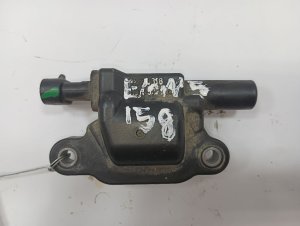
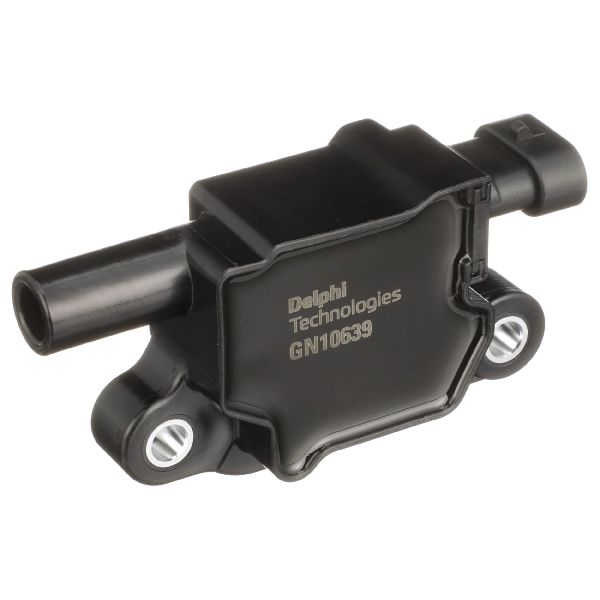
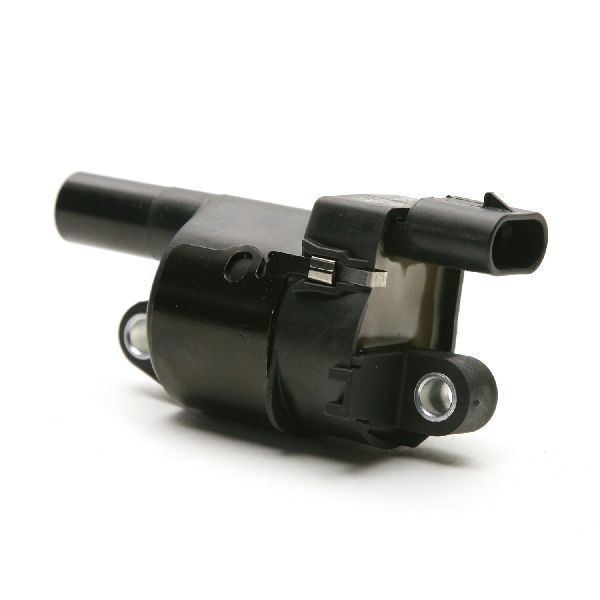
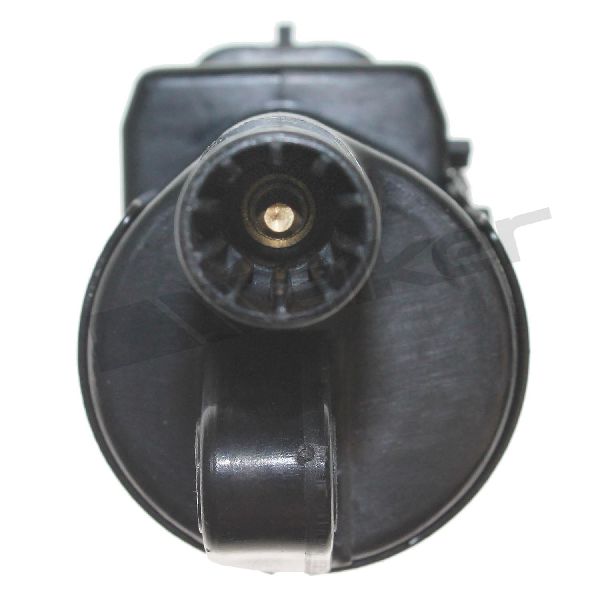
Est. part cost: $8-$20 per plug - Defective Ignition Coil 🔴 High Probability → Shop Ignition Coil Coil-on-plug systems are standard, and individual coils can fail from age and heat cycles, leading to a weak or non-existent spark.
How to confirm: Swap the ignition coil from cylinder 4 with another cylinder (e.g., cylinder 2, which is the front passenger-side cylinder). Clear the codes and drive. If the code changes to P0302, the coil is faulty.
Typical fix: Replace the failed ignition coil. It's often recommended to use OEM brands like ACDelco for reliability.
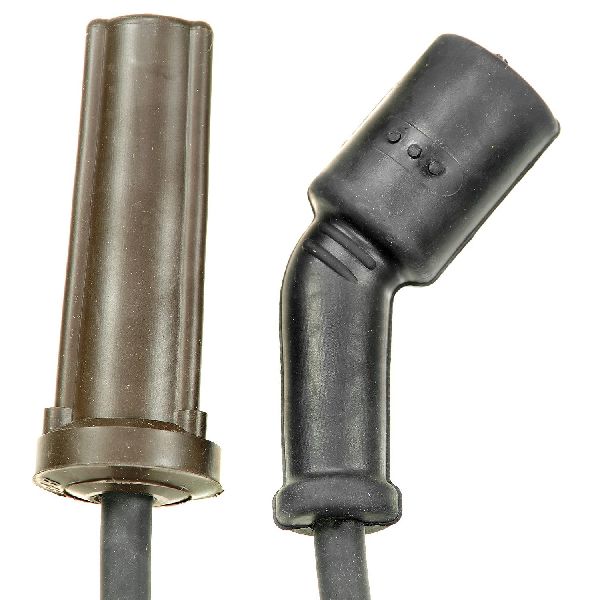
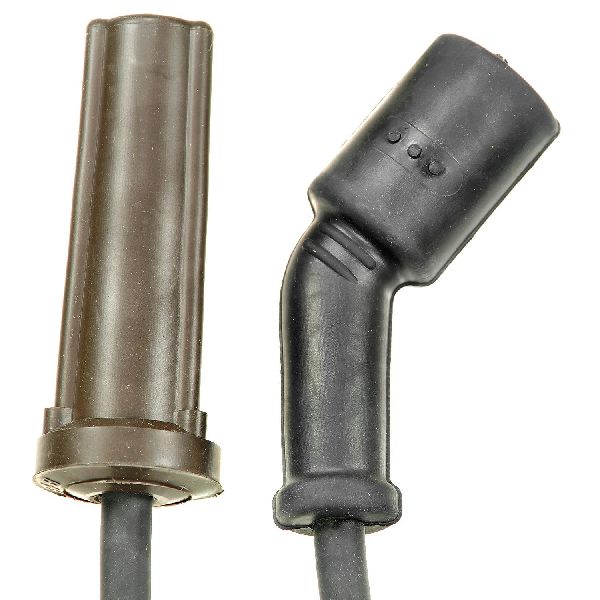
Est. part cost: $45-$110 - Loose or Bad Spark Plug Wire 🔴 High Probability → Shop Spark Plug GM issued TSB #PIP4819A specifically for this issue, noting that loose spark plug wires at the coil can cause misfires on various V8 engines, including those in the Yukon.
How to confirm: Visually inspect the spark plug wire for cylinder 4. Ensure it is fully seated and 'clicks' onto both the ignition coil and the spark plug. Wiggle the wire at the connector to see if it triggers a misfire.
Typical fix: Securely reconnect the wire. If the connection is loose or the wire is damaged (internally or externally), it should be replaced, preferably as a full set.
Est. part cost: $50-$100 for a set - Failed Active Fuel Management (AFM) Lifter 🟡 Medium Probability → Shop Engine Valve Lifter A widely documented failure point on GM's 5.3L and 6.2L V8s. The specialized hydraulic lifters for AFM cylinders (1, 4, 6, and 7) are prone to collapsing or sticking, causing a permanent misfire on that cylinder. This can be due to internal pin damage, oil pressure issues, or sludge.
How to confirm: Listen for a persistent ticking or chirping noise from the engine, especially audible near structures like a wall. A definitive diagnosis requires removing the valve cover to check for a rocker arm that is not moving or has excessive play, which indicates a collapsed lifter. A bent pushrod may also be found.
Typical fix: This is a major repair requiring replacement of all AFM lifters, lifter guides, and often the camshaft if it has been damaged. Many owners opt to install an AFM-delete kit at this time, which includes a new non-AFM camshaft and standard lifters. Professional service is highly recommended. 🎬 Watch this full walkthrough of a Yukon AFM lifter replacement A dealer repair can cost over $5,000, while a DIY job with a delete kit can be around $2,000-$3,000 in parts.
Est. part cost: $400-$1,500 for parts alone (OEM lifters or AFM delete kit) - Clogged or Faulty Fuel Injector ⚪ Low Probability → Shop Fuel Injector While less common than ignition or AFM issues, fuel injectors can fail or become clogged over time, especially with lower-quality fuel. Direct injection models (2015+) are more prone to carbon buildup issues.
How to confirm: Listen to the injector with a mechanic's stethoscope to ensure it's clicking. You can also swap the injector with another cylinder to see if the misfire follows, though this is more labor-intensive. Resistance can also be tested with a multimeter.
Typical fix: Clean or replace the faulty fuel injector.
Est. part cost: $50-$150
Rare But Worth Checking
- Low Engine Compression: If ignition and fuel system checks don't solve the misfire, a mechanical issue like a bad valve, worn piston rings, or head gasket leak could be the cause. This is confirmed with a compression test. A collapsed AFM lifter will also result in low compression on that cylinder.
- Intake Manifold Gasket Leak: → Shop Engine Intake Manifold A vacuum leak near the intake runner for cylinder 4 can cause a lean condition and misfire. This is best diagnosed with a smoke machine to find the source of the leak.
- Failed VLOM (Valve Lifter Oil Manifold): The VLOM contains solenoids that direct oil flow to the AFM lifters. A failure in the solenoid or circuitry for cylinder 4 can cause the lifter to malfunction, leading to a misfire. This is often replaced during an AFM lifter repair.
Diagnosis Steps
- Read all stored fault codes with an OBD-II scanner. Note any other codes besides P0304, such as P0300 or P34xx codes.
- Per TSB #PIP4819A, inspect the spark plug wire for cylinder 4 (passenger side, second from front). Ensure it is securely connected at both the coil and the plug.
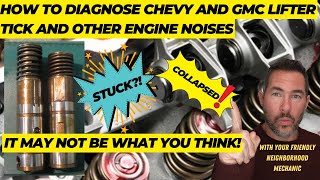
- Listen for a distinct, rhythmic ticking or chirping noise 🎬 Watch: How to tell if your engine tick is a lifter from the engine. This is a strong indicator of a failed AFM lifter and suggests prioritizing mechanical checks.
- If no noise is obvious, perform a diagnostic swap. Swap the ignition coil from cylinder 4 with cylinder 2 (front passenger). Clear codes and drive. 🎬 See these two quick DIY methods to fix a P0304 code If the code changes to P0302, the coil is bad.
- If the misfire remains on cylinder 4, remove and inspect the spark plug for wear, fouling (oil or carbon), or damage. Replace if necessary. A fouled plug on an AFM cylinder can be a symptom of oil consumption issues noted in TSB 10-06-01-008H.
- If ignition components are good and a ticking noise is present, the next step is to remove the passenger-side valve cover to inspect the valvetrain for cylinder 4. A loose rocker arm or bent pushrod confirms a collapsed lifter.
- If no ticking is present and ignition parts are good, check the fuel injector for cylinder 4. Listen for a clicking sound and check the wiring. Consider swapping it with another cylinder if you have the tools.
- If all else fails, perform a compression test on cylinder 4 to rule out internal mechanical issues like bad rings or valves. Remember that a collapsed lifter will also cause a low compression reading.
Parts You'll Likely Need
- Spark Plug
(OEM #41-110 (Gen IV) / 41-162 (Gen V))— Spark plugs are a common wear item and are often the simplest fix. The part number may differ by engine generation. Some users report better performance with the older 41-110 plug even when the 41-162 is recommended.
Trusted brands: ACDelco, NGK
OEM price range: $10-$20
Aftermarket price range: $8-$15 - Ignition Coil
Related Codes That Often Appear With This One
- P0300 — If other cylinders are also misfiring, or the computer can't isolate the misfire to a single cylinder, a P0300 (Random/Multiple Cylinder Misfire) code may be stored. This is common when an AFM lifter fails or if there's a systemic fuel or vacuum issue.
- P3400 — This code for 'Cylinder Deactivation System' can appear with a P0304, pointing directly to a problem within the AFM system as the root cause.
- P3425 — This code, 'Cylinder 4 Deactivation Control Circuit', specifically points to an electrical issue in the AFM system for cylinder 4, often related to the VLOM or its wiring.
Technical Service Bulletins (TSBs) & Recalls
- PIP4819A: Notes that a loose spark plug wire at the ignition coil can cause single or multiple cylinder misfires (P0300-P0308).
- 10-06-01-008H: Addresses excessive engine oil consumption on AFM engines, which can be caused by oil spray from the AFM pressure relief valve or PCV issues, leading to carbon-fouled spark plugs and misfires.
- PIP4568L: Details diagnosis for misfires on AFM cylinders (1, 4, 6, 7) caused by a mechanically collapsed/stuck or unlocking AFM lifter, which can result from low oil pressure, sludge, or aeration.
Platform-Specific Known Issues
- Active Fuel Management (AFM) Lifter Failure: → Shop Engine Valve Lifter The most significant issue for this platform is the failure of the specialized AFM lifters, particularly on cylinders 1, 4, 6, and 7. These lifters can collapse or become stuck, leading to a persistent misfire that ignition part replacement will not fix. The issue is often preceded by a distinct ticking noise. The repair is labor-intensive, often requiring camshaft replacement, and leads many owners to install an 'AFM Delete Kit' to prevent future failures.
- Oil Consumption and Fouled Plugs: As detailed in TSB 10-06-01-008H, these V8 engines can suffer from excessive oil consumption. Oil can be pulled through the PCV system or sprayed from the AFM pressure relief valve, leading to carbon deposits on piston rings and fouling of spark plugs, especially in AFM cylinders like #4, directly causing a P0304 code.
Mechanic-Grade Diagnostic Values
- Ignition Coil Secondary Resistance — expected: 6,000 to 15,000 ohms (6k-15k Ω). Failure: A reading significantly outside this range indicates a failure in the coil's secondary winding.
- Fuel Injector Resistance (5.3L V8) — expected: 11.7 to 13.5 ohms. Failure: A reading significantly higher or lower than spec, or an outlier compared to other injectors, indicates a failing injector coil.
- AFM VLOM Solenoid Resistance — expected: 11 to 18 ohms. Failure: A reading outside this range when testing the pins on the VLOM connector points to a faulty solenoid.
- Fuel Pressure (Gen IV Vortec, at fuel rail test port) — expected: Around 60 PSI, +/- 5 PSI. Failure: Significantly lower pressure indicates a weak fuel pump or clogged filter.
Hidden / Shadow Codes Worth Checking
- Mode $06, TID $A5: Provides misfire counts for cylinder 4. This includes data from the last/current driving cycle and an exponentially weighted moving average over the last 10 driving cycles. (see via A professional scan tool capable of reading Mode $06 data. This allows a technician to see misfires that have not yet occurred frequently enough to set a P0304 code.)
Scan Tool Commands That Help
- GDS2 / Tech2: Cylinder Balance Test — This function measures the power contribution of each cylinder by analyzing crankshaft speed variations. It can quickly confirm that cylinder 4 is the one underperforming, helping to rule out a random misfire (P0300) that is coincidentally flagging cylinder 4 first.
- GDS2 / Tech2: AFM Solenoid Control — A technician can use the scan tool to command the VLOM solenoids on and off to test their electrical function and observe engine response. This helps diagnose the health of the overall AFM system, even if the misfire is on an AFM cylinder.
Wiring & Ground Locations
- G102 — Located at the left rear of the engine.. This is the primary ground point for all eight ignition coils. A loose or corroded connection here can cause weak spark and misfires on any or all cylinders, including cylinder 4.
- G103 — Located on the front of the passenger side (right) cylinder head on some models, or on the cowl above the brake booster on others.. Being located on the same bank as cylinder 4, this ground is critical for sensors and components on that side of the engine. A poor connection could cause erratic sensor readings or issues for the cylinder 4 injector or coil control circuit.
- G104 — Located on the rear of the driver's side (left) cylinder head, often a strap to the firewall.. This ground serves multiple functions for the ECM. A fault here could lead to a wide range of difficult-to-diagnose issues, including misfires.
Real Owner Repair Stories
- Reddit user on r/gmc (2016 Yukon Denali 6.2L) — Slightly rough idle, ticking sound, and a P0304 code.
❌ Tried (didn't work) Replaced all spark plugs and coils., Replaced all fuel injectors.
✅ What actually fixed it The issue was not resolved by the user in the post, but the symptoms progressing from a single cylinder misfire to multiple misfires after replacing parts, combined with the initial ticking sound, strongly pointed to a failed AFM lifter, which was the consensus in the community feedback. - Tahoe Yukon Forum user (2016 Denali 4WD, 107k miles) — Engine stumbling, flashing CEL, Traction Control light on, P0304 code.
❌ Tried (didn't work) Replaced spark plug and wire for cylinder 4., Swapped ignition coils.
✅ What actually fixed it The user suspected a stuck lifter after basic ignition part swaps failed to resolve the issue and the vehicle began smoking from the exhaust. The truck was towed to a dealer for diagnosis, with the strong implication being a required AFM lifter repair.
OEM Part Supersession History
HL-7011 (Elgin aftermarket equivalent for original AFM lifter)→HL-7025 (Elgin aftermarket equivalent for DFM lifter)— GM released a new lifter design for the newer Dynamic Fuel Management (DFM) engines starting in 2019.
Heads up: The newer DFM lifter (HL-7025) is backward compatible and will work in older AFM applications. However, the original AFM lifter (HL-7011) will ONLY fit AFM applications and cannot be used in newer DFM engines.
Model Year Variations Within This Range
- 2010-2014 (GMT900 Generation): These models use the Gen IV Vortec V8 engines (e.g., 5.3L LY5, LMG; 6.2L L94) with port fuel injection. Misfire causes are heavily focused on ignition components and AFM lifter failure.
- 2015-2017 (K2XX Generation): These models use the Gen V EcoTec3 V8 engines (e.g., 5.3L L83, 6.2L L86) which introduced Gasoline Direct Injection (GDI). While still prone to AFM lifter failures, this generation adds new potential causes for P0304, including carbon buildup on intake valves and failing high-pressure fuel injectors, which are not washed by fuel as in port injection systems.
Helpful Videos
![How to Fix P0304 Engine Code in 3 Minutes [2 DIY Methods / Only $4.33]](https://img.youtube.com/vi/i7ubv6oYJlI/mqdefault.jpg)
Used OEM Parts in Stock
New Aftermarket Parts Available


The information in this article is provided for general reference and educational purposes only. Vehicle specifications, procedures, and part compatibility can vary by production date, trim level, and region. Always consult your vehicle's factory service manual and verify part numbers before purchasing or performing repairs. Safety-critical components such as airbags, seat belts, and braking systems should be installed by a qualified professional.
- Gmc YUKON:
- 🧭 Diagnostic Flowchart
- 🎬 Helpful Videos
- 🛍️ Shop This Part
- What's Unique About the 2010-2017 Gmc YUKON
- Symptoms You May Notice
- Most Likely Causes
- Rare But Worth Checking
- Diagnosis Steps
- Parts You'll Likely Need
- Related Codes That Often Appear With This One
- Technical Service Bulletins (TSBs) & Recalls
- Platform-Specific Known Issues
- Mechanic-Grade Diagnostic Values
- Hidden / Shadow Codes Worth Checking
- Scan Tool Commands That Help
- Wiring & Ground Locations
- Real Owner Repair Stories
- OEM Part Supersession History
- Model Year Variations Within This Range
- 🎟️ Get 5% Off