

P0304 on 2011-2014 Hyundai Sonata: Cylinder 4 Misfire Causes and Fixes
On a 2011-2014 Sonata with the 2.4L GDI engine, a P0304 code is most often a worn or oil-fouled spark plug or a bad ignition coil. These are easy DIY fixes costing $20-$100. However, be aware of underlying engine issues like excessive oil consumption fouling the plug or carbon buildup on the intake valves, which are known problems for this engine.
- Start your diagnosis with the simple and cheap fixes: swap the ignition coil, then inspect and replace the spark plugs.
- For this specific engine, P0304 is often a symptom of a deeper issue. Be mindful of oil consumption, which can foul new spark plugs.
- If plugs and coils are good, the next most likely causes are a clogged GDI fuel injector or carbon buildup on the intake valves.
- Check with a Hyundai dealer using your VIN to see if your engine is covered under an extended warranty for known engine issues.
What's Unique About the 2011-2014 Hyundai Sonata
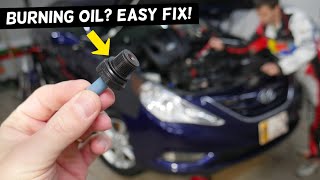
The 2011-2014 Sonata uses the Theta II Gasoline Direct Injection (GDI) engine, which is known for two specific issues that can cause a P0304 misfire. First, these engines can suffer from heavy carbon buildup on the intake valves, which can disrupt airflow and trigger a misfire. Second, this engine is notorious for excessive oil consumption, sometimes related to serious internal problems 🎬 Watch: Why these engines suffer from high oil consumption. like piston ring or rod bearing wear. This burning oil can foul the spark plug in cylinder 4, leading directly to a misfire. Several owners report this exact scenario, where a new spark plug temporarily fixes the P0304, only for it to return a few months later due to recurring oil fouling.
Symptoms You May Notice
- Rough or shaking idle
- Hesitation or stumbling during acceleration
- Flashing Check Engine Light (especially under load)
- Noticeable loss of engine power
- Reduced fuel economy
- Smell of unburned gasoline from the exhaust
- Engine vibrations that feel like a 'massage chair'
- Replacing oxygen sensors. O2 sensors read the results of combustion; they do not cause a single-cylinder misfire. A bad O2 sensor would typically set its own specific code.
- Replacing the catalytic converter. A misfire can destroy a catalytic converter, but a bad converter will not cause a misfire. A P0420 code may appear with the P0304, but the misfire is the root cause.
Most Likely Causes
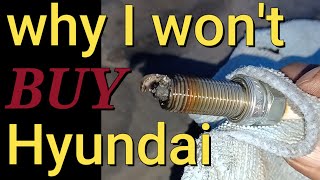
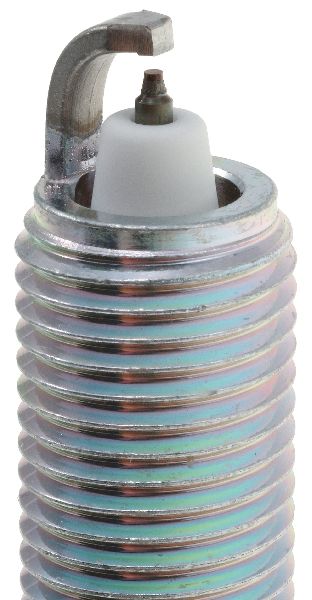
- Worn or Fouled Spark Plug 🔴 High Probability → Shop Spark Plug The engine's known oil consumption issue can foul spark plugs prematurely, causing them to fail. Multiple owner forums and videos show a P0304 code being caused by a spark plug in cylinder 4 that is visibly wet or caked with black, oily deposits. In some cases, replacing the plug is only a temporary fix as the underlying oil consumption issue will foul the new plug over time.
How to confirm: Visually inspect the spark plug from cylinder 4. Look for heavy carbon deposits, oil fouling (a wet, black appearance), a cracked porcelain insulator, or a worn-out electrode. Compare it to a plug from another cylinder; if it's significantly dirtier, that's a strong indicator.
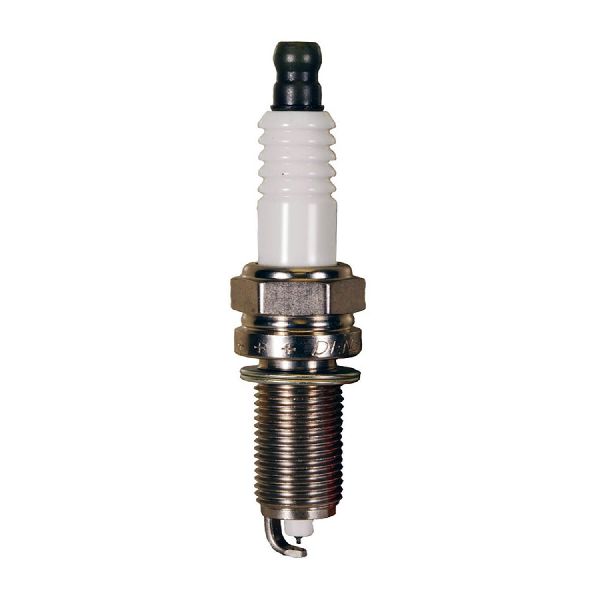
Typical fix: Replace the spark plug. It is recommended to replace all four spark plugs at the same time for even performance. Use high-quality Iridium plugs from brands like NGK or Denso. If the plug is oil-fouled, this is a temporary fix until the oil consumption issue is addressed.
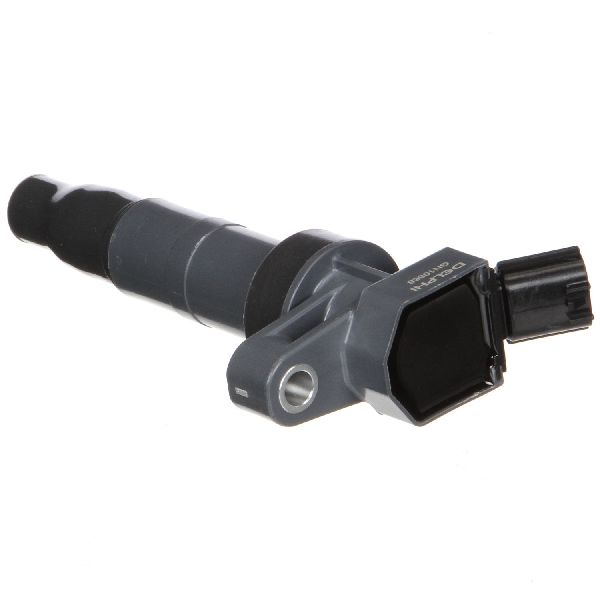
Est. part cost: $40-$80 for a set of four Iridium plugs - Failed Ignition Coil 🔴 High Probability → Shop Ignition Coil
How to confirm: Swap the ignition coil from cylinder 4 with another cylinder (e.g., cylinder 1). Clear the codes and drive the vehicle. If the code changes to P0301 (Cylinder 1 Misfire), the ignition coil is faulty. This is the standard diagnostic procedure recommended by mechanics and owners.
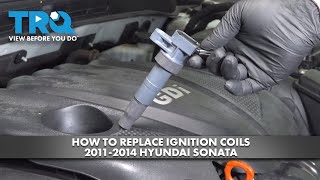
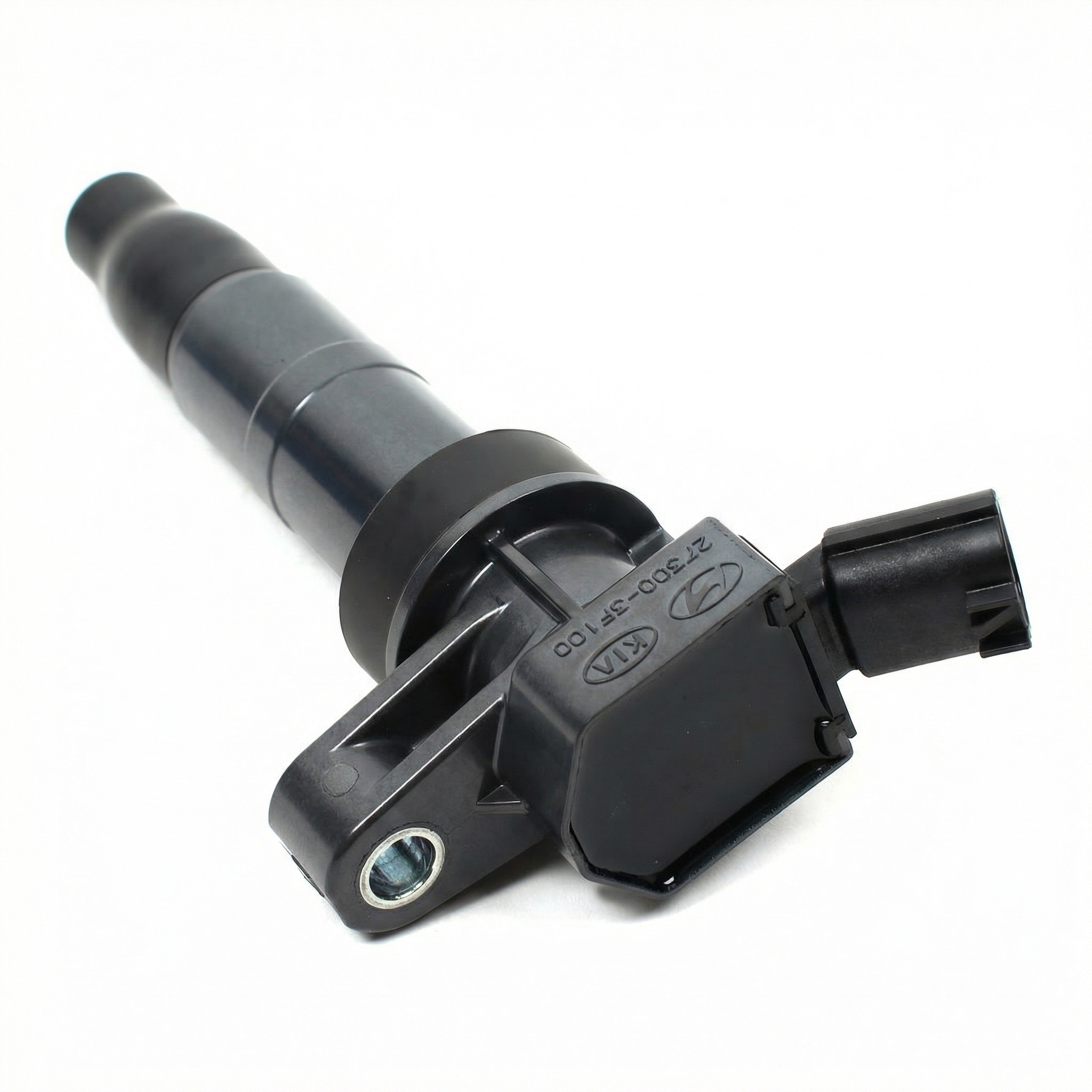
Typical fix: Replace the failed ignition coil. This is a simple, single-bolt replacement. 🎬 Watch: How to replace your ignition coils step-by-step. It is often recommended to replace the spark plug at the same time.
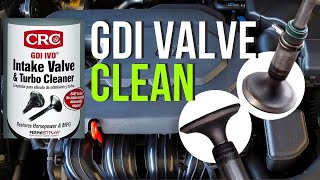
Est. part cost: $50-$100 for one OEM-quality coil - Carbon Buildup on Intake Valves 🟡 Medium Probability As a GDI engine, fuel is injected directly into the cylinder, so it never washes over the intake valves. Oil vapor from the PCV system bakes onto the hot valves, forming hard carbon deposits that restrict airflow and cause misfires. This is a well-documented issue with all GDI engines, including the Theta II.
How to confirm: This requires a borescope to visually inspect the intake valves, which usually involves removing the intake manifold. A shop can perform this inspection. Symptoms like a gradual loss of power or rough idle that isn't fixed by plugs/coils can point to this.
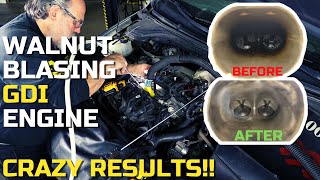
Typical fix: The intake valves need to be cleaned. The most effective method is walnut shell blasting, a professional service. 🎬 See how walnut blasting removes heavy carbon buildup. Some owners report success with chemical intake cleaning methods, but this is often less effective for heavy buildup. A dealership may recommend a two-stage cleaning process.
Est. part cost: $0 (if cleaned manually), $400-$800 for professional walnut blasting service - Clogged Fuel Injector 🟡 Medium Probability → Shop Fuel Injector GDI injectors operate under very high pressure and can be sensitive to fuel quality and deposits. While less common than ignition issues, a clogged injector can certainly cause a single-cylinder misfire.
How to confirm: This is more difficult to diagnose. A professional can perform a fuel injector balance test. A DIY method is to swap the injector from cylinder 4 with another cylinder, but this is a much more involved job than swapping a coil as it requires removing the fuel rail.
Typical fix: Replace the faulty fuel injector. It's often recommended to replace them as a set, but this can be costly. Using a high-quality fuel system cleaner with Polyetheramine (PEA) as a first step is a cheap and sometimes effective measure.
Est. part cost: $70-$150 for one injector
Rare But Worth Checking
- Low Engine Compression: This is a serious mechanical issue. The Theta II engine is known for potential connecting rod bearing failure, which can lead to a loss of compression and catastrophic engine damage. A Reddit user with a P0304 on a 2017 Sonata was advised by a mechanic that this could be the cause after ignition components were ruled out. If you hear knocking noises along with the misfire, stop driving immediately and have the engine inspected by a professional.
- Vacuum Leak: A leak in a vacuum hose or intake manifold gasket can introduce unmetered air and cause a lean misfire. This would typically cause random misfire codes (P0300) but can sometimes isolate to a single cylinder if the leak is near the cylinder 4 intake runner.
- Leaking Valve Cover Gasket: → Shop Engine Valve Cover A leaking valve cover gasket or spark plug tube seal can allow oil to pool in the spark plug well, shorting out the ignition coil and spark plug. When you remove the ignition coil, check for liquid oil on the coil boot and in the tube. This is a separate issue from internal oil consumption fouling the plug tip.
- Timing and Camshaft Issues: → Shop Engine Camshaft While rare, mechanical failures in the timing system can trigger misfires. NHTSA ODI #11606626 describes a case where P0304 was present alongside P0018 and P0300, requiring the replacement of the intake camshaft, CVVT, and timing chain tensioner.
Diagnosis Steps
- Read the code with an OBD-II scanner to confirm P0304 and check for any other codes, especially P0300, P0420, or P1326.
- Pull the ignition coil from cylinder 4. Inspect the coil boot and the spark plug well for any signs of liquid oil, which would indicate a valve cover gasket leak.
- Swap the ignition coil from cylinder 4 to cylinder 1. Clear the codes, run the engine, and see if the misfire code changes to P0301. If it does, the coil is bad.
- If the misfire stays on cylinder 4, remove the spark plug from cylinder 4. Inspect it for heavy oil fouling, carbon buildup, or damage. If it looks bad, replace all four spark plugs.
- If the spark plug was heavily fouled with oil, be aware this may be a temporary fix. The underlying cause is likely excessive oil consumption which needs to be addressed via an oil consumption test at a dealership, potentially covered under an extended warranty or TSB.
- If the misfire still remains on cylinder 4 with a new plug and good coil, the problem is likely fuel or mechanical. Consider using a quality fuel system cleaner (like Sea Foam or one with PEA) to see if it helps a potentially dirty injector.
- If the issue persists, a professional diagnosis is recommended. This will involve checking the fuel injector, inspecting for carbon buildup with a borescope, and performing a compression test to check for mechanical engine health.
Parts You'll Likely Need
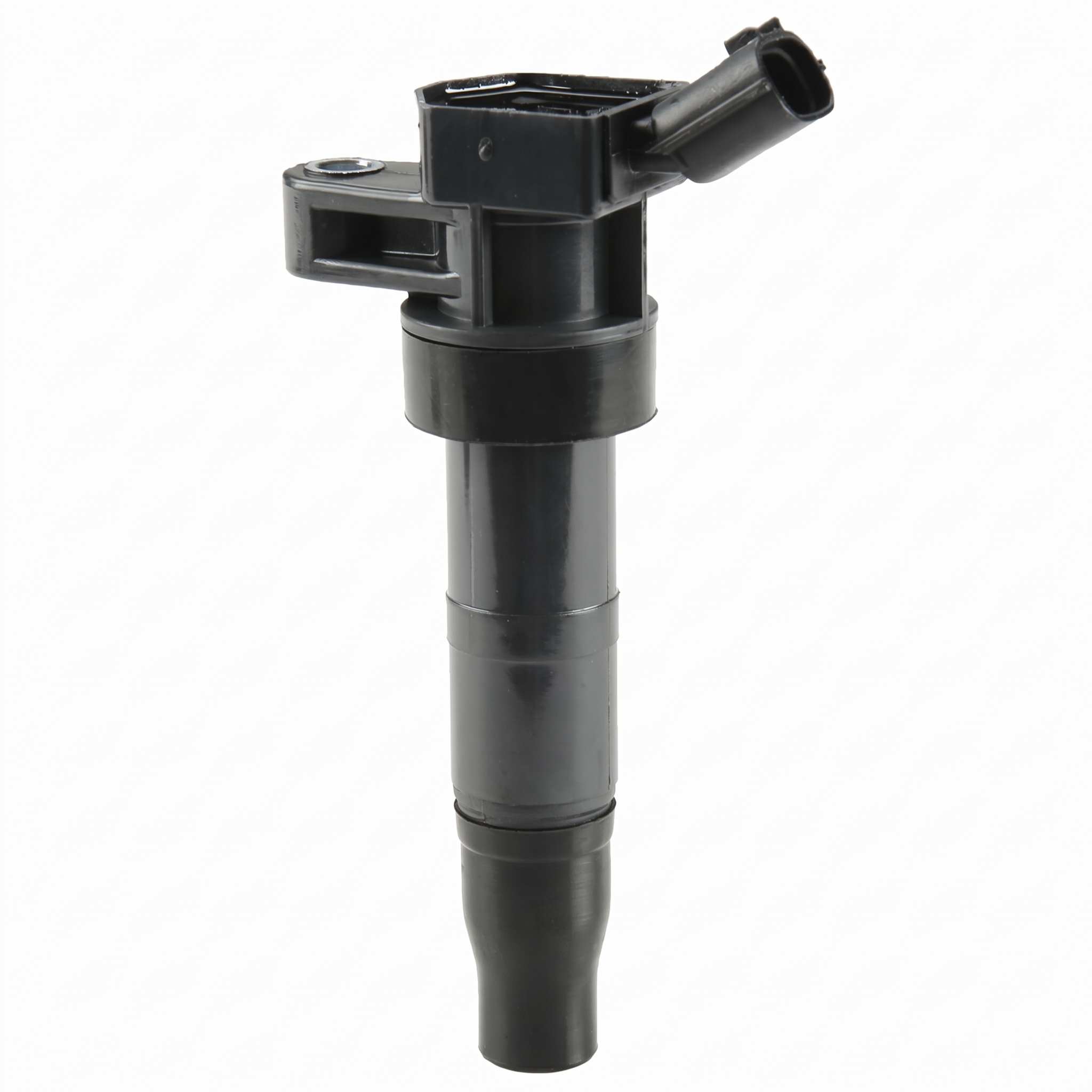
- Ignition Coil
(OEM #27300-2G000)— Ignition coils are a common failure item that directly causes a lack of spark and misfire on a single cylinder. An updated part number may be 27300-2GGA0.
Trusted brands: Hyundai OE, Denso, NGK, Delphi
OEM price range: $70-$110
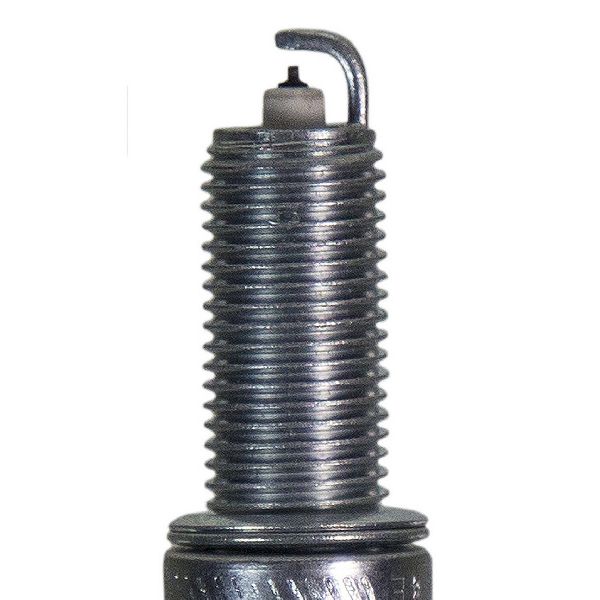
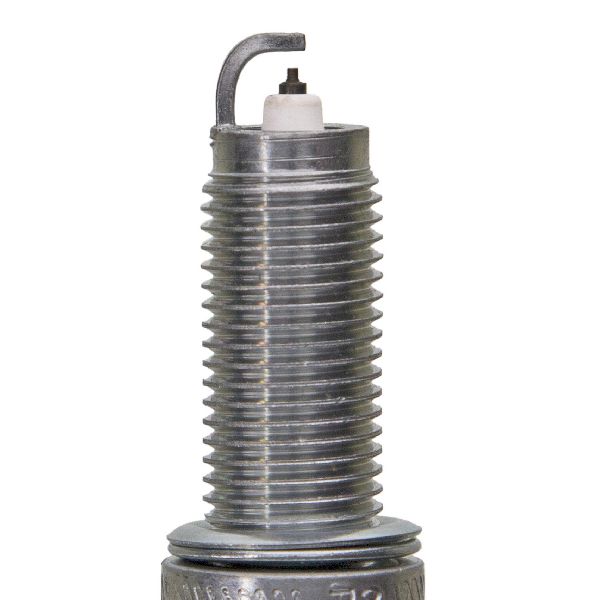
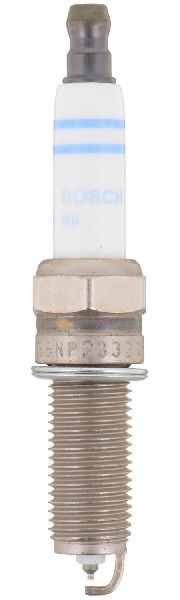
Aftermarket price range: $40-$75 - Spark Plug
(OEM #18846-11070)— Spark plugs are a routine maintenance item. On this engine, they can become fouled by oil consumption, leading to a misfire. NGK and Denso are the original equipment manufacturers.
Related Codes That Often Appear With This One
- P0300 — If the cause (like a large vacuum leak, major carbon buildup, or widespread oil fouling) affects multiple cylinders, a P0300 (Random/Multiple Misfire) may appear alongside P0304.
- P0420 — If the misfire has been happening for a while, unburned fuel can damage the catalytic converter, triggering a P0420 (Catalyst System Efficiency Below Threshold) code.
- P1326 — This code is specific to the Knock Sensor Detection System (KSDS) installed via Hyundai Campaign 953. It indicates the system has detected vibrations consistent with excessive connecting rod bearing wear and has put the engine into limp mode. A misfire could be an early symptom leading up to this.
Technical Service Bulletins (TSBs) & Recalls
- Campaign 953: Product Improvement campaign to install the Knock Sensor Detection System (KSDS) software to detect early signs of engine bearing failure.
- TSB 21-EM-004H: Provides guidelines for dealerships to inspect and diagnose claims of excessive engine oil consumption.
- TSB 19-01-002H: Provides the service procedure for the KSDS software update as part of Campaign 953.
Platform-Specific Known Issues
- Engine Failure Recall & Warranty Extension: The Theta II 2.4L GDI engine was part of a major recall and class-action lawsuit for premature connecting rod bearing failure. A misfire could be an early symptom. Check with a Hyundai dealer if your vehicle's VIN is covered by the extended powertrain warranty. This warranty is contingent on having the Knock Sensor Detection System (KSDS) software update (Campaign 953) installed.
- Excessive Oil Consumption: Many owners report high oil consumption, which can foul spark plugs and lead to misfires and catalytic converter failure. Hyundai has a TSB (21-EM-004H) detailing the oil consumption inspection process. Regularly check your oil level, as Hyundai may deny a warranty claim if the engine is run low on oil.
Mechanic-Grade Diagnostic Values
- GDI High Pressure Fuel System — expected: 290 - 3,626 PSI. Failure: Pressure that is significantly lower than the specified range under load can indicate a failing high-pressure fuel pump (HPFP) and lead to misfires.
- Ignition Coil Control Signal — expected: A square wave signal visible on an oscilloscope when the engine is running.. Failure: Absence of a signal from the ECM indicates a wiring or ECM issue, not a faulty coil. A technician in a video confirmed a good signal on a misfiring cylinder before condemning the coil itself.
- Spark Plug Gap — expected: 1.0mm - 1.1mm (0.039" - 0.043"). Failure: An incorrect gap can cause a weak spark and lead to misfires. This is a basic check but critical.
Scan Tool Commands That Help
- Hyundai GDS (Global Diagnostic System): Live Data & Misfire Monitoring — The GDS tool can retrieve detailed diagnostic trouble codes and monitor live data for sensor readings, which is essential for diagnosing the root cause of a misfire. It allows a technician to see misfire counts per cylinder in real-time to confirm the P0304 is active.
- Hyundai GDS (Global Diagnostic System): Special Inspection Function (for Engine Noise) — For vehicles under Recall Campaign 132, the GDS Mobile system has a specific function to analyze engine noise to detect excessive connecting rod bearing wear, a potential catastrophic failure that could present as a misfire initially. This is a dealer-level diagnostic test.
Wiring & Ground Locations
- Cylinder 4 Ignition Coil Connector — On the top of the engine, it is the furthest coil to the right when facing the engine from the front of the car.. A technician can use a multimeter or oscilloscope on the pins of this connector to verify power, ground, and the control signal from the ECM, confirming if the coil is receiving the correct inputs before condemning it as faulty. The center wire is typically the control signal from the ECM.
- Cylinder 4 Fuel Injector Connector (CHG26-4) — Located on the fuel rail, under the intake manifold. Access is difficult.. A poor connection or damaged wiring at this connector will prevent the fuel injector for cylinder 4 from firing, causing a P0304. Wiring diagrams confirm the specific connector for diagnosis.
- Main Engine Ground Strap — Bolted to the frame rail. On some 2011 models, this was a known issue.. Hyundai issued a service action related to the main ground strap being bolted to a painted surface, causing poor electrical contact. A bad ground can cause numerous, intermittent electrical issues, including weak spark that could lead to misfires. Technicians recommend grinding the paint off to ensure a bare metal connection.
Real Owner Repair Stories
- Hyundai Forums (2017 Hyundai Sonata) — Recurring P0304 misfire code every 3 months.
❌ Tried (didn't work) Replacing all spark plugs (fixed it for 3 months)., Replacing the ignition coil on cylinder 4 (fixed it for another 3 months).
✅ What actually fixed it The user's story was ongoing, but another user with a 2016 Sonata and the same recurring P0304 reported that having the intake valves cleaned via walnut blasting provided the longest-lasting fix. This points to severe carbon buildup as a potential root cause when plugs and coils only provide a temporary solution. - Reddit r/MechanicAdvice (2016 Hyundai Sonata, 73,000 miles) — Initial P0304 at 58k miles, returned at 73k miles with rough idle.
❌ Tried (didn't work) Replacing all 4 spark plugs at 58k miles worked temporarily.
✅ What actually fixed it The user was in the process of diagnosing the recurring issue, with the next recommended step being to swap the ignition coil from cylinder 4 to another cylinder to see if the misfire code follows the coil. This highlights the standard procedure for isolating a bad coil. - NHTSA ODI #11583190 — An owner reported experiencing codes P0300, P0302, and P0304. Despite having replaced spark plugs less than 10,000 miles prior, the issue persisted, leading them to attempt changing the ignition coils.
Documented NHTSA Reports
- NHTSA ODI #11251875: An owner reported that their check engine light would go on and off with codes P2096 and P0304, related to cylinder 3 and 4 misfires. The dealer found the engine making noise from the lower end.
- NHTSA ODI #11542972: A report describes a vehicle where the engine code was P0304 and the engine was completely seized and would not rotate.
- NHTSA ODI #11673527: A mechanic concluded oil consumption was the root cause of codes including P0420, P0300, and P0304, based on low oil levels and oil-fouled spark plugs.
OEM Part Supersession History
27300-2G000→27300-3F100, 27300-2GGA0— Part has been updated over time for improved reliability and performance. The 2G000 part number is associated with earlier models, while 2GGA0 is listed for later models and as a replacement.
Heads up: While 27300-2G000 is listed for 2007-2010 Sonatas, it is often cross-referenced for early 2011 models. The updated part 27300-2GGA0 is specified for 2015+ models but is also listed as a compatible replacement for the earlier YF generation, suggesting it's the most current revision to use.
Model Year Variations Within This Range
- 2011-2012: These early model years were the primary focus of Hyundai's Recall Campaign 132 for connecting rod bearing wear in the 2.4L GDI engine. A P0304 on one of these specific years should prompt a higher suspicion of a serious internal engine problem compared to later years.
- 2011: Some very early 2011 models were susceptible to having a poor main engine ground connection due to the ground strap being attached to a painted surface, a problem corrected by dealers. This could cause intermittent and hard-to-diagnose electrical issues, including misfires.
Diagnostic Flowchart
Real Owner Stories
Aggregated from forums and TSBs cited above. Mileages and costs reflect what owners reported in those sources.
2017 Hyundai Sonata 2.4L GDI
Symptoms: Experienced a recurring P0304 code every 3 months.
What fixed it: Initially replaced spark plugs, then replaced an ignition coil 3 months later. The code returned and was ultimately diagnosed as an oil-fouled plug from piston ring failure, requiring a full engine replacement.
Source hint: Hyundai Forums - 'Every 3 months misfire P0304'
2016 Hyundai Sonata 2.4L GDI — 58000 miles
Symptoms: Triggered a P0304 code at 58k miles, which then returned again at 73k miles.
What fixed it: Fixed initially with new spark plugs after correctly diagnosing the issue by swapping coils, then plugs.
Source hint: Reddit r/Hyundai - 'P0304 Help!'
Hyundai Sonata Theta II 2.4L GDI
Symptoms: P0304 code triggered by a heavily carboned and oil-fouled spark plug in cylinder 4.
What fixed it: Cleaned and replaced the spark plug, though the mechanic explicitly noted this is a temporary 'band-aid' fix due to the engine's underlying oil consumption issue.
Source hint: YouTube - 'hyundai P0304' by The mech a nic
Related OBD-II Codes
Frequently Asked Questions
Does the known oil consumption issue on the 2011-2014 Hyundai Sonata 2.4L GDI cause the P0304 code?
Is my P0304 misfire related to the major engine failure recall for the Sonata?
What is Campaign 953 and does it affect my misfire diagnosis?
Should I just replace the spark plug if it's covered in oil?
How do I know if the ignition coil or the spark plug is causing the cylinder 4 misfire?
Can carbon buildup cause a P0304 on my Sonata?
Helpful Videos
Used OEM Parts in Stock
New Aftermarket Parts Available

The information in this article is provided for general reference and educational purposes only. Vehicle specifications, procedures, and part compatibility can vary by production date, trim level, and region. Always consult your vehicle's factory service manual and verify part numbers before purchasing or performing repairs. Safety-critical components such as airbags, seat belts, and braking systems should be installed by a qualified professional.
- Hyundai Sonata:
- 🧭 Diagnostic Flowchart
- 🎬 Helpful Videos
- 🛍️ Shop This Part
- What's Unique About the 2011-2014 Hyundai Sonata
- Symptoms You May Notice
- Most Likely Causes
- Rare But Worth Checking
- Diagnosis Steps
- Parts You'll Likely Need
- Related Codes That Often Appear With This One
- Technical Service Bulletins (TSBs) & Recalls
- Platform-Specific Known Issues
- Mechanic-Grade Diagnostic Values
- Scan Tool Commands That Help
- Wiring & Ground Locations
- Real Owner Repair Stories
- Documented NHTSA Reports
- OEM Part Supersession History
- Model Year Variations Within This Range
- Real Owner Stories
- 2017 Hyundai Sonata 2.4L GDI
- 2016 Hyundai Sonata 2.4L GDI — 58000 miles
- Hyundai Sonata Theta II 2.4L GDI
- Related OBD-II Codes
- Frequently Asked Questions
- 🎟️ Get 5% Off