

P0304 on 2008-2012 Land Rover LR2: Cylinder 4 Misfire Causes and Fixes
P0304 on a 2008-2012 Land Rover LR2 signifies a misfire in cylinder 4. The most common causes are a failed ignition coil or a worn spark plug. A less common but documented issue is a faulty fuel injector, as noted in a Land Rover Technical Service Bulletin. Diagnosis typically involves swapping the coil and plug from cylinder 4 to another cylinder to see if the fault follows.
- P0304 indicates a misfire on cylinder 4.
- Start your diagnosis by swapping the ignition coil from cylinder 4 to another cylinder to see if the misfire code follows.
- If the coil is good, inspect and potentially replace the spark plugs, especially if they are old.
- Be aware of Land Rover TSB SSM71894, which points to faulty fuel injectors as a known cause for this code on the LR2.
- Driving for an extended period with a flashing check engine light can damage your catalytic converter, leading to a much more expensive repair.
What's Unique About the 2008-2012 Land Rover LR2
The 2008-2012 Land Rover LR2 uses a Volvo-designed 3.2L inline-six engine, also known as the Volvo SI6. While standard ignition components like coils and plugs are the usual suspects for a P0304, this platform has a documented history of fuel injector issues causing misfires. A Land Rover Technical Service Bulletin (TSB SSM71894) was issued to investigate injector failures leading to rough running and various misfire codes, including P0304. This engine is shared with several Volvo models, which may experience similar issues. 🎬 Watch: Diagnostic and maintenance guide for the Volvo SI6 engine. Another potential issue on this engine is a failing Positive Crankcase Ventilation (PCV) system, which can lead to oil leaks, rough idle, and misfires.
🎬 See this DIY walkthrough for replacing the PCV valve.Diagnostic Flowchart
Tap your situation to follow the diagnostic path that matches what you're seeing on this vehicle.
Symptoms You May Notice
- Rough or vibrating idle.
- Hesitation or stumbling during acceleration.
- Flashing or solid Check Engine Light.
- Reduced engine power.
- A smell of raw fuel from the exhaust.
- Difficulty driving uphill.
- Vehicle stalling.
- Replacing only the spark plug when the ignition coil is the actual cause.
- Replacing oxygen sensors, which are unlikely to cause a single-cylinder misfire. A faulty O2 sensor would typically affect an entire bank of cylinders and throw different codes.
- Assuming a major mechanical failure before performing the simple coil and plug swap diagnostic tests.
Most Likely Causes
- Faulty Ignition Coil 🔴 High Probability → Shop Ignition Coil Coil-on-plug ignition systems are common failure points on many modern engines as they age. Heat and vibration cause the internal windings to fail over time. The rubber boot can also become brittle and fail. Oil leaks from the valve cover gasket are known to saturate and destroy the coils on this engine.
How to confirm: Swap the ignition coil from cylinder 4 with another cylinder (e.g., cylinder 3). Clear the codes and drive the vehicle. If the code changes to P0303, the ignition coil is faulty. This is the most common and effective first diagnostic step.
Typical fix: Replace the faulty ignition coil. Many owners choose to replace all six coils and spark plugs at the same time for preventative maintenance, especially on higher mileage vehicles.
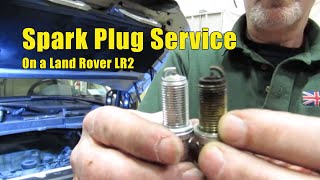
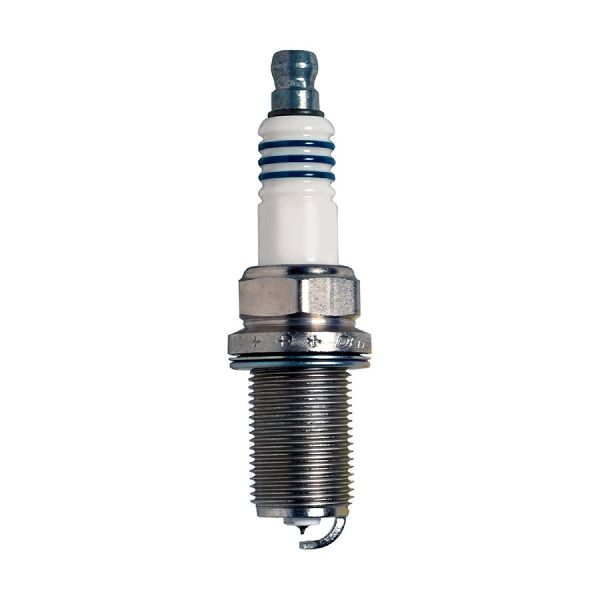
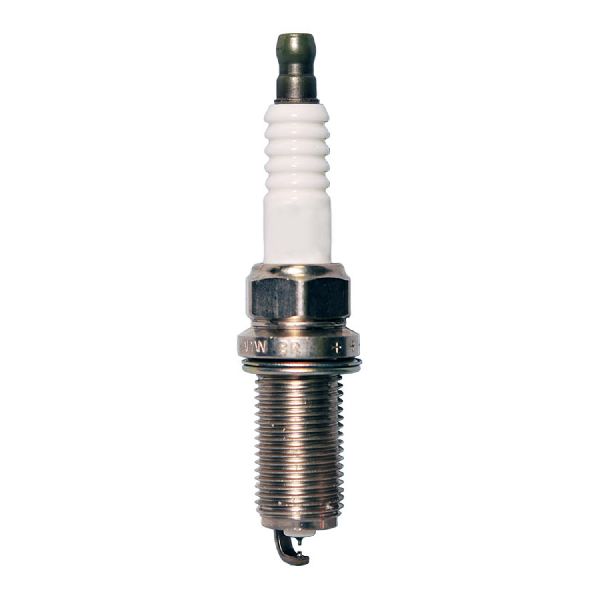
Est. part cost: $30-$70 per coil - Worn or Fouled Spark Plug 🔴 High Probability → Shop Spark Plug Spark plugs are a regular maintenance item with a finite service life, typically recommended for replacement at 75,000 miles on this vehicle. An incorrect gap, carbon fouling, or oil contamination can easily cause a weak or non-existent spark, leading to a misfire.
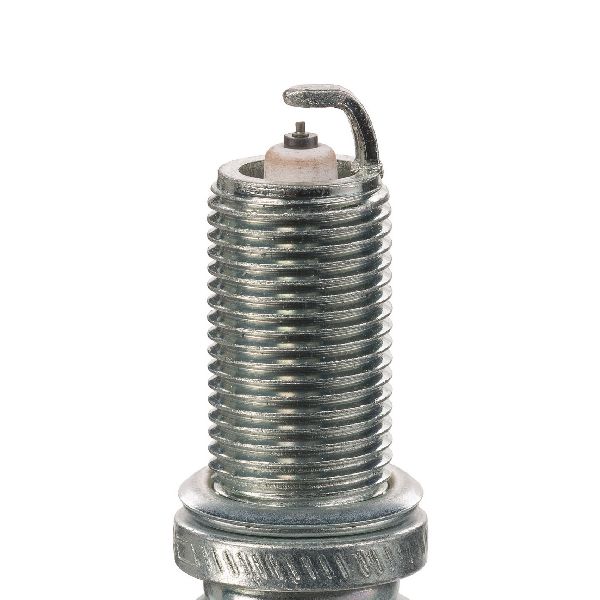
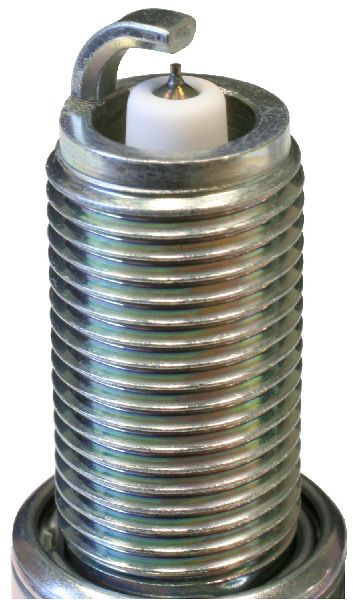
How to confirm: After swapping the coil with no change, remove the spark plug from cylinder 4 and inspect it. Look for heavy carbon buildup, oil fouling, coolant contamination (white residue), or a worn/damaged electrode. Compare it to a plug from a different cylinder.
Typical fix: Replace the spark plug in cylinder 4. It is highly recommended to replace all six spark plugs at the same time with the correct OEM-spec type (e.g., Iridium) to ensure consistent performance.
Est. part cost: $10-$25 per plug - Failing Fuel Injector 🟡 Medium Probability → Shop Fuel Injector Land Rover issued TSB #SSM71894 specifically to investigate fuel injector failures on this engine, which caused intermittent rough running and misfire codes like P0304, particularly at cold start. A single leaking injector can sometimes cause multiple misfire codes due to fluctuations in fuel rail pressure.
How to confirm: This is more difficult to diagnose. A professional can perform a fuel injector balance test. A DIY method is to listen to the injector with a mechanic's stethoscope to ensure it's clicking regularly. Swapping injectors between cylinders is possible but is labor-intensive as it requires removing the upper intake plenum. Resistance can be checked with a multimeter and should be around 12.0 Ohms.
Typical fix: Replace the faulty fuel injector and its seals. This requires removing the upper intake plenum. Some owners report success with professional fuel system cleaning services.
Est. part cost: $60-$150 per injector
Rare But Worth Checking
- Intake Manifold Gasket Leak: → Shop Engine Intake Manifold A vacuum leak near the cylinder 4 intake runner can lean out the air/fuel mixture and cause a misfire. This can be tested by spraying brake cleaner or starting fluid near the intake manifold gasket for cylinder 4 while the engine is running; a change in idle RPM indicates a leak.
- Low Engine Compression: A mechanical issue like a burnt valve, worn piston rings, or a leaking head gasket can cause a loss of compression, leading to a persistent misfire that does not resolve with ignition or fuel component swaps. A compression test is needed to confirm this.
- Damaged Wiring or Connector: The wiring harness or electrical connector for the ignition coil or fuel injector on cylinder 4 could be damaged, loose, or corroded, causing an intermittent connection. A visual inspection of the harness is recommended during diagnosis.
- Failed PCV System: A failed Positive Crankcase Ventilation (PCV) valve or diaphragm can cause a vacuum leak, leading to an incorrect air-fuel mixture, rough idle, and multiple or random misfires. On the 3.2L engine, the diaphragm inside the valve cover assembly is a known failure point.
Diagnosis Steps
- Read the code with an OBD-II scanner to confirm P0304 and check for any other pending or stored codes. Note if the check engine light is flashing, which indicates a severe misfire.
- Identify Cylinder 4: On the LR2's 3.2L I6, it is the fourth cylinder from the front of the engine (passenger side).
- Swap the Ignition Coil: Swap the ignition coil from cylinder 4 to a different cylinder (e.g., cylinder 3). This requires only a 10mm socket. Clear the codes, run the engine, and rescan. If the code changes to P0303, the coil is bad.
- If the misfire does not move with the coil, swap the Spark Plug from cylinder 4 to a different cylinder. Clear codes and rescan. If the misfire follows the plug, the plug is bad.
- Inspect Wiring: While the coil is removed, visually inspect the electrical connector and wiring for any signs of damage, corrosion, or looseness.
- If the misfire remains on cylinder 4 after swapping the coil and plug, the issue is likely with the fuel injector, compression, or a vacuum leak.
- Listen to the fuel injector on cylinder 4 with a mechanic's stethoscope or a long screwdriver. It should have a regular, audible clicking sound. Compare it to the sound of an adjacent injector.
- Check for vacuum leaks around the intake manifold, particularly near the runner for cylinder 4, by carefully spraying short bursts of brake cleaner and listening for a change in engine idle.
- If all else fails, perform an engine compression test on cylinder 4 and compare the reading to other cylinders to rule out mechanical engine problems like a bad valve or piston rings.
Parts You'll Likely Need
- Ignition Coil
(OEM #LR002954)— This is the most common failure part for a single-cylinder misfire. It's responsible for generating the high voltage for the spark plug.
Trusted brands: Bosch, Delphi, NGK, Standard Motor Products
OEM price range: $60-$90
Aftermarket price range: $30-$70 - Spark Plug
(OEM #LR005483 (Often NGK or Bosch))— A worn or fouled spark plug cannot create a strong enough spark to ignite the air-fuel mixture. It's a standard maintenance item.
Trusted brands: NGK, Bosch, Denso
OEM price range: $20-$30
Aftermarket price range: $10-$20 - Fuel Injector
(OEM #LR001982)— As identified in TSB SSM71894, a clogged or failing fuel injector can cause misfires on this specific vehicle, especially on cold starts.
Trusted brands: Bosch, Denso
OEM price range: $120-$200
Aftermarket price range: $60-$150
Related Codes That Often Appear With This One
- P0300 — This code for 'Random/Multiple Cylinder Misfire' can appear with P0304 if the misfire is severe or intermittent enough to affect other cylinders, or if the underlying cause (like a vacuum leak or fuel pressure issue) is beginning to affect the whole engine.
- P0301, P0302, P0303, P0305, P0306 — If other cylinder-specific misfire codes are present, it may point to a more systemic issue like a failing fuel pump, major vacuum leak, or issues common to one bank of cylinders.
- P1315 — This code was listed alongside P0304 in TSB #SSM71894, indicating it can be triggered by the same fuel injector fault.
- P0420 — If a misfire has been ignored for a long time, unburned fuel can enter the exhaust and damage the catalytic converter. This code indicates 'Catalyst System Efficiency Below Threshold' and often appears as a consequence of an unfixed misfire.
Technical Service Bulletins (TSBs) & Recalls
- SSM71894: Notes that various misfire DTCs, including P0304, can be caused by fuel injector failures and that engineering was investigating the root cause for the 2.0 GTDI engine, but the symptoms and codes listed are highly relevant to the 3.2L as well, as reported by owners.
- An unnamed TSB for similar Land Rover engines (LR4, Range Rover Sport) also cites misfire codes (P0301-P0308) as being potentially caused by clogged fuel injectors due to poor fuel quality, recommending a professional fuel system cleaning procedure.
Platform-Specific Known Issues
- TSB SSM71894 was issued by Land Rover due to a higher-than-normal rate of fuel injector failures causing misfires and rough running conditions. The bulletin specifically mentions P0304 as one of the potential diagnostic trouble codes stored as a result.
- The 3.2L I6 engine is transversely mounted, but cylinder numbering is straightforward: 1-6 from passenger side to driver side. Access to all six ignition coils is relatively easy.
- The PCV system's diaphragm, located in the valve cover, is a known weak point. A tear in this diaphragm creates a significant vacuum leak, often causing a whistling noise, rough idle, and multiple misfire codes.
Mechanic-Grade Diagnostic Values
- Ignition Coil Primary Winding Resistance — expected: 0.2 to 3.0 Ohms. Failure: A reading of infinity (open) or zero (short) indicates a failed coil, though this test may not find intermittent, heat-related failures.
- Ignition Coil Secondary Winding Resistance — expected: 5,000 to 15,000 Ohms (5kΩ - 15kΩ). Failure: Readings significantly outside this range suggest a failed coil.
- Fuel Injector Resistance — expected: Approximately 12.0 Ohms (High Impedance). Failure: A reading significantly outside the 8-16 Ohm range indicates a faulty injector.
- Fuel Rail Pressure — expected: 3.45 bar / 345 kPa / 50 lb/in² at 4000 RPM. Failure: Significantly lower pressure can cause lean conditions and misfires across multiple cylinders.
- Fuel Pump Pressure (In-tank) — expected: Minimum: 108.75 PSI, Maximum: 145 PSI. Failure: Pressure outside this range indicates a failing fuel pump module.
Scan Tool Commands That Help
- JLR SDD (Symptom Driven Diagnostics): Read all stored and accumulated DTCs — To get a complete picture of all faults, including historical ones, that a generic scanner might miss. The software guides the user from symptom to solution.
- JLR SDD (Symptom Driven Diagnostics): Live Data Monitoring / Data Reading — To monitor misfire counters per cylinder, fuel trims, and sensor data in real-time to pinpoint the fault. The SDD can display up to 12 parameters simultaneously.
- JLR SDD (Symptom Driven Diagnostics): Actuator Activation — To manually command components like a specific fuel injector to operate, allowing a technician to confirm its mechanical function without having to remove it from the engine.
Wiring & Ground Locations
- Engine Control Module (ECM) — Top center of the firewall.. The ECM controls both the ignition coil firing and fuel injector pulse width. A poor connection at the ECM could cause a misfire on a single cylinder.
- Main Engine Grounds — Various points on the engine block and chassis, including a key ground on the left rear side of the engine.. A corroded or loose engine ground can cause a weak spark or erratic sensor readings, leading to misfires. It's crucial to check the main ground straps when diagnosing electrical-related misfires.
- Injector/Coil Connectors — Directly on top of each ignition coil and fuel injector.. The plastic locking tabs on these connectors can become brittle with age and break, leading to a poor or intermittent connection that can cause a single-cylinder misfire.
Real Owner Repair Stories
- Land Rover Forums user 'The Foundation' (2008 LR2 3.2L) — Multiple misfire codes (P0300, P0301, P0302, P0305, P0306), intermittent rough start, and stumbling. Clearing codes would provide temporary relief.
❌ Tried (didn't work) Replacing air filter, Cleaning MAF sensor
✅ What actually fixed it The user was advised that since the issue wasn't a cold-start problem, it was likely a physical ignition component failure. The recommended first step was to replace the spark plugs, as they were the most likely cause for multiple, random misfires on a higher mileage engine.
OEM Part Supersession History
LR005493→LR015294— Updated part for the fuel pressure regulator.LR001394→LR005483— Updated part number for the spark plug.Unknown→LR002954— This is the widely recognized OEM part number for the ignition coil, which also corresponds to Volvo part number 30684245.
Helpful Videos




We Have This Part in Stock


The information in this article is provided for general reference and educational purposes only. Vehicle specifications, procedures, and part compatibility can vary by production date, trim level, and region. Always consult your vehicle's factory service manual and verify part numbers before purchasing or performing repairs. Safety-critical components such as airbags, seat belts, and braking systems should be installed by a qualified professional.
- Land Rover LR2:
- 🧭 Diagnostic Flowchart
- 🎬 Helpful Videos
- 🛍️ Shop This Part
- What's Unique About the 2008-2012 Land Rover LR2
- Symptoms You May Notice
- Most Likely Causes
- Rare But Worth Checking
- Diagnosis Steps
- Parts You'll Likely Need
- Related Codes That Often Appear With This One
- Technical Service Bulletins (TSBs) & Recalls
- Platform-Specific Known Issues
- Mechanic-Grade Diagnostic Values
- Scan Tool Commands That Help
- Wiring & Ground Locations
- Real Owner Repair Stories
- OEM Part Supersession History
- 🎟️ Get 5% Off