

P0304 on 2015-2019 Lincoln MKC: Cylinder 4 Misfire and the Critical Risk of Coolant Intrusion
P0304 on a 2015-2019 Lincoln MKC with the 2.0L EcoBoost engine is a serious warning. While it can be a simple ignition part, it is very frequently a sign of coolant leaking into the cylinder due to a known engine block design flaw. This issue often requires an expensive engine replacement. Check your coolant level immediately and do not drive the vehicle.
- On a 2015-2019 Lincoln MKC with the 2.0L engine, P0304 should be treated as a potentially critical code, not a simple misfire.
- The most important first step is to check the engine coolant level. Unexplained coolant loss is a strong indicator of the serious engine block defect.
- Do not replace ignition parts without first ruling out coolant intrusion, as this will not solve the underlying problem.
- Diagnosis must involve a cooling system pressure test and a borescope inspection of the cylinder before committing to any repair.
- Be aware of TSBs 22-2229, SSM 47204, and 19-2346, as they document the issue and the official repair, which is an engine replacement.
What's Unique About the 2015-2019 Lincoln MKC
For many cars, a P0304 code points to a bad spark plug or ignition coil. However, on the 2015-2019 Lincoln MKC with the 2.0L EcoBoost engine, this code is a well-documented and critical warning sign of potential coolant intrusion into the cylinders. The issue stems from a design flaw in the open-deck engine block, where a thin wall between cylinders can crack or allow coolant to seep past the head gasket. This specific failure mode is acknowledged by Ford/Lincoln in multiple Technical Service Bulletins (TSBs), which state the required repair is a complete long block engine replacement.
Diagnostic Flowchart
Tap your situation to follow the diagnostic path that matches what you're seeing on this vehicle.
Symptoms You May Notice
- Check engine light is on or flashing
- Rough or shaky idle, especially on a cold start
- Loss of engine power and poor acceleration
- Unexplained loss of engine coolant with no visible external leaks
- White smoke from the exhaust, which may smell sweet (like coolant)
- Engine overheating or running hotter than usual
- Smell of unburned fuel from the exhaust.
- Engine sputtering before running smoothly
- Replacing only the spark plug and ignition coil without checking for coolant intrusion. Many owners and shops may assume a simple tune-up will fix the issue, only for the misfire to return because the underlying cause is the engine block failure. This is a common story in owner forums.
Most Likely Causes
- Engine Coolant Intrusion into Cylinder 🔴 High Probability A known design flaw in the 2.0L EcoBoost engine block features cooling channels machined between the cylinders, creating a weak point. This can lead to cracks or porosity, allowing coolant to leak into the combustion chamber. This is documented in Ford/Lincoln TSBs 22-2229, 19-2346, and others. Owner complaints frequently cite this as the cause for P0304, often requiring engine replacement at low mileage.
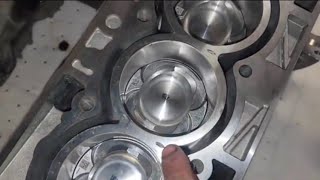
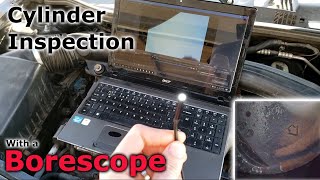
How to confirm: Perform a cooling system pressure test to see if it holds pressure over several hours. Use a borescope to visually inspect inside cylinder #4 🎬 Watch: How to use a borescope to inspect your cylinders. for coolant (the piston top may appear unusually clean, as if steam-cleaned). A chemical block tester can check for combustion gases in the coolant reservoir.
Typical fix: Replacement of the engine long block assembly with a revised part is the manufacturer-recommended repair.
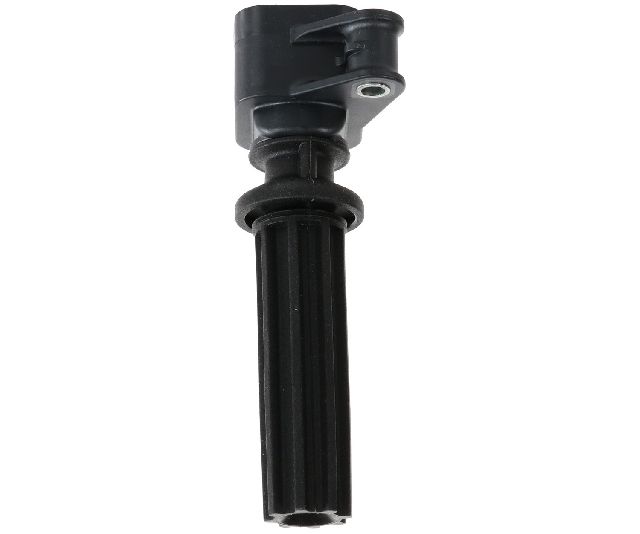
Est. part cost: $4000-$5500 - Failed Ignition Coil 🟡 Medium Probability → Shop Ignition Coil
How to confirm: Swap the ignition coil from cylinder #4 with another cylinder (e.g., cylinder #3). Clear the codes and run the engine. If the trouble code changes to P0303, the ignition coil is faulty.
Typical fix: Replace the failed ignition coil. The OEM part number is often cited as Motorcraft DG-562 or the superseded number CM5Z-12029-K.
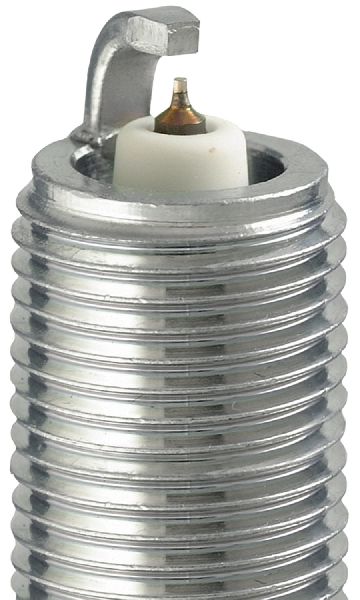
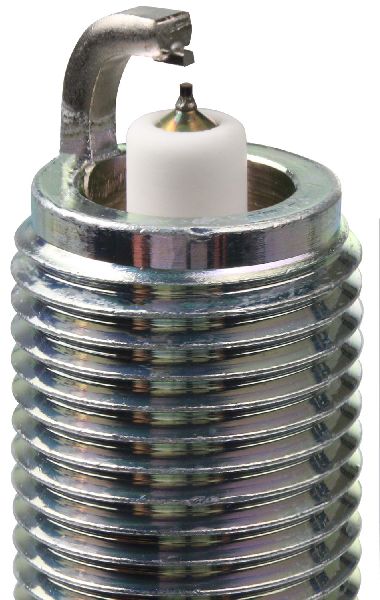
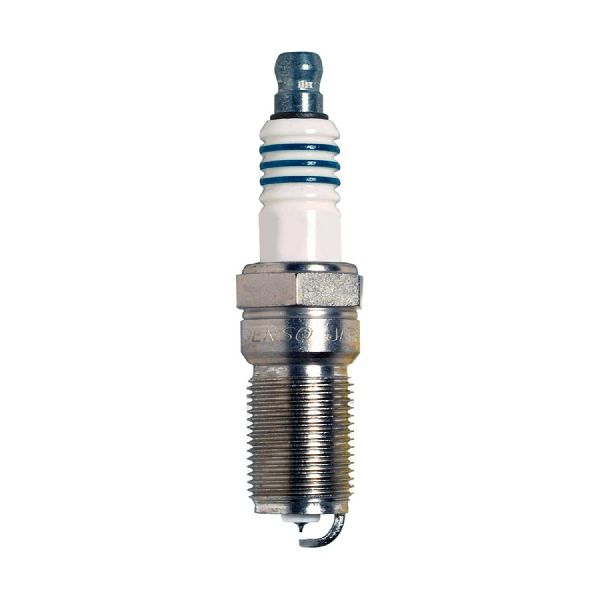
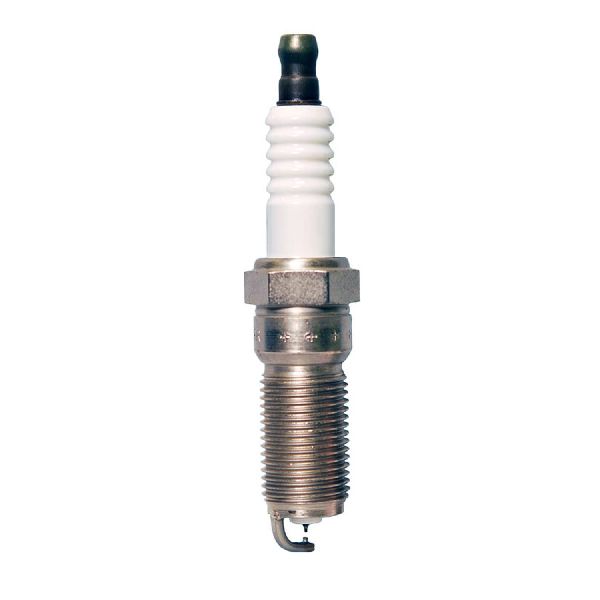
Est. part cost: $60-$90 - Worn or Fouled Spark Plug 🟡 Medium Probability → Shop Spark Plug Spark plugs are regular maintenance items. A plug can also be fouled by coolant if the primary issue is intrusion, appearing wet or having white deposits.
How to confirm: Remove the spark plug from cylinder #4 and inspect it for wear, damage, or fouling from oil or coolant. The correct gap is approximately 0.027-0.031 inches (0.70-0.80 mm).
Typical fix: Replace the spark plug. It is recommended to replace all four at the same time. The OEM part is often a Motorcraft Iridium plug, such as SP-550-X or CYFS-12Y-PCTX.
Est. part cost: $15-$25 per plug - Faulty Fuel Injector ⚪ Low Probability → Shop Fuel Injector
How to confirm: A professional can perform a fuel injector balance test. A DIY method is to swap the injector with another cylinder, but this is more labor-intensive than swapping a coil.
Typical fix: Replace the faulty fuel injector.
Est. part cost: $70-$150
Rare But Worth Checking
- Loss of Cylinder Compression: While rare, a loss of compression due to a bad valve or worn piston rings can cause a misfire. This would be unrelated to the common coolant intrusion issue but can be checked with a compression test.
- Cracked EGR Cooler: On some 2019+ models, a cracked EGR cooler could also cause coolant loss and white smoke, though this is a different failure mechanism than the engine block flaw.
Diagnosis Steps
- Check the engine coolant level in the reservoir. If it is low with no visible external leaks, this is a major red flag for internal intrusion.
- Scan for any other diagnostic trouble codes that may be present, such as P0300, P0316, or P1299.
- Swap the ignition coil from cylinder #4 to another cylinder (e.g., #3). Clear the codes and run the engine. If the code changes to P0303, the coil is bad.
- If the misfire remains on cylinder #4, remove and inspect the spark plug for wear, damage, or fouling (especially white, crusty deposits or a 'steam-cleaned' appearance indicating coolant).
- If ignition components are good, a professional diagnosis for coolant intrusion is required.
- A technician should perform a cooling system pressure test. The system should hold pressure for several hours; a drop indicates a leak.
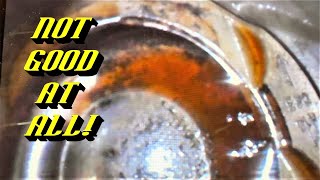
- Use a borescope to visually inspect the inside of cylinder #4 for any evidence of coolant, which may look like a green or orange puddle or an unusually clean piston top.
- Perform a chemical block test (combustion leak test) to detect exhaust gases in the cooling system, which confirms a breach between the combustion chamber and coolant passages.
Parts You'll Likely Need
- Engine Long Block Assembly
(OEM #Varies by VIN, must be looked up in the catalog. Example replacement part numbers for revised engines include J2GZ-6006-E.)— This is the official manufacturer-recommended fix for the common coolant intrusion issue that causes P0304 on this engine.
Trusted brands: Motorcraft
OEM price range: $4000-$5500
Aftermarket price range: $3500-$4500 - Ignition Coil
(OEM #DG-562 (Motorcraft), superseded by CM5Z-12029-K.)— A failed ignition coil is a standard cause for a misfire on any vehicle and should be ruled out early in the diagnosis.
Trusted brands: Motorcraft, NGK, Bosch, Denso
OEM price range: $60-$90
Aftermarket price range: $40-$70 - Spark Plug
(OEM #SP-550-X (Motorcraft), CYFS-12Y-PCTX (Motorcraft Iridium).)— A worn or fouled spark plug can cause a misfire. It's a routine maintenance part and is often replaced as a first step. A coolant-fouled plug is a key symptom of the larger issue.
Trusted brands: Motorcraft, NGK
OEM price range: $15-$25
Aftermarket price range: $10-$20
Related Codes That Often Appear With This One
- P0300 — Indicates random or multiple cylinder misfires, which can occur as the coolant intrusion problem worsens or affects adjacent cylinders.
- P0316 — Indicates a misfire detected within the first 1,000 engine revolutions on startup, a common symptom when coolant has pooled in a cylinder overnight.
- P0301, P0302, P0303 — Misfire codes for other cylinders. While P0304 is common, the coolant leak can affect any cylinder, particularly cylinders 2 and 3.
- P1299 — Indicates a Cylinder Head Over Temperature condition, which can be triggered by significant coolant loss.
Technical Service Bulletins (TSBs) & Recalls
- TSB 22-2229: The most recent bulletin, 🎬 Watch: A breakdown of the TSB and this major engine problem. superseding previous versions. It lists DTCs including P0301-P0304 as symptoms of coolant intrusion and directs technicians to replace the long block engine assembly.
- TSB 19-2346 / 19-2208: Superseded bulletins that also detail the diagnostic procedure and long block replacement for the 2.0L EcoBoost coolant intrusion issue, listing P0301-P0304 as potential codes.
- SSM 47204: Specifically mentions the 2.0L EcoBoost engine may exhibit a rough run condition with DTCs P0300-P0304 due to coolant intrusion from corrosion on the engine block.
Platform-Specific Known Issues
- Coolant Intrusion: The 2.0L EcoBoost engine in the 2015-2019 MKC is known to have a design defect where coolant can leak into the cylinders. This is documented in TSB 22-2229, which states DTCs P0301-P0304 may be present due to coolant intrusion. The flaw is related to the open-deck block design and cooling passages between cylinders. Owner complaints confirm this is a common failure mode, often resulting in the need for a new engine at relatively low mileage, sometimes just outside the powertrain warranty.
Mechanic-Grade Diagnostic Values
- Ignition Coil Secondary Resistance — expected: 7.3 kΩ ±10% (6.6 kΩ - 7.9 kΩ). Failure: Reading outside of this range indicates a faulty coil winding.
- Ignition Coil Primary Resistance — expected: 0.58 Ω ±10% (0.52 Ω - 0.64 Ω). Failure: Reading outside of this range indicates a faulty coil winding.
- Low-Side Fuel Pressure (KOEO) — expected: 45 PSI minimum. Failure: Pressure below 45 PSI can indicate a weak in-tank fuel pump or clogged filter, potentially causing a lean misfire.
Hidden / Shadow Codes Worth Checking
- Mode $06, Test ID $A2-$AB: This is not a standard trouble code, but a diagnostic monitor that shows the raw misfire count for each cylinder during the current and last driving cycles. For example, $A2 corresponds to Cylinder 1, $A3 to Cylinder 2, and so on. A high count on Cylinder 4's monitor (e.g., $A5) can confirm the misfire even if the Check Engine Light is not flashing. (see via A capable OBD-II scanner with Mode $06 functionality or a professional tool like the Ford IDS (Integrated Diagnostic System).)
Scan Tool Commands That Help
- Ford IDS / FORScan: Power Balance Test — This function allows a technician to disable one cylinder at a time and observe the corresponding drop in engine RPM. If disabling cylinder #4 causes little or no change in RPM, it confirms that cylinder was not contributing power, pinpointing the misfire.
- Ford IDS / FORScan: Read Fuel Injector Correction Factors — This allows a technician to see if the PCM is attempting to compensate for a flow issue with a specific injector, which could point towards a failing or clogged injector before it sets a dedicated circuit code.
Wiring & Ground Locations
- Cylinder 4 Fuel Injector Connector — On the fuel rail, at the top of the intake manifold, connected to the fourth fuel injector from the front of the engine.. The plastic locking clip on the fuel injector electrical connector can become brittle and break, allowing the connector to work itself loose. This creates a poor connection, causing an intermittent misfire on that cylinder. This can be misdiagnosed as a failed injector when it is only a loose connection.
Real Owner Repair Stories
- Reddit user in r/lincolnmotorco (2017 Lincoln MKC, 34,000 miles) — Check engine light on.
❌ Tried (didn't work) Initial diagnosis by owner was not specified.
✅ What actually fixed it The dealership diagnosed it as the TSB-documented coolant intrusion issue, requiring a full engine replacement for $7,000. The failure occurred just 3 months after the 6-year powertrain warranty expired, and Lincoln declined to offer financial assistance. - Reddit user in r/lincolnmotorco (2018 Lincoln MKC) — Complete engine failure.
❌ Tried (didn't work) Opening a case with Lincoln's Client Relationship Center.
✅ What actually fixed it The dealership confirmed coolant intrusion was the cause of failure, quoting $7,000 for a new engine. Lincoln denied any assistance, stating there were 'no programs available' for the issue. - Lincoln vs Cadillac Forums user @johnnieboy13 (2000 Lincoln LS V8 (Note: Different vehicle, but demonstrates a valuable diagnostic principle)) — P0304, blinking CEL at 45mph.
❌ Tried (didn't work) Replacing spark plugs and coils., Swapping ignition coil from cylinder 4 to cylinder 3 (code did not move).
✅ What actually fixed it The electrical connector on the fuel injector for cylinder #4 was loose. The locking clip had likely broken, and simply pressing the connector firmly back into place resolved the misfire completely.
"I Checked Everything" — The Actual Cause
- While a smoke test is not a primary diagnostic for P0304, a similar pattern exists: 'Ignition parts good, fuel injector good, compression test good, but misfire persists.' In this scenario on the 2015-2019 2.0L EcoBoost, the cause is almost certainly a small coolant leak into the cylinder that isn't yet severe enough to cause a major compression loss or foul plugs instantly. The definitive diagnosis requires tools that go beyond standard misfire checks, such as a cooling system pressure test held for several hours and a borescope inspection of the cylinder for coolant.
When the Usual Fixes Don't Work
- While the dominant and most serious cause of P0304 on this platform is catastrophic coolant intrusion requiring engine replacement, it is critical not to assume the worst-case scenario without a complete diagnosis. There are documented cases where the misfire was resolved by addressing basic, often overlooked components. One owner fixed a persistent P0304 code, after swapping ignition coils failed to resolve it, by discovering the fuel injector's electrical connector was simply loose. This highlights the importance of checking fundamental connections and not immediately condemning the engine. Always perform the simple checks—swapping coils, inspecting plugs, and verifying electrical connections—before proceeding to the more complex and expensive diagnosis of coolant intrusion.
OEM Part Supersession History
JJ7Z-6006-B, JS7Z-6006-A, JS7Z-6006-C→J2GZ-6006-E— The original long block engine assemblies were prone to the coolant intrusion design flaw. The J2GZ-6006-E part is the revised engine with the updated block design that mitigates this issue.
Heads up: This is an updated part; it is the correct and desirable replacement for the original faulty engine design.
Model Year Variations Within This Range
- 2015-2019: These model years use the 2.0L EcoBoost engine with a 'Gen 2' open-deck block design. This design has a slot machined between the cylinders for cooling, which creates a weak point in the head gasket sealing surface, making it prone to coolant intrusion.
- 2020+: Starting in mid-2019 for the 2020 model year, Ford implemented a redesigned engine block. The new design eliminates the open slot between cylinders and instead uses cross-drilled cooling passages. This creates a much stronger, solid deck surface that is not prone to the same coolant intrusion failure. Vehicles with this updated engine are considered safe from this specific, common cause of P0304.
Helpful Videos

We Have This Part in Stock


The information in this article is provided for general reference and educational purposes only. Vehicle specifications, procedures, and part compatibility can vary by production date, trim level, and region. Always consult your vehicle's factory service manual and verify part numbers before purchasing or performing repairs. Safety-critical components such as airbags, seat belts, and braking systems should be installed by a qualified professional.
- Lincoln MKC:
- 🧭 Diagnostic Flowchart
- 🎬 Helpful Videos
- 🛍️ Shop This Part
- What's Unique About the 2015-2019 Lincoln MKC
- Symptoms You May Notice
- Most Likely Causes
- Rare But Worth Checking
- Diagnosis Steps
- Parts You'll Likely Need
- Related Codes That Often Appear With This One
- Technical Service Bulletins (TSBs) & Recalls
- Platform-Specific Known Issues
- Mechanic-Grade Diagnostic Values
- Hidden / Shadow Codes Worth Checking
- Scan Tool Commands That Help
- Wiring & Ground Locations
- Real Owner Repair Stories
- "I Checked Everything" — The Actual Cause
- When the Usual Fixes Don't Work
- OEM Part Supersession History
- Model Year Variations Within This Range
- 🎟️ Get 5% Off