

P0304 on 2015-2019 Lincoln MKZ: Cylinder 4 Misfire Causes and Fixes
P0304 means cylinder 4 is misfiring. On 2.0L EcoBoost models, this is a serious warning for potential coolant intrusion requiring engine repair, per multiple TSBs. For all engines, it can also be caused by a bad ignition coil or spark plug, which are simpler fixes costing $75-$250.
- P0304 is a misfire on cylinder 4. On the 2.0L EcoBoost MKZ, immediately check for coolant loss, as a known engine block flaw is a highly probable cause.
- A flashing Check Engine Light is a critical warning. Stop driving to prevent expensive damage to the catalytic converter.
- For any engine, the most common and simple fixes are replacing the ignition coil and/or spark plug for cylinder 4.
- The cost to fix P0304 varies dramatically, from under $200 for a DIY ignition part replacement to over $8,000 for a dealer to replace the engine due to coolant intrusion.
What's Unique About the 2015-2019 Lincoln MKZ
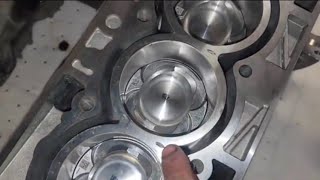
For the 2015-2019 Lincoln MKZ equipped with the 2.0L EcoBoost engine, a P0304 code is a major red flag. Unlike a typical misfire from a spark plug or coil, there is a well-documented history of coolant leaking directly into the cylinders due to a flaw in the engine block design. The original open-deck block design featured a thin channel or 'slit' for coolant between the cylinders, which compromised the head gasket's sealing surface and could lead to cracks. This issue is cited in numerous Technical Service Bulletins (TSBs), including the critical TSB 22-2229, 🎬 Watch: Expert breakdown of the 2.0L EcoBoost engine block flaw. and has led to a class-action lawsuit. It can lead to catastrophic engine failure if not addressed. While standard ignition issues are still possible, the high probability of this severe engine problem makes diagnosis on the 2.0L EcoBoost uniquely urgent.
Diagnostic Flowchart
Tap your situation to follow the diagnostic path that matches what you're seeing on this vehicle.
Generation note: This range covers the second-generation Lincoln MKZ (2013-2020), including its 2017 facelift. The pre-facelift (2015-2016) models offered a 2.0L EcoBoost and a 3.7L V6. The post-facelift (2017-2019) models replaced the 3.7L V6 with a new 3.0L twin-turbo V6, while retaining the 2.0L EcoBoost and hybrid options. The most critical issue, coolant intrusion, specifically affects the 2.0L EcoBoost engine in 2017-2019 models built on or before April 8, 2019. The 3.0L V6 also had its own set of early production issues related to cylinder heads, as noted in TSB SSM 46364.
Symptoms You May Notice
- Rough or shaking idle
- Hesitation or stumbling during acceleration
- Loss of engine power
- Flashing or solid Check Engine Light
- Smell of unburned fuel from the exhaust
- Decreased fuel economy
- For 2.0L EcoBoost with coolant intrusion: white exhaust smoke, a sweet smell from the exhaust, and unexplained coolant loss.
- Replacing only the spark plug when the ignition coil is bad (or oil-fouled).
- Replacing ignition components on a 2.0L EcoBoost without first checking for the common coolant intrusion issue, leading to wasted money and a recurring misfire.
- Mistaking a PCM driver failure for a bad ignition coil. In some cases, a failing ECU can cause the coil to fail, and replacing only the coil will not solve the problem.
Most Likely Causes
- Coolant Intrusion into Cylinder (2.0L EcoBoost Engine) 🔴 High Probability Multiple TSBs (including TSB 22-2229 and SSM 47204) confirm a known engine block design issue where a crack can form between cylinders, allowing coolant to seep in. This 'open deck' design has a slit for coolant that creates a weak sealing point for the head gasket, which eventually fails. This issue is common across many Ford/Lincoln products using this engine.
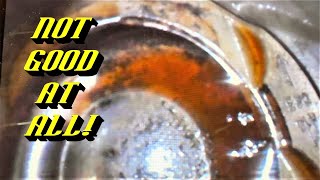
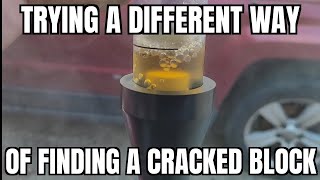
How to confirm: Check for a steadily dropping coolant level in the reservoir with no visible external leaks. A borescope inspection of the cylinders (with spark plugs removed) after the engine has sat overnight may reveal pooled coolant on top of the piston. A spark plug from the affected cylinder may appear 'steam-cleaned' or have white, crusty deposits. A cooling system pressure test holding 20 psi for 5 hours (per TSB 22-2229) can confirm an internal leak if pressure drops more than 4 psi.
Typical fix: The official Ford procedure is to replace the entire long block engine assembly with a redesigned version. The new block design uses cross-drilled holes instead of an open slit, providing a more robust sealing surface. Simply replacing the head gasket is not a permanent fix.
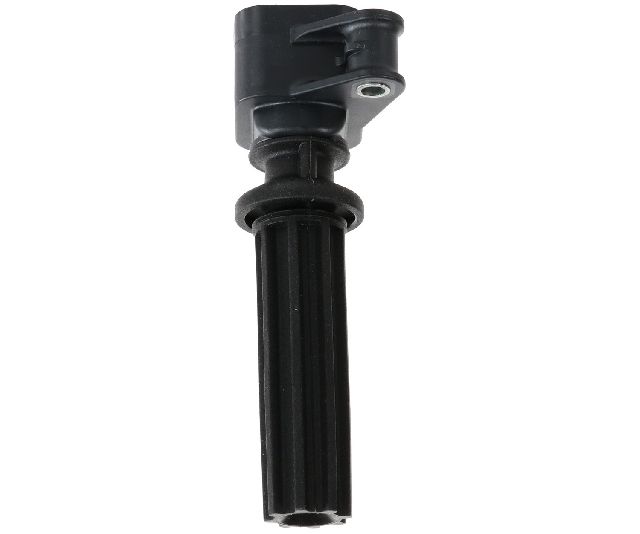
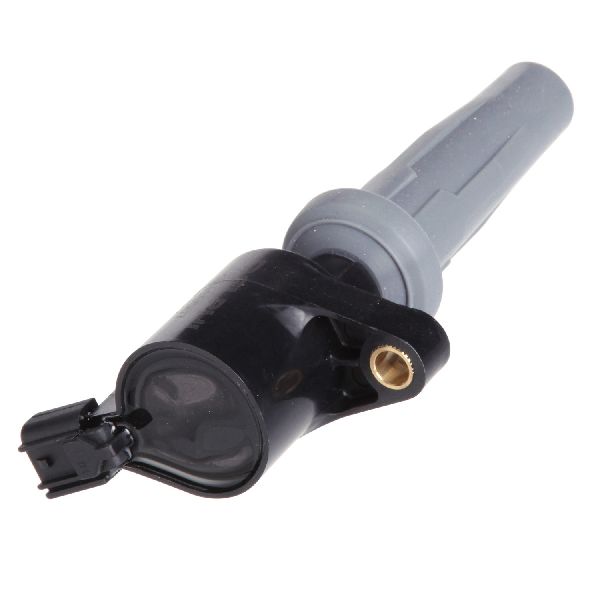
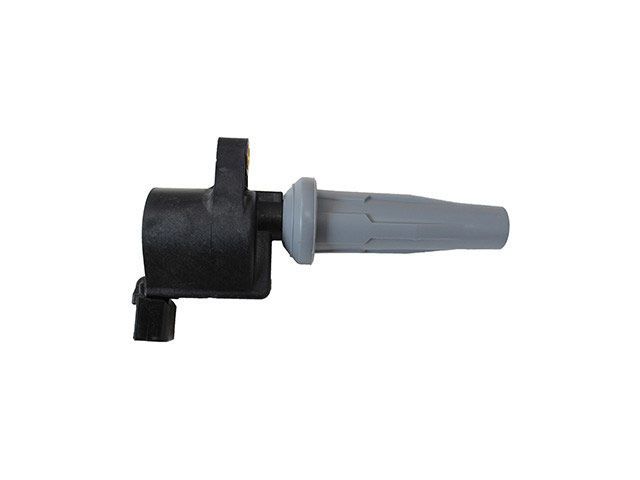
Est. part cost: $4000-$7000 - Failed Ignition Coil 🟡 Medium Probability → Shop Ignition Coil Coil-on-plug systems are common failure points. Oil leaks from the valve cover gasket can pool in the spark plug wells, saturating the coil boot and causing premature failure.
How to confirm: Swap the ignition coil from cylinder 4 with another cylinder (e.g., cylinder 1). Clear the codes and drive the vehicle. If the code changes to P0301, the ignition coil is faulty.
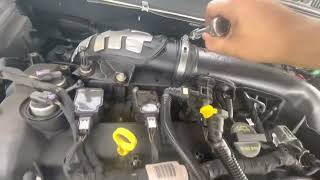
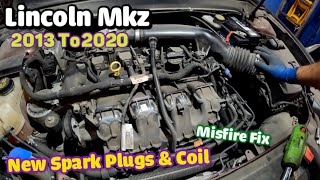
Typical fix: Replace the faulty ignition coil. 🎬 Watch: Step-by-step guide to replacing MKZ coils and spark plugs. It is often recommended to replace the corresponding spark plug at the same time.
Est. part cost: $40-$90 - Worn or Fouled Spark Plug 🟡 Medium Probability → Shop Spark Plug
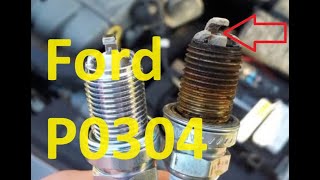
How to confirm: Remove the spark plug from cylinder 4 and inspect it. Look for heavy carbon buildup, oil fouling, or wear on the electrode. Compare it to a plug from a non-misfiring cylinder. A plug contaminated with coolant will have a whitish or 'steam-cleaned' appearance.
Typical fix: Replace the spark plug. It is best practice to replace all spark plugs as a set to maintain consistent performance.
Est. part cost: $10-$25 per plug - Faulty Fuel Injector ⚪ Low Probability → Shop Fuel Injector
How to confirm: A professional can perform a fuel injector balance test or a Power Balance test using a scan tool. A DIY method is to listen to the injector with a mechanic's stethoscope; it should have a consistent clicking sound. The resistance of a GDI injector can be checked; it should be between 1-2 ohms. Swapping injectors is possible but labor-intensive on GDI engines.
Typical fix: Replace the faulty fuel injector and its seals. For GDI engines (EcoBoost), this may require special tools and programming.
Est. part cost: $70-$150
Rare But Worth Checking
- PCM Reprogram Needed (2017 Models): TSB 16-0113 mentions that some 2017 models could exhibit rough idle and misfire codes (P0300-P0306) that can be resolved by reprogramming the PCM to the latest calibration. This should be considered before performing expensive mechanical repairs.
- Internal Engine Mechanical Failure (V6 Engines): Beyond the specific coolant issue on the 2.0L, a loss of compression from a bad valve, worn piston rings, or cylinder head problems can cause a persistent misfire. TSB SSM 46364 specifically points to cylinder heads as a cause for misfires and oil consumption on early 2017 3.0L V6 engines. A compression test is required to diagnose this.
- Intake Manifold Gasket Leak: → Shop Engine Intake Manifold In one documented case on a platform-mate (Ford Fusion 2.0L), a persistent P0304 on startup was ultimately traced to a small hole causing a vacuum leak in the intake manifold gasket.
Diagnosis Steps
- Read the code with an OBD-II scanner. Note if the Check Engine Light is flashing or solid, and check for any other stored codes like P0316 or P0300.
- (2.0L EcoBoost Engine - CRITICAL FIRST STEP): Immediately check the coolant reservoir level. If it is low, and there are no visible external leaks, suspect the coolant intrusion issue. Do not proceed with replacing parts until this is ruled out.
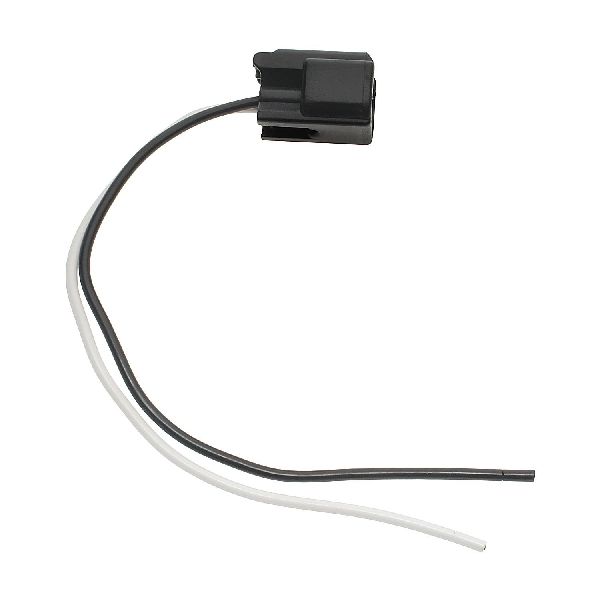
- Visually inspect the area around cylinder 4. Look for oil leaks from the valve cover, damaged wiring to the ignition coil or fuel injector, or loose connectors.
- Perform an ignition coil swap. Switch the ignition coil from cylinder 4 with another cylinder (e.g., cylinder 1). Clear the codes and run the engine. If the misfire code moves to P0301, the coil is the culprit.
- If the code does not move, inspect the spark plug from cylinder 4. Look for signs of wear, fouling, or a 'steam-cleaned' white appearance indicating coolant contamination. Replace if necessary.
- (2.0L EcoBoost with Suspected Coolant Leak): If steps 4 & 5 don't resolve the issue and coolant is low, a professional diagnosis is required. This involves a cooling system pressure test and a borescope inspection to confirm coolant in the cylinder.
- If ignition and coolant issues are ruled out, the next step is to check the fuel injector. This may require professional diagnosis with a balance test.
- For V6 engines, if all else fails, perform a compression test on cylinder 4 to check for mechanical engine problems like bad rings or valves, which could point to the cylinder head issues seen on the 3.0L V6.
- If a 2017 model, check with a dealer if TSB 16-0113 (PCM reprogram) applies to your vehicle's VIN.
Parts You'll Likely Need
- Ignition Coil
(OEM #DG-562 (Motorcraft))— A common failure point for misfires. Relatively easy to replace during diagnosis.
Trusted brands: Motorcraft, NGK, Delphi
OEM price range: $60-$90
Related Codes That Often Appear With This One
- P0316 — This code for 'Misfire Detected on Startup (First 1000 Revolutions)' is frequently cited alongside P0304 in TSBs related to the coolant intrusion issue, as coolant that has seeped into the cylinder overnight causes a misfire upon starting.
- P0300 — This is a 'Random Misfire Detected' code. It may appear with P0304 if the misfire is intermittent or if the root cause, like coolant intrusion, is beginning to affect other cylinders.
- P0301, P0302, P0303 — If the root cause (like coolant intrusion or a vacuum leak) affects multiple cylinders, you may see misfire codes for other cylinders as well. The coolant intrusion issue most commonly affects cylinders 2 and 3, but can affect any.
- P0217, P1285, P1299 — These codes relate to engine overheat conditions and are mentioned in TSB 22-2229 as potentially appearing with misfire codes when coolant intrusion is the cause, due to loss of coolant and air pockets in the system.
Technical Service Bulletins (TSBs) & Recalls
- TSB 22-2229: The most current and comprehensive bulletin for the 2.0L EcoBoost coolant intrusion issue, superseding previous versions. It confirms the issue in 2017-2019 MKZ models and mandates a long block replacement as the only fix.
- SSM 47204: An earlier bulletin also addressing the 2.0L EcoBoost coolant intrusion and rough running.
- TSB 16-0113: Addresses rough idle and misfire codes on some 2017 models that can be fixed with a PCM reprogram.
- SSM 46364: Points to cylinder heads as a potential cause for misfires and oil consumption on 2017 models with the 2.7L/3.0L V6 engines.
Platform-Specific Known Issues
- Extremely high risk of coolant intrusion into cylinders due to a flaw in the engine block design. A P0304 code should immediately lead to an inspection of the coolant level. This is the most severe and well-documented issue for this platform.
- Early production 2017 models may suffer from cylinder head issues leading to misfires, rough idle, and excessive oil consumption, as documented in TSB SSM 46364. A P0304 could be an indicator of this problem.
- This engine is generally considered reliable. A P0304 is most likely caused by standard ignition or fuel system components like a failed ignition coil, spark plug, or, less commonly, a fuel injector.
- While it uses a 2.0L engine, it is a different, naturally-aspirated Atkinson-cycle engine, not the EcoBoost. It is also susceptible to the coolant intrusion issue as noted in TSBs covering the Fusion Energi, which shares the powertrain.
Mechanic-Grade Diagnostic Values
- GDI Fuel Injector Resistance (2.0L EcoBoost) — expected: 1.0 - 2.0 Ohms. Failure: A reading of 0 ohms (short) or infinite/OL (open) indicates a failed injector.
- High-Pressure Fuel Rail Pressure (2.0L EcoBoost) — expected: 65 - 2,150 PSI (dependent on engine load and RPM). Failure: Pressure that is significantly below requested pressure (viewable on a scan tool) under load can indicate a failing high-pressure fuel pump.
- Low-Pressure Fuel System Pressure — expected: ~65 PSI. Failure: Low pressure from the in-tank pump will starve the high-pressure pump, causing misfires and other codes like P0087.
Hidden / Shadow Codes Worth Checking
- Mode 6 ($06) Misfire Counters: The PCM tracks misfire events for each cylinder even if they are not frequent enough to set a P030x code. This data can be viewed to identify an intermittently misfiring cylinder before it becomes a constant problem. (see via Use a capable OBD-II scanner or software like FORScan. Navigate to the 'Vehicle Tests' or 'Mode 6' section. The data will be listed by cylinder (e.g., Misfire Cylinder 4 Data) and will show counts for the current and last 10 drive cycles.)
Scan Tool Commands That Help
- Ford IDS, FORScan, high-end scanners (Snap-on, etc.): Power Balance Test — This is a powerful diagnostic tool to use when a misfire is felt but the specific cylinder is uncertain. The test graphically displays the RPM drop contribution from each cylinder. A cylinder that shows little to no RPM drop when its injector is deactivated is the source of the misfire.
- Ford IDS, FORScan, high-end scanners: Injector Cutout / Disable — As part of the Power Balance Test, a technician can manually disable the fuel injector for cylinder 4. If the engine's running condition does not change, it confirms cylinder 4 was not contributing power.
Wiring & Ground Locations
- G104 — Right side of the engine compartment.. This is a primary engine ground point. A poor connection here can cause a variety of erratic sensor readings and performance issues, including misfires.
- Cylinder 4 Fuel Injector Connector — On the fuel rail, at the cylinder 4 fuel injector. The 2.0L I4 firing order is 1-3-4-2, making cylinder 4 the second from the transmission side.. The plastic locking clip on the injector electrical connector can become brittle and break, leading to a loose connection that can cause an intermittent P0304 and/or P0204 (Injector Circuit) code.
Real Owner Repair Stories
- Lincoln vs Cadillac Forums user 'johnnieboy13' (2000 Lincoln LS V8 (Illustrates a common electrical failure mode)) — Constant P0304 misfire, blinking check engine light at speed. Spark plug was black but dry.
❌ Tried (didn't work) Swapping ignition coils between cylinder 3 and 4 did not move the misfire.
✅ What actually fixed it The electrical connector on the fuel injector for cylinder 4 was loose. The plastic locking clip had broken, causing a poor connection. Pushing the connector firmly back on resolved the misfire. - Reddit user 'CaptainCdawg67' on r/fordfusion (2016 Ford Fusion 2.0L EcoBoost) — Dramatic chugging on startup, flashing check engine light, code P0304.
❌ Tried (didn't work) Changing the spark plugs.
✅ What actually fixed it The user was advised by another forum member that the symptoms were classic for coolant intrusion on the Gen 2 2.0L EcoBoost block. The diagnostic advice given was to use a borescope to look for a 'steam cleaned' piston top, which indicates coolant has been burning in the cylinder. The final outcome was not posted, but the advice itself is a critical diagnostic step for this specific failure.
OEM Part Supersession History
JJ7Z-6006-B, JS7Z-6006-A, JS7Z-6006-C (and others)→J2GZ-6006-E— This is the updated 2.0L EcoBoost long block assembly with the redesigned engine block that eliminates the coolant intrusion flaw. The original blocks had a slit between cylinders that was prone to failure; the new design uses cross-drilled passages for improved head gasket sealing.
Heads up: This is the correct replacement part; using an older design from a salvage yard will result in a repeat failure.
Model Year Variations Within This Range
- 2017-2019 (built on or before April 8, 2019): These model years with the 2.0L EcoBoost use the 'open-deck' engine block design with a coolant slit between the cylinders. This design is highly susceptible to head gasket failure and block cracking, leading to coolant intrusion and misfires. Models after this date and all official replacement long blocks use a revised, more durable block design.
Helpful Videos

Used OEM Parts in Stock
New Aftermarket Parts Available


The information in this article is provided for general reference and educational purposes only. Vehicle specifications, procedures, and part compatibility can vary by production date, trim level, and region. Always consult your vehicle's factory service manual and verify part numbers before purchasing or performing repairs. Safety-critical components such as airbags, seat belts, and braking systems should be installed by a qualified professional.
- Lincoln MKZ:
- 🧭 Diagnostic Flowchart
- 🎬 Helpful Videos
- 🛍️ Shop This Part
- What's Unique About the 2015-2019 Lincoln MKZ
- Symptoms You May Notice
- Most Likely Causes
- Rare But Worth Checking
- Diagnosis Steps
- Parts You'll Likely Need
- Related Codes That Often Appear With This One
- Technical Service Bulletins (TSBs) & Recalls
- Platform-Specific Known Issues
- Mechanic-Grade Diagnostic Values
- Hidden / Shadow Codes Worth Checking
- Scan Tool Commands That Help
- Wiring & Ground Locations
- Real Owner Repair Stories
- OEM Part Supersession History
- Model Year Variations Within This Range
- 🎟️ Get 5% Off