

P0304 on 2016-2019 Mazda CX-3: Cylinder 4 Misfire Causes and Fixes
P0304 on a Mazda CX-3 indicates a misfire in cylinder 4. The most common causes are a failing ignition coil or a worn spark plug. However, a unique issue for this vehicle, especially in cold climates, is an exhaust restriction caused by frozen water in the muffler, which can also trigger this code. Mazda has issued TSBs for this specific problem.
- P0304 on a 2016-2019 Mazda CX-3 is a misfire on cylinder 4.
- Start your diagnosis with the most common and easiest fixes: swapping the ignition coil and then the spark plug from cylinder 4 with another cylinder.
- Be aware of the unique TSB-documented issue of water freezing in the muffler, especially if you live in a cold climate and make frequent short trips. This can cause misfires.
- Driving with a flashing check engine light can cause expensive damage to your catalytic converter; address the misfire promptly.
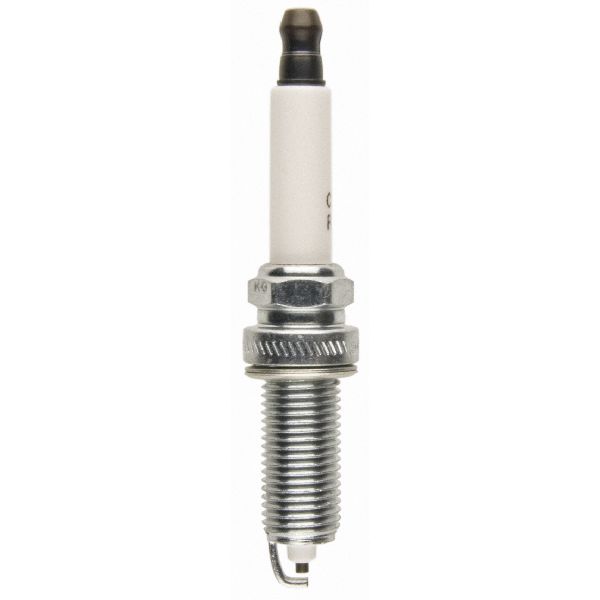
- Always use the specified Iridium spark plugs (OEM part PE5R-18-110 or equivalent) for the Skyactiv-G engine.
What's Unique About the 2016-2019 Mazda CX-3
While most P0304 causes are universal (spark, fuel, compression), the 2016-2019 Mazda CX-3 has a well-documented, unusual vulnerability. Multiple Technical Service Bulletins (TSBs) issued by Mazda point to water accumulating and freezing inside the muffler (main silencer). This ice blockage creates significant exhaust backpressure, which can prevent cylinders from firing correctly and trigger misfire codes like P0304, particularly during cold weather starts below 32°F (0°C). The official fix involves replacing the muffler with a modified version containing drain holes. This is a critical diagnostic point that is often overlooked in favor of more common ignition or fuel system faults.
Diagnostic Flowchart
Tap your situation to follow the diagnostic path that matches what you're seeing on this vehicle.
Symptoms You May Notice
- Rough or shaking idle, especially when in gear
- Hesitation or stumbling during acceleration
- Flashing or solid Check Engine Light
- Reduced engine power or entering 'limp mode'
- Poor fuel economy
- Smell of unburned fuel from the exhaust
- Difficulty starting the engine
- Replacing oxygen sensors. While a faulty O2 sensor can affect the air-fuel mixture, it is more likely to cause a random misfire code (P0300) or a specific O2 sensor code, rather than a single cylinder misfire.
- Replacing the mass airflow (MAF) sensor. Similar to the oxygen sensor, a bad MAF sensor would typically affect all cylinders and trigger other codes, though some owners have reported cleaning it as part of their diagnosis.
Most Likely Causes
- Faulty Ignition Coil 🔴 High Probability → Shop Ignition Coil Coil-on-plug systems are a common failure point on many modern engines as they age. Heat and vibration eventually cause the internal windings to fail. Several owners on forums report solving P0304 by replacing the coil after the 'swap test' confirmed the failure.
How to confirm: Swap the ignition coil from cylinder 4 with another cylinder (e.g., cylinder 3). Clear the codes and drive the vehicle. If the code changes to P0303, the ignition coil is faulty. This is the most definitive DIY diagnostic step. 🎬 See how to diagnose and fix Skyactiv engine misfire codes.
Typical fix: Replace the faulty ignition coil. It is often recommended to replace all four coils and spark plugs at the same time for preventative maintenance, especially if the vehicle has over 75,000 miles.
Est. part cost: $40-$80 per coil (aftermarket), $140-$175 per coil (OEM) - Worn or Fouled Spark Plug 🔴 High Probability → Shop Spark Plug Spark plugs are a regular maintenance item with a typical service interval. The Skyactiv-G is a high-compression, direct-injection engine that relies on precise spark for efficiency, making it sensitive to plug condition. An owner on Reddit confirmed a P0304 code was resolved after a spark plug change.
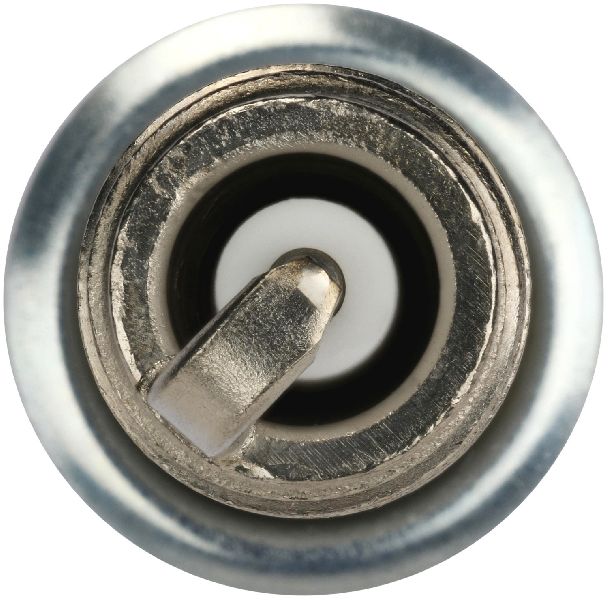
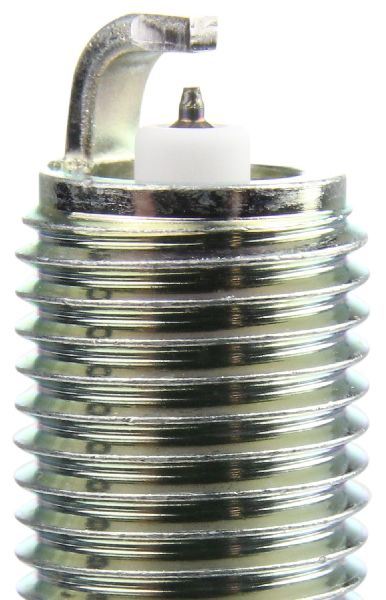
How to confirm: After confirming the coil is good, remove the spark plug from cylinder 4. Inspect it for wear (worn electrode), carbon fouling, or oil/coolant contamination. Compare it to a new plug. The correct plugs for this engine are iridium and should not be gapped manually.
Typical fix: Replace the spark plug. Mazda specifies iridium plugs for this engine. It is best practice to replace all four spark plugs at once. A DIY replacement is considered straightforward on this engine. 🎬 Watch: Step-by-step guide to changing spark plugs and coil packs.
Est. part cost: $15-$25 per plug - Restricted Muffler (Frozen Water) 🟡 Medium Probability → Shop Exhaust Muffler Mazda issued multiple TSBs (01-007-19-3541, 01-006-18-3429, 01-002-17-3299a) for this specific issue on the CX-3 and its platform mates. Short trips in cold weather prevent the exhaust from getting hot enough to evaporate condensation, allowing it to pool in the muffler and freeze, creating a blockage.
How to confirm: This issue is most likely if misfires occur on cold starts when the ambient temperature is below freezing. Inspect the muffler for excessive water drainage or gurgling sounds. A technician can measure exhaust backpressure to confirm a restriction. The official TSB diagnostic criteria include verifying that the Intake Air Temperature was below 32°F and average drive time was short when the code was set.
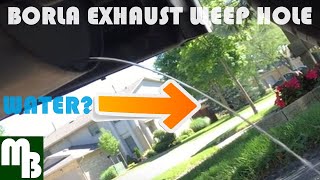
Typical fix: The official Mazda fix under warranty is to replace the main silencer (muffler) with a modified part that includes two drain holes. Outside of warranty, many owners and technicians have successfully resolved the issue by drilling a small (e.g., 1/8 inch) drain hole in the lowest point of the muffler to allow water to escape. This is a well-documented, common workaround. 🎬 Watch: How to drill a muffler drain hole to prevent freezing.
Est. part cost: $0 (drilling a hole) to $400-$600 for a replacement muffler - Faulty Fuel Injector ⚪ Low Probability → Shop Fuel Injector
How to confirm: After ruling out spark plugs and coils, a fuel injector is the next likely culprit for a single-cylinder misfire. A more advanced diagnostic step is to swap the injector with another cylinder, similar to the ignition coil test, but this is a more involved job requiring removal of the intake manifold. A professional can perform a fuel injector balance test.
Typical fix: Replace the faulty fuel injector. TSB 01-004-17-3317a notes that injector circuit codes (like P0204) can appear alongside misfire codes, pointing towards an electrical issue with the injector or its wiring.
Est. part cost: $100-$200 per injector
Rare But Worth Checking
- Low Engine Compression: This indicates a more serious internal engine problem, such as a worn piston ring, a leaking head gasket, or a problem with the cylinder head valves. A compression test is needed to diagnose this.
- Vacuum Leak: A leak in a vacuum hose or intake manifold gasket can introduce unmetered air, leaning out the air-fuel mixture and causing misfires. This would typically cause a random misfire code (P0300) but can sometimes isolate to one cylinder.
- Wiring Harness Issue: A broken wire or poor connection at the ignition coil or fuel injector connector can cause an intermittent misfire. One owner on a forum noted their misfire disappeared after re-seating the coil connector multiple times, suggesting a connection issue. A 'wiggle test' of the harness with the engine running can sometimes reveal a bad connection.
Diagnosis Steps
- Read all stored trouble codes with an OBD-II scanner. Note if the check engine light is solid or flashing.
- Check for any Technical Service Bulletins (TSBs) related to your vehicle's symptoms, paying close attention to those regarding frozen exhaust in cold climates.
- Swap the ignition coil from cylinder 4 to cylinder 3. Clear the codes and drive until the misfire returns. If the code changes to P0303, the coil is bad.
- If the misfire remains on cylinder 4, swap the spark plug from cylinder 4 to cylinder 2. Clear codes and see if the misfire moves to P0302. If it does, the spark plug is bad.
- Inspect the wiring and connector for the cylinder 4 ignition coil and fuel injector for any damage, corrosion, or looseness. Perform a 'wiggle test' on the harness while the engine is idling.
- If misfires occur primarily in cold weather (below 32°F/0°C), inspect the muffler for signs of water accumulation, gurgling, or blockage. Consider drilling a small (1/8") drain hole at the lowest point as a diagnostic step and potential fix.
- If the above steps do not identify the issue, more advanced diagnostics are needed, such as testing the fuel injector, checking for vacuum leaks, and performing an engine compression test on cylinder 4.
Parts You'll Likely Need
- Ignition Coil
(OEM #PE20-18-100A)— This is one of the most common failure items causing a single-cylinder misfire. This part number supersedes PE20-18-100 and PE01-18-100A.
Trusted brands: Mazda (OEM), NGK, Delphi, Standard Motor Products
OEM price range: $140-$175
Aftermarket price range: $40-$80 - Iridium Spark Plug
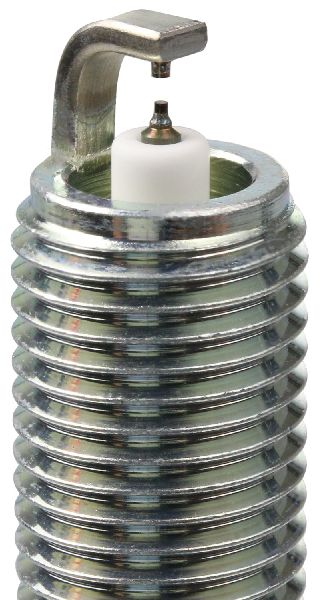
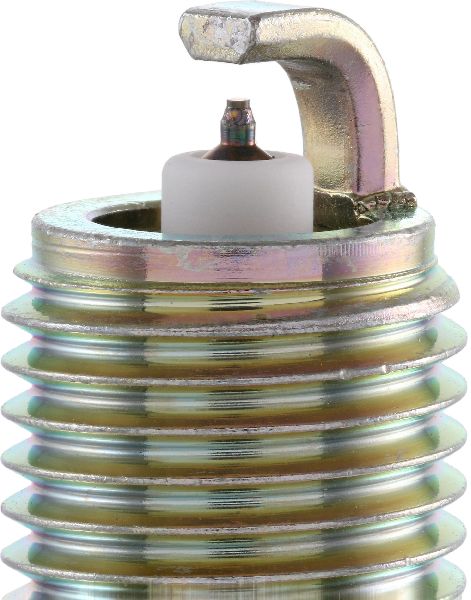
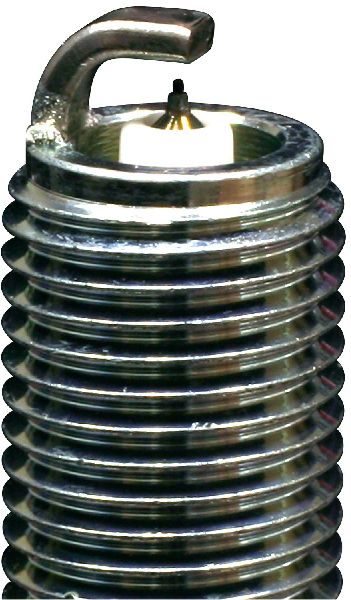
(OEM #PE5R-18-110A)— Spark plugs are a routine maintenance part and a primary cause of misfires. The Skyactiv engine requires specific iridium plugs. This part number supersedes PE5R-18-110.
Trusted brands: NGK (ILKAR7L11 / 94124), Denso (ZC20HPR11)
OEM price range: $25-$40
Aftermarket price range: $15-$25 - Muffler (Main Silencer) — Needed if the muffler is internally damaged or if you want the official Mazda fix for recurrent freezing, which involves a revised part with drain holes. Many aftermarket options are also available.
Related Codes That Often Appear With This One
- P0300 — If the misfire is intermittent or affects other cylinders, a P0300 (Random Misfire Detected) code may be stored alongside P0304. This is common with the frozen muffler issue.
- P0301, P0302, P0303 — If the cause is systemic, like the frozen muffler issue or low fuel pressure, multiple cylinders may misfire and log codes simultaneously.
- P0204 — This code for 'Fuel Injector Circuit/Open Cylinder 4' can appear with P0304 if the issue is related to the injector or its wiring, as noted in TSB 01-004-17-3317a.
Technical Service Bulletins (TSBs) & Recalls
- 01-007-19-3541: Notes that P0304 may be caused by frozen water accumulated in the main silencer, restricting exhaust flow.
- 01-006-18-3429: Also states that P0304 can be caused by frozen water in the muffler restricting exhaust.
- 01-004-17-3317a: Links engine misfire DTCs (P0301-P0304) with fuel injector circuit DTCs (P0201-P0204).
- 01-002-17-3299a: A third bulletin mentioning frozen water in the main silencer as a cause for P030x codes.
Platform-Specific Known Issues
- Frozen Water in Muffler: As per TSBs 01-007-19-3541, 01-006-18-3429, and 01-002-17-3299a, water can accumulate in the main silencer (muffler) and freeze in cold conditions. This restricts exhaust flow and can cause misfires (P0301-P0304). This is particularly common on vehicles that are frequently driven on short trips in sub-freezing temperatures. The official repair is a new muffler with drain holes, but a common DIY fix is to drill a small hole in the existing muffler.
- Fuel Injector Circuit Faults: TSB 01-004-17-3317a indicates that engine misfire DTCs (P0301-P0304) can appear with fuel injector circuit codes (P0201-P0204), suggesting a potential wiring or PCM driver issue rather than a simple mechanical injector failure.
Mechanic-Grade Diagnostic Values
- Fuel Injector Resistance — expected: 1.6—2.52 ohms (at 0—80 °C / 32—176 °F). Failure: A reading outside of this range indicates a faulty injector.
- Ignition Coil Primary Winding Resistance — expected: Approximately 0.5 - 2.0 ohms. Failure: A reading significantly outside this range, or an open circuit (infinite resistance), suggests a bad coil.
- Ignition Coil Secondary Winding Resistance — expected: Approximately 5,000 - 10,000 ohms (5kΩ - 10kΩ). Failure: A reading significantly outside this range points to a failure in the secondary coil windings.
Hidden / Shadow Codes Worth Checking
- Mode $06 Misfire Counts: This is not a separate trouble code, but a function within an advanced scan tool that shows the raw misfire count for each cylinder before it's high enough to trigger a P030x code. It's extremely useful for identifying intermittent misfires or confirming the affected cylinder. (see via Use a scan tool with Mode $06 capabilities, such as FORScan or some higher-end OBD-II readers.)
Scan Tool Commands That Help
- FORScan: Power Balance / Cylinder Contribution Test — This test is used to identify a weak or non-contributing cylinder when the cause of the misfire is not obvious (e.g., after plugs and coils have been checked). The tool disables one cylinder at a time and measures the drop in RPM. If disabling cylinder 4 causes little or no RPM drop, it confirms it was not contributing power, pointing to a fuel, spark, or compression issue on that specific cylinder.
Wiring & Ground Locations
- G10 — Located on the left rear of the cylinder head.. This is a primary ground point for powertrain components. A loose or corroded connection here can cause erratic behavior or weak performance from the ignition coils, leading to misfires.
- Cylinder 4 Ignition Coil Connector — On top of the valve cover, plugged into the ignition coil for the rearmost cylinder (cylinder 4).. Testing the pins on this connector can verify power, ground, and the trigger signal from the PCM. For the 4-wire coils, one wire is 12V+ power, one is a constant ground, and one is the trigger pulse from the PCM.
Real Owner Repair Stories
- Reddit user in /r/mazda (2016 CX-3) — P0304 cylinder 4 misfire. Shakes at idle when in gear, but not in park or neutral. Scanner showed ~1000 misfires on cylinder 4 in 10 minutes.
❌ Tried (didn't work) Swapped ignition coil with cylinder 1, Replaced all spark plugs with factory plugs, Cleaned throttle body and MAF sensor, Used CRC intake valve cleaner
✅ What actually fixed it The user suspected a faulty fuel injector after all other common causes were ruled out. The thread concluded with the user planning to replace the injector, which is the next logical step in this diagnostic path, though a final confirmation post was not made.
OEM Part Supersession History
PE01-18-100, PE20-18-100→PE20-18-100A— Revision and consolidation of the part by the manufacturer.
Heads up: The latest part number, PE20-18-100A, is the correct replacement for the entire 2016-2019 model year range and is backward compatible with the older numbers.
Helpful Videos
We Have This Part in Stock

The information in this article is provided for general reference and educational purposes only. Vehicle specifications, procedures, and part compatibility can vary by production date, trim level, and region. Always consult your vehicle's factory service manual and verify part numbers before purchasing or performing repairs. Safety-critical components such as airbags, seat belts, and braking systems should be installed by a qualified professional.
- Mazda CX-3:
- 🧭 Diagnostic Flowchart
- 🎬 Helpful Videos
- 🛍️ Shop This Part
- What's Unique About the 2016-2019 Mazda CX-3
- Symptoms You May Notice
- Most Likely Causes
- Rare But Worth Checking
- Diagnosis Steps
- Parts You'll Likely Need
- Related Codes That Often Appear With This One
- Technical Service Bulletins (TSBs) & Recalls
- Platform-Specific Known Issues
- Mechanic-Grade Diagnostic Values
- Hidden / Shadow Codes Worth Checking
- Scan Tool Commands That Help
- Wiring & Ground Locations
- Real Owner Repair Stories
- OEM Part Supersession History
- 🎟️ Get 5% Off