

P0304 on 2013-2016 Mazda CX-5 2.0L: Cylinder 4 Misfire Causes and Fixes
For a 2013-2016 Mazda CX-5 with a 2.0L Skyactiv-G engine, code P0304 is most often caused by a failed ignition coil on cylinder 4. A Mazda Technical Service Bulletin (TSB 01-014/16) highlights a high failure rate for the original coils from supplier YUMEBISHI. Replacing a single coil with the updated part (PE20-18-100B) is an easy DIY job costing around $40-$140.
- P0304 on this CX-5 is most likely a bad ignition coil on cylinder 4, a known issue covered by a Mazda TSB.
- The easiest and cheapest first step is to swap the cylinder 4 ignition coil with another cylinder to see if the misfire code follows it.
- If the Check Engine Light is flashing, stop driving immediately to prevent catastrophic damage to the catalytic converter.
- If replacing the coil and spark plug doesn't fix the issue, investigate potential carbon buildup on the intake valves or a faulty fuel injector.
- Always use the specified OEM-equivalent Iridium spark plugs (e.g., NGK or Denso) for this engine.
What's Unique About the 2013-2016 Mazda CX-5
The 2.0L Skyactiv-G engine in this generation of CX-5 is known for a specific ignition coil issue. Mazda issued a Technical Service Bulletin (TSB 01-014/16) acknowledging that original-equipment ignition coils from a specific supplier (YUMEBISHI) were prone to internal failure, causing misfires like P0304. The TSB advises checking the lot number on the coils and replacing any YUMEBISHI coils made before lot number 6328. Additionally, as a direct-injection engine, it can be susceptible to carbon buildup on intake valves over time, which can also lead to misfires, particularly on vehicles used for frequent short trips.
Symptoms You May Notice
- Rough idle or shaking engine
- Hesitation or stumbling during acceleration
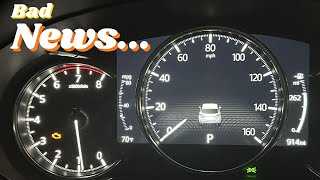
- Solid or flashing Check Engine Light
- Reduced power and poor acceleration
- Decreased fuel economy
- Smell of unburned fuel from the exhaust
- Replacing all four ignition coils when only one has failed. The swap test is crucial to isolate the single bad coil and save money, though replacing all original YUMEBISHI coils is a valid preventative measure per TSB 01-014/16.
- Using incorrect spark plugs. Owners on forums report that Skyactiv engines are sensitive and that using plugs other than the specified NGK or Denso Iridium plugs (e.g., Bosch) can cause running issues.
Most Likely Causes
- Faulty Ignition Coil 🔴 High Probability → Shop Ignition Coil Mazda TSB #01-014/16 identified a high failure rate for original ignition coils made by the supplier YUMEBISHI due to internal fractures from temperature changes. This makes it the most likely cause, especially on vehicles produced before April 2016. TSB Bulletin #01-014-16-3208A further notes that this concern may be caused by an internal failure of the ignition coils due to a high difference between cold and warm ambient temperatures. The TSB instructs technicians to replace any defective YUMEBISHI coils and any others from the same supplier made before lot number 6328.
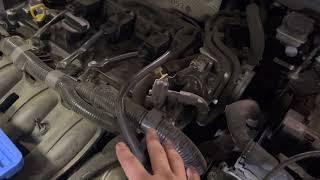
How to confirm: Swap the ignition coil from cylinder 4 with another cylinder (e.g., cylinder 3). Clear the codes and drive. If the code changes to P0303, the ignition coil is faulty. 🎬 Watch this diagnostic walkthrough to see the coil swap test in action. This is the standard diagnostic procedure recommended by Mazda in the TSB.
Typical fix: Replace the failed ignition coil with an updated OEM part (PE20-18-100A or the superseded PE20-18-100B). Many owners replace only the one that failed, but if the coils are original YUMEBISHI units, replacing them as a set can prevent future issues.
Est. part cost: $40-$140 - Worn or Fouled Spark Plug 🟡 Medium Probability → Shop Spark Plug Mazda recommends replacing spark plugs at 75,000 miles. Plugs that exceed this interval or are fouled by oil or carbon can easily cause a misfire. The Skyactiv-G engine uses an ion-sensing system through the spark plugs to monitor combustion, making it sensitive to using the correct, non-Bosch plugs.
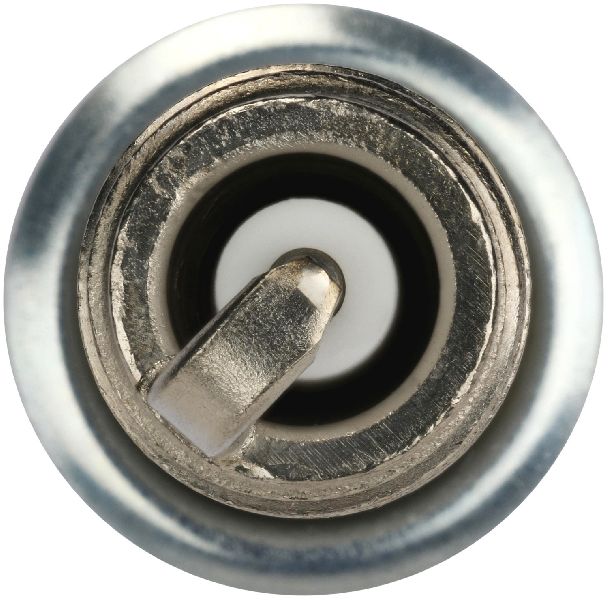
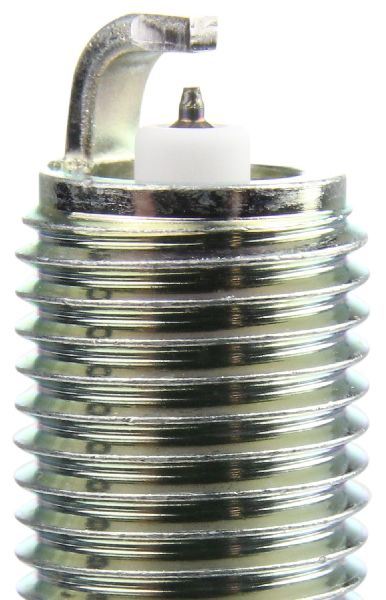
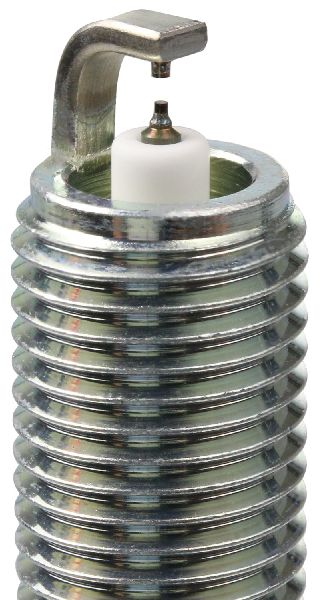
How to confirm: After confirming the coil is good, remove the spark plug from cylinder 4. Inspect it for a worn electrode, cracked porcelain, or heavy deposits. You can also swap it with another cylinder's plug to see if the misfire code follows.
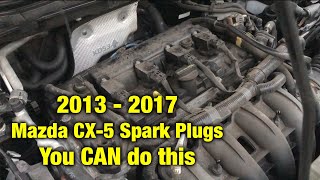
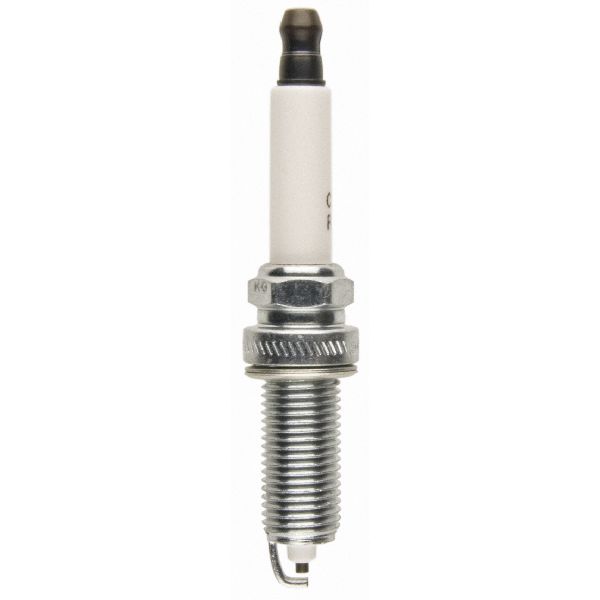
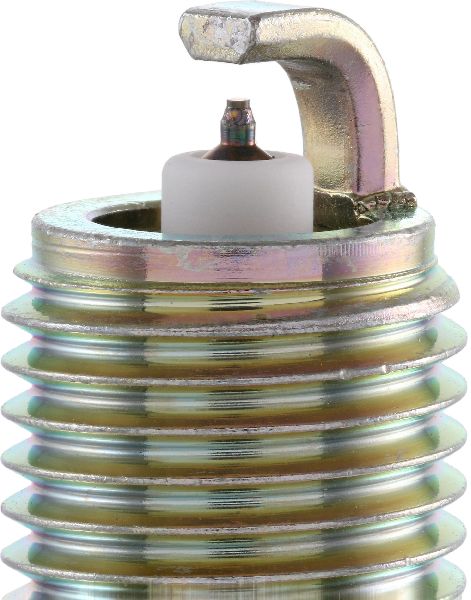
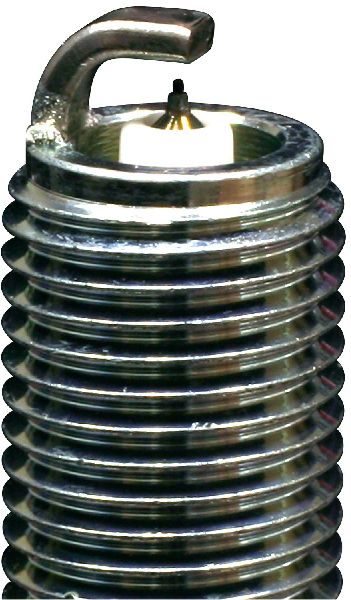
Typical fix: Replace the spark plug. It is best practice to replace all four spark plugs at the same time with the correct OEM-specification Iridium plugs (NGK ILKAR7L11) 🎬 See this easy step-by-step guide for replacing your spark plugs. to ensure consistent performance.
Est. part cost: $15-$35 per plug - Intake Valve Carbon Buildup ⚪ Low Probability As a gasoline direct injection (GDI) engine, fuel is sprayed directly into the cylinder and does not wash over the intake valves. Over time, oil vapors from the PCV system can bake onto the valves, forming carbon deposits that disrupt airflow and cause misfires, especially at low RPM under load. This is more common in vehicles used primarily for short, low-speed trips.
How to confirm: This is difficult to confirm without a borescope to visually inspect the intake valves. It often becomes the diagnosis after ignition and fuel delivery issues are ruled out. A user on the Mazdas247 forum confirmed this was the cause of their misfire after replacing injectors and cleaning the valves.
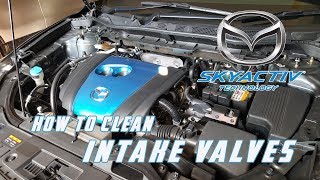
Typical fix: The intake manifold must be removed, and the valves must be cleaned manually, typically through walnut shell blasting or hand scrubbing with chemical solvents. 🎬 Watch a mechanic demonstrate how to clean carbon from intake valves. This is a labor-intensive job.
Est. part cost: $20-$50 for gaskets and seals - Clogged or Faulty Fuel Injector ⚪ Low Probability → Shop Fuel Injector TSB Bulletin #01-004-17-3317a notes that an engine running rough with P0304 may also store fuel injector circuit codes like P0204, indicating an open circuit in the fuel injector.
How to confirm: This usually requires professional diagnosis. A technician can perform a fuel injector balance test. A DIY method involves checking fuel trims with a scan tool; a leaking injector can cause a rich condition (negative fuel trims) on the bank, sometimes triggering a P0172 code along with the misfire. A wet, fuel-fouled spark plug on cylinder 4 is also a strong indicator.
Typical fix: Replace the faulty fuel injector. This is a more involved job on a GDI engine as the intake manifold must be removed. It's often recommended to replace the set if they have high mileage.
Est. part cost: $100-$250
Rare But Worth Checking
- PCM Logic Issue in Cold Climates: Mazda TSB #01-005/15 notes that for 2013-2015 CX-5s, repeated short trips in very cold weather (below 14°F / -10°C) can cause fuel to dilute the engine oil, leading to misfires and an increased oil level. The fix is a PCM reprogram and an oil change.
- Frozen Condensation in Muffler: → Shop Exhaust Muffler A separate cold-weather issue is covered by TSB #01-006/18. Water can accumulate and freeze in the main muffler (silencer) overnight in temperatures below 32°F / 0°C, restricting exhaust flow on startup and causing misfire codes. TSB Bulletin #01-011-16-3139A and TSB Bulletin #01-007-19-3541 also confirm that frozen water in the main silencer can restrict exhaust flow and cause P0304. The fix is to replace the muffler with an updated version that has drain holes.
- Low Engine Compression: This indicates a serious mechanical problem like worn piston rings, a failing head gasket, or a problem with the valves. A compression test is needed to diagnose this. A leak-down test can further pinpoint the source of the compression loss.
Diagnosis Steps
- Read the code using an OBD-II scanner and check for any other stored codes.
- Note the freeze frame data to understand the conditions (engine speed, load, temperature) when the misfire occurred.
- Swap the ignition coil from cylinder 4 with the coil from cylinder 3. Clear the codes and drive the vehicle. If the code returns as P0303, the coil is bad.
- If the code remains P0304, move the spark plug from cylinder 4 to cylinder 2. Clear codes and drive. If the code changes to P0302, the spark plug is bad.
- If the code is still P0304, inspect the wiring and connector for the ignition coil and fuel injector on cylinder 4 for any damage or corrosion.
- Listen to the fuel injector on cylinder 4 with a mechanic's stethoscope; it should have a consistent clicking sound. Compare it to the other injectors.
- Check for vacuum leaks by spraying brake cleaner or a propane torch (unlit) around the intake manifold gasket near cylinder 4. A change in engine idle indicates a leak.
- If in a cold climate and the issue occurs on cold starts, inspect the muffler for signs of being blocked by ice, per TSB 01-006/18.
- If the above steps do not identify the issue, perform a compression test to rule out mechanical engine problems. If compression is low, a leak-down test can specify the cause.
- As a final step for persistent issues, use a borescope to inspect the intake valves for significant carbon buildup.
Parts You'll Likely Need
- Ignition Coil
(OEM #PE20-18-100A (or superseded PE20-18-100B))— This is the most common failure part for a P0304 code on this vehicle, as documented by Mazda TSB 01-014/16. The original part may be PE20-18-100, which was updated.
Trusted brands: Mazda (OEM), NGK, Denso
OEM price range: $130-$170
Aftermarket price range: $40-$90 - Iridium Spark Plug
(OEM #PE5R-18-110A (NGK ILKAR7L11))— A worn or fouled spark plug is the second most common cause of a single-cylinder misfire. The Skyactiv-G engine requires specific long-life iridium plugs for proper operation and its ion-sensing misfire detection.
Trusted brands: NGK, Denso
OEM price range: $25-$35
Aftermarket price range: $15-$25
Related Codes That Often Appear With This One
- P0300 — If the underlying cause, such as a vacuum leak, poor fuel quality, or significant carbon buildup, begins to affect multiple cylinders, a P0300 (Random Misfire) code may appear alongside P0304.
- P0171 — A System Too Lean (Bank 1) code can appear if a vacuum leak near cylinder 4 is large enough to affect the overall air-fuel ratio measured by the oxygen sensor. One owner on Mazdas247 experienced this after cleaning carbon from the valves and re-installing the intake manifold.
- P0172 — A System Too Rich (Bank 1) code can accompany P0304 if a fuel injector is stuck open or leaking, dumping excess fuel into the cylinder.
Technical Service Bulletins (TSBs) & Recalls
- 01-014/16: Addresses a high failure rate of original ignition coils from a specific supplier (YUMEBISHI), causing misfire codes P0300-P0304. Advises replacing defective coils and any other YUMEBISHI coils made before lot number 6328.
- 01-014-16-3208A: Notes that P0304 may be caused by an internal failure of the ignition coil(s) due to a high difference between cold and warm ambient temperatures.
- 01-005/15: Describes an issue in cold climates (below 14°F / -10°C) where repeated short trips can cause fuel dilution of the oil and trigger misfire codes, requiring a PCM update and oil change.
- 01-006/18: Details a cold-start misfire condition (P0300-P0304) below 32°F / 0°C caused by water freezing in the muffler. The fix is a new muffler with drain holes.
- 01-011-16-3139A: Confirms that P0304 may be caused by frozen water accumulated in the main silencer, restricting exhaust flow.
- 01-007-19-3541: Reaffirms that misfire codes including P0304 may be caused by frozen water accumulated in the main silencer, restricting exhaust flow.
- 01-004-17-3317a: Notes that P0304 is usually stored at the same time as fuel injector circuit codes like P0204, which indicates an open circuit for the cylinder No.4 fuel injector.
Platform-Specific Known Issues
- A known high failure rate of original ignition coils supplied by YUMEBISHI, identified by a 4-digit lot number on the coil, as documented in Mazda TSB 01-014/16. Coils made before lot number 6328 are suspect.
- In cold climates, misfires can be triggered by PCM logic causing fuel to dilute the engine oil on short trips (TSB 01-005/15).
- In freezing temperatures, misfires on startup can also be caused by ice blocking the muffler outlet, which is addressed by TSB 01-006/18 and a redesigned muffler with drain holes.
Mechanic-Grade Diagnostic Values
- High-Pressure Fuel Rail Pressure (GDI) — expected: Approx. 435 PSI (3 MPa) at idle, rising to 2,900 PSI (20 MPa) under load.. Failure: Significantly lower pressure than expected at idle or failure to increase under load can indicate a failing high-pressure fuel pump.
- Low-Pressure Fuel Pump (In-Tank) — expected: 55-65 PSI. Failure: Low pressure from the in-tank pump will starve the high-pressure pump, leading to lean conditions and misfires under load.
- Short-Term Fuel Trim (STFT) & Long-Term Fuel Trim (LTFT) at Idle — expected: Within +/- 10%. Ideally close to 0%.. Failure: Consistently high positive trims (>10%) suggest a vacuum leak. Consistently high negative trims (<-10%) can indicate a leaking fuel injector, which may be accompanied by a P0172 code.
- Ignition Coil Primary Resistance — expected: Approximately 0.6 - 0.9 Ohms.. Failure: A reading outside this range (an open circuit or a short) indicates a faulty coil. Note: this test may not catch heat-related intermittent failures.
Hidden / Shadow Codes Worth Checking
- Mode $06, TID $A5: This is not a traditional trouble code but a monitor ID within the OBD-II system's Mode $06 data. TID $A5 specifically tracks the raw misfire count for Cylinder 4 during the current and previous driving cycles. (see via Use an advanced OBD-II scan tool or software (like FORScan for Mazda) that can access and display Mode $06 test results. This allows a technician to see if cylinder 4 is accumulating misfires, even if the count isn't high enough to set a P0304 code.)
Scan Tool Commands That Help
- Mazda M-MDS (or equivalent advanced scanner): Cylinder Contribution / Power Balance Test — This is a definitive bidirectional test to confirm a misfire on a specific cylinder. The tool electronically deactivates the fuel injector or ignition coil for each cylinder one by one and measures the corresponding drop in engine RPM. If deactivating cylinder 4 causes little or no change in RPM, it confirms that cylinder was not contributing properly.
Wiring & Ground Locations
- G03 / G04 — On the left side of the engine compartment, typically bolted to the cylinder head cover near the ignition coils.. This is a primary engine ground point. A loose or corroded connection here can cause a weak or inconsistent spark across all cylinders, potentially leading to random misfires or a misfire on the most sensitive cylinder.
- Cylinder 4 Ignition Coil Connector — The electrical connector on top of the ignition coil for the fourth cylinder (closest to the driver's side).. The pins should be tested for proper voltage. With the key on, one pin should have 12V+, another should be ground, and the third is the trigger signal (IGT) from the PCM. A lack of voltage or a damaged connector/wiring will prevent the coil from firing.
Real Owner Repair Stories
- Mazdas247 Forum User (2013 Mazda CX-5 2.0L w/ 130k miles) — Hesitation and misfires only under load at lower RPM. Idled and revved fine in park.
❌ Tried (didn't work) Replaced all 4 spark plugs, Swapped coil #4 with #3 (misfire did not move), Cleaned MAF sensor, Checked for vacuum leaks, Replaced all 4 ignition coils (per dealer recommendation), Used high-octane fuel and fuel system cleaner
✅ What actually fixed it The user replaced the fuel injector on cylinder #4. While the intake manifold was off, they also cleaned significant carbon buildup from the intake valves. The combination of the new injector and valve cleaning resolved the P0304 code. - YouTube video by Total Upgrade Automotive Training (Mazda with 2.5L Skyactiv-G engine (similar GDI architecture)) — Running rough, smoke from exhaust, P0304 and P0172 (System Too Rich) codes.
❌ Tried (didn't work) Replacing spark plugs
✅ What actually fixed it A leaking fuel injector on cylinder 4. The technician confirmed the issue by inspecting the spark plugs and finding the plug from cylinder 4 was wet with fuel. The leaking injector caused both the misfire and the rich condition. Replacing the single injector fixed both codes. - Reddit user in r/CarRepair (2016 Mazda CX-5 Touring AWD with 178k miles) — Recurring P0304 code.
❌ Tried (didn't work) Replacing spark plugs (fixed it temporarily, but code returned), Replacing all four ignition coils and all four spark plugs again
✅ What actually fixed it The user reported that replacing the gas cap ultimately resolved the issue, suggesting a possible evaporative emissions system leak was somehow contributing to the misfire detection, although this is an atypical cause.
OEM Part Supersession History
PE20-18-100 (Supplier: YUMEBISHI)→PE20-18-100A, then PE20-18-100B (Supplier: MITSUBISHI or others)— The original YUMEBISHI coils were prone to internal fractures and failure due to temperature changes, as documented in TSB 01-014/16.
Heads up: The original YUMEBISHI coils can be identified by a 4-digit lot number, while the improved MITSUBISHI coils have a 5-digit lot number. It is critical to replace any YUMEBISHI coils, especially those made before lot number 6328 (March 28, 2016).
Model Year Variations Within This Range
- 2013-2015: These model years are specifically mentioned in TSB #01-005/15 for a PCM logic issue in cold weather that can cause misfires and fuel-in-oil contamination. The fix requires a PCM reprogram, which the 2016 model should already have.
- 2013 - Early 2016: Vehicles produced before April 2016 are subject to TSB #01-014/16 regarding the faulty YUMEBISHI ignition coils. A late-production 2016 model is less likely to have this issue from the factory.
Diagnostic Flowchart
Other Known Issues on This Vehicle
Issues unrelated to this code that are worth knowing about as an owner of this generation:
- Daytime Running Light (DRL) Failure 🟠 Medium — Common on 2016 models. The LED unit flickers or fails completely, requiring expensive full headlamp replacement if not covered by a recall. (Ref: Safety Recall 4320A)
- Faulty Transmission Shifter Switch 🟡 Low — Common on 2013-2014 models. A bad switch prevents the car from recognizing it's in Park, causing accessories/radio to stay on and drain the battery.
- Spontaneously Cracking Windshields 🟠 Medium — Reported across the generation. Owners report windshields cracking from minor temperature changes or small impacts that shouldn't cause failure.
- Prematurely Noisy Wheel Bearings 🟡 Low — A noticeable number of owners report humming noises that require wheel bearing replacement sooner than expected.
- Sticking Rear Brake Calipers 🟠 Medium — Especially prevalent in regions with road salt. Calipers can seize, leading to accelerated and uneven brake pad wear.
Used vs. New Parts: Buying Guide for This Vehicle
When a used part is the smart pick: For this specific P0304 repair, using used parts is generally not recommended. The most common failure items (ignition coils, spark plugs) are wear-and-tear components or have known defects (the original coils). A used fuel injector could be considered if from a very low-mileage donor vehicle, but the labor to install it makes a new or remanufactured part a safer investment.
Donor-vehicle mileage cap: roughly under 50000 miles for the part to have meaningful remaining life.
What to inspect on the donor part:
- For a fuel injector, inspect the tip for carbon buildup or damage.
- Check electrical connectors for corrosion or cracks.
- Verify the donor vehicle was not in a severe front-end collision.
OEM-only on this vehicle (don't cheap out):
- Ignition Coil: Due to the TSB regarding faulty original coils, it is critical to use the updated OEM part (PE20-18-100B) or a reputable OEM-supplier equivalent like NGK or Denso to avoid repeat failure.
- Spark Plug: The Skyactiv engine's ion-sensing misfire detection system is sensitive to spark plug design. Use the specified NGK or Denso iridium plugs to avoid running issues.
Aftermarket brands forum-validated for this vehicle:
- NGK (Ignition Coils, Spark Plugs)
- Denso (Ignition Coils, Spark Plugs)
Brands owners have reported issues with on this vehicle:
- Unbranded, low-cost ignition coils from online marketplaces are frequently reported to fail prematurely.
- Bosch spark plugs have been anecdotally reported by forum users to cause issues in some Skyactiv engines.
Real Owner Stories
Aggregated from forums and TSBs cited above. Mileages and costs reflect what owners reported in those sources.
2013 Mazda CX-5 2.0L
Symptoms: P0304 code and sometimes the vehicle seemed to go into limp mode.
What fixed it: The owner (a retired Mazda Master Tech) performed diagnostics beyond simple coil/plug swaps, focusing on the engine's ion-sensing system and carbon buildup possibilities.
Source hint: mazdas247.com - Thread 'CEL P0304 then sometimes it seems to go into limp mode'
2013 Mazda3 2.0L Skyactiv — 42000 miles
Symptoms: Misfire code caused by severe carbon buildup on the intake valves.
What fixed it: Manual cleaning of the intake valves by the dealer.
Cost: $1700
Source hint: reddit.com/r/mazda - Thread 'Dealer had to clean intake carbon at about 42,000 miles'
2013-2016 Mazda CX-5 2.0L
Symptoms: P0304 and P0171 codes; owner tried replacing plugs and coils but the misfire persisted.
What fixed it: Cleaning significant carbon buildup discovered on the intake valves.
Source hint: mazdas247.com - Thread 'CX-5 2.0L - P0304 P0171 - Help needed please'
Related OBD-II Codes
Frequently Asked Questions
My 2014 CX-5 has a P0304 code; how can I tell if my ignition coils are the faulty ones mentioned in Mazda TSB 01-014/16?
Can cold weather cause a P0304 misfire on my 2015 CX-5?
What spark plugs should I use for my 2.0L Skyactiv-G to avoid misfire codes?
Is there a specific diagnostic trick for the P0304 code on this Mazda engine?
Why does my CX-5 misfire more during low-speed city driving?
Helpful Videos
We Have This Part in Stock

The information in this article is provided for general reference and educational purposes only. Vehicle specifications, procedures, and part compatibility can vary by production date, trim level, and region. Always consult your vehicle's factory service manual and verify part numbers before purchasing or performing repairs. Safety-critical components such as airbags, seat belts, and braking systems should be installed by a qualified professional.
- Mazda CX-5:
- 🧭 Diagnostic Flowchart
- 🎬 Helpful Videos
- 🛍️ Shop This Part
- What's Unique About the 2013-2016 Mazda CX-5
- Symptoms You May Notice
- Most Likely Causes
- Rare But Worth Checking
- Diagnosis Steps
- Parts You'll Likely Need
- Related Codes That Often Appear With This One
- Technical Service Bulletins (TSBs) & Recalls
- Platform-Specific Known Issues
- Mechanic-Grade Diagnostic Values
- Hidden / Shadow Codes Worth Checking
- Scan Tool Commands That Help
- Wiring & Ground Locations
- Real Owner Repair Stories
- OEM Part Supersession History
- Model Year Variations Within This Range
- Other Known Issues on This Vehicle
- Used vs. New Parts: Buying Guide for This Vehicle
- Real Owner Stories
- 2013 Mazda CX-5 2.0L
- 2013 Mazda3 2.0L Skyactiv — 42000 miles
- 2013-2016 Mazda CX-5 2.0L
- Related OBD-II Codes
- Frequently Asked Questions
- 🎟️ Get 5% Off