

P0304 on 2005-2010 Pontiac Vibe: Cylinder 4 Misfire Causes & Fixes
P0304 on a Pontiac Vibe indicates a misfire in cylinder 4. The most common fix is replacing a faulty ignition coil or a worn spark plug. A simple diagnostic is to swap the ignition coil from cylinder 4 with another cylinder; if the code follows the coil (e.g., changes to P0302), the coil is bad. On 2005-2008 1.8L models, check for a leaking intake manifold gasket. On 2009-2010 2.4L models, suspect an oil-fouled spark plug due to known oil consumption issues.
- P0304 is a misfire on cylinder 4, most often caused by a bad ignition coil or spark plug.
- The easiest way to diagnose a bad coil is to swap it with one from another cylinder and see if the trouble code moves with it.
- Be aware of your specific engine: 2005-2008 1.8L models often have intake gasket leaks, while 2009-2010 2.4L models can burn oil, fouling spark plugs.
- Do not drive if the check engine light is flashing, as this can quickly destroy your catalytic converter, a much more expensive repair.
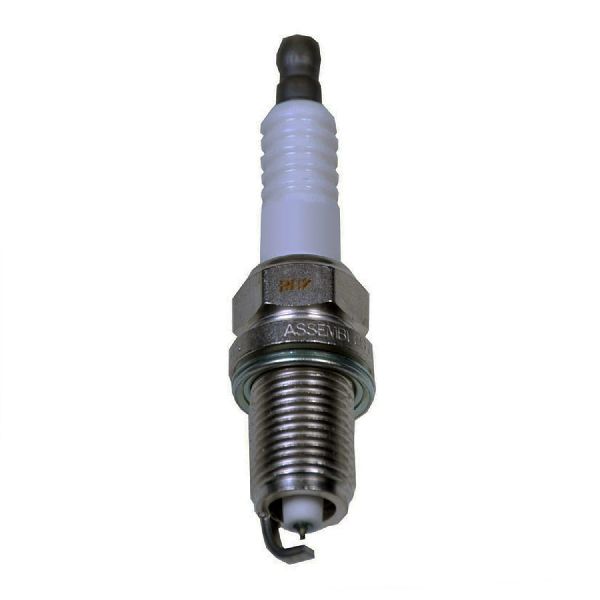
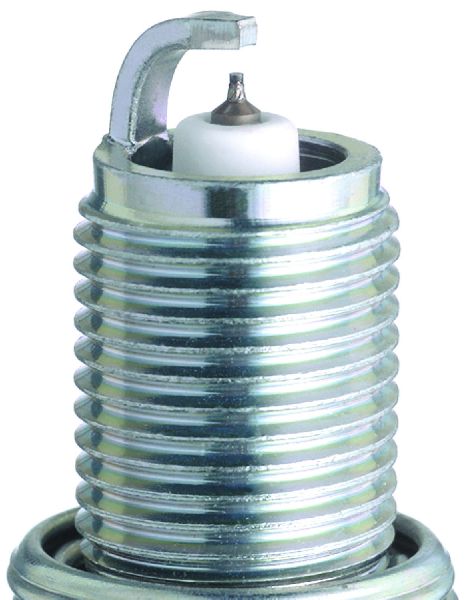
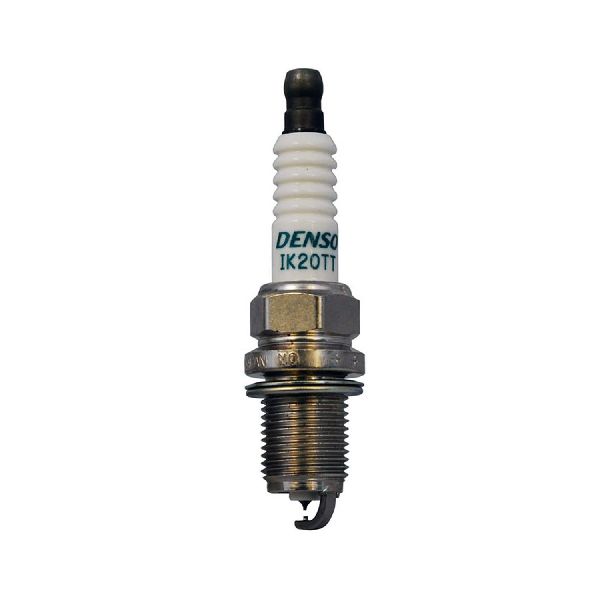
- Always use high-quality Iridium spark plugs (Denso or NGK) for this vehicle to ensure longevity and proper performance.
What's Unique About the 2005-2010 Pontiac VIBE
The Pontiac Vibe is mechanically a Toyota Matrix, using reliable Toyota engines. However, the cause of a P0304 code can differ by engine. First-generation models (2005-2008) with the 1.8L 1ZZ-FE engine are highly prone to intake manifold gasket leaks, a well-documented failure that causes vacuum leaks and misfires. Second-generation models (2009-2010) with the optional 2.4L 2AZ-FE engine are known for excessive oil consumption due to a piston ring design flaw, which can foul the spark plug in cylinder 4 and lead to a misfire.
Diagnostic Flowchart
Tap your situation to follow the diagnostic path that matches what you're seeing on this vehicle.
Generation note: The 2005-2010 range covers two Vibe generations. The first generation (2005-2008) uses a Toyota 1.8L 1ZZ-FE engine. The second generation (2009-2010) uses a newer 1.8L 2ZR-FE or an optional 2.4L 2AZ-FE engine. While ignition issues are common to all, the 1.8L 1ZZ-FE is known for intake gasket leaks and the 2.4L 2AZ-FE has a documented history of oil consumption problems that can cause this code.
Symptoms You May Notice
- Rough or shaking idle
- Hesitation or stumbling during acceleration
- Noticeable loss of engine power
- Flashing or solid Check Engine Light
- Poor fuel economy
- Smell of raw fuel from the exhaust
- Difficulty driving uphill.
- Replacing oxygen (O2) sensors. O2 sensors will report the effects of a misfire (like a lean or rich condition), but they are rarely the cause of a single-cylinder misfire.
- Replacing the catalytic converter. A catalytic converter can be damaged by a long-term misfire, but it is not the cause of the misfire itself.
Most Likely Causes
- Faulty Ignition Coil 🔴 High Probability → Shop Ignition Coil Ignition coils are a common wear item on most modern engines, including the Toyota engines used in the Vibe. They are subjected to high heat and voltage, leading to eventual failure.
How to confirm: Swap the ignition coil from cylinder 4 with another cylinder (e.g., cylinder 2). Clear the codes and drive. If the code changes to P0302, the ignition coil is confirmed to be faulty. This is the most common and effective first diagnostic step 🎬 Watch: This breakdown helps you find the real cause fast. mentioned by owners.
Typical fix: Replace the single faulty ignition coil. It's recommended to use a quality OEM brand like Denso.
Est. part cost: $45-$95 - Worn or Fouled Spark Plug 🔴 High Probability → Shop Spark Plug
How to confirm: Remove the spark plug from cylinder 4 and inspect it. Look for a worn electrode, cracks in the porcelain, or fouling from oil (black, sludgy) or carbon (dry, black). On 2.4L engines, oil fouling is a strong indicator of the known oil consumption issue detailed in Toyota TSB T-SB-0094-11.
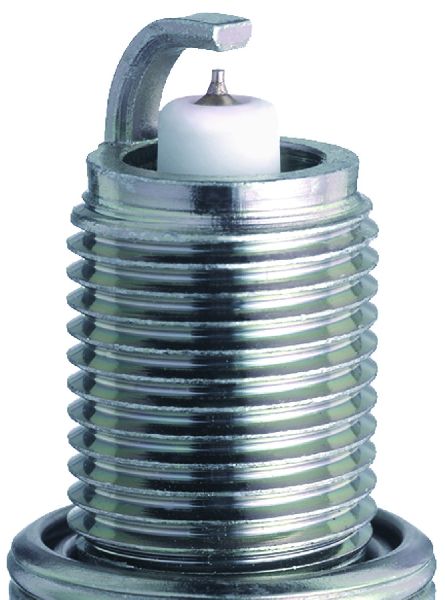
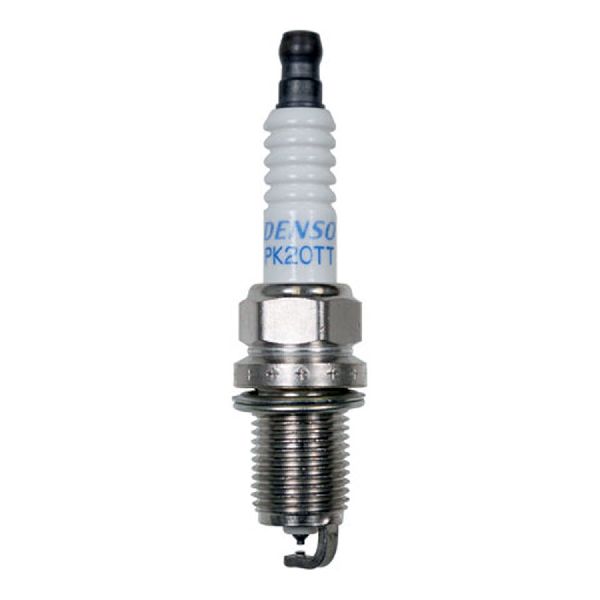
Typical fix: Replace the spark plug. If one is worn, it's best practice to replace all four at the same time. Use OEM-spec Iridium plugs from brands like NGK or Denso for longevity.
Est. part cost: $8-$25 per plug - Clogged or Faulty Fuel Injector 🟡 Medium Probability → Shop Fuel Injector
How to confirm: Listen to the injector with a mechanic's stethoscope; it should make a consistent clicking sound. You can also test its resistance with a multimeter or swap it with an injector from another cylinder to see if the misfire code follows.
Typical fix: Replace the faulty fuel injector and its O-ring seals.
Est. part cost: $70-$150 - Leaking Intake Manifold Gasket 🟡 Medium Probability → Shop Engine Intake Manifold This is a very common failure on the first-generation 1.8L 1ZZ-FE engine (2005-2008). The original black gasket material degrades and flattens, causing a vacuum leak that can trigger misfires, often accompanied by a P0171 code.
How to confirm: With the engine running, spray brake cleaner or a combustible fluid around the intake manifold where it meets the cylinder head. If the engine idle changes, a leak is present. A professional smoke test is the most definitive method. A visual inspection may show the old gasket is flattened.
Typical fix: Replace the intake manifold gasket with the updated, thicker orange or green design. 🎬 Watch: Step-by-step intake manifold gasket replacement walkthrough. Fel-Pro part MS93942 is a common aftermarket replacement. Toyota also addressed this in TSB EG045-07 for the Corolla.
Est. part cost: $15-$30
Rare But Worth Checking
- Low Engine Compression: On the 2.4L 2AZ-FE engine, this can be a consequence of the oil consumption issue leading to piston ring wear or damage. On any engine, it could also indicate a burnt valve or a head gasket leak. A compression test is required for diagnosis.
- Loose or disconnected air intake tube: A GenVibe forum member reported multiple misfire codes, including P0304, that were ultimately caused by a loose clamp on the air intake tube between the airbox and throttle body, creating a large unmetered air leak.
Diagnosis Steps
- Read the code with an OBD-II scanner to confirm P0304 and check for any other codes like P0171 or P0300.
- Identify cylinder 4 (on these 4-cylinder engines, 🎬 See this guide on common causes and fixes for P0304. it's the cylinder on the far right/passenger side when facing the engine from the front of the car).
- Swap the ignition coil from cylinder 4 to cylinder 2. Clear the codes, run the engine, and re-scan. If the code is now P0302, the coil is bad.
- If the code remains P0304, move the coil back and inspect the spark plug from cylinder 4. Compare it to the plug from cylinder 2. Look for excessive wear, oil, or carbon fouling. An oil-fouled plug on a 2.4L engine is a major clue for the oil consumption issue.
- If the plug and coil are good, check for a vacuum leak, especially around the intake manifold gasket on 2005-2008 1.8L models, using the spray method or a smoke machine. Also check that the air intake hose is securely clamped.
- If the issue persists, check the fuel injector. Listen for its clicking sound. If possible, swap the injector with another cylinder to see if the code moves.
- If no cause is found, perform an engine compression test to rule out mechanical problems like worn piston rings or a bad valve. Inconsistent compression readings can point to internal engine issues.
Parts You'll Likely Need
- Ignition Coil (Coil-on-Plug)
(OEM #1.8L (1ZZ-FE): 90919-02239; 2.4L (2AZ-FE): 90919-02244; 1.8L (2ZR-FE): 90919-02258)— This is the most frequent point of failure for a single-cylinder misfire. The coil swap test is a simple and definitive diagnostic.
Trusted brands: Denso, NGK
OEM price range: $80-$110
Aftermarket price range: $45-$75 - Iridium Spark Plug
(OEM #1.8L (1ZZ-FE): Denso SK16R11, NGK IFR5T11; 2.4L (2AZ-FE): Denso SK20R11, NGK IFR6T11)— Spark plugs are a routine maintenance item and can become worn or fouled, especially if the engine has other issues like oil consumption (2.4L) or a vacuum leak.
Trusted brands: NGK, Denso
OEM price range: $15-$25
Aftermarket price range: $8-$15 - Intake Manifold Gasket
(OEM #17171-22030)— A known weak point on the 2005-2008 1.8L 1ZZ-FE engine that causes vacuum leaks and misfires. The original black gasket fails and should be replaced with an updated design.
Trusted brands: Fel-Pro (MS93942), Mahle
OEM price range: $25-$40
Aftermarket price range: $15-$30
Related Codes That Often Appear With This One
- P0300 — If the misfire is intermittent or affects other cylinders, a P0300 (Random/Multiple Misfire) may be stored alongside P0304. This can happen with a significant vacuum leak.
- P0171 — This code for 'System Too Lean' often appears with a misfire code if the cause is a vacuum leak, such as a failed intake manifold gasket on the 1.8L 1ZZ-FE engine.
Technical Service Bulletins (TSBs) & Recalls
- PIP3333C: A generic GM bulletin mentioning intermittent engine misfire and DTC P0304 on 2005 models, directing technicians to follow standard service diagnostics.
- T-SB-0094-11: A critical Toyota TSB for the 2009 Vibe's sister car, the Toyota Matrix with the 2.4L 2AZ-FE engine. It details the excessive oil consumption issue caused by faulty piston assemblies and the repair procedure, which is the root cause for many P030# codes on this engine.
Platform-Specific Known Issues
- 2.4L 2AZ-FE Engine (2009-2010): Excessive Oil Consumption: These engines are subject to Toyota Technical Service Bulletin T-SB-0094-11, which addresses a design flaw with the piston rings that leads to excessive oil consumption. This oil burning fouls the spark plugs, directly causing misfire codes like P0304. Toyota initiated a warranty enhancement program for this issue, but it has since expired. The permanent fix involves replacing the pistons and piston rings with redesigned parts.
- 1.8L 1ZZ-FE Engine (2005-2008): Intake Manifold Gasket Failure: → Shop Engine Intake Manifold The original black rubber intake manifold gasket is prone to flattening and hardening over time, causing a significant vacuum leak. This often results in a P0171 (System Too Lean) code along with random (P0300) or specific cylinder misfire codes like P0304. A GenVibe forum user fixed multiple misfire codes (P0301, P0303, P0304) and P0171 by simply re-securing a loose clamp on the air intake hose, which caused a similar unmetered air leak.
Mechanic-Grade Diagnostic Values
- Fuel Pressure (1.8L 1ZZ-FE & 2.4L 2AZ-FE) — expected: 44 - 51 psi at idle.. Failure: Pressure below this range can cause a lean condition and misfires. Pressure that drops quickly after the engine is off may indicate a faulty fuel pump check valve.
- Ignition Coil Resistance (1.8L 1ZZ-FE/2ZZ-GE) — expected: Primary: 0.4 – 0.8 Ohms; Secondary: 7.0 – 15.0 kOhms.. Failure: A reading outside these ranges, especially an infinite reading on the secondary coil (open circuit), indicates a failed coil. Note that coils can fail under heat and load even if resistance is normal when cold.
- Fuel Injector Resistance (1.8L 1ZZ-FE) — expected: 13.4 - 14.4 Ohms at 68°F (20°C).. Failure: A reading significantly outside this range, or one injector that is more than 1 Ohm different from the others, points to a faulty injector.
- Fuel Injector Resistance (2.4L 2AZ-FE) — expected: ~12.5 Ohms.. Failure: A reading significantly different from this value suggests a faulty injector.
- ECM Ground Circuit Resistance — expected: Below 1.0 Ohm.. Failure: Higher resistance between the ECM ground pin (e.g., E1 on connector B30 for the 2AZ-FE) and the chassis ground indicates a poor ground connection, which can cause erratic sensor readings and misfires.
Wiring & Ground Locations
- G104 / G105 — For the 1.8L engine, located on top of the engine. For the 2.4L engine, located on the left rear of the engine.. These are primary engine ground points. Ignition coils and fuel injectors rely on a solid ground to function correctly. Corrosion or a loose connection here can cause weak spark or erratic injector function, leading to misfires.
- G102 / G103 — G102 is at the left front of the engine compartment; G103 is at the right front.. These are main chassis grounds for the engine compartment. A poor connection can affect the Powertrain Control Module (PCM) and its ability to properly control the ignition and fuel systems.
- ECM Ground Pin (E1) — On the 2AZ-FE engine, this corresponds to pin 104 of connector B30 at the ECM.. This is the direct ground reference for the Engine Control Module. All sensor inputs and driver outputs (like the signal to fire the ignition coil) are measured relative to this ground. A fault here can cause a wide range of issues, including misfires.
OEM Part Supersession History
90919-02252→90919-02258— Standard part revision by the manufacturer.
Heads up: For the 2009-2010 1.8L (2ZR-FE) engine, some aftermarket catalogs incorrectly list Delphi coil GN10314. The correct Delphi cross-reference for OEM PNs 90919-02252 and 90919-02258 is GN10341. The GN10314 has a physically different shape and will not fit correctly.
Model Year Variations Within This Range
- 2005-2006: First-generation models with the 1.8L 1ZZ-FE engine used a mechanical cable-operated throttle.
- 2007-2008: Later first-generation models with the 1.8L 1ZZ-FE engine switched to an electronic Drive-By-Wire (DBW) throttle system. This change does not typically affect a P0304 diagnosis but is a key system difference.
- 2009-2010: The second-generation Vibe introduced the 1.8L 2ZR-FE and 2.4L 2AZ-FE engines, which use different ignition coils, injectors, and have different known issues (e.g., oil consumption on the 2.4L) compared to the first generation's 1.8L 1ZZ-FE.
Helpful Videos
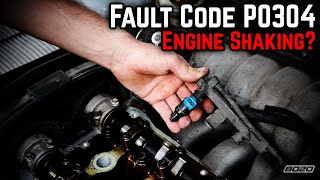

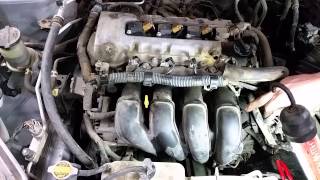
We Have This Part in Stock


The information in this article is provided for general reference and educational purposes only. Vehicle specifications, procedures, and part compatibility can vary by production date, trim level, and region. Always consult your vehicle's factory service manual and verify part numbers before purchasing or performing repairs. Safety-critical components such as airbags, seat belts, and braking systems should be installed by a qualified professional.
- Pontiac VIBE:
- 🧭 Diagnostic Flowchart
- 🎬 Helpful Videos
- 🛍️ Shop This Part
- What's Unique About the 2005-2010 Pontiac VIBE
- Symptoms You May Notice
- Most Likely Causes
- Rare But Worth Checking
- Diagnosis Steps
- Parts You'll Likely Need
- Related Codes That Often Appear With This One
- Technical Service Bulletins (TSBs) & Recalls
- Platform-Specific Known Issues
- Mechanic-Grade Diagnostic Values
- Wiring & Ground Locations
- OEM Part Supersession History
- Model Year Variations Within This Range
- 🎟️ Get 5% Off