

P0304 on 2004-2010 Saturn VUE: Cylinder 4 Misfire Causes and Fixes
P0304 on a Saturn VUE indicates a misfire in cylinder 4. The most common causes are a faulty ignition coil or a worn spark plug. For 4-cylinder engines, this often involves the entire ignition cassette. A basic ignition system repair typically costs between $50 and $250 for parts. For V6 models, check for oil in the spark plug tube.
- P0304 signifies a misfire on cylinder 4, most often caused by a bad spark plug or ignition coil.
- The diagnostic approach depends heavily on your VUE's engine. For 4-cylinders, suspect the ignition cassette; for V6s, check for oil in the spark plug tube before replacing the coil.
- A flashing check engine light is a critical warning to stop driving to prevent expensive catalytic converter damage.
- The easiest first step in diagnosis is to swap the ignition coil from cylinder 4 to another cylinder to see if the code follows.
- Always address underlying issues, like a leaking valve cover gasket on V6 models, to prevent the new parts from failing again.
What's Unique About the 2004-2010 Saturn VUE
The 2004-2010 Saturn VUE spans two distinct generations with five different engine options, making diagnosis engine-specific. First-generation (2004-2007) models used a 2.2L GM Ecotec (L61) I4 or a 3.5L Honda J-series V6 (L66). Second-generation (2008-2010) models used a 2.4L GM Ecotec (LE5) I4, a 3.5L GM V6 (LZ4), or a 3.6L GM V6 (LY7). The Ecotec 4-cylinder models are known for ignition module/cassette failures. The Honda V6 can have oil-fouled plugs from leaking valve cover gaskets. The 3.6L LY7 V6 is infamous for stretched timing chains that can cause misfires.
Diagnostic Flowchart
Tap your situation to follow the diagnostic path that matches what you're seeing on this vehicle.
Generation note: The 2004-2010 range covers two VUE generations. The first generation (2004-2007) had 2.2L L61 I4 and 3.5L L66 V6 (Honda-sourced) engines. The second generation (2008-2010) had 2.4L LE5 I4, 3.5L LZ4 V6 (GM-sourced), and 3.6L LY7 V6 engines. Causes for P0304 can differ significantly between these engines, from ignition cassettes on the I4s to timing chains on the 3.6L V6.
Symptoms You May Notice
- Rough or shaking idle
- Noticeable loss of engine power and poor acceleration
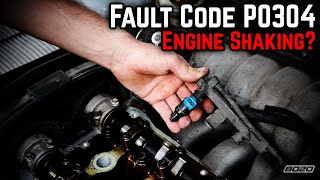
- Flashing or solid Check Engine Light 🎬 Watch: A quick guide to P0304 causes and fixes
- Reduced fuel economy
- Hesitation or stumbling during acceleration
- Smell of unburned fuel from the exhaust
- Engine may be hard to start or stall at stops
- Replacing only the ignition coil when the root cause is an oil leak from the valve cover gasket on V6 models. The new coil will soon fail if the leak is not fixed.
- Replacing fuel injectors when the issue is debris in the fuel rail, as described in TSB PIP3333C. The new injector may also become clogged.
- Blaming the ECM. While possible, it is very rare. A dealership incorrectly diagnosed an ECM on a platform-mate Equinox with P0304, costing the owner $1,200 before the real mechanical issue was found.
Most Likely Causes
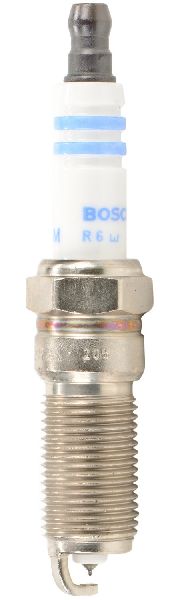
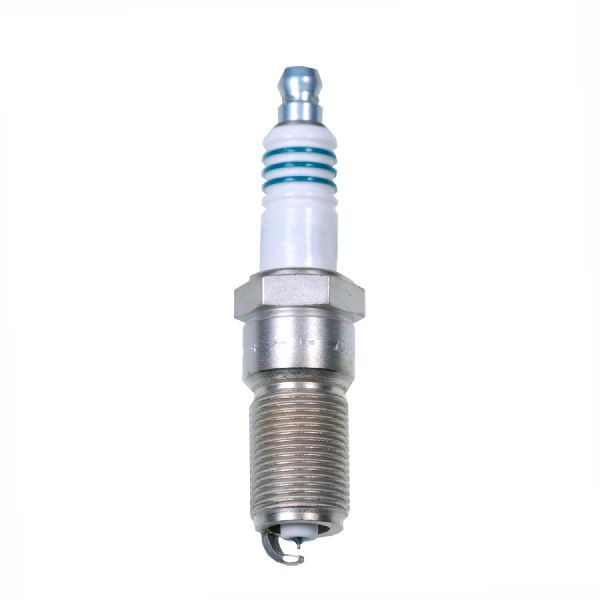
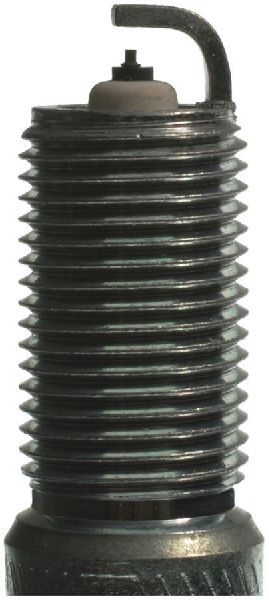
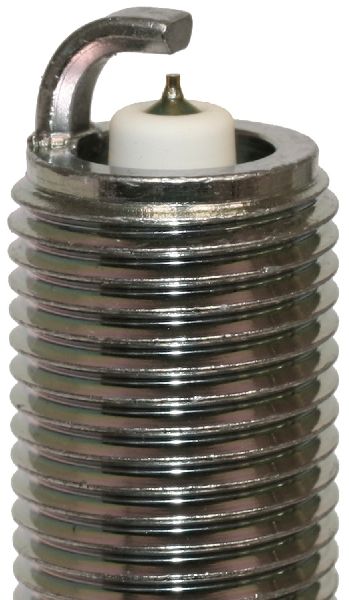
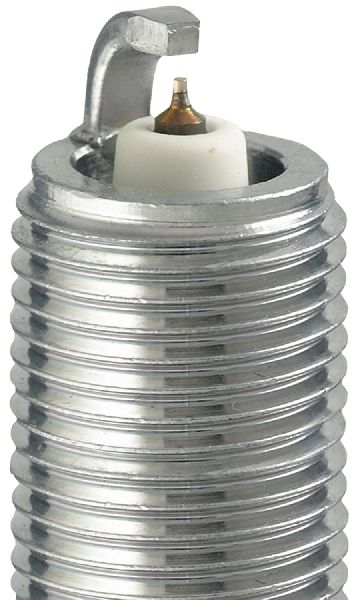
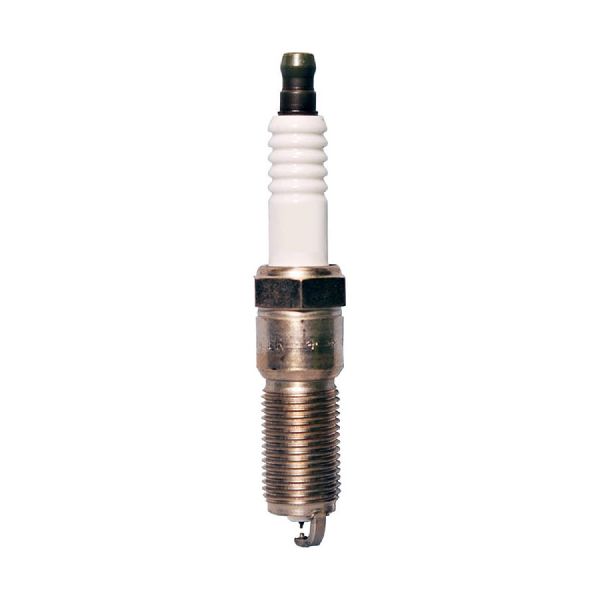
- Worn or Fouled Spark Plug 🔴 High Probability → Shop Spark Plug Spark plugs are a routine maintenance item and the most frequent cause of single-cylinder misfires. On V6 models, especially the 3.5L Honda engine, oil can pool in the spark plug tubes from leaking valve cover gaskets and foul the plug or short the coil boot.
How to confirm: Remove the spark plug from cylinder 4 and inspect it for wear on the electrode, carbon buildup, oil contamination, or a white, ashy appearance from running lean. A cracked insulator is also a common cause.
Typical fix: Replace the spark plug in cylinder 4. It is highly recommended to replace all spark plugs as a set to ensure even performance and prevent future misfires. Ensure plugs are gapped correctly for your specific engine.
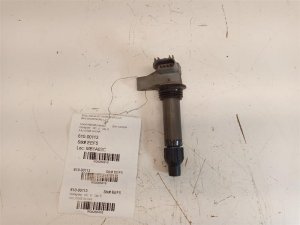
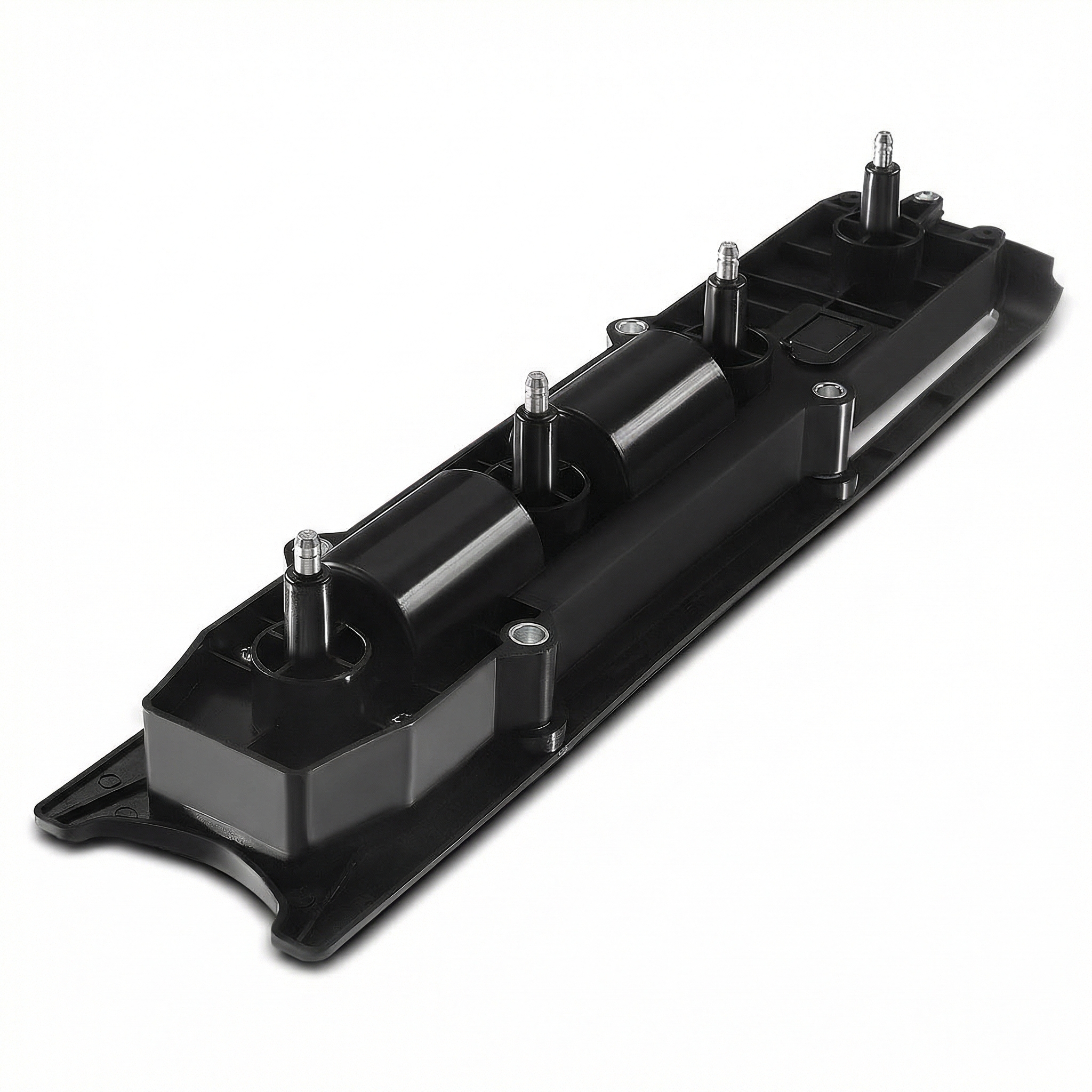
Est. part cost: $5-$25 per plug - Faulty Ignition Coil or Ignition Module 🔴 High Probability → Shop Ignition Coil On V6 engines, individual coil-on-plug units can fail from heat and vibration. On 2.2L and 2.4L 4-cylinder engines, a single ignition cassette houses all coils and the ignition control module (ICM), which is a very common failure point causing misfires on one or multiple cylinders.
How to confirm: Swap the ignition coil from cylinder 4 with an adjacent cylinder (e.g., cylinder 2). Clear the codes and drive the vehicle. If the code changes to P0302, the coil is bad. For 4-cylinder engines with a cassette, this test is not possible, and the entire unit is suspect if spark is weak or absent.
Typical fix: Replace the faulty ignition coil on V6 models or the entire ignition coil cassette on 4-cylinder models.
Est. part cost: $40-$100 for a single coil, $100-$250 for a coil cassette - Clogged or Faulty Fuel Injector 🟡 Medium Probability → Shop Fuel Injector Fuel injectors can become clogged with deposits over time, preventing the correct amount of fuel from reaching the cylinder. TSB PIP3333C notes that debris in the fuel rail can specifically affect cylinder 4 during right turns.
How to confirm: After ruling out spark issues, you can swap the fuel injector from cylinder 4 with another cylinder. If the misfire code follows the injector, it is faulty. This is a more involved diagnostic step. A less invasive test is to listen to the injector with a mechanic's stethoscope to confirm it is clicking.
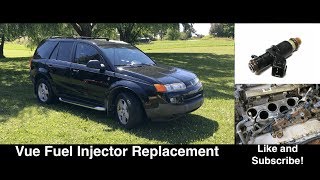
Typical fix: Replace the faulty fuel injector. 🎬 See this walkthrough for replacing 3.5L fuel injectors It's often recommended to replace them as a set or have them all professionally cleaned and flow-tested.
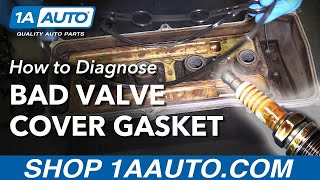
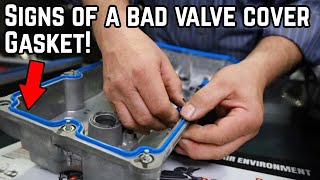
Est. part cost: $50-$150 per injector - Leaking Valve Cover Gasket (V6 Engines) 🟡 Medium Probability → Shop Engine Valve Cover On the 3.5L Honda V6, the valve cover gaskets are known to leak oil directly into the spark plug tubes. This oil soaks the ignition coil boot and spark plug, causing the spark to ground out before it reaches the plug, leading to a misfire. This is a very common repair story on Honda forums.
How to confirm: When removing the ignition coil from cylinder 4, check for liquid oil in the spark plug tube or coating the coil boot and spark plug.
Typical fix: Replace the valve cover gasket set and the spark plug tube seals (grommets). Also, replace the oil-soaked ignition coil boot and the spark plug. The rear valve cover is more difficult to access.
Est. part cost: $40-$80 for the gasket set
Rare But Worth Checking
- Low Engine Compression: Mechanical engine problems like a burnt valve, worn piston rings, a leaking head gasket, or even a spark plug that has blown its threads out of the cylinder head can cause a persistent P0304. This is less common but should be checked with a compression test if ignition and fuel system checks don't solve the issue.
- Stretched Timing Chain (3.6L V6): On 2008-2010 models with the 3.6L LY7 V6, stretched timing chains are a well-documented factory issue that can alter cam/crank correlation enough to cause misfires, often accompanied by codes like P0008, P0016, or P0017 and a rattling noise on startup. This is a significant and expensive repair.
- Bad Ground Connection (Splice Pack SP101): A case study on a 2004 VUE with a 3.5L engine showed that multiple misfire codes, including P0304, were caused by a corroded ground splice pack (SP101) located behind the left front headlamp on the frame rail. This area is prone to corrosion or damage from front-end collisions, affecting grounds for the fuel pump relay and other critical components.
Diagnosis Steps
- Read the freeze frame data with an OBD-II scanner to understand the engine conditions (RPM, load, temperature) when the code was set.
- Visually inspect the ignition system components for cylinder 4 for any obvious damage, like a cracked coil or loose connector.
- Swap the ignition coil from cylinder 4 with another cylinder (e.g., cylinder 2). Clear the codes and see if the misfire moves to the new cylinder (P0302). If it does, the coil is faulty. This is the most common and effective diagnostic step.
- If the misfire does not move, inspect the spark plug from cylinder 4. Check for wear, fouling, or damage. Check for oil in the spark plug tube (on V6 models), which would indicate a leaking valve cover gasket. Replace if necessary.
- If ignition components are good, check the fuel injector. Listen for a clicking sound with a mechanic's stethoscope. If accessible, swap the injector with another cylinder to confirm a fault.
- Check for vacuum leaks around the intake manifold using smoke or a spray like carb cleaner. Leaks are especially common on 4-cylinder models where intake gaskets can fail.
- Perform an engine compression test on cylinder 4 to rule out mechanical issues like bad valves, piston rings, or head gasket leaks. Compare the reading to other cylinders.
- For the 3.5L V6, consider performing a valve adjustment if mileage is high, as tight valves can cause misfires.
- Inspect ground connections, particularly the SP101 splice pack behind the driver's side headlight, for corrosion or damage, especially if multiple electrical issues are present or the vehicle has a history of front-end damage.
Parts You'll Likely Need
- Ignition Coil
(OEM #ACDelco D515C (3.6L V6), Delphi GN10485 (2.4L I4), Hitachi IGC0053 (3.5L V6))— A primary cause of single-cylinder misfires due to failure from heat and vibration.
Trusted brands: ACDelco, Delphi, Hitachi, NGK
OEM price range: $60-$120
Aftermarket price range: $40-$80 - Spark Plug
(OEM #ACDelco 41-981 (2.2L I4), ACDelco 41-103 (3.6L V6), NGK IZFR5K11 (3.5L V6))— The most common maintenance part to fail and cause a misfire. Different engines require specific plug types (Iridium, Platinum) and heat ranges.
Trusted brands: ACDelco, NGK, Denso
OEM price range: $10-$25
Aftermarket price range: $5-$15 - Ignition Control Module (ICM)
(OEM #ACDelco D1965A (2.2L I4))— On 2.2L and 2.4L Ecotec engines, the ICM is a very common failure point that causes single or multiple cylinder misfires. It is part of the ignition cassette assembly.
Trusted brands: ACDelco, Delphi, Standard Motor Products
OEM price range: $70-$150
Aftermarket price range: $50-$100 - Valve Cover Gasket Set (V6)
(OEM #Fel-Pro VS50621R (3.5L V6))— On V6 engines, particularly the 3.5L Honda-sourced engine, the valve cover and spark plug tube seals leak oil, which fouls the spark plugs and damages ignition coil boots.
Trusted brands: Fel-Pro, Mahle, ACDelco
OEM price range: $50-$90
Aftermarket price range: $30-$60
Related Codes That Often Appear With This One
- P0300 — If the misfire is intermittent or affects other cylinders, a P0300 (Random/Multiple Cylinder Misfire) may be stored alongside P0304. This was noted in TSB #PIP3333C.
- P0301, P0302, P0303, P0305, P0306 — If other cylinder-specific misfire codes are present, it may point to a systemic issue like a weak fuel pump, vacuum leak, or a bad ground connection affecting multiple cylinders.
- P0016, P0017 (3.6L V6) — These codes indicate a crankshaft/camshaft correlation issue, often appearing with misfire codes on the 3.6L V6 when the timing chains have stretched.
Technical Service Bulletins (TSBs) & Recalls
- PIP3333C — Addresses an intermittent misfire on cylinder 1 during left turns or cylinder 4 during right turns, potentially setting P0300, P0301, or P0304. It suggests that if standard diagnostics fail, the cause may be fuel contamination (like water or debris) sloshing in the fuel rail and temporarily clogging the injector for cylinder 4. (2014-10-07)
- PIP5628G — A general bulletin for 2010 models with the 3.6L V6, indicating that GM was actively gathering data on P0300-P0308 codes, highlighting the complexity of diagnosing misfires on this engine. (N/A)
Platform-Specific Known Issues
- TSB #PIP3333C mentions the potential for intermittent misfires (including P0304) that may be difficult to diagnose using standard procedures, suggesting a potentially elusive underlying cause.
- On 2.2L Ecotec engines (2004-2007), the entire ignition coil cassette, which includes the ignition control module, is a common failure point that can cause a P0304 code.
- On V6 models, leaking valve cover gaskets can cause oil to fill the spark plug wells, shorting out the ignition coil and causing a misfire.
- On 3.6L V6 models (2008-2010), stretched timing chains are a well-documented problem that can lead to misfire codes.
Mechanic-Grade Diagnostic Values
- Fuel Pressure (Key On, Engine Off) — expected: 50-60 psi. Failure: Pressure below 50 psi can indicate a weak fuel pump or clogged filter, potentially causing a lean misfire.
- Ignition Coil Primary Resistance (V6 Models) — expected: 0.4 - 2.0 ohms. Failure: A reading of 0 ohms indicates a short, while a very high or infinite reading indicates an open circuit. Either requires coil replacement.
- Ignition Coil Secondary Resistance (V6 Models) — expected: 6,000 - 15,000 ohms (6k-15k Ω). Failure: A reading outside the manufacturer's specified range indicates a faulty coil winding.
- Ignition Control Module (ICM) Power Supply — expected: Battery Voltage (approx. 12.6V). Failure: With the key in the 'Run' position, voltage significantly below battery voltage at the ICM's main power wire suggests a wiring or ignition switch problem.
- Valve Clearance (3.5L Honda V6 - L66) — expected: Intake: 0.20-0.24 mm (0.008-0.009 in); Exhaust: 0.28-0.32 mm (0.011-0.013 in). Failure: Exhaust valves, in particular, tend to tighten over time, reducing clearance and causing compression loss and misfires.
Hidden / Shadow Codes Worth Checking
- Mode 6 Misfire Counters: Most GM vehicles store misfire counts for each cylinder that can be viewed with an advanced scan tool. These counters track misfires even if they aren't frequent enough to set a P030x code, which is useful for diagnosing intermittent issues. (see via An advanced OBD-II scanner or dealer tool (Tech2/GDS2) capable of displaying Mode 6 test results. The specific Test ID (TID) and Component ID (CID) will correspond to cylinder 4 misfire data.)
Scan Tool Commands That Help
- GM Tech2 / GDS2: Cylinder Power Balance Test — This function allows a technician to deactivate individual fuel injectors one at a time. If disabling cylinder 4 causes little to no drop in engine RPM compared to other cylinders, it confirms cylinder 4 is not contributing power, verifying the misfire.
- GM Tech2 / GDS2: ECM Reprogramming — For the 3.6L V6, GM issued TSBs related to timing chain wear that included an ECM software update. This update often recalibrated the Oil Life Monitor (OLM) to recommend shorter oil change intervals to prevent future chain wear.
Wiring & Ground Locations
- G106 — On the engine, at the left front top corner (2008-2009 models).. This is a primary engine ground point for the Engine Control Module (ECM). A loose or corroded connection here can cause erratic sensor readings and misfires.
- G107 — At the rear of the engine (V6 models).. This engine-to-chassis ground is critical for stable operation of sensors and ignition components. A poor connection can cause unexplained electrical faults.
- SP101 (Splice Pack) — Behind the left front headlight assembly on the frame rail.. This splice pack contains multiple ground connections. Corrosion here is a known issue that can affect the fuel pump relay and other systems, leading to misfires as noted in the Pass 2 analysis.
- ECM Connector X2, Pin 73 (2.4L Engine) — This is the main ground pin for the ECM on its larger X2 connector.. A case study of a no-start VUE traced the issue to this specific ground. While a no-start is more severe, a poor connection at this pin could certainly cause intermittent issues like a single cylinder misfire.
Real Owner Repair Stories
- YouTube video summary (2007 Saturn Vue (engine not specified, but likely V6 based on codes)) — Engine misfire with codes P0304, P0300, and P0302.
❌ Tried (didn't work) Replaced and gapped spark plugs, Swapped ignition coils (misfire did not move from cylinder 4), Performed compression test (all cylinders good), Performed fuel pressure test (pressure was in range with no leaks), Verified spark was present at the plug
✅ What actually fixed it The fuel injector for cylinder 4 was faulty and had to be replaced. - The Car Doctor YouTube Channel (Saturn Vue (likely 3.5L V6 based on context)) — Multiple misfire codes including cylinder 4. Ignition coil was stuck in the cylinder head.
❌ Tried (didn't work) Initial attempt to simply replace the coil and plug.
✅ What actually fixed it The spark plug had been improperly torqued and blew its threads out of the aluminum cylinder head. The fix required tapping new threads and installing a thread repair insert (like a Heli-Coil), followed by a new spark plug and ignition coil. - Reddit user, r/Saturn_Cars (2008 Saturn Vue 3.6L V6) — Misfires on the entire rear bank of cylinders (1, 3, 5) after replacing valve cover gaskets.
❌ Tried (didn't work) Checking fusible links.
✅ What actually fixed it The ground wire for the bank 1 ignition coils had become brittle and broke near the power steering pump reservoir during the previous repair. Splicing and repairing the broken ground wire resolved all misfires.
"I Checked Everything" — The Actual Cause
- In a documented case on a 2007 VUE, the owner performed all standard ignition and compression checks, which passed, and fuel pressure was also normal. A smoke test for vacuum leaks would have come back clean. The root cause was not a vacuum leak but a faulty #4 fuel injector, which requires electrical testing or swapping to diagnose.
When the Usual Fixes Don't Work
- While swapping the ignition coil is the most common diagnostic step, it is not a guaranteed method. In one owner's documented case, the P0304 code did not move when the coil was swapped to another cylinder. After extensive testing of spark, compression, and fuel pressure, the actual cause was found to be a bad fuel injector on cylinder 4. This highlights the need to test the fuel system even when an ignition fault seems most likely.
- Another counterexample to a simple parts swap is the case of a spark plug blowing out of the cylinder head. A technician might replace the coil and plug, but the misfire would immediately return because the root cause—destroyed threads in the head—was not addressed. This turns a simple misfire diagnosis into a significant mechanical repair involving thread inserts.
OEM Part Supersession History
Varies (Early, pre-2012 designs)→Kit P/N 12650230 (For 2007 LY7 Models) or similar updated kits— The original timing chains on the 3.6L LY7 V6 were prone to premature stretching.
Heads up: It is critical to use the correct, updated timing chain kit for the specific engine and model year. Using an older design chain will lead to a repeat failure.
Model Year Variations Within This Range
- 2008-2010 (3.6L LY7 V6): GM issued a Special Coverage Program (#11340) that extended the warranty for timing chain failure to 10 years/120,000 miles and included an ECM reprogram to shorten oil change intervals. Vehicles serviced under this program may have more robust chains and different software logic for the oil life monitor.
Helpful Videos


![Top 5 Symptoms of a BAD TIMING CHAIN [What to Look Out For]](https://img.youtube.com/vi/7beQX8cE-18/mqdefault.jpg)
Used OEM Parts in Stock
New Aftermarket Parts Available

The information in this article is provided for general reference and educational purposes only. Vehicle specifications, procedures, and part compatibility can vary by production date, trim level, and region. Always consult your vehicle's factory service manual and verify part numbers before purchasing or performing repairs. Safety-critical components such as airbags, seat belts, and braking systems should be installed by a qualified professional.
- Saturn VUE:
- 🧭 Diagnostic Flowchart
- 🎬 Helpful Videos
- 🛍️ Shop This Part
- What's Unique About the 2004-2010 Saturn VUE
- Symptoms You May Notice
- Most Likely Causes
- Rare But Worth Checking
- Diagnosis Steps
- Parts You'll Likely Need
- Related Codes That Often Appear With This One
- Technical Service Bulletins (TSBs) & Recalls
- Platform-Specific Known Issues
- Mechanic-Grade Diagnostic Values
- Hidden / Shadow Codes Worth Checking
- Scan Tool Commands That Help
- Wiring & Ground Locations
- Real Owner Repair Stories
- "I Checked Everything" — The Actual Cause
- When the Usual Fixes Don't Work
- OEM Part Supersession History
- Model Year Variations Within This Range
- 🎟️ Get 5% Off