

P0304 on 2007-2017 Toyota Camry: Cylinder 4 Misfire Causes and Fixes
For a 2007-2017 Toyota Camry, code P0304 almost always points to a bad ignition coil or a worn-out spark plug on cylinder 4. Swapping the coil with another cylinder is the fastest way to diagnose the problem. Expect to pay around $40-$80 for a quality aftermarket ignition coil (like Denso) and $10-$20 for an Iridium spark plug. On 2007-2009 models with the 2.4L 2AZ-FE engine, oil consumption can foul the plug, making it a primary suspect.
- P0304 means cylinder 4 is misfiring.
- The most likely cause is a bad ignition coil, followed by a worn spark plug.
- The easiest way to diagnose a bad coil is to swap it with one from another cylinder and see if the misfire code follows it.
- If the check engine light is flashing, pull over and stop driving to prevent catalytic converter damage.
- Always replace spark plugs in a full set for best results.
What's Unique About the 2007-2017 Toyota Camry
The 2007-2017 Camry spans two generations (XV40 and XV50) and uses three primary engines: the 2.4L 2AZ-FE (2007-2009), the 2.5L 2AR-FE (2010-2017), and the 3.5L V6 2GR-FE (2007-2017). For this code, the cause is overwhelmingly related to the ignition system. Unlike some other platforms where fuel injectors or mechanical issues are common culprits for misfires, on the Camry, the diagnostic process almost always starts and ends with the ignition coil and spark plug for the specific cylinder. The earlier 2AZ-FE engine was known for excessive oil consumption due to a piston ring design flaw, which often fouls spark plugs and is a primary cause for P0304 in those model years. Toyota addressed this with TSB T-SB-0094-11.
Generation note: This guide covers the XV40 (2007-2011) and XV50 (2012-2017) generations of the Toyota Camry. The diagnostic process for a P0304 code is nearly identical for both generations and for all three engine types (2AZ-FE, 2AR-FE, 2GR-FE). The primary differences will be the specific part numbers for ignition coils and spark plugs and the higher likelihood of oil-fouled plugs on the 2007-2009 2AZ-FE engine.
Symptoms You May Notice
- Rough or shaky idle
- Hesitation or stumbling during acceleration
- Noticeable loss of engine power
- Flashing or solid Check Engine Light
- Reduced fuel economy
- Smell of unburned fuel from the exhaust
- Vehicle stalling
- Replacing the fuel pump when only a single cylinder is misfiring. A fuel pump issue would typically cause random misfires on multiple cylinders (P0300).
- Replacing oxygen sensors. While a faulty O2 sensor can affect the air-fuel mixture, it is unlikely to cause a consistent misfire on only one cylinder.
Most Likely Causes
- Faulty Ignition Coil 🔴 High Probability → Shop Ignition Coil Ignition coils are a common wear item on most modern engines, including all Camry engines from this period. Heat cycles and age cause the internal windings to fail, leading to a weak or non-existent spark. They are often referred to as a component that these engines 'eat for lunch'.
How to confirm: Swap the ignition coil from cylinder 4 with an adjacent cylinder (e.g., cylinder 2 on a 4-cyl, or cylinder 2 or 6 on a V6). Clear the codes and drive the car. If the code changes to P0302 or P0306, the ignition coil is faulty. This is the universally accepted first diagnostic step. 🎬 Watch this DIY diagnostic and repair guide for Camry misfires.
Typical fix: Replace the faulty ignition coil. It is often recommended to replace all coils if they are original and the vehicle has high mileage.
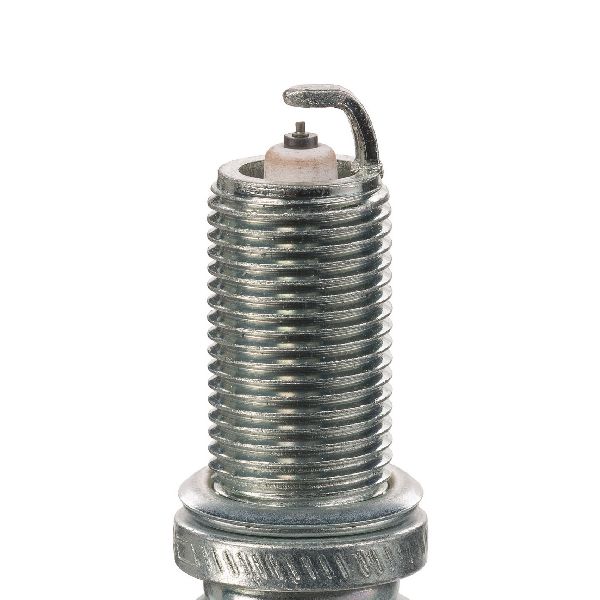
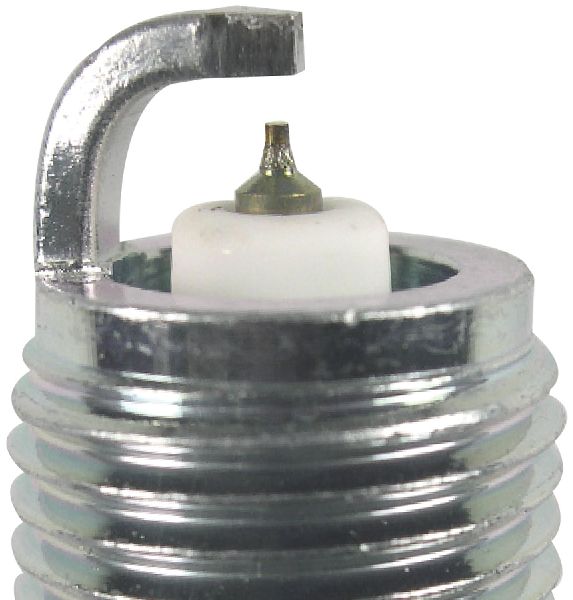
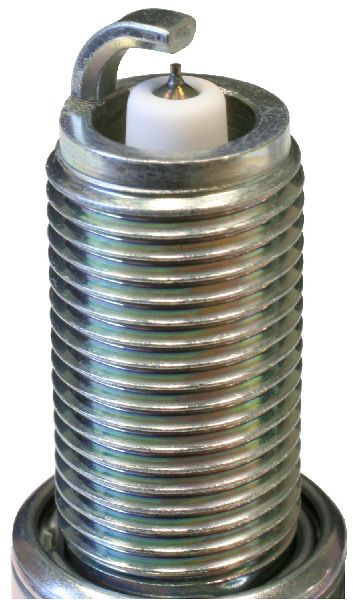
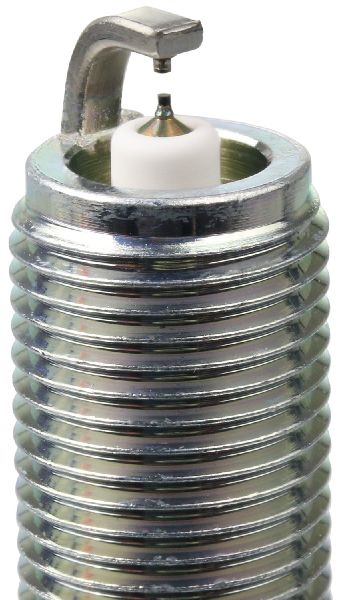
Est. part cost: $40-$80 - Worn or Fouled Spark Plug 🔴 High Probability → Shop Spark Plug Spark plugs have a finite service life (typically 80-120k miles for Iridium plugs). As the electrodes wear, the gap increases, requiring more voltage to create a spark. Oil fouling is a very common cause on 2007-2009 2AZ-FE engines due to a known oil consumption issue (TSB T-SB-0094-11), which can saturate the plug and prevent a proper spark.
How to confirm: After confirming the ignition coil is good, remove the spark plug from cylinder 4. Inspect it for wear, heavy carbon buildup, oil residue, or a cracked insulator. Even if it looks okay, if it's past its service interval, it should be replaced.
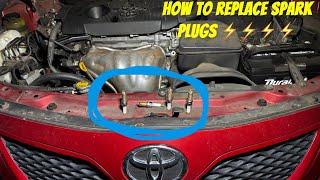
Typical fix: Replace the spark plug. It is best practice to replace all spark plugs at the same time to ensure consistent performance. 🎬 See this step-by-step guide on how to replace your spark plugs.
Est. part cost: $10-$20 - Clogged or Faulty Fuel Injector 🟡 Medium Probability → Shop Fuel Injector Fuel injectors can become clogged with deposits over time, preventing them from delivering the correct amount of fuel. While reliable, failures are not unheard of and can cause a misfire isolated to one cylinder.
How to confirm: Listen to the injector with a mechanic's stethoscope or a long screwdriver; you should hear a consistent clicking sound. For a more definitive test, you can swap the cylinder 4 injector with another cylinder (e.g., cylinder 1). If the misfire code changes to P0301, the injector is the culprit. This is a more labor-intensive job than swapping coils.
Typical fix: Clean or replace the faulty fuel injector. If replacing, it's wise to consider replacing them as a set on high-mileage vehicles.
Est. part cost: $70-$150
Rare But Worth Checking
- Vacuum Leak: A vacuum leak from a cracked hose or a bad intake manifold gasket near cylinder 4 can lean out the air-fuel mixture and cause a misfire. This is less common for a single-cylinder misfire code but should be checked with a smoke test if other causes are ruled out.
- Low Cylinder Compression: This indicates a more serious internal engine problem, such as a burnt valve, worn piston rings, or a bad head gasket. A compression test is needed to confirm this after all other causes have been ruled out. On the 2GR-FE, oil leaks at the front timing cover or head gaskets can occur over time.
- Ignition Coil Connector/Wiring: → Shop Ignition Coil The plastic connector for the ignition coil can become brittle and break, or the wiring itself can be damaged, leading to an intermittent connection and misfire. A wiggle test on the harness while the engine is running can sometimes reveal this issue.
- Faulty ECM/ECU: In very rare cases, the driver circuit within the Engine Control Module (ECU) that fires the ignition coil can fail. This typically happens after all other components (coil, plug, injector, wiring) have been replaced and the misfire persists on the same cylinder. TSB Bulletin #T-TT-0462-17 notes that technicians have found corrosion and water in the A43 ECM connector can lead to P0304 and other drivability codes.
Diagnosis Steps
- Read the code with an OBD-II scanner to confirm P0304 is the primary code.
- Identify cylinder 4. On 4-cylinder engines (2AZ-FE, 2AR-FE), it's the cylinder on the far right (driver's side in the US), as the order is 1-2-3-4 from the passenger side (belt side) to the driver side (transmission side). On the V6 (2GR-FE), it's the middle cylinder on the front bank (closest to the radiator).
- Swap the ignition coil from cylinder 4 with another easily accessible cylinder (e.g., cylinder 2 on a 4-cyl, or cylinder 2 on the V6's front bank).
- Clear the codes and drive the vehicle until the check engine light returns.
- Re-scan for codes. If the code has moved (e.g., to P0302), the ignition coil is the problem. Replace it.
- If the code remains P0304, move the spark plug from cylinder 4 to the cylinder you just used for the coil swap. Clear codes and re-test. If the code moves, the spark plug was the issue. Replace it (preferably the whole set).
- If the misfire still stays on cylinder 4, inspect the ignition coil connector and its wiring for any damage, corrosion, or looseness.
- If wiring is good, the next step is to check the fuel injector. Listen for a steady clicking sound. For a definitive test, swap the injector with another cylinder (more advanced DIY).
- If all else fails, perform a cylinder compression test to check for mechanical engine problems like worn piston rings or a bad valve. This is especially important on high-mileage 2AZ-FE engines known for oil consumption.
Parts You'll Likely Need
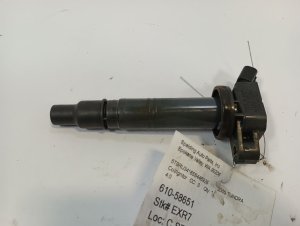
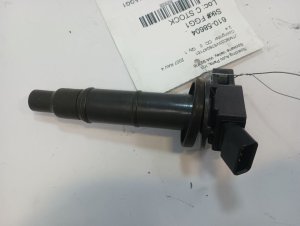
- Ignition Coil
(OEM #90919-02258 or 90919-A2007 (for 2AR-FE 2.5L & 2GR-FE 3.5L), 90919-02244 (for 2AZ-FE 2.4L))— This is the most frequent cause of a single-cylinder misfire on the Camry.
Trusted brands: Denso (OEM supplier), NGK, Delphi
OEM price range: $90-$120
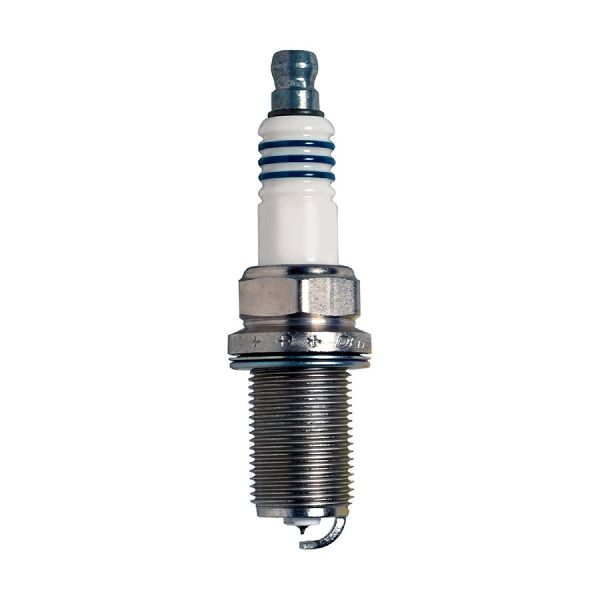
Aftermarket price range: $40-$80 - Spark Plug
(OEM #90919-01233 (Denso SK16HR11 Iridium for 2AR-FE 2.5L), 90919-01247 (Denso SK20R11 Iridium for 2AZ-FE 2.4L), 90919-01249 (Denso FK20HR11 Iridium for 2GR-FE 3.5L))— Spark plugs are a routine maintenance item and a common cause of misfires when worn or fouled, especially from oil on the 2AZ-FE engine.
Trusted brands: Denso (OEM supplier), NGK
OEM price range: $15-$25
Aftermarket price range: $10-$20
Related Codes That Often Appear With This One
- P0300 — If the misfire becomes more widespread, or if the initial cause (like low fuel pressure) affects all cylinders, a P0300 (Random/Multiple Cylinder Misfire) may appear alongside P0304.
- P0301, P0302, P0303, etc. — If other cylinders are also misfiring due to a common problem like old spark plugs or low fuel pressure, their respective codes may also be stored. TSB Bulletin #T-SB-0148-19 provides repair procedures for instances where multiple misfire codes, including P0304, are detected.
Technical Service Bulletins (TSBs) & Recalls
- T-SB-0094-11 (Rev2): Titled '2AZ-FE Engine Oil Consumption', this TSB is critical for 2007-2009 Camry models. It details the issue of oil cons
- TSB Bulletin #T-SB-0072-19: This bulletin notes that drivability concerns and DTCs such as P0304 can be caused by corrosion or water in the A43 ECM connector, which may also result in low or no fuel pressure.
Platform-Specific Known Issues
- 2AZ-FE Oil Consumption Fouling Plugs: The 2.4L 2AZ-FE engine (2007-2009 4-cylinder models) is notorious for excessive oil consumption due to a flawed piston ring design. This was addressed by Toyota in Technical Service Bulletin T-SB-0094-11. The oil burning frequently fouls the spark plug in cylinder 4, causing a persistent P0304 code. The official fix was a replacement of pistons and rings, but the warranty extension for this has expired.
- 2AR-FE VVT Gear Rattle: The 2.5L 2AR-FE engine can develop a knocking or rattling sound on cold starts due to a failing VVT-i camshaft gear. While this typically sets timing-related codes, a severe issue could potentially contribute to rough running and misfires.
Mechanic-Grade Diagnostic Values
- Fuel Injector Resistance (All Engines) — expected: 11.6 - 12.4 Ohms at 68°F (20°C). Failure: A reading outside this range indicates an internal electrical fault in the injector.
- Ignition Coil Secondary Resistance (2AZ-FE) — expected: Cold: 9.7-16.7 kOhms, Hot: 12.4-19.6 kOhms. Failure: Readings outside of the specified range suggest a faulty coil winding.
- Short-Term and Long-Term Fuel Trims — expected: Between -5% and +5%. Failure: High positive values on one bank can indicate a vacuum leak near cylinder 4, while high negative values could point to a leaking injector.
- Ignition Coil Power Supply Voltage (Key On, Engine Off) — expected: 9 to 14 Volts. Failure: Low or no voltage at the ignition coil connector (harness side) indicates a wiring or fuse issue upstream of the coil.
Hidden / Shadow Codes Worth Checking
- Mode $06, TID $A2-$AF, CID $04: Professional scan tools can access Mode $06 data, which contains raw misfire counts for each cylinder before they are high enough to trigger a Check Engine Light. The Component ID (CID) for cylinder 4 is $04. Monitoring this can help diagnose intermittent misfires. (see via A professional OBD-II scan tool with Mode $06 capability.)
Scan Tool Commands That Help
- Toyota Techstream: Power Balance Test — This active test allows the technician to individually disable the fuel injector for each cylinder. If disabling cylinder 4 causes no change in engine RPM or smoothness, it confirms that cylinder 4 was not contributing to engine power, pinpointing the location of the misfire.
Wiring & Ground Locations
- Ignition Coil Connector (Cylinder 4) — On top of the valve cover, connected to the cylinder 4 ignition coil.. The plastic locking tab on this connector is known to become brittle and break, leading to a loose connection that can cause an intermittent P0304. The IGT4 (Ignition Timing) signal wire from the ECM to this connector is what commands the coil to fire.
- ECM Ground Pins (e.g., E1, E01, E02) — Located on the Engine Control Module (ECM) itself, with wires grounding to the chassis or engine block.. A poor ground connection for the ECM can cause a wide range of issues, including erratic behavior of the ignition coil drivers, potentially leading to misfires. Verifying these grounds are clean and tight is a crucial step in advanced diagnosis.
- IGN Fuse / EFI Relay — Typically located in the under-hood fuse/relay box.. The IGN fuse (typically 10A) and EFI relay provide the main power to the ignition coils. While a failure here would likely affect all cylinders, an intermittent fault could present unpredictably.
Real Owner Repair Stories
- ToyotaNation Forum (2009 Toyota Camry 2.4L 2AZ-FE, 150,000 miles) — Persistent P0304 code, rough idle.
❌ Tried (didn't work) Replaced spark plug multiple times, Swapped ignition coils (misfire did not move), Swapped fuel injectors (misfire did not move)
✅ What actually fixed it A leak-down test revealed poor cylinder sealing. The root cause was determined to be a scored cylinder wall from the known excessive oil consumption issue. The final fix was a short block replacement. - CamryForums (2010 Toyota Camry V6 3.5L 2GR-FE) — P0304 code appeared intermittently, especially after hitting bumps.
❌ Tried (didn't work) Swapped ignition coil with cylinder 2 (code remained P0304), Replaced spark plug for cylinder 4
✅ What actually fixed it The owner noticed the plastic locking tab on the ignition coil electrical connector was broken. The connector was vibrating loose from the coil. Replacing the connector pigtail provided a secure connection and resolved the misfire permanently. - NHTSA ODI #11665224 — An owner reported that the engine began shaking and most dashboard warning lights turned on while experiencing a persistent P0304 error code.
- NHTSA ODI #11623185 — In a cross-manufacturer report, a vehicle experienced a loss of power and was diagnosed with multiple codes including P0300, P0302, P0303, and P0304, requiring the replacement of several undisclosed parts.
OEM Part Supersession History
90919-02252→90919-02258, 90919-A2007— Standard manufacturer revision for improved reliability, internal materials, or manufacturing process.
Heads up: While all versions may fit, it is always best practice to use the latest superseded part number available from Toyota, as it contains the most recent reliability updates.
Model Year Variations Within This Range
- 2007-2009: These years used the 2.4L 2AZ-FE engine, which is highly prone to oil consumption issues that foul spark plugs, making a fouled plug a much higher probability cause for P0304 than in later models.
- 2010-2017: These years primarily used the 2.5L 2AR-FE 4-cylinder, which resolved the oil consumption problems of the 2AZ-FE. For these models, a P0304 is more likely to be a standard ignition coil or spark plug failure due to age/mileage rather than oil fouling.
Diagnostic Flowchart
Real Owner Stories
Aggregated from forums and TSBs cited above. Mileages and costs reflect what owners reported in those sources.
Toyota Camry
Symptoms: Experienced a P0304 misfire. Swapping the ignition coil and spark plug to another cylinder resulted in no change to the code.
What fixed it: Swapped the fuel injector from cylinder 4 to cylinder 2, which caused the code to change to P0302, confirming a bad fuel injector.
Source hint: ToyotaNation Forum - User describes swapping injectors to confirm fault (https://www.toyotanation.com/threads/p0304-cylinder-4-misfire.1693133/)
2007-2009 Toyota Camry (2AZ-FE)
Symptoms: Excessive oil burning and fouled spark plugs caused by clogged piston ring holes.
What fixed it: Addressed via the TSB T-SB-0094-11 inspection and repair process (owners noted looking for pink paint marks on the dipstick to confirm if the dealer had performed this).
Source hint: Reddit r/Toyota - Discussion on 2AZ-FE Oil Consumption TSB
Toyota Camry
Symptoms: Multiple persistent misfire codes that would reset immediately, even without starting the engine. Replacing coils and the wiring harness did not resolve the issue.
What fixed it: Identified as a rare ECM (Engine Control Module) failure, indicating an electrical fault at the control unit level rather than a mechanical or ignition component failure.
Source hint: Camry Forums - Discussion on rare ECM failure causing misfires (https://www.camryforums.com/forum/engine-internal-drivetrain-18/ignition-coil-primary-circuit-codes-104928/)
Related OBD-II Codes
Frequently Asked Questions
Does TSB T-SB-0094-11 apply to my Camry and will it fix my P0304 code?
Where is cylinder 4 located on my 2007-2017 Toyota Camry?
I have a 2007-2009 Camry and my cylinder 4 spark plug keeps getting covered in oil. Why?
What does a pink paint mark on my Camry's dipstick mean?
I replaced the coil, plug, and injector, but the P0304 code comes back immediately without even starting the engine. What's wrong?
Can the VVT gear rattle on my 2.5L Camry cause a P0304 misfire?
Helpful Videos

Used OEM Parts in Stock
New Aftermarket Parts Available


The information in this article is provided for general reference and educational purposes only. Vehicle specifications, procedures, and part compatibility can vary by production date, trim level, and region. Always consult your vehicle's factory service manual and verify part numbers before purchasing or performing repairs. Safety-critical components such as airbags, seat belts, and braking systems should be installed by a qualified professional.
- Toyota Camry:
- 🧭 Diagnostic Flowchart
- 🎬 Helpful Videos
- 🛍️ Shop This Part
- What's Unique About the 2007-2017 Toyota Camry
- Symptoms You May Notice
- Most Likely Causes
- Rare But Worth Checking
- Diagnosis Steps
- Parts You'll Likely Need
- Related Codes That Often Appear With This One
- Technical Service Bulletins (TSBs) & Recalls
- Platform-Specific Known Issues
- Mechanic-Grade Diagnostic Values
- Hidden / Shadow Codes Worth Checking
- Scan Tool Commands That Help
- Wiring & Ground Locations
- Real Owner Repair Stories
- OEM Part Supersession History
- Model Year Variations Within This Range
- Real Owner Stories
- Toyota Camry
- 2007-2009 Toyota Camry (2AZ-FE)
- Toyota Camry
- Related OBD-II Codes
- Frequently Asked Questions
- 🎟️ Get 5% Off