

P0304 on 2008-2013 Toyota Highlander Hybrid: Cylinder 4 Misfire Causes and Fixes
The most common cause for a P0304 code on this Highlander is a faulty ignition coil, followed by a worn spark plug. A simple 15-minute coil swap can diagnose the issue. Expect to pay around $40-$75 for a quality aftermarket coil (Denso) and $10-$15 for a spark plug (NGK/Denso).
- P0304 signifies a misfire on cylinder 4, which is on the difficult-to-access rear bank of the 3.3L V6 engine.
- The most likely causes are a bad ignition coil or a worn-out spark plug.
- Due to the labor involved in removing the intake manifold to access the rear bank, it is highly recommended to replace all three rear ignition coils and spark plugs at the same time.
- Do not ignore a flashing check engine light, as this can lead to rapid and costly damage to your catalytic converters.
- If you've recently had work done on the engine, a vacuum leak from an improperly installed intake manifold gasket is a strong possibility.
What's Unique About the 2008-2013 Toyota Highlander Hybrid
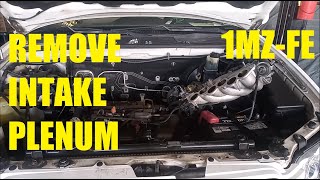
On the 3.3L 3MZ-FE V6 engine, cylinder 4 is located on the rear cylinder bank (Bank 2), closer to the firewall. This makes access for diagnosis and repair significantly more difficult than for the front cylinders (Bank 1). While the cause is often a simple ignition coil or spark plug, the labor involved is greater because the upper intake manifold (plenum) must be removed 🎬 Watch this walkthrough on how to remove the intake manifold. to reach the rear bank components. This is a common point of frustration for DIYers and increases labor costs at a shop, as it involves disconnecting various hoses, sensors, and the throttle body.
Symptoms You May Notice
- Check engine light is on or flashing
- Rough or shaky engine idle
- Hesitation or stumbling during acceleration
- Noticeable loss of engine power
- Reduced fuel economy
- Smell of raw gasoline from the exhaust
- Engine vibration, especially at lower RPM.
- Replacing only the front spark plugs and coils when the issue is in the rear bank.
- Replacing the catalytic converter when it has been damaged by a persistent misfire, without fixing the root cause of the misfire first.
- Assuming a vacuum leak is from the main intake gasket when a smaller, less visible hose like the PCV hose has been disconnected.
Most Likely Causes
- Faulty Ignition Coil 🔴 High Probability → Shop Ignition Coil Coil-on-plug systems are a common failure point on many vehicles as they age. Heat cycles eventually break down the coil's internal windings, leading to a weak or non-existent spark.
How to confirm: Swap the ignition coil from cylinder 4 with one from an easily accessible front cylinder (e.g., cylinder 5). This requires removing the intake manifold. Clear the codes and drive the vehicle. If the code changes to P0305, the coil is bad.
Typical fix: Replace the faulty ignition coil. It is often recommended to replace the spark plug at the same time. Due to the difficult access, many owners and shops choose to replace all three rear coils and plugs at once as a preventative measure.
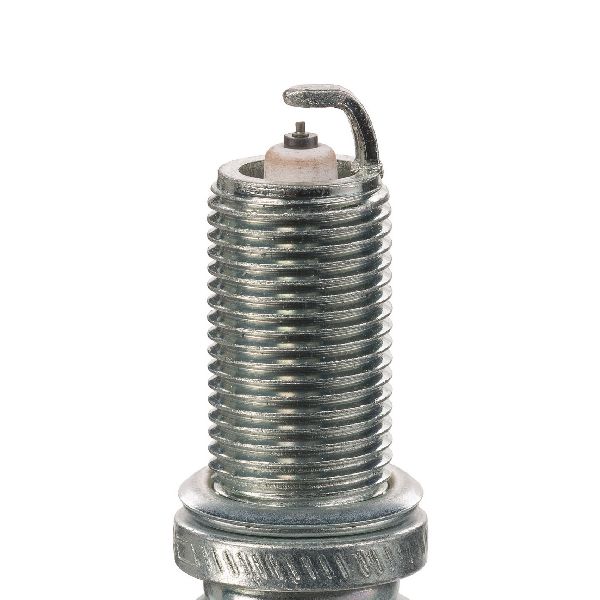
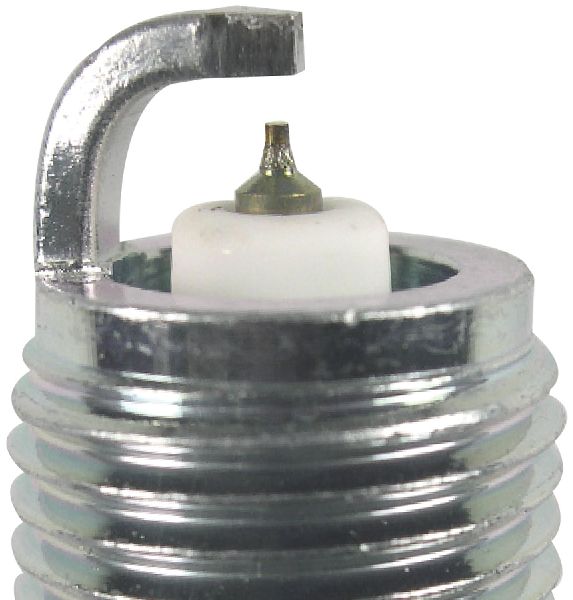
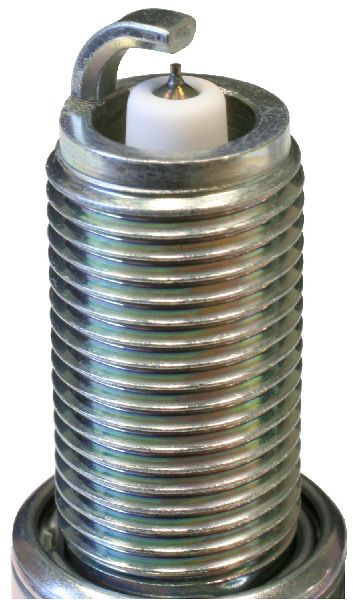
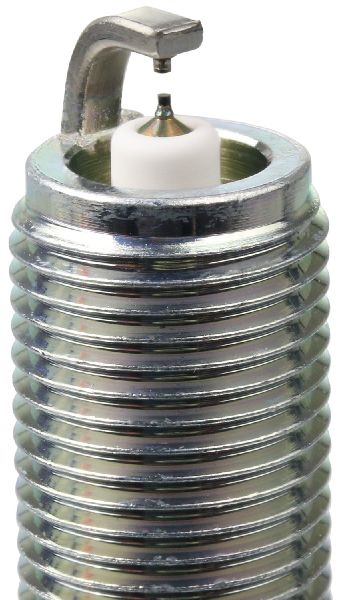
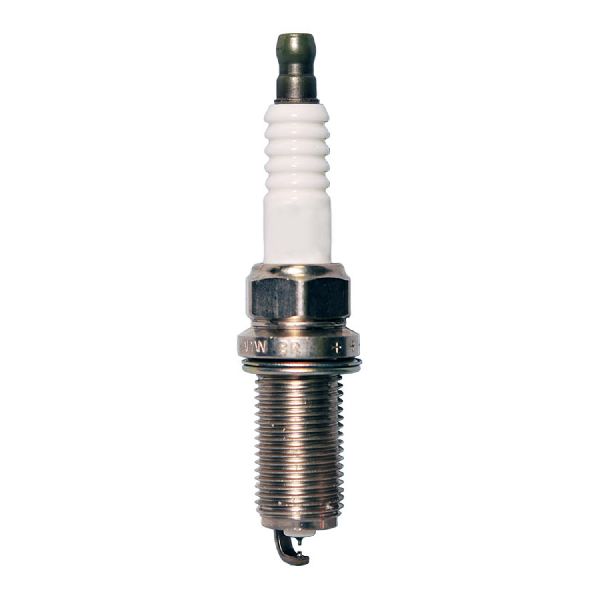
Est. part cost: $40-$75 - Worn or Fouled Spark Plug 🔴 High Probability → Shop Spark Plug The rear bank spark plugs are difficult to access, leading to them being neglected during routine maintenance. The factory service interval is 120,000 miles for the original iridium plugs, but they can fail earlier or be fouled by oil consumption.
How to confirm: After confirming the ignition coil is good, remove the spark plug from cylinder 4. Inspect for wear (worn electrode), carbon fouling, oil, or coolant contamination. The correct gap is 1.1 mm (0.043 in).
Typical fix: Replace the spark plug. It is best practice to replace all six spark plugs at the same time to ensure consistent performance. Given the labor to access the rear bank, this is strongly recommended.
Est. part cost: $10-$20 per plug - Clogged or Faulty Fuel Injector 🟡 Medium Probability → Shop Fuel Injector
How to confirm: If a new coil and plug do not resolve the misfire on cylinder 4, the injector is the next likely cause. A professional can perform a fuel injector balance test. A DIY method is to listen to the injector with a mechanic's stethoscope to ensure it's clicking; however, this doesn't confirm flow. Resistance can also be checked with a multimeter; the standard resistance is 13.4 to 14.2 Ohms at 20°C (68°F).
Typical fix: Replace the fuel injector for cylinder 4. This also requires removing the intake manifold. It's wise to replace the o-rings on the other injectors at the same time.
Est. part cost: $70-$150 - Vacuum Leak ⚪ Low Probability After work has been performed that required intake manifold removal (like replacing rear spark plugs), an improperly seated intake manifold gasket or a disconnected PCV hose are common causes of vacuum leaks and misfires. These rubber hoses can become hard and brittle over time.
How to confirm: With the engine running, listen for a hissing sound. Spraying short bursts of brake cleaner or unlit propane around the intake manifold gaskets can help locate a leak; if the engine RPM changes, a leak is present. A smoke test is a more precise method.
Typical fix: Replace the intake manifold gaskets and ensure the manifold is torqued to specification. Reconnect any disconnected vacuum or PCV hoses.
Est. part cost: $20-$50 for gaskets
Rare But Worth Checking
- Low Engine Compression: This is a more serious mechanical issue. It could be caused by a leaking head gasket, a burnt valve, or worn piston rings. A compression test is needed to confirm. Standard pressure is 178 psi, with a minimum of 142 psi and no more than 15 psi difference between cylinders.
- Faulty Engine Control Module (ECM): → Shop Engine Control Module (ECM) While rare, the ECM itself can fail and cause a misfire code. This should only be considered after all other possibilities have been exhaustively ruled out. A manufacturer service bulletin, T-TT-0462-17, notes that technicians have found corrosion and water in the A43 ECM connector can lead to DTC P0304 and low fuel pressure.
- Bad Fuel: Water or other contaminants in the fuel can cause random or multiple cylinder misfires. One owner reported P0302 and P0304 codes appearing after a fill-up, which were resolved by using a fuel additive like Seafoam or isopropyl alcohol to absorb the water.
Diagnosis Steps
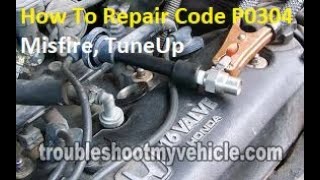
- Verify the code P0304 with an OBD-II scanner. 🎬 Watch: Part 1 of this P0304 diagnostic and tune-up guide. Note if the check engine light is flashing and check for any other codes.
- Because cylinder 4 is on the difficult-to-access rear bank, start with simple checks. Inspect wiring harnesses for any visible damage from rodents or heat.
- The most definitive diagnostic step is to swap the ignition coil from cylinder 4 with a coil from an accessible cylinder on the front bank (like cylinder 5). This requires removing the V-bank cover and the upper intake manifold (surge tank).
- After swapping the coil, clear the codes, reassemble, and drive the vehicle. If the code returns as P0305, the ignition coil is confirmed to be faulty.
- If the code remains P0304, the issue is likely the spark plug, fuel injector, or a compression problem on cylinder 4.
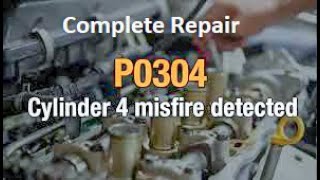
- While the intake manifold is off, it is highly recommended to inspect and replace the spark plug in cylinder 4. Given the labor, replacing all three rear plugs and coils is a good preventative measure. Be careful with brittle plastic electrical connectors during disassembly. 🎬 See the conclusion of the repair and spark plug replacement.
- If the coil and plug are confirmed good, the next step is to test the fuel injector. This can be done by checking its resistance (13.4-14.2 Ω) or having a professional perform a flow test.
- If all ignition and fuel components check out, perform a cylinder compression test to rule out mechanical engine problems like a bad valve or head gasket. Standard pressure is 178 psi, with a minimum of 142 psi.
Parts You'll Likely Need
- Ignition Coil
(OEM #90919-02246)— This is the most frequent cause of a single-cylinder misfire on the 3MZ-FE engine.
Trusted brands: Denso (OEM Supplier), NGK
OEM price range: $90-$120
Aftermarket price range: $40-$75 - Iridium Spark Plug
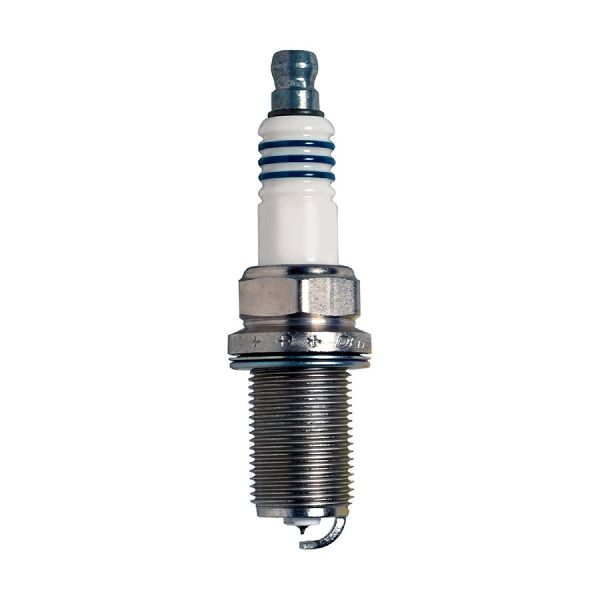
(OEM #90919-01233)— Worn or fouled spark plugs are the second most common cause. Due to difficult access to the rear bank, they are often neglected.
Trusted brands: Denso (SK20R11), NGK (IFR6A11)
OEM price range: $15-$25
Aftermarket price range: $10-$18 - Intake Manifold Gasket Set
(OEM #17171-20020 (Plenum Gasket))— Required for re-installing the intake manifold after accessing the rear coils and plugs. Reusing old gaskets is a common cause of vacuum leaks. An aftermarket example is Fel-Pro MS 96425.
Trusted brands: Fel-Pro, Mahle, Toyota OEM
OEM price range: $40-$60
Aftermarket price range: $20-$40
Related Codes That Often Appear With This One
- P0300 — If the misfire is intermittent or affects multiple cylinders, a P0300 (Random Misfire) code may appear alongside the cylinder-specific code.
- P0302, P0306 — If a vacuum leak from the intake manifold is the cause, it can affect all cylinders on that bank, leading to additional misfire codes for the other rear cylinders (2 and 6).
- P0171, P0174 — These 'System Too Lean' codes for Bank 1 and Bank 2 can be triggered by a significant vacuum leak, which can also be the root cause of the misfire.
Technical Service Bulletins (TSBs) & Recalls
- While no TSBs are specific to P0304 on this model, T-SB-0148-19 was issued for the 2019 Highlander for multiple misfire codes (P0301-P0306), indicating misfires are a known issue on the Highlander platform.
- A TSB for newer Toyota models (T-SB-0010-24 Rev2) addresses cold-start misfires caused by hydraulic lash adjusters, though this applies to different engines (A25A-FKS, M20A-FKS) and is not the primary cause for the 3MZ-FE.
- Manufacturer bulletin T-SB-0072-19 notes that some Highlander Hybrid vehicles may exhibit DTC P0304 due to corrosion or water intrusion in the A43 ECM connector, which can also cause low fuel pressure and drivability concerns.
Mechanic-Grade Diagnostic Values
- Fuel Injector Resistance — expected: 13.4 to 14.2 Ω at 20°C (68°F). Failure: Resistance outside of this range indicates a faulty injector.
- Engine Compression Pressure (Manual Gauge) — expected: Standard: 1.5 MPa (15.3 kgf/cm², 218 psi) or 178 psi depending on source. Minimum: 0.98 MPa (10 kgf/cm², 142 psi).. Failure: Pressure below minimum, or a difference between cylinders greater than 100 kPa (1.0 kgf/cm², 15 psi).
- Crankshaft Position Sensor Resistance — expected: 1,630 to 2,740 Ω (Cold). Failure: Resistance outside this range indicates a faulty sensor, which can cause misfires.
- VVT (Camshaft Position) Sensor Resistance — expected: 835 to 1,400 Ω (Cold). Failure: Resistance outside this range can indicate a faulty sensor, which may contribute to misfire codes.
Hidden / Shadow Codes Worth Checking
- Mode 6, Test ID $A2-$A7, Comp ID $01-$0C: Toyota's Mode 6 data provides raw misfire counts for each cylinder for the last 10 drive cycles. This is not a 'code' but live data that can confirm which cylinder is misfiring and how frequently, even before the count is high enough to trigger a P030x code. Cylinder 4 would be identified by its specific component ID. (see via A professional scan tool capable of reading Mode 6 data, such as Toyota Techstream.)
Scan Tool Commands That Help
- Toyota Techstream: Active Test: Control the Select Cylinder Fuel Cut — This function allows a technician to individually shut off fuel to each cylinder. When cylinder 4 is cut, if there is no change in engine RPM or smoothness, it confirms that cylinder 4 was not contributing in the first place, pointing to a misfire on that cylinder.
- Toyota Techstream: Active Test: Check the Cylinder Compression — This is a quick, non-invasive way to get a relative compression reading. The tool cranks the engine with fuel and ignition cut and measures the rotational speed of each cylinder. A cylinder with low compression will have a higher peak RPM during the test. This can quickly identify a mechanical issue before using a manual gauge.
Wiring & Ground Locations
- E01, E02 — These are common engine ground points. While specific diagrams for the Highlander Hybrid are sparse, on related Toyota platforms, these are typically located on the cylinder heads or the intake manifold.. A loose or corroded engine ground can cause a weak spark across all cylinders, but can sometimes manifest as a single cylinder misfire under load. Checking that main engine grounds are clean and tight is a crucial step if ignition and fuel causes have been ruled out.
- Ignition Coil Connector (Cylinder 4) — On top of the cylinder 4 ignition coil, on the rear cylinder bank (closest to the firewall), middle cylinder.. The 4-pin connector supplies power, ground, the IGT (trigger) signal from the ECM, and the IGF (ignition confirmation) signal back to the ECM. A damaged wire or corroded pin at this specific connector will cause a P0304. The IGF signal is particularly important, as its failure is a primary way the ECM confirms a misfire.
Real Owner Repair Stories
- YouTube video by 'multi channel' (2009 Toyota Highlander Hybrid) — Check engine light with code P0304.
❌ Tried (didn't work) The owner did not report trying other fixes first.
✅ What actually fixed it The owner performed a full tune-up, replacing all six spark plugs. Since cylinder 4 is on the difficult-to-access rear bank, this required removing the upper intake manifold. The video documents the entire process of accessing the rear bank and replacing the plugs, which resolved the code. - NHTSA ODI #11665224 — An owner reported that the engine began shaking and multiple warning lights illuminated on the dashboard after receiving error code P0304.
- NHTSA ODI #11623185 — A driver reported a loss of power and was informed by a mechanic that several undisclosed parts needed replacement after DTC codes P0300, P0302, P0303, and P0304 were retrieved.
OEM Part Supersession History
90080-19025→90919-02246— Standard part evolution and supplier changes.
Heads up: Both part numbers are widely listed as interchangeable for the 3MZ-FE engine. The newer 90919-02246 is the current recommended OEM replacement.
Diagnostic Flowchart
Other Known Issues on This Vehicle
Issues unrelated to this code that are worth knowing about as an owner of this generation:
- ABS Actuator / Pump Failure 🔴 High — Common on 2008-2010 models, often occurring around 120,000 miles. Leads to warning lights and hard brake pedal. (Ref: Customer Support Program ZKA (extended warranty) was issued for 2008-2010 models for this issue.)
- Hybrid Inverter Failure 🔴 High — A known issue on 2006-2010 models where the Intelligent Power Module (IPM) within the inverter can fail, causing the vehicle to enter limp mode or shut down entirely. (Ref: Toyota issued a recall (Safety Recall F0R) for 2006-2010 Highlander Hybrids to address this.)
- VVT-i Oil Line Rupture 🔴 High — The original rubber sections of the VVT-i and oil cooler lines are known to degrade, potentially leading to a sudden and catastrophic loss of engine oil. (Ref: An updated all-metal line was released by Toyota to permanently fix the issue.)
- Water Pump Leak 🟠 Medium — The water pump is a common failure point, often identified by leaking pink/red Toyota coolant crust around the pump area. Since the 3MZ-FE is a timing belt engine, the water pump is typically replaced along with the timing belt every 90,000 miles.
- Intermediate Steering Shaft Clunk 🟡 Low — A common issue on 2008-2013 Highlanders where a clunking or popping noise is heard from the steering column when turning at low speeds. (Ref: A known issue, often resolved by replacing the intermediate steering shaft.)
Used vs. New Parts: Buying Guide for This Vehicle
When a used part is the smart pick: For this repair, using a tested, used ignition coil or fuel injector from a reputable auto recycler can be a cost-effective option, especially if you are diagnosing the issue by swapping parts. Given the high labor cost to access the rear bank, many owners prefer new parts for peace of mind.
Donor-vehicle mileage cap: roughly under 100000 miles for the part to have meaningful remaining life.
What to inspect on the donor part:
- For ignition coils, check for cracks in the plastic housing or corrosion on the electrical pins.
- For fuel injectors, ensure the plastic connector isn't brittle or cracked, and the pintle cap and o-rings are present (though they should be replaced anyway).
- Ask the recycler for the mileage of the donor vehicle. A lower-mileage donor is always preferable.
- Check for signs of extreme heat or oil leaks on the donor part.
OEM-only on this vehicle (don't cheap out):
- Engine Control Module (ECM) - Used ECMs often have anti-theft or VIN-specific programming that makes them incompatible without dealer intervention.
Aftermarket brands forum-validated for this vehicle:
- Denso (for ignition coils, fuel injectors, and spark plugs - often the Original Equipment supplier)
- NGK (for ignition coils and spark plugs)
- Fel-Pro (for intake manifold gaskets)
Brands owners have reported issues with on this vehicle:
- Unnamed, no-brand ignition coils from online marketplaces. While cheap, they have a very high failure rate and are not worth the significant labor required to install them on the rear bank of the 3MZ-FE.
Real Owner Stories
Aggregated from forums and TSBs cited above. Mileages and costs reflect what owners reported in those sources.
2008-2013 Toyota Highlander Hybrid 3.3L V6
Symptoms: Owner experienced multiple misfire codes including P0304 after a fuel fill-up.
What fixed it: The issue was resolved by using a fuel additive.
Source hint: Electric Vehicle Forums - "Highlander Hybrid P0300 P0302 P0304"
2008-2013 Toyota Highlander Hybrid 3.3L V6
Symptoms: Misfire codes P0304 and P0306 appeared along with lean condition codes P0171 and P0174 after performing other maintenance.
What fixed it: The owner found a disconnected PCV hose that was missed during reassembly after intake manifold removal.
Source hint: YouTube.com - "Toyota/Lexus 3MZ-FE engine Misfire & Too Lean Condition"
Related OBD-II Codes
Frequently Asked Questions
Where is cylinder 4 located on the 2008-2013 Highlander Hybrid 3.3L V6?
Does TSB-0148-19 apply to my 2008-2013 Highlander Hybrid?
Why is the labor for replacing a cylinder 4 ignition coil so high on this vehicle?
Should I replace all the spark plugs if only P0304 is present?
Could my P0304 code be related to the Hybrid Inverter or ABS issues mentioned for this model?
What is the correct spark plug gap for the 3MZ-FE engine in my Highlander Hybrid?
Helpful Videos

We Have This Part in Stock

The information in this article is provided for general reference and educational purposes only. Vehicle specifications, procedures, and part compatibility can vary by production date, trim level, and region. Always consult your vehicle's factory service manual and verify part numbers before purchasing or performing repairs. Safety-critical components such as airbags, seat belts, and braking systems should be installed by a qualified professional.
- Toyota Highlander Hybrid:
- 🧭 Diagnostic Flowchart
- 🎬 Helpful Videos
- 🛍️ Shop This Part
- What's Unique About the 2008-2013 Toyota Highlander Hybrid
- Symptoms You May Notice
- Most Likely Causes
- Rare But Worth Checking
- Diagnosis Steps
- Parts You'll Likely Need
- Related Codes That Often Appear With This One
- Technical Service Bulletins (TSBs) & Recalls
- Mechanic-Grade Diagnostic Values
- Hidden / Shadow Codes Worth Checking
- Scan Tool Commands That Help
- Wiring & Ground Locations
- Real Owner Repair Stories
- OEM Part Supersession History
- Other Known Issues on This Vehicle
- Used vs. New Parts: Buying Guide for This Vehicle
- Real Owner Stories
- 2008-2013 Toyota Highlander Hybrid 3.3L V6
- 2008-2013 Toyota Highlander Hybrid 3.3L V6
- Related OBD-II Codes
- Frequently Asked Questions
- 🎟️ Get 5% Off