

P0304 on 2012-2015 Toyota Prius Plug-in: Cylinder 4 Misfire Causes and Fixes
On a 2012-2015 Prius Plug-in, code P0304 is most often caused by carbon buildup in the intake manifold's EGR passages, a known issue for the 2ZR-FXE engine. While basic causes like a bad coil or spark plug are possible, the EGR system is the primary suspect. The official fix is replacing the intake manifold, though many owners perform a detailed cleaning. This issue can escalate to head gasket failure if ignored.
- For a P0304 code on a 2012-2015 Prius Plug-in, the clogged EGR system and intake manifold is the most likely cause, not just a simple spark plug or coil issue.
- Always perform basic diagnostics first: swap the ignition coil, then the spark plug, to rule out these simpler, cheaper fixes before tackling the intake manifold.
- Toyota's official repair, per TSB T-SB-0116-15 REV, is to replace the intake manifold, not just clean it.
- Ignoring this misfire can lead to very expensive catalytic converter damage.
What's Unique About the 2012-2015 Toyota PRIUS PLUG-IN HYBRID
The 2ZR-FXE engine in this generation of Prius is known for a specific design issue. The Exhaust Gas Recirculation (EGR) system can cause heavy carbon buildup over time, clogging small passages within the intake manifold. This uneven distribution of exhaust gases often leads to misfires, particularly in cylinders 1 and 4. This issue is so well-documented that Toyota issued a Technical Service Bulletin (T-SB-0116-15 REV) recommending the replacement of the entire intake manifold to resolve it. A clogged EGR system can also lead to higher combustion temperatures, which is a known contributor to the higher-than-average rate of head gasket failure on these engines.
Diagnostic Flowchart
Tap your situation to follow the diagnostic path that matches what you're seeing on this vehicle.
Symptoms You May Notice
- Rough or shaky engine idle, sometimes described as a violent 'death rattle' for a few seconds on a cold start. 🎬 See what a cold start rough idle sounds like.
- Hesitation or lack of power during acceleration, especially light acceleration when the EGR system is active.
- Solid or flashing Check Engine Light.
- Reduced fuel economy.
- Unexplained loss of engine coolant from the reservoir with no visible external leaks.
- Engine runs rough during light acceleration (as noted in TSB T-SB-0116-15 REV).
- Replacing only the spark plugs and ignition coils without addressing the underlying EGR and intake manifold clogging. The misfire will likely return, especially if it occurs during light acceleration.
Most Likely Causes
- Clogged Intake Manifold and EGR Passages 🔴 High Probability → Shop Engine Intake Manifold The 2ZR-FXE engine's EGR system design leads to significant carbon buildup over time, which restricts or blocks the passages distributing exhaust gas to the cylinders. This is a widely known issue confirmed by Toyota's TSB T-SB-0116-15 REV. The problem is often exacerbated by oil vapor from the PCV system mixing with the EGR soot.
How to confirm: Visually inspect the EGR cooler, valve, and intake manifold passages for heavy, hard carbon deposits. The passages for cylinders 1 and 4 are often the most clogged. Disconnecting the EGR valve electrical connector temporarily may stop the misfire on a test drive, confirming the system is the cause. The presence of code P0401 is a strong confirmation.
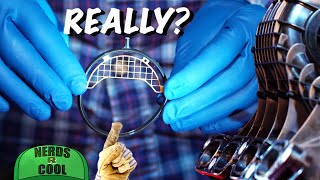
Typical fix: Toyota's official fix is to replace the intake manifold assembly with the updated part (17120-37054). Many owners successfully clean the entire EGR circuit (cooler, valve, pipe) and intake manifold. This is a labor-intensive job that involves soaking the metal components in solutions like Oxi-Clean, Simple Green, or oven cleaner, followed by scrubbing and pressure washing. 🎬 Watch: Step-by-step guide to cleaning your Prius intake manifold.
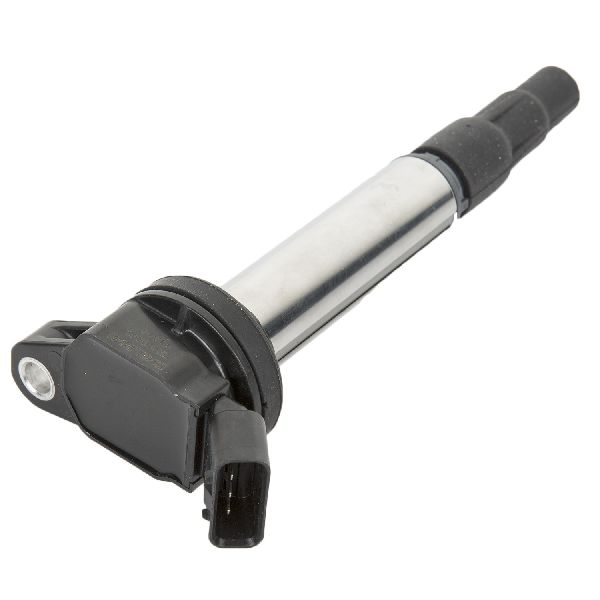
Est. part cost: $250-$400 - Failed Ignition Coil 🟡 Medium Probability → Shop Ignition Coil
How to confirm: Swap the ignition coil from cylinder 4 with another cylinder (e.g., cylinder 2). Clear the codes and drive. If the code changes to P0302, the ignition coil is faulty.
Typical fix: Replace the faulty ignition coil. It's often recommended to replace the full set if they are original and the vehicle has high mileage.
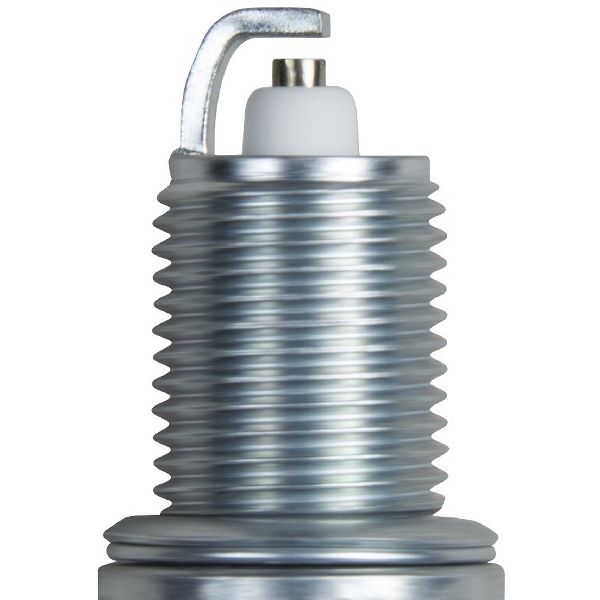
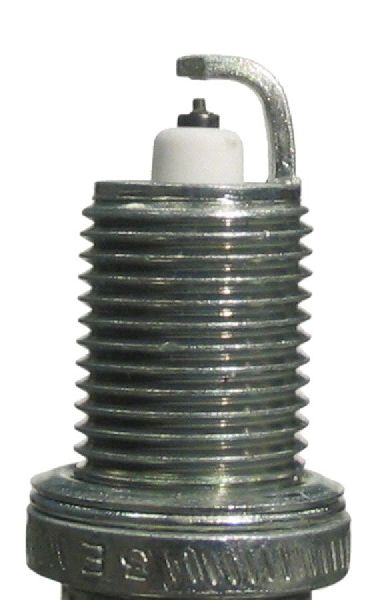
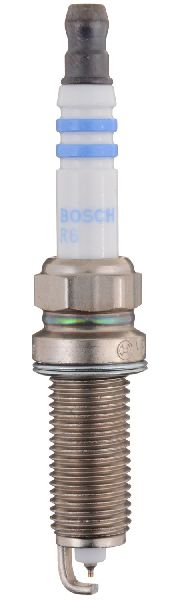
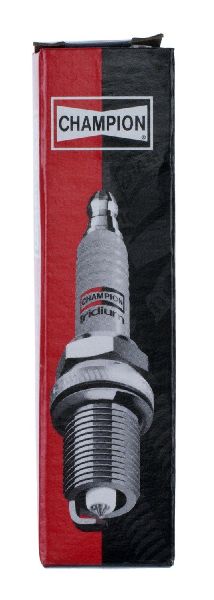
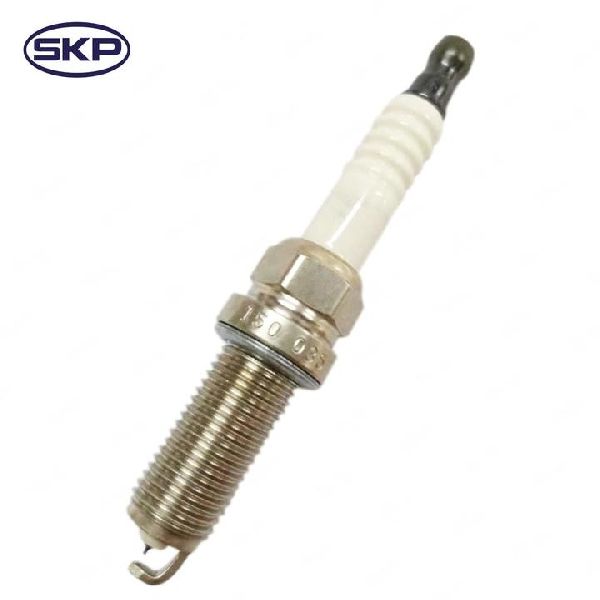
Est. part cost: $75-$130 - Worn or Fouled Spark Plug 🟡 Medium Probability → Shop Spark Plug Excessive oil consumption, another potential issue with some 2ZR-FXE engines, can foul spark plugs, leading to misfires. Coolant from a leaking head gasket can also foul the plug.
How to confirm: After confirming the coil is good, swap the spark plug from cylinder 4 to another cylinder. If the misfire code moves to the new cylinder, the spark plug is the cause. Visually inspect the plug for wear, oil, or carbon fouling.
Typical fix: Replace the faulty spark plug. It is best practice to replace all four spark plugs at the same time with the recommended Denso or NGK iridium plugs.
Est. part cost: $10-$20
Rare But Worth Checking
- Leaking Head Gasket: This Prius generation is more prone to head gasket failure than average, often as a long-term consequence of a clogged EGR system causing overheating and engine shake. Symptoms include a distinct engine rattle on cold starts ('death rattle'), unexplained coolant loss, and white exhaust smoke. Early-stage failure may not produce milky oil, making a chemical combustion leak test necessary for confirmation. 🎬 Watch: A complete walkthrough of the head gasket replacement process.
- Faulty Fuel Injector: → Shop Fuel Injector Less common than ignition or EGR issues, a clogged or failing fuel injector on cylinder 4 can cause a misfire. An injector swap can be performed for diagnosis, similar to a coil swap, but is more labor-intensive.
- Incorrect ECM Logic: Toyota issued TSB T-SB-0147-16 for some models to address misfire codes at cold start with a software update. This is a logic fix, not a mechanical one.
- PCV System Malfunction: A stuck-open PCV valve can allow excessive oil vapor into the intake manifold, contributing to the carbon buildup that clogs EGR passages. It's recommended to replace the PCV valve during an intake manifold cleaning.
Diagnosis Steps
- Read codes with an OBD-II scanner to confirm P0304 and check for others like P0401 or additional misfires.
- Perform a simple diagnostic swap. Move the ignition coil from cylinder 4 to cylinder 2. Clear the codes and drive. If the code changes to P0302, the coil is bad.
- If the code remains P0304, swap the spark plug from cylinder 4 to cylinder 2. If the code changes to P0302, the spark plug is bad.
- If ignition components are good, the next and most likely cause is the EGR system. Disconnect the EGR valve connector and perform a test drive to see if the misfire disappears. If it does, proceed with inspection and cleaning.
- Remove and inspect the intake manifold, EGR valve, and EGR cooler for heavy carbon buildup. Pay close attention to the small EGR ports inside the manifold.
- While the intake is off, it is wise to replace the PCV valve.
- If the EGR system is clean but the misfire persists, investigate the fuel injector for cylinder 4.
- If you have symptoms like a cold start rattle and coolant loss, perform a combustion leak test (block test) to check for a failing head gasket, even if the oil does not appear milky.
Parts You'll Likely Need
- Intake Manifold Assembly
(OEM #17120-37054)— This is the official manufacturer-recommended fix per TSB T-SB-0116-15 REV to resolve misfires caused by clogged EGR passages. This part number supersedes previous versions (17120-37050, -37051, -37052, -37053).
Trusted brands: Toyota (OEM)
OEM price range: $250-$400
Aftermarket price range: $150-$250 - Ignition Coil
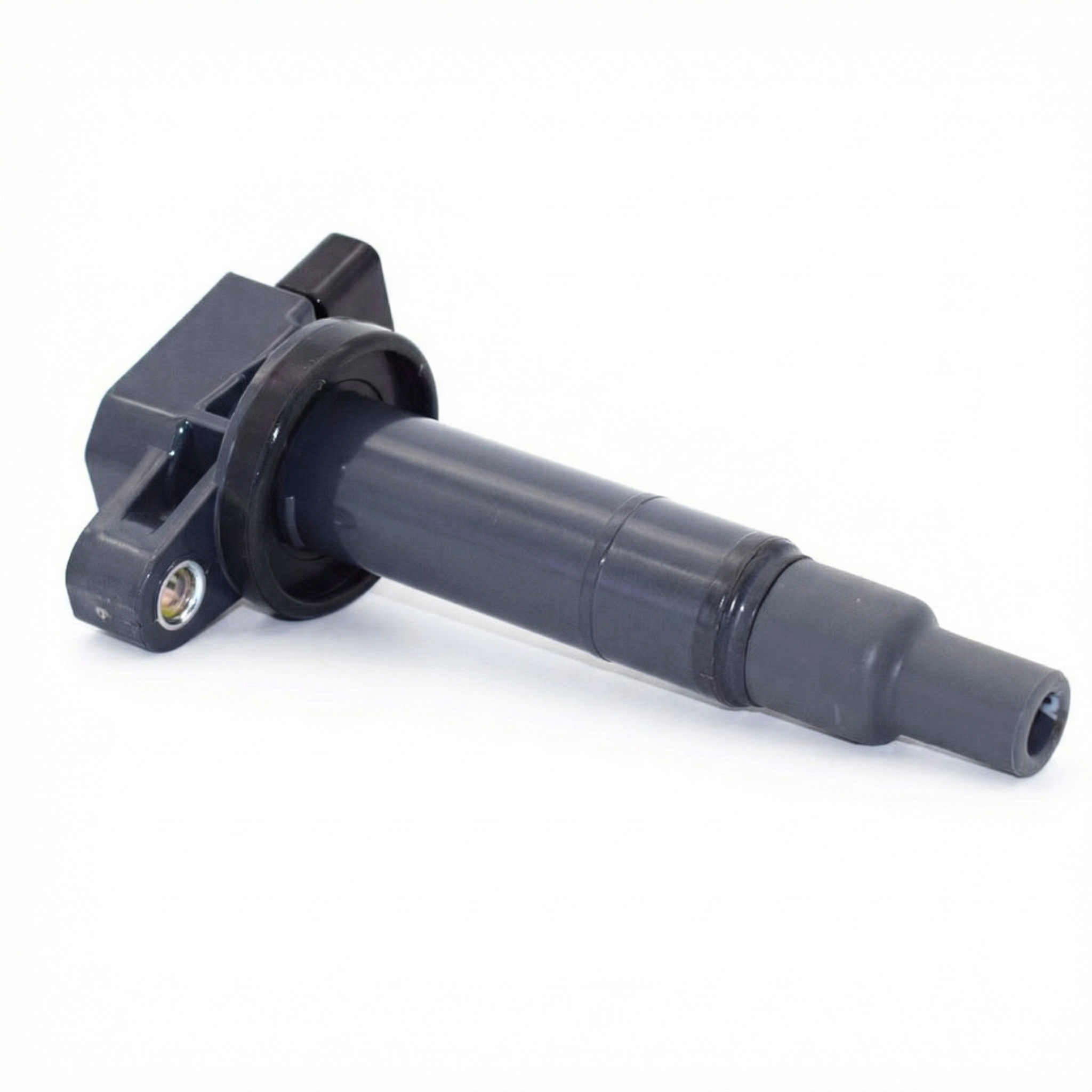
(OEM #90919-02258)— A failed ignition coil is a common cause for any single-cylinder misfire.
Trusted brands: Denso, NGK
OEM price range: $90-$130
Aftermarket price range: $40-$75 - Spark Plug
(OEM #SC16HR11)— A worn or fouled spark plug is a routine maintenance item and a frequent cause of misfires.
Trusted brands: Denso, NGK
OEM price range: $12-$20
Aftermarket price range: $8-$15
Related Codes That Often Appear With This One
- P0300 — This is a code for random/multiple cylinder misfires. It can appear with P0304 if the root cause, like a clogged EGR system or failing head gasket, begins to affect other cylinders.
- P0401 — This code for 'EGR Flow Insufficient' is very common alongside misfire codes on this Prius. The same carbon buildup that clogs the intake manifold passages also restricts flow through the EGR valve and cooler, making this code a strong confirmation of the root cause.
- P0301, P0302, P0303 — Seeing misfire codes for other cylinders points toward a systemic problem affecting the whole engine, such as the clogged intake manifold or a failing head gasket, rather than a single bad coil.
Technical Service Bulletins (TSBs) & Recalls
- T-SB-0116-15 REV: Documents the issue of misfires during light acceleration caused by the EGR system and recommends replacing the intake manifold assembly. Applies to 2010-2015 Prius, 2012-2015 Prius PHV, and 2012-2016 Prius V.
- T-SB-0147-16: Addresses an ECM logic issue that can cause misfire codes at cold start on some models, fixed with a software update.
Platform-Specific Known Issues
- Per TSB T-SB-0116-15 REV, these vehicles may exhibit a rough run condition with misfire codes (P0300-P0304) during light acceleration due to the EGR system. The bulletin explicitly states to 'REPLACE THE INTAKE MANIFOLD ASSEMBLY TO ADDRESS THIS…'
- The connection between the clogged EGR system and head gasket failure is well-documented by owners. The increased engine temperatures and violent shaking during misfires put stress on the head gasket, often leading to failure between 150,000 and 220,000 miles.
Mechanic-Grade Diagnostic Values
- Fuel Injector Resistance — expected: 11.6 to 12.4 Ω at 20°C (68°F). Failure: A reading outside this range, or a reading that is more than 0.5-1.0 Ω different from the other injectors.
- Ignition Coil Primary Resistance — expected: ~0.5 Ω (example value, varies by manufacturer). Failure: An open circuit (infinite resistance) or a significant deviation from the specification.
- Ignition Coil Secondary Resistance — expected: ~9.5 to 11.1 kΩ (example value, varies by manufacturer). Failure: An open circuit or a reading far outside the specified range.
Hidden / Shadow Codes Worth Checking
- Mode $06, TID $53: This is not a DTC, but a Test ID within the OBD-II system's Mode 6 data. It provides raw misfire counts for each cylinder over the last 10 driving cycles. For Toyota, Component ID (CID) $01 corresponds to Cylinder 1, $02 to Cylinder 2, and so on. A high count for CID $04 can confirm an intermittent misfire on cylinder 4 even before the Check Engine Light is triggered. (see via A professional scan tool like Toyota Techstream or an advanced OBD-II app (like Torque Pro) with Mode 6 capabilities.)
Scan Tool Commands That Help
- Toyota Techstream: Active Test: Control the Fuel Injector Cut — This function allows a technician to individually disable the fuel injector for any cylinder. To test for a P0304, you would cut fuel to cylinder 4. If the engine's running condition does NOT change, it confirms that cylinder 4 was not contributing (misfiring) to begin with.
- Toyota Techstream: Active Test: Control the EGR Valve Step Position — This allows manual operation of the EGR valve. A technician can command the valve open while monitoring engine RPM at idle. A smooth-running engine should stumble or stall when the EGR is opened at idle. If there is no change, it indicates the EGR passages are completely blocked.
- Toyota Techstream: Misfire Monitor (Data List vs. Monitor Screen) — The standard data list may not accurately count misfires under load. The 'Monitor' screen provides a more accurate snapshot of misfire history (EWMA) and current misfire rate for each cylinder, which is crucial for diagnosing intermittent issues that don't happen at idle.
Wiring & Ground Locations
- Engine Ground Cluster — On the left side of the engine compartment (driver's side on LHD models), there are several key ground points where multiple wires cluster into a single bolt-on terminal. One major cluster is located on the chassis near the engine room relay block.. The ignition coils rely on a solid ground connection to function. A corroded or loose ground at this main cluster can cause intermittent and hard-to-diagnose ignition problems, including misfires on one or more cylinders.
- Ignition Coil Connector (Cylinder 4) — Directly on top of the #4 ignition coil, which is the coil furthest to the left when facing the engine from the front of the car.. This 4-pin connector provides power, ground, the trigger signal (IGT) from the ECM, and the confirmation signal (IGF) back to the ECM. A visual inspection for corrosion or damage, and testing for voltage/signal at the specific pins, is a key diagnostic step after a coil swap fails to move the misfire.
Real Owner Repair Stories
- PriusChat user 'douglasjre' (2010 Prius (Gen 3)) — Engine shutters specifically at 1500 RPM when warm. No Check Engine Light, but a pending P0304 code was found with Techstream.
❌ Tried (didn't work) Swapped ignition coil from cylinder 4 to 3., Swapped spark plug from cylinder 4 to 2., Swapped fuel injector from cylinder 4 to 1., Performed a compression test, which showed a healthy 175 PSI across all cylinders., Confirmed no coolant loss or oil contamination.
✅ What actually fixed it The user did not post a final resolution, but other experienced users in the thread strongly suggested the cause was a clogged intake manifold's EGR distribution passages, as all component-specific swaps failed to move the misfire from cylinder 4.
OEM Part Supersession History
17120-37050, 17120-37051, 17120-37052, 17120-37053→17120-37054— The original intake manifold design had a straight EGR passage that led to uneven distribution of exhaust gases, causing carbon to build up and clog the ports for cylinders 1 and 4. The updated design features a more complex 'tournament style' internal passage to ensure more even flow and reduce clogging.
Heads up: While older versions will physically fit, installing them will lead to a recurrence of the same EGR clogging and misfire problem. It is critical to use part number 17120-37054 or a later revision for a permanent fix.17120-37054→17120-37090 / 17120-37091— Further minor revisions or packaging changes. Forum discussions indicate that ordering the -37091 part number may still result in receiving a part stamped with -37054, suggesting they are functionally identical for this repair.
Model Year Variations Within This Range
- 2012-2015: There are no significant mechanical differences in the 2ZR-FXE engine, ignition system, or EGR system within this year range that would alter the diagnosis or primary cause of a P0304 code. The mid-cycle refresh for 2012 primarily involved cosmetic changes and feature availability, like a standard backup camera on later models, but the underlying powertrain remained the same.
Helpful Videos

Used OEM Parts in Stock
New Aftermarket Parts Available

The information in this article is provided for general reference and educational purposes only. Vehicle specifications, procedures, and part compatibility can vary by production date, trim level, and region. Always consult your vehicle's factory service manual and verify part numbers before purchasing or performing repairs. Safety-critical components such as airbags, seat belts, and braking systems should be installed by a qualified professional.
- Toyota PRIUS PLUG-IN HYBRID:
- 🧭 Diagnostic Flowchart
- 🎬 Helpful Videos
- 🛍️ Shop This Part
- What's Unique About the 2012-2015 Toyota PRIUS PLUG-IN HYBRID
- Symptoms You May Notice
- Most Likely Causes
- Rare But Worth Checking
- Diagnosis Steps
- Parts You'll Likely Need
- Related Codes That Often Appear With This One
- Technical Service Bulletins (TSBs) & Recalls
- Platform-Specific Known Issues
- Mechanic-Grade Diagnostic Values
- Hidden / Shadow Codes Worth Checking
- Scan Tool Commands That Help
- Wiring & Ground Locations
- Real Owner Repair Stories
- OEM Part Supersession History
- Model Year Variations Within This Range
- 🎟️ Get 5% Off