

P0304 on 2012-2016 Toyota Prius V: Cylinder 4 Misfire Causes and Fixes
P0304 on a 2012-2016 Prius V is most often caused by a clogged EGR system leading to an imbalanced air/fuel mixture, a known issue addressed by Toyota TSB T-SB-0116-15 Rev. The official fix is replacing the intake manifold. Before this, rule out simpler issues like a bad spark plug or ignition coil in cylinder 4. If the misfire is accompanied by a violent rattle on cold starts and coolant loss, a failing head gasket is a strong possibility.
- P0304 on a 2012-2016 Prius V is not a typical misfire code; it is most likely caused by a known design issue with the EGR system clogging the intake manifold.
- Always check for simple fixes first: swap the ignition coil from cylinder 4 to another cylinder to see if the code follows.
- The official and most reliable fix, per Toyota, is to replace the entire intake manifold assembly with the updated part (17120-37054).
- If you replace or clean the intake manifold, you must also clean the EGR valve, EGR pipe, and EGR cooler to prevent the problem from quickly reoccurring.
- Ignoring a persistent misfire can lead to costly damage to your catalytic converter.
What's Unique About the 2012-2016 Toyota PRIUS V
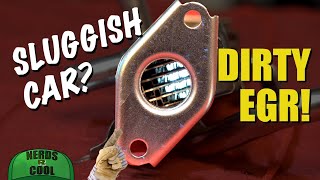
The 2012-2016 Prius V, with its 2ZR-FXE engine, is uniquely prone to misfires caused by a poorly designed Exhaust Gas Recirculation (EGR) system. Over time, carbon and oil sludge buildup clogs the small EGR passages in the intake manifold unevenly. This starves some cylinders of recirculated exhaust gas while overloading others, disrupting the precise air-fuel ratio required for combustion and frequently causing misfires. This issue is so prevalent that Toyota issued a Technical Service Bulletin (T-SB-0116-15 Rev) recommending a complete intake manifold replacement. A clogged EGR circuit is also a primary contributor to the platform's other notorious issue: premature head gasket failure.
Diagnostic Flowchart
Tap your situation to follow the diagnostic path that matches what you're seeing on this vehicle.
Symptoms You May Notice
- Check engine light is on or flashing
- Rough or shaky idle, especially on a cold start
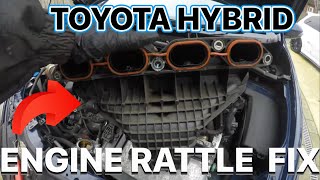
- A violent engine rattle or shudder for a few seconds on the very first start of the day 🎬 Watch: How to test if your morning rattle is a head gasket. (strong indicator of head gasket failure)
- Vehicle runs rough or hesitates during light acceleration
- Reduced power and poor acceleration
- Decreased fuel economy
- Unusual tapping or knocking sounds from the engine bay
- Mysterious loss of engine coolant from the reservoir with no visible leaks on the ground
- Replacing only the spark plugs and ignition coils without addressing the underlying EGR and intake manifold clogging. The misfire will likely return.
- Assuming a simple misfire when the true cause is a coolant leak from a failing head gasket. Ignoring the signs of coolant loss or a cold-start rattle can lead to catastrophic engine damage.
Most Likely Causes
- Clogged EGR Passages in Intake Manifold 🔴 High Probability → Shop Engine Intake Manifold As documented in Toyota TSB T-SB-0116-15 Rev, the intake manifold design on the 2ZR-FXE engine leads to uneven carbon distribution from the EGR system, causing misfires. This is the most common root cause for P030x codes on this specific vehicle.
How to confirm: Visually inspect the EGR passages inside the intake manifold after removal. They will likely be clogged with thick, hard carbon deposits, especially the ports for cylinders 1 and 4.
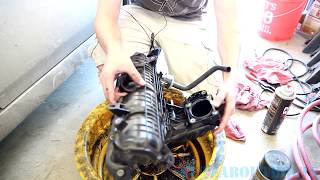
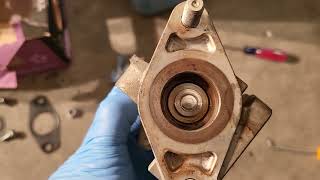
Typical fix: Toyota's official fix is to replace the intake manifold with an updated part (17120-37054). Many owners have success with a thorough cleaning of the EGR valve, EGR cooler, EGR pipe, and the original intake manifold. Common DIY cleaning methods involve soaking the components in solutions like Oxi-Clean, Simple Green, or Purple Power, followed by scrubbing and pressure washing. 🎬 See this walkthrough on cleaning the EGR valve and cooler assembly.
Est. part cost: $250-$360 for an OEM intake manifold, or ~$20 for cleaning supplies and gaskets. - Blown Head Gasket 🔴 High Probability The 3rd generation Prius platform (including the Prius V) is notorious for head gasket failure, often as a direct consequence of a clogged EGR circuit causing the engine to run hotter. Coolant leaks into the cylinder (often overnight), causing a misfire on startup.
How to confirm: The classic symptom is a violent engine shake or rattle that lasts for a few seconds only on a cold start. Other key signs are unexplained coolant loss and smelling combustion gases in the coolant reservoir. A mechanic can use a block tester to check for exhaust gases in the coolant or a borescope to see a 'steam-cleaned' piston.
Typical fix: This is a major repair requiring removal of the cylinder head for replacement of the head gasket. It is critical to clean the entire EGR circuit (cooler, valve, pipe, manifold) at the same time to address the root cause and prevent a repeat failure.
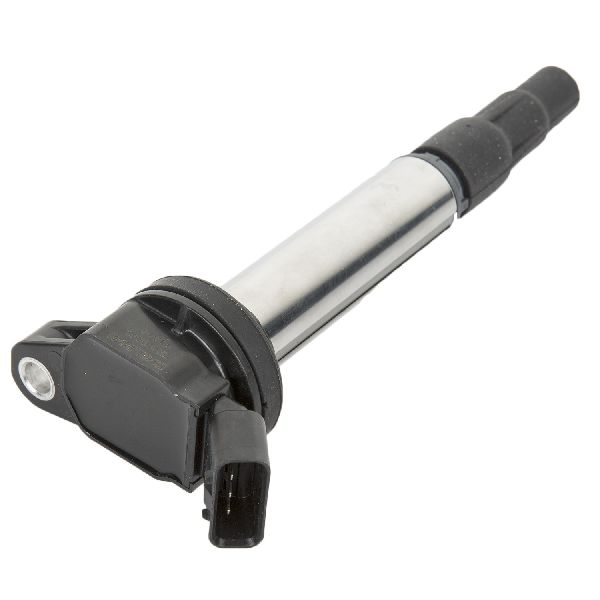
Est. part cost: $150-$300 for a head gasket set and new head bolts. - Faulty Ignition Coil 🟡 Medium Probability → Shop Ignition Coil
How to confirm: Swap the ignition coil from cylinder 4 with another cylinder (e.g., cylinder 2). Clear the codes and drive. If the code changes to P0302, the ignition coil is bad.
Typical fix: Replace the faulty ignition coil. It's often recommended to replace all four if they are original and the vehicle has high mileage. Use a quality brand like Denso.
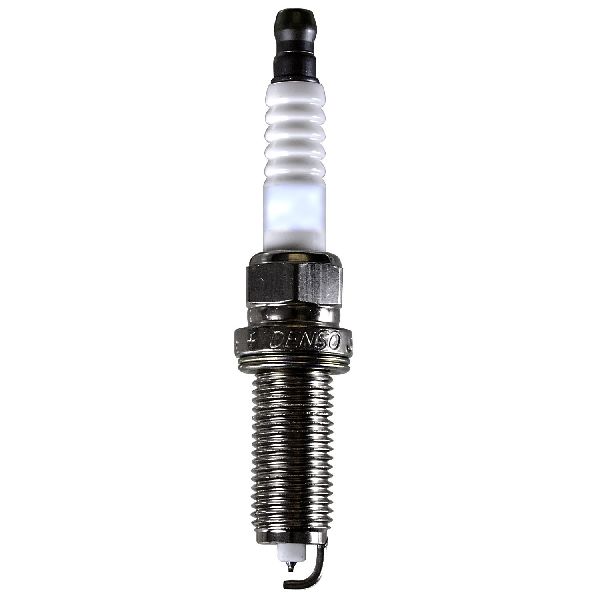
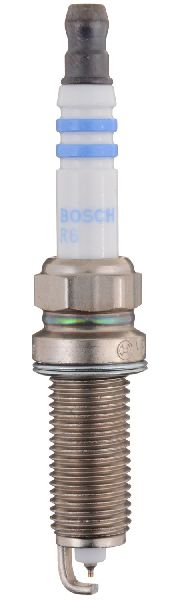
Est. part cost: $40-$90 per coil. - Worn or Fouled Spark Plug 🟡 Medium Probability → Shop Spark Plug
How to confirm: Remove the spark plug from cylinder 4 and inspect it. Look for signs of wear, oil fouling, or heavy carbon deposits. A coolant-fouled plug (wet and clean) is a sign of a head gasket leak.
Typical fix: Replace the spark plug. It is best practice to replace all four spark plugs at the same time.
Est. part cost: $8-$20 per plug. - Outdated ECM Software ⚪ Low Probability Toyota TSB T-SB-0147-16 notes that some 2013-2016 Prius V models can exhibit misfires on cold starts due to engine control logic.
How to confirm: A Toyota dealership or a qualified shop with Techstream software can check the current calibration ID against the one specified in the TSB.
Typical fix: Reprogram the Engine Control Module (ECM) with the updated software logic. This must be done by a dealer or a shop with the appropriate tools.
Est. part cost: $0-$200, depending on dealer labor rates.
Rare But Worth Checking
- Clogged or Faulty Fuel Injector: → Shop Fuel Injector While less common than ignition or EGR issues, a fuel injector can become clogged or fail, preventing cylinder 4 from getting the correct amount of fuel. A user on Reddit with a 2010 Prius and a P0304 that persisted after an EGR service ultimately fixed the issue by running two cans of Seafoam, which cleaned the stuck injector.
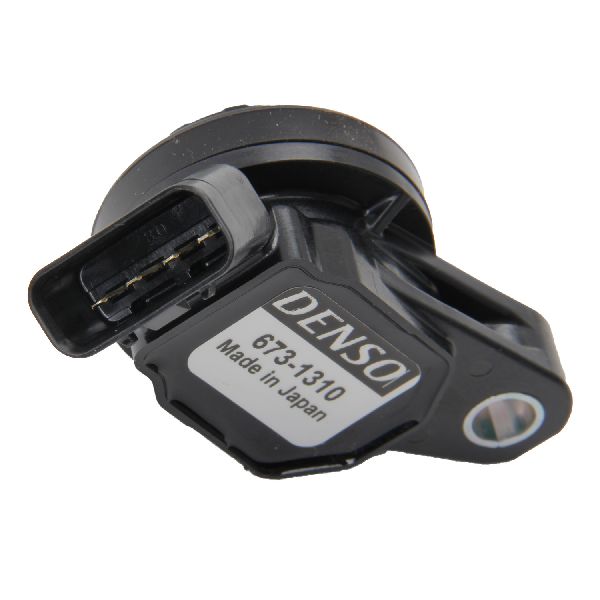
- Crankshaft Position Sensor Failure: A failing crankshaft position sensor can cause erratic misfires, sometimes isolated to one cylinder before becoming more random. One Prius owner on a forum reported chasing a P0304 by replacing injectors and coils with no luck, before suspecting the sensor.
Diagnosis Steps
- Read the codes with an OBD-II scanner and note any other codes present, especially P0401 or other P030x codes.
- Check the engine coolant reservoir. Is the level low? Have you had to add coolant recently? This is a key sign of a potential head gasket leak.
- Pay close attention on a cold start. Does the engine shake or rattle violently for a few seconds? This is the classic symptom of a head gasket failure on this engine.
- Perform a simple ignition coil swap. Move the coil from cylinder 4 to cylinder 2, clear the codes, and see if the misfire code moves to P0302. If it does, the coil is bad. 🎬 Watch: Step-by-step guide to fixing a P0304 cylinder misfire code.
- If the misfire stays on cylinder 4, inspect the spark plug for wear or fouling and replace if necessary. A 'steam cleaned' or wet plug points to a coolant leak.
- If plugs, coils, and head gasket symptoms are not present, the next step is to address the most likely cause: the EGR system. This involves removing the intake manifold, EGR valve, EGR cooler, and EGR pipe for inspection and thorough cleaning or replacement.
- If misfires persist after addressing the EGR system, perform a cylinder compression test and a leak-down test to check for mechanical engine problems like a bad valve or confirm a failing head gasket.
Parts You'll Likely Need
- Intake Manifold Assembly
(OEM #17120-37054)— This is the official fix recommended by Toyota in TSB T-SB-0116-15 Rev to resolve the design flaw causing EGR-related misfires. Many opt to clean the original instead.
Trusted brands: Toyota (Genuine)
OEM price range: $250-$360
Aftermarket price range: $150-$250 - Ignition Coil
(OEM #90919-02258 (Denso))— A common failure point for any vehicle, causing a lack of spark. It's a primary diagnostic step to swap coils between cylinders to confirm failure.
Trusted brands: Denso, NGK, Delphi
OEM price range: $70-$90
Aftermarket price range: $40-$60 - Spark Plug
(OEM #Denso SC20HR11 (Iridium))— Spark plugs are a routine maintenance item and can become worn or fouled, leading to a misfire. They should be inspected or replaced early in the diagnostic process.
Trusted brands: Denso, NGK
OEM price range: $12-$20
Aftermarket price range: $8-$15 - Intake Manifold Gasket
(OEM #17171-37020)— Required when removing the intake manifold for cleaning or replacement. Reusing an old gasket can cause vacuum leaks, leading to further issues.
Trusted brands: Toyota (Genuine), Fel-Pro, Mahle
OEM price range: $10-$20
Aftermarket price range: $5-$15
Related Codes That Often Appear With This One
- P0300 — This is a 'Random/Multiple Cylinder Misfire' code. It often appears with P0304 because the root cause, like a clogged EGR system or failing head gasket, affects multiple cylinders.
- P0301, P0302, P0303 — Misfire codes for other cylinders. Seeing them with P0304 points to a systemic issue like the intake manifold or a failing head gasket rather than a single component.
- P0401 — This code means 'EGR Flow Insufficient'. It is a strong indicator that the carbon buildup causing the P0304 misfire has also restricted the main EGR circuit.
Technical Service Bulletins (TSBs) & Recalls
- T-SB-0116-15 Rev: Addresses misfires during light acceleration caused by the EGR system, recommending intake manifold replacement.
- T-SB-0147-16: Addresses rough idle and misfires on cold starts, recommending an ECM software update.
- L-SB-0019-16: The Lexus equivalent of T-SB-0116-15 Rev for the CT200h, confirming the issue is engine-specific, not model-specific.
Platform-Specific Known Issues
- EGR-Related Misfires: Per Toyota TSB T-SB-0116-15 Rev, 2012-2016 Prius V models may exhibit a rough run condition and misfire codes (P0300-P0304) during light acceleration. The bulletin explicitly states to "Replace the Intake Manifold assembly to address this…"
- Cold Start Rattle/Misfire (Software): TSB T-SB-0147-16 addresses a rough idle, tapping noise, and misfire codes (P0300-P0304) on cold starts for 2013-2016 models. The fix is a software update for the Engine Control Module (ECM).
- Cold Start Rattle (Head Gasket): A violent shudder or rattle lasting only a few seconds on a cold start is a hallmark symptom of head gasket failure on the 2ZR-FXE engine. This is caused by coolant leaking into a cylinder overnight and being forcefully expelled on startup. It is often accompanied by misfire codes and gradual coolant loss.
Mechanic-Grade Diagnostic Values
- Fuel Injector Resistance — expected: 11.6 to 12.4 Ω at 20°C (68°F). Failure: A reading outside this range indicates a faulty injector coil.
- Ignition Coil Connector Pin 4 Voltage — expected: +12V (Battery Voltage) with ignition ON. Failure: No voltage indicates a problem with the power supply circuit, fuse, or relay.
- Fuel Pressure — expected: 44-50 psi. Failure: Low fuel pressure can cause lean misfires, though it usually affects multiple cylinders.
- Mode 6 Misfire Count (Cylinder 4) — expected: A low count, ideally zero.. Failure: A high or rapidly increasing count for cylinder 4 (e.g., Component ID $04) confirms the misfire, sometimes before the MIL is triggered.
Scan Tool Commands That Help
- Toyota Techstream: Active Test: Control the Select Cylinder Fuel Cut — This is a power balance test. Use this to turn off the fuel injector for cylinder 4. If there is no change in engine RPM or roughness, it confirms cylinder 4 was not contributing power, pinpointing the misfire location.
- Toyota Techstream: Active Test: Control the EGR Step Position — Manually command the EGR valve to open at idle. If the engine stumbles or stalls, the valve is likely functioning. If there's no change, the valve may be stuck closed or the passages are completely blocked.
- Toyota Techstream: Active Test: Compression Test — This function allows the engine to crank via the hybrid system without starting, making it easier to perform a cylinder compression test. It's used to check for mechanical issues like a bad valve or head gasket failure.
Wiring & Ground Locations
- EA (Ground Point) — On the left side of the cylinder head, near the intake manifold.. This is a primary ground point for the engine control system, including the igniter circuit. A loose or corroded connection here can cause a weak spark and lead to intermittent misfires.
- Ignition Coil Connector — On top of each ignition coil.. Knowing the 4-pin functions (Pin 1: IGT signal, Pin 2: Ground, Pin 3: IGF confirmation, Pin 4: +12V) allows for targeted testing with a multimeter to determine if the coil is receiving the correct power and signals from the ECM.
Real Owner Repair Stories
- PriusChat forum user 'robomoto' (2010 Prius (Gen 3, same 2ZR-FXE engine/EGR system)) — Engine misfires.
❌ Tried (didn't work) Initial diagnostics pointed towards common misfire causes.
✅ What actually fixed it A complete cleaning of the EGR cooler and all EGR passages within the intake manifold resolved the misfire. The user noted the carbon buildup was so severe it was disrupting the air-fuel ratios in the cylinders. - Reddit user 'u/Far-Ad-3394' (2010 Prius with 200k miles) — P0304 (Cylinder 4 Misfire) appeared immediately after having the EGR valve and cooler replaced.
❌ Tried (didn't work) Using a fuel system cleaner (Seafoam) initially did not seem to work.
✅ What actually fixed it The issue was ultimately a clogged/dirty fuel injector. After running two full cans of Seafoam through the fuel system, the misfire on cylinder 4 stopped and the code cleared. This suggests debris may have been dislodged during the EGR service and contaminated the injector. - PriusChat forum user (Gen 2 Prius with 200k miles) — P0304, P0303, and P0300. Loud knocking at idle and a vacuum/leaking sound after replacing injectors.
❌ Tried (didn't work) Replacing spark plugs, PCV valve, coolant temp sensor, O2 sensors, and MAF sensor.
✅ What actually fixed it The fuel injector O-rings were not seated or lubricated properly during reinstallation, causing a massive vacuum leak. After removing the injectors, properly lubricating the O-rings with a small amount of motor oil, and reinstalling them, the vacuum leak was sealed and all misfire codes were resolved.
"I Checked Everything" — The Actual Cause
- A standard smoke test for vacuum leaks will likely come back clean and be misleading for a P0304 on this vehicle. The most common cause is internal clogging of the EGR passages inside the intake manifold, which a smoke test cannot detect. Technicians should not rule out the intake manifold issue based on a clean smoke test.
When the Usual Fixes Don't Work
- While EGR and head gasket issues are the most common causes, a persistent P0304 after these systems have been addressed should lead to a closer look at the fuel system. In one documented case, a 2016 Prius V with a P0304 that was not fixed by swapping plugs/coils or using fuel cleaner was ultimately resolved by replacing the fuel injector for cylinder 4. In another case, a misfire that appeared after an EGR service was traced back to a clogged injector that was cleared with a strong in-tank cleaner. This highlights that while less common, injector failure is a real possibility and should not be dismissed.
OEM Part Supersession History
17120-37050, 17120-37051, 17120-37052, 17120-37053→17120-37054— The updated intake manifold assembly was redesigned to improve EGR gas distribution and mitigate the carbon buildup that causes misfires, as addressed in TSB T-SB-0116-15 Rev.
Model Year Variations Within This Range
- 2013-2016 only: Toyota TSB T-SB-0147-16 describes an ECM software update to address cold start misfires and rough idle. This update is specifically for 2013-2016 Prius V models and does not apply to the 2012 model year.
Helpful Videos


We Have This Part in Stock


The information in this article is provided for general reference and educational purposes only. Vehicle specifications, procedures, and part compatibility can vary by production date, trim level, and region. Always consult your vehicle's factory service manual and verify part numbers before purchasing or performing repairs. Safety-critical components such as airbags, seat belts, and braking systems should be installed by a qualified professional.
- Toyota PRIUS V:
- 🧭 Diagnostic Flowchart
- 🎬 Helpful Videos
- 🛍️ Shop This Part
- What's Unique About the 2012-2016 Toyota PRIUS V
- Symptoms You May Notice
- Most Likely Causes
- Rare But Worth Checking
- Diagnosis Steps
- Parts You'll Likely Need
- Related Codes That Often Appear With This One
- Technical Service Bulletins (TSBs) & Recalls
- Platform-Specific Known Issues
- Mechanic-Grade Diagnostic Values
- Scan Tool Commands That Help
- Wiring & Ground Locations
- Real Owner Repair Stories
- "I Checked Everything" — The Actual Cause
- When the Usual Fixes Don't Work
- OEM Part Supersession History
- Model Year Variations Within This Range
- 🎟️ Get 5% Off