

P0305 on 2009-2012 Audi Q5 3.2L: Cylinder 5 Misfire Causes and Fixes
P0305 indicates a misfire on cylinder 5. For the Audi Q5 with the 3.2L FSI engine, the most common causes are a bad ignition coil or a worn spark plug. However, significant carbon buildup on the intake valves is a very frequent underlying issue for misfires on this specific engine and should be investigated if new coils and plugs don't solve the problem. Leaking fuel injectors are also a known cause for misfires that can be mistaken for ignition problems.
- P0305 is a misfire on cylinder 5. Start diagnosis by swapping the ignition coil, then the spark plug, with a neighboring cylinder.
- If new ignition parts don't fix the issue, the most likely cause on the 3.2L FSI engine is heavy carbon buildup on the intake valves.
- Do not ignore a flashing check engine light, as this indicates a severe misfire that can quickly destroy your catalytic converter.
- Fuel injector cleaners are ineffective against carbon buildup on this engine because the fuel is injected directly into the cylinder.
- This guide applies specifically to the 2009-2012 Audi Q5 models equipped with the 3.2L V6 engine.
What's Unique About the 2009-2017 Audi Q5
The Audi Q5's 3.2L V6 is a Fuel Stratified Injection (FSI) engine, a type of direct injection. While efficient, this design is highly prone to heavy carbon buildup on the intake valves. Unlike traditional port injection engines, gasoline doesn't wash over the valves to keep them clean. This buildup can disrupt airflow into the cylinders, leading to misfires, especially on cold starts, even if the ignition system is healthy. Many owners report chasing misfire codes like P0305 by replacing coils and plugs, only to find the root cause was the need for a manual intake valve cleaning.
Generation note: The 2009-2017 model years span the entire first generation of the Audi Q5 (Typ 8R). However, the 3.2L FSI V6 (CALB) engine was only offered in North America from 2009 to 2012. This guide is specific to those 2009-2012 models.
Symptoms You May Notice
- Rough or vibrating idle
- Hesitation or stumbling during acceleration
- Noticeable loss of engine power
- Flashing Check Engine Light (during severe misfires)
- Solid Check Engine Light
- Poor fuel economy
- Difficulty starting, especially when cold
- Fuel smell from the exhaust
- Replacing only spark plugs and ignition coils without considering carbon buildup. Many owners spend money on ignition parts when the true, underlying cause is restricted airflow from carbon deposits on the intake valves.
- Mistaking a leaking fuel injector for a bad coil or plug, especially for cold-start misfires.
- Assuming a misfire code is always an ignition problem, without checking for mechanical issues like compression or timing.
Most Likely Causes
- Faulty Ignition Coil 🔴 High Probability → Shop Ignition Coil Ignition coils are a common failure item on many Volkswagen and Audi engines of this era. They can fail due to heat and age, with failures sometimes occurring only after the engine is hot from a long drive.
How to confirm: Swap the ignition coil from cylinder 5 with another cylinder (e.g., cylinder 4 or 6). Clear the codes and drive the vehicle. If the code changes to P0304 or P0306, the ignition coil is faulty.
Typical fix: Replace the faulty ignition coil. It is often recommended to replace all six coils at the same time, especially if they are original, to prevent future failures. Many owners upgrade to the red-top coils from the Audi R8 for their perceived reliability.
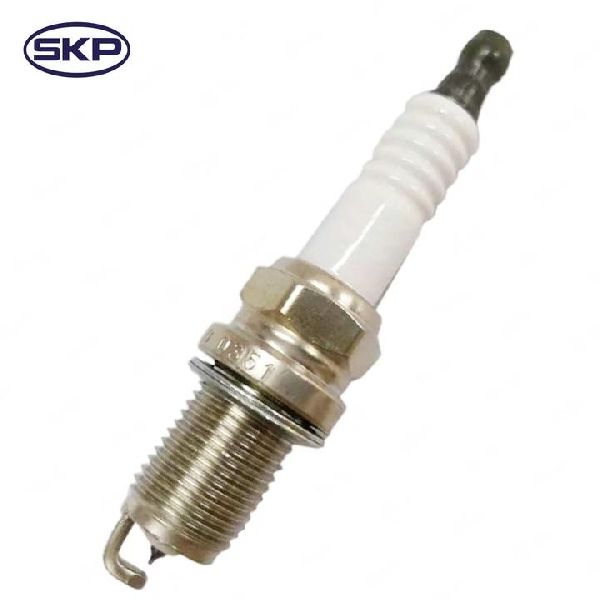
Est. part cost: $30-$60 per coil - Worn or Fouled Spark Plug 🔴 High Probability → Shop Spark Plug
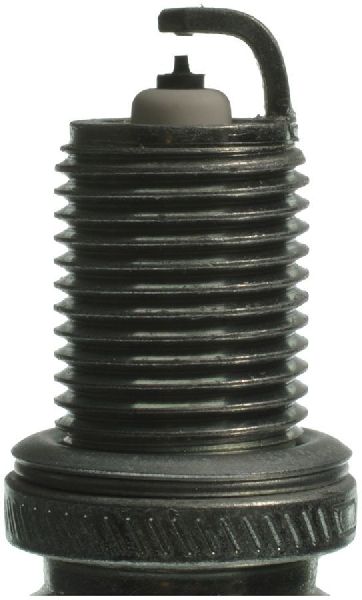
How to confirm: After ruling out the ignition coil, remove the spark plug from cylinder 5. Inspect it for wear (eroded electrode), carbon fouling, oil fouling (from a leaky valve cover gasket), or damage. An incorrect spark plug gap can also cause misfires.
Typical fix: Replace the spark plug. It is best practice to replace all six spark plugs at once to maintain consistent performance. Ensure they are gapped correctly for the 3.2L engine.
Est. part cost: $15-$25 per plug - Carbon Buildup on Intake Valves 🟡 Medium Probability The 3.2L FSI is a direct-injection engine, meaning fuel is sprayed directly into the cylinder, not over the intake valves. This allows oil vapor from the PCV system and combustion byproducts to bake onto the valves, restricting airflow and causing misfires that are often most noticeable on a cold engine.
How to confirm: This requires visual inspection. The intake manifold must be removed to see the condition of the intake ports and valves. A borescope can be used for this. Misfires that occur mainly on cold starts and disappear when the engine warms up are a strong indicator of this issue.
Typical fix: The intake valves must be manually cleaned. This is typically done by 'walnut blasting,' a process that uses crushed walnut shells to safely scrub the carbon away without damaging the metal surfaces. Chemical cleaners added to the fuel tank are ineffective for this problem as the fuel never touches the valves.
Est. part cost: $50-$100 for gaskets - Faulty or Leaking Fuel Injector ⚪ Low Probability → Shop Fuel Injector Fuel injectors can become clogged or develop leaks over time, leading to an improper fuel mixture in the cylinder. Some owners have reported leaking injectors causing cold start misfires that mimic carbon buildup symptoms. An injector can also fail electrically or become clogged, causing a persistent misfire.
How to confirm: This is more complex. A mechanic can perform a fuel injector balance test. Swapping injectors between cylinders is possible but labor-intensive as it requires removing the intake manifold and fuel rail. A leaky injector may sometimes be diagnosed by inspecting the spark plug for signs of being 'wet' with fuel or by using a borescope to look into the cylinder after the car has been sitting.
Typical fix: Replace the faulty fuel injector. It's often recommended to replace the full set if they are high-mileage, along with their Teflon seals and O-rings.
Est. part cost: $70-$150 per injector
Rare But Worth Checking
- Low Cylinder Compression: While rare, internal engine damage such as a worn piston ring, a scored cylinder wall, or a problem with a valve can cause a permanent misfire. A compression test on cylinder 5 will confirm if the cylinder is mechanically sound.
- Vacuum Leak: A leak in a vacuum hose or intake manifold gasket near cylinder 5 can lean out the air/fuel mixture and cause a misfire. This would often be accompanied by a lean fault code (like P0171 or P0174).
- PCV Valve Failure: → Shop PCV Valve A failed PCV (Positive Crankcase Ventilation) valve is a very common issue on this engine. If the internal diaphragm tears, it creates a massive unmetered vacuum leak. This typically causes a loud whistling noise at idle, rough running, and can trigger multiple misfire codes or lean codes, not just P0305.
- Timing Chain Tensioner/Guide Failure: A failing timing chain tensioner or a broken plastic guide can cause the camshaft timing to become erratic or jump, leading to misfires across one or both banks, often accompanied by P0018 or P0019 correlation codes.
Diagnosis Steps
- Read the fault codes with an OBD-II scanner to confirm P0305 and check for any other codes, such as P0300 or timing correlation codes.
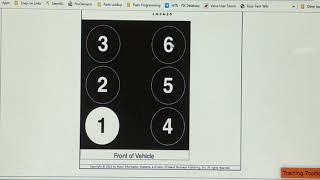
- Cylinder 5 is on the driver's side (Bank 2), middle cylinder.
- Swap the ignition coil from cylinder 5 to a different cylinder (e.g., cylinder 4). Clear the codes and test drive. If the code moves to P0304, the coil is bad.
- If the misfire remains on cylinder 5, swap the spark plug from cylinder 5 to a different cylinder. If the code follows the plug, it is faulty. While the plug is out, inspect it for oil fouling or excessive wear.
- If the coil and plug are good, the next most likely cause is carbon buildup. This is especially true if the misfires are worse on cold starts. Visually inspect the intake valves using a borescope, which requires removing the intake manifold.
- If carbon buildup is not the issue, investigate the fuel injector for cylinder 5. This may require professional diagnosis, though swapping injectors is a definitive but labor-intensive test.
- While the intake manifold is off, it's a good time to check for the health of the PCV system.
- As a final step to rule out mechanical failure, perform a compression test on cylinder 5. If compression is low, a leak-down test can pinpoint the source (rings, intake valve, exhaust valve).
Parts You'll Likely Need
- Ignition Coil
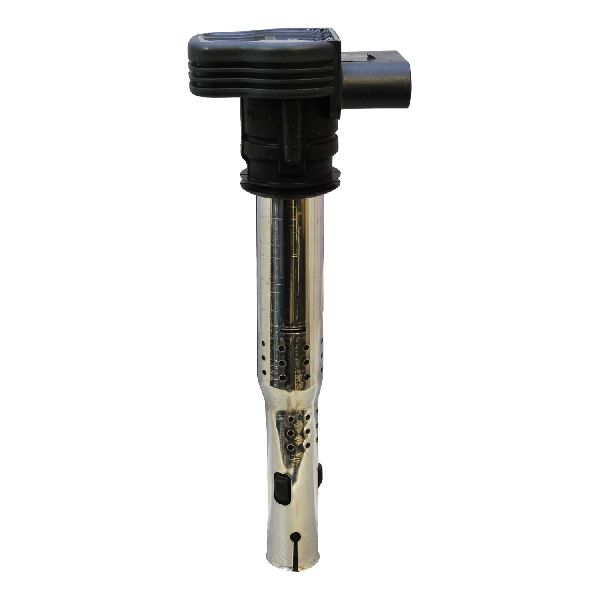
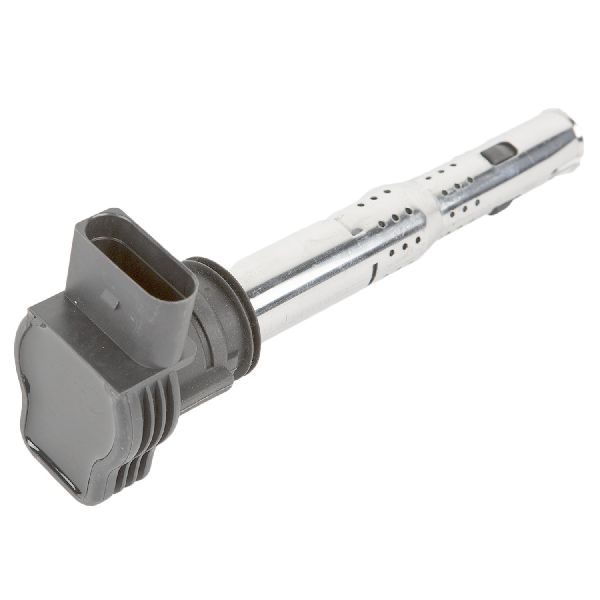
(OEM #06E905115G)— This is one of the most common failure points for a single-cylinder misfire. The part number has been superseded multiple times; 'G' is the latest revision. The red top coils from the R8 are a popular cosmetic and perceived reliability upgrade.
Trusted brands: Bosch, NGK, Eldor, Bremi
OEM price range: $50-$70
Aftermarket price range: $30-$50 - Spark Plug
(OEM #101905622A (NGK PFR6X-11))— Spark plugs are a regular maintenance item and can cause misfires when worn, fouled, or improperly gapped.
Trusted brands: NGK, Bosch
OEM price range: $20-$30
Aftermarket price range: $15-$25 - Fuel Injector
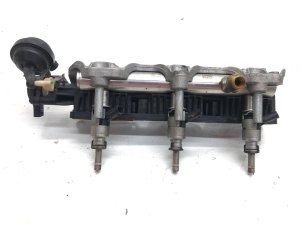
(OEM #06E906036F)— Can become clogged or leak, causing misfires that aren't resolved by ignition parts. A known issue on FSI engines.
Trusted brands: Bosch, Hitachi
OEM price range: $100-$150
Aftermarket price range: $70-$120
Related Codes That Often Appear With This One
- P0300 — If the condition causing the misfire (like severe carbon buildup, a large vacuum leak from a failed PCV, or a timing issue) is not isolated to one cylinder, a P0300 'Random/Multiple Cylinder Misfire' code may appear alongside P0305.
- P0301, P0302, P0303, P0304, P0306 — Similar to P0300, the presence of other specific cylinder misfire codes points towards a systemic issue like carbon buildup, a vacuum leak affecting one cylinder bank, or a fuel delivery problem.
- P0018, P0019 — These codes indicate a 'Crankshaft Position - Camshaft Position Correlation' error for Bank 2. If seen with misfires, this strongly suggests a problem with the timing chain, tensioners, or guides on the driver's side of the engine.
Platform-Specific Known Issues
- The 3.2L FSI engine's direct injection design is its defining characteristic and the root of its most common problem leading to misfires: carbon buildup on intake valves. Because fuel is injected directly into the cylinder, it never flows over the intake valves to clean them. Oil vapor from the PCV system bakes onto the hot valves, forming hard carbon deposits that restrict airflow, especially when the engine is cold, causing misfires that can be difficult to diagnose if one is only focused on the ignition system.
Technical Service Bulletins (TSBs) & Recalls
- TSB Bulletin #A0124212069038_5: This manufacturer bulletin provides diagnostic information for when the Malfunction Indicator Lamp (MIL) is illuminated specifically for cylinder misfire codes including P0300 through P0306.
- TSB Bulletin #A0123912069038_5: A similar manufacturer bulletin addresses instances where the MIL is illuminated with DTCs P0300, P0301, P0302, P0303, P0304, P0305, and P0306, providing guidance for troubleshooting these specific misfire faults.
Mechanic-Grade Diagnostic Values
- Low-Side Fuel Pressure (In-tank lift pump) — expected: Approximately 1.5 to 6 bar (22 to 87 PSI).. Failure: Pressure significantly below this range, especially under load, points to a weak in-tank fuel pump or clogged filter, which can cause lean misfires.
- High-Side Fuel Pressure (HPFP at idle) — expected: Around 40-50 bar (580-725 PSI).. Failure: Pressure that is erratic, significantly below specification, or fails to rise with engine RPM points to a failing High-Pressure Fuel Pump (HPFP) or a faulty G247 pressure sensor. This can trigger codes like P0087.
- VCDS Misfire Counter (Live Data) — expected: 0 counts at idle and under steady load on a healthy engine.. Failure: A rapidly increasing count in the measuring block for cylinder 5 confirms an active misfire. This is the most direct way to verify the fault location in real-time.
Scan Tool Commands That Help
- VCDS (VAG-COM): Measuring Value Blocks (MVB) 015 and 016 — Use these blocks to monitor live misfire counts for each individual cylinder on Bank 2 (Cylinders 4, 5, 6). An increasing count for Cylinder 5 confirms the misfire in real-time and is essential for verifying if a component swap (like an ignition coil) moves the fault to another cylinder.
- VCDS (VAG-COM): Advanced Measuring Values (for UDS controllers) — On newer control modules using the UDS protocol, the traditional measuring blocks are replaced. Search for 'Misfire' in Advanced Measuring Values to find the per-cylinder counters. This serves the same diagnostic purpose as MVBs 015/016 on older controllers.
- VCDS (VAG-COM): Output Tests (Sequential or Selective) — This function allows the user to command specific components to activate, such as an individual fuel injector. While the engine is off, a technician can activate the cylinder 5 injector (N83) and listen for an audible 'click', helping to rule out a completely dead injector without removal.
Wiring & Ground Locations
- Ground Connection (12) — In the engine compartment, on the left side frame rail/long member.. This is a primary engine ground. A loose or corroded connection here can cause intermittent and hard-to-diagnose electrical issues, including weak spark or erratic sensor readings for Bank 2.
- Ground Connection (615) — On the left suspension strut tower in the engine bay.. This is a key grounding point for the ignition coil harness. A poor connection here can directly cause misfires on the left bank (Bank 2), where cylinder 5 is located.
- J623 - Engine Control Module (ECM) — Located in the plenum chamber (the area under the windshield wipers), typically on the driver's side.. All signals for the ignition coils and fuel injectors originate here. Water ingress into the plenum is a known issue that can corrode ECM connectors, leading to misfires and other faults.
- N83 - Injector, Cylinder 5 — Injector for the middle cylinder on the driver's side (Bank 2). It connects to the ECM via the T14e (14-pin, left engine compartment) and T60 (60-pin) connectors.. Knowing the component designator (N83) and associated connectors is crucial for tracing wiring diagrams to check for continuity or shorts between the injector and the ECM.
Real Owner Repair Stories
- AudiWorld Forums User (Audi (model not specified, but with similar ignition system)) — Consistent P0305 misfire code.
❌ Tried (didn't work) Swapped spark plug from cylinder 5 to 6., Swapped entire coil pack from cylinder 5 to 6.
✅ What actually fixed it The user swapped the ignition control cables (the harness connectors for the ignition modules/igniters) and the misfire moved to a different cylinder. This indicated the fault was in the ignition control module (igniter), not the coil or plug. Replacing the faulty ignition control module resolved the P0305.
OEM Part Supersession History
06E905115A, 06E905115B, 06E905115C, 06E905115D, 06E905115E, 06E905115F→06E905115G— Progressive updates by the manufacturer to improve reliability and address premature failure. Later revisions often have improved internal windings and epoxy to better resist heat and vibration.
Heads up: All listed previous revisions can be replaced by the latest 'G' revision. It is highly recommended to replace all coils as a set with the same revision to ensure consistent performance. Mixing old and new revisions is not advised.
Diagnostic Flowchart
Other Known Issues on This Vehicle
Issues unrelated to this code that are worth knowing about as an owner of this generation:
- Timing Chain Tensioner Failure 🔴 High — Less common than on the 2.0T engine, but still a significant risk, especially on higher mileage (100k+ miles) vehicles. Often presents as a brief rattle on cold start that eventually worsens.
- Water Pump Failure 🟠 Medium — The original water pumps often used plastic components that could become brittle and fail, leading to coolant leaks. Many have been replaced with updated metal versions. Failure can occur at various mileages. (Ref: A recall was issued for some models related to this issue.)
- PCV Valve / Oil Separator Failure 🟠 Medium → Shop PCV Valve — The diaphragm in the PCV valve is prone to tearing, causing a loud whistling noise, high oil consumption, and lean codes. It's a common failure item.
- Thermostat and Plastic Coolant Pipe Failure 🟠 Medium — Like the water pump, other plastic cooling system components like the thermostat housing and crossover pipes become brittle with age and heat cycles, leading to leaks. Often replaced as a 'while you're in there' job during PCV or water pump service.
- Upper Cam Girdle / Valve Cover Oil Leaks 🟡 Low → Shop Engine Valve Cover — Oil leaks from the valve cover gaskets and, more seriously, the cam girdle seals are common. A leak from the cam girdle can drip oil onto the exhaust manifold and requires significant labor to reseal.
Used vs. New Parts: Buying Guide for This Vehicle
When a used part is the smart pick: For this repair, buying used parts is generally not recommended for the primary failure items. Ignition coils, spark plugs, and fuel injectors are wear items or have known failure rates, and a used part has an unknown history and limited remaining life. A used intake manifold could be a viable option if the original is physically cracked, but it should be thoroughly inspected and cleaned of carbon before installation.
Donor-vehicle mileage cap: roughly under 60000 miles for the part to have meaningful remaining life.
What to inspect on the donor part:
- For a used intake manifold, check for cracks, especially around mounting points and seams.
- Ensure all vacuum ports on a used manifold are intact and not broken.
- If considering a used valve cover (for PCV), inspect the interior for signs of heavy oil sludge, which indicates poor maintenance on the donor vehicle.
OEM-only on this vehicle (don't cheap out):
- PCV Valve Assembly: The integrated PCV system is critical. Cheap aftermarket valve covers often use poor quality diaphragms that fail quickly, leading to a repeat of the original problem. A genuine OEM or high-quality OEM supplier (e.g., Vaico, Topran) part is recommended.
- Fuel Injectors: Injector spray patterns and flow rates are critical on FSI engines. While Bosch is the OEM supplier, cheap no-name aftermarket injectors are known to cause performance issues. Stick with OEM or Bosch-branded parts.
Aftermarket brands forum-validated for this vehicle:
- Ignition Coils: Bosch, NGK, Eldor. The red-top coils from the Audi R8 (often made by Eldor) are a popular upgrade.
- Spark Plugs: NGK, Bosch.
- Gaskets: Victor Reinz, Elring.
Brands owners have reported issues with on this vehicle:
- Unbranded or 'white-box' ignition coils and fuel injectors from online marketplaces. These often have high failure rates and do not perform to OEM specifications, potentially causing further issues.
Real Owner Stories
Aggregated from forums and TSBs cited above. Mileages and costs reflect what owners reported in those sources.
Audi Q5 3.2L
Symptoms: Misfires (P03xx) occurring only after several hours of driving or during long trips when the engine is hot.
What fixed it: Replacing the ignition coils, as the heat-soaking during long drives caused the weak coils to quit.
Source hint: AudiWorld Forums: Q5 3.2L Misfire, only on long drives.
Audi A6 3.2L FSI
Symptoms: Persistent misfires during cold starts that remained even after replacing the ignition coils and spark plugs.
What fixed it: Replacing leaky fuel injectors during a carbon cleaning service.
Source hint: AudiWorld Forums: Still have misfire after replacing ignition coil and spark plug
2011 Audi Q5 3.2 FSI — ~100000 miles
Symptoms: Misfires related to airflow restriction, particularly on higher mileage vehicles.
What fixed it: Carbon buildup cleaning on the intake valves.
Source hint: ozAudi Forums: Q5 3.2 FSI Common problems people experience?
Related OBD-II Codes
Frequently Asked Questions
Where is cylinder 5 located on my 2009-2017 Audi Q5 3.2L V6?
Why do some Audi owners recommend 'red-top' coils for the 3.2L FSI engine?
Can I use a fuel additive to fix the carbon buildup causing my P0305 code?
My Q5 misfires mostly when the engine is cold. Is this likely an ignition coil?
Is it necessary to replace all six spark plugs if only cylinder 5 is misfiring?
Could a timing chain issue cause a P0305 misfire on my Audi Q5?
Helpful Videos

![How to Fix P0305 Engine Code in 3 Minutes [2 DIY Methods / Only $4.53]](https://img.youtube.com/vi/iu7X5E-N1II/mqdefault.jpg)
Used OEM Parts in Stock
New Aftermarket Parts Available


The information in this article is provided for general reference and educational purposes only. Vehicle specifications, procedures, and part compatibility can vary by production date, trim level, and region. Always consult your vehicle's factory service manual and verify part numbers before purchasing or performing repairs. Safety-critical components such as airbags, seat belts, and braking systems should be installed by a qualified professional.
- Audi Q5:
- 🧭 Diagnostic Flowchart
- 🎬 Helpful Videos
- 🛍️ Shop This Part
- What's Unique About the 2009-2017 Audi Q5
- Symptoms You May Notice
- Most Likely Causes
- Rare But Worth Checking
- Diagnosis Steps
- Parts You'll Likely Need
- Related Codes That Often Appear With This One
- Platform-Specific Known Issues
- Technical Service Bulletins (TSBs) & Recalls
- Mechanic-Grade Diagnostic Values
- Scan Tool Commands That Help
- Wiring & Ground Locations
- Real Owner Repair Stories
- OEM Part Supersession History
- Other Known Issues on This Vehicle
- Used vs. New Parts: Buying Guide for This Vehicle
- Real Owner Stories
- Audi Q5 3.2L
- Audi A6 3.2L FSI
- 2011 Audi Q5 3.2 FSI — ~100000 miles
- Related OBD-II Codes
- Frequently Asked Questions
- 🎟️ Get 5% Off