

P0305 on 2020-2021 Audi Q7: Cylinder 5 Misfire Causes and Fixes
P0305 on a 2020-2021 Audi Q7 with the 3.0L V6 engine indicates a misfire in cylinder 5. The most common cause is a faulty ignition coil, followed by a worn spark plug. A simple DIY diagnosis is to swap the cylinder 5 coil with another to see if the code follows. In some cases, a dealer software update is required to fix overly sensitive misfire detection.
- P0305 specifically points to a misfire in cylinder 5, which is the middle cylinder on the driver's side of the 3.0L V6 engine.
- The most likely cause is a bad ignition coil, which can be easily diagnosed by swapping it with a coil from another cylinder.
- Before replacing any parts, check with an Audi dealer for any open software updates, as TSBs exist to fix overly sensitive misfire detection.
- Do not ignore a flashing check engine light, as this signals a severe misfire that can cause rapid damage to the catalytic converter.
- If new coils and plugs do not fix the issue, the problem could be more serious (e.g., rocker arm issue) and requires professional diagnosis.
What's Unique About the 2020-2021 Audi Q7
The 2020-2021 Q7 uses the EA839 3.0L turbocharged V6. While ignition components are the primary suspects for a P0305 code, Audi has issued multiple Technical Service Bulletins (TSBs) for this engine family concerning misfires. TSB 2069038/2, for example, details a software update to correct overly sensitive misfire detection that can be triggered by factors like winter blend fuel. Additionally, though more common in pre-2019 models, this engine family has a known issue with rocker arm bearing failure that can present as a persistent misfire, making proper diagnosis crucial if ignition and fuel system fixes fail.
Diagnostic Flowchart
Tap your situation to follow the diagnostic path that matches what you're seeing on this vehicle.
Symptoms You May Notice
- Flashing or solid Check Engine Light
- Rough or vibrating idle
- Hesitation or stumbling during acceleration
- Reduced engine power
- Poor fuel economy
- Fuel smell from the exhaust
- Replacing only the spark plug when the ignition coil was the actual cause (or vice-versa). It's best to replace them in sets.
- Replacing expensive fuel injectors before confirming they are faulty, as ignition system issues or a simple software update are more common and cheaper to fix.
- Chasing a vacuum leak when the issue is actually software-related and requires a TSB-prescribed update from the dealer.
Most Likely Causes
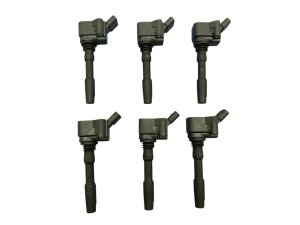
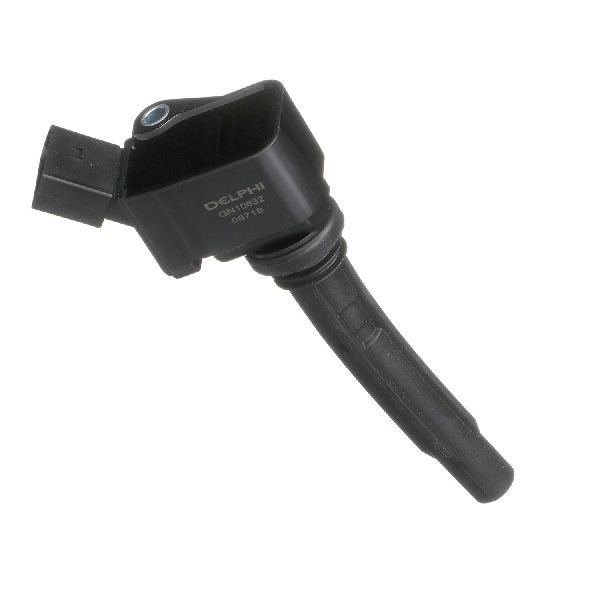
- Faulty Ignition Coil 🔴 High Probability → Shop Ignition Coil Coil-on-plug systems on modern German engines are subjected to high heat and electrical stress, making them a common failure item. The EA839 is no exception.
How to confirm: Swap the ignition coil from cylinder 5 with another cylinder (e.g., cylinder 4 or 6). Clear the codes and drive. If the code changes to P0304 or P0306, the ignition coil is faulty.
Typical fix: Replace the faulty ignition coil. It is highly recommended to replace all six coils at the same time with the latest revision part to ensure consistent performance.
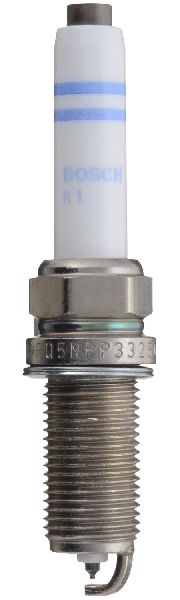
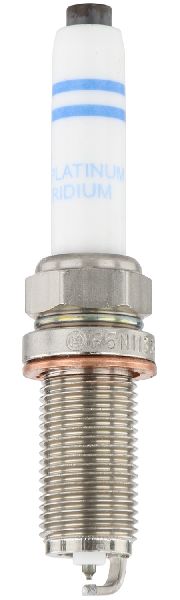
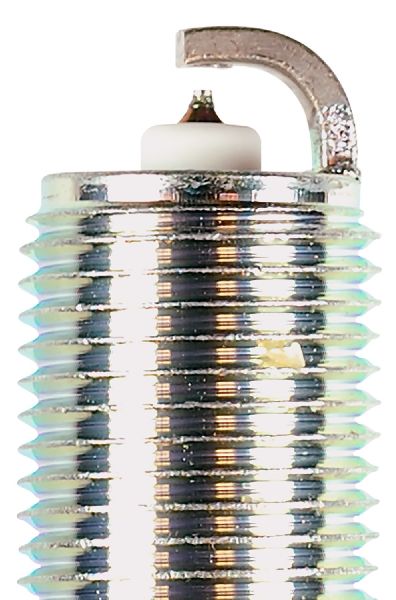
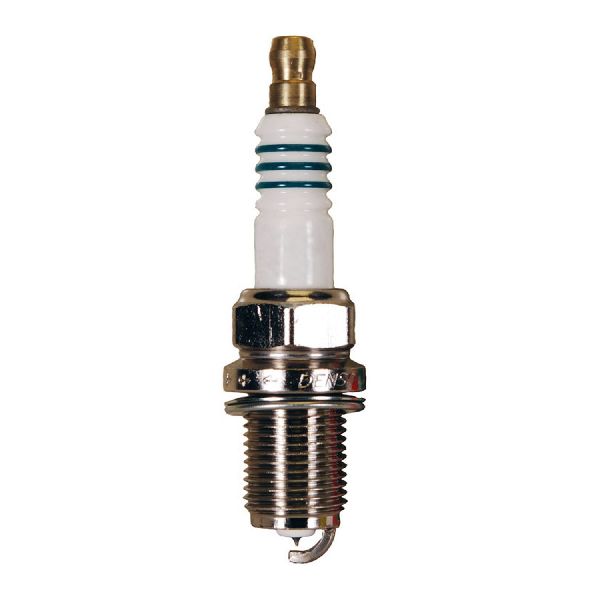
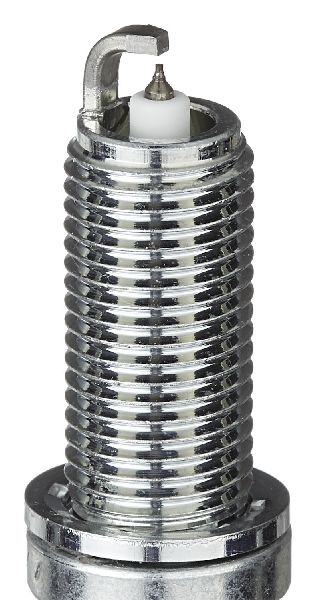
Est. part cost: $40-$75 per coil - Worn or Fouled Spark Plug 🔴 High Probability → Shop Spark Plug Turbocharged direct-injection engines are demanding on spark plugs. The recommended service interval is every 40,000 miles, and exceeding this can lead to worn electrodes or fouling, causing misfires.
How to confirm: After ruling out the ignition coil, remove the spark plug from cylinder 5. Inspect it for wear (worn electrode), carbon fouling, or oil/coolant deposits. Compare it to a new plug.
Typical fix: Replace the spark plug in cylinder 5. It is best practice to replace all six spark plugs at the same time to maintain performance and avoid future misfires.
Est. part cost: $20-$35 per plug - Needs an ECM Software Update 🟡 Medium Probability Audi has released TSBs, such as 2069038, indicating that the original software for misfire detection can be too sensitive. This can sometimes be triggered by different fuel blends, like winter gasoline, and cause false misfire codes.
How to confirm: Contact an Audi dealership with your vehicle's VIN to see if TSB 2069038 or other misfire-related software updates apply to your vehicle.
Typical fix: The dealership will update the Engine Control Module (ECM) software using their ODIS diagnostic tool. This may be covered under warranty or an extended emissions warranty.
Est. part cost: $0-$350 (may be covered under warranty) - Faulty Fuel Injector ⚪ Low Probability → Shop Fuel Injector Direct injection (TFSI) fuel injectors operate under high pressure and can become clogged with carbon deposits or fail electronically over time, leading to improper fueling for a specific cylinder.
How to confirm: This is more complex and usually requires a professional. It involves checking fuel trims with a diagnostic tool like VCDS and potentially swapping injectors between cylinders, which is more labor-intensive than swapping coils.
Typical fix: Replace the faulty fuel injector. This also requires replacing the single-use injector seals.
Est. part cost: $150-$250 per injector
Rare But Worth Checking
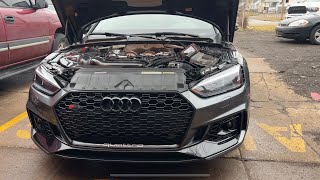
- Rocker Arm Failure: → Shop Engine Rocker Arm A known, but not widespread, issue on the EA839 engine family (primarily affecting models built before August 2018) involves the needle bearings in the rocker arms failing. This can start as a ticking noise and a persistent misfire code that doesn't resolve with ignition or fuel part swaps. It can lead to catastrophic engine damage if ignored. A borescope inspection through the oil filler cap may reveal the rocker arm style. 🎬 See this walkthrough on how to inspect your rocker arms
- Low Cylinder Compression: Internal engine issues like a leaking valve, damaged piston rings, or (in rare cases on this engine) scored cylinder walls can cause a loss of compression. This will result in a persistent misfire that ignition or fuel parts won't fix. A compression and leak-down test is required to diagnose this.
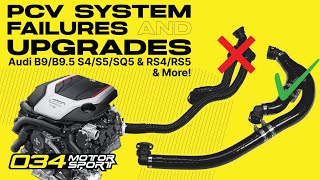
- PCV System Failure: The Positive Crankcase Ventilation (PCV) system, or oil separator, is a known weak point on many Audi engines. A failed diaphragm or check valve can cause a significant unmetered vacuum leak, leading to an incorrect air-fuel mixture and random or multiple misfires. 🎬 Watch: How to diagnose and fix a failed PCV system
Diagnosis Steps
- Read the fault codes with an OBD-II scanner to confirm P0305 is the primary code. Note any other codes present, such as P0300 or other cylinder misfires.
- Check for applicable TSBs. Contact an Audi dealer with your VIN to see if software updates like those mentioned in TSB 2069038 apply.
- Locate cylinder 5. On the 3.0L V6 (EA839), Bank 1 (cylinders 1-2-3) is on the passenger side (right side), and Bank 2 (cylinders 4-5-6) is on the driver's side (left side), numbered from front to back. Cylinder 5 is the middle cylinder on the driver's side.
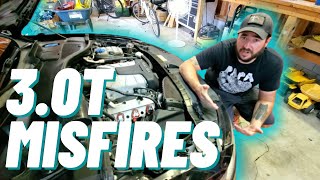
- Swap the ignition coil from cylinder 5 with the coil from cylinder 4. To access coils on Bank 2, the coolant expansion tank may need to be unbolted and moved aside. Clear the codes, start the engine, and see if the misfire code moves to P0304. If it does, the ignition coil is bad. 🎬 Watch: How to diagnose a misfire on your Audi 3.0T
- If the code remains P0305, move the spark plug from cylinder 5 to cylinder 4. Clear the codes and test again. If the code moves to P0304, the spark plug is bad.
- If the misfire remains on cylinder 5, inspect the wiring and connector for the ignition coil and fuel injector for any visible damage, corrosion, or loose connections.
- If no issues are found, the problem is likely more complex. Listen for a hissing sound that could indicate a PCV valve/vacuum leak. If a ticking noise is present, consider the possibility of a rocker arm issue. At this point, professional diagnosis with tools to check fuel pressure, injector function, and cylinder compression is recommended.
Parts You'll Likely Need
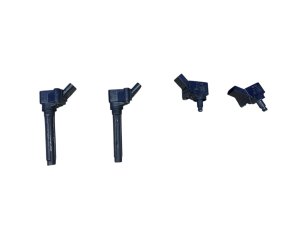
- Ignition Coil
(OEM #06H905110P (supersedes 06H905110L, 06H905110H, etc.))— This is the most common cause of a single-cylinder misfire on this engine due to heat and electrical stress. Always use the latest revision.
Trusted brands: Audi (OEM), Bosch, Eldor, NGK
OEM price range: $55-$75
Aftermarket price range: $40-$60 - Spark Plug
(OEM #06M905606F (NGK SILKGR9A7ES))— A worn or fouled spark plug is the second most likely cause, especially if the 40,000-mile service interval has been exceeded.
Trusted brands: NGK (OEM supplier), Bosch
OEM price range: $25-$35
Aftermarket price range: $20-$30
Related Codes That Often Appear With This One
- P0300 — If the misfire is intermittent, affects other cylinders randomly, or is caused by a bank-wide issue like a vacuum leak, a P0300 (Random/Multiple Cylinder Misfire) may be stored alongside P0305.
- P0304, P0306 — Cylinders 4, 5, and 6 are on the same bank (Bank 2, driver's side). A problem affecting the entire bank, like a failing Bank 2 catalytic converter, O2 sensor, or vacuum leak on that side, could cause misfires on multiple cylinders on that bank.
Technical Service Bulletins (TSBs) & Recalls
- A0124212069038_5 / TSB 2069038: Bulletin providing information and a software update solution for when the MIL is illuminated due to cylinder misfires (P0300-P0306).
- A0123912069038_5: A related bulletin also providing information for MIL illumination due to DTCs P0300-P0306.
- A0123802069038_4: An earlier version of the misfire TSB, ind
Platform-Specific Known Issues
- TSB for Misfire Software Update: Audi issued TSB 2069038 for 2020-2021 Q7 models (among others) which calls for an engine control module software update to correct misfire detection logic that may be overly sensitive, especially with certain fuel types.
- Rocker Arm Bearing Failure: → Shop Engine Rocker Arm Early production EA839 engines (primarily 2018-2019 models built before August 2018) have a documented history of rocker arm needle bearing failure. While less likely on a 2020-2021 model, it's a known catastrophic failure mode for this engine family that can present as a persistent misfire accompanied by a ticking sound.
Mechanic-Grade Diagnostic Values
- Live Misfire Count per Cylinder — expected: 0 at idle and under normal load.. Failure: A continuously incrementing count on cylinder 5 while other cylinders show 0 or very few counts. This confirms the misfire is isolated to cylinder 5.
- High-Pressure Fuel Rail (GDI), Actual Pressure at Idle — expected: ~40-50 bar (580-725 PSI).. Failure: Pressure that is significantly lower than specified or fluctuates wildly could indicate a failing high-pressure fuel pump (HPFP) or a leak, affecting fuel delivery.
- High-Pressure Fuel Rail (GDI), Actual Pressure Under Load — expected: Can exceed 200 bar (2900+ PSI).. Failure: Failure to reach high pressure targets under acceleration can cause lean misfires.
- Long-Term Fuel Trim (Bank 2) — expected: Within +/- 10%. Ideally closer to 0%.. Failure: A large positive value (e.g., > +15%) on Bank 2 can indicate a vacuum leak affecting cylinders 4, 5, and 6. A large negative value can indicate a leaking injector on that bank.
Hidden / Shadow Codes Worth Checking
- Misfire Counter (per cylinder): This is not a DTC but live data accessible via advanced scan tools. It shows a running count of misfire events for each specific cylinder, which is more precise than a generic P0305 code. It helps confirm if the misfire is constant or intermittent. (see via Using VCDS or OBDeleven, go to Advanced Measuring Values in the Engine (01) controller and search for 'misfire'. Select the counters for all cylinders.)
Scan Tool Commands That Help
- VCDS / OBDeleven: Output Test: Fuel Injector N32 (for Cylinder 5) — After ruling out spark plugs and coils, this test can help determine if the fuel injector for cylinder 5 is electronically functional. The tool commands the injector to cycle, and the technician can listen for an audible 'click' from the injector body, confirming the solenoid is activating. This does not rule out a clog but does rule out a complete electrical failure.
- ODIS (Dealer Tool): Guided Fault Finding (GFF) — This is the dealer-level diagnostic procedure. When a P0305 is present, GFF provides a step-by-step test plan for the technician, incorporating checks for TSBs, specific component tests, and wiring checks based on known issues and factory data.
Wiring & Ground Locations
- Bank 2 Ignition Coil Ground — There is a primary ground point on the driver's side (Bank 2) cylinder head. The wiring harness for the ignition coils and injectors often grounds here.. A loose or corroded ground on the cylinder head can cause intermittent and hard-to-diagnose spark issues for all cylinders on Bank 2, including cylinder 5.
- Engine Block to Chassis Ground Strap — Typically a braided strap running from the engine block to the chassis frame rail in the engine bay.. A compromised main engine ground can cause a host of electrical issues, including weak spark across all cylinders, which may manifest as random or single-cylinder misfires.
Real Owner Repair Stories
- AudiWorld Forums (2019 Audi Q8 (Same 3.0T EA839 engine)) — P0305 and P0300 (random misfire) codes.
❌ Tried (didn't work) Replaced spark plug on cylinder 5., Replaced ignition coil on cylinder 5., Performed an ECM software update per a TSB.
✅ What actually fixed it The issue was ultimately resolved by replacing the fuel injector for cylinder 5. - Audizine Forums / YouTube (2018 Audi S4 (Same 3.0T EA839 engine family)) — Persistent misfire on one cylinder, accompanied by a distinct ticking noise that was not the normal fuel pump sound.
❌ Tried (didn't work) Ignition coil replacement., Spark plug replacement., Carbon cleaning of intake valves.
✅ What actually fixed it The root cause was a failed needle bearing in a rocker arm. The final repair involved replacing all rocker arms on the affected cylinder bank.
"I Checked Everything" — The Actual Cause
- A common scenario on EA839 and other VAG engines is a misfire code (often random P0300, but can be single cylinder) where a smoke test of the intake tract shows no leaks. The actual cause is often a torn diaphragm or failed check valve in the PCV / oil separator unit. This creates an internal vacuum leak that is not detected by a conventional smoke test, as the leak is within the crankcase system itself.
OEM Part Supersession History
06E905115E, 06E905115F→06E905115G (and potentially later revisions)— Standard component revisions by the manufacturer (Bosch) to improve reliability and performance.
Heads up: The part number from Pass 2 (06H905110P) is for a different VAG engine (e.g., 2.0T EA888) and is incorrect for the 3.0T V6 EA839. Using the correct 06E905115x series is critical.06M906036F→06M906036K, 06M906036AA, 06M906036AP, etc.— Revisions to the fuel injector to improve spray pattern, reliability, and address potential clogging issues.
Heads up: It is critical to use the correct injector for the specific engine code and model year. While they may physically fit, different revisions can have different flow rates.
Model Year Variations Within This Range
- 2020-2021: No significant mechanical differences are noted for the EA839 engine between these two model years. The primary variation would be the factory-installed ECM software version. An early 2020 model is more likely to be eligible for a misfire-related TSB software update than a late 2021 model, which may have received an updated version from the factory.
Helpful Videos

Used OEM Parts in Stock
New Aftermarket Parts Available

The information in this article is provided for general reference and educational purposes only. Vehicle specifications, procedures, and part compatibility can vary by production date, trim level, and region. Always consult your vehicle's factory service manual and verify part numbers before purchasing or performing repairs. Safety-critical components such as airbags, seat belts, and braking systems should be installed by a qualified professional.
- Audi Q7:
- 🧭 Diagnostic Flowchart
- 🎬 Helpful Videos
- 🛍️ Shop This Part
- What's Unique About the 2020-2021 Audi Q7
- Symptoms You May Notice
- Most Likely Causes
- Rare But Worth Checking
- Diagnosis Steps
- Parts You'll Likely Need
- Related Codes That Often Appear With This One
- Technical Service Bulletins (TSBs) & Recalls
- Platform-Specific Known Issues
- Mechanic-Grade Diagnostic Values
- Hidden / Shadow Codes Worth Checking
- Scan Tool Commands That Help
- Wiring & Ground Locations
- Real Owner Repair Stories
- "I Checked Everything" — The Actual Cause
- OEM Part Supersession History
- Model Year Variations Within This Range
- 🎟️ Get 5% Off