

P0305 on 2017-2019 Buick LaCrosse: Cylinder 5 Misfire Causes and Fixes
A P0305 code on a 2017-2019 Buick LaCrosse indicates a misfire in cylinder #5. The most common causes are a bad ignition coil or a worn spark plug. However, a known issue with a faulty Active Fuel Management (AFM) Oil Control Valve (OCV) solenoid is a well-documented cause for this specific code on the 3.6L LGX engine, as noted in GM Technical Service Bulletin 21-NA-036.
- P0305 is a misfire on cylinder 5, which on the transverse 3.6L V6 is on the rear bank (closer to the firewall), on the driver's side.
- Start your diagnosis with the simple and common fixes: the ignition coil and spark plug for cylinder 5.
- Be aware of TSB #21-NA-036. Because cylinder 5 is an Active Fuel Management (AFM) cylinder, the AFM Oil Control Valve (OCV) solenoid is a known, vehicle-specific cause for this code.
- Do not ignore a flashing check engine light, as continued driving can cause expensive damage to your catalytic converter.
What's Unique About the 2017-2019 Buick LACROSSE
For the 2017-2019 LaCrosse with the 3.6L V6 LGX engine, a P0305 code shouldn't just be treated as a simple spark plug or coil issue. Cylinders 2 and 5 are specifically used for the Active Fuel Management (AFM) system. General Motors issued Technical Service Bulletin (TSB) #21-NA-036 that specifically links a damaged AFM Oil Control Valve (OCV) solenoid to misfires in these cylinders. The solenoid can fail, break, or leak, causing improper oil pressure that deactivates the cylinder, leading to a misfire. This makes the OCV solenoid a vehicle-specific weak point that should be investigated early.
Diagnostic Flowchart
Tap your situation to follow the diagnostic path that matches what you're seeing on this vehicle.
Symptoms You May Notice
- Flashing or solid Check Engine Light
- Rough or vibrating idle
- Engine hesitation or stumbling during acceleration
- Reduced engine power
- Decreased fuel economy
- A smell of raw fuel from the exhaust
- Immediately replacing the catalytic converter due to a related P0420 code without first addressing the root cause of the misfire. The misfire is what damages the converter; replacing the converter alone will not fix the problem.
Most Likely Causes
- Faulty Ignition Coil 🔴 High Probability → Shop Ignition Coil
How to confirm: The easiest way to confirm a bad coil is to swap the ignition coil from cylinder 5 with another cylinder (e.g., cylinder 3, on the same bank). Clear the codes and drive the vehicle. If the code changes to P0303, the ignition coil is faulty.
Typical fix: Replace the faulty ignition coil. It is often recommended to replace the corresponding spark plug at the same time.
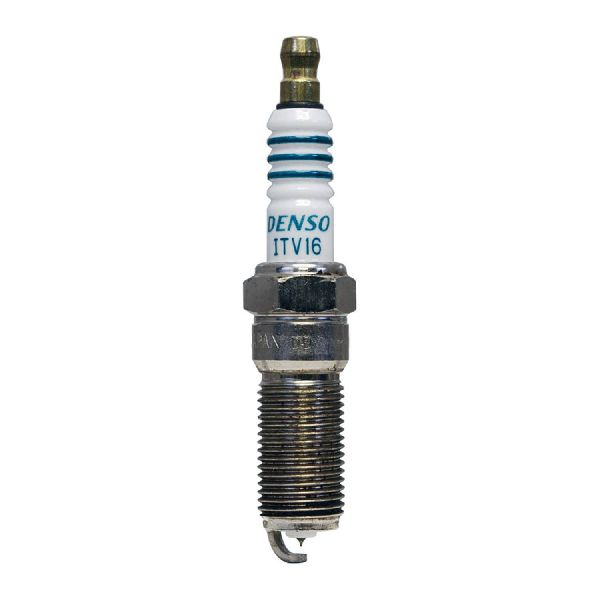
Est. part cost: $40-$90 - Worn or Fouled Spark Plug 🔴 High Probability → Shop Spark Plug
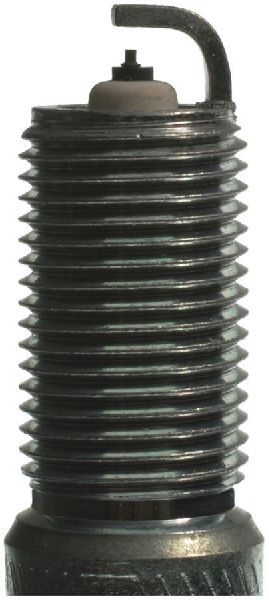
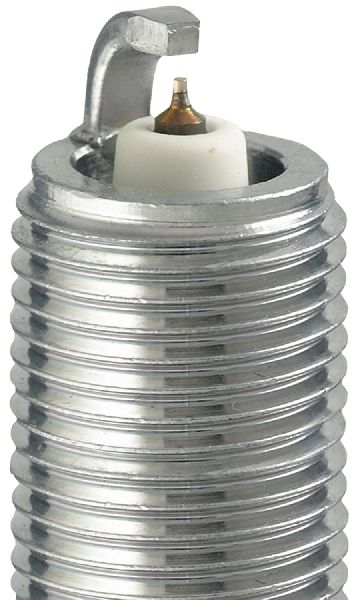
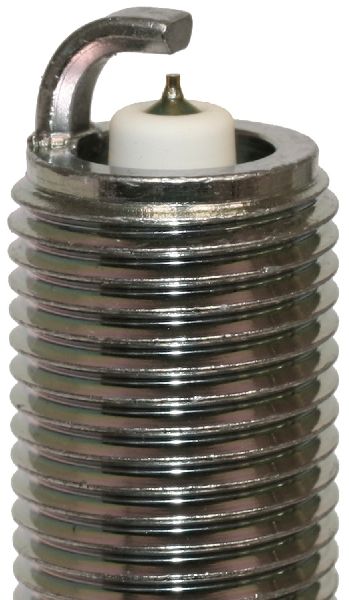
How to confirm: Visually inspect the spark plug from cylinder 5. Look for wear on the electrode, cracks in the porcelain, or heavy carbon/oil deposits. Also check inside the spark plug tube for standing oil, which could indicate a more serious cylinder head porosity issue covered by TSB 21-NA-147.
Typical fix: Replace the spark plug. If one is worn, it's good practice to replace all six, especially if they are near the end of their service life.
Est. part cost: $10-$25 per plug - Damaged AFM Oil Control Valve (OCV) Solenoid 🟡 Medium Probability → Shop Engine Variable Valve Timing (VVT) Oil Control Valve A GM Technical Service Bulletin (#21-NA-036) identifies a damaged OCV solenoid causing oil leaks and misfires, specifically mentioning DTC P0305 because cylinder 5 is an AFM cylinder. An earlier bulletin, PIP5493, also recommended replacing this valve as a first step for a P0305 misfire.
How to confirm: Inspect the OCV solenoid for physical damage or signs of an oil leak. The TSB notes that the tip of the solenoid can break off and get stuck in the camshaft cover bore. A pick tool may be needed to remove the broken piece.
Typical fix: Replace the damaged AFM OCV solenoid and ensure the bore is clear of any broken pieces.
Est. part cost: $50-$120 - Faulty Fuel Injector ⚪ Low Probability → Shop Fuel Injector
How to confirm: After ruling out spark and coil issues, listen for a clicking sound from the injector with a mechanic's stethoscope. A more definitive test is to swap the injector with another cylinder to see if the misfire follows, though this 🎬 See how to diagnose a P0305 misfire on this V6 engine. is a more involved job. A professional can perform a fuel injector balance test.
Typical fix: Replace the faulty fuel injector.
Est. part cost: $70-$150
Rare But Worth Checking
- Low Engine Compression: If ignition and fuel systems check out, a compression test should be performed. This could indicate more serious internal engine problems like a bad valve, worn piston rings, or a faulty AFM lifter.
- Intake Valve Carbon Buildup: The 3.6L LGX is a direct-injection engine, which means fuel is sprayed directly into the cylinder. Over time, this can lead to carbon deposits on the intake valves, which can restrict airflow and cause misfires. This is a known issue on direct-injection engines and is addressed in GM TSB 16-NA-383.
- Cylinder Head Porosity: → Shop Engine Cylinder Head A rare but documented issue in TSB 21-NA-147 describes porosity in the cylinder head casting that allows oil to leak into the spark plug tube, fouling the plug and coil. The fix is a cylinder head replacement.
Diagnosis Steps
- Read the trouble codes with an OBD-II scanner to confirm P0305 and check for any other codes.
- Locate cylinder 5. On the transverse-mounted 3.6L LGX, Bank 1 (rear, firewall side) contains cylinders 1-3-5, and Bank 2 (front, radiator side) has 2-4-6. Cylinder 5 is on the rear bank, driver's side.
- Swap the ignition coil from cylinder 5 to a different cylinder on the same bank (e.g., cylinder 3). Clear the codes and see if the misfire moves to the new cylinder (P0303). If it does, the coil is bad.
- If the misfire remains on cylinder 5, remove and inspect the spark plug for wear, damage, or fouling. Check for oil in the spark plug tube.
- If ignition components are good, inspect the wiring and connector for the ignition coil and fuel injector on cylinder 5.
- Following TSB #21-NA-036, inspect the Bank 1 (rear bank) AFM Oil Control Valve (OCV) solenoid for damage or leaks. Check if the tip has broken off inside the camshaft cover bore.
- If no issues are found, test the fuel injector. This can be done by swapping it with another cylinder (advanced) or having it professionally tested.
- If all else fails, perform an engine compression test 🎬 Watch: Diagnosing P0305 codes and internal engine timing issues. on cylinder 5 to check for mechanical engine problems like a bad valve or lifter issue.
Parts You'll Likely Need
- Ignition Coil
(OEM #12674754)— Ignition coils are a common failure point that directly causes a single-cylinder misfire.
Trusted brands: ACDelco, Delphi, NGK
OEM price range: $60-$100
Aftermarket price range: $40-$70 - Spark Plug
(OEM #12680072)— As a routine maintenance item, spark plugs wear out and can no longer produce a strong enough spark, leading to misfires.
Trusted brands: ACDelco, NGK
OEM price range: $15-$25
Aftermarket price range: $10-$20 - Engine Oil Control Valve (OCV) Solenoid
(OEM #12679721)— A specific TSB for this vehicle identifies a damaged AFM OCV solenoid as a potential cause for a P0305 misfire. This part is also referred to as a Rocker Arm Oil Control Solenoid.
Trusted brands: ACDelco
OEM price range: $80-$120
Aftermarket price range: $50-$90
Related Codes That Often Appear With This One
- P0300 — If the misfire is intermittent, affects other cylinders, or is caused by the OCV solenoid, a P0300 (Random Misfire) code may be stored alongside P0305.
- P0302 — TSB #21-NA-036 specifically notes that a faulty OCV solenoid can cause misfires on both cylinders 2 and 5, as they are the two AFM cylinders.
Technical Service Bulletins (TSBs) & Recalls
- 21-NA-036: Addresses a possible issue with a damaged AFM OCV solenoid that may cause an oil leak and misfire, illuminating the MIL and setting DTCs P0300, P0302 and/or P0305.
- PIP5493: An earlier bulletin recommending replacement of the Rocker Arm Oil Control Valve for a first-time P0305 misfire on the LGX engine.
- 21-NA-147: Details a condition of fluid in the spark plug tubes due to cylinder head porosity, which can cause misfires.
Platform-Specific Known Issues
- TSB #21-NA-036: A General Motors Technical Service Bulletin warns of a potential issue with a damaged Active Fuel Management (AFM) Oil Control Valve (OCV) solenoid. This can cause an oil leak or inadequate oil pressure, deactivating cylinder 2 or 5 and triggering misfire codes P0302 or P0305. The bulletin advises inspecting the solenoid for a broken tip stuck in the camshaft cover.
- TSB #PIP5493: An earlier bulletin that also recommends replacing the Rocker Arm Oil Control Valve (OCV) for a first-time P0305 misfire before performing more extensive diagnostics.
- TSB #21-NA-147: Addresses a rare but severe issue where porosity in the cylinder head casting allows oil or coolant to leak into a spark plug tube, fouling the plug and causing a misfire. This requires cylinder head replacement.
Mechanic-Grade Diagnostic Values
- AFM/VVT Oil Control Valve (OCV) Solenoid Resistance — expected: 8 - 12 Ohms. Failure: A reading outside this range, or an open/short circuit, indicates a faulty solenoid.
- Fuel Injector Resistance — expected: 1.5 - 2.2 Ohms. Failure: A significant deviation from this range or an open/short circuit reading points to a faulty injector coil.
- Ignition Coil Secondary Resistance — expected: 6,000 - 10,000 Ohms (6k-10k Ω). Failure: A reading significantly outside this range suggests a failure in the secondary coil windings.
- Low-Pressure Fuel System — expected: 50 - 75 PSI (345 - 517 kPa) with key on, engine off.. Failure: Pressure below this range indicates a potential problem with the in-tank fuel pump or its control module.
- High-Pressure Fuel System — expected: 290 - 2,175+ PSI (2 - 15+ MPa), varying with engine load.. Failure: Low pressure, which may set other codes like P0087, can contribute to lean misfires, though it would typically affect multiple cylinders.
Hidden / Shadow Codes Worth Checking
- Misfire History Data: Professional scan tools can access detailed misfire counters for each cylinder, showing not just the current misfire that set the code, but also a history of intermittent misfires that may not have been severe enough to trigger the light on their own. This helps differentiate a consistent component failure from an intermittent one. (see via GM GDS2 (or equivalent professional scan tool) under Engine Control Module data.)
Scan Tool Commands That Help
- GDS2 (GM Diagnostic Software): AFM Oil Control Valve Test — To functionally test the OCV solenoid suspected of causing a P0305 code, as per TSB #21-NA-036. The tool allows a technician to command the solenoid on and off to verify its mechanical operation.
- GDS2 (GM Diagnostic Software): Injector Test / Automated Fuel Injector Test (AFIT) — To identify a leaking or poorly flowing fuel injector after ruling out ignition issues. The test individually fires each injector and measures the corresponding fuel pressure drop to check for balance across all cylinders.
- GDS2 (GM Diagnostic Software): Crankshaft Position (CKP) Variation Relearn — This procedure should be performed after major engine work (like replacing a flexplate) or if false misfires are suspected due to driveline vibrations, to recalibrate the ECM's reference for detecting misfires.
- GDS2 (GM Diagnostic Software): Command Oil Pump to High Pressure — As recommended by TSB PIP5493B, this should be done after replacing the OCV to ensure the misfire does not return under different oil pressure conditions.
Wiring & Ground Locations
- Ignition Coil Connector — Connects directly to the top of the ignition coil for cylinder 5, located on the rear cylinder bank (firewall side), on the driver's side of the engine.. The connector or its wiring can become brittle from heat, causing a poor connection and leading to an ignition-related misfire. Inspect for corrosion, backed-out pins, or damaged wires.
- Engine Harness Chafe Points — The main engine wiring harness can rub against components like the intake plenum, valve cover bolts, or cylinder head edges.. While not specific to P0305, harness chafing is a known GM issue (per TSB PIP4924D on other models) that can cause intermittent shorts or open circuits for injector or coil control wires, leading to difficult-to-diagnose misfires.
"I Checked Everything" — The Actual Cause
- A cracked or torn PCV hose/tube, particularly the one hidden on the rear of the engine near the firewall, can cause an unmetered air leak (vacuum leak) leading to a lean misfire. This can be missed during a standard smoke test if the tear is small and only opens when the engine torques under load.
OEM Part Supersession History
12674754 (Ignition Coil)→12726023— Likely minor internal revisions for improved durability or manufacturing efficiency.12666545, 12672704, 12674162, 12678182→12679721 (AFM OCV Solenoid)— Consolidation of previous part numbers into a final, updated design.
Model Year Variations Within This Range
- 2017 vs 2018-2019: The 2017 model year LaCrosse with the 3.6L V6 was equipped with an 8-speed automatic transmission. For the 2018 and 2019 model years, this was updated to a 9-speed automatic transmission. While this does not directly affect the cause of a P0305 code, it is a key powertrain difference within the vehicle range.
Helpful Videos
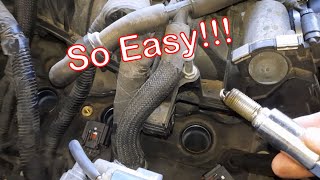
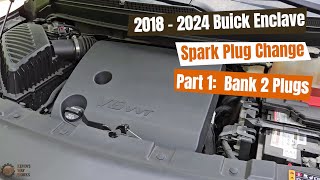
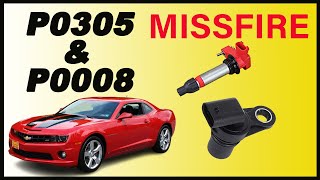
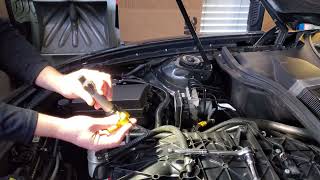
We Have This Part in Stock


The information in this article is provided for general reference and educational purposes only. Vehicle specifications, procedures, and part compatibility can vary by production date, trim level, and region. Always consult your vehicle's factory service manual and verify part numbers before purchasing or performing repairs. Safety-critical components such as airbags, seat belts, and braking systems should be installed by a qualified professional.
- Buick LACROSSE:
- 🧭 Diagnostic Flowchart
- 🎬 Helpful Videos
- 🛍️ Shop This Part
- What's Unique About the 2017-2019 Buick LACROSSE
- Symptoms You May Notice
- Most Likely Causes
- Rare But Worth Checking
- Diagnosis Steps
- Parts You'll Likely Need
- Related Codes That Often Appear With This One
- Technical Service Bulletins (TSBs) & Recalls
- Platform-Specific Known Issues
- Mechanic-Grade Diagnostic Values
- Hidden / Shadow Codes Worth Checking
- Scan Tool Commands That Help
- Wiring & Ground Locations
- "I Checked Everything" — The Actual Cause
- OEM Part Supersession History
- Model Year Variations Within This Range
- 🎟️ Get 5% Off