

P0305 on 2018-2019 Buick Regal GS: Cylinder 5 Misfire Causes & Fixes
P0305 on a 2018-2019 Buick Regal GS with the 3.6L V6 engine indicates a misfire in cylinder 5. The most common causes are a faulty ignition coil or a worn spark plug. A known issue with a damaged Oil Control Valve (OCV) solenoid is also a likely culprit, as noted in a manufacturer TSB. A coil swap is the fastest way to diagnose a bad coil. Accessing cylinder 5 is difficult as it is on the rear bank against the firewall and requires removing the upper intake manifold.
- P0305 on a 2018-2019 Regal only applies to the GS model with the 3.6L V6 engine.
- The most likely cause is a bad ignition coil or spark plug on cylinder 5. A coil swap is the easiest diagnostic test.
- Check the Oil Control Valve (OCV) solenoids for leaks or damage, as this is a known issue on this vehicle per TSB #21-NA-036.
- Do not drive extensively with a flashing check engine light, as you risk damaging the expensive catalytic converter.
What's Unique About the 2018-2019 Buick REGAL
For the 2018-2019 Regal GS, a key vehicle-specific issue is documented in GM Technical Service Bulletin #21-NA-036. It points to a potentially damaged Active Fuel Management (AFM) Oil Control Valve (OCV) solenoid that can break apart, leak oil, and directly cause a misfire, specifically triggering codes like P0300, P0302, and P0305. The bulletin notes that the end of the solenoid can break off and get stuck in the camshaft cover bore. This makes checking the OCV solenoid a higher priority on this vehicle than on others with the same code. Cylinder 5 is one of the cylinders equipped with AFM.
Diagnostic Flowchart
Tap your situation to follow the diagnostic path that matches what you're seeing on this vehicle.
Symptoms You May Notice
- Solid or flashing Check Engine Light
- Rough or shaky idle
- Engine hesitation or stumbling during acceleration
- Noticeable loss of engine power
- Vibrations from the engine bay
- Possible fuel smell from the exhaust
- Replacing oxygen sensors. A bad O2 sensor will typically set its own specific trouble codes and is unlikely to cause a single-cylinder misfire.
- Replacing the catalytic converter. A misfire can damage a catalytic converter, but the converter itself is not the cause of the misfire code. The misfire must be fixed first.
Most Likely Causes
- Faulty Ignition Coil 🔴 High Probability → Shop Ignition Coil Coil-on-plug systems are a common failure point on most modern engines. Heat and vibration cause the internal windings to fail over time. Given the location of cylinder 5 on the rear bank, it is subject to significant heat soak.
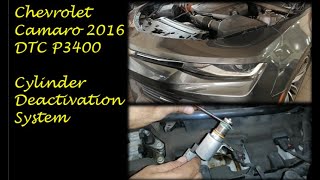
How to confirm: Swap the ignition coil from cylinder 5 with another cylinder (e.g., cylinder 3, which is also on the rear bank, or an easier-to-access front cylinder like #6). This requires removing the intake manifold. Clear the codes and drive the vehicle. If the code changes to P0303 or P0306, the ignition coil is faulty. 🎬 See how to diagnose a misfire using the coil swap method.
Typical fix: Replace the faulty ignition coil. It is often recommended to replace the corresponding spark plug at the same time. Given the labor to remove the intake manifold, many owners elect to replace all three rear coils and all six spark plugs at once.
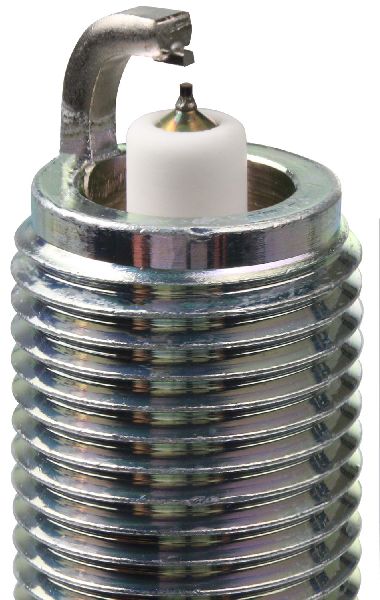
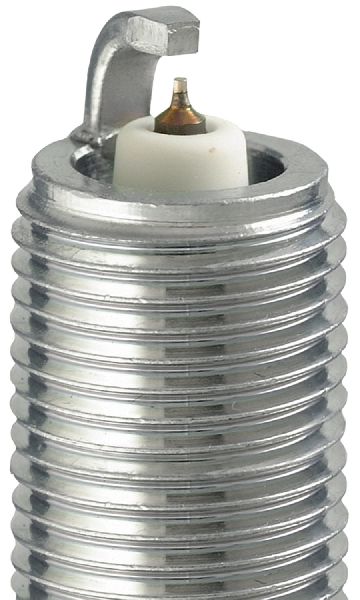
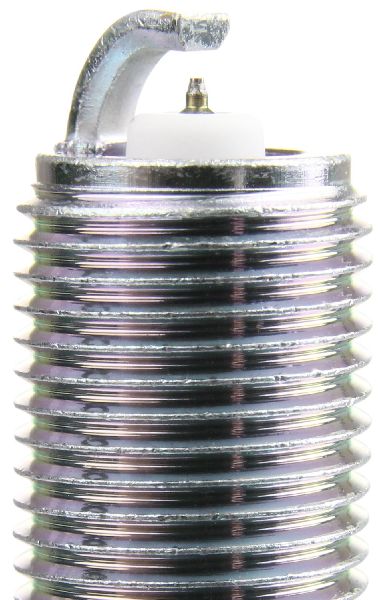
Est. part cost: $30-$60 - Worn or Fouled Spark Plug 🔴 High Probability → Shop Spark Plug Spark plugs are a regular maintenance item. Iridium plugs used in the LGX engine have a long life but can still fail, become fouled by carbon or oil, or wear out, causing a weak spark.
How to confirm: After removing the intake manifold, remove the spark plug from cylinder 5 and inspect it. Look for a worn electrode, heavy carbon buildup, or signs of oil or coolant fouling. Compare it to a plug from a healthy cylinder.
Typical fix: Replace the spark plug. It is best practice to replace all six spark plugs at the same time to ensure even performance, especially since the intake manifold must be removed for access to the rear bank.
Est. part cost: $10-$20 per plug - Damaged OCV (Oil Control Valve) Solenoid 🟡 Medium Probability Manufacturer TSB #21-NA-036 specifically calls out a damaged AFM OCV solenoid as a cause for misfires (including P0305) and oil leaks on the 2018 model. The solenoid can break, leaving its tip inside the camshaft cover.
How to confirm: Visually inspect the AFM OCV solenoids on the camshaft cover for signs of physical damage or oil leakage around the seal. Per the TSB, remove the solenoid and check if the tip has broken off and is stuck in the bore.
Typical fix: Replace the damaged OCV solenoid and its seal. If the tip is stuck, it can often be removed with a pick tool or snap-ring pliers.
Est. part cost: $35-$75 - Faulty Fuel Injector ⚪ Low Probability → Shop Fuel Injector The LGX is a direct-injection engine, and injectors can become clogged with carbon deposits or fail electronically, preventing the correct amount of fuel from being delivered to cylinder 5.
How to confirm: Listen to the injector with a mechanic's stethoscope to ensure it's clicking. A more definitive test is to swap the injector with another cylinder to see if the misfire follows. This is a very labor-intensive job that also requires intake manifold removal.
Typical fix: Replace the faulty fuel injector. It's recommended to replace the O-rings and seals for any injectors that are removed.
Est. part cost: $50-$100
Rare But Worth Checking
- Cylinder Head Porosity: → Shop Engine Cylinder Head A known TSB for the 3.6L LGX engine (#21-NA-147, formerly PIP5095G) notes that porosity in the cylinder head can allow oil to leak directly into the spark plug tube from the casting itself. This fouls the plug and coil, causing a persistent misfire. If you find oil on the spark plug's porcelain (white part) and not just the threads, this is a strong possibility. The only fix is cylinder head replacement.
- Low Engine Compression: Internal mechanical issues like a worn piston ring, a bad valve, or a damaged head gasket can cause a loss of compression in cylinder 5, leading to a misfire. TSB #21-NA-036 also notes that faulty AFM lifters (SRFFs) can fail to latch, preventing the valves from opening and causing a misfire on AFM cylinders like #5. A compression test will confirm this.
- Faulty Engine Control Module (ECM): In very rare cases, the driver circuit within the ECM that controls the ignition coil or fuel injector for cylinder 5 can fail. This should only be considered after all other possibilities have been exhausted.
Diagnosis Steps
- Read the code: Use an OBD-II scanner to confirm P0305 is the active code. Check for any other stored codes and review freeze-frame data.
- Check for a flashing Check Engine Light: If the light is flashing, the misfire is severe. Avoid driving the vehicle to prevent catalytic converter damage.
- Initial Inspection: Before disassembly, inspect the OCV Solenoids. Based on TSB #21-NA-036, visually inspect the four Oil Control Valve solenoids on the camshaft covers for signs of oil leaks or physical damage.
- Plan for Intake Manifold Removal: Accessing cylinder 5 (and the entire rear bank 1-3-5) requires removing the upper intake manifold. This is a necessary step for checking the coil, plug, or injector. It is highly recommended to have new intake manifold gaskets on hand before starting.
- Isolate the cause (Ignition): Once the manifold is off, swap the ignition coil from cylinder 5 with an adjacent cylinder (like cylinder 3). Reassemble (using old gaskets for testing if necessary), clear the codes, run the engine, and see if the misfire code moves to the new cylinder (e.g., P0303). If it does, the ignition coil is bad.
- Inspect the spark plug: If the coil swap doesn't move the code, disassemble again and remove the spark plug from cylinder 5. Check for wear, damage, or fouling. Look for oil/coolant on the porcelain, which could indicate head porosity (TSB #21-NA-147). If the plug is suspect, replace it. It's best practice to replace all six.
- Check the Fuel Injector: While the intake is off, listen to the injector with a long screwdriver or stethoscope; you should hear a steady clicking. If it's silent or sounds different from others, it may be faulty. Checking the injector's wiring for damage is also a good step.
- Check for Mechanical Issues: If ignition and fuel seem okay, perform a compression test on cylinder 5 to rule out internal engine problems like bad rings, valves, or faulty AFM lifters.
- Seek Professional Help: If the above steps do not identify the problem, it may be time to consult a professional mechanic for more advanced diagnostics, such as a leak-down test or an ECM fault check.
Parts You'll Likely Need
- Ignition Coil
(OEM #12707304 (Supersedes 12658183))— This is one of the most common failure items to cause a single-cylinder misfire.
Trusted brands: ACDelco, Delphi, NGK
OEM price range: $30-$50
Aftermarket price range: $25-$45 - Iridium Spark Plug
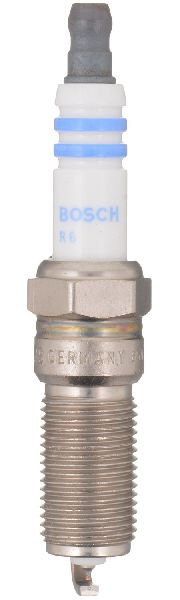
(OEM #41-130)— Spark plugs are a routine wear item and a primary cause of misfires. The 3.6L LGX engine requires Iridium plugs.
Trusted brands: ACDelco, NGK
OEM price range: $12-$20
Aftermarket price range: $10-$18 - Oil Control Valve (OCV) / VVT Solenoid
(OEM #12679721 (AFM OCV Solenoid))— A damaged AFM OCV solenoid is a specific known cause of misfires on this engine per TSB #21-NA-036.
Trusted brands: ACDelco, GM Genuine Parts
OEM price range: $35-$75
Aftermarket price range: $25-$50 - Upper Intake Manifold Gasket Set
(OEM #12648665)— These are single-use gaskets that must be replaced anytime the intake manifold is removed to access the rear bank of cylinders for spark plug, coil, or injector service.
Trusted brands: ACDelco, Fel-Pro
OEM price range: $20-$30
Aftermarket price range: $15-$25
Related Codes That Often Appear With This One
- P0300 — If the misfire is intermittent or starting to affect other cylinders, a P0300 (Random/Multiple Cylinder Misfire) code may appear alongside P0305. This is common if the root cause is related to the AFM system.
- P0301, P0302, P0303, P0304, P0306 — If the root cause is something that affects the whole engine, like a large vacuum leak or low fuel pressure, you may see misfire codes for other cylinders as well.
- P0205 — This code indicates a fault in the fuel injector circuit for cylinder 5. If seen with P0305, it strongly points to an issue with the injector or its wiring.
Technical Service Bulletins (TSBs) & Recalls
- TSB #21-NA-036: Details a failure of the AFM Oil Control Valve (OCV) solenoid where the tip breaks off, causing oil pressure loss and misfires on cylinders 2 or 5.
- TSB #21-NA-147 (replaces PIP5095G): Addresses fluid (oil/coolant) leaking into spark plug tubes due to porosity in the cylinder head casting, causing misfires. The fix requires cylinder head replacement.
Platform-Specific Known Issues
- TSB #21-NA-036: Notes that for 2018 models, a damaged Oil Control Valve (OCV) solenoid can cause an oil leak and trigger misfire codes P0300, P0302, and/or P0305.
Mechanic-Grade Diagnostic Values
- High-Pressure Fuel System Pressure — expected: Can exceed 2,000 PSI under load.. Failure: A reading significantly below commanded pressure, often accompanied by codes like P0087, indicates a failing high-pressure fuel pump (HPFP).
- Ignition Coil Secondary Resistance (General) — expected: 5,000 - 15,000 Ohms. Failure: A reading outside of this range suggests an internal failure of the coil windings. Note: This is a general specification, and specific OEM values for the LGX may vary.
- High-Pressure Fuel Pump Bolt Torque — expected: 15 Nm (11 lb ft). Failure: Incorrect torque can lead to fuel leaks at the pump.
Hidden / Shadow Codes Worth Checking
- Misfire Counters (per cylinder): The ECM tracks misfires on each cylinder even if they aren't frequent enough to set a P030x code. A technician can view these counters to spot intermittent misfires that don't yet trigger a check engine light. (see via Using a GM dealer-level scan tool like a Tech 2 or GDS2, navigate to the Engine Control Module data and look for the 'Misfire Data' or 'Misfire Graphic' display.)
Scan Tool Commands That Help
- GDS2 (GM Global Diagnostic System 2): Crankshaft Position Variation Learn — This procedure should be performed after replacing a crankshaft/camshaft sensor or reprogramming the ECM. It helps the ECM more accurately detect misfires by learning the minor variations in the crankshaft reluctor wheel, reducing false misfire counts caused by road vibrations or minor engine wear.
- GDS2 (GM Global Diagnostic System 2): Cylinder Power Balance — This bidirectional test allows a technician to sequentially disable the fuel injector to each cylinder and observe the corresponding drop in RPM. If disabling cylinder 5 causes little or no change in RPM compared to other cylinders, it confirms that cylinder 5 is not contributing power correctly.
Wiring & Ground Locations
- G103 — On the cowl at the left (driver's side) rear of the engine compartment, often near the brake booster.. This is a crucial ground point for the Engine Control Module (ECM). A loose or corroded connection at G103 can cause a host of unpredictable electrical problems, including erratic operation of ignition coils or fuel injectors, leading to misfires.
- Main Harness Ground — A 15mm bolt securing a ground strap for the main engine harness, often to the engine block or transmission housing.. Similar to G103, this primary ground is essential for stable ECM and sensor operation. A poor connection here can introduce electrical noise and resistance, potentially causing the ECM to misinterpret data or fail to properly fire the ignition coil for cylinder 5.
Real Owner Repair Stories
- CamaroZ28.Com Message Board (Chevrolet Camaro with 3.6L LGX V6) — Stabilitrak warning, flashing check engine light, limited engine power, and code P0300 (Random Misfire).
❌ Tried (didn't work) Swapping spark plugs and ignition coils.
✅ What actually fixed it The owner ultimately resolved the misfire issue by replacing two faulty VVT (Variable Valve Timing) solenoids.
OEM Part Supersession History
12658183→12707304 or 12726023— Part has been updated by the manufacturer for improved reliability or material changes.
Heads up: The original part number 12658183 has been superseded multiple times. Both 12707304 and 12726023 are listed as replacements. Always verify the latest part number with a GM dealer using the vehicle's VIN.N/A→N/A— N/A
Heads up: The 3.6L LGX engine uses several different solenoids on the cylinder head. It is critical to order the correct one. The TSB-related part is the AFM Oil Control Solenoid (PN 12679721), which is different from the standard VVT solenoids for intake/exhaust camshaft phasing (e.g., PN 12647904). Ordering the wrong one will not resolve an AFM-related misfire.
Model Year Variations Within This Range
- 2018-2019: There are no significant mechanical differences in the 3.6L LGX engine or related components for the Regal GS between the 2018 and 2019 model years. The 2018 model was an all-new design, and 2019 brought only minor refinement upgrades.
Helpful Videos
We Have This Part in Stock


The information in this article is provided for general reference and educational purposes only. Vehicle specifications, procedures, and part compatibility can vary by production date, trim level, and region. Always consult your vehicle's factory service manual and verify part numbers before purchasing or performing repairs. Safety-critical components such as airbags, seat belts, and braking systems should be installed by a qualified professional.
- Buick REGAL:
- 🧭 Diagnostic Flowchart
- 🎬 Helpful Videos
- 🛍️ Shop This Part
- What's Unique About the 2018-2019 Buick REGAL
- Symptoms You May Notice
- Most Likely Causes
- Rare But Worth Checking
- Diagnosis Steps
- Parts You'll Likely Need
- Related Codes That Often Appear With This One
- Technical Service Bulletins (TSBs) & Recalls
- Platform-Specific Known Issues
- Mechanic-Grade Diagnostic Values
- Hidden / Shadow Codes Worth Checking
- Scan Tool Commands That Help
- Wiring & Ground Locations
- Real Owner Repair Stories
- OEM Part Supersession History
- Model Year Variations Within This Range
- 🎟️ Get 5% Off