

P0305 on 2016-2018 Cadillac ATS: Cylinder 5 Misfire Causes and Fixes
P0305 on a Cadillac ATS with the 3.6L V6 engine indicates a misfire in cylinder 5. The most common causes are a faulty ignition coil or a worn spark plug. A known issue documented in GM Technical Service Bulletin #21-NA-036 also points to a damaged Active Fuel Management (AFM) Oil Control Valve (OCV) solenoid as a specific cause for this code, as cylinder 5 is an AFM cylinder.
- P0305 on a 2016-2018 ATS means cylinder 5 is misfiring and only applies to the 3.6L V6 engine.
- The most likely causes are a bad ignition coil or a worn spark plug, which can be diagnosed by swapping parts with another cylinder.
- A GM Technical Service Bulletin (#21-NA-036) identifies a faulty AFM Oil Control Valve (OCV) solenoid as a specific, known cause for this code on this engine.
- Do not drive the vehicle if the Check Engine Light is flashing, as this can cause rapid and expensive damage to the catalytic converter.
What's Unique About the 2016-2018 Cadillac ATS
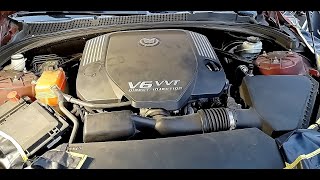
The 2016-2018 Cadillac ATS with the 3.6L V6 LGX engine has specific issues related to its Active Fuel Management (AFM) system that can cause a P0305 code. GM issued Technical Service Bulletin #21-NA-036 which directly links a misfire on cylinder 5 (an AFM cylinder) to a damaged AFM Oil Control Valve (OCV) solenoid. The bulletin explains this solenoid, located in the camshaft cover, can break or leak, causing inadequate oil pressure. This oil pressure bleed-off can inadvertently deactivate the cylinder, causing a persistent misfire. The TSB also notes that misfires occurring after an AFM event could be caused by rockers on that cylinder failing to latch, requiring lifter and rocker arm replacement.
Diagnostic Flowchart
Tap your situation to follow the diagnostic path that matches what you're seeing on this vehicle.
Symptoms You May Notice
- Rough or shaky idle, sometimes only after the engine is warm.
- Reduced engine power and poor acceleration.
- Hesitation or sputtering during acceleration.
- Flashing or solid Check Engine Light.
- Illumination of the Stabilitrak/Traction Control warning light.
- Noticeable fuel smell from the exhaust.
- Poor fuel economy.
- Replacing only the spark plug when the ignition coil is the actual cause.
- Replacing fuel system components before thoroughly testing the ignition system and inspecting the AFM OCV solenoid.
- Assuming a random misfire (P0300) is the same as a single-cylinder misfire, leading to unnecessary replacement of parts on other cylinders.
Most Likely Causes
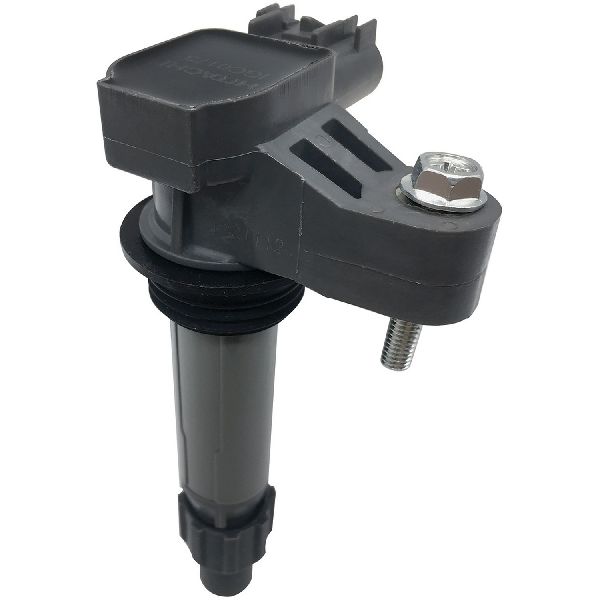
- Faulty Ignition Coil 🔴 High Probability → Shop Ignition Coil Coil-on-plug systems are a common failure point on many modern engines due to constant high heat and vibration.
How to confirm: Swap the ignition coil from cylinder 5 with another cylinder (e.g., cylinder 3 on the same bank). Clear the codes and drive the vehicle. If the code changes to P0303, the ignition coil is faulty. This is the standard first diagnostic step.
Typical fix: Replace the faulty ignition coil. It's often recommended to replace the corresponding spark plug at the same time. Use of dielectric grease in the boot is a good practice.
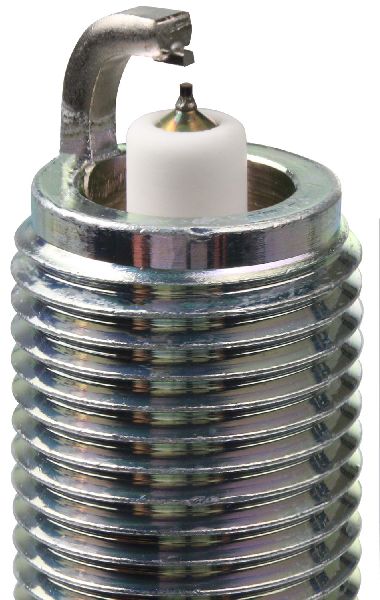
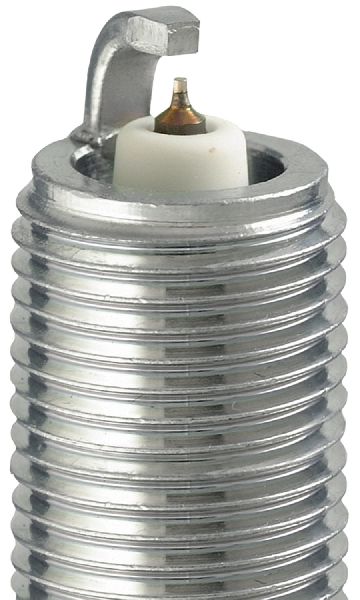
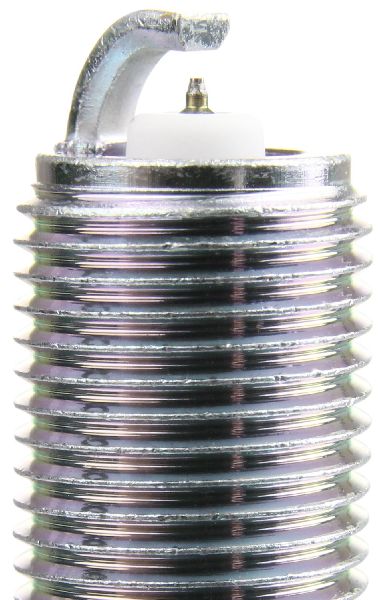
Est. part cost: $35-$75 - Worn or Fouled Spark Plug 🔴 High Probability → Shop Spark Plug Spark plugs are a maintenance item. The direct injection LGX engine can be sensitive to plug condition. GM recommends ACDelco Iridium plugs which are pre-gapped and should not be adjusted.
How to confirm: After confirming the coil is good, remove the spark plug from cylinder 5. Inspect it for wear on the electrode, carbon fouling, oil contamination, or cracks in the porcelain insulator. Compare its condition to a plug from a healthy cylinder.
Typical fix: Replace the spark plug. It is best practice to replace all six spark plugs at once 🎬 Watch: Step-by-step spark plug replacement tutorial for the ATS 3.6L. for even performance, especially if they are near their service life.
Est. part cost: $10-$25 per plug - Damaged AFM Oil Control Valve (OCV) Solenoid 🟡 Medium Probability → Shop Engine Variable Valve Timing (VVT) Oil Control Valve As documented in GM TSB #21-NA-036, the solenoid for the Active Fuel Management system on cylinder 5 can break or leak, causing a misfire. This is a known pattern failure on the LGX engine across multiple GM vehicles.
How to confirm: After ruling out ignition issues, visually inspect the OCV solenoid located in the passenger-side camshaft cover for oil leaks or physical damage. The bulletin notes the end of the solenoid can break off and get stuck in the bore, which can be removed with a pick tool.
Typical fix: Replace the damaged OCV solenoid and remove any broken pieces from the camshaft cover bore.
Est. part cost: $50-$100 - Clogged or Faulty Fuel Injector ⚪ Low Probability → Shop Fuel Injector Direct injection systems operate at very high pressures, and injectors can become clogged or fail electronically. Some owners of platform mates (like the Camaro) with the LGX engine have traced persistent P0305 codes at idle to a bad injector after ignition components were replaced.
How to confirm: This is more difficult to diagnose. A professional can perform a fuel injector balance test. A DIY method is to listen to the injector with a mechanic's stethoscope to ensure it's clicking.
Typical fix: Replace the faulty fuel injector. It's also wise to inspect for carbon buildup on intake valves at the same time.
Est. part cost: $70-$150
Rare But Worth Checking
- Intake Valve Carbon Buildup: Direct injection engines like the LGX can suffer from carbon buildup on the back of the intake valves. This can disrupt airflow into the cylinder and cause misfires, especially on cold starts. This is a known characteristic of the engine type.
- AFM Lifter / Rocker Arm Failure: → Shop Engine Valve Lifter TSB #21-NA-036 also mentions that if the OCV solenoid is not the cause, the misfire may be due to the rockers on cylinder 2 or 5 not latching. This is a mechanical failure inside the engine that would require replacing the rocker arms and lifters for that cylinder. This is often accompanied by a distinct ticking noise.
- Low Engine Compression: Internal engine damage, such as a bad valve, worn piston rings, or a stretched timing chain, can cause a loss of compression in cylinder 5, leading to a misfire. This requires a mechanical compression test to confirm and is less common than other causes.
Diagnosis Steps
- Use an OBD-II scanner to confirm P0305 is the primary code. Note if the Check Engine Light is steady or flashing and if any other codes like P0300 are present.
- Identify cylinder 5, which is the rear-most cylinder on the passenger side of the engine (Bank 1).
- Swap the ignition coil from cylinder 5 with the coil from cylinder 3 (the middle cylinder on the passenger side).
- Clear the codes with the scanner and test drive the vehicle, trying to replicate the conditions that caused the code (e.g., idling).
- Re-scan for codes. If the code is now P0303, the ignition coil is bad and needs replacement.
- If the code remains P0305, the coil is likely good. Move the spark plug from cylinder 5 to cylinder 3.
- Clear codes and test drive again. If the code changes to P0303, the spark plug is faulty.
- If the code remains P0305, the issue is not a simple ignition component. Inspect the wiring and connector to the ignition coil and fuel injector on cylinder 5 for damage or corrosion.
- Following TSB #21-NA-036, inspect the AFM Oil Control Valve (OCV) solenoid on the passenger-side camshaft cover for oil leaks or physical damage. Remove it to check if the tip has broken off into the bore.
- If no issues are found, the problem may be a clogged fuel injector, carbon buildup, or a more serious mechanical issue like low compression or a faulty AFM lifter/rocker arm, which may require professional diagnosis.
Parts You'll Likely Need
- Ignition Coil
(OEM #12707304)— This is one of the most common failure items to cause a single-cylinder misfire. Part number confirmed to fit 2016-2019 Cadillac ATS.
Trusted brands: ACDelco, Delphi, NGK
OEM price range: $45-$75
Aftermarket price range: $30-$55 - Iridium Spark Plug
(OEM #41-130)— Spark plugs are a routine maintenance item and a primary cause of misfires as they wear out. This is the specified OE part.
Trusted brands: ACDelco, NGK, Denso
OEM price range: $15-$25
Aftermarket price range: $10-$20 - AFM Oil Control Valve Solenoid
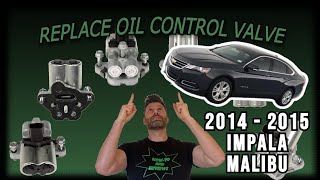
(OEM #12698209)— A known issue specific to this engine, as documented in TSB #21-NA-036, can cause a P0305 code. This part is also referred to as a Rocker Arm Oil Control Valve. 🎬 See this walkthrough on how to replace the oil control valve.
Trusted brands: ACDelco
OEM price range: $50-$100
Aftermarket price range: $30-$70
Related Codes That Often Appear With This One
- P0300 — If the misfire is intermittent or starting to affect other cylinders, a P0300 (Random/Multiple Cylinder Misfire) may be stored alongside P0305. TSB #21-NA-036 explicitly lists P0300 as a code that can be set by the faulty OCV solenoid.
- P0302 — TSB #21-NA-036 covers misfires on both cylinder 2 and cylinder 5, as they are the two AFM-deactivated cylinders on the LGX V6. A problem with the AFM system could potentially set codes for both.
Technical Service Bulletins (TSBs) & Recalls
- 21-NA-036: Information on Malfunction Indicator Lamp (MIL) Illuminated – DTC P0300, P0302 and/or P0305 Set.
Platform-Specific Known Issues
- TSB #21-NA-036: This bulletin is critical for diagnosing P0305 on this engine. It was issued by GM for misfires on AFM cylinders (2 and 5). It identifies two primary causes after ruling out ignition/fuel: 1) A damaged OCV solenoid causing an oil leak and improper cylinder deactivation, and 2) Rocker arms failing to latch. The bulletin advises inspecting the solenoid for damage (the end can break off) before proceeding to more invasive mechanical inspection of the rocker arms and lifters.
Mechanic-Grade Diagnostic Values
- AFM/VVT Oil Control Valve Solenoid Resistance — expected: 8 - 12 Ohms. Failure: A reading significantly outside this range, or an open/short circuit, indicates a faulty solenoid.
- Fuel Injector Coil Resistance (Direct Injection) — expected: 1.5 - 3.0 Ohms. Failure: A reading outside this narrow range suggests an internal failure of the injector's coil.
- High-Pressure Fuel System Pressure — expected: Can exceed 2,000 PSI under load.. Failure: While a general low pressure condition would likely set other codes (e.g., P0087), pressure that fails to meet the desired value under load can contribute to lean misfires.
- Low-Pressure Fuel System Pressure — expected: Approximately 72 PSI (feeding the high-pressure pump).. Failure: Low pressure from the in-tank pump will starve the high-pressure pump, leading to misfires and other performance issues.
Hidden / Shadow Codes Worth Checking
- Mode 6, Test ID $A5: Provides the raw misfire count for cylinder 5 from the most recent or current drive cycle. This allows a technician to see misfire events that have not yet crossed the threshold to illuminate the Check Engine Light. (see via Most advanced OBD-II scanners (not basic code readers) have a function to display Mode $06 test results.)
- Misfire History (GDS2): A GM-specific data PID that stores more detailed historical misfire data than standard OBD-II codes. (see via Requires a dealer-level scan tool like the GM GDS2 (Global Diagnostic System 2) to access the 'Misfire History' data within the Engine Control Module (ECM).)
Scan Tool Commands That Help
- GM GDS2: Cylinder Power Balance — To graphically display the real-time power contribution of each cylinder. A visible drop on the graph for cylinder 5 confirms the misfire is currently active and helps verify the effectiveness of a repair.
- GM GDS2 / Tech2: Fuel Injector Balance Test / AFIT (Active Fuel Injector Tester) — Use this after ruling out ignition problems. The tool commands the ECM to fire each injector and measures the corresponding fuel pressure drop. A smaller pressure drop for cylinder 5 points to a clogged or faulty injector.
Wiring & Ground Locations
- G102 — Located at the left rear of the engine.. This is the primary ground point for all ignition coils. A loose or corroded connection here can cause weak or intermittent spark on multiple cylinders, which could present as a single cylinder misfire initially.
- G107 — Located on the front of the right cylinder head (Bank 1).. This ground is on the same cylinder head as cylinder 5. A poor connection could cause electrical noise or voltage issues for sensors and actuators on that bank.
- ECM (Engine Control Module) — Located in the right front of the engine compartment.. This is the location of the main computer that controls the ignition and fuel systems. Knowing its location is essential for any circuit testing that involves checking for signals or continuity back to the module.
OEM Part Supersession History
12666339→12707304, which was then superseded by 12741091— Standard part evolution for improved reliability and manufacturing.
Heads up: When ordering a replacement ignition coil, it is best to use the latest part number (12741091) to ensure you receive the most current revision.
Model Year Variations Within This Range
- 2016: The 2016 model year marked the introduction of the redesigned 3.6L LGX V6 engine, replacing the previous LFX. The LGX was GM's first overhead-cam engine to feature Active Fuel Management (AFM), which is central to the TSB-documented causes of P0305.
- 2016: A service update (GM #16029) was issued for a small number of 2016 ATS vehicles due to improperly torqued high-pressure fuel pump or fuel rail fasteners. This could cause a fuel leak and loss of fuel pressure, potentially contributing to misfires.
Helpful Videos
We Have This Part in Stock


The information in this article is provided for general reference and educational purposes only. Vehicle specifications, procedures, and part compatibility can vary by production date, trim level, and region. Always consult your vehicle's factory service manual and verify part numbers before purchasing or performing repairs. Safety-critical components such as airbags, seat belts, and braking systems should be installed by a qualified professional.
- Cadillac ATS:
- 🧭 Diagnostic Flowchart
- 🎬 Helpful Videos
- 🛍️ Shop This Part
- What's Unique About the 2016-2018 Cadillac ATS
- Symptoms You May Notice
- Most Likely Causes
- Rare But Worth Checking
- Diagnosis Steps
- Parts You'll Likely Need
- Related Codes That Often Appear With This One
- Technical Service Bulletins (TSBs) & Recalls
- Platform-Specific Known Issues
- Mechanic-Grade Diagnostic Values
- Hidden / Shadow Codes Worth Checking
- Scan Tool Commands That Help
- Wiring & Ground Locations
- OEM Part Supersession History
- Model Year Variations Within This Range
- 🎟️ Get 5% Off