

P0305 on 2016-2018 Cadillac CTS-V: Cylinder 5 Misfire Causes and Fixes
On a 2016-2018 Cadillac CTS-V, code P0305 is most often caused by a failed ignition coil or a worn spark plug on cylinder 5. Diagnosis is straightforward by swapping these parts with another cylinder. A GM Technical Service Bulletin also points to a faulty Oil Control Valve (OCV) solenoid as a known cause for this misfire, particularly if other basic ignition and fuel-related causes are ruled out.
- P0305 indicates a misfire specifically in cylinder 5, which is the third cylinder back on the driver's side.
- The most likely cause is a bad ignition coil or spark plug, which can be easily diagnosed by swapping parts with a neighboring cylinder.
- Do not ignore a flashing Check Engine Light, as it signals a severe misfire that can quickly destroy your catalytic converters.
- Be aware of GM Technical Service Bulletin #21-NA-036, which identifies a faulty Oil Control Valve (OCV) solenoid as a known cause for this specific code on this engine family.
What's Unique About the 2016-2018 Cadillac CTS-V
While misfires are common on all vehicles, the high-performance 6.2L LT4 engine has specific issues to be aware of. General Motors has issued a Technical Service Bulletin (TSB #21-NA-036) that directly links a P0305 code to a potentially damaged Oil Control Valve (OCV) solenoid. This solenoid is part of the Active Fuel Management (AFM) system, which deactivates cylinders to improve fuel economy. A damaged OCV can cause inadequate oil pressure for the AFM lifters on specific cylinders, leading to a misfire. This means that beyond the usual spark plugs and coils, this specific solenoid is a known failure point that can cause this exact code on some GM V8s.
Diagnostic Flowchart
Tap your situation to follow the diagnostic path that matches what you're seeing on this vehicle.
Symptoms You May Notice
- Flashing or solid Check Engine Light
- Rough or shaking engine idle
- Hesitation or stumbling during acceleration
- Noticeable loss of engine power
- Poor fuel economy
- Smell of unburnt fuel from the exhaust
- Engine may sound like it's 'choking' or sputtering under load
- Service Stabilitrak message may appear on the dash simultaneously
- Replacing oxygen (O2) sensors. A faulty O2 sensor will typically set its own specific codes and is unlikely to cause a single-cylinder misfire.
- Replacing the Mass Airflow (MAF) sensor. A bad MAF sensor usually affects all cylinders randomly and is more likely to trigger a P0300 (random misfire) code.
Most Likely Causes
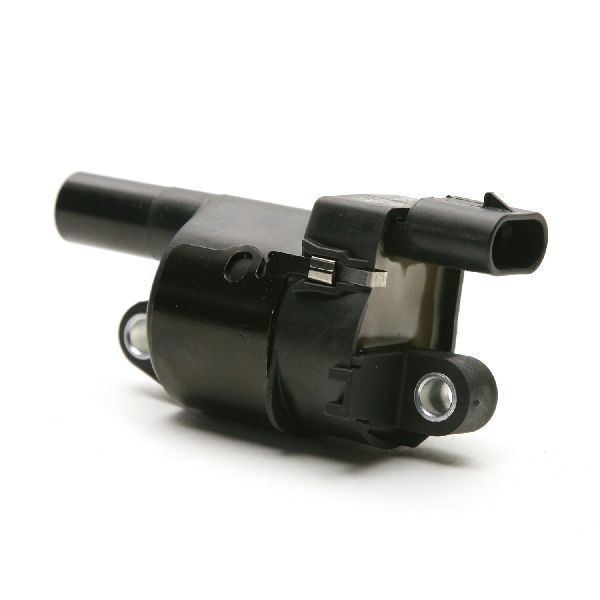
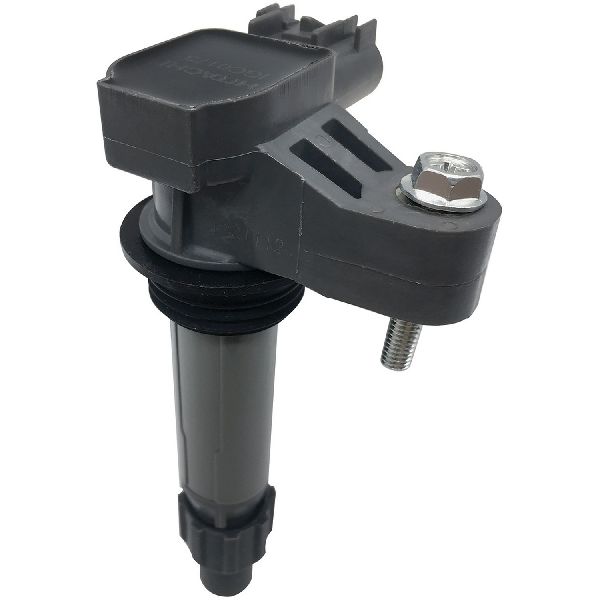
- Faulty Ignition Coil 🔴 High Probability → Shop Ignition Coil Coil-on-plug ignition systems are a common failure point on modern high-output engines due to extreme heat cycles and vibration. The LT4 is no exception.
How to confirm: Swap the ignition coil from cylinder 5 with another cylinder (e.g., cylinder 7 on the same bank). Clear the codes and drive. If the misfire code moves to the new cylinder (e.g., P0307), the coil is bad. This is the universally recommended first diagnostic step. 🎬 Watch: A simple guide to diagnosing a cylinder 5 misfire.
Typical fix: Replace the faulty ignition coil. It is recommended to replace the corresponding spark plug at the same time.
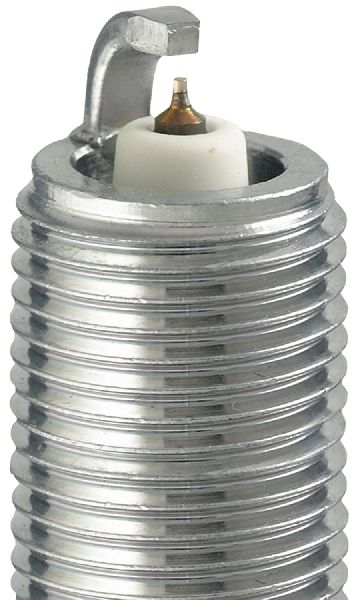
Est. part cost: $40-$100 - Worn or Fouled Spark Plug 🔴 High Probability → Shop Spark Plug Spark plugs are a regular maintenance item. A worn electrode, incorrect gap, or fouling from oil or carbon can prevent a strong spark. Oil on the plug electrode can be a sign of more serious issues like bad valve seals or piston rings.
How to confirm: After confirming the coil is good, swap the spark plug from cylinder 5 to another cylinder. If the misfire code follows the plug (e.g., moves to P0307 after swapping with cylinder 7), the plug is the issue. Visually inspect the plug for wear, oil, carbon fouling, or a cracked porcelain insulator.
Typical fix: Replace the spark plug. It is best practice to replace all 8 spark plugs at the same time for consistent performance, especially if they are near their service interval.
Est. part cost: $15-$30 per plug - Damaged Oil Control Valve (OCV) Solenoid 🟡 Medium Probability → Shop Engine Variable Valve Timing (VVT) Oil Control Valve A specific GM Technical Service Bulletin (#21-NA-036) identifies a damaged OCV solenoid as a cause for misfires on cylinders 2 and 5 on certain GM engines. The bulletin notes the end of the solenoid can break off, causing an oil pressure bleed-off that affects the Active Fuel Management (AFM) system, leading to cylinder deactivation and a misfire code.
How to confirm: Visually inspect the OCV solenoid for oil leaks or physical damage. Per the TSB, the solenoid should be removed and inspected. If the end has broken off, the piece may be stuck in the bore and can be removed with a pick tool. This is typically diagnosed after ignition and fuel injector issues are ruled out.
Typical fix: Replace the Rocker Arm Oil Control Valve solenoid for the driver's side bank. The part is often sold as a 'Valve Assembly, Vlv Rkr Arm Oil Cont'.
Est. part cost: $45-$70 - Clogged or Faulty Fuel Injector 🟡 Medium Probability → Shop Fuel Injector The LT4 is a direct-injection engine, and the injector tips are inside the combustion chamber, making them susceptible to carbon buildup which can disrupt the fuel spray pattern and cause a misfire.
How to confirm: Listen to the injector with a mechanic's stethoscope to ensure it's clicking. A more definitive test is to swap the injector with another cylinder, but this is significantly more labor-intensive. A professional can perform an injector balance test to measure flow rates.
Typical fix: Clean or replace the fuel injector for cylinder 5.
Est. part cost: $70-$150
Rare But Worth Checking
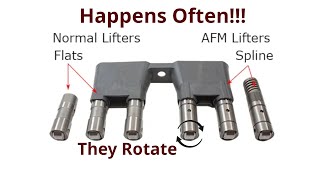
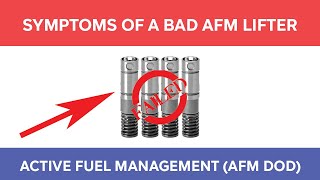
- AFM Lifter Failure: → Shop Engine Valve Lifter The Active Fuel Management (AFM) system uses special lifters that can collapse to deactivate cylinders. A mechanically stuck or collapsed lifter will cause a persistent misfire and often a distinct ticking noise from the valvetrain. 🎬 Watch: How to identify symptoms of a failing AFM lifter. While TSB 21-NA-036 points to the OCV, it also mentions that if the solenoid is not the cause, inspection of the rockers and lifters is the next step.
- Broken Valve Spring: A broken valve spring is a mechanical failure that will cause a cylinder to lose compression and misfire constantly. This can sometimes be diagnosed by removing the valve cover and visually inspecting the springs.
- Intake Valve Carbon Buildup: As a direct-injection engine, fuel does not spray over the intake valves to clean them. Over time, oil and carbon from the PCV system can bake onto the valves, restricting airflow and causing misfires, especially at idle or under light load.
- Internal Coolant Leak: Though rare, some GM V8 engines have experienced issues with cylinder head porosity, which can cause a small amount of coolant to leak into a cylinder, fouling the spark plug and causing a misfire. This may be more noticeable on a cold start.
Diagnosis Steps
- Use an OBD-II scanner to confirm P0305 is the primary code. Note if the Check Engine Light is solid or flashing. A flashing light indicates a severe, catalyst-damaging misfire.
- Visually inspect the area around cylinder 5 (driver's side, third from front) for any obvious issues like a loose ignition coil connector, damaged wiring, or signs of leaks.
- Perform an 'ignition swap test'. Swap the ignition coil from cylinder 5 with cylinder 7 (rear-most on the same bank). Clear the codes and drive. If the code changes to P0307, the ignition coil is faulty and needs replacement.
- If the misfire remains on cylinder 5, swap the spark plug from cylinder 5 with cylinder 7. Clear codes and drive. If the code changes to P0307, the spark plug is the culprit. Inspect the old plug for signs of oil, fuel, or damage.
- If the misfire persists on cylinder 5, inspect the fuel injector wiring. Listen for a consistent clicking sound from the injector using a mechanic's stethoscope. A silent injector points to a wiring or component failure.
- If ignition and fuel injector basics check out, the issue may be more complex. Following the guidance of TSB 21-NA-036, inspect the Rocker Arm Oil Control Valve (OCV) solenoid for the driver's side bank. Remove it and check for a broken tip or damaged O-rings.
- If no cause is found, a professional should perform a compression test and a cylinder leak-down test. These tests check for mechanical engine problems like bad valves, worn piston rings, a failed head gasket, or a faulty AFM lifter.
Parts You'll Likely Need
- Ignition Coil
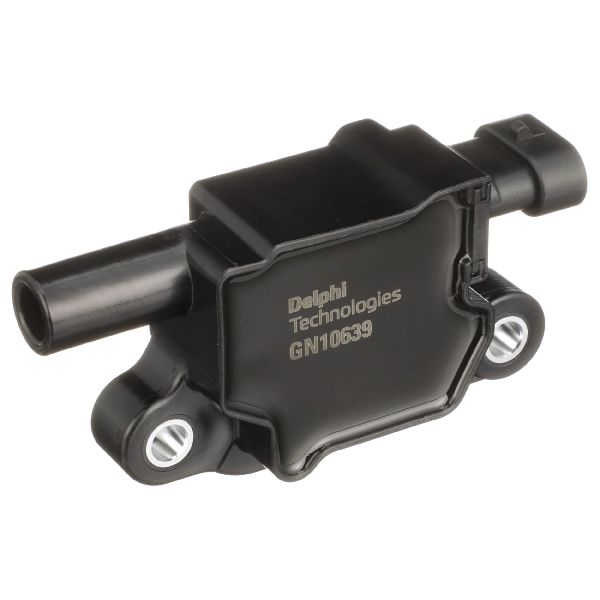
(OEM #12658234)— This is one of the most common failure items to cause a single-cylinder misfire and is the first part to test via swapping.
Trusted brands: ACDelco, Delphi
OEM price range: $60-$90
Aftermarket price range: $40-$70 - Spark Plug
(OEM #41-126)— Spark plugs are a maintenance item and can become worn or fouled, leading to a weak or non-existent spark.
Trusted brands: ACDelco, NGK
OEM price range: $15-$25
Aftermarket price range: $10-$20 - Rocker Arm Oil Control Valve (OCV) Solenoid
(OEM #12679721)— This is a documented failure point per GM TSB #21-NA-036 that specifically can cause a P0305.
Trusted brands: ACDelco, GM Genuine Parts
OEM price range: $45-$70
Aftermarket price range: $35-$60
Related Codes That Often Appear With This One
- P0300 — If the misfire is intermittent or starting to affect other cylinders, a P0300 (Random Misfire Detected) code may appear alongside P0305.
- P050D — This code for 'Cold Start Rough Idle' can sometimes accompany a cold-start misfire code like P0305 as the PCM detects instability before the engine warms up.
Technical Service Bulletins (TSBs) & Recalls
- 21-NA-036: Information on Malfunction Indicator Lamp (MIL) Illuminated – DTCs P0300, P0302 and/or P0305 Set. Points to a damaged OCV solenoid as a potential cause and provides diagnostic steps to inspect the solenoid and, if necessary, the valvetrain components.
Platform-Specific Known Issues
- Per TSB #21-NA-036, a damaged Oil Control Valve (OCV) solenoid can leak or break, causing inadequate oil pressure for the Active Fuel Management (AFM) system, which can deactivate cylinder 5 and log a P0305 code. The bulletin advises to inspect for a broken-off solenoid tip inside the camshaft cover bore.
- AFM lifter failure is a known, albeit more serious, issue on GM V8 engines. A collapsed or stuck lifter on cylinder 5 would prevent proper valve operation and cause a persistent misfire, often accompanied by a ticking sound.
Mechanic-Grade Diagnostic Values
- Low-Side Fuel Pressure (Key On, Engine Off) — expected: 55-60 psi. Failure: Pressure below this range may indicate a weak in-tank fuel pump.
- Ignition Coil Primary Resistance — expected: 0.2 to 3.0 ohms. Failure: A reading of 0 ohms (short) or OL/infinite (open) indicates a faulty coil.
- Ignition Coil Secondary Resistance — expected: 5,000 to 15,000 ohms (5k-15k Ω). Failure: A reading outside the expected range indicates a faulty coil.
- Injector Pulse Width (Idle) — expected: Approximately 0.8 ms to 3.5 ms. Failure: Significantly higher values (e.g., 10ms) at idle could indicate a problem, though this can be influenced by many factors.
Hidden / Shadow Codes Worth Checking
- Mode $06, Test ID $A6: This is not a DTC, but a specific monitor within the PCM that tracks the raw misfire count for cylinder 5. It can show misfires happening before they are frequent enough to trigger the P0305 code and set the Check Engine Light. (see via A professional scan tool with Mode $06 functionality is required.)
Scan Tool Commands That Help
- GDS2 (GM Global Diagnostic System 2): Cylinder Power Balance — This function graphically displays the relative power contribution of each cylinder. It is used to confirm which cylinder is misfiring in real-time without having to swap parts, which is useful if the misfire is intermittent.
- GDS2 (GM Global Diagnostic System 2): AFM Cylinder Deactivation — A technician can command the AFM system on and off to see if the misfire on cylinder 5 is related to the activation or deactivation of the system, helping to isolate issues with AFM lifters or control solenoids.
Real Owner Repair Stories
- LS1TECH forum user (via Go-Parts.com article) (Cadillac CTS-V (similar V8 architecture)) — Persistent P0305 code, rough idle, rich smell at startup.
❌ Tried (didn't work) Swapped injectors, Swapped coils, Replaced spark plugs and wires, Swapped coil assemblies bank-to-bank, Performed compression test, Checked for vacuum leaks, Monitored O2 sensors and fuel trims
✅ What actually fixed it The final resolution was reportedly a repair to a section of the engine wiring harness.
OEM Part Supersession History
12666545, 12672704, 12674162, 12678182→12679721— GM regularly updates service parts to integrate new materials, technologies, or design improvements.
Helpful Videos


We Have This Part in Stock


The information in this article is provided for general reference and educational purposes only. Vehicle specifications, procedures, and part compatibility can vary by production date, trim level, and region. Always consult your vehicle's factory service manual and verify part numbers before purchasing or performing repairs. Safety-critical components such as airbags, seat belts, and braking systems should be installed by a qualified professional.
- Cadillac CTS-V:
- 🧭 Diagnostic Flowchart
- 🎬 Helpful Videos
- 🛍️ Shop This Part
- What's Unique About the 2016-2018 Cadillac CTS-V
- Symptoms You May Notice
- Most Likely Causes
- Rare But Worth Checking
- Diagnosis Steps
- Parts You'll Likely Need
- Related Codes That Often Appear With This One
- Technical Service Bulletins (TSBs) & Recalls
- Platform-Specific Known Issues
- Mechanic-Grade Diagnostic Values
- Hidden / Shadow Codes Worth Checking
- Scan Tool Commands That Help
- Real Owner Repair Stories
- OEM Part Supersession History
- 🎟️ Get 5% Off