

P0305 on 2010-2017 Cadillac Escalade ESV: Cylinder 5 Misfire Causes and Fixes
P0305 indicates a misfire in cylinder 5. On the 2010-2017 Escalade ESV, this is most often caused by a worn spark plug, a bad ignition coil, or a loose spark plug wire. A GM Technical Service Bulletin (TSB) specifically highlights loose spark plug wires as a known issue. However, a more serious and common underlying cause on these 6.2L V8s is a failed Active Fuel Management (AFM) lifter, which is a significantly more involved repair. Expect to spend $50-$150 on basic ignition parts for a DIY rep
- P0305 is a misfire on cylinder 5. Start your diagnosis with the simple, high-probability causes: the spark plug, ignition coil, and spark plug wire for that cylinder.
- A GM TSB (#PIP4819A) specifically flags loose spark plug wires as a known issue for this code on your truck; check this first.
- Use the 'swap test': move the ignition coil from cylinder 5 to another cylinder. If the misfire code follows the coil, you've found the bad part for under $100.
- Do not ignore a flashing check engine light. Pull over safely, as this signals a severe misfire that can destroy your catalytic converter in a short amount of time.
- If basic ignition parts don't solve the problem and you hear an engine tick, the issue could be a more serious mechanical problem like a failed AFM lifter, which is a known issue on these engines and requires professional diagnosis.
What's Unique About the 2010-2017 Cadillac ESCALADE ESV
The 2010-2017 Escalade ESV spans two generations with different V8 engines. The 2010-2014 models use the port-injected 6.2L L94 V8, while the 2015-2017 models feature the direct-injected 6.2L L86 EcoTec3 engine. While both are susceptible to common ignition failures, they share a significant, more serious potential cause for misfires: failure of the Active Fuel Management (AFM) system lifters. These specialized lifters, which are used to deactivate cylinders for fuel economy, are a well-documented weak point across GM's truck and SUV lineup. They can collapse, stick, or damage the camshaft, causing a persistent misfire that can be mistaken for a simple ignition problem. This issue is so prevalent it has led to class-action lawsuits against GM.
Diagnostic Flowchart
Tap your situation to follow the diagnostic path that matches what you're seeing on this vehicle.
Generation note: This range covers the end of the third generation (2010-2014, GMT900 platform) and the beginning of the fourth generation (2015-2017, K2XX platform). The primary difference is the engine: the earlier models use the port-injected L94 6.2L V8, while the later models use the direct-injected L86 6.2L V8. The L86 is more prone to carbon buildup on intake valves as a potential cause for misfires due to its direct injection design. Both generations are known to have issues with Active Fuel Management (AFM) lifters, which is a primary cause of misfires after basic ignition components are ruled out.
Symptoms You May Notice
- Rough or shaking idle
- Hesitation or stumbling during acceleration
- Noticeable loss of engine power
- Flashing or solid Check Engine Light
- Engine ticking, chirping, or tapping noise, especially on deceleration, which may increase with RPM (a strong indicator of a lifter issue)
- Reduced fuel economy
- Service StabiliTrak warning light may illuminate
- Replacing oxygen sensors. O2 sensors will report the effects of a misfire (like an overly rich or lean exhaust), but they are almost never the cause of a single-cylinder misfire code.
- Assuming the problem is solved after replacing just one part. As one forum user on a Tahoe with P0305 found, after replacing plugs, wires, coils, and injectors, the problem was ultimately a failed lifter, demonstrating the need for thorough diagnosis.
Most Likely Causes
- Worn or Fouled Spark Plug 🔴 High Probability → Shop Spark Plug Spark plugs are a standard wear-and-tear item and a primary cause of single-cylinder misfires on any gasoline engine.
How to confirm: Remove the spark plug from cylinder 5 and inspect it for wear, oil fouling, or damage to the electrode. A cracked porcelain insulator or worn-down electrode are clear signs of failure. Compare it to a plug from a working cylinder.
Typical fix: Replace the spark plug. It is best practice to replace all 8 spark plugs at the same time using properly gapped plugs to maintain consistent performance. 🎬 Watch: Step-by-step guide to replacing spark plugs on this engine.
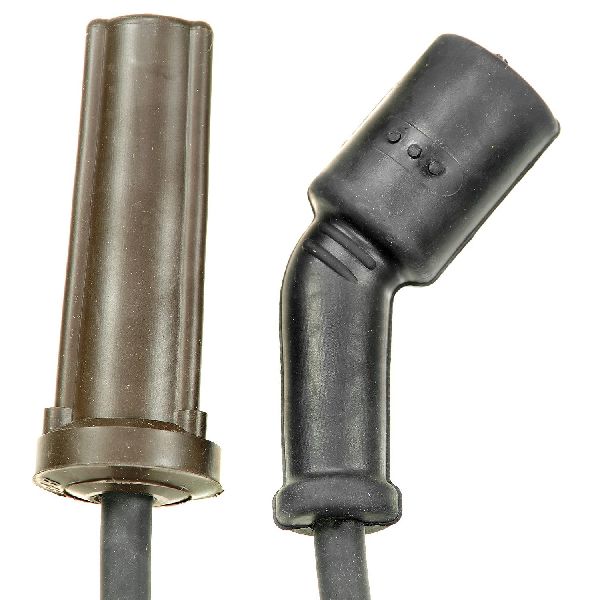
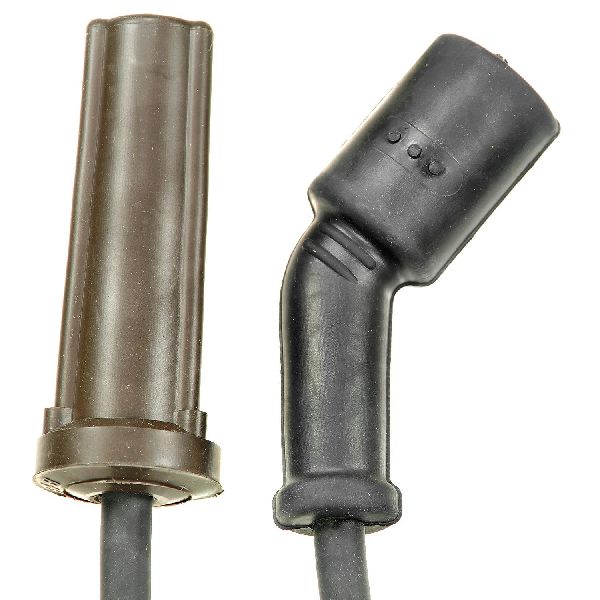
Est. part cost: $10-$25 per plug - Faulty or Loose Spark Plug Wire 🔴 High Probability → Shop Spark Plug GM issued multiple Technical Service Bulletins (TSB #PIP4819A and its successor #PIP5159C) for this platform, citing loose spark plug wires as a direct cause for misfire codes, including P0305. The retaining 'C' clip on the wire boot at the coil can be missing or damaged, causing a poor connection.
How to confirm: Visually inspect the wire for damage, burns, or corrosion. Ensure it is securely clicked onto both the ignition coil and the spark plug. Wiggle the boot at the coil to check for looseness and listen for a 'click' when seating it. On some trucks, the cylinder 5 wire can rub against the steering shaft if not routed correctly, causing damage.
Typical fix: Replace the spark plug wire set. It is recommended to replace all wires as a set with a quality brand like ACDelco to ensure proper fit and resistance.
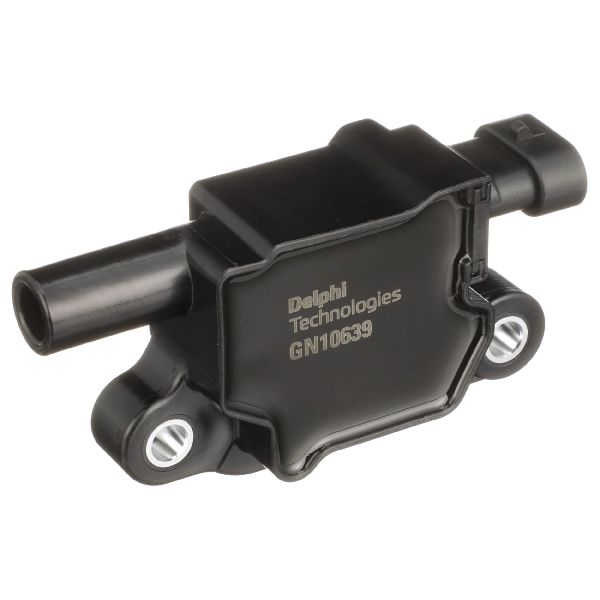
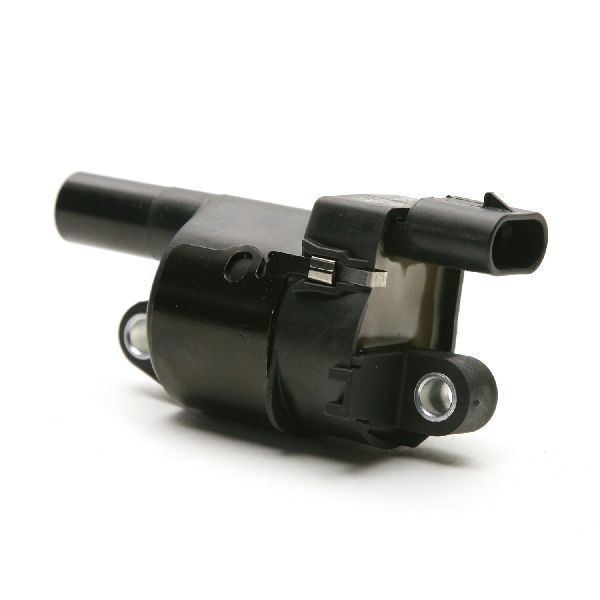
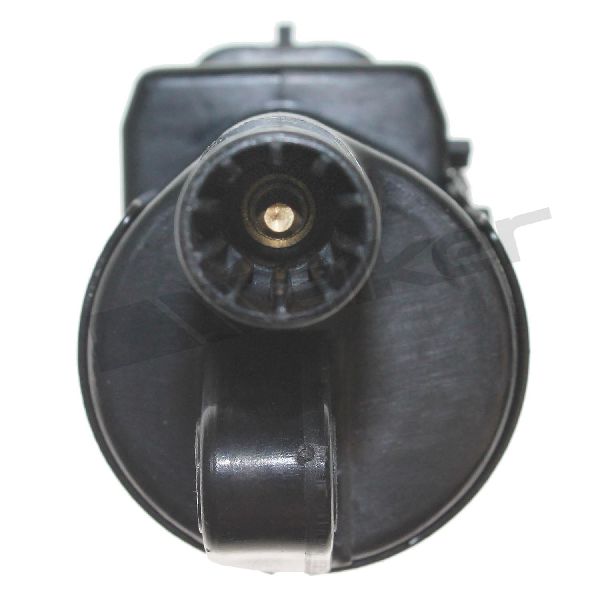
Est. part cost: $50-$100 for a quality set - Failing Ignition Coil 🟡 Medium Probability → Shop Ignition Coil Ignition coils are subjected to constant heat and vibration, and individual failures are common.
How to confirm: Swap the ignition coil from cylinder 5 with another cylinder (e.g., cylinder 3 or 1). Clear the codes and run the engine. If the code changes to P0303 or P0301, the coil is faulty. If P0305 returns, the coil is not the issue.
Typical fix: Replace the single faulty ignition coil. There is no need to replace all of them unless multiple are failing.
Est. part cost: $40-$90 - Collapsed or Stuck Active Fuel Management (AFM) Lifter 🟡 Medium Probability → Shop Engine Valve Lifter The 6.2L V8 engines in these trucks use AFM, and the specialized lifters are a well-documented failure point across the entire GM truck/SUV line. They can become stuck, collapse internally, or the roller can seize and damage the camshaft, preventing the valve from opening and causing a persistent misfire. This issue is often preceded by a ticking noise.
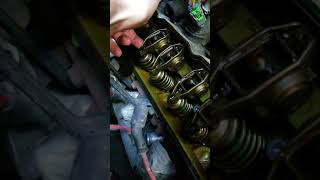
How to confirm: This is a more complex diagnosis. A key symptom is a distinct ticking or tapping noise from the engine's top end. A professional mechanic can confirm this by removing the valve cover to check for play in the rocker arm for cylinder 5 or by performing a compression test. 🎬 See these expert tips for diagnosing a ticking AFM lifter. A GM service bulletin suggests performing a running compression test; if compression is below 25 PSI regardless of AFM solenoid command, the lifter is likely collapsed.
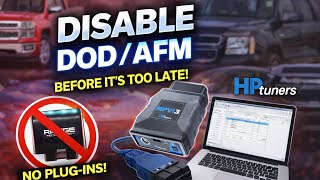
Typical fix: This is a major repair that involves replacing the faulty lifter(s), the lifter guides, and often the Valve Lifter Oil Manifold (VLOM). The camshaft must be inspected for damage and replaced if any scoring is found. Many owners opt to perform an 'AFM delete' at this time, replacing all AFM components with standard lifters, a new non-AFM camshaft, and reprogramming the ECM to prevent future failure. 🎬 Watch: Full walkthrough of an AFM delete and camshaft replacement.
Est. part cost: $300-$800 for lifters, guides, and gaskets. An AFM delete kit can cost $500-$1200. - Clogged or Faulty Fuel Injector ⚪ Low Probability → Shop Fuel Injector
How to confirm: Listen to the injector with a mechanic's stethoscope to confirm it is clicking. For a more definitive test, swap the injector with one from another cylinder (a more involved job, especially on the L86 direct-injection engine) or have a professional perform a fuel injector balance test.
Typical fix: Replace the faulty fuel injector. On the direct-injected L86, this is a more complex job that involves removing the intake manifold and fuel rail.
Est. part cost: $50-$120 for L94, $70-$150 for L86
Rare But Worth Checking
- Carbon Buildup on Intake Valves: This is more specific to the 2015-2017 models with the L86 direct-injection engine. Because fuel is injected directly into the cylinder, it no longer washes over the intake valves, allowing carbon deposits to accumulate. This can disrupt airflow and cause misfires, especially on cold starts. The fix is typically a manual or walnut-shell media blasting cleaning of the valves.
- Intake Manifold Gasket Leak: → Shop Engine Intake Manifold A vacuum leak near the intake runner for cylinder 5 can lean out the air/fuel mixture enough to cause a misfire. This might also trigger a lean condition code (P0171/P0174). This can be diagnosed with a smoke test.
- Low Engine Compression: A mechanical issue like a worn piston ring, a burnt valve, or a head gasket failure can cause a loss of compression in cylinder 5. This is a serious engine problem requiring a compression test to diagnose. A failed lifter is a common cause of low compression on these engines.
Diagnosis Steps
- Confirm the P0305 code with an OBD-II scanner and check for any other stored codes. Note the freeze frame data.
- Locate cylinder 5, which is the third cylinder from the front on the driver's side of the engine.
- Inspect the spark plug wire for cylinder 5. Ensure it is fully seated on the coil and plug. Per TSB #PIP5159C, check for a missing 'C' clip on the coil-side boot.
- Swap the ignition coil from cylinder 5 with an adjacent, easy-to-access coil (like cylinder 3 or 1). Clear the codes and drive the vehicle. If the code changes to P0303 or P0301, the ignition coil is the culprit.
- If the code remains P0305, swap the spark plug from cylinder 5 with the one from the cylinder you just used for the coil swap. If the misfire follows the plug, you've found the problem.
- If the misfire still remains on cylinder 5, the issue is likely the spark plug wire, fuel injector, or a mechanical problem.
- Listen for a rhythmic ticking or chirping sound from the driver's side of the engine, which could indicate a failed AFM lifter. The sound may be more prominent on deceleration.
- If a lifter issue is suspected, remove the driver's side valve cover and inspect the rocker arms for cylinder 5 for excessive play as the engine is manually cranked.
Parts You'll Likely Need
- Spark Plug
(OEM #ACDelco 41-110 (for L94) / ACDelco 41-162 (for L86))— This is a primary wear item and the most common cause of a single-cylinder misfire.
Trusted brands: ACDelco, NGK, Denso
OEM price range: $15-$25
Aftermarket price range: $8-$20 - Ignition Coil
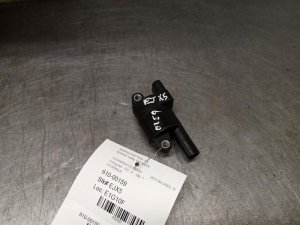
(OEM #ACDelco D510C (GM 12611424) for L94 / ACDelco 12658234 for L86)— A common failure point that directly causes a misfire on a single cylinder. Easy to diagnose via swapping.
Trusted brands: ACDelco, Delphi, Standard Motor Products (SMP), MSD
OEM price range: $50-$90
Aftermarket price range: $30-$70 - Spark Plug Wire Set
(OEM #ACDelco 9748RR)— A known issue per GM TSBs. The connection at the coil can become loose, causing a misfire.
Trusted brands: ACDelco, MSD, Taylor
OEM price range: $60-$90
Aftermarket price range: $40-$70 - AFM Lifter Kit
(OEM #12698946 (single lifter), kits vary)— If the cause is a failed AFM lifter, a kit including lifters, guides, head gaskets, and bolts is required for the repair.
Trusted brands: ACDelco/GM Genuine, Michigan Motorsports, Texas Speed & Performance
OEM price range: $400-$800
Aftermarket price range: $250-$600
Related Codes That Often Appear With This One
- P0300 — If the misfire is intermittent or starting to affect other cylinders, a P0300 (Random/Multiple Cylinder Misfire) may appear alongside P0305. This is common when the root cause is a systemic issue like AFM lifter failure.
- P050D — Rough Idle Off Cold Start. This can sometimes accompany misfire codes on the L86 engine, potentially pointing towards carbon buildup issues.
Technical Service Bulletins (TSBs) & Recalls
- TSB #PIP4819A: Cites loose spark plug wires as a cause for P030x codes.
- TSB #PIP5159C: Successor to PIP4819A, further detailing inspection for a missing 'C' clip on the spark plug wire boot at the ignition coil.
- TSB #10-06-01-007C: Relates to lifter noise on these engines.
Platform-Specific Known Issues
- Owner Experience: The P0305 Diagnostic Gauntlet: A user on Tahoe Yukon Forum with a 2012 Tahoe documented their struggle with a persistent P0305 code. They correctly followed the standard diagnostic procedure: swapping the spark plug, ignition coil, and even the fuel injector from cylinder 5 to other cylinders. When the misfire refused to move from cylinder 5, it strongly pointed towards a mechanical issue. Another user in the thread correctly predicted the likely cause was a failed lifter, noting that the sound can sometimes be mistaken for an exhaust leak. This highlights the importance of completing all diagnostic steps and being aware of the AFM lifter failure pattern on these engines.
- AFM Lifter Failure is the Elephant in the Room: → Shop Engine Valve Lifter Across multiple forums and platforms, the most discussed serious repair for a P030x code on these GM V8s is AFM lifter failure. Symptoms begin with a single cylinder misfire and often a light ticking sound. If not addressed, the lifter can completely collapse or cause catastrophic damage to the camshaft. The repair is labor-intensive, requiring removal of the cylinder head. Many owners and shops recommend a full AFM delete during the repair to prevent a recurrence, which involves replacing the AFM lifters, camshaft, and reprogramming the engine computer.
Mechanic-Grade Diagnostic Values
- Ignition Coil Primary Resistance — expected: 0.400 - 1.1 Ohms (typical aftermarket spec is ~0.5 Ohms). Failure: A reading outside this range indicates a faulty coil winding.
- Ignition Coil Secondary Resistance — expected: 2,000 - 10,500 Ohms. Failure: A reading outside this range, especially an open circuit (infinite resistance), points to a failed coil.
- AFM (VLOM) Solenoid Resistance — expected: 11 - 18 Ohms. Failure: A reading outside this range indicates a failed solenoid in the Valve Lifter Oil Manifold.
- Running Engine Compression Test (AFM Cylinder) — expected: Fluctuating vacuum/compression reading when AFM solenoid is commanded ON/OFF with a scan tool.. Failure: Compression remains below 25 PSI whether the solenoid is on or off, indicating a mechanically stuck/collapsed lifter.
- High-Pressure Fuel Pump Pressure (L86 Engine, 2015-2017) — expected: Up to 15 MPa (approx. 2,175 PSI). Failure: Significantly lower pressure under load can indicate a failing high-pressure fuel pump, leading to misfires.
Scan Tool Commands That Help
- GDS2 / Tech2: Cylinder Power Balance Test — To graphically display the RPM contribution of each cylinder in real-time. A sharp drop for cylinder 5 confirms the misfire location and severity.
- GDS2 / Tech2: AFM Solenoid Control (by cylinder) — To manually command the AFM solenoids for cylinders 1, 4, 6, and 7 ON and OFF while monitoring engine vacuum or running compression. This helps determine if the VLOM solenoid is responding correctly or if the lifter is mechanically stuck.
- GDS2 / Tech2: Misfire Counter Data — To view current and historical misfire counts for each cylinder. This can confirm the misfire is isolated to cylinder 5 and show if other cylinders are beginning to misfire under specific conditions (e.g., during V4 mode transition).
Wiring & Ground Locations
- G102 — Located at the left rear of the engine.. This is the primary ground point for all 8 ignition coils. A loose or corroded connection here can cause weak spark and intermittent misfires on multiple cylinders, including P0305.
- G103 — On the front of the right-side cylinder head (2010-2014) or lower left front of the engine block (2015-2017).. This is a critical ground for the Engine Control Module (ECM). A poor connection can cause a wide range of erratic engine behavior and fault codes, including misfire detection issues.
- G218 — Driver's side, under the dash near the A-pillar and speaker.. While primarily associated with Body Control Module (BCM) issues, a poor G218 ground on 2015+ models is known to cause widespread electrical problems that can manifest as various engine and dashboard warnings. It's a known factory issue where insulation gets trapped under the ground terminal.
- ECM Connector X2 — At the Engine Control Module, typically located in the engine bay.. Technicians may need to test for voltage and ground at the specific pins for the cylinder 5 ignition coil and fuel injector control circuits. For a 2011 Escalade, wiring diagrams show specific schematics for Ignition Coils 1, 3, 5, and 7.
Real Owner Repair Stories
- YouTube channel '6.2 lifter failure...not so fast' (2015 GMC Sierra 6.2L (mechanically identical to Escalade L86)) — Flashing check engine light, significant misfire, symptoms pointing to common AFM lifter failure.
❌ Tried (didn't work) Initial assumption was a collapsed AFM lifter.
✅ What actually fixed it A broken valve spring on cylinder 7 (an AFM cylinder). The owner removed the valve cover and visually identified the broken spring. The repair involved using a valve spring compressor tool to replace the spring without removing the cylinder head, costing around $60 for the spring and tool.
OEM Part Supersession History
12645725→12740071— GM updated the part design for the Active Fuel Management (AFM) valve lifter to improve durability.
Heads up: When replacing failed AFM lifters, it is highly recommended to replace all 8 AFM lifters (or all 16 lifters if doing a full rebuild) with the latest part number to prevent repeat failures from older-design lifters.
Model Year Variations Within This Range
- 2015-2017 (L86 Engine): The L86 engine uses direct injection, which requires a high-pressure fuel pump driven by the camshaft, operating at over 2,000 PSI. This adds the HPFP as a potential failure point not present on 2010-2014 L94 models. The spark plugs also have a longer thread reach.
- 2017+ (L87 Engine, post-range but relevant): The subsequent L87 engine introduced Dynamic Fuel Management (DFM), a more advanced version of AFM. It also features a two-stage oil pump to better manage oil pressure for the complex valvetrain. While not in the specified vehicle range, it shows the continued evolution of the system that causes misfires.
Helpful Videos
Used OEM Parts in Stock
New Aftermarket Parts Available


The information in this article is provided for general reference and educational purposes only. Vehicle specifications, procedures, and part compatibility can vary by production date, trim level, and region. Always consult your vehicle's factory service manual and verify part numbers before purchasing or performing repairs. Safety-critical components such as airbags, seat belts, and braking systems should be installed by a qualified professional.
- Cadillac ESCALADE ESV:
- 🧭 Diagnostic Flowchart
- 🎬 Helpful Videos
- 🛍️ Shop This Part
- What's Unique About the 2010-2017 Cadillac ESCALADE ESV
- Symptoms You May Notice
- Most Likely Causes
- Rare But Worth Checking
- Diagnosis Steps
- Parts You'll Likely Need
- Related Codes That Often Appear With This One
- Technical Service Bulletins (TSBs) & Recalls
- Platform-Specific Known Issues
- Mechanic-Grade Diagnostic Values
- Scan Tool Commands That Help
- Wiring & Ground Locations
- Real Owner Repair Stories
- OEM Part Supersession History
- Model Year Variations Within This Range
- 🎟️ Get 5% Off