

P0305 on 2010-2013 Cadillac Escalade EXT: Cylinder 5 Misfire Causes and Fixes
P0305 on a 2010-2013 Escalade EXT indicates a misfire in cylinder 5. The most common fixes are replacing the spark plug (ACDelco 41-162), spark plug wire (ACDelco 9748RR), or ignition coil (ACDelco D510C) for that cylinder. Check for loose wires first, as per a GM TSB. If a ticking noise is present, suspect a more serious AFM lifter failure.
- P0305 is a misfire on cylinder 5.
- Start your diagnosis with the simple, high-probability causes: the spark plug wire, spark plug, and ignition coil for cylinder 5.
- A GM TSB (#PIP4819A) specifically flags loose spark plug wires as a known issue for this code on your truck. [⭐ MANUFACTURER TSB — highest authority]
- Do not ignore a flashing check engine light, as it signals a severe misfire that can destroy your catalytic converter.
- If the basic ignition parts don't solve the problem, the issue could be a fuel injector or a more serious mechanical problem like an AFM lifter, requiring professional diagnosis.
What's Unique About the 2010-2013 Cadillac ESCALADE EXT
The 6.2L V8 engine in this generation of Escalade is robust but has specific areas to watch for. A GM Technical Service Bulletin (TSB) directly points to loose-fitting spark plug wires as a cause for misfires on these trucks. [⭐ MANUFACTURER TSB — highest authority] Additionally, these engines feature Active Fuel Management (AFM), which can sometimes lead to issues with lifters that may initially present as a single-cylinder misfire. This AFM lifter failure is a widely documented issue, leading to class-action lawsuits against GM, and often begins as a P030x code before developing into a noticeable engine tick.
Diagnostic Flowchart
Tap your situation to follow the diagnostic path that matches what you're seeing on this vehicle.
Symptoms You May Notice
- Rough or shaky engine idle
- Noticeable engine vibration, especially under load
- Hesitation or stumbling during acceleration
- Reduced engine power
- Solid or flashing Check Engine Light
- Possible fuel smell from the exhaust
- A feeling like you are driving over a bump strip during acceleration
- A ticking or chirping noise from the engine, which could indicate a lifter problem
- Replacing the fuel pump when only a single cylinder is misfiring. A fuel pump issue would typically affect all cylinders or cause random misfires (P0300).
- Replacing oxygen sensors. While a faulty O2 sensor can affect fuel trim, it's highly unlikely to cause a consistent misfire on only one cylinder.
- Assuming a ticking noise is just 'a noisy injector' when it could be a failing AFM lifter, a much more serious issue on this specific engine.
Most Likely Causes
- Faulty or Loose Spark Plug Wire 🔴 High Probability → Shop Spark Plug A specific GM Technical Service Bulletin (#PIP4819A) was issued for this platform, citing loose spark plug wires as a direct cause for misfire codes, including P0305. The boots can lose their grip over time. [⭐ MANUFACTURER TSB — highest authority] Heat from the nearby exhaust manifold can also make the wires brittle.
How to confirm: Inspect the spark plug wire for cylinder 5 (driver's side, third from front). Ensure it is securely clicked onto both the ignition coil and the spark plug. Wiggle it to check for looseness. Check for any visible damage, burns, or corrosion on the wire and boot. Also check for rubbing against the steering shaft, which has been reported with aftermarket wires that are slightly too long.
Typical fix: Replace the spark plug wire set. It's best practice to replace all 8 wires at the same time. Use wires with the correct heat shields.
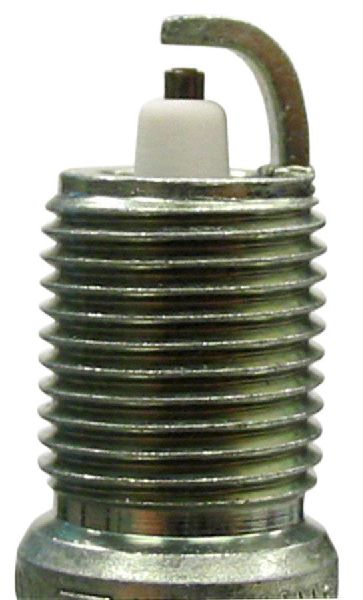
Est. part cost: $60-$110 for a quality set - Worn or Fouled Spark Plug 🔴 High Probability → Shop Spark Plug Spark plugs are a regular maintenance item and a primary cause of misfires on any gasoline engine. The recommended interval is 100,000 miles, but they can fail sooner.
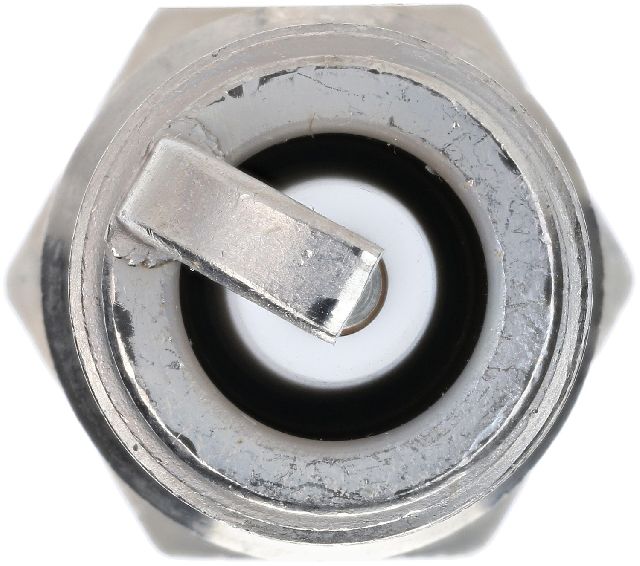
How to confirm: Remove the spark plug from cylinder 5. Inspect it for wear on the electrode (gap too wide), carbon buildup, oil fouling, or cracks in the porcelain. A healthy plug should have a light tan color.
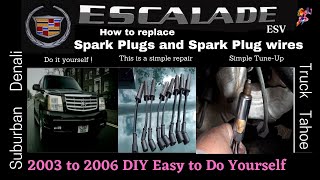
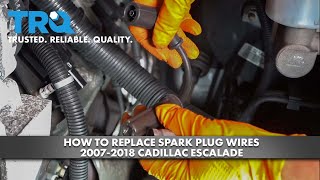
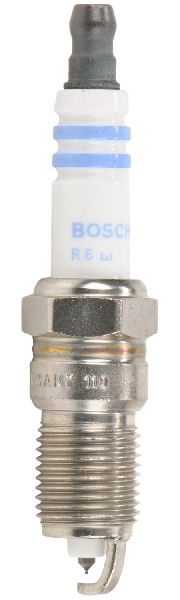
Typical fix: Replace the spark plug. It is highly recommended to replace all 8 spark plugs at 🎬 See this easy DIY walkthrough for replacing plugs and wires. the same time to ensure consistent performance. Use the specified Iridium plugs like the OEM ACDelco 41-162. Do not re-gap these plugs.
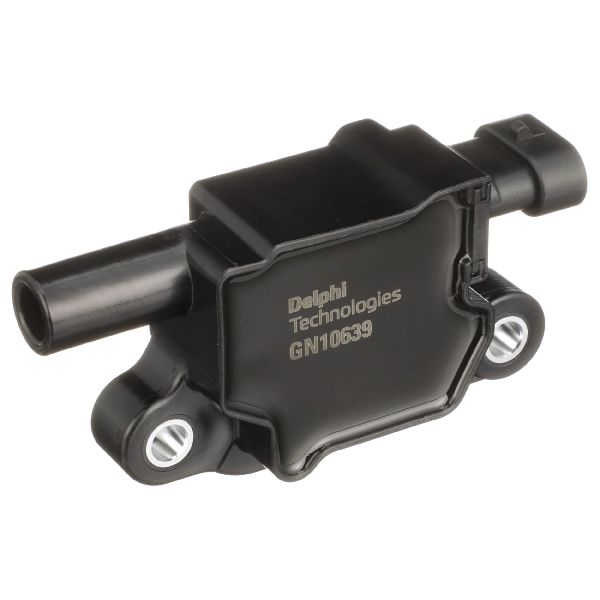
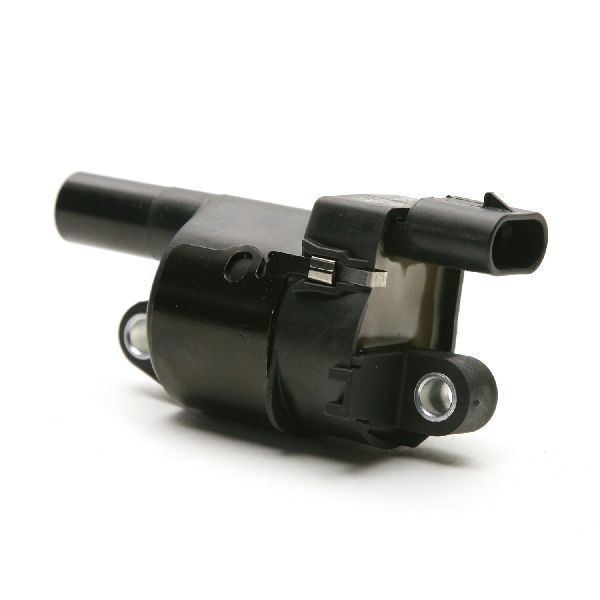
Est. part cost: $15-$25 per plug - Failing Ignition Coil 🟡 Medium Probability → Shop Ignition Coil Ignition coils are subjected to significant heat and vibration. While reliable, individual coil failures are a common cause of single-cylinder misfires.
How to confirm: The easiest way to diagnose a bad coil is to swap it. Label and move the ignition coil from cylinder 5 to another cylinder (e.g., cylinder 1). Clear the codes with a scanner and run the engine. If the misfire code changes to P0301, the coil is bad. If the code remains P0305, the coil is not the issue.
Typical fix: Replace the faulty ignition coil. Only the failed coil needs to be replaced. The OEM part is ACDelco D510C.
Est. part cost: $50-$100 - Clogged or Faulty Fuel Injector ⚪ Low Probability → Shop Fuel Injector
How to confirm: This is more complex. A mechanic can perform a fuel injector balance test using a bidirectional scan tool. A DIY method involves listening to the injector with a mechanic's stethoscope to ensure it's clicking rhythmically. You can also swap injectors between cylinders, but this is a more involved job than swapping a coil.
Typical fix: Replace the faulty fuel injector. It's often recommended to replace the full set if they are high-mileage.
Est. part cost: $70-$150
Rare But Worth Checking
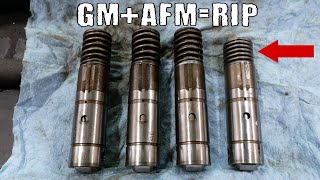
- Collapsed Active Fuel Management (AFM) Lifter: → Shop Engine Valve Lifter These engines are equipped with AFM, which deactivates cylinders to save fuel. The special lifters for this system are a known major failure point. They can fail or get stuck, causing a persistent misfire that won't be fixed by ignition or fuel parts. This is often accompanied by a ticking or chirping noise from the engine and can lead to camshaft damage if not addressed. A P0305 code can be the very first symptom. 🎬 Watch how AFM lifter failure causes persistent engine misfires.
- Intake Manifold Gasket Leak: → Shop Engine Intake Manifold A vacuum leak from a faulty intake manifold gasket near the port for cylinder 5 can lean out the air/fuel mixture enough to cause a misfire. This can sometimes be detected by spraying brake cleaner near the gasket with the engine running and listening for a change in idle speed.
Diagnosis Steps
- Read the code with an OBD-II scanner to confirm P0305 and check for 🎬 Watch this step-by-step guide to diagnosing a Cylinder 5 misfire. any other codes. Use a professional scanner (like a GM Tech2/GDS2) to view live misfire counts for each cylinder if available.
- Note the cylinder location: On the 6.2L V8, cylinders are numbered 1-3-5-7 on the driver's side (front to back) and 2-4-6-8 on the passenger's side. Cylinder 5 is the third one back on the driver's side.
- Perform a visual inspection. Check the spark plug wire for cylinder 5. Ensure it's securely connected and not damaged, loose, or rubbing on the steering shaft, per TSB #PIP4819A. [⭐ MANUFACTURER TSB — highest authority]
- Swap the ignition coil from cylinder 5 with another cylinder (e.g., cylinder 1). Clear the codes and drive the vehicle. If the misfire moves to P0301, the coil is bad.
- If the misfire stays on cylinder 5, swap the spark plug next. Move the plug from cylinder 5 to cylinder 1. If the misfire moves to P0301, the plug is bad.
- If the misfire remains on cylinder 5, inspect and replace the spark plug wire, even if it looks okay. Heat can cause internal damage.
- If ignition components are confirmed good, listen to the fuel injector for cylinder 5 with a mechanic's stethoscope. It should have a regular, audible clicking sound.
- Listen carefully for any ticking or metallic tapping from the engine. If present, an AFM lifter issue is a strong possibility.
- Check for vacuum leaks. Pay close attention to the intake manifold gasket near cylinder 5. A smoke test is effective, or you can carefully spray brake cleaner in the area and listen for idle changes.
- If all else fails, a mechanical compression test is needed to check for internal engine problems like a bad lifter, bent pushrod, worn valve, or piston ring issue. A broken valve spring can also be a cause.
Parts You'll Likely Need
- Spark Plug
(OEM #ACDelco 41-162)— This is a common wear item and a frequent cause of single-cylinder misfires. Must be replaced in sets for best performance.
Trusted brands: ACDelco Professional (Iridium)
OEM price range: $15-$25
Aftermarket price range: $10-$20 - Spark Plug Wire Set
(OEM #ACDelco 9748RR or 748UU)— A GM TSB specifically calls out loose wires as a cause for this code on this vehicle. Heat from the exhaust manifold also degrades them over time. [⭐ MANUFACTURER TSB — highest authority]
Trusted brands: ACDelco OE, Duralast Gold
OEM price range: $80-$120
Aftermarket price range: $60-$100 - Ignition Coil
(OEM #ACDelco D510C)— Heat and vibration can cause the coil to fail, preventing spark delivery to the plug. Diagnosed by swapping with a known good coil.
Trusted brands: ACDelco OE, Delphi
OEM price range: $60-$100
Aftermarket price range: $40-$90
Related Codes That Often Appear With This One
- P0300 — If the misfire is severe or starts to affect other cylinders (e.g., from a widespread issue like a failing AFM system), a P0300 (Random Misfire) code may appear alongside P0305.
- StabiliTrak/Traction Control Warning — On GM vehicles, an engine misfire is considered a fault that can affect vehicle stability. The ECM will often disable the StabiliTrak and Traction Control systems as a precaution, illuminating their warning lights on the dash along with the Check Engine Light.
Technical Service Bulletins (TSBs) & Recalls
- PIP4819A: Addresses engine misfire
Platform-Specific Known Issues
- Technical Service Bulletin #PIP4819A explicitly states that misfire codes (P0300-P0308) can be caused by loose spark plug wires, and the fix is to inspect and replace them as needed. [⭐ MANUFACTURER TSB — highest authority]
- The 6.2L V8 engine uses an Active Fuel Management (AFM) system. While not the most common cause for a single misfire, failed AFM lifters are a widely-known, significant issue on this engine family and can result in a P030x code, often with an accompanying engine tick. This can eventually lead to camshaft damage and requires extensive repairs.
Mechanic-Grade Diagnostic Values
- Ignition Coil Resistance (ACDelco D510C equivalent) — expected: Primary: ~0.690 ohms, Secondary: ~5.3K ohms. Failure: Readings significantly outside of these values suggest a faulty coil.
- Fuel Pressure (Key On, Engine Off) — expected: 58-62 PSI. Failure: Pressure that is significantly lower or fails to hold may indicate a weak fuel pump or leak.
- Fuel Pressure (Engine Idling) — expected: 50-55 PSI. Failure: Pressure below the mid-40s PSI range could indicate a failing pump or clogged filter, while excessively high pressure could point to a regulator issue.
Hidden / Shadow Codes Worth Checking
- Cylinder Misfire Data (Current/History): While not a 'code', dealer-level scanners can display live and historical misfire counts for each individual cylinder. This is far more detailed than a simple P0305 code and can show if other cylinders are misfiring intermittently, even if not enough to set their own codes. A high count on cylinder 5 confirms the P0305, while rising counts on other cylinders might point to a systemic issue like fuel delivery or AFM problems. (see via GM Tech2 or GDS2 software, or high-end professional scan tools with GM-specific software.)
Scan Tool Commands That Help
- GDS2 / Tech2 or equivalent professional scanner: Injector Balance Test — To test if the fuel injector on cylinder 5 is delivering the correct amount of fuel. The tool commands the injector to fire and measures the corresponding drop in fuel pressure, which is then compared to the other injectors.
- GDS2 / Tech2 or equivalent professional scanner: Cylinder Deactivation / AFM Test — To test the functionality of the Active Fuel Management system. This can help determine if an AFM lifter is stuck or not responding to ECM commands, which is a known cause of misfires on these engines.
Wiring & Ground Locations
- G104 — On the rear of the left (driver's side) cylinder head.. This is a primary engine ground point. A loose or corroded connection here can cause erratic behavior in sensors and ignition components on the driver's side bank of the engine, which includes cylinder 5.
- G102 — Located at the left rear of the engine; grounds all 8 ignition coils.. Since this single point grounds all ignition coils, a poor connection can cause weak or intermittent spark on multiple cylinders, potentially leading to misfire codes.
- G103 — On the front of the right (passenger's side) cylinder head.. While on the opposite bank, ensuring all major engine grounds are clean and tight is a crucial step in diagnosing any electrical or misfire issue.
Real Owner Repair Stories
- GM-Trucks.com forum member (2011 GM SUV with 6.2L V8) — P0304 (Cylinder 4 Misfire), rough running.
❌ Tried (didn't work) New spark plug, Swapped spark plug wire, New ignition coil, New fuel injector
✅ What actually fixed it The final diagnosis was a failed AFM lifter. The repair involved replacing the camshaft and all lifters at a cost of several thousand dollars. This confirms that a single cylinder misfire code can be the first and only symptom of this major mechanical failure. - Reddit user in r/MechanicAdvice (GM Truck (engine type consistent with Escalade)) — Intermittent P0305, noticeable misfire especially at idle.
❌ Tried (didn't work) Re-wiring the sensor plug for cylinder 5
✅ What actually fixed it The user had replaced the intake manifold a few months prior. After the code appeared, they removed the manifold again and found the gasket for cylinder 5 was 'chewed up' and deformed, causing a vacuum leak specific to that cylinder. Replacing the intake manifold gasket resolved the P0305 code. - YouTube DIY Repair Video (Chevy/GMC Truck with 5.3L/6.2L engine) — P0305
✅ What actually fixed it The video notes a specific issue where aftermarket spark plug wires are slightly too long. This allows the wire for cylinder 5 to rub against the rotating steering shaft, eventually pulling the boot loose from the spark plug or coil and causing a misfire. The fix is to ensure proper wire routing and use zip ties to keep it clear of the shaft if necessary.
"I Checked Everything" — The Actual Cause
- A broken valve spring can cause an intermittent misfire that may not be detected by a compression or cylinder leakage test if the broken pieces of the spring remain stacked together during the test. The issue may only manifest at higher RPMs.
- A deformed or improperly seated intake manifold gasket can cause a vacuum leak specific to one cylinder that might be difficult to pinpoint with a smoke test, especially if it only leaks under certain temperature or pressure conditions. The issue may only be found upon removal and visual inspection of the manifold.
When the Usual Fixes Don't Work
- In one documented case, a vehicle owner replaced every common ignition and fuel component for a single-cylinder misfire (plug, wire, coil, injector) without success. The ultimate cause was a collapsed AFM lifter, a purely mechanical failure that required a major engine repair costing thousands of dollars. This highlights that for the L94 engine, even a simple P0305 code can be a symptom of a catastrophic internal engine problem that no amount of tune-up parts will fix.
OEM Part Supersession History
12570616→12611424 (ACDelco D510C)— Likely a design revision for improved durability or performance. Part fitment guides note different design versions for these coils.
Heads up: While often interchangeable, some early models specify the '1st Design' coil (marked 12570616). Using the latest revision, D510C/12611424, is generally recommended.
Model Year Variations Within This Range
- 2010-2013: The 2010 model year marked the introduction of the 6.2L L94 engine, which replaced the previous L9H. The primary change was the addition of Active Fuel Management (AFM). This makes the entire 2010-2013 range susceptible to AFM-related lifter failures, a problem not present in the same way on pre-2010 Escalade EXT models.
Helpful Videos
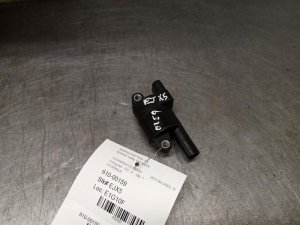
Used OEM Parts in Stock
New Aftermarket Parts Available

The information in this article is provided for general reference and educational purposes only. Vehicle specifications, procedures, and part compatibility can vary by production date, trim level, and region. Always consult your vehicle's factory service manual and verify part numbers before purchasing or performing repairs. Safety-critical components such as airbags, seat belts, and braking systems should be installed by a qualified professional.
- Cadillac ESCALADE EXT:
- 🧭 Diagnostic Flowchart
- 🎬 Helpful Videos
- 🛍️ Shop This Part
- What's Unique About the 2010-2013 Cadillac ESCALADE EXT
- Symptoms You May Notice
- Most Likely Causes
- Rare But Worth Checking
- Diagnosis Steps
- Parts You'll Likely Need
- Related Codes That Often Appear With This One
- Technical Service Bulletins (TSBs) & Recalls
- Platform-Specific Known Issues
- Mechanic-Grade Diagnostic Values
- Hidden / Shadow Codes Worth Checking
- Scan Tool Commands That Help
- Wiring & Ground Locations
- Real Owner Repair Stories
- "I Checked Everything" — The Actual Cause
- When the Usual Fixes Don't Work
- OEM Part Supersession History
- Model Year Variations Within This Range
- 🎟️ Get 5% Off