

P0305 on 2020-2022 Cadillac XT6 3.6L: Cylinder 5 Misfire Causes and Fixes
P0305 on a Cadillac XT6 with the 3.6L V6 engine indicates a misfire in cylinder #5. The most common causes are a failed ignition coil or a worn spark plug. However, a known issue documented in a GM Technical Service Bulletin (TSB #21-NA-036) points to a faulty Active Fuel Management (AFM) Oil Control Valve (OCV) solenoid as a specific and frequent cause for this code on this engine, particularly affecting cylinders 2 and 5.
- P0305 on a 2020-2022 XT6 means a cylinder 5 misfire and only applies to the 3.6L V6 engine.
- The easiest and most common fixes are replacing the ignition coil or spark plug for cylinder 5.
- A vehicle-specific TSB (#21-NA-036) points to a faulty AFM Oil Control Valve (OCV) solenoid as a likely cause if spark and fuel components are good.
- Do not drive for extended periods with a flashing check engine light, as you risk damaging the catalytic converter.
- The diagnostic process of swapping coils and plugs is a simple and effective way for a DIYer to find the problem.
What's Unique About the 2020-2022 Cadillac XT6
While the primary causes for a misfire are universal (spark, fuel, compression), the 3.6L V6 (LGX) engine in the Cadillac XT6 has a specific documented weakness. General Motors issued a Technical Service Bulletin (TSB #21-NA-036) indicating that a damaged Active Fuel Management (AFM) Oil Control Valve (OCV) solenoid can cause a misfire specifically on cylinder 2 or 5. These are the two cylinders equipped with AFM hardware. The failure allows oil to bleed off, causing inadequate oil pressure for the AFM system, which then deactivates the cylinder, triggering the misfire code. This makes checking the OCV solenoid a critical, platform-specific diagnostic step.
Diagnostic Flowchart
Tap your situation to follow the diagnostic path that matches what you're seeing on this vehicle.
Symptoms You May Notice
- Flashing or solid Check Engine Light
- Rough or shaking idle
- Engine hesitation or stumbling during acceleration
- Noticeable loss of power
- Reduced fuel economy
- Slight jerking or stuttering feeling while driving, sometimes mistaken for a transmission issue. 🎬 Watch: A quick breakdown of cylinder 5 misfire symptoms and fixes.
- Replacing the catalytic converter. A misfire can damage the converter, but it is the symptom, not the cause. The misfire must be fixed first.
- Replacing oxygen sensors. While O2 sensors can be related to fuel trim, they rarely cause a single-cylinder misfire code.
Most Likely Causes
- Faulty Ignition Coil 🔴 High Probability → Shop Ignition Coil Coil-on-plug ignition systems are common failure points on most modern engines as they age and are subjected to heat cycles.
How to confirm: Swap the ignition coil from cylinder 5 with another cylinder (e.g., cylinder 3). Clear the codes and drive the vehicle. If the code changes to P0303, the ignition coil is the faulty part.
Typical fix: Replace the faulty ignition coil. It is often recommended to replace the corresponding spark plug at the same time. The OEM part is ACDelco.
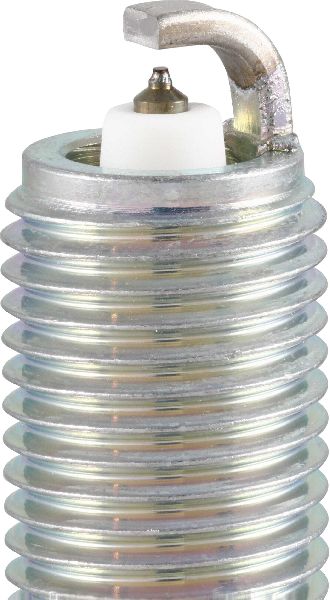
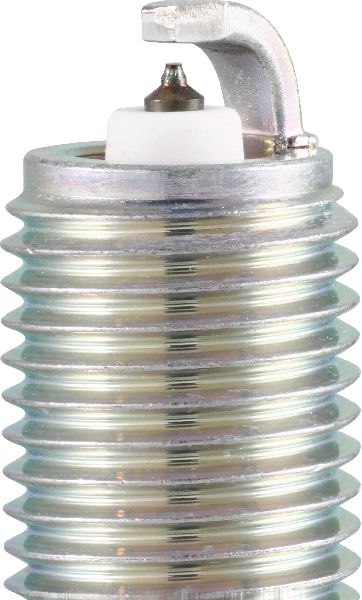
Est. part cost: $35-$90 - Worn or Fouled Spark Plug 🔴 High Probability → Shop Spark Plug Spark plugs are a regular maintenance item that wear out over time. The service interval for the LGX engine's original Iridium plugs is typically around 100,000 miles, but they can fail prematurely.
How to confirm: After ruling out the ignition coil, remove the spark plug from cylinder 5. Inspect it for wear (worn electrode), carbon fouling, oil, or coolant contamination. A worn or damaged plug is a clear indicator for replacement.
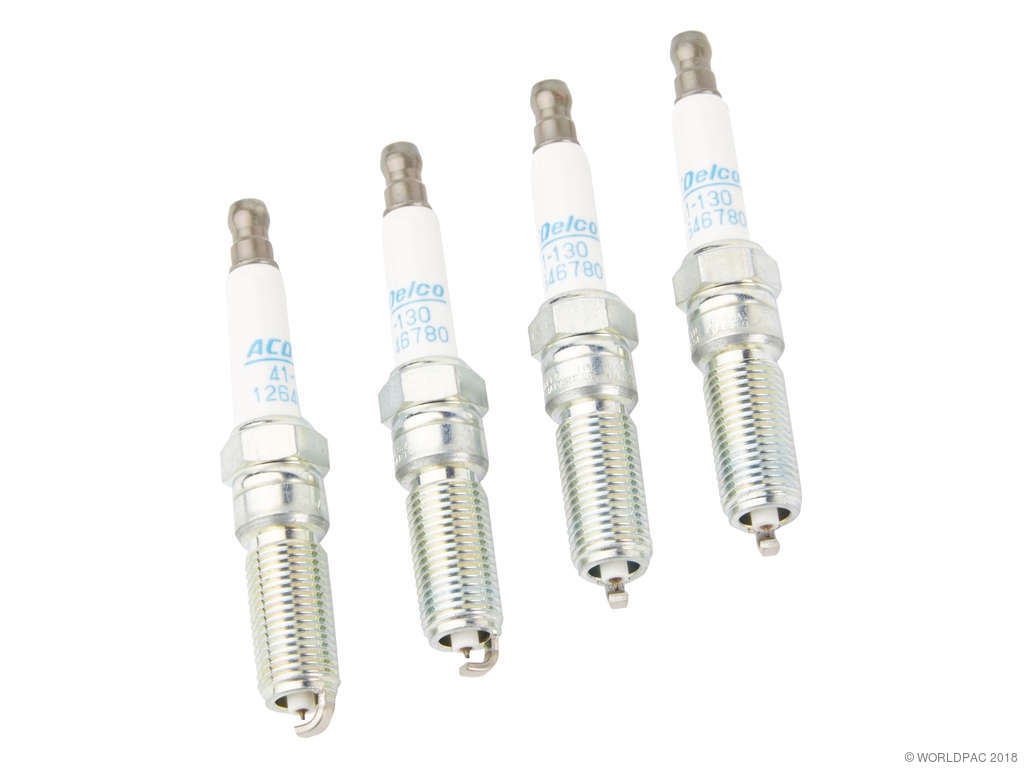
Typical fix: Replace the spark plug in cylinder 5. It is best practice to replace all six spark plugs 🎬 See this step-by-step walkthrough for replacing Cadillac V6 spark plugs. at the same time to ensure even performance. The OEM part is an ACDelco Iridium plug.
Est. part cost: $10-$25 per plug - Damaged AFM Oil Control Valve (OCV) Solenoid 🟡 Medium Probability → Shop Engine Variable Valve Timing (VVT) Oil Control Valve A known issue documented in TSB #21-NA-036 states this solenoid can fail, causing oil leaks or breaking apart, which leads to improper oil pressure for the Active Fuel Management system and deactivates cylinder 5. This is a specific design weakness for this engine family.
How to confirm: Visually inspect the OCV solenoid for cylinder 5 for oil leaks. Remove the solenoid and check if it is intact. The TSB notes that the end can break off and remain in the camshaft cover bore. Compare the removed solenoid to a new one to ensure it's complete.
Typical fix: Replace the damaged OCV solenoid. If the end has broken off, it must be carefully removed from the bore with a pick tool before installing the new part. The OEM part is from ACDelco.
Est. part cost: $50-$120 - Clogged or Faulty Fuel Injector ⚪ Low Probability → Shop Fuel Injector As a direct injection (GDI) engine, the fuel injectors are subjected to high pressure and temperatures, which can lead to clogging or failure over time.
How to confirm: This is more difficult to confirm for a DIYer. A professional can perform a fuel injector balance test using a scan tool or specialized equipment. A simpler, though less definitive, method is to swap the cylinder 5 injector with another cylinder and see if the misfire code follows.
Typical fix: Replace the faulty fuel injector. The fuel rail may need to be removed for access.
Est. part cost: $70-$150
Rare But Worth Checking
- Vacuum Leak: A vacuum leak near the intake manifold runner for cylinder 5 can lean out the air/fuel mixture and cause a misfire. Listen for hissing sounds and inspect vacuum hoses. A smoke test is the most effective way to find a leak.
- Low Engine Compression: This is a more serious mechanical issue, potentially caused by a worn piston ring, a bad valve, or a damaged head gasket. A mechanical compression test is needed to diagnose this.
- Carbon Buildup on Intake Valves: Gasoline Direct Injection (GDI) engines like the LGX are prone to carbon buildup on the back of the intake valves. This is because fuel is injected directly into the cylinder, so it no longer washes over and cleans the valves. Excessive buildup can restrict airflow or cause the valve to stick, leading to a misfire.
- Porous Cylinder Head Casting: → Shop Engine Cylinder Head A very rare issue, documented in TSB #21-NA-147, involves porosity in the cylinder head casting that can allow oil or coolant to leak into the spark plug tube, fouling the plug and causing a misfire.
- Chafed Engine Wiring Harness: Several GM service bulletins describe potential for the engine wiring harness to rub against various brackets under the hood, such as the battery tray support, ECM/TCM bracket, or transmission cooler line brackets, causing shorts in critical circuits for ignition or fuel injection.
Diagnosis Steps
- Connect an OBD-II scanner to confirm the P0305 code and check for any other stored codes, like P0300 or P0302. Use the scanner's live data function to monitor misfire counts per cylinder.
- To test the ignition system, swap the ignition coil from cylinder 5 with an easily accessible cylinder (like #3 or #1). Cylinder 5 is on the front bank (radiator side), middle cylinder.
- Clear the codes, start the engine, and drive to see if the misfire code returns.
- If the code changes to P0303 (or the cylinder you swapped with), the ignition coil is faulty and needs replacement.
- If the code remains P0305, repeat the swap process with the spark plug.
- If the misfire still stays on cylinder 5, the issue is not a simple ignition component. A professional technician can use a GM-specific scan tool (like GDS2) to perform a 'Cylinder Power Balance Test'. This test deactivates one cylinder at a time to see how much the engine RPM drops. A smaller drop for cylinder 5 indicates it is not contributing enough power.
- Following TSB #21-NA-036, inspect the AFM Oil Control Valve (OCV) solenoid for cylinder 5. It is located in the camshaft cover. Look for oil leaks or physical damage. Remove it and carefully inspect it to ensure the end has not broken off inside the bore.
- If all else fails, inspect the engine wiring harness for chafing, particularly under the battery tray and near the ECM/TCM bracket, as noted in GM bulletins. A mechanical compression test should be performed to rule out internal engine problems like bad valves or piston rings.
Parts You'll Likely Need
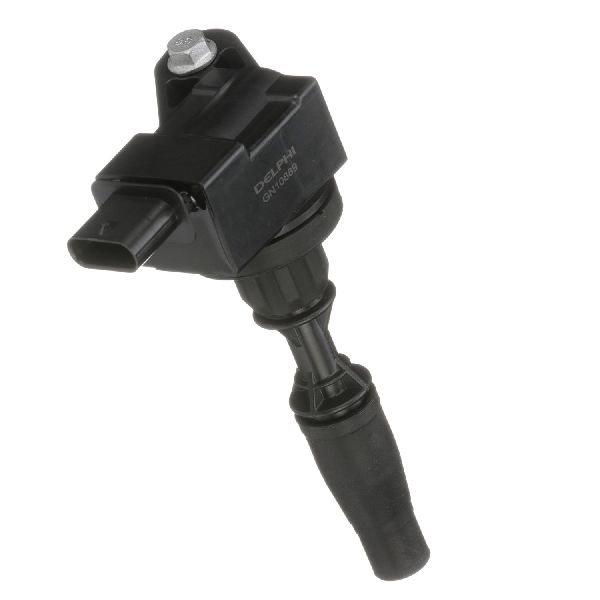
- Ignition Coil
(OEM #12741091 (supersedes 12666339, 12688894, 12707304))— This is one of the most common failure items to cause a single-cylinder misfire.
Trusted brands: ACDelco, Standard Motor Products, Delphi
OEM price range: $35-$65
Aftermarket price range: $25-$50 - Spark Plug
(OEM #12646780)— Spark plugs are a routine wear item and a primary cause of weak spark and misfires.
Trusted brands: ACDelco, NGK
OEM price range: $11-$20
Aftermarket price range: $8-$15 - Active Fuel Management (AFM) Oil Control Valve Solenoid
(OEM #12694590)— A specific documented failure point on this engine that can directly cause a P0305 code, as per TSB #21-NA-036.
Trusted brands: ACDelco (GM Genuine)
OEM price range: $80-$150
Aftermarket price range: $50-$100
Related Codes That Often Appear With This One
- P0300 — If the misfire is intermittent or begins to affect other cylinders, a P0300 (Random/Multiple Cylinder Misfire) code may appear alongside P0305.
- P0302 — TSB #21-NA-036 specifically mentions that the faulty AFM OCV solenoid can cause misfires on either cylinder 2 or 5, as these are the two AFM cylinders. It's possible to see both codes.
Technical Service Bulletins (TSBs) & Recalls
- 21-NA-036: Malfunction Indicator Lamp (MIL) Illuminated - DTC P0300, P0302 and/or P0305 Set. This bulletin details a potential issue with a damaged OCV solenoid causing an oil leak and misfire on AFM cylinders 2 and 5.
- 18-NA-115: Cold Start Misfire and/or Rough Idle
Platform-Specific Known Issues
- A known condition documented in TSB #21-NA-036 can cause a P0305 code. The cause is a faulty Active Fuel Management (AFM) Oil Control Valve (OCV) solenoid for cylinder 5. This solenoid may leak oil, causing inadequate oil pressure, or it may physically break, with the end piece getting stuck in the camshaft cover. This leads to the AFM system deactivating cylinder 5, logging a misfire code. This issue specifically targets cylinders 2 and 5, which are the AFM cylinders on the LGX engine.
Mechanic-Grade Diagnostic Values
- High-Pressure Fuel System Pressure — expected: Can exceed 2,000 PSI under operation.. Failure: A code like P228C, P228D, or P00C6 may set if pressure is low due to leaks, though this affects the whole rail, not just one cylinder.
- Fuel Injector Balance Test (Manual Method) — expected: The pressure drop for each injector should be within 1.5 PSI of each other after being pulsed.. Failure: An injector whose pressure drop is significantly more or less than the others (e.g., a 4 PSI difference) is faulty.
Hidden / Shadow Codes Worth Checking
- Live Misfire Counter Data: Most professional scan tools can access Mode $06 data or manufacturer-specific live data that shows a running count of misfire events per cylinder for the current and/or previous drive cycles. This is not a 'code' but is hidden data used for diagnosis. (see via Use a professional-grade OBD-II scanner and navigate to the live data or Mode $06 test results menu.)
Scan Tool Commands That Help
- GDS2 (GM Tech Tool) or equivalent professional scanner: Cylinder Power Balance Test — Use this after ruling out spark plugs and ignition coils. This bidirectional command disables one fuel injector at a time to measure the corresponding drop in engine RPM. If disabling cylinder 5 causes little or no RPM drop, it confirms that cylinder was not contributing power, isolating the fault to that cylinder.
- GDS2 or AFIT (Active Fuel Injector Tester): Injector Test — To diagnose a potentially leaking or clogged fuel injector after a power balance test points to a fuel-related issue on a specific cylinder.
Wiring & Ground Locations
- Engine Harness near Battery Tray — The wiring harness located below the battery tray may rub on the support bracket that secures the Transmission Control Module (TCM).. Chafing in this area can damage various circuits, potentially including those for the ignition coils or fuel injectors, leading to intermittent misfires. The damage may be hidden inside the harness loom even if the exterior looks fine.
- Engine Harness near ECM/TCM Bracket — The engine wiring harness may contact the ECM/TCM bracket, the driver-side upper control arm, or a shock tower bolt.. Vibration can cause the harness to rub through, shorting wires related to engine management. GM issued bulletin #21-NA-149 to address this, requiring inspection and protection of the harness in these specific spots.
- Cylinder Bank 1 (Front) — The front bank of cylinders, closest to the radiator.. Cylinder 5 is the middle cylinder on the front bank (Bank 1) of the 3.6L LGX V6 engine. The cylinder arrangement is 1-3-5 on the front bank and 2-4-6 on the rear bank (firewall side).
OEM Part Supersession History
12666339, 12688894, 12707304→12741091— Standard part evolution for improved durability or manufacturing process changes.
Model Year Variations Within This Range
- 2020-2022: For the 2021 and 2022 model years, the base 'Luxury' trim was equipped with a 2.0L 4-cylinder engine, while the 'Premium Luxury' and 'Sport' trims received the 3.6L V6. Therefore, a P0305 code on these model years is only possible on the Premium Luxury or Sport trims, as the 4-cylinder engine does not have a cylinder 5.
Helpful Videos
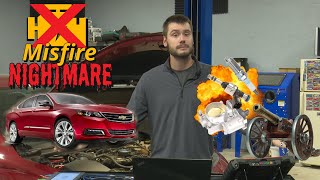
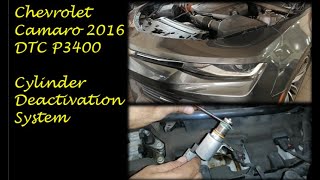
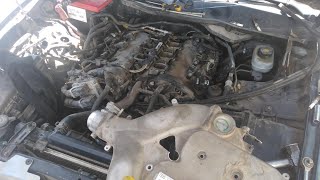
![How to Fix P0305 Engine Code in 3 Minutes [2 DIY Methods / Only $4.53]](https://img.youtube.com/vi/iu7X5E-N1II/mqdefault.jpg)

We Have This Part in Stock


The information in this article is provided for general reference and educational purposes only. Vehicle specifications, procedures, and part compatibility can vary by production date, trim level, and region. Always consult your vehicle's factory service manual and verify part numbers before purchasing or performing repairs. Safety-critical components such as airbags, seat belts, and braking systems should be installed by a qualified professional.
- Cadillac XT6:
- 🧭 Diagnostic Flowchart
- 🎬 Helpful Videos
- 🛍️ Shop This Part
- What's Unique About the 2020-2022 Cadillac XT6
- Symptoms You May Notice
- Most Likely Causes
- Rare But Worth Checking
- Diagnosis Steps
- Parts You'll Likely Need
- Related Codes That Often Appear With This One
- Technical Service Bulletins (TSBs) & Recalls
- Platform-Specific Known Issues
- Mechanic-Grade Diagnostic Values
- Hidden / Shadow Codes Worth Checking
- Scan Tool Commands That Help
- Wiring & Ground Locations
- OEM Part Supersession History
- Model Year Variations Within This Range
- 🎟️ Get 5% Off