

P0305 on 2010-2013 Chevrolet Avalanche: Cylinder 5 Misfire Causes and Fixes
P0305 on a 2010-2013 Avalanche most often points to a bad spark plug, wire, or ignition coil on cylinder 5. These are affordable DIY fixes, typically under $100. It is critical to note that cylinder 5 is NOT an Active Fuel Management (AFM) cylinder, so the infamous AFM lifter failure is not a direct cause, though other mechanical issues or oil fouling can still occur.
- P0305 means cylinder #5 is misfiring.
- Always start diagnosis with the cheapest and easiest parts: check the spark plug wire connection, then swap the ignition coil, then inspect the spark plug.
- A flashing check engine light indicates a severe misfire; pull over safely to prevent expensive catalytic converter damage.
- Be aware that these 5.3L V8 engines have a known weakness with Active Fuel Management (AFM) lifters, which can cause a misfire and require major engine repair.
What's Unique About the 2010-2013 Chevrolet AVALANCHE
The 2010-2013 Avalanche uses the 5.3L V8 engine equipped with Active Fuel Management (AFM). A critical detail for P0305 is that the AFM system deactivates cylinders 1, 4, 6, and 7, not cylinder 5. Therefore, the common AFM lifter failure is not a direct cause for a P0305 code. However, the engine family is also known for oil consumption issues, sometimes related to the PCV system design in the valve cover, which can lead to oil-fouled spark plugs on any cylinder, including #5. A Technical Service Bulletin (TSB #PIP4819A) also specifically mentions that loose spark plug wires can be a cause for this code on these trucks. [⭐ MANUFACTURER TSB — highest authority]
Diagnostic Flowchart
Tap your situation to follow the diagnostic path that matches what you're seeing on this vehicle.
Symptoms You May Notice
- Flashing or solid Check Engine Light
- Rough or shaky idle, sometimes only noticeable when stopped at a light.
- Engine hesitation or stumbling during acceleration
- Noticeable loss of power
- Increased fuel consumption
- Smell of raw fuel from the exhaust
- A feeling like the transmission is downshifting harshly when slowing down, which can be a symptom of the engine running rough.
- Assuming an AFM lifter failure. Many owners and even some technicians immediately suspect a failed AFM lifter when a misfire occurs on a 5.3L V8. However, for a P0305 code, this is incorrect as cylinder 5 is not an AFM cylinder. Diagnosis should start with ignition and fuel systems.
- Replacing oxygen sensors. A misfire can cause erratic O2 sensor readings, but the sensor is not the root cause of the problem.
Most Likely Causes
- Worn Spark Plug or Faulty Spark Plug Wire 🔴 High Probability → Shop Spark Plug A manufacturer TSB (#PIP4819A) specifically calls out inspecting and replacing loose spark plug wires as a fix for P030x codes on these vehicles. [⭐ MANUFACTURER TSB — highest authority] Spark plugs can also become fouled with oil due to known PCV/oil consumption issues (TSB 10-06-01-008M) or simply wear out.
How to confirm: Visually inspect the spark plug for wear, carbon/oil fouling, or a cracked porcelain insulator. Check that the spark plug wire is securely connected at both the coil and the plug. You can also check the wire's resistance with a multimeter.
Typical fix: Replace the spark plug and/or spark plug wire for cylinder 5. It's often recommended to replace all spark plugs as a set for even performance. Use ACDelco Iridium plugs for best results. 🎬 See this walkthrough for changing your spark plugs and wires.
Est. part cost: $10-$50 - Failed Ignition Coil 🔴 High Probability → Shop Ignition Coil
How to confirm: The easiest way to test is to swap the cylinder 5 ignition coil with another cylinder (e.g., cylinder 3). Clear the codes and drive the vehicle. If the code changes to P0303, the ignition coil is faulty.
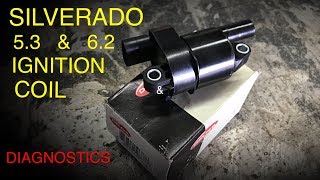
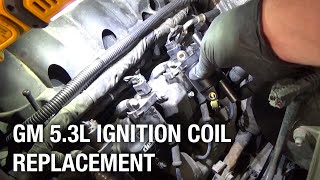
Typical fix: Replace the faulty ignition coil. They are sold individually. The OEM part is ACDelco D510C (GM 12611424). 🎬 Watch: How to quickly replace a failed ignition coil.
Est. part cost: $40-$90 - Clogged or Faulty Fuel Injector 🟡 Medium Probability → Shop Fuel Injector
How to confirm: Listen for a clicking sound from the injector with a mechanic's stethoscope to ensure it's activating. You can also swap the injector with another cylinder to see if the misfire code follows, though this is more labor-intensive than a coil swap.
Typical fix: Replace the faulty fuel injector.
Est. part cost: $50-$120 - Mechanical Engine Failure (Non-AFM Lifter, Cam Lobe, Valve Spring) ⚪ Low Probability While cylinder 5 does not have an AFM lifter, standard hydraulic lifters can still fail. A worn camshaft lobe, broken valve spring, or sticking valve can also cause a persistent misfire on a single cylinder. These issues are less common than ignition or fuel problems but are known possibilities on higher mileage 5.3L engines.
How to confirm: This usually requires a professional diagnosis. Symptoms can include a distinct ticking or chirping noise from the engine. A compression test on cylinder 5 showing low or zero compression is a key indicator. Removing the valve cover to observe rocker arm movement can also reveal a collapsed lifter or wiped cam lobe.
Typical fix: This is a major repair that involves replacing the faulty lifter, often along with the camshaft and other related components. This repair is best left to a professional.
Est. part cost: $500-$1500+
Rare But Worth Checking
- Intake Manifold Gasket Leak: → Shop Engine Intake Manifold A vacuum leak near the cylinder 5 intake runner can lean out the air-fuel mixture, causing a misfire. This can sometimes be detected by spraying brake cleaner near the gasket with the engine running and listening for a change in idle speed. GM has a TSB (PIP3232C) related to this issue on similar engines.
- Faulty PCV System / Valve Cover Oil Fouling: → Shop Engine Valve Cover GM issued TSB 10-06-01-008M for excessive oil consumption related to the PCV system and an AFM shield. A faulty PCV valve, integrated into the driver-side valve cover, can suck oil into the intake, fouling spark plugs. While the TSB focuses on cylinders 1 and 7, this issue can potentially affect any cylinder, causing a misfire.
- Low Compression (Internal Engine Damage): Beyond a failed lifter, issues like a damaged piston, worn piston rings, or a burnt valve can cause a loss of compression and a P0305 code. A compression test is the definitive diagnostic step for this.
Diagnosis Steps
- Read the code with an OBD-II scanner to confirm P0305 and check for any other codes.
- Inspect the spark plug wire for cylinder 5. Ensure it is fully seated on the ignition coil and spark plug, as per TSB PIP4819A. [⭐ MANUFACTURER TSB — highest authority] Check for rubbing against the steering shaft.
- Swap the ignition coil from cylinder 5 with an adjacent, easily accessible cylinder (like 1 or 3). Clear the codes, run the engine, and re-scan. If the misfire code moves to the new cylinder (e.g., P0301 or P0303), the coil is bad.
- If the misfire does not move, remove and inspect the spark plug from cylinder 5. Look for signs of wear, oil fouling, carbon tracking, or a cracked insulator. Replace if necessary, preferably with an ACDelco Iridium plug (41-162).
- If ignition components are good, listen to the fuel injector on cylinder 5 with a stethoscope. It should have a consistent, rhythmic clicking sound.
- If the above steps do not resolve the issue, perform an engine compression test on cylinder 5. Low compression points towards a mechanical problem, such as a failed standard lifter, bad valve, or piston ring issue.
- If a mechanical fault is suspected, remove the driver-side valve cover and observe the valve train for cylinder 5 while the engine is cranked or running to check for proper rocker arm movement. This can help identify a collapsed lifter or worn cam lobe. Professional diagnosis is recommended at this stage.
Parts You'll Likely Need
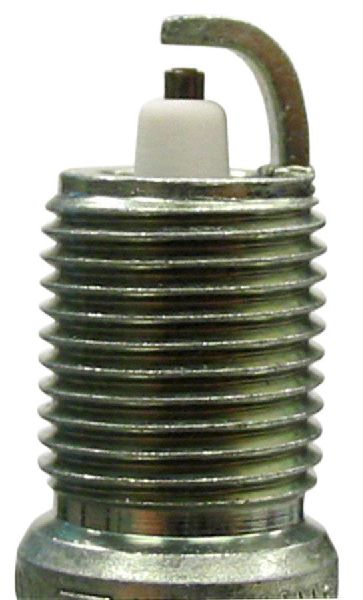
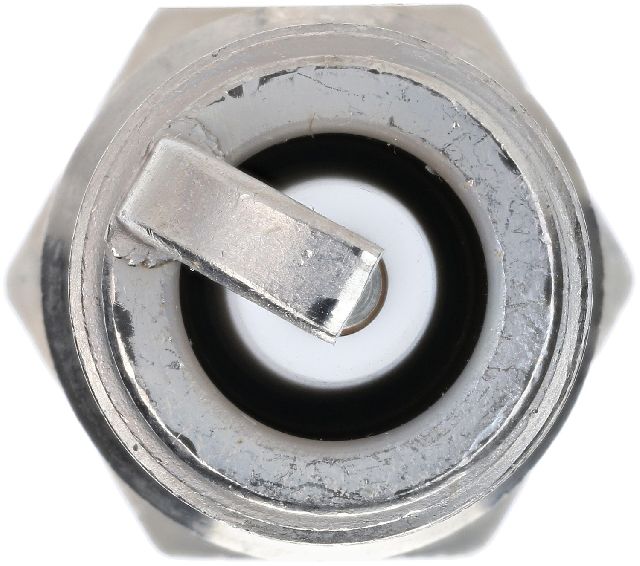
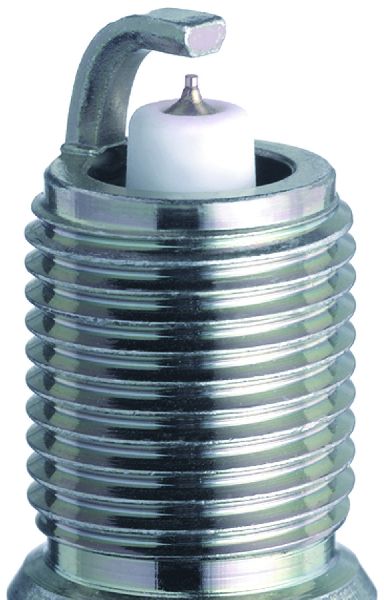
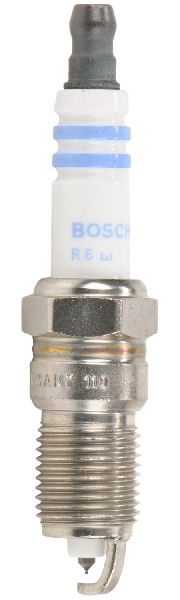
- Spark Plug
(OEM #ACDelco 41-162 (GM Part #19417055))— Spark plugs are a primary cause of misfires and are a routine maintenance item. A worn or oil-fouled plug cannot create a strong enough spark. The 41-162 is the specified Iridium plug for this engine.
Trusted brands: ACDelco, NGK
OEM price range: $10-$20
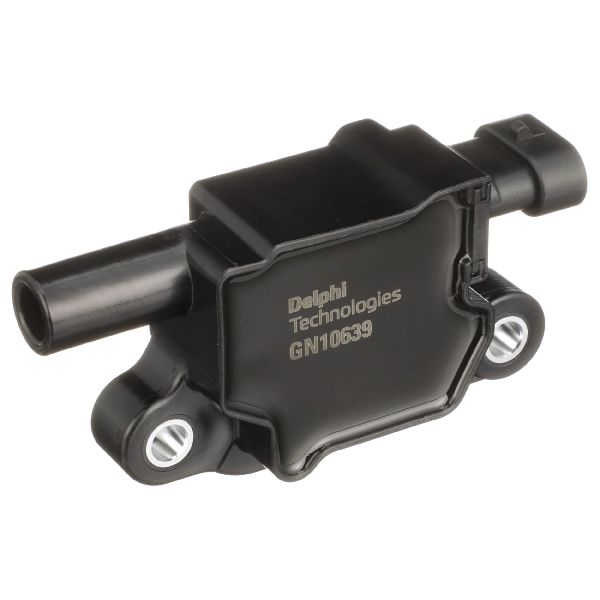
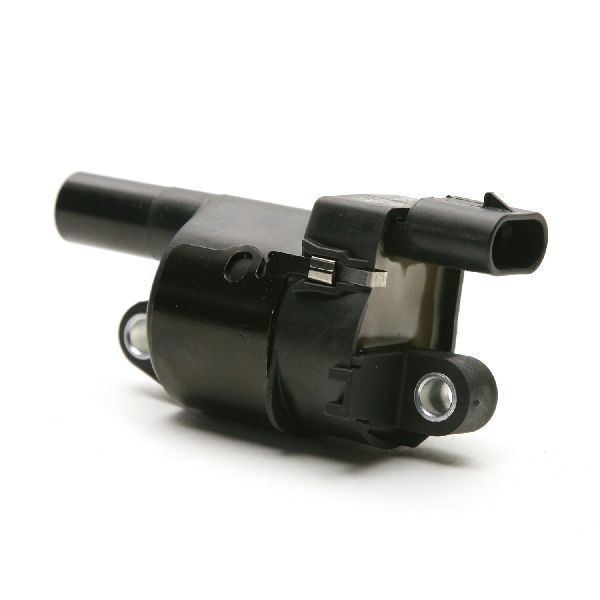
Aftermarket price range: $8-$15 - Ignition Coil
(OEM #ACDelco D510C (GM Part #12611424))— The ignition coil provides the high voltage needed to fire the spark plug. It's a common failure point that directly causes a misfire on a single cylinder.
Trusted brands: ACDelco, Delphi, Denso
OEM price range: $60-$100
Aftermarket price range: $40-$75 - Spark Plug Wire Set
(OEM #ACDelco 9748RR)— A loose or internally broken wire will fail to deliver spark to the plug. A TSB specifically mentions loose wires as a known issue on this vehicle. [⭐ MANUFACTURER TSB — highest authority] Wires can also degrade over time.
Trusted brands: ACDelco, MSD, NGK
OEM price range: $60-$90
Aftermarket price range: $40-$70
Related Codes That Often Appear With This One
- P0300 — If the misfire is intermittent or starting to affect other cylinders, a P0300 (Random/Multiple Misfire Detected) code may appear alongside P0305.
Technical Service Bulletins (TSBs) & Recalls
- PIP4819A: Service Engine Soon Malfunction Indicator Lamp and the engine misfires... inspect the spark plug wires... replace any loose spark plug wires.
- 10-06-01-008M: Engine Oil Consumption on Active Fuel Management (AFM) Engines.
Platform-Specific Known Issues
- A known issue for this engine is failure of the Active Fuel Management (AFM) lifters on cylinders 1, 4, 6, and 7. While this does not directly cause P0305, it's a major concern for the engine overall.
- Technical Service Bulletin PIP4819A notes that P030x misfire codes can be caused by spark plug wires that are not fully seated on the spark plug or ignition coil. [⭐ MANUFACTURER TSB — highest authority]
- TSB 10-06-01-008M addresses excessive oil consumption which can lead to oil-fouled spark plugs and misfires. This can be caused by issues with the PCV system in the valve cover or oil spray from the AFM pressure relief valve.
Mechanic-Grade Diagnostic Values
- Fuel Pressure (Key On, Engine Off) — expected: 55-62 psi (385-425 kPa). Failure: Pressure below this range indicates a weak fuel pump, clogged filter, or faulty regulator.
- Ignition Coil Secondary Resistance — expected: 7.10k Ohms to 11.1k Ohms. Failure: Readings outside this range suggest a faulty secondary winding in the coil. Note that different aftermarket brands may have slightly different specs.
Scan Tool Commands That Help
- GM GDS2 / Tech2: Cylinder Power Balance Test — This active test disables one cylinder at a time and measures the corresponding drop in RPM. If disabling cylinder 5 results in little or no RPM drop, it confirms that cylinder is not contributing power, definitively isolating the misfire without disassembly.
- GM GDS2 / Tech2: Fuel Injector Balance / Kill — After confirming a power loss on cylinder 5, this function can disable just the fuel injector for that cylinder. If there's no additional change in engine operation, it strongly suggests the fuel injector is the non-functioning component.
Wiring & Ground Locations
- G102 — Lower left front of the engine block.. This is a primary engine ground. A poor connection here can cause a host of electrical issues, including weak spark or erratic sensor readings that could lead to a misfire code.
- G103 — Front of the right cylinder head. It is often part of the main negative battery cable harness.. This is a critical ground for the Engine Control Module (ECM). A corroded or loose G103 ground is a known cause of random misfires (P0300) and can contribute to a single cylinder misfire by affecting the coil or injector driver circuits.
- Cylinder 5 Spark Plug Wire — Driver's side of the engine, third from the front.. The routing of the cylinder 5 spark plug wire can bring it close to the steering shaft. Aftermarket wires that are slightly longer than OEM can rub against the rotating shaft, causing damage to the wire or pulling it loose from the coil or plug, resulting in a P0305.
Real Owner Repair Stories
- YouTube DIY video (Chevy/GMC Truck with 5.3L V8) — Blinking check engine light, stuttering feeling like riding over a bump strip, especially during acceleration.
❌ Tried (didn't work) Replacing only the spark plug and wire for cylinder 5 temporarily improved the issue, but the symptoms returned without a check engine light initially, indicating the root cause was not fully addressed.
✅ What actually fixed it The owner noted a common issue reported online where aftermarket spark plug wires are slightly too long and can rub on the steering shaft, causing a loose connection or damage. The final fix path involved checking wire connections, replacing the plug, wire, and ultimately the ignition coil pack to resolve the persistent misfire.
OEM Part Supersession History
ACDelco 41-110→ACDelco 41-162— Design change and/or supplier change for GM's Iridium spark plugs.
Heads up: Both plugs are compatible for the application, but the 41-162 is the current official GM recommendation. Some users have noted physical differences and prefer the older 41-110.
Model Year Variations Within This Range
- 2009+: For the 2009 model year, the 4-speed 4L60-E automatic transmission was replaced by the 6-speed 6L80-E. While not directly related to the cause of a P0305, a severe misfire can sometimes be misdiagnosed as a transmission issue due to the rough, jerky feeling during driving.
Helpful Videos
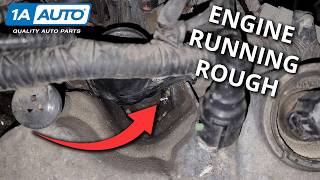
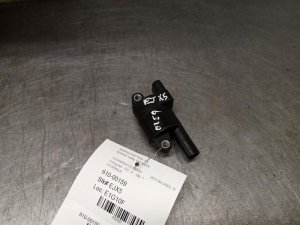
Used OEM Parts in Stock
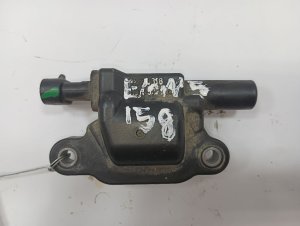
New Aftermarket Parts Available

The information in this article is provided for general reference and educational purposes only. Vehicle specifications, procedures, and part compatibility can vary by production date, trim level, and region. Always consult your vehicle's factory service manual and verify part numbers before purchasing or performing repairs. Safety-critical components such as airbags, seat belts, and braking systems should be installed by a qualified professional.
- Chevrolet AVALANCHE:
- 🧭 Diagnostic Flowchart
- 🎬 Helpful Videos
- 🛍️ Shop This Part
- What's Unique About the 2010-2013 Chevrolet AVALANCHE
- Symptoms You May Notice
- Most Likely Causes
- Rare But Worth Checking
- Diagnosis Steps
- Parts You'll Likely Need
- Related Codes That Often Appear With This One
- Technical Service Bulletins (TSBs) & Recalls
- Platform-Specific Known Issues
- Mechanic-Grade Diagnostic Values
- Scan Tool Commands That Help
- Wiring & Ground Locations
- Real Owner Repair Stories
- OEM Part Supersession History
- Model Year Variations Within This Range
- 🎟️ Get 5% Off