

P0305 on 2010-2013 Chevrolet Corvette: Cylinder 5 Misfire Causes and Fixes
On a 2010-2013 Corvette, code P0305 is most often caused by a faulty spark plug, a bad spark plug wire, or a failed ignition coil for cylinder 5. A GM Technical Service Bulletin specifically mentions checking for loose spark plug wires. A less common but serious cause on these engines can be a broken valve spring. Expect to pay $15-$100 for common ignition parts, with DIY being a common approach.
- P0305 on your Corvette is a misfire on cylinder 5, located third from the front on the driver's side.
- The most likely causes are a bad spark plug, a faulty spark plug wire, or a failed ignition coil.
- Always check for a loose spark plug wire first, as this is a known issue cited in a GM Technical Service Bulletin.
- A simple way to diagnose a bad coil or plug is to swap it with an adjacent cylinder and see if the misfire code follows.
- Do not drive with a flashing check engine light, as this can quickly destroy your catalytic converters, leading to a much more expensive repair.
What's Unique About the 2010-2013 Chevrolet CORVETTE
The C6 Corvette's high-output V8 engines place significant demands on the ignition system. A key issue for this platform is highlighted in a General Motors Technical Service Bulletin (TSB #PIP4819A), which points to loose spark plug wires as a specific cause for misfires. This makes checking the wire connections on cylinder 5 an essential first step. Furthermore, the high-performance nature of the LS7 engine, in particular, makes it more susceptible to rare but catastrophic failures like broken valve springs, which can present as a single-cylinder misfire.
Diagnostic Flowchart
Tap your situation to follow the diagnostic path that matches what you're seeing on this vehicle.
Symptoms You May Notice
- Rough or shaky idle
- Hesitation or stumbling during acceleration
- Noticeable loss of engine power
- Solid or flashing Check Engine Light
- Fuel smell from the exhaust
- Audible change in exhaust note, sometimes described as a 'popping' or 'sputtering' sound
- Replacing the oxygen sensor, as a misfire can affect its readings but is not the root cause.
- Assuming a major engine failure without first checking the simple and common ignition system components.
- Replacing fuel injectors before confirming the failure, when ignition system parts are far more common culprits and easier to test.
Most Likely Causes
- Loose or Faulty Spark Plug Wire 🔴 High Probability → Shop Spark Plug A manufacturer TSB (#PIP4819A) specifically calls out loose spark plug wires as a cause for misfires on 2010 models. The heat and vibration in the engine bay can cause connections to loosen over time. Forum members have confirmed this fix, with one owner noting the internal clip in their aftermarket MSD wire failed, leaving the terminal stuck on the plug.
How to confirm: Visually inspect the spark plug wire for cylinder 5. Ensure it is securely clicked onto both the ignition coil and the spark plug. You should hear or feel a distinct 'click' when it's properly seated. Check for damage, corrosion, or arcing (white marks on the boot).
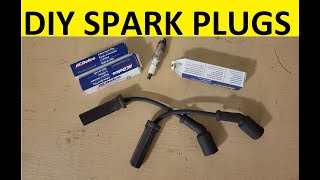
Typical fix: Reseat the loose wire. Apply a small amount of dielectric grease to the inside of the boot to help with sealing and future removal. If the wire is damaged, cracked, or corroded, replace the full set. 🎬 Watch: Step-by-step guide to changing C6 spark plugs and wires.
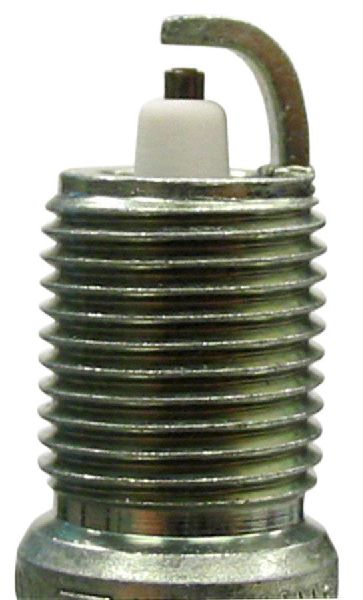
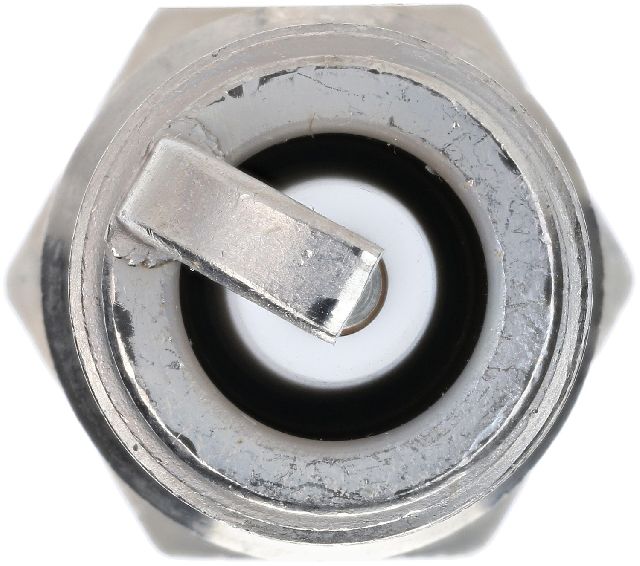
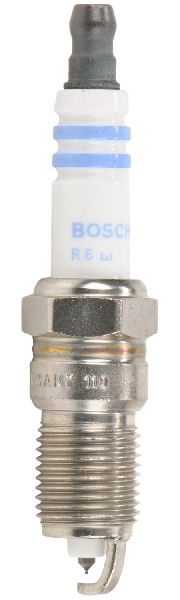
Est. part cost: $50-$100 - Worn or Fouled Spark Plug 🔴 High Probability → Shop Spark Plug Spark plugs are a normal wear item, and their lifespan can be shortened by high-performance driving. Oil from the PCV system can sometimes foul plugs, a known issue on LS engines that can be exacerbated by forced induction. A cracked porcelain insulator is another common failure point.
How to confirm: Remove the spark plug from cylinder 5. Inspect it for wear (rounded electrode), fouling (black, oily, or white deposits), or damage like a cracked insulator. The recommended gap is 0.040 inches. A common diagnostic step is to swap the cylinder 5 plug with another cylinder (e.g., cylinder 3), clear codes, and see if the misfire code changes to P0303.
Typical fix: Replace the spark plug. The recommended torque spec is 11 lb-ft (15 Nm). It is best practice to replace all 8 spark plugs at the same time.
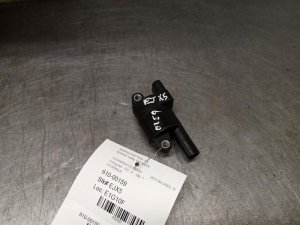
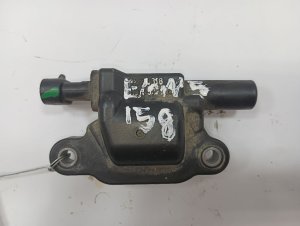
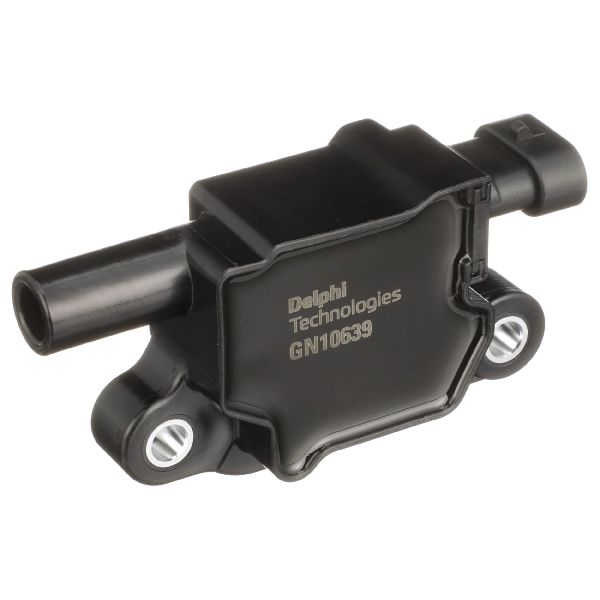
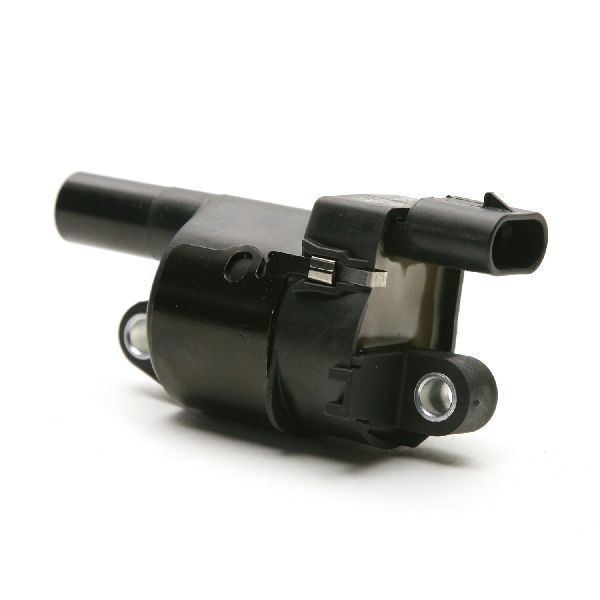
Est. part cost: $10-$20 per plug - Failed Ignition Coil 🟡 Medium Probability → Shop Ignition Coil Heat and vibration are the primary enemies of ignition coils. Like any electronic component, they can fail with age and thousands of heat cycles, leading to a weak or non-existent spark.
How to confirm: Swap the cylinder 5 ignition coil with another cylinder (e.g., cylinder 3). Clear the codes and run the engine. If the misfire code moves to P0303, the ignition coil is faulty. This is a very common and effective diagnostic technique mentioned frequently by owners.
Typical fix: Replace the failed ignition coil. They are mounted individually, making single-coil replacement straightforward.
Est. part cost: $70-$125 - Clogged or Faulty Fuel Injector ⚪ Low Probability → Shop Fuel Injector
How to confirm: Use a mechanic's stethoscope or a long screwdriver to listen for a consistent clicking sound from the injector. You can also test the injector's resistance with a multimeter or have it professionally cleaned and flow-tested. Swapping injectors between cylinders is possible but more labor-intensive than swapping coils or plugs.
Typical fix: Replace the faulty fuel injector.
Est. part cost: $60-$150
Rare But Worth Checking
- Broken Valve Spring: This is a known, albeit uncommon, failure point on LS engines, particularly the high-revving LS7. A broken spring will prevent the valve from closing properly, causing a complete loss of compression in that cylinder and a severe misfire. One forum member with a P0305 code confirmed a broken valve spring was the ultimate cause after checking ignition and fuel components. Diagnosis requires removing the valve cover for visual inspection and performing a compression test, which would show zero or very low compression.
- Low Engine Compression: Beyond a valve spring, this indicates a more serious internal engine issue, such as a bent valve, worn piston rings, or a damaged head gasket. A compression and/or cylinder leak-down test is required to diagnose this.
- Vacuum Leak: A leak in the intake manifold gasket near cylinder 5 can lean out the air/fuel mixture and cause a misfire. This would typically be accompanied by other lean codes and affect idling.
Diagnosis Steps
- Confirm the P0305 code using an OBD-II scanner. Use Mode $06 on a more advanced scanner to view live misfire counts per cylinder if available.
- Locate cylinder 5, which is the third cylinder from the front on the driver's side.
- Inspect the spark plug wire for cylinder 5. Per TSB #PIP4819A, ensure it is fully seated on the coil and the spark plug. Check for any signs of damage, arcing, or corrosion.
- If the wire is secure, swap the ignition coil from cylinder 5 with the coil from cylinder 3. Clear the codes and drive the vehicle. If the code changes to P0303, the coil is bad.
- If the code remains P0305, swap the spark plug from cylinder 5 with the plug from cylinder 3. Clear codes and drive. If the code changes to P0303, the spark plug is bad.
- If the misfire is still on cylinder 5, inspect the fuel injector. Listen for a steady clicking with a stethoscope. Check the wiring and connector to the injector for damage.
- If ignition and fuel delivery seem okay, remove the driver's side valve cover to visually inspect the valve springs 🎬 See a real-world example of chasing a tricky LS3 misfire. on cylinder 5 for breakage.
- Perform a compression test on cylinder 5. A healthy LS engine should have around 180+ PSI per cylinder. A reading of zero or significantly lower points to a mechanical issue like a broken valve spring, bad valve, or piston ring failure.
Parts You'll Likely Need
- Spark Plug
(OEM #ACDelco 41-110 or 41-162 (Iridium))— Spark plugs are a primary wear item. The original platinum plugs (41-962 / 12571165) are often upgraded to these longer-lasting Iridium plugs. A fouled, worn, or cracked plug is a very common cause. Recommended torque: 11 lb-ft.
Trusted brands: ACDelco, NGK
OEM price range: $10-$15
Aftermarket price range: $8-$12 - Spark Plug Wire Set
(OEM #ACDelco 748UU)— A GM TSB specifically identifies loose or bad wires as a cause for this code. They can degrade from engine heat or the connection can fail internally.
Trusted brands: ACDelco, MSD, Granatelli
OEM price range: $60-$90
Aftermarket price range: $45-$70 - Ignition Coil
(OEM #12611424)— Coils generate the high voltage for the spark. Failure due to heat and age is a common cause of misfires and is easily diagnosed by swapping the coil to another cylinder.
Trusted brands: ACDelco, Delphi
OEM price range: $70-$125
Aftermarket price range: $50-$90
Related Codes That Often Appear With This One
- P0300 — If the misfire is intermittent, severe enough to affect crankshaft timing broadly, or if other cylinders are also beginning to misfire, a P0300 (Random/Multiple Cylinder Misfire) code may also be stored.
- P0355 — This code for 'Ignition Coil 5 Control Circuit' points specifically to an electrical problem with the coil or its wiring, and will almost always accompany a P0305 if the coil circuit is the root cause.
Technical Service Bulletins (TSBs) & Recalls
- PIP4819A: Service Engine Soon Malfunction Indicator Lamp and the engine misfires. Technician may find Diagnostic Trouble Codes P0300, P0301, P0302, P0303, P0304, P0305, P0306, P0307, and P0308. Technician will need to inspect the spark plug wires. Technician will need to replace any loose spark plug wires.
Platform-Specific Known Issues
- A known issue documented in TSB #PIP4819A for the 2010 model year involves loose spark plug wires causing misfires (P0300-P0308). The fix is to inspect and replace any loose wires.
- Owners on forums have repeatedly confirmed that the first and most common fixes are simply reseating a loose plug wire or replacing a single plug or coil.
- Broken valve springs are a known potential f
Mechanic-Grade Diagnostic Values
- Fuel Pressure at Fuel Rail — expected: 58 PSI (400 kPa). Failure: Pressure significantly below 58 PSI indicates a weak pump, clogged filter, or leak. Pressure that bleeds off quickly after shutdown can indicate a bad check valve or leaking injector.
- Fuel Injector Resistance (LS3/LS7) — expected: ~12.0 Ohms (High Impedance). Failure: A reading significantly different from the other injectors, or an open/short circuit. All injectors should be within 0.5 ohms of each other.
- Ignition Coil Resistance (Primary) — expected: 0.4 - 0.6 Ohms. Failure: A reading outside this range suggests a faulty primary winding in the coil.
- Ignition Coil Resistance (Secondary) — expected: 5,000 - 7,200 Ohms (5.0k - 7.2k Ohms). Failure: A reading outside this range suggests a faulty secondary winding in the coil.
Hidden / Shadow Codes Worth Checking
- Mode $06 Misfire Data: While not a 'shadow code,' professional scan tools (including GM's GDS2) can access Mode $06 data to view live and historical misfire counts for each individual cylinder. This allows a technician to see if cylinder 5 is the only one misfiring and how frequently it occurs, even if the misfires aren't severe enough to keep the check engine light on continuously. (see via A professional-grade OBD-II scanner or GM's GDS2/Tech2Win software connected to a GM MDI/MDI2 interface.)
Scan Tool Commands That Help
- GDS2 (GM Global Diagnostic System 2): Cylinder Power Balance Test — This is a crucial diagnostic step when a P0305 is present but the cause isn't obvious. The tool sequentially disables the fuel injector to each cylinder and measures the drop in engine RPM. A healthy cylinder will show a significant RPM drop, while a non-contributing cylinder (like a misfiring one) will show little to no drop, confirming it's the source of the problem before you begin swapping parts.
- GDS2 (GM Global Diagnostic System 2): Fuel Injector Balance Test — After confirming cylinder 5 is the issue with a power balance test, this function can help determine if the fuel injector is the cause. The test measures pressure drop while pulsing the injector to check its flow against the others, helping to identify a clogged or failing injector without removing it from the engine.
Wiring & Ground Locations
- G105, G106, G107 — These are the primary engine block grounds. G107 is located on the left-hand (driver's side) rear of the engine, on the bell housing. G105 and G106 are also on the engine block.. The ignition coils and fuel injectors rely on a solid ground connection to the engine block. A loose or corroded ground at one of these locations can cause intermittent and hard-to-diagnose electrical issues, including weak spark or erratic injector function, leading to a misfire code.
- G102 — Mounted to the left-hand (driver's side) frame rail, below the battery.. This is a major chassis ground point. While less direct than the engine block grounds, poor connections here can introduce electrical noise and voltage issues throughout the vehicle's systems, potentially affecting ECM operation and sensor readings related to the ignition system.
Real Owner Repair Stories
- CorvetteForum user 'jonjon' (2005 Corvette Coupe with Procharger) — Sudden rough running, loss of power, audible change in exhaust note, P0305 code.
❌ Tried (didn't work) Replacing all spark plugs, Replacing spark plug wires, Swapping ignition coils between cylinders, Replacing the #5 fuel injector
✅ What actually fixed it A broken valve spring on cylinder 5, which was discovered after performing a compression test. - CorvetteForum user 'c5diag' (C4 Corvette (diagnostic principle applies directly to C6)) — Persistent P0305 misfire on cylinder #5.
❌ Tried (didn't work) Swapping ignition components (plugs, wires, coils), Swapping fuel system parts, Checking wiring continuity from injector connector to ECM connector with an ohmmeter (test passed), Swapping the ECM
✅ What actually fixed it The female socket in the fuel injector's electrical connector was not making good contact with the male pin on the injector itself. The ohmmeter probe was thin enough to make contact during testing, but the injector's pin was not, leading to a false 'good' test result. - CorvetteForum user 'thegtp' (C6 Corvette with aftermarket cam) — P0305 misfire under load after winter storage.
❌ Tried (didn't work) Initially just reseating the plug wire
✅ What actually fixed it A faulty aftermarket (MSD) spark plug wire. The internal metal clip inside the boot had broken and remained stuck on the spark plug when the wire was removed. Replacing the wire resolved the misfire.
"I Checked Everything" — The Actual Cause
- A persistent P0305 where all ignition and fuel parts check out could be caused by a poor pin fit in the fuel injector connector. In one documented case, a technician confirmed continuity with a multimeter probe, but the injector's own pin was not making a solid connection inside the connector's socket. This type of 'micro-failure' won't be found by a smoke test or standard electrical tests and requires physically inspecting the connector terminals for proper tension.
When the Usual Fixes Don't Work
- In a case where a P0305 code appeared after swapping ignition and fuel components failed to resolve it, the root cause was not a common part but a faulty electrical connection at the fuel injector's pigtail. The pin inside the connector was not making solid contact, a fault that standard multimeter tests missed. This highlights that even after swapping a 'bad' part, the issue can persist if the wiring or connector itself is the true culprit.
OEM Part Supersession History
12570616 (Ignition Coil)→12611424 (also listed as D510C)— This appears to be a design change from an earlier 'square-shaped' coil to a newer design.
Heads up: A parts catalog notes that for the 1st design coil (12570616), a specific mating connector with leads (p/n 88987184) should be used if replacing the pigtail, implying a potential connector difference between the early and later designs.
Model Year Variations Within This Range
- 2010: The TSB #PIP4819A specifically calls out the 2010 model year for potential misfires due to loose spark plug wires. While this can happen on any year, it suggests a higher prevalence during this specific production year, which was the first year for the Grand Sport model.
- 2010-2013: The LS3 V8 engine and its core components (ignition system, fuel system) remained consistent from its introduction in 2008 through 2013. Therefore, the diagnostic process for a P0305 is identical across the 2010-2013 range, whether it's a base model or a Grand Sport.
Helpful Videos
Used OEM Parts in Stock
New Aftermarket Parts Available

The information in this article is provided for general reference and educational purposes only. Vehicle specifications, procedures, and part compatibility can vary by production date, trim level, and region. Always consult your vehicle's factory service manual and verify part numbers before purchasing or performing repairs. Safety-critical components such as airbags, seat belts, and braking systems should be installed by a qualified professional.
- Chevrolet CORVETTE:
- 🧭 Diagnostic Flowchart
- 🎬 Helpful Videos
- 🛍️ Shop This Part
- What's Unique About the 2010-2013 Chevrolet CORVETTE
- Symptoms You May Notice
- Most Likely Causes
- Rare But Worth Checking
- Diagnosis Steps
- Parts You'll Likely Need
- Related Codes That Often Appear With This One
- Technical Service Bulletins (TSBs) & Recalls
- Platform-Specific Known Issues
- Mechanic-Grade Diagnostic Values
- Hidden / Shadow Codes Worth Checking
- Scan Tool Commands That Help
- Wiring & Ground Locations
- Real Owner Repair Stories
- "I Checked Everything" — The Actual Cause
- When the Usual Fixes Don't Work
- OEM Part Supersession History
- Model Year Variations Within This Range
- 🎟️ Get 5% Off