

P0305 on 2006-2009 Chevrolet Impala 5.3L V8: Cylinder 5 Misfire Causes and Fixes
P0305 on your Impala SS means cylinder 5 is misfiring. The most common causes are a bad spark plug, ignition coil, or spark plug wire. Start by swapping the ignition coil from cylinder 5 to another cylinder to see if the code moves. This is a quick, free way to diagnose a faulty coil. Also, be aware of oil-fouled spark plugs, a common issue on this engine.
- P0305 on the Impala SS is a misfire on cylinder 5, which is the second cylinder from the driver's side on the rear bank (closest to the firewall).
- The most effective first diagnostic step is to swap the cylinder 5 ignition coil with another cylinder's coil to see if the misfire code follows.
- While this engine is known for AFM lifter failures, cylinder 5 is not an AFM cylinder. The misfire is most likely due to a standard ignition or fuel part failure.
- Be aware that oil-fouled spark plugs can be a cause, often stemming from oil consumption issues related to the AFM system, even on non-AFM cylinders.
- Do not drive the vehicle if the check engine light is flashing, as this can cause rapid and expensive damage to the catalytic converter.
What's Unique About the 2006-2009 Chevrolet Impala
The 5.3L LS4 V8 in the Impala SS features Active Fuel Management (AFM), a system that deactivates cylinders to save fuel. While cylinder 5 is not an AFM cylinder (AFM cylinders are 1, 4, 6, and 7), the system is notorious for causing issues that can lead to a P0305 code. GM issued Technical Service Bulletin #11-06-01-007 which describes how an AFM pressure relief valve can spray excessive oil within the crankcase, especially during extended high-speed driving. This oil gets past the piston rings, leading to carbon buildup and oil-fouled spark plugs on any cylinder, including number 5. The official fix involves cleaning the pistons and installing a newly designed oil pan gasket 🎬 Watch: A deep dive into the AFM oil consumption repair process. with a shield to deflect the oil spray.
Symptoms You May Notice
- Flashing or solid Check Engine Light
- Rough idle or engine vibrations, feeling like the car is shaking
- Noticeable loss of power and acceleration
- Hesitation or stumbling during acceleration
- Poor fuel economy
- Fuel smell from the exhaust
- "Service Traction Control" or "Service Stabilitrak" message may appear on the dash
- A stuttering or jerking feeling, sometimes described as driving over a bump strip
- Immediately assuming the cause is a catastrophic Active Fuel Management (AFM) lifter failure. While AFM lifters are a known problem on the LS4, they affect cylinders 1, 4, 6, and 7. A P0305 code is for a non-AFM cylinder, so standard ignition/fuel causes or oil fouling should be diagnosed first.
Most Likely Causes
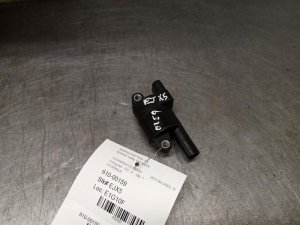
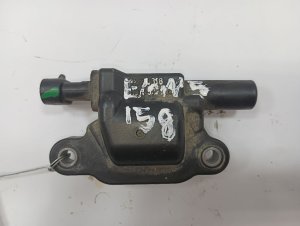
- Faulty Ignition Coil 🔴 High Probability → Shop Ignition Coil
How to confirm: Swap the ignition coil from cylinder 5 with another cylinder (e.g., cylinder 3). Clear the codes and drive the vehicle. If the code changes to P0303, the coil is bad. This is a very common and effective diagnostic step mentioned in many forums.
Typical fix: Replace the faulty ignition coil. It is recommended to use a quality OEM or aftermarket brand like ACDelco or Delphi.
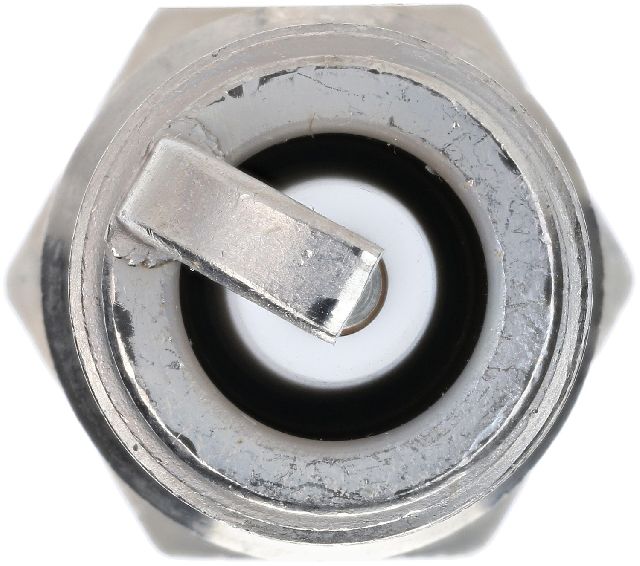
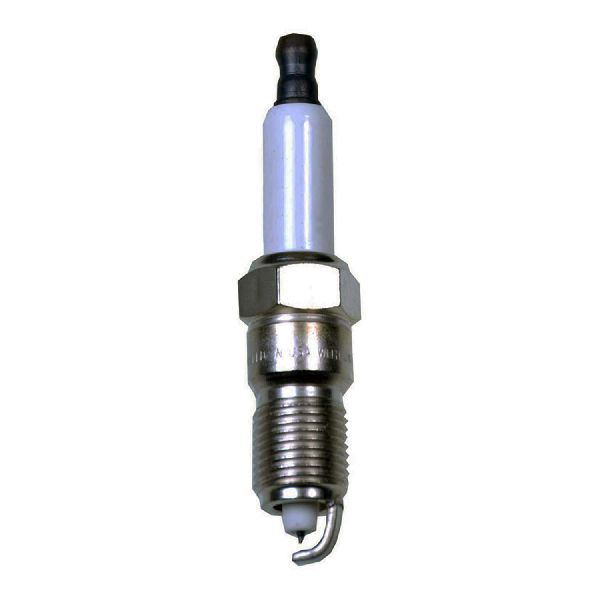
Est. part cost: $30-$75 - Worn or Fouled Spark Plug 🔴 High Probability → Shop Spark Plug The LS4 engine has a well-documented issue with oil consumption due to the Active Fuel Management (AFM) system, which can cause spark plugs to become fouled with oil or heavy carbon deposits, leading to a misfire. This is a primary suspect on this specific engine.
How to confirm: Remove the spark plug from cylinder 5. Inspect it for wear (eroded electrode), damage (cracked porcelain), or fouling (black, oily, or sooty deposits). Compare it to a plug from a known good cylinder.
Typical fix: Replace the spark plug. If it was oil-fouled, this strongly indicates the underlying AFM-related oil consumption issue. It is best practice to replace all 8 plugs 🎬 See this walkthrough for replacing Impala SS spark plugs and wires. at the same time with the recommended ACDelco Iridium plugs.
Est. part cost: $10-$25 per plug - Bad Spark Plug Wire 🟡 Medium Probability → Shop Spark Plug The routing of the spark plug wires can sometimes lead to chafing or heat damage over time.
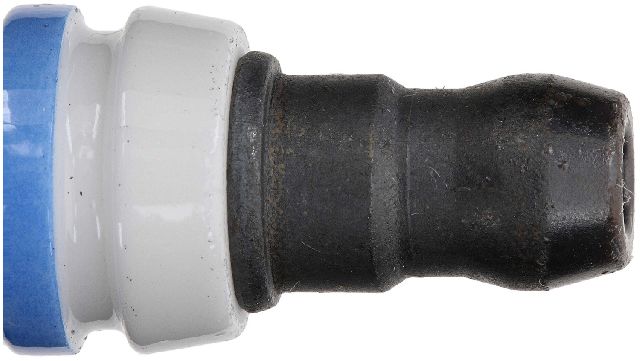
How to confirm: Visually inspect the wire for cracks, burns, or corrosion on the terminals. Check that it is securely clicked onto both the coil and the spark plug. With the engine running in the dark, you can sometimes see the spark arcing from the wire to a metal part of the engine.
Typical fix: Replace the spark plug wire set. Use dielectric grease inside the boots to ease installation and prevent moisture.
Est. part cost: $50-$100 for a set - Clogged or Faulty Fuel Injector 🟡 Medium Probability → Shop Fuel Injector
How to confirm: Use a mechanic's stethoscope or a long screwdriver held to your ear to listen to the injector; it should make a consistent, rapid clicking sound. If it's silent or the click is irregular, it may be faulty. Swapping the injector with another cylinder is a definitive test, but is more labor-intensive than swapping a coil.
Typical fix: Replace the faulty fuel injector. Some owners on forums have successfully resolved a P0305 by replacing a single bad injector.
Est. part cost: $60-$120
Rare But Worth Checking
- Intake Manifold Gasket Leak: → Shop Engine Intake Manifold A vacuum leak near the cylinder 5 intake runner can lean out the air/fuel mixture and cause a misfire. This is a known issue on some 2006 models. A smoke test is the most effective way to diagnose this.
- Low Compression / Internal Engine Issue: Though less common for a single-cylinder misfire, a mechanical problem like a worn piston ring, a bad valve, or a damaged lifter (even on a non-AFM cylinder) can cause a persistent P0305. A broken exhaust valve spring has been documented as a cause. A compression test followed by a cylinder leak-down test is needed to confirm this.
Diagnosis Steps
- Read the code with an OBD-II scanner to confirm P0305 is the primary code. Note any other codes.
- Check freeze frame data to see the engine conditions (RPM, load, temperature) when the misfire occurred.
- Visually inspect the ignition system for cylinder 5. Look for loose connections, damaged wires, or cracks in the coil.
- Swap the ignition coil from cylinder 5 to an adjacent odd-numbered cylinder (e.g., cylinder 3 or 7). Clear the codes and drive. If the misfire code moves to the new cylinder (e.g., P0303 or P0307), the coil is faulty and needs replacement.
- If the coil is not the issue, remove and inspect the spark plug for cylinder 5. Look for heavy carbon or oil fouling, which is common on the LS4. If it is fouled or worn, replace it. It's best to replace all 8.
- Inspect the spark plug wire for cylinder 5. Check for physical damage and ensure it's securely connected at both ends.
- If ignition components are good, check the fuel injector. Listen for a steady clicking sound. Consider swapping it with another cylinder's injector if you have the tools and experience.
- If the misfire persists, perform a compression test on cylinder 5 to rule out mechanical engine problems like bad rings, valves, or a broken valve spring.
- If compression is good, check for vacuum leaks around the intake manifold, particularly near the runner for cylinder 5, using a smoke machine.
Parts You'll Likely Need
- Ignition Coil
(OEM #12570616)— Ignition coils are a common failure item that directly causes a single-cylinder misfire. They are relatively easy to access and test via swapping.
Trusted brands: ACDelco (OEM), Delphi, NGK
OEM price range: $50-$80
Aftermarket price range: $30-$60 - Spark Plug
(OEM #41-110 (Iridium))— Spark plugs are a maintenance item and can become worn or fouled. On the LS4 engine, oil fouling is a very common reason for replacement due to the AFM system's oil consumption issues.
Trusted brands: ACDelco Iridium (OEM), NGK Iridium IX
OEM price range: $12-$20
Aftermarket price range: $8-$15 - Spark Plug Wire Set
(OEM #9748RR)— The insulation on spark plug wires can degrade over time from heat and age, leading to voltage leaks (arcing) and a weak or non-existent spark.
Trusted brands: ACDelco (OEM), NGK
OEM price range: $70-$110
Aftermarket price range: $45-$80
Related Codes That Often Appear With This One
- P0300 — If the underlying cause, such as a vacuum leak, severe oil fouling, or a fuel delivery problem, begins to affect other cylinders, a P0300 (Random/Multiple Cylinder Misfire) may be triggered as well.
Technical Service Bulletins (TSBs) & Recalls
- TSB #11-06-01-007: This is the key bulletin for this platform. It directly addresses 'Engine Oil Consumption with Active Fuel Management (AFM)' and prescribes cleaning carbon from cylinders and installing an oil pan gasket with an integrated shield to prevent oil spray from the AFM relief valve from fouling plugs.
Platform-Specific Known Issues
- AFM Oil Consumption and Fouled Plugs: GM TSB #11-06-01-007 details how the AFM pressure relief valve can spray oil onto the cylinder walls, leading to oil getting past the piston rings and fouling spark plugs. This can cause a misfire on ANY cylinder, including the non-AFM cylinder 5. The fix involves installing a special oil deflector shield in the oil pan and cleaning carbon from the pistons.
- Non-AFM Lifter Failure: → Shop Engine Valve Lifter While direct AFM lifter failure is common on this engine (affecting cylinders 1, 4, 6, or 7), it is still possible for a standard lifter on cylinder 5 to fail, though it is much less common. This would cause a persistent misfire and require significant internal engine work.
Mechanic-Grade Diagnostic Values
- Ignition Coil Primary Resistance — expected: 0.3 to 0.5 Ohms. Failure: A reading of infinite resistance (open circuit) or a value significantly outside the expected range indicates a faulty coil.
- Ignition Coil Secondary Resistance — expected: 2,000 to 11,000 Ohms (2k to 11k Ω). Failure: Readings significantly outside this range suggest an internal failure of the coil's secondary windings.
- Fuel Pressure (Key On, Engine Off) — expected: 55-62 PSI. Failure: Pressure below this range can indicate a weak fuel pump or clogged filter, potentially causing a lean misfire.
Hidden / Shadow Codes Worth Checking
- Mode $06 Misfire Counters: This is not a shadow code, but a function on advanced scan tools that shows raw misfire counts per cylinder before they are high enough to trigger a P030x code. This can help identify intermittent misfires or confirm the issue is isolated to cylinder 5. (see via Use an OBD-II scanner that supports Mode $06 data. Look for Test ID $A2 through $AB, which correspond to misfire counts for each cylinder.)
Scan Tool Commands That Help
- GM Tech2 / GDS2 or equivalent professional scanner: Cylinder Power Balance Test — This bidirectional test allows the technician to disable one cylinder at a time (by cutting fuel or spark) and observe the corresponding drop in engine RPM. If disabling cylinder 5 causes little or no change in RPM, it confirms that cylinder was not contributing power, pinpointing the issue without swapping parts. This is extremely useful after basic ignition parts have been checked or swapped without success.
- GM Tech2 / GDS2 or equivalent professional scanner: Fuel Injector Balance Test — This function commands the ECM to fire each injector for a specific duration and measures the resulting pressure drop in the fuel rail. It can identify a clogged or weak injector on cylinder 5 that isn't delivering enough fuel, causing a lean misfire.
Wiring & Ground Locations
- Engine Block to Chassis/Frame Ground — A primary ground strap typically runs from the engine block (often near the alternator or an engine mount) to a solid point on the vehicle's frame or subframe.. A poor or corroded engine ground can cause all sorts of electrical gremlins, including weak spark and intermittent misfires. The ECM and ignition coils rely on a solid ground path. Ensure this connection is clean, tight, and free of corrosion.
- Cylinder Head to Firewall/Body Ground — Many LS engine harnesses include ground wires that bolt directly to the back of the cylinder heads. There is often an additional strap from the back of a cylinder head to the firewall.. The ignition coils are often grounded through the harness to these points. A loose or corroded ground on the cylinder head can directly impact ignition performance for that bank of cylinders, including cylinder 5.
- Battery Negative Terminal Ground — The main battery ground cable connects to the engine block and/or the chassis.. This is the master ground for the entire electrical system. While a total failure is obvious, a partially failed or corroded connection here can create unstable voltage and ground references for all components, leading to hard-to-diagnose misfires.
Real Owner Repair Stories
- YouTube video by Chesapeake Wilderness Skills (2013 Chevrolet Impala (3.6L V6, but the diagnostic principle is identical)) — Persistent P0305 misfire that was steady on cylinder 5. Rough idle, but ran fine above 1500 RPM.
❌ Tried (didn't work) Swapped ignition coils (misfire did not move), Checked fuel pressure (was good), Tested wiring from the ECM to the coil (was good)
✅ What actually fixed it A broken exhaust valve spring on cylinder 5. After all electrical and fuel possibilities were exhausted, removing the valve cover revealed the mechanical failure. The part itself was inexpensive ($6).
OEM Part Supersession History
12570616→ACDelco D510C is the common service replacement.— Standard part evolution and potential manufacturing improvements.
Heads up: The LS4 engine uses a specific 'square' style ignition coil. While other LS engines use similar coils, ensure the replacement is listed for the 2006-2009 Impala SS to guarantee correct fit and electrical characteristics.
Diagnostic Flowchart
Other Known Issues on This Vehicle
Issues unrelated to this code that are worth knowing about as an owner of this generation:
- 4T65E-HD Transmission Failure 🔴 High — Very common, especially over 80,000 miles. The transmission is considered the weak link when paired with the V8's torque. Symptoms include harsh shifting, delayed engagement, and slipping. (Ref: Multiple TSBs exist for shift quality, but no widespread recall for outright failure.)
- Power Steering Hose Leaks 🟠 Medium — Common failure point. The high-pressure hose is known to leak fluid, often onto the subframe or exhaust components, causing smoke and a burning smell.
- Difficult Starter Motor Replacement 🟡 Low — The starter itself fails at a normal rate, but its location under the exhaust manifold makes replacement extremely labor-intensive for a DIY or shop repair.
- Excessive Oil Consumption (AFM-related) 🔴 High — Widespread issue affecting many LS4 engines, typically noticeable after 30,000-40,000 miles. Can lead to fouled spark plugs and catalytic converter damage if not monitored. (Ref: TSB #11-06-01-007)
- Blend Door Actuator Failure 🟡 Low — Extremely common. Results in a persistent clicking sound from the dashboard and loss of temperature or vent position control. The part is cheap but can be difficult to access.
Used vs. New Parts: Buying Guide for This Vehicle
When a used part is the smart pick: For this repair, using a known-good used ignition coil from a junkyard can be a cost-effective diagnostic step. If swapping a used coil to cylinder 5 resolves the misfire, you have confirmed the diagnosis for a very low cost before buying a new part.
Donor-vehicle mileage cap: roughly under 80000 miles for the part to have meaningful remaining life.
What to inspect on the donor part:
- Look for a donor vehicle that appears well-maintained and is from a low-impact collision.
- Inspect the plastic housing of the coil for cracks, melting, or signs of extreme heat.
- Check the electrical connector for corrosion or broken locking tabs.
- Avoid parts from vehicles with obvious signs of engine fire, flood, or that have been sitting with the hood open for a long time.
OEM-only on this vehicle (don't cheap out):
- While not strictly 'OEM-only', using high-quality spark plugs like ACDelco or NGK Iridium is critical. Cheap, unbranded spark plugs are a common cause of repeat misfires.
- Fuel Injectors: Due to the labor involved, it is recommended to use new, quality OEM or reputable aftermarket injectors rather than used ones of unknown condition.
Aftermarket brands forum-validated for this vehicle:
- Ignition Coils: ACDelco (OEM), Delphi, NGK.
- Spark Plugs: ACDelco Iridium, NGK Iridium IX.
- Spark Plug Wires: ACDelco (OEM), NGK.
Brands owners have reported issues with on this vehicle:
- Unbranded, no-name ignition coils and spark plugs from online marketplaces. While initially cheaper, they have a high failure rate and can cause persistent, hard-to-diagnose issues.
Real Owner Stories
Aggregated from forums and TSBs cited above. Mileages and costs reflect what owners reported in those sources.
2005-2008 Pontiac Grand Prix GXP (5.3L LS4 V8)
Symptoms: The owner experienced a P0305 Cylinder 5 misfire on this platform-mate vehicle.
What fixed it: The issue was resolved by replacing the ignition coil.
Source hint: Grand Prix Forums - 'P0305 Cylinder 5 misfire' (URL: grandprixforums.net/threads/109403-P0305-Cylinder-5-misfire)
2006-2009 Chevrolet Impala (5.3L LS4 V8) — ~80000 miles
Symptoms: Engine oil consumption leading to fouled spark plugs and misfires.
What fixed it: Installing a special oil deflector shield in the oil pan and cleaning carbon from the pistons as per the official GM fix.
Source hint: TSB #11-06-01-007 and LS1TECH - 'Oil consumption: GM's official fix for the LS4'
Related OBD-II Codes
Frequently Asked Questions
Does TSB #11-06-01-007 apply to my 5.3L LS4 Impala if I have a P0305 misfire?
Why does my dash say 'Service Traction Control' or 'Service Stabilitrak' when I have a cylinder 5 misfire?
Which spark plugs should I use to fix the P0305 code on my LS4 V8?
Can I just swap parts to see if the ignition coil is bad on cylinder 5?
Is cylinder 5 an AFM-deactivating cylinder on the 5.3L LS4?
What is the estimated cost for parts to fix a P0305 caused by a bad ignition coil?
Helpful Videos
Used OEM Parts in Stock
New Aftermarket Parts Available


The information in this article is provided for general reference and educational purposes only. Vehicle specifications, procedures, and part compatibility can vary by production date, trim level, and region. Always consult your vehicle's factory service manual and verify part numbers before purchasing or performing repairs. Safety-critical components such as airbags, seat belts, and braking systems should be installed by a qualified professional.
- Chevrolet Impala:
- 🧭 Diagnostic Flowchart
- 🎬 Helpful Videos
- 🛍️ Shop This Part
- What's Unique About the 2006-2009 Chevrolet Impala
- Symptoms You May Notice
- Most Likely Causes
- Rare But Worth Checking
- Diagnosis Steps
- Parts You'll Likely Need
- Related Codes That Often Appear With This One
- Technical Service Bulletins (TSBs) & Recalls
- Platform-Specific Known Issues
- Mechanic-Grade Diagnostic Values
- Hidden / Shadow Codes Worth Checking
- Scan Tool Commands That Help
- Wiring & Ground Locations
- Real Owner Repair Stories
- OEM Part Supersession History
- Other Known Issues on This Vehicle
- Used vs. New Parts: Buying Guide for This Vehicle
- Real Owner Stories
- 2005-2008 Pontiac Grand Prix GXP (5.3L LS4 V8)
- 2006-2009 Chevrolet Impala (5.3L LS4 V8) — ~80000 miles
- Related OBD-II Codes
- Frequently Asked Questions
- 🎟️ Get 5% Off