

P0305 on 2010-2017 Chevrolet Silverado 1500: Cylinder 5 Misfire Causes and Fixes
P0305 means your Silverado's cylinder #5 is misfiring. The most common causes are a bad spark plug, ignition coil, or spark plug wire. Start diagnosis with these simple ignition parts. If you hear a persistent ticking or tapping noise from the engine, it could be a more serious and well-documented Active Fuel Management (AFM) lifter failure, which requires more intensive repair.
- P0305 is a misfire on cylinder 5, the third cylinder back on the driver's side.
- Always check for a loose spark plug wire first, as this is a known issue per a GM TSB.
- The easiest DIY diagnostic is to swap the cylinder 5 ignition coil with another cylinder to see if the misfire code follows it.
- If you hear a loud, persistent ticking noise from the engine, the cause is likely a more serious AFM lifter failure, a common problem on these V8 engines.
- Do not drive if the check engine light is flashing, as this can cause rapid and expensive damage to your catalytic converter.
What's Unique About the 2010-2017 Chevrolet SILVERADO 1500
For the Silverado, a P0305 code points to a few very specific issues. On earlier models (2010-2013), GM issued a technical service bulletin (PIP4819A) about loose spark plug wires causing this exact problem. On all V8 models in this range, the Active Fuel Management (AFM) system is a known weak point. A failing AFM lifter often causes a single-cylinder misfire, like P0305, which is typically accompanied by a distinct ticking sound from the engine that increases with RPM. 🎬 See how to diagnose that ticking noise and P0305 code This failure can be severe enough to damage the camshaft, requiring a much more extensive and costly repair.
Diagnostic Flowchart
Tap your situation to follow the diagnostic path that matches what you're seeing on this vehicle.
Generation note: This range covers two Silverado generations. The 2010-2013 (GMT900) models use port injection and are specifically mentioned in TSB PIP4819A for loose spark plug wires. The 2014-2017 (K2XX) models introduced direct injection EcoTec3 engines. These newer engines can suffer from carbon buildup on intake valves and injector seal failures, which can also cause a P0305 code. However, both generations share vulnerabilities with ignition components and the problematic AFM lifters on V8 engines.
Symptoms You May Notice
- Check engine light is on or flashing
- Rough or shaky idle
- Engine stutters, hesitates, or jerks during acceleration
- Noticeable loss of power
- Feeling like you're driving over a bump strip, sometimes mistaken for a transmission issue
- Reduced fuel economy
- Engine ticking, tapping, or chirping noise (if related to a lifter or camshaft issue)
- Fuel smell from the exhaust
- In some cases, system messages like "Service ESC" or "Service ABS" may appear along with the check engine light.
- Replacing the catalytic converter. A misfire can damage the converter, but it is the symptom, not the cause. Fix the misfire first.
- Assuming it's a transmission problem. The stuttering and shaking from a severe misfire can feel like a transmission slipping or shuddering, especially under load.
Most Likely Causes
- Loose or Faulty Spark Plug Wire 🔴 High Probability → Shop Spark Plug A GM Technical Service Bulletin (PIP4819A) specifically calls out loose spark plug wires as a cause for misfires on 2010 models. Another bulletin (14481) notes the same issue on some 2014 models. Wires can also rub on the steering shaft if not routed correctly, especially with longer aftermarket wires.
How to confirm: Visually inspect the wire for cylinder 5 (third from the front on the driver's side). Ensure it 'clicks' securely onto the ignition coil and the spark plug. Check for any signs of damage, melting, corrosion, or chafing against the steering shaft.
Typical fix: Reseat the wire firmly. If damaged, replace the spark plug wire set. It's important to transfer the original heat shields to the new wires.
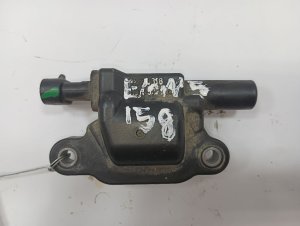
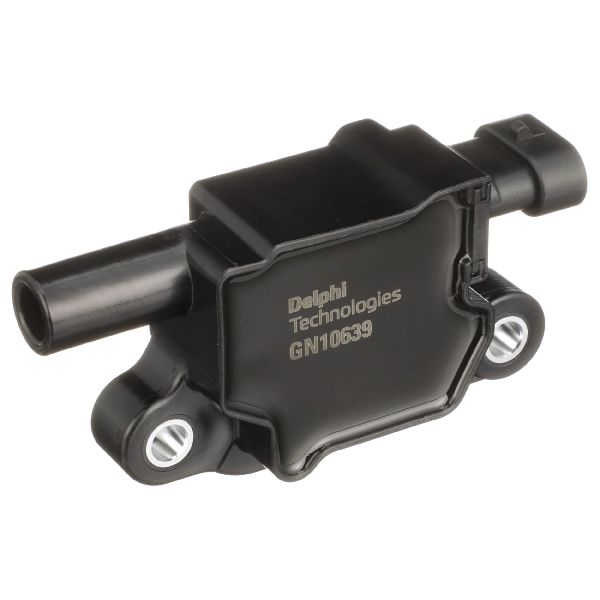
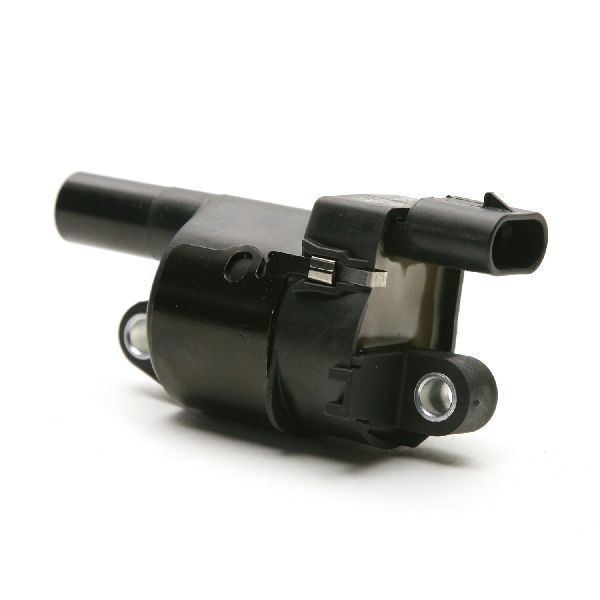
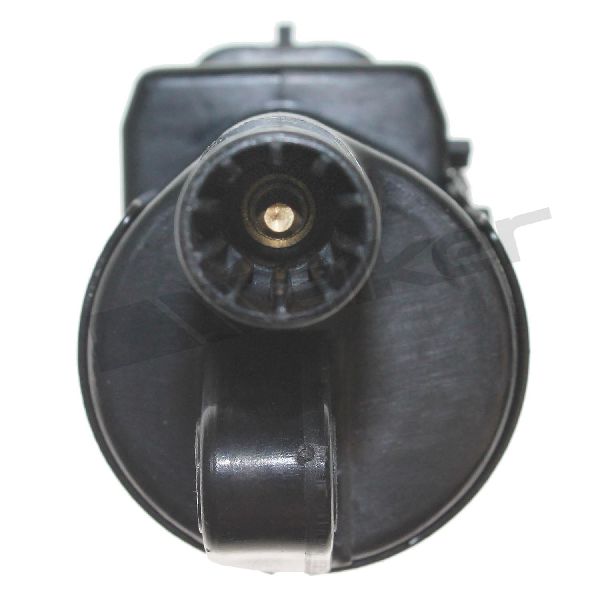
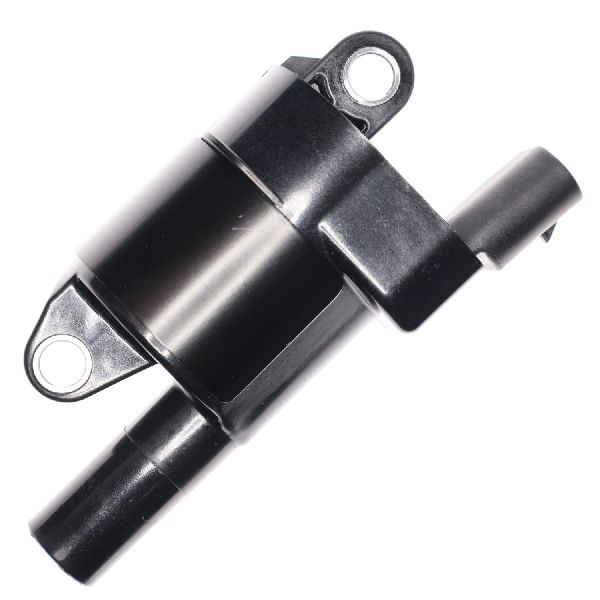
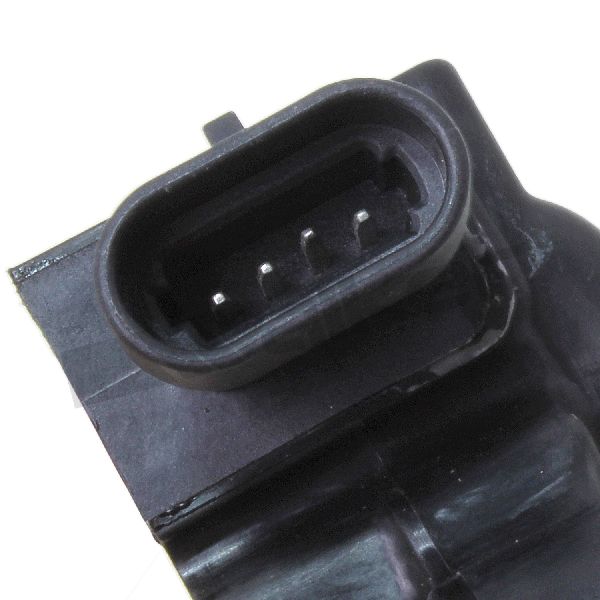
Est. part cost: $40-$90 - Faulty Ignition Coil 🔴 High Probability → Shop Ignition Coil Coil packs are a common failure item on most modern vehicles due to constant exposure to heat and vibration. There are two different coil styles (round and square/flat) used on these trucks, so it's important to visually confirm which type you have before ordering a replacement.
How to confirm: Swap the cylinder 5 ignition coil with another cylinder's coil (e.g., cylinder 3, which is adjacent). Clear the codes and drive the truck. If the code changes to P0303, the coil is bad. If the code stays P0305, the coil is likely good.
Typical fix: Replace the faulty ignition coil. This is typically held on by two 10mm bolts.
Est. part cost: $35-$70 - Worn or Fouled Spark Plug 🟡 Medium Probability → Shop Spark Plug Spark plugs are a normal wear item. Factory iridium plugs have a long service life (around 100,000 miles), but can fail sooner. On AFM engines, oil consumption can lead to oil-fouled spark plugs, causing a misfire.
How to confirm: After ruling out the wire and coil, remove the spark plug from cylinder 5. Inspect it for wear on the electrode, cracks in the porcelain, or heavy carbon/oil deposits. A wet, fuel-smelling plug could indicate a fuel or spark issue, while a black, oily plug points toward an oil consumption or internal engine problem.
Typical fix: Replace the spark plug. It is highly recommended to replace all 8 spark plugs at the same time for even performance and to prevent future misfires.
Est. part cost: $8-$20 per plug - Failed AFM/DFM Lifter 🟡 Medium Probability → Shop Engine Valve Lifter The Active Fuel Management (AFM) system in the 5.3L and 6.2L V8s uses special collapsible lifters that are a well-documented, common failure point. A lifter can become stuck, collapsed, or fail to unlock, preventing the valve from opening correctly and causing a persistent misfire on that cylinder.
How to confirm: This is often accompanied by a persistent ticking or tapping noise from the engine that increases with RPM. Diagnosis requires removing the valve cover to inspect valve and rocker arm movement. A collapsed lifter will result in visibly less movement. A compression test may also show low or zero compression on the affected cylinder.
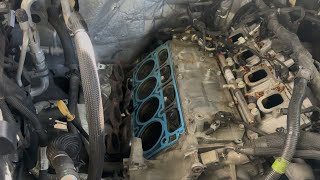
Typical fix: Requires replacing the faulty lifter, the lifter guide, and often the camshaft if it has been damaged by the failed lifter roller. Many owners opt for a full AFM delete kit to prevent future failures. This is a major and expensive repair. 🎬 Watch this full repair guide for a collapsed AFM lifter When this repair is done, the Valve Lifter Oil Manifold (VLOM) and its filter screen should also be replaced.
Est. part cost: $500-$2000+ - Clogged or Failed Fuel Injector ⚪ Low Probability → Shop Fuel Injector More common on the 2014+ direct injection (DI) engines, but can happen on any model. Debris can clog the injector, or it can fail electronically. On DI engines, the injector seal can fail, causing a compression leak and a misfire.
How to confirm: A DIY method is to swap the cylinder 5 fuel injector with another cylinder and see if the misfire code follows. You can also listen to the injector with a mechanic's stethoscope to ensure it's clicking like the others. For DI engines, a failed seal may leave carbon tracking around the injector base in the cylinder head.
Typical fix: Replace the faulty fuel injector. On DI engines, the seals must also be replaced.
Est. part cost: $50-$150
Rare But Worth Checking
- Low Engine Compression: If all ignition and fuel components check out, a compression test is needed. This can indicate more serious internal engine problems like a bent or sticking valve, a broken valve spring, worn piston rings, or a damaged head gasket.
- Intake Manifold Gasket Leak: → Shop Engine Intake Manifold A vacuum leak specifically at the intake runner for cylinder 5 could lean out the mixture enough to cause a misfire. This is less common for a single-cylinder misfire but can be tested by spraying brake cleaner near the gasket and listening for a change in engine idle.
- Blown GDI Injector Seal (2014+): On the direct-injected EcoTec3 engines, the Teflon seal at the tip of the fuel injector can fail. This allows combustion gasses to leak past the injector, causing a loss of compression and a misfire. This often leaves significant carbon buildup around the injector in the cylinder head.
Diagnosis Steps
- Read the code with an OBD-II scanner to confirm P0305 and check for any other stored codes.
- Listen for engine noises. A persistent ticking sound strongly suggests a mechanical issue like a failed AFM lifter.
- Inspect the spark plug wire for cylinder 5 (third from the front on the driver's side). Ensure it is securely connected at both ends and check for damage or improper routing near the steering shaft.
- Swap the ignition coil from cylinder 5 with an adjacent cylinder (like 3). Clear the codes and drive. If the code moves to P0303, the coil is the problem.
- If the code remains P0305, remove and inspect the spark plug for wear, damage, or fouling. Replace if necessary, preferably as a full set. 🎬 Watch: Step-by-step guide to fixing a Cylinder 5 misfire
- If ignition parts are good, investigate the fuel injector. You can test for the clicking sound with a stethoscope or swap it with another cylinder to see if the misfire follows.
- If the cause is still not found, perform an engine compression test to check for mechanical issues like a bad lifter, broken valve spring, or poor ring seal.
- If compression is low, remove the valve cover to visually inspect the valve train for cylinder 5. Look for a stuck rocker arm or bent pushrod, which would confirm a collapsed lifter.
Parts You'll Likely Need
- Ignition Coil
Related Codes That Often Appear With This One
- P0300 — If the misfire is intermittent or affecting multiple cylinders, a P0300 (Random/Multiple Cylinder Misfire Detected) may be stored alongside P0305.
- P0521 — Engine Oil Pressure Sensor Performance. This can sometimes appear with AFM lifter issues, as proper oil pressure is critical for the AFM system's operation.
Technical Service Bulletins (TSBs) & Recalls
- PIP4819A: Mentions loose spark plug wires causing misfire codes P0300-P0308 on 2010 models.
- 14481: Notes spark plug wire connection issues on some 2014 models.
- 19-NA-219: Details diagnostic procedures for various engine noises and misfires, including causes like worn camshaft lobes, sticking valves, and collapsed AFM lifters.
Platform-Specific Known Issues
- AFM Lifter Failure: → Shop Engine Valve Lifter The most significant vehicle-specific issue for V8 models. The Active Fuel Management system's lifters are prone to failure, causing a misfire on one of the AFM cylinders (1, 4, 6, or 7). However, failures on non-AFM cylinders like #5 can still occur due to related oiling issues or general mechanical failure, and are often misdiagnosed as an AFM problem initially. A ticking noise is the key symptom.
- Spark Plug Wire Routing: → Shop Spark Plug The spark plug wire for cylinder 5 (and others on the driver's side) can rub against the intermediate steering shaft if not routed correctly. This can cause the wire to wear through or be pulled loose, causing a misfire. Some owners use zip ties to secure the wires away from the shaft.
- Oil Consumption: Some of these engines, particularly those with AFM, can consume oil. This can lead to oil-fouled spark plugs, which is a direct cause of misfires. Checking the spark plug for heavy, black, oily deposits can confirm this.
Mechanic-Grade Diagnostic Values
- Ignition Coil Primary Resistance — expected: 0.4 to 2.0 ohms. Failure: A reading outside of this range indicates a faulty coil.
- Ignition Coil Secondary Resistance — expected: 6,000 to 10,000 ohms (6k-10k Ω). Failure: A reading outside of this range suggests the coil needs replacement.
- Low-Side Fuel Pressure (2010-2013 Port Injection) — expected: Approximately 50-60 psi. Failure: Significantly lower pressure indicates a weak fuel pump or clogged filter.
- Low-Side Fuel Pressure (2014+ Direct Injection) — expected: 500 kPa (73 psi) or above, key on, engine off. Failure: Pressure below 500 kPa (73 psi) may indicate a failing in-tank fuel pump module, as per GM recall bulletin 13370A.
- High-Side Fuel Pressure at Idle (2014+ Direct Injection) — expected: Approximately 700-1000 psi. Failure: Extremely high pressure (e.g., 2500 psi) or very low pressure can indicate a problem with the high-pressure fuel pump (HPFP), sensor, or engine tuning.
Scan Tool Commands That Help
- GDS2 (GM Dealer Scanner): Fuel Pump Enable — Used during fuel system diagnosis on 2014+ models to command the in-tank fuel pump on (with engine off) to verify it can build adequate pressure (at least 73 psi).
- GDS2 / High-End Scan Tool: Cylinder Power Balance Test — This test deactivates one cylinder at a time and measures the corresponding drop in RPM. A cylinder that shows little or no RPM drop when deactivated is not contributing power, confirming a misfire. This helps verify the misfire is currently active before disassembly.
Wiring & Ground Locations
- G102 — Located at the left rear of the engine; grounds the 8 ignition coils.. A poor connection at this ground can affect all ignition coils, potentially causing misfires. While it would likely cause multiple misfire codes (P0300), a borderline connection could intermittently affect a single coil.
- G103 — Located on the front corner of the passenger side cylinder head (on 2014+ models).. This is a critical ground for engine control devices. A poor connection here can cause various unpredictable electrical issues, including sensor and module malfunctions that could lead to a misfire code.
- Engine Harness Chafe Points — On 2014+ models, inspect the engine harness where it passes over the front corner of the left cylinder head, near the drive belt idler pulley bracket, and near the left-front upper control arm bushing.. GM has noted that the engine wiring harness can rub through in these locations, shorting various circuits. A short in the ignition coil or fuel injector wiring for cylinder 5 would directly cause a P0305 code.
Real Owner Repair Stories
- Reddit user SmellsLikeShame on r/ChevyTrucks (2019 Silverado 1500 5.3L V8 with 78,000 miles) — Check Engine Light, Service ESC, Service ABS messages, sluggish engine, and rough transmission shifting.
❌ Tried (didn't work) Oil change, Using a fuel additive (Lucas Oil), Checking spark plug gap
✅ What actually fixed it The dealer found a compression issue in cylinder 5 due to failed/stuck lifters. The final repair was replacing all 16 lifters and the camshaft, which was covered under the powertrain warranty. - Reddit user on r/Silverado (2011 Silverado) — Flashing check engine light, very rough idle, low RPM misfiring, and a slight ticking noise when going uphill.
❌ Tried (didn't work) Replacing spark plugs and wires initially seemed to fix it, but the problem returned.
✅ What actually fixed it The user's post is a request for advice and does not contain a final resolution, but the symptoms (ticking, misfire returning after plug/wire replacement) are highly indicative of a more serious mechanical issue like a failing AFM lifter.
OEM Part Supersession History
12648846→12698945— This is the part number for the AFM/DOD (Active Fuel Management / Displacement on Demand) hydraulic roller lifter, a common failure point. The number has been superseded, likely due to a design revision to improve reliability.
Heads up: When replacing failed AFM lifters, it is critical to use the correct revised part for AFM-equipped engines. Using a standard (non-AFM) lifter would require a full AFM delete, including a new camshaft and ECU tuning.
Model Year Variations Within This Range
- 2014-2017: The 2014 model year introduced the EcoTec3 engine family, which uses Direct Injection (DI) instead of the port injection of the 2010-2013 models. This adds the high-pressure fuel pump (HPFP) and direct injectors as potential, though less common, causes for a P0305 misfire.
- 2010-2013: These GMT900 platform trucks are specifically mentioned in TSB PIP4819A regarding loose spark plug wires causing misfires. While it can happen on any model, it was a documented issue for this specific generation.
Helpful Videos
Used OEM Parts in Stock
New Aftermarket Parts Available


The information in this article is provided for general reference and educational purposes only. Vehicle specifications, procedures, and part compatibility can vary by production date, trim level, and region. Always consult your vehicle's factory service manual and verify part numbers before purchasing or performing repairs. Safety-critical components such as airbags, seat belts, and braking systems should be installed by a qualified professional.
- Chevrolet SILVERADO 1500:
- 🧭 Diagnostic Flowchart
- 🎬 Helpful Videos
- 🛍️ Shop This Part
- What's Unique About the 2010-2017 Chevrolet SILVERADO 1500
- Symptoms You May Notice
- Most Likely Causes
- Rare But Worth Checking
- Diagnosis Steps
- Parts You'll Likely Need
- Related Codes That Often Appear With This One
- Technical Service Bulletins (TSBs) & Recalls
- Platform-Specific Known Issues
- Mechanic-Grade Diagnostic Values
- Scan Tool Commands That Help
- Wiring & Ground Locations
- Real Owner Repair Stories
- OEM Part Supersession History
- Model Year Variations Within This Range
- 🎟️ Get 5% Off