

P0305 on 2004-2006 Chrysler Pacifica 3.5L: Cylinder 5 Misfire Causes and Fixes
P0305 means cylinder #5 is misfiring. On the 2004-2006 Pacifica 3.5L, this is most often caused by a failed ignition coil, a worn spark plug, or oil leaking into the spark plug tube from a bad valve cover gasket. Cylinder #5 is on the rear bank against the firewall, making access more difficult. Always replace the intake manifold gaskets when accessing the rear bank.
- P0305 is a misfire on cylinder #5, which is on the hard-to-reach rear bank against the firewall.
- Start your diagnosis by swapping the ignition coil and spark plug from cylinder #5 to another cylinder to see if the misfire follows.
- When you remove the ignition coil, check for oil in the spark plug tube. If oil is present, the valve cover gasket is the likely root cause and must be replaced.
- Due to the location, the upper intake manifold often needs to be removed to access cylinder #5. Always replace the intake gaskets when doing this job.
- Be aware of Chrysler TSB 09-010-06, which points to carbon buildup on valves as a potential cause if ignition components are good.
What's Unique About the 2004-2006 Chrysler Pacifica
On the Pacifica's transversely mounted 3.5L V6, the cylinder banks are arranged with odd-numbered cylinders (1, 3, 5) on the rear bank against the firewall and even-numbered cylinders (2, 4, 6) on the more accessible front bank. Cylinder #5 is the passenger-side cylinder on this difficult-to-reach rear bank. A very common root cause for this code is a leaking valve cover gasket, which allows oil to pool in the spark plug tube, destroying the ignition coil and fouling the spark plug. Additionally, Chrysler issued a Technical Service Bulletin (TSB 09-010-06) noting that carbon buildup on the exhaust valves can also cause this misfire code on this specific engine, especially on vehicles driven for short trips where the engine doesn't reach full operating temperature for extended periods.
Symptoms You May Notice
- Rough or shaking idle, sometimes accompanied by vibrations felt in the steering wheel or seats
- Hesitation or stumbling during acceleration
- Noticeable loss of engine power
- Solid or flashing Check Engine Light
- Potential fuel smell from the exhaust
- A rhythmic ticking or tapping noise from the top of the engine may indicate a related rocker arm issue.
- Stalling and sudden loss of power while driving, as noted in NHTSA ODI #11477009.
- Replacing only the ignition coil when the root cause was an oil-soaked spark plug tube from a leaking valve cover gasket, leading to repeat failure of the new coil.
- Replacing fuel injectors before performing a basic ignition system diagnosis (swapping coils and plugs).
- Replacing the catalytic converter due to misfire-related codes, when the misfire itself is the root cause that needs to be fixed first.
- Mistaking the location of cylinder #5 🎬 See this video for a deep dive into common cylinder 5 failures. and servicing a cylinder on the front bank instead.
Most Likely Causes
- Failed Ignition Coil 🔴 High Probability → Shop Ignition Coil Heat cycles and high voltage stress cause coils to fail over time. Failure is often accelerated by oil leaking from the valve cover gasket into the spark plug tube, which saturates the coil boot and causes electrical shorts.
How to confirm: Swap the ignition coil from cylinder #5 with another cylinder on the same bank (e.g., cylinder #3). Clear the codes and drive. If the code changes to P0303, the coil is bad. Accessing the rear bank requires removing the upper intake manifold. 🎬 Watch this step-by-step guide on accessing and replacing the spark plugs.
Typical fix: Replace the faulty ignition coil. It is wise to replace the spark plug at the same time. Forum users strongly recommend using Mopar or other high-quality OEM-brand coils to avoid premature failure.
Est. part cost: $30-$70 - Worn or Fouled Spark Plug 🔴 High Probability → Shop Spark Plug
How to confirm: After confirming the coil is good, remove the spark plug from cylinder #5. Inspect it for wear on the electrode, heavy carbon deposits, or fouling from oil (black and greasy) or coolant (white and crystalline). NHTSA ODI #11622063 notes that even minor deposits on the spark plug can be associated with this code.
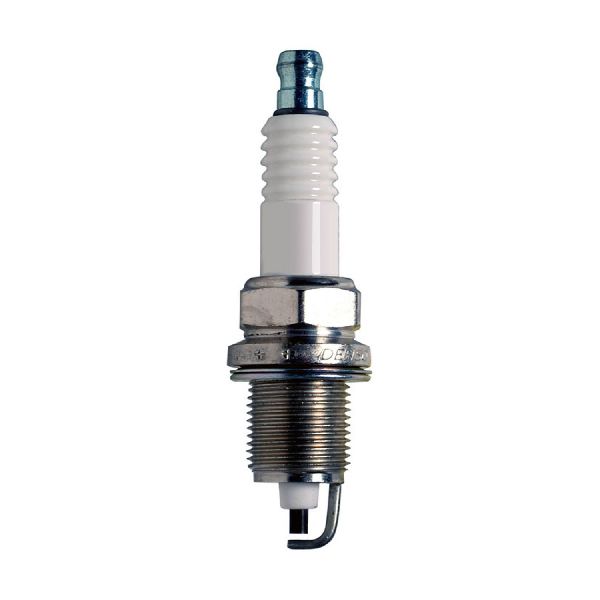
Typical fix: Replace the spark plug. It is best practice to replace all six spark plugs as a set if they are near the end of their 100,000-mile service life. Use the OEM-recommended Champion or NGK plugs.
Est. part cost: $5-$15 per plug - Leaking Valve Cover Gasket and Spark Plug Tube Seals 🟡 Medium Probability → Shop Engine Valve Cover The rubber gaskets and tube seals harden and shrink with age and heat, allowing oil to leak directly into the spark plug tubes. This is a very well-documented failure on the 3.5L engine family.
How to confirm: When you remove the ignition coil from cylinder #5, inspect the coil boot and the inside of the spark plug tube for the presence of liquid engine oil. The boot will often be swollen or degraded.
Typical fix: Replace the valve cover gasket and, critically, the spark plug tube seals for the entire rear bank. Thoroughly clean all oil out of the spark plug tube with a lint-free rag and solvent before installing the new spark plug and coil.
Est. part cost: $40-$80 for a gasket set - Clogged or Faulty Fuel Injector ⚪ Low Probability → Shop Fuel Injector
How to confirm: If swapping the coil and plug does not resolve the misfire on cylinder #5, swap the fuel injector from cylinder #5 with another cylinder. If the misfire code follows the injector, it is faulty. NHTSA ODI #11531350 describes a case where P0305 appeared alongside P0205, indicating a specific circuit or injector fault for cylinder #5.
Typical fix: Replace the faulty fuel injector. It's recommended to replace the O-rings on adjacent injectors that were disturbed during the repair.
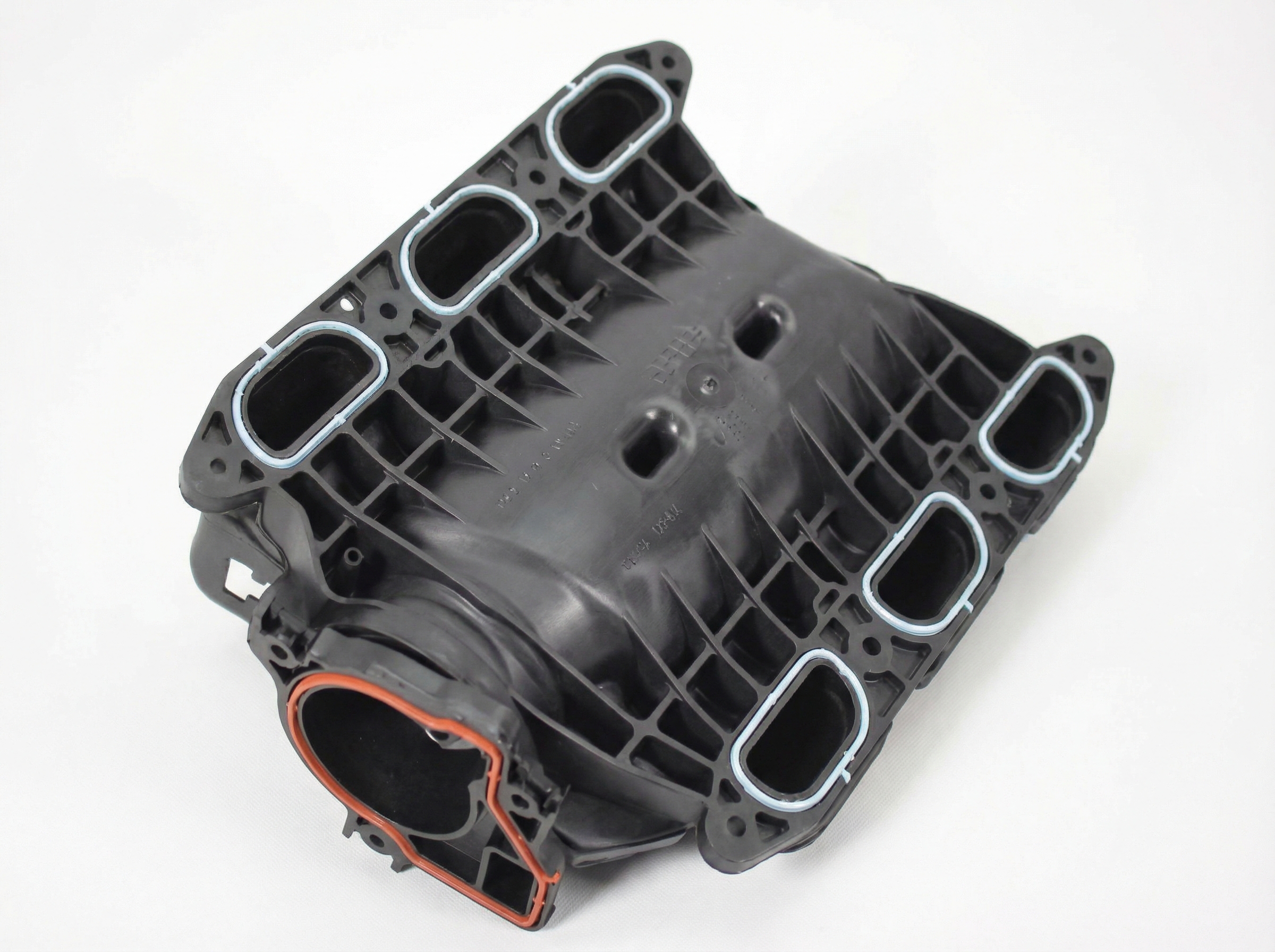
Est. part cost: $50-$120 - Leaking Intake Manifold Gasket ⚪ Low Probability → Shop Engine Intake Manifold The intake plenum gaskets can fail with age, creating a vacuum leak that leans out the air/fuel mixture for a specific cylinder. Since the manifold must be removed for rear bank service, these gaskets should be replaced as a rule.
How to confirm: With the engine running, spray short bursts of brake cleaner or a propane torch (unlit) around the intake manifold runner for cylinder #5. If the engine RPM changes, a vacuum leak is present. This test is difficult on the rear bank due to access.
Typical fix: Replace the upper and lower intake manifold gaskets (e.g., Mopar P/N 5184562AC for upper set). This is mandatory when performing any spark plug or coil job on the rear bank, as the manifold must be removed for access.
Est. part cost: $30-$60 for a gasket set
Rare But Worth Checking
- Carbon Buildup on Exhaust Valves: Chrysler TSB 09-010-06 notes this as a specific cause for misfires on the 3.5L engine, especially in vehicles driven for short trips. This buildup prevents the valve from seating correctly, causing a loss of compression. Diagnosis often requires a borescope. The fix may involve professional chemical cleaning or walnut blasting of the valves.
- Low Cylinder Compression or Coolant Intrusion: If all other causes are ruled out, a mechanical issue like a burnt valve, worn piston rings, or a bad head gasket could be the cause. NHTSA ODI #11520020 describes a scenario where a water pump leak led to overheating and coolant being dumped into the engine, originally diagnosed as a P0305. Similarly, NHTSA ODI #11652149 reports a P0305 code where low coolant was observed alongside a rough start condition.
- Faulty PCM or Wiring: In rare cases, a break in the wire between the PCM and the ignition coil/injector, or a failed driver circuit within the PCM itself, can prevent cylinder #5 from firing. This is usually diagnosed after all other possibilities are exhausted by checking for signal pulse at the coil and injector connectors.
- Worn Rocker Arm Assembly: → Shop Engine Rocker Arm The 3.5L V6 family can suffer from wear on the rocker arm shafts, leading to a loud ticking noise and potential misfires if a rocker arm becomes misaligned and affects valve lift. This is often misdiagnosed as a lifter tick.
Diagnosis Steps
- Read the codes with an OBD-II scanner to confirm P0305 and check for any other codes. Note the freeze frame data.
- Identify Cylinder #5: It is on the rear cylinder bank (against the firewall), on the passenger side of the engine. The rear bank cylinders are 1-3-5, from driver's side to passenger's side.
- Remove Upper Intake Manifold: Access to the rear bank requires removing the upper intake manifold. This is a good time to have new intake gaskets ready for reassembly.
- Swap Ignition Coil: Swap the ignition coil from cylinder #5 with the coil from cylinder #3 (middle cylinder, same bank). Reassemble, clear the codes, and run the engine. If the code changes to P0303, the ignition coil is bad.
- Check for Oil in Tube & Inspect Plug: If the code remains P0305, disassemble again. Remove the coil and spark plug from cylinder #5. Look for engine oil in the spark plug tube. If oil is present, the valve cover gasket and tube seals are leaking and must be replaced. Inspect the spark plug for wear, oil fouling, or damage.
- Swap Spark Plug: If no oil is present and the plug looks okay, move the original coil back to #5 and swap the spark plug from cylinder #5 with cylinder #3. Reassemble, clear codes, and test. If the code changes to P0303, the spark plug was the issue.
- Check Fuel Injector: If the misfire still remains on cylinder #5, the next step is to test the fuel injector, typically by swapping it with another cylinder's injector and seeing if the code follows.
- Check for Vacuum Leaks: With the intake manifold removed, carefully inspect the upper and lower intake gaskets for any tears or deformities that could cause a leak near cylinder #5.
- Perform a Compression Test: If the misfire persists, a mechanical issue is possible. Perform a compression test on cylinder #5 and compare the reading to the other cylinders. A significant loss of pressure points to internal engine problems.
- Investigate TSB 09-010-06: If compression is low, consider the possibility of carbon buildup on the exhaust valves preventing a proper seal before assuming a more severe mechanical failure like a burnt valve or bad rings.
Parts You'll Likely Need
- Ignition Coil
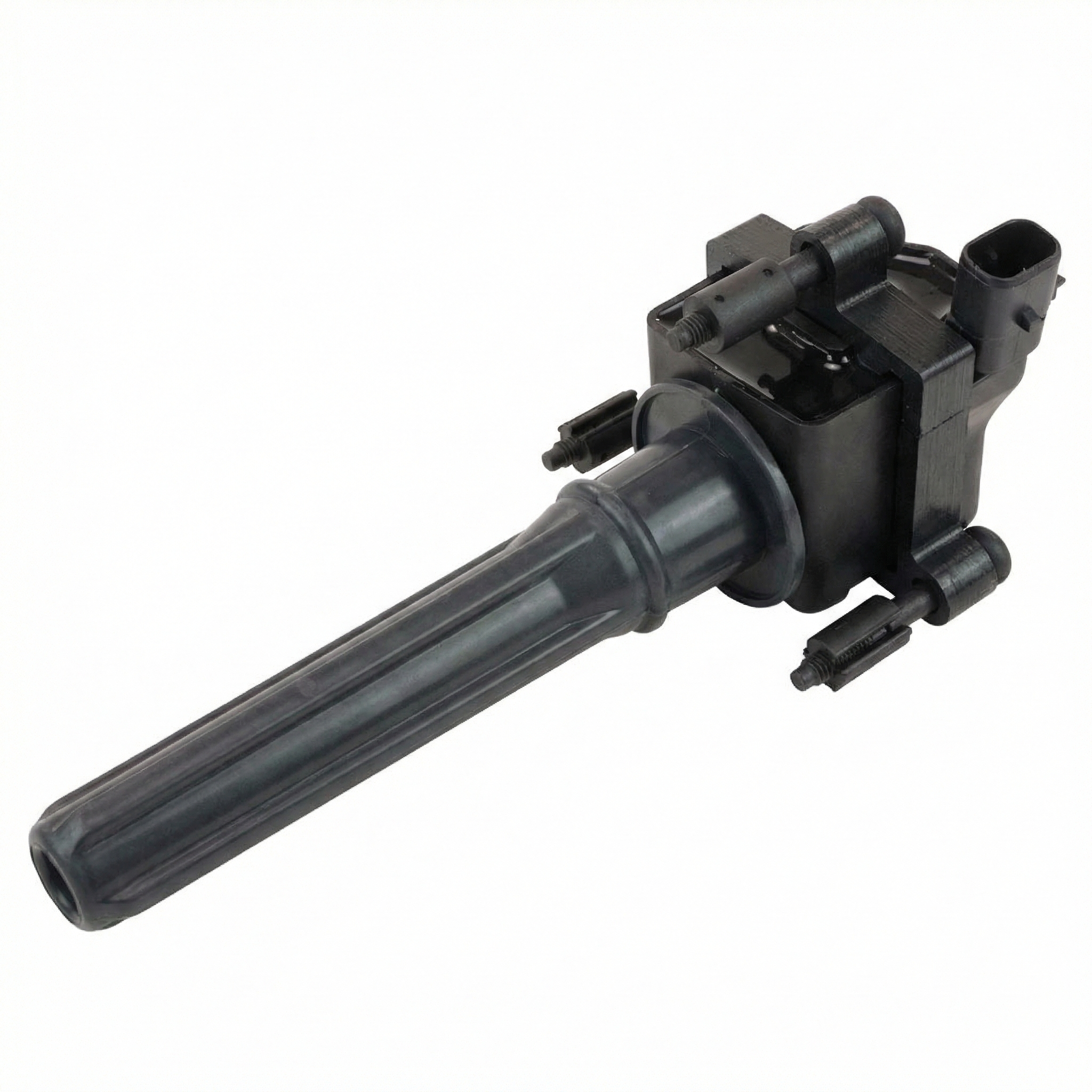
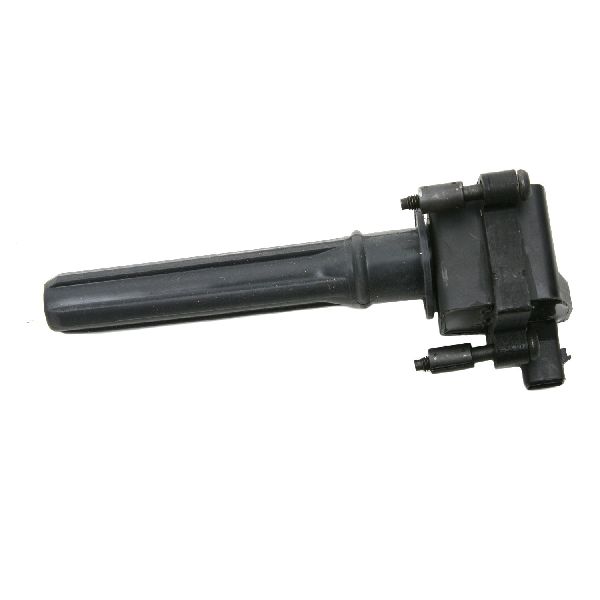
(OEM #4606869AD (supercedes 4606869AB, 4606869AC))— This is the most common part to fail and directly cause a P0305 misfire.
Trusted brands: Mopar, NGK, Denso
OEM price range: $50-$80
Aftermarket price range: $30-$60 - Spark Plug
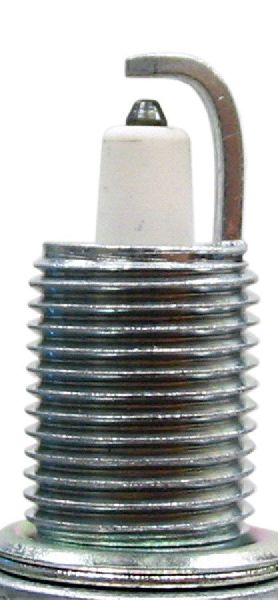
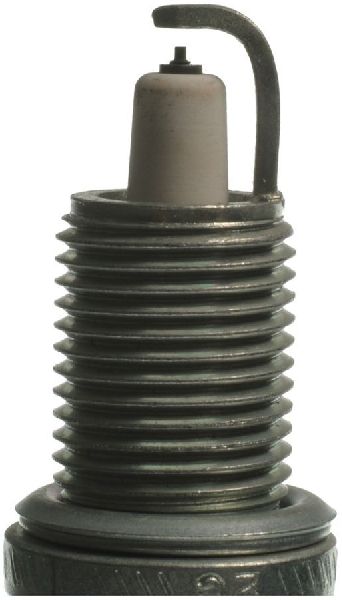
(OEM #Champion RE14PLP5 or NGK ZFR5LP-13G)— Spark plugs are a routine maintenance item and can cause misfires when worn or fouled by oil from a leaking gasket.
Trusted brands: Champion, NGK
OEM price range: $8-$15 per plug
Aftermarket price range: $5-$12 per plug - Valve Cover Gasket Set (with Tube Seals)
(OEM #MS96431 (Fel-Pro example for rear bank))— Required to fix the common problem of oil leaking into the spark plug tubes, which is a primary cause of repeat coil and plug failure.
Trusted brands: Mopar, Fel-Pro, Mahle
OEM price range: $60-$90
Aftermarket price range: $40-$70 - Intake Manifold Gasket Set (Upper)
(OEM #MS96434 (Fel-Pro example))— These must be replaced whenever the intake manifold is removed to access the rear bank for spark plug, coil, or injector service.
Trusted brands: Mopar, Fel-Pro
OEM price range: $40-$60
Aftermarket price range: $25-$45
Related Codes That Often Appear With This One
- P0300 — If the misfire is intermittent or affects other cylinders, a P0300 (Random/Multiple Cylinder Misfire) may be stored alongside P0305.
- P0171 or P0174 — If the misfire is caused by a significant vacuum leak from an intake manifold gasket, a lean condition code for one or both cylinder banks may also be present.
- P0404 / P0406 — A faulty EGR valve is common on this platform and can cause a rough idle and general performance issues that might occur alongside a misfire code.
- P0205 — As noted in NHTSA ODI #11531350, this code indicates a fuel injector circuit malfunction specifically for cylinder #5.
Technical Service Bulletins (TSBs) & Recalls
- TSB 09-010-06: Addresses carbon buildup on exhaust valves causing misfires, particularly in vehicles used for short trips.
Platform-Specific Known Issues
- TSB 09-010-06 was issued for potential misfire codes (P0301-P0306) caused by carbon buildup on exhaust valves, particularly on vehicles used for short trips.
- Oil leaks from the valve cover gaskets into the spark plug tubes are a very common cause of ignition coil failure.
Mechanic-Grade Diagnostic Values
- Ignition Coil Primary Resistance — expected: 0.4 to 2.0 Ohms. Failure: A reading outside this range (especially an open circuit) indicates a failed coil.
- Ignition Coil Secondary Resistance — expected: 6,000 to 10,000 Ohms. Failure: A reading significantly outside this range points to a faulty secondary winding in the coil.
- Fuel Pressure (at fuel rail) — expected: Approximately 58 +/- 5 PSI (400 +/- 34 kPa). Failure: Low fuel pressure can cause a lean misfire. This system is returnless, with the regulator in the fuel tank.
- Ignition Coil Control Signal — expected: A pulsing ground signal when the engine is cranking or running (best viewed with an oscilloscope or noid light).. Failure: An absence of this 'negative pulse' means the PCM is not commanding the coil to fire, pointing to a wiring or PCM driver fault.
Scan Tool Commands That Help
- Chrysler DRB III or equivalent professional scanner: Cylinder Misfire/Cutout Test — This bidirectional function allows a technician to manually disable individual fuel injectors one by one. When disabling cylinder #5 causes no change in engine RPM, it confirms that cylinder was not contributing in the first place. This helps isolate the misfire without swapping parts.
Wiring & Ground Locations
- PCM Connector C2, Pin 2 — This is a specific pin on one of the main connectors to the Powertrain Control Module (PCM).. This pin provides the ground pulse signal to the cylinder #5 ignition coil. A break or high resistance in the wire between this pin and the coil will cause P0305. Checking continuity here is the final step before condemning the PCM.
- G102 — Located on the left side of the engine compartment, on the chassis frame rail.. This is a major chassis ground. Corrosion or a loose connection here can cause a wide range of intermittent electrical issues, potentially affecting sensor readings or power to modules related to the ignition system.
- G101 — Located on the lower left side of the engine block.. This is a primary engine ground. A poor connection here can affect the performance of engine-mounted sensors, including the crankshaft and camshaft position sensors, which are critical for misfire detection.
Real Owner Repair Stories
- Chrysler Forum user 'ThePacLady' (2005 Chrysler Pacifica 3.5L) — Persistent P0305 and P2314 (Ignition Coil 5 Secondary Circuit) codes.
❌ Tried (didn't work) Replaced ignition coil with a new Mopar part, Replaced fuel injector, Replaced alternator, Replaced camshaft position sensor, Replaced crankshaft position sensor, Replaced all spark plugs with NGK Laser Platinum plugs, Performed a compression test, which passed
✅ What actually fixed it The final diagnosis was a lack of a 'negative pulse' (ground signal) from the PCM to the cylinder 5 ignition coil. The fix was to either repair the wire between PCM connector C2 (pin 2) and the coil, or replace a faulty PCM with a failed internal driver.
"I Checked Everything" — The Actual Cause
- In cases where common ignition and fuel parts have been replaced and a smoke test reveals no vacuum leaks from the intake gaskets, the root cause can be electrical. A fault in the wiring harness between the PCM and the ignition coil for cylinder #5, or a failed driver circuit inside the PCM itself, will set a P0305 but will not be found by a smoke test or by swapping components like coils and injectors.
OEM Part Supersession History
4606869AA, 4606869AB, 4606869AC→4606869AD— Revisions to improve reliability and performance of the ignition coil.
Heads up: While older versions may work, it is always recommended to use the latest revision (4606869AD) or a high-quality OEM equivalent when replacing.
Model Year Variations Within This Range
- 2005 only: For the 2005 model year, a base, front-wheel-drive Pacifica was offered with a 3.8L V6 engine. All other trims (Touring, Limited) and all AWD models retained the 3.5L V6. For 2004 and 2006, all Pacificas used the 3.5L V6. This article is specific to the 3.5L engine.
Diagnostic Flowchart
Other Known Issues on This Vehicle
Issues unrelated to this code that are worth knowing about as an owner of this generation:
- Engine Cradle / Subframe Corrosion 🔴 High — Very common, especially in 'salt belt' states. Can become a safety hazard as early as 5-8 years of age. (Ref: Limited warranty extensions were issued for some 2004-2005 models, but no full recall. This led to class-action lawsuits.)
- Premature Engine Mount Failure 🔴 High — Extremely common. The fluid-filled hydraulic mounts are known to leak and collapse, often requiring replacement multiple times.
- Timing Belt and Water Pump Failure 🔴 High — The 3.5L is an interference engine with a 100,000-mile replacement interval for the timing belt. Water pump seizure often precedes or causes belt failure. NHTSA ODI #11520020 notes that water pump leaks can lead to overheating and internal engine damage.
- EGR Valve Failure 🟠 Medium — Common failure item leading to rough idle, stalling, and codes like P0404 or P0406.
- Rocker Arm Assembly Wear / Ticking Noise 🟠 Medium → Shop Engine Rocker Arm — A known issue on the 3.5L V6 family where the rocker arm shaft assembly wears, causing a distinct ticking noise due to improper oiling.
Used vs. New Parts: Buying Guide for This Vehicle
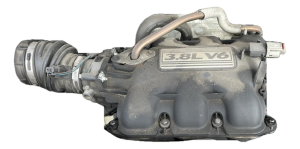
When a used part is the smart pick: Used parts are a reasonable choice for non-wear, hard-component items like the plastic upper intake manifold (plenum) or various mounting brackets, provided they are inspected for cracks or damage.
Donor-vehicle mileage cap: roughly under 120000 miles for the part to have meaningful remaining life.
What to inspect on the donor part:
- For an intake manifold, check for cracks near bolt holes and ensure no warping on gasket surfaces.
- For any electrical connector, ensure the plastic is not brittle and the locking tabs are intact.
OEM-only on this vehicle (don't cheap out):
- Ignition Coils: Forum veterans strongly advise using only Mopar OEM coils. They report that many aftermarket coils have different internal resistance, leading to repeat misfires or premature failure.
- Spark Plugs: The ignition system is sensitive. Use only the recommended OEM plugs (Champion or NGK Platinum). Avoid gimmick plugs like those with multiple electrodes or non-standard materials.
- Gaskets: For critical seals like the valve cover, spark plug tube seals, and intake plenum gaskets, use OEM or a top-tier OEM supplier like Fel-Pro to prevent oil and vacuum leaks that require repeating the labor-intensive repair.
Aftermarket brands forum-validated for this vehicle:
- NGK (for spark plugs and ignition coils)
- Fel-Pro (for gaskets)
Brands owners have reported issues with on this vehicle:
- Generic, unbranded ignition coils from online marketplaces.
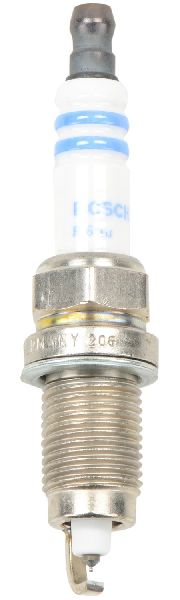
- Spark plug brands such as Bosch, Splitfire, E3, and Autolite have been reported by forum users to cause issues in this specific engine platform.
Real Owner Stories
Aggregated from forums and TSBs cited above. Mileages and costs reflect what owners reported in those sources.
2004-2006 Chrysler Pacifica 3.5L V6
Symptoms: A rhythmic ticking or tapping noise from the top of the engine accompanied by a misfire.
What fixed it: Investigation into the valvetrain for a related rocker arm issue.
Source hint: vehicle_specific_issues
2005 Chrysler Pacifica 3.5L V6
Symptoms: Cylinder #5 misfire and a coolant leak.
What fixed it: Repairing the coolant leak and addressing the cylinder #5 misfire components.
Source hint: RepairPal: 'Chrysler Pacifica coolant leak and cylinder #5 misfire issue'
2004-2006 Chrysler Pacifica 3.5L V6 — ~100000 miles
Symptoms: Misfire codes P0301-P0306 after frequent short trips.
What fixed it: Addressing carbon buildup on the exhaust valves as per TSB 09-010-06.
Source hint: TSB 09-010-06
Chrysler Pacifica Owner Report
Symptoms: An owner reported a noticeable misfire and rough start condition. The check engine light displayed code P0305, and low coolant was observed (NHTSA ODI #11652149).
What fixed it: Initial attempts included replacing spark plugs and swapping the ignition coil.
Chrysler Pacifica Owner Report
Symptoms: Intermittent check engine light with codes P0205 and P0305 (NHTSA ODI #11531350).
What fixed it: Diagnosis at a dealer indicated a specific mechanical or circuit fault related to cylinder #5.
Related OBD-II Codes
Frequently Asked Questions
Where is Cylinder #5 located on my 2004-2006 Chrysler Pacifica 3.5L V6?
Does TSB 09-010-06 apply to my P0305 misfire code?
Why do I need to remove the intake manifold just to check a spark plug?
Should I replace the intake manifold gaskets when fixing a P0305 code?
What brand of ignition coils should I use for my Pacifica?
Can an oil leak cause my P0305 misfire?
Helpful Videos
Used OEM Parts in Stock
New Aftermarket Parts Available


The information in this article is provided for general reference and educational purposes only. Vehicle specifications, procedures, and part compatibility can vary by production date, trim level, and region. Always consult your vehicle's factory service manual and verify part numbers before purchasing or performing repairs. Safety-critical components such as airbags, seat belts, and braking systems should be installed by a qualified professional.
- Chrysler Pacifica:
- 🧭 Diagnostic Flowchart
- 🎬 Helpful Videos
- 🛍️ Shop This Part
- What's Unique About the 2004-2006 Chrysler Pacifica
- Symptoms You May Notice
- Most Likely Causes
- Rare But Worth Checking
- Diagnosis Steps
- Parts You'll Likely Need
- Related Codes That Often Appear With This One
- Technical Service Bulletins (TSBs) & Recalls
- Platform-Specific Known Issues
- Mechanic-Grade Diagnostic Values
- Scan Tool Commands That Help
- Wiring & Ground Locations
- Real Owner Repair Stories
- "I Checked Everything" — The Actual Cause
- OEM Part Supersession History
- Model Year Variations Within This Range
- Other Known Issues on This Vehicle
- Used vs. New Parts: Buying Guide for This Vehicle
- Real Owner Stories
- 2004-2006 Chrysler Pacifica 3.5L V6
- 2005 Chrysler Pacifica 3.5L V6
- 2004-2006 Chrysler Pacifica 3.5L V6 — ~100000 miles
- Chrysler Pacifica Owner Report
- Chrysler Pacifica Owner Report
- Related OBD-II Codes
- Frequently Asked Questions
- 🎟️ Get 5% Off