

P0305 on 2002-2005 Ford Explorer 4.0L V6: Cylinder 5 Misfire Causes and Fixes
Code P0305 means your Explorer's cylinder 5 is misfiring. The most common causes are a worn spark plug, a bad spark plug wire, or a failed ignition coil pack. A leaking intake manifold gasket is also a very frequent culprit on this specific engine, often causing lean codes (P0171/P0174) as well. Expect to spend $50-$150 on a basic ignition tune-up, but be prepared to check for vacuum leaks.
- P0305 is a misfire on cylinder 5, the middle cylinder on the driver's side.
- Start your diagnosis with the simple and most likely culprits: the spark plug and wire for cylinder 5.
- Use a 'swap test' to confirm if the ignition coil is bad before replacing it.
- Pay close attention to signs of a vacuum leak (hissing noise, lean codes P0171/P0174), as failing intake manifold gaskets are a very common problem on this engine.
- If you hear a rattling noise from the engine, especially on startup, have the timing chain system inspected by a professional, as this is a known critical failure point for the 4.0L SOHC.
What's Unique About the 2002-2005 Ford Explorer
On the third-generation Explorer with the 4.0L SOHC V6, a P0305 code is frequently caused by more than just a simple spark plug. These engines are well-known for developing vacuum leaks from failing upper and lower intake manifold gaskets. These gaskets, which are rubber O-rings, are known to shrink, dry out, and crack, causing unmetered air to enter the intake. This unmetered air leans out the air/fuel mixture and is a very common source of misfires that can be mistaken for ignition component failure, often triggering P0171 and P0174 lean codes simultaneously. While standard ignition parts are still the primary suspect, the intake gaskets should be high on the diagnostic list if a basic tune-up doesn't solve the problem.
Symptoms You May Notice
- Rough or shaky idle
- Hesitation or stumbling during acceleration
- Noticeable loss of engine power
- Flashing or solid Check Engine Light
- Fuel smell from the exhaust
- Bucking or jerking feeling under load, like going up a hill
- Engine runs noticeably worse in cold weather, then smooths out as it warms up (classic intake gasket leak symptom)
- Replacing only the spark plug without checking the wire or coil.
- Replacing the fuel injector before confirming it's the faulty component through testing or swapping.
- Overlooking a vacuum leak from the intake manifold gaskets, which is a very common issue on this engine. Many owners replace all ignition components only to find the misfire persists due to a vacuum leak.
Most Likely Causes
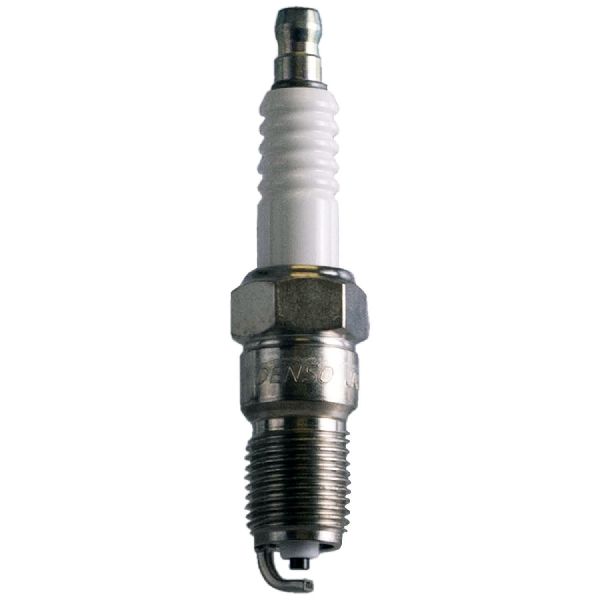
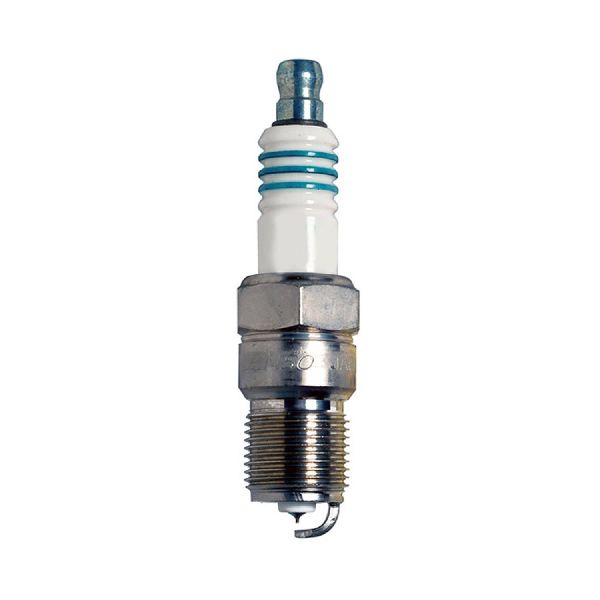
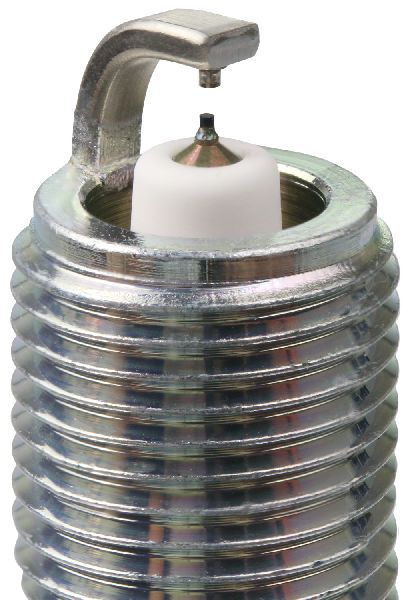
- Worn Spark Plugs or Spark Plug Wires 🔴 High Probability → Shop Spark Plug Spark plugs and wires are regular maintenance items that wear out over time. The factory-recommended interval is typically around 100,000 miles, but failures can occur sooner. Misfires are the most common symptom of a needed tune-up.
How to confirm: Visually inspect the spark plug from cylinder 5 for wear, carbon fouling, oil contamination, or a cracked porcelain insulator. Inspect the corresponding wire for damage, corrosion on the contacts, or brittleness. Check the resistance of the wire with a multimeter; it should be around 5000 Ohms per foot.
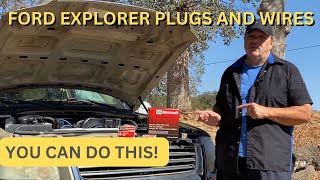
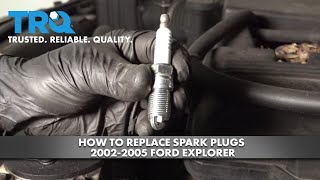
Typical fix: Replace all six spark plugs and the full set of spark plug wires. It is recommended to replace these as a set. Use a small amount of dielectric grease in the boots to prevent corrosion and ease future removal.
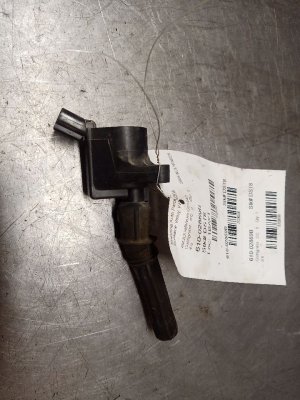
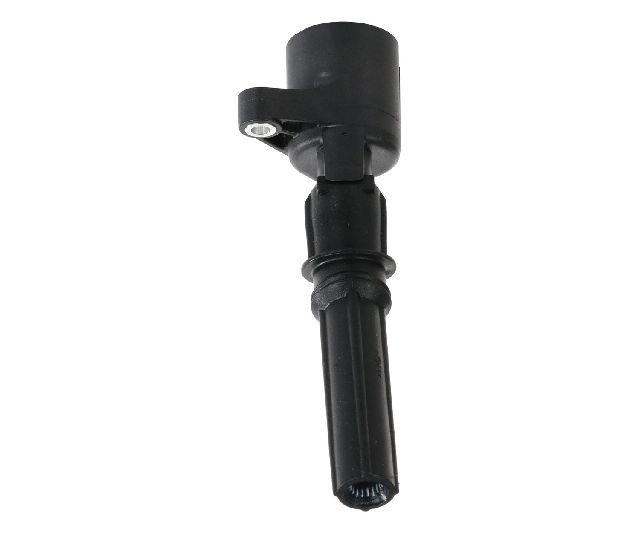
Est. part cost: $50-$100 - Failed Ignition Coil Pack 🔴 High Probability → Shop Ignition Coil The coil pack is responsible for generating the spark for all cylinders. Over time, heat and vibration can cause internal windings to fail, leading to a weak or non-existent spark for one or more cylinders.
How to confirm: The best method is to swap the #5 spark plug wire with another cylinder's wire at the coil pack (e.g., cylinder #6, which is next to #5 on the coil). To do this, mark the wires, clear the codes, and drive the vehicle. If the misfire code changes to P0306, the coil pack is faulty. Visually inspect the coil tower for cylinder 5 for any cracks or carbon tracking.
Typical fix: Replace the entire ignition coil pack. It is a single unit on this engine.
Est. part cost: $90-$120 - Leaking Upper Intake Manifold Gaskets 🟡 Medium Probability → Shop Engine Intake Manifold The 4.0L SOHC engine uses rubber O-ring style gaskets to seal the plastic upper intake plenum. These gaskets are known to dry out, shrink, and crack, causing a vacuum leak. This unmetered air leans out the air/fuel mixture, leading to misfires, often accompanied by lean codes (P0171, P0174). The issue is so common that it's a primary suspect for any lean or misfire code on this engine.
How to confirm: With the engine running, spray short bursts of brake cleaner or starting fluid around the area where the intake manifold meets the driver's side cylinder head near cylinder 5. If the engine RPM changes or stumbles, a vacuum leak is present. A professional smoke test is the most definitive and safest way to confirm. 🎬 See how to hunt for vacuum leaks causing a rough idle.
Typical fix: Replace the set of six upper intake manifold plenum gaskets (Fel-Pro P/N: MS 95829 is a common aftermarket choice). The intake manifold bolts should be tightened in a specific sequence and to a specific torque, typically in two stages (e.g., to 89 in-lbs, then an additional 45 degrees).
Est. part cost: $15-$30 - Clogged or Failed Fuel Injector ⚪ Low Probability → Shop Fuel Injector Fuel injectors can become clogged with deposits over time, restricting fuel flow, or the internal coil can fail. While not as common as ignition or vacuum leak issues, it is a possibility on higher mileage vehicles.
How to confirm: Use a mechanic's stethoscope or a long screwdriver to listen to the injector on cylinder 5. It should make a consistent, rapid clicking sound. Compare its sound to an adjacent injector. For a more definitive test, swap the cylinder 5 injector with another cylinder's injector (e.g., cylinder 4) and see if the misfire code follows to P0304.
Typical fix: Replace the faulty fuel injector. It's often recommended to replace all injectors if they are original and high-mileage, or at least replace the O-rings on the other injectors on that fuel rail.
Est. part cost: $40-$80 per injector
Rare But Worth Checking
- Low Engine Compression: If ignition and fuel system checks don't reveal the problem, a mechanical issue could be the cause. This could be due to a burnt valve, worn piston rings, or a failing head gasket. A compression test is needed to diagnose this. A healthy cylinder should have compression within 15% of the others. In a cross-model reference, NHTSA ODI #11652376 describes a P0305 caused by low compression on cylinder #5 (110 PSI) compared to others at 145-150 PSI.
- Failing Timing Chain Cassette/Tensioner: The 4.0L SOHC is infamous for issues with its plastic timing chain guides and hydraulic tensioners. A tell-tale sign is a metallic rattling or 'marbles in a can' sound on startup or deceleration. While this often affects multiple cylinders or causes a P0300, a failing guide on the driver's side (front cassette) could potentially cause a single cylinder misfire if valve timing is slightly off. This is a major and expensive repair that often requires engine removal.
Diagnosis Steps
- Read the codes with an OBD-II scanner and note any other codes present, especially P0171, P0174, or P0316. 🎬 Watch this step-by-step guide to diagnosing a cylinder 5 misfire.
- Identify cylinder 5 (middle cylinder, driver's side) and its corresponding location on the ignition coil pack.
- Inspect the spark plug wire for cylinder 5 for any visible damage or loose connections.
- Swap the spark plug wire for cylinder 5 with the wire for cylinder 6 at the coil pack. Clear the codes and drive the vehicle. If the code changes to P0306, the ignition coil pack is bad.
- If the code remains P0305, swap the spark plugs between cylinder 5 and another cylinder (e.g., cylinder 4). If the code follows the plug and becomes P0304, the spark plug is bad.
- If the misfire persists on cylinder 5, check for vacuum leaks. With a cold engine, carefully spray short bursts of brake cleaner around the intake manifold gasket for cylinder 5. If the engine idle changes, you have found a leak. A smoke test is the most reliable method.
- If no vacuum leak is found, test the fuel injector. Listen for a steady clicking sound. If possible, swap the fuel injector with another cylinder to see if the misfire moves. This is more involved as it requires removing the fuel rail.
- If all else fails, perform a compression test on cylinder 5 to check for mechanical engine problems. Compare the reading to an adjacent cylinder. This may require professional assistance.
Parts You'll Likely Need
- Intake Manifold Gasket Set (Upper)
(OEM #5L2Z-9461-AA)— These rubber gaskets are a very common failure point on the 4.0L SOHC, causing vacuum leaks that lead to misfires and lean codes.
Trusted brands: Fel-Pro (MS 95829), Motorcraft
OEM price range: $20-$30
Aftermarket price range: $15-$25 - Ignition Coil Pack
(OEM #1L2U-12A366-AA, DG-500)— The coil pack provides spark to all cylinders and is a common failure item that causes misfires when it wears out.
Trusted brands: Motorcraft, NGK, Delphi
OEM price range: $90-$120
Aftermarket price range: $50-$90 - Spark Plug Wire Set
(OEM #WR-6096)— The insulation on spark plug wires breaks down over time, causing the spark to weaken or arc to ground before reaching the plug.
Related Codes That Often Appear With This One
- P0300 — If the misfire is intermittent or starting to affect other cylinders, a P0300 (Random Misfire) may appear alongside P0305.
- P0171 / P0174 — These 'System Too Lean' codes for Bank 1 and Bank 2 often accompany a misfire caused by a vacuum leak, such as from the intake manifold gaskets. The unmetered air causes the engine to run lean, triggering these codes before or along with the misfire code.
- P0316 — This code indicates a 'Misfire Detected on Startup (First 1000 Revolutions)' and frequently appears with a specific cylinder misfire code like P0305.
Technical Service Bulletins (TSBs) & Recalls
- TSB 04-15-4 - Addresses a rattling noise from the primary timing chain drive area between 2000-3000 RPM on 4.0L SOHC engines, which is a symptom of the well-known timing chain guide issue.
- Bulletin #SSM 46391 - Notes that multiple misfire codes, including P0305, may be due to an under-torqued crankshaft pulley bolt.
- Bulletin #SSM 46363 - Indicates that P0305 and P0316 codes, sometimes accompanied by excessive oil consumption, may be caused by faulty cylinder heads.
Platform-Specific Known Issues
- The 4.0L SOHC engine is widely known for failing intake manifold gaskets, which cause vacuum leaks and misfire codes. This should be a primary consideration after checking basic ignition components.
- This engine is also known for premature failure of the timing chain tensioners and plastic guides, which produces a rattling sound, especially on startup. While less likely to cause a single cylinder misfire, it's a critical engine issue to be aware of.
Mechanic-Grade Diagnostic Values
- Fuel Pressure (Key On, Engine Off) — expected: 35-45 psi. Failure: Pressure below 35 psi indicates a weak fuel pump or leak.
- Fuel Pressure (Engine Running at Idle) — expected: 65 psi. Failure: Significantly lower pressure under load can indicate a fuel delivery volume problem.
- Fuel Injector Coil Resistance — expected: 11 - 18 Ohms. Failure: A reading outside this range indicates a faulty injector coil. A reading of 5 Ohms was confirmed as bad in a forum post.
- Mode $06 Misfire Count (Test ID $53) — expected: Value of 0 or a very low number.. Failure: A high or steadily increasing count for Component ID $05 (Cylinder 5) confirms misfires are occurring, even if the Check Engine Light is not on.
Hidden / Shadow Codes Worth Checking
- Mode $06, Test ID $53, Component ID $05: This is not a traditional DTC but is data from the onboard misfire monitor. It provides a raw count of misfire events for cylinder 5. This is extremely useful for detecting intermittent misfires that are not yet severe enough to set a P0305 code and turn on the Check Engine Light. (see via A scan tool capable of reading Ford's Mode $06 data, such as FORScan software or professional-grade scanners.)
Scan Tool Commands That Help
- Ford IDS / FORScan: Power Balance Test — This is a critical bidirectional test to use when a rough idle or hesitation is felt but the misfire is intermittent. The tool graphically displays the power contribution of each cylinder in real-time, allowing a technician to see the RPM drop from cylinder 5. The tech can then disable the cylinder 5 injector to confirm it was the source of the misfire.
- OBD-II Scanner: Clear/Reset KAM (Keep Alive Memory) — After replacing parts like intake gaskets that caused a vacuum leak, resetting the KAM is crucial. This clears the long-term fuel trim adaptations that the PCM learned to compensate for the leak. Failing to do so can cause the engine to run poorly until the PCM relearns new values.
Wiring & Ground Locations
- G100 — At the center rear of the engine compartment.. This is a primary engine ground. A poor connection here can cause a variety of erratic ignition and sensor issues, including weak spark that could lead to a misfire.
- G105 — At the right center of the engine compartment.. Another key engine ground point. Ensuring this and other grounds are clean and tight is a crucial step when diagnosing intermittent electrical issues like a misfire that comes and goes.
- Cylinder 5 Injector/Coil Harness — The engine wiring harness runs over the driver's side valve cover, near the exhaust manifold.. This section of the harness is prone to heat damage, causing the wire insulation to become brittle and crack. An intermittent short or open in the power or signal wire to the cylinder 5 coil or injector can cause a P0305.
Real Owner Repair Stories
- ExplorerForum.com user (2002 Ford Explorer 4.0L SOHC) — Persistent P0305 misfire, especially under load.
❌ Tried (didn't work) Replaced spark plugs, Replaced ignition coil pack, Replaced spark plug wires, Replaced upper and lower intake manifold gaskets
✅ What actually fixed it The plastic intake manifold itself had a hairline crack near the cylinder 5 runner, which was not visible until the manifold was removed and flexed by hand. Replacing the entire intake manifold assembly finally resolved the misfire. - Reddit r/MechanicAdvice user (Ford Explorer (year not specified, but 4.0L SOHC)) — Intermittent P0305 code, rough idle.
❌ Tried (didn't work) Replaced ignition coil and spark plug for cylinder 5., Re-did wiring for the sensor plug.
✅ What actually fixed it The user had recently replaced the intake manifold and one of the new O-ring gaskets for cylinder 5 had been pinched and damaged during installation, causing a vacuum leak. Replacing the single damaged gasket fixed the P0305. - NHTSA ODI #11407153 — An owner reported that their engine started misfiring both while stationary and in motion. After pulling code P0305, they replaced the coils and spark plugs, but the engine continued to misfire.
- NHTSA ODI #10459090 — An owner reported experiencing both P0305 and P0316 pending codes, noting that many other owners had encountered the same problem.
"I Checked Everything" — The Actual Cause
- In one documented case, a smoke test failed to reveal a leak because the plastic intake manifold had a hairline crack that would only open up under specific thermal expansion conditions (when the engine was hot) or under vacuum load while driving. The leak was not present at idle or during a low-pressure smoke test on a cold engine.
Model Year Variations Within This Range
- 2002-2005: The 4.0L SOHC engine used in the 2002-2005 Explorer produces 210 hp and 254 lb-ft of torque, slightly different from the version in the same-era Ford Ranger (207 hp, 238 lb-ft), suggesting a different PCM tune or minor intake/exhaust differences.
- Post-2002: Engines manufactured after the 2002 model year received updated timing chain cassettes and tensioners from the factory to improve the longevity of the notoriously problematic timing system. While earlier engines are prone to failure, post-2002 models are considered more reliable in this specific area.
Diagnostic Flowchart
Other Known Issues on This Vehicle
Issues unrelated to this code that are worth knowing about as an owner of this generation:
- Timing Chain Cassette Failure 🔴 High — Very common. Often presents as a rattling noise on startup or deceleration, typically after 80,000 miles. Failure can lead to catastrophic engine damage. (Ref: TSB 04-15-4)
- 5R55W/5R55S Automatic Transmission Failure 🔴 High — Extremely common, especially on 2002 models. Symptoms include harsh shifting, flashing O/D light, slipping gears, and loss of reverse. Often requires a rebuild or replacement. (Ref: Multiple TSBs exist for diagnostics and repairs.)
- Cracked Plastic Thermostat Housing 🟠 Medium — Common failure point. The plastic housing becomes brittle with age and heat cycles, leading to coolant leaks and potential overheating.
- Cracked Rear Hatch Panel 🟡 Low — A cosmetic but very common issue where the plastic panel below the rear window cracks, typically near the Ford emblem.
Used vs. New Parts: Buying Guide for This Vehicle
When a used part is the smart pick: For this repair, using used parts is generally not recommended for the most common failure items. However, if a major component like the entire engine wiring harness or the plastic intake manifold is confirmed to be faulty, a high-quality, low-mileage used part from a reputable salvage yard can be a cost-effective alternative to expensive new OEM parts.
Donor-vehicle mileage cap: roughly under 100000 miles for the part to have meaningful remaining life.
What to inspect on the donor part:
- For a wiring harness, inspect for any signs of melting, brittle insulation, or previous repairs (tape, butt connectors).
- For an intake manifold, check for any visible cracks, especially around mounting points and gasket channels.
- Verify the donor vehicle was not in a front-end collision that could have stressed the plastic components.
- Look for a vehicle from a dry, non-salt-belt climate to minimize corrosion on electrical connectors.
OEM-only on this vehicle (don't cheap out):
- Intake Manifold Gaskets: While premium aftermarket is good, avoid cheap, no-name gasket sets. Given the labor involved, using OEM or top-tier aftermarket (Fel-Pro) is critical.
- Ignition Coil Pack: Motorcraft coils are widely regarded as the most reliable option. Cheaper aftermarket coils have a high failure rate on this platform.
Aftermarket brands forum-validated for this vehicle:
- Fel-Pro (Intake Gaskets)
- NGK (Spark Plugs, Wires)
- Motorcraft (All components, OEM)
Brands owners have reported issues with on this vehicle:
- Unbranded or 'white box' ignition coils and sensors from online marketplaces are frequently cited in forums as being unreliable and failing quickly.
Real Owner Stories
Aggregated from forums and TSBs cited above. Mileages and costs reflect what owners reported in those sources.
2002-2005 Ford Explorer 4.0L SOHC V6
Symptoms: Owner experienced a P0305 and P0174 (lean code) that persisted even after a tune-up including new plugs, wires, and a coil.
What fixed it: The diagnosis pointed toward a vacuum leak or fuel delivery problem, specifically the intake manifold gaskets which are a primary suspect for lean and misfire codes on this engine.
Source hint: https://www.explorerforum.com/forums/threads/p0305-and-p0174-still-misfiring-after-tune-up.283991/
2005 Ford Ranger 4.0L SOHC V6 — ~120000 miles
Symptoms: General reliability discussion highlighting the engine's primary weakness.
What fixed it: Addressing the timing chain guide wear, which is a known failure point for this engine architecture.
Source hint: https://www.reddit.com/r/fordranger/comments/hfzpdn/was_the_2005_sohc_40l_v6_a_good_engine/
Related OBD-II Codes
Frequently Asked Questions
My 2002-2005 Ford Explorer 4.0L SOHC has a rattling noise at 2500 RPM; is this related to my P0305 code?
Why does my Explorer run rough in cold weather but smooth out once the engine is warm?
Is there a specific part number recommended for fixing the intake manifold leak on my 4.0L SOHC?
Can I test if my P0305 is caused by the ignition coil without buying a new part?
What is the recommended spark plug replacement interval for the 2002-2005 Explorer 4.0L?
Does the Mercury Mountaineer have the same P0305 issues as the Ford Explorer?
Helpful Videos
Used OEM Parts in Stock
New Aftermarket Parts Available


The information in this article is provided for general reference and educational purposes only. Vehicle specifications, procedures, and part compatibility can vary by production date, trim level, and region. Always consult your vehicle's factory service manual and verify part numbers before purchasing or performing repairs. Safety-critical components such as airbags, seat belts, and braking systems should be installed by a qualified professional.
- Ford Explorer:
- 🧭 Diagnostic Flowchart
- 🎬 Helpful Videos
- 🛍️ Shop This Part
- What's Unique About the 2002-2005 Ford Explorer
- Symptoms You May Notice
- Most Likely Causes
- Rare But Worth Checking
- Diagnosis Steps
- Parts You'll Likely Need
- Related Codes That Often Appear With This One
- Technical Service Bulletins (TSBs) & Recalls
- Platform-Specific Known Issues
- Mechanic-Grade Diagnostic Values
- Hidden / Shadow Codes Worth Checking
- Scan Tool Commands That Help
- Wiring & Ground Locations
- Real Owner Repair Stories
- "I Checked Everything" — The Actual Cause
- Model Year Variations Within This Range
- Other Known Issues on This Vehicle
- Used vs. New Parts: Buying Guide for This Vehicle
- Real Owner Stories
- 2002-2005 Ford Explorer 4.0L SOHC V6
- 2005 Ford Ranger 4.0L SOHC V6 — ~120000 miles
- Related OBD-II Codes
- Frequently Asked Questions
- 🎟️ Get 5% Off