

P0305 on 2007-2016 GMC Acadia 3.6L V6: Cylinder 5 Misfire Causes and Fixes
P0305 indicates a misfire on cylinder 5. The most common causes are a faulty ignition coil or a worn spark plug. However, on the 3.6L V6 in this Acadia, it can also be an early sign of a stretched timing chain or carbon buildup on the intake valves. Accessing cylinder 5, located on the rear bank against the firewall, requires removing the intake manifold, adding significantly to labor costs and complexity.
- P0305 is a misfire on cylinder 5, which is on the difficult-to-access rear bank of the engine.
- The most likely causes are a bad ignition coil or spark plug, but do not rule out more serious platform-specific issues.
- Always check for timing-related codes (like P0008 or P0017) before starting repairs, as this could indicate a stretched timing chain.
- For 2009+ models, consider carbon buildup on the intake valves as a potential cause, especially if the misfire is worse on cold starts.
- Due to the labor involved in removing the intake manifold, it is wise to replace all three spark plugs and ignition coils on the rear bank at the same time.
What's Unique About the 2007-2016 GMC Acadia
On the 2007-2016 Acadia's 3.6L V6, a P0305 code warrants a more thorough diagnosis than on many other vehicles. The earlier LLT engines (2007-2008) are known for premature timing chain wear, often due to extended oil change intervals, which can alter camshaft timing enough to cause misfires. GM issued Special Coverage Adjustment #11340C for certain 2007 and 2009 models, extending the warranty for timing chain wear to 10 years or 120,000 miles. The later direct-injected LFX engines (2009-2016) are prone to carbon buildup on the intake valves, which restricts airflow and can lead to misfires, particularly on cold starts. This happens because fuel is injected directly into the cylinder and no longer cleans the back of the valves. Additionally, cylinder 5 is on the rear bank of the engine against the firewall, meaning the intake manifold must be removed for access, making diagnosis and repair more labor-intensive.
Symptoms You May Notice
- Flashing or solid Check Engine Light
- Rough or shaking idle
- Engine hesitation or stumbling during acceleration
- Noticeable loss of engine power
- Reduced fuel economy
- A smell of raw fuel from the exhaust
- Replacing only the spark plug when the ignition coil was the actual cause.
- Replacing ignition and fuel parts when the underlying cause is a stretched timing chain, especially if codes like P0008 or P0017 are also present.
- Assuming the front, easy-to-access coils and plugs are representative of the rear bank's condition. The rear bank often experiences higher temperatures, potentially leading to earlier failures.
Most Likely Causes
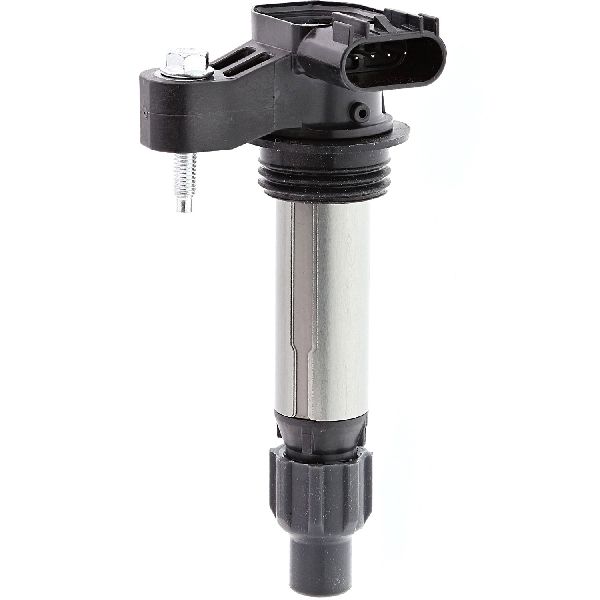
- Faulty Ignition Coil 🔴 High Probability → Shop Ignition Coil Ignition coils are a common failure item on most modern engines as they age from heat and vibration. Oil leaks from the valve cover gasket can also pool in the spark plug tubes and destroy the coils.
How to confirm: Swap the cylinder 5 ignition coil with another cylinder (e.g., cylinder 3, also on the rear bank, or cylinder 4 on the front bank). Clear the codes and drive. If the misfire code changes to P0303 or P0304, the ignition coil is bad. This test requires removing the upper intake manifold.
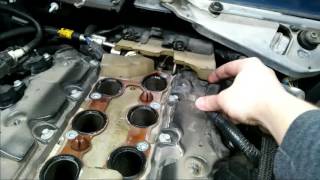
Typical fix: Replace the faulty ignition coil. It is highly recommended to replace the spark plug at the same time. Given the labor to remove the intake manifold, many owners and shops replace all three coils and plugs on the rear bank 🎬 Watch this complete walkthrough for replacing all rear coils and plugs. (Bank 1) at once to avoid future repeat labor costs.
Est. part cost: $40-$80 per coil - Worn or Fouled Spark Plug 🟡 Medium Probability → Shop Spark Plug Spark plugs are a routine maintenance item with a service interval of around 100,000 miles. On direct injection engines like the LLT and LFX, they can become fouled by carbon deposits or oil.
How to confirm: After removing the ignition coil, remove the spark plug and inspect it for wear on the electrode, cracks in the porcelain, or heavy deposits of carbon or oil. The correct spark plug gap is critical for proper ignition.
Typical fix: Replace the spark plug. It is best practice to replace all six plugs if they are near the end of their service life, especially since the intake manifold must be removed to access the rear three.
Est. part cost: $10-$25 per plug - Stretched Timing Chain 🟡 Medium Probability The early 3.6L V6 engines (especially the LLT) were known for premature timing chain wear, often due to extended oil change intervals. This was so common that GM issued Special Coverage Adjustment #11340C, extending the warranty on certain 2007 and 2009 models.
How to confirm: Check for other stored trouble codes, specifically P0008, P0009, P0016, P0017, P0018, or P0019. The presence of these codes along with a misfire code strongly indicates a timing chain issue. A rattling noise on a cold start is another classic symptom.
Typical fix: This is a major repair that involves replacing the timing chains, tensioners, and guides. It requires disassembling a significant portion of the engine and can cost over $2,000.
Est. part cost: $250-$700 for a timing chain kit - Clogged or Faulty Fuel Injector ⚪ Low Probability → Shop Fuel Injector Direct injection (DI) fuel injectors operate under very high pressure and can become clogged with carbon deposits over time, preventing the correct amount of fuel from reaching the cylinder.
How to confirm: This is more difficult to diagnose for a DIYer. A professional can perform a fuel injector balance test. A DIY method involves listening to the injector with a mechanic's stethoscope to ensure it is clicking consistently. Swapping injectors is possible but more involved than swapping coils.
Typical fix: Replace the faulty fuel injector. This also requires removing the intake manifold and fuel rail.
Est. part cost: $50-$120 per injector
Rare But Worth Checking
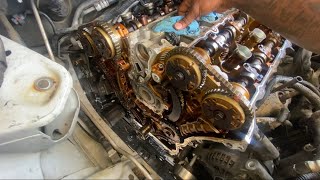
- Carbon Buildup on Intake Valves: This is a known issue on direct injection (DI) engines like the LLT and LFX (2007-2016). Since fuel is injected directly into the cylinder, it no longer cleans the back of the intake valves. Oil vapor from the PCV system can bake onto the valves, restricting airflow and causing misfires, especially when the engine is cold. GM issued a TSB (PIP5029C) related to this issue. The fix requires professional cleaning, such as walnut blasting or chemical soaking, with the intake manifold removed. 🎬 Watch a demonstration of how to clean these intake valve ports.
- Low Engine Compression: Internal engine problems like a burnt valve, worn piston rings, or a failed head gasket can cause a loss of compression in cylinder 5. A compression test is needed to confirm this. This indicates a need for major engine repair and is relatively uncommon but possible on higher mileage engines.
- Intake Manifold Gasket Leak: → Shop Engine Intake Manifold A vacuum leak from a failed intake manifold gasket near the cylinder 5 runner can lean out the air/fuel mixture and cause a misfire. This is often diagnosed with a smoke test. It is standard practice to replace these gaskets anytime the intake manifold is removed for service on the coils or plugs.
Diagnosis Steps
- Read the codes with an OBD-II scanner and confirm P0305 is present. Note any other codes, especially timing-related ones (P0008, P0017, etc.). A rattling sound on cold starts is a strong clue for timing chain issues.
- Identify Cylinder 5. On the 3.6L V6, the engine is mounted transversely. Bank 1 is the rear bank against the firewall, and Bank 2 is the front bank by the radiator. The cylinders on Bank 1 are 1, 3, and 5 (passenger to driver side). Cylinder 5 is on the driver's side against the firewall.
- To access cylinder 5, the upper intake manifold must be removed. This is a multi-hour job for a DIYer. There are numerous video guides available for this procedure.
- Once the manifold is off, perform an ignition coil swap. Move the coil from cylinder 5 to another cylinder, like cylinder 3. Reinstall the manifold temporarily, clear the codes, and run the engine to see if the misfire code moves to P0303. If it does, the coil is bad.
- If the code remains P0305, the coil is likely good. The next step is to replace the spark plug in cylinder 5. Inspect the old plug for signs of wear, oil, or carbon fouling. It is highly recommended to replace all three rear plugs and coils at this time.
- While the intake manifold is off, it is a good opportunity to inspect the intake valve ports for signs of heavy carbon buildup, a known issue on these direct-injection engines.
- If a new plug and a known-good coil do not fix the P0305, inspect the wiring and connector for the cylinder 5 ignition coil and fuel injector for any damage or corrosion.
- If all else fails, a compression test should be performed on cylinder 5 to rule out mechanical engine issues. At this stage, or if timing chain codes are present, professional service is strongly recommended.
Parts You'll Likely Need
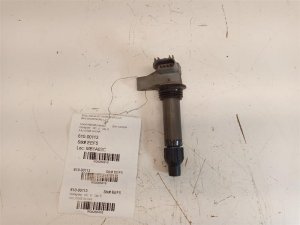
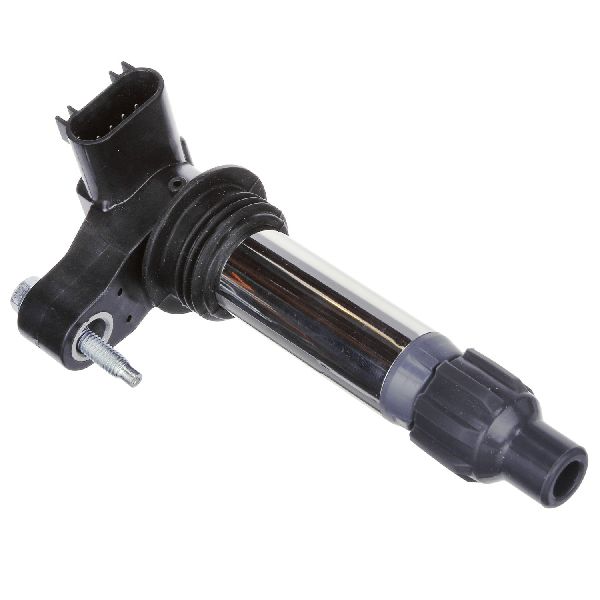
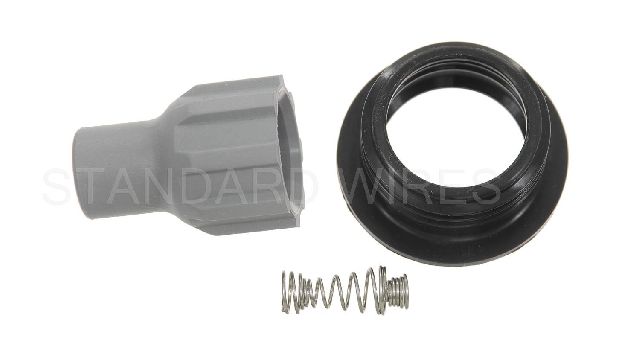
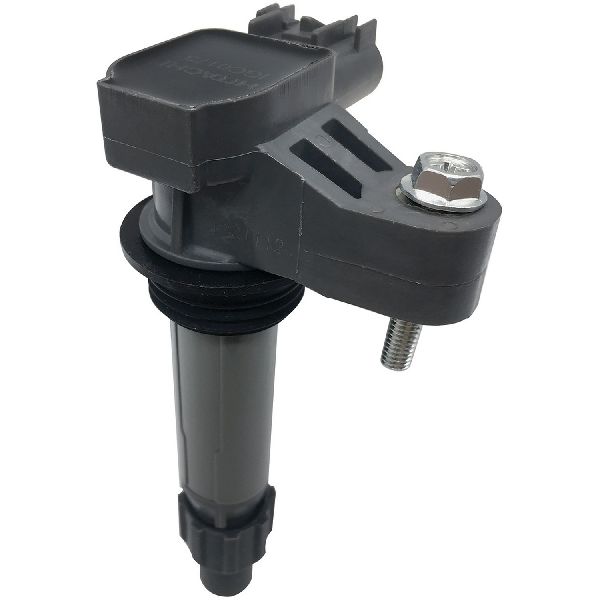
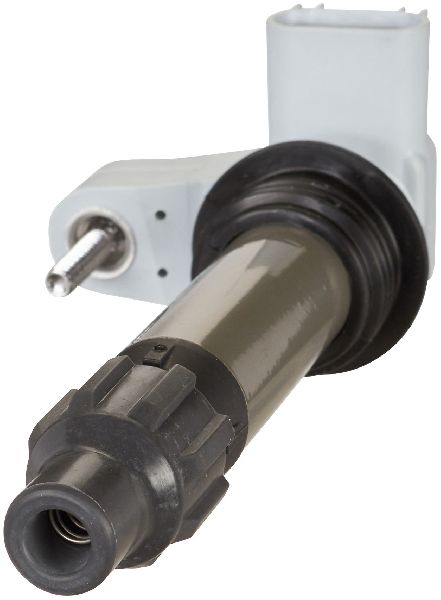
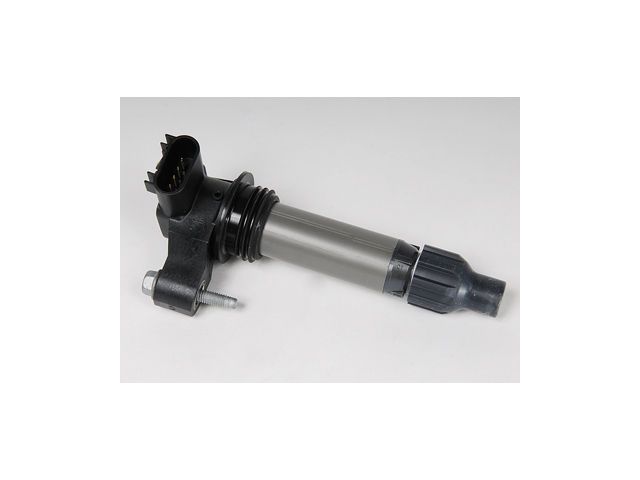
- Ignition Coil
(OEM #12632479)— This is one of the most common failure items causing a single-cylinder misfire.
Related Codes That Often Appear With This One
- P0300 — If the misfire becomes more widespread or is intermittent, a P0300 (Random/Multiple Misfire) may be set. This is common when timing chains begin to stretch.
- P0301, P0303 — Misfires on other cylinders in the same bank (Bank 1: cylinders 1, 3, 5) could indicate a shared problem, like a clogged catalytic converter for that bank or a vacuum leak affecting the entire bank.
- P0008, P0017 — These codes indicate a correlation issue between the crankshaft and camshaft positions, which strongly points to a stretched timing chain on the 3.6L V6 engine. Their presence with a P0305 should shift diagnosis immediately to the timing system.
Technical Service Bulletins (TSBs) & Recalls
- #11340C: Special Coverage Adjustment - Timing Chain Wear: This bulletin acknowledges premature timing chain wear on certain 2007 and 2009 Acadia models (among others) with the 3.6L V6. It extended warranty coverage for this specific condition to 10 years or 120,000 miles and covered the replacement of the timing chains. It also instructed dealers to reprogram the ECM to adjust the oil life monitor to prevent future issues.
- #PIP5029C: Cold Start Misfire: This TSB discusses cold start misfires (P0300) on 2009+ 3.6L engines due to carbon buildup on intake valves, a relevant potential cause for a P0305.
- #PIP5038B: Misfire and Ignition Coil Codes: This bulletin addresses a range of misfire codes (P0300-P0306) and instructs technicians to follow standard diagnostic procedures, highlighting the prevalence of these codes and the need for careful diagnosis.
Platform-Specific Known Issues
- Timing Chain Failure Covered by Special Coverage: Many owners of 2007-2009 models experienced timing chain stretch, often indicated by a P0008 code alongside misfire codes. GM's Special Coverage Adjustment 11340C covered the expensive repair for many owners within 10 years/120k miles, but owners outside that window face a significant repair bill.
- Difficulty of Rear Bank Access: A common complaint from both DIYers and professionals is the labor required to remove the upper intake manifold just to service a single coil or plug on the rear bank (cylinders 1, 3, 5). This turns a simple, cheap part replacement into a several-hour job, leading to the strong recommendation to replace all rear bank components at once.
Mechanic-Grade Diagnostic Values
- Ignition Coil Primary Resistance — expected: 0.4 to 2.0 ohms. Failure: An open circuit (infinite resistance) or a reading significantly outside the expected range.
- Ignition Coil Secondary Resistance — expected: 5,000 to 10,000 Ohms (5k-10k Ω). Failure: A reading significantly outside this range suggests the coil's secondary winding has failed.
- Fuel Injector Coil Resistance (2007-2008 LLT Engine) — expected: 11 - 14 Ohms. Failure: A reading of 'OL' (open), near zero (short), or significantly outside this range.
- Fuel Injector Coil Resistance (2009-2016 LFX Engine) — expected: 1.2 - 1.8 Ohms. Failure: A reading significantly outside this range, or an open circuit (OL), indicates a failed injector.
- Low-Pressure Fuel Pressure (Key On, Engine Off) — expected: 55-60 psi (379-414 kPa). Failure: Pressure below this range indicates a weak in-tank fuel pump.
Hidden / Shadow Codes Worth Checking
- Mode $06, Test ID $A6: Provides raw misfire counts for cylinder 5. This allows a technician to see misfires that have not yet reached the threshold to set a P0305 code, which is useful for diagnosing intermittent issues. (see via A professional scan tool or some consumer-grade OBD-II scanners with Mode $06 functionality.)
Scan Tool Commands That Help
- GDS2 / Tech2: Crankshaft Position Variation Learn — After major engine work, like replacing a timing chain or crankshaft sensor, this procedure must be performed to allow the ECM to learn the variations in the crankshaft reluctor wheel and accurately detect misfires.
- GDS2 / Tech2: Fuel Injector Balance Test — This command individually fires each injector and measures the corresponding fuel pressure drop. If the pressure drop for cylinder 5 is significantly different from the others, it indicates a clogged or failing injector.
Wiring & Ground Locations
- G105 / G106 — These are primary engine grounds located on the engine block or frame rail at the front of the engine compartment.. The ECM and its injector/coil drivers rely on a solid ground reference. A loose or corroded ground at G105 or G106 can cause erratic electrical behavior, including intermittent misfires or false circuit codes for multiple components.
- ECM Connector X1 — On the Engine Control Module, located in the left front of the engine compartment.. This is the main connector where the control circuits for the ignition coils and fuel injectors originate. Damage to the harness near this connector, particularly from rubbing on the ECM bracket, can cause an open or short in the cylinder 5 coil or injector control wire.
- Ignition Coil Connector (Cylinder 5) — On top of the ignition coil for cylinder 5, under the intake manifold.. This connector provides power, ground, and the trigger signal from the ECM. A damaged connector, spread terminals, or corrosion can cause a poor connection, leading directly to a P0305 code.
Real Owner Repair Stories
- Reddit user in r/MechanicAdvice (GMC Acadia (year not specified, but within range)) — Intermittent P0305 code, especially at idle, with noticeable shaking.
❌ Tried (didn't work) Re-soldering the wiring for the cylinder 5 sensor plug.
✅ What actually fixed it The user found the intake manifold gasket for cylinder 5 was severely chewed up and deformed, causing a vacuum leak specific to that cylinder. Replacing the intake manifold gasket resolved the misfire. - NHTSA ODI #10887969 — An owner reported that their vehicle required a tow after the engine threw several faults including P0305, P0008, P0303, P0017, P0300, and P0301. Online research suggested these are common faults for a timing chain issue, with repair estimates reaching $3,000-$4,000.
OEM Part Supersession History
12590990, 12610626, 12618542→12632479— Component improvements for durability and protection against internal shorts and dielectric breakdown.
Model Year Variations Within This Range
- 2007-2008 (LLT Engine): These early models with the LLT V6 use a port-injection system and are most notorious for premature timing chain stretch. Their fuel injectors have a higher resistance of approximately 11-14 Ohms.
- 2009-2016 (LFX Engine): These models use a direct-injection (DI) fuel system. They are prone to carbon buildup on intake valves. Their fuel injectors are a low-impedance design with a resistance of approximately 1.2-1.8 Ohms. Using the wrong resistance specification during diagnosis will lead to incorrect conclusions. The LFX also features cylinder heads with integrated exhaust manifolds and a composite intake manifold.
Diagnostic Flowchart
Real Owner Stories
Aggregated from forums and TSBs cited above. Mileages and costs reflect what owners reported in those sources.
GMC Acadia 3.6L V6
Symptoms: Experienced misfires on all of Bank 1, triggering codes P0301, P0303, and P0305 simultaneously.
What fixed it: Diagnosed potential causes ranging from faulty coils and spark plugs to a plugged catalytic converter.
Source hint: Acadia Forum thread titled 'P0301, P0303, P0305 misfire bank 1'
2012 GMC Acadia 3.6L V6
Symptoms: Needed to replace faulty rear ignition coils to resolve a misfire.
What fixed it: Removed the upper intake manifold to access and replace the rear ignition coils.
Source hint: YouTube video from 'D/I/Y Diagnostics N Repair' titled 'Rear Ignition Coil Replacement Walkthrough'
2007-2009 GMC Acadia 3.6L V6 — ~115000 miles
Symptoms: Premature timing chain stretch causing misfire codes alongside a P0008 code.
What fixed it: Replaced the timing chains and reprogrammed the ECM to adjust the oil life monitor under extended warranty.
Source hint: GM Special Coverage Adjustment #11340C
2009+ GMC Acadia 3.6L V6
Symptoms: Cold start misfires (P0300/P0305) caused by heavy carbon buildup on the intake valves.
What fixed it: Cleaned carbon buildup from the intake valves.
Source hint: GM TSB #PIP5029C
Related OBD-II Codes
Frequently Asked Questions
Is the timing chain issue on my 2007-2009 Acadia covered by GM for code P0305?
Why is replacing the cylinder 5 ignition coil so expensive on the 3.6L V6?
Should I replace all the ignition coils if only cylinder 5 is misfiring?
What brand of ignition coil should I use for my GMC Acadia?
Can carbon buildup cause a P0305 on my LFX engine?
How do I know if my P0305 is caused by a stretched timing chain?
Helpful Videos
![How to Fix P0305 Engine Code in 3 Minutes [2 DIY Methods / Only $4.53]](https://img.youtube.com/vi/iu7X5E-N1II/mqdefault.jpg)

Used OEM Parts in Stock
New Aftermarket Parts Available

The information in this article is provided for general reference and educational purposes only. Vehicle specifications, procedures, and part compatibility can vary by production date, trim level, and region. Always consult your vehicle's factory service manual and verify part numbers before purchasing or performing repairs. Safety-critical components such as airbags, seat belts, and braking systems should be installed by a qualified professional.
- GMC Acadia:
- 🧭 Diagnostic Flowchart
- 🎬 Helpful Videos
- 🛍️ Shop This Part
- What's Unique About the 2007-2016 GMC Acadia
- Symptoms You May Notice
- Most Likely Causes
- Rare But Worth Checking
- Diagnosis Steps
- Parts You'll Likely Need
- Related Codes That Often Appear With This One
- Technical Service Bulletins (TSBs) & Recalls
- Platform-Specific Known Issues
- Mechanic-Grade Diagnostic Values
- Hidden / Shadow Codes Worth Checking
- Scan Tool Commands That Help
- Wiring & Ground Locations
- Real Owner Repair Stories
- OEM Part Supersession History
- Model Year Variations Within This Range
- Real Owner Stories
- GMC Acadia 3.6L V6
- 2012 GMC Acadia 3.6L V6
- 2007-2009 GMC Acadia 3.6L V6 — ~115000 miles
- 2009+ GMC Acadia 3.6L V6
- Related OBD-II Codes
- Frequently Asked Questions
- 🎟️ Get 5% Off