

P0305 on 2011-2016 Hyundai Equus 5.0L: Cylinder 5 Misfire Causes and Fixes
The P0305 code on a Hyundai Equus with the 5.0L V8 engine indicates a misfire in cylinder #5. The most common cause is a faulty ignition coil or a worn-out spark plug. Swapping the coil from cylinder 5 with another cylinder is the fastest way to diagnose the problem. Less common but possible causes include a clogged GDI fuel injector or carbon buildup on the intake valves.
- P0305 means cylinder #5 (third cylinder from the front on the passenger side) is misfiring.
- Start your diagnosis with the easiest and most likely culprits: the ignition coil and spark plug.
- A simple 'swap test' moving the ignition coil to another cylinder is the fastest way to confirm a bad coil.
- Do not ignore a flashing Check Engine Light, as this signals a severe misfire that can quickly destroy your catalytic converter.
- If the coil and plug are good, the problem is likely a fuel injector or a vacuum leak, which may require professional diagnosis.
What's Unique About the 2011-2016 Hyundai Equus
The Hyundai Equus uses the Tau 5.0L V8, a sophisticated engine with Gasoline Direct Injection (GDI) and a high 11.5:1 compression ratio. While ignition components are the primary cause of misfires, GDI engines are inherently prone to carbon buildup on intake valves over time because fuel is injected directly into the cylinder and does not wash over the valves. This buildup can restrict airflow and cause misfires, a factor to consider in higher-mileage vehicles. Additionally, while less common for a single-cylinder misfire, issues with the high-pressure fuel system components, like the GDI injectors, are a possibility.
Symptoms You May Notice
- Rough or vibrating idle
- Hesitation or stumbling during acceleration
- Noticeable loss of engine power
- Solid or flashing Check Engine Light
- Reduced fuel economy
- Smell of unburnt fuel from the exhaust
- Replacing the fuel pump when only a single cylinder is misfiring. A fuel pump issue would typically affect all cylinders and cause random misfire codes (P0300) or fuel pressure codes.
- Replacing oxygen sensors. A faulty O2 sensor will typically set its own specific code and is unlikely to cause a misfire isolated to a single cylinder.
Most Likely Causes
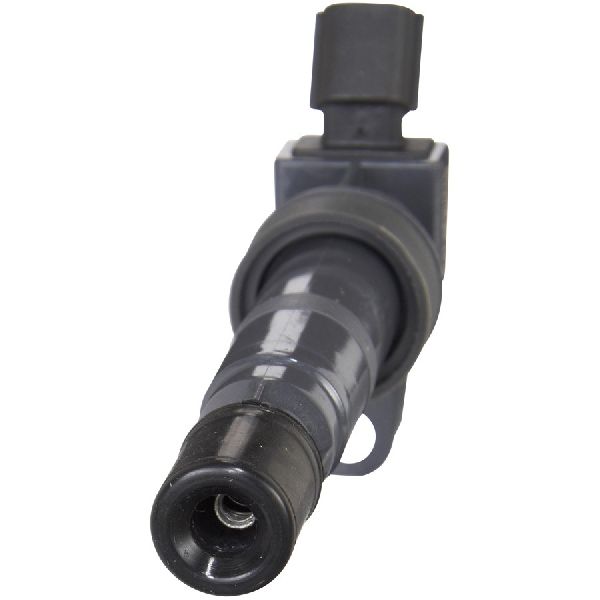
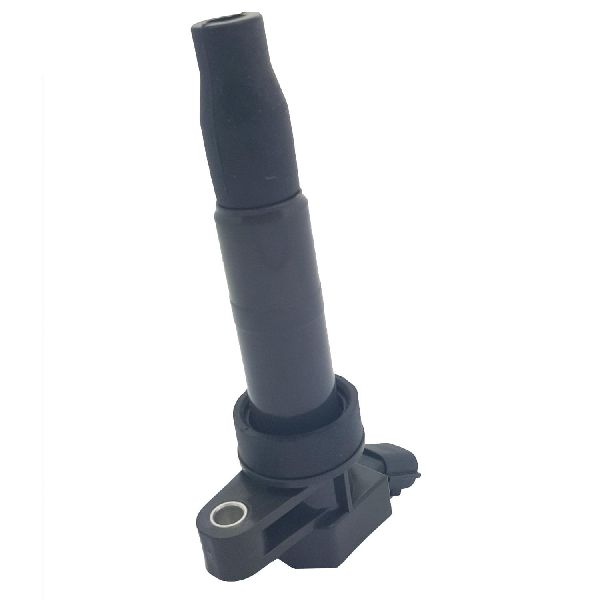
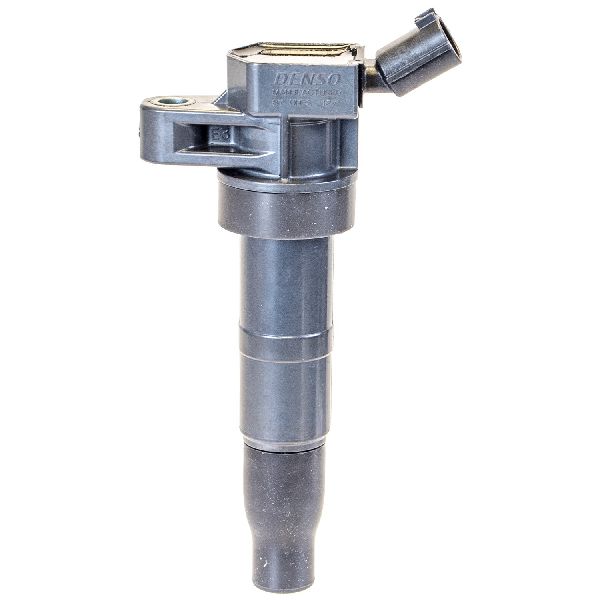
- Faulty Ignition Coil 🔴 High Probability → Shop Ignition Coil Ignition coils are a common wear-and-tear item on most modern engines. Heat and vibration eventually cause the internal windings to fail, resulting in a weak or no-spark condition. This is the most frequent starting point for a P0305 diagnosis.
How to confirm: Swap the ignition coil from cylinder #5 with an adjacent cylinder (e.g., cylinder #7). Clear the codes and drive the vehicle. If the code changes to P0307, the ignition coil is confirmed to be faulty. This is a widely accepted and effective diagnostic step.
Typical fix: Replace the failed ignition coil. It is often recommended to replace all eight coils if they are original and the vehicle has high mileage to prevent future failures.
Est. part cost: $40 - $90 per coil - Worn or Fouled Spark Plug 🔴 High Probability → Shop Spark Plug The factory-installed iridium spark plugs have a long but finite service life (up to 100,000 miles). As the electrodes wear, the gap increases, requiring more voltage to create a spark, which can lead to misfires. They can also become fouled by oil (if consumption is an issue) or carbon deposits.
How to confirm: After confirming the coil is good, remove the spark plug from cylinder #5. Inspect it for excessive wear on the electrode, cracks in the porcelain, or heavy black carbon or oily deposits. Compare it to a new plug.
Typical fix: Replace the spark plug in cylinder #5. It is best practice to replace all eight spark plugs at the same time to ensure even performance and avoid repeat repairs.
Est. part cost: $10 - $25 per plug - Clogged or Faulty Fuel Injector 🟡 Medium Probability → Shop Fuel Injector As a GDI engine, the fuel injectors operate under very high pressure and are located inside the combustion chamber. They can become clogged with carbon deposits or fail electronically over time. Hyundai has issued TSBs for GDI fuel system cleaning, indicating deposit formation is a known concern for the technology.
How to confirm: This is more difficult for a DIYer. A professional can perform a fuel injector balance test. Another method is to swap the injector with another cylinder, but this is labor-intensive on the Tau V8. Listening to the injector with a mechanic's stethoscope for a consistent clicking sound can provide a basic check.
Typical fix: Replace the faulty fuel injector. The high-pressure fuel line connected to the injector is typically a one-time-use part and must also be replaced. Sometimes a professional cleaning service can restore a clogged injector.
Est. part cost: $100 - $200 per injector - Vacuum Leak ⚪ Low Probability A vacuum leak from a cracked PCV hose or a failed intake manifold gasket near cylinder #5 can introduce unmetered air, leaning out the air-fuel mixture and causing a misfire. While possible, this is less likely to affect only a single cylinder.
How to confirm: With the engine running, carefully spray brake cleaner or a propane torch (unlit) around the intake manifold area near cylinder #5. If the engine RPM changes, a leak is present. A smoke test performed by a professional is a more definitive and safer diagnostic method.
Typical fix: Replace the leaking gasket or vacuum hose.
Est. part cost: $20 - $150
Rare But Worth Checking
- Low Engine Compression: This indicates a serious mechanical engine problem, such as a bad valve, worn piston rings, or a head gasket failure. A compression test on cylinder #5 is required to confirm. This is an unlikely but severe cause.
- Carbon Buildup on Intake Valves: While more likely to cause random misfires (P0300), heavy, uneven carbon buildup could potentially affect a single cylinder enough to trigger a specific code like P0305. This is a known characteristic of GDI engines that requires periodic cleaning. Some owners on forums for the sister Genesis 5.0L have noted rough running that was resolved with a GDI intake cleaning service.
Diagnosis Steps
- Use an OBD-II scanner to confirm P0305 is the only code present. Note any other codes and check freeze frame data to see when the misfire occurred.
- Locate cylinder #5 on the Tau 5.0L V8. The cylinder firing order is 1-2-7-8-4-5-6-3. The passenger side bank is cylinders 1-3-5-7 (front to back), and the driver side is 2-4-6-8 (front to back). Cylinder #5 is the third one back on the passenger side.
- Swap the ignition coil from cylinder #5 with the coil from cylinder #7. Clear the codes and drive the vehicle. If the code returns as P0307, the ignition coil is bad and needs to be replaced.
- If the code remains P0305, the coil is likely good. Before swapping the spark plug, use compressed air to blow out any debris from the spark plug tube to prevent it from falling into the cylinder.
- Move the spark plug from cylinder #5 to cylinder #7. Clear codes and drive. If the code changes to P0307, the spark plug is faulty.
- If the code still remains P0305, the issue is likely more complex, such as a problem with the fuel injector, wiring, or engine compression.
- Visually inspect the wiring and connector for the fuel injector and ignition coil on cylinder #5 for any visible damage, corrosion, or loose connections.
- At this point, professional diagnosis is recommended. A mechanic can safely test the GDI fuel injector and perform a compression test to isolate the fault.
Parts You'll Likely Need
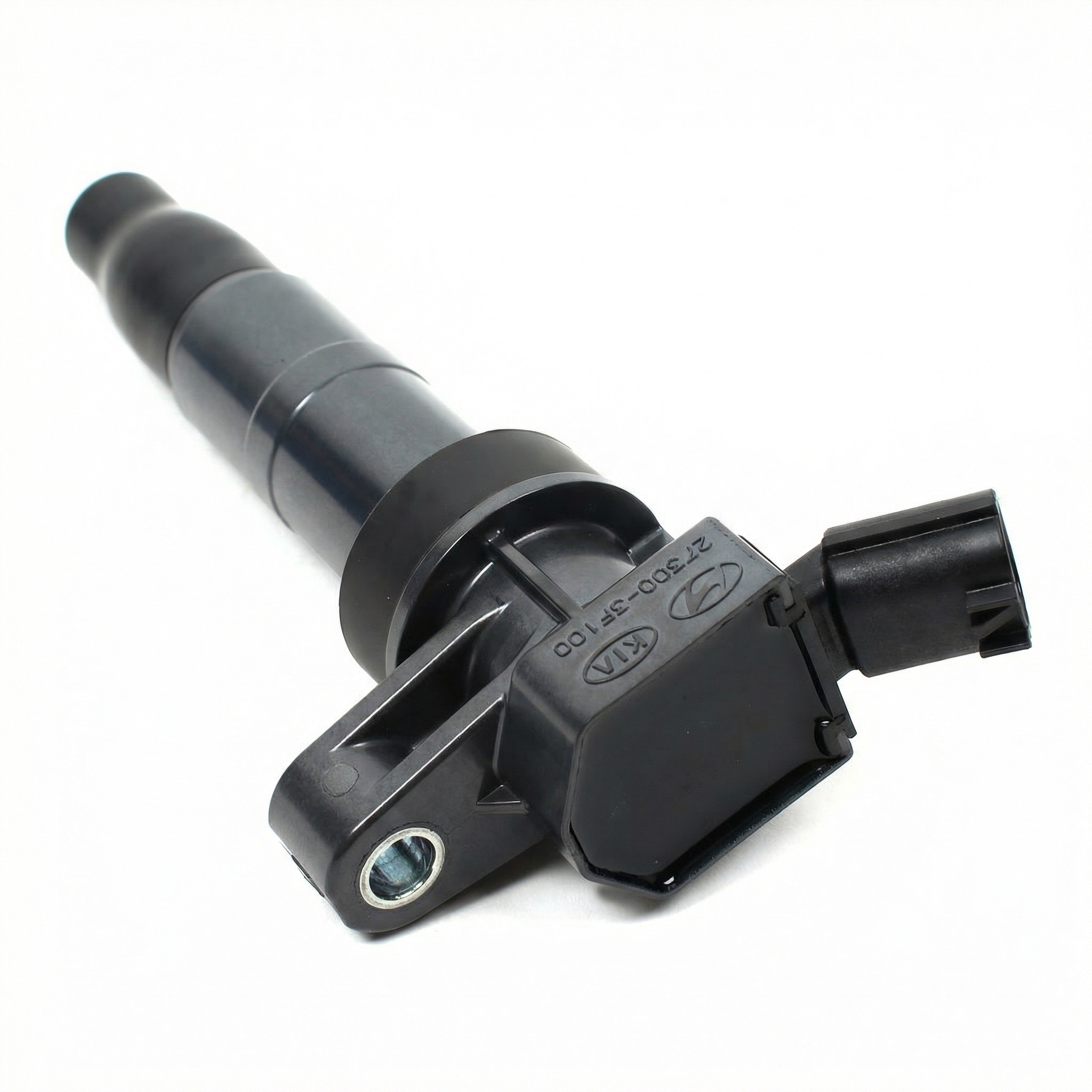
- Ignition Coil
(OEM #27301-3F100)— This is the most frequent cause of a single-cylinder misfire. They are subject to high heat and vibration, leading to eventual failure. This part number is also used on many other Hyundai/Kia vehicles.
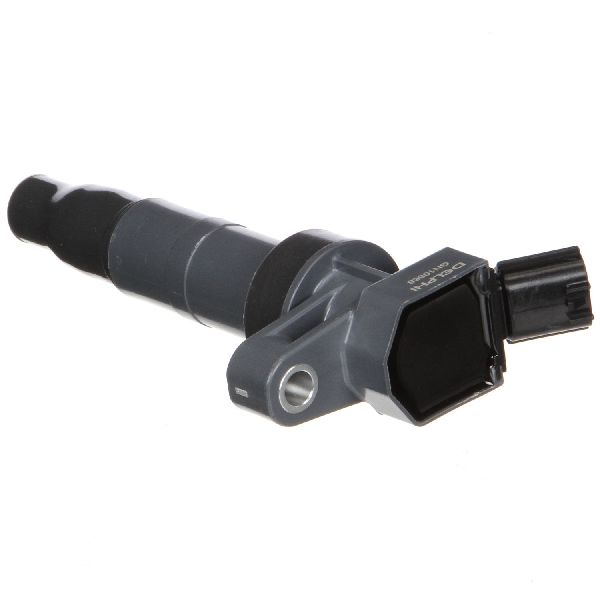
Trusted brands: Hyundai (OEM), NGK, Delphi, Denso
OEM price range: $70 - $100
Aftermarket price range: $40 - $75 - Spark Plug
(OEM #18846-11070)— Spark plugs are a routine maintenance item. A worn or fouled plug is a very common cause of misfires. The OEM plugs are Iridium for long life.
Trusted brands: NGK (SILKR7E11), Denso
OEM price range: $15 - $25
Aftermarket price range: $10 - $20 - Fuel Injector
(OEM #35310-3F400 (superseded by 35310-3F600))— Less common than ignition parts, but a known failure point on GDI engines that can cause a persistent misfire in one cylinder. Part number 35310-3F400 has been replaced by 35310-3F600.
Trusted brands: Hyundai (OEM)
OEM price range: $150 - $220
Aftermarket price range: $80 - $150
Related Codes That Often Appear With This One
- P0300 — If the misfire is intermittent or begins to affect other cylinders, a P0300 (Random/Multiple Cylinder Misfire) may be stored alongside P0305. This could point towards a systemic issue like a vacuum leak or fuel delivery problem.
- P0301-P0308 (excluding P0305) — If multiple ignition coils or injectors are failing, you may see misfire codes for other specific cylinders as well. Seeing multiple codes on the same bank (e.g., P0301, P0303, P0305) could suggest a problem specific to that bank, like a clogged catalytic converter or timing issue.
Technical Service Bulletins (TSBs) & Recalls
- 23-FL-002H-1 / 22-FL-002H / 20-FL-001H: While not for the Equus specifically, Hyundai has issued multiple Technical Service Bulletins for other GDI models recommending the periodic use of Techron-based fuel system cleaner (Hyundai Fuel System Cleaner Plus) to combat carbon deposits on injectors and valves, which is a relevant preventative measure for the Tau V8.
- TSB 16-NA-383: A general GM bulletin, but it provides excellent detail on how carbon buildup on GDI engine valves can cause specific cylinder misfire codes (P030X), reinforcing it as a potential cause.
- TSB 24-EM-001H: Provides official dealer procedure for diagnosing and documenting engine oil consumption, which can be a related factor if spark plugs are becoming oil-fouled.
Platform-Specific Known Issues
- A user on the Genesis Owners forum with a 5.0L V8 experienced a similar misfire code that was ultimately traced to a failed ignition coil, which was resolved by swapping coils to confirm the fault and then replacing the single bad coil.
- On Reddit, an owner of a high-mileage Equus noted that a persistent misfire was finally resolved by a walnut blast cleaning of the intake valves to remove carbon buildup, a common issue on GDI engines.
Mechanic-Grade Diagnostic Values
- Ignition Coil Primary Resistance — expected: 0.4 to 2.0 Ohms. Failure: A reading of infinite (OL) or zero ohms indicates a failed coil.
- Ignition Coil Secondary Resistance — expected: 6,000 to 15,000 Ohms. Failure: A reading of infinite (OL) or zero ohms indicates a failed coil.
- Low-Pressure Fuel System — expected: 40 - 60 PSI. Failure: Pressure below this range could indicate a weak in-tank fuel pump, though this would typically affect all cylinders, not just one.
- Parasitic Battery Draw — expected: Below 50mA (after vehicle enters sleep mode, approx. 10-20 minutes). Failure: A reading above 50mA indicates a module or component is not shutting down correctly, which can cause various electrical issues, though it's an unlikely direct cause for a single-cylinder misfire.
Hidden / Shadow Codes Worth Checking
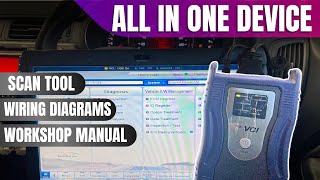
- Misfire Counter Data (Live Data): The Hyundai GDS (Global Diagnostic System) does not use proprietary 'shadow codes' for misfires, but it provides a live data stream showing individual misfire counts for each cylinder. This is more valuable than a static code, as it can show small numbers of misfires on other cylinders that haven't yet reached the threshold to set a code, potentially pointing to a systemic issue. (see via Hyundai GDS factory scan tool or high-end professional scanners with Hyundai-specific software.)
Scan Tool Commands That Help
- Hyundai GDS (or equivalent professional scanner): Flight Recorder / Trigger Module — This function is extremely useful for intermittent misfires. It continuously records engine data and, when triggered (manually or by a DTC), saves the data from the time leading up to the event. This allows a technician to analyze sensor readings, fuel trims, and misfire counts at the exact moment the P0305 occurred.
- Hyundai GDS (or equivalent professional scanner): Actuation Test (e.g., Fuel Injector Kill) — A bidirectional scanner can command the ECM to temporarily disable the fuel injector for cylinder #5. If the engine's idle quality does not change when the injector is disabled, it confirms that cylinder was not contributing, pointing strongly to a fuel, spark, or compression issue on that specific cylinder.
Wiring & Ground Locations
- Cylinder 5 Ignition Coil & Injector Connectors — Cylinder #5 is the third cylinder from the front on the passenger side of the engine. The connectors are located on top of the ignition coil and on the fuel injector body under the intake manifold cover.. A loose pin, corrosion, or damaged wire at either of these connectors will directly cause a P0305. A forum user fixed a P0305 by simply re-seating a loose wire in the injector connector.
- GC202 — Main engine ground located on the right (passenger) side rear of the engine.. A poor engine ground can cause erratic behavior in sensors and actuators. While it would typically cause multiple, random issues, a corroded or loose main ground for the bank containing cylinder 5 could potentially manifest as a single-cylinder misfire under certain conditions.
- GC203 / GC201 — Engine compartment grounds located on the left (driver) side rear of the engine compartment, near the ECM and injector drive box.. The ECM and Injector Driver Box are located in the left rear of the engine compartment. A poor ground connection for these critical control modules could lead to weak ignition coil firing or incorrect fuel injector commands, causing a misfire.
Real Owner Repair Stories
- Hyundai-Forums user post (2002 Hyundai Sonata (different vehicle, but same code and relevant electrical principle)) — Sputtering, poor performance, P0305 and P0274 (Cylinder 5 Injector Circuit High) codes.
❌ Tried (didn't work) Replaced spark plugs and wires.
✅ What actually fixed it The user inspected the cylinder 5 fuel injector connector and found one of the wires had backed out slightly. Pushing the wire's pin firmly back into the connector until it seated properly resolved the misfire and cleared the codes. - NHTSA ODI #10508566 (Hyundai Genesis) — An owner reported multiple misfire codes including P0302, P0303, P0304, P0305, and P0306; a service writer verbally advised that the engine was misfiring.
- NHTSA ODI #10520742 (Hyundai Tucson) — An owner reported that the vehicle would quickly slow down from 70 mph to 35 mph without warning, sometimes accompanied by the engine light and code P0305.
When the Usual Fixes Don't Work
- In a documented case for a different Hyundai model, a persistent P0305 code was not caused by a faulty component, but by a backed-out pin in the fuel injector's electrical connector. This highlights that after ruling out the common components (coil and plug) via swapping, the next step should be a meticulous inspection of the wiring and connectors for the affected cylinder before replacing more expensive parts like the injector.
OEM Part Supersession History
35310-3F400→35310-3F600— This is a common supersession for the GDI fuel injector. While the exact reason is not officially published, updated part numbers often address improvements in materials, internal design, or manufacturing processes to increase reliability.
Heads up: The new part number (35310-3F600) is the correct replacement for the original. Using old stock of the -3F400 part is not recommended.27300-2G000 / 27301-3C000→27301-3F100— Part number 27301-3F100 is used across a wide range of Hyundai/Kia engines and is the specified coil for the Tau V8. The older numbers may have been used on other engines but have been consolidated or replaced by this part for this application.
Model Year Variations Within This Range
- 2015-2016: For the 2015 model year, the Tau 5.0L V8 was updated. Changes included an increased compression ratio (11.5:1 to 11.8:1), optimized intake runner length, and an enhanced timing chain for reduced friction. While these changes don't fundamentally alter the P0305 diagnosis, they represent a mid-cycle evolution of the engine.
- 2011: The 2011 model year Equus primarily used the 4.6L Tau V8, which is a Multi-Port Injection (MPI) engine, not GDI. While the P0305 diagnosis is similar (coil, plug), it is not susceptible to GDI-specific issues like high-pressure fuel injector failure or intake valve carbon buildup.
Diagnostic Flowchart
Other Known Issues on This Vehicle
Issues unrelated to this code that are worth knowing about as an owner of this generation:
- Air Suspension Failure 🔴 High — Common issue as the vehicle ages, often appearing around 60,000-100,000 miles. Failures can include leaking air lines, faulty compressors, or bad height sensors.
- Oil Consumption 🟠 Medium — While not as prevalent as on smaller Hyundai engines, the Tau V8 can consume oil, especially if maintenance intervals are extended. Owners report needing to top off oil between changes. (Ref: TSB 21-EM-004H provides procedures for testing connecting rod bearing clearances, which can be related to oil consumption issues. TSB 24-EM-001H (supersedes earlier versions) provides guidelines for oil consumption inspection.)
- Carbon Buildup on Intake Valves 🟠 Medium — An inherent characteristic of GDI engines. Buildup becomes more significant at higher mileage (50,000+ miles) and can lead to rough idle, hesitation, and eventually misfires if not addressed. (Ref: Multiple TSBs like 23-FL-003H recommend using Hyundai's Fuel System Cleaner Plus (Techron) to help prevent deposits.)
Used vs. New Parts: Buying Guide for This Vehicle
When a used part is the smart pick: For expensive electronic components like a GDI fuel injector, a used part from a low-mileage donor vehicle can be a cost-effective option. Given an OEM injector can cost over $150, a used one can provide significant savings. Used engine covers or minor brackets are also perfectly acceptable.
Donor-vehicle mileage cap: roughly under 60000 miles for the part to have meaningful remaining life.
What to inspect on the donor part:
- For a fuel injector, look for a donor vehicle with no reported running issues or misfire codes.
- Inspect the injector tip for heavy carbon buildup or physical damage.
- Ensure the electrical connector on the used part is clean, free of corrosion, and not cracked.
- Verify the donor vehicle is from a similar climate (e.g., avoid parts from heavy salt-belt regions if possible to minimize corrosion risk).
OEM-only on this vehicle (don't cheap out):
- GDI Fuel Injectors: While a used OEM part is an option, it is strongly recommended to use genuine Hyundai injectors (new or used) over new aftermarket ones. Aftermarket GDI injectors have a poor reputation for quality control and correct flow rating, which is critical in a direct injection system.
- Engine Control Module (ECM): Due to programming and security requirements, the ECM should only be replaced with a new or specialized remanufactured OEM unit.
Aftermarket brands forum-validated for this vehicle:
- Ignition Coils: NGK, Denso, and Delphi are reputable OEM suppliers and their aftermarket coils are generally considered reliable alternatives to the dealer part.
- Spark Plugs: NGK and Denso are the original equipment suppliers; sticking with these brands is the safest choice.
Brands owners have reported issues with on this vehicle:
- Unbranded, 'white-box' ignition coils and fuel injectors sold on marketplaces like eBay or Amazon. These often have high failure rates and may not meet the performance specifications of the Tau V8, leading to persistent issues.
Real Owner Stories
Aggregated from forums and TSBs cited above. Mileages and costs reflect what owners reported in those sources.
2012-2016 Hyundai Genesis Sedan 5.0L V8
Symptoms: Misfire code present on the 5.0L V8 engine.
What fixed it: The owner swapped coils to confirm the fault and then replaced the single bad ignition coil.
Source hint: Genesis Owners forum thread titled 'P0305 - Misfire Cylinder 5'
2011-2016 Hyundai Equus 5.0L V8 — ~120000 miles
Symptoms: Persistent misfire on a high-mileage engine.
What fixed it: Walnut blast cleaning of the intake valves to remove carbon buildup.
Source hint: Reddit r/Hyundai
Related OBD-II Codes
Frequently Asked Questions
Where is cylinder #5 located on the Tau 5.0L V8 engine?
Is there a specific fuel cleaner Hyundai recommends for the Equus to prevent GDI carbon deposits?
Could my P0305 misfire be related to the engine oil consumption issues mentioned in TSB 24-EM-001H?
How can I confirm if the ignition coil is the cause of my P0305 code?
Are there any specific maintenance items for the GDI system that help with persistent misfires?
Does the 2011-2016 Equus share this misfire risk with other Genesis models?
Helpful Videos
Used OEM Parts in Stock
New Aftermarket Parts Available


The information in this article is provided for general reference and educational purposes only. Vehicle specifications, procedures, and part compatibility can vary by production date, trim level, and region. Always consult your vehicle's factory service manual and verify part numbers before purchasing or performing repairs. Safety-critical components such as airbags, seat belts, and braking systems should be installed by a qualified professional.
- Hyundai Equus:
- 🧭 Diagnostic Flowchart
- 🎬 Helpful Videos
- 🛍️ Shop This Part
- What's Unique About the 2011-2016 Hyundai Equus
- Symptoms You May Notice
- Most Likely Causes
- Rare But Worth Checking
- Diagnosis Steps
- Parts You'll Likely Need
- Related Codes That Often Appear With This One
- Technical Service Bulletins (TSBs) & Recalls
- Platform-Specific Known Issues
- Mechanic-Grade Diagnostic Values
- Hidden / Shadow Codes Worth Checking
- Scan Tool Commands That Help
- Wiring & Ground Locations
- Real Owner Repair Stories
- When the Usual Fixes Don't Work
- OEM Part Supersession History
- Model Year Variations Within This Range
- Other Known Issues on This Vehicle
- Used vs. New Parts: Buying Guide for This Vehicle
- Real Owner Stories
- 2012-2016 Hyundai Genesis Sedan 5.0L V8
- 2011-2016 Hyundai Equus 5.0L V8 — ~120000 miles
- Related OBD-II Codes
- Frequently Asked Questions
- 🎟️ Get 5% Off