

P0305 on 2005-2009 Hyundai Tucson 2.7L: Cylinder 5 Misfire Causes and Fixes
P0305 indicates a misfire in cylinder #5. On the 2.7L V6 Tucson, this cylinder is on the rear bank against the firewall, making access difficult. The most common causes are a worn spark plug, a bad spark plug wire, or a failed ignition coil. Due to the labor involved in removing the intake manifold, it is strongly recommended to replace all three rear spark plugs, wires, and the relevant coil at the same time.
- P0305 on this Tucson is a misfire on the middle, rear cylinder (#5).
- The main difficulty is not the part, but the labor required to remove the intake manifold to access the cylinder.
- To save time and money, always replace all spark plugs, wires, and ideally the ignition coils on the rear bank (cylinders 1, 3, 5) in one job.
- Always install a new intake manifold gasket upon reassembly to prevent vacuum leaks.
- Driving with a flashing check engine light can quickly destroy your catalytic converter, turning a moderate repair into a very expensive one.
What's Unique About the 2005-2009 Hyundai Tucson
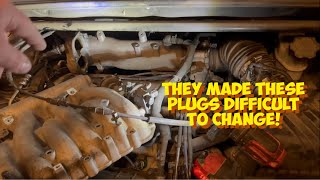
The key challenge with a P0305 on this specific Tucson is physical access. Cylinder 5 is located on the rear bank of the V6, underneath the upper intake manifold plenum. This means a simple spark plug or coil replacement requires several hours of labor to remove the intake manifold first. Because of this high-labor barrier, it's standard practice to replace all ignition components (plugs, wires, and coils) for the entire rear bank (cylinders 1, 3, and 5) during a single repair to avoid repeating the job a few months later for an adjacent cylinder.
Symptoms You May Notice
- Flashing or solid Check Engine Light
- Rough or shaky idle
- Engine hesitation or stumbling during acceleration
- Noticeable loss of power
- Poor fuel economy
- Potential smell of raw fuel from the exhaust
- Replacing only the spark plug for cylinder 5 without replacing the others on the rear bank, leading to another misfire code (P0301 or P0303) shortly after.
- Replacing oxygen (O2) sensors, which may have their readings skewed by the unburnt fuel from the misfire but are not the root cause.
Most Likely Causes
- Worn Spark Plugs or Faulty Spark Plug Wires 🔴 High Probability → Shop Spark Plug Due to the difficulty of accessing the rear bank, these routine maintenance items are often neglected past their service life, leading to failure. Wires can become brittle and plugs can wear, causing a weak or inconsistent spark.
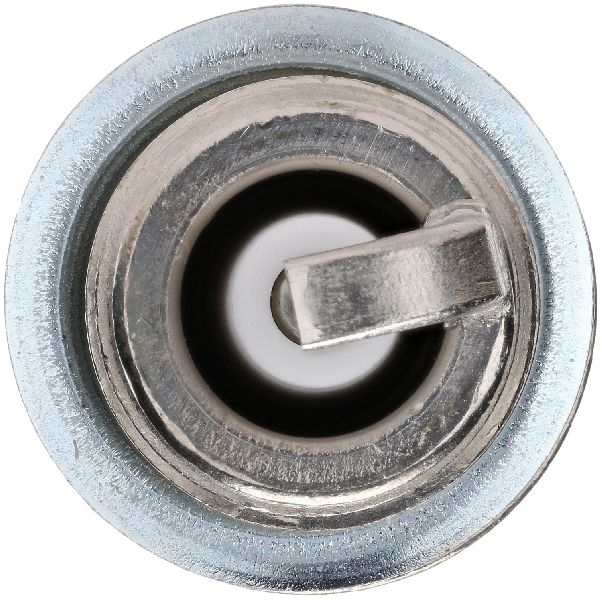
How to confirm: Once the intake manifold is removed, inspect the spark plug for wear (eroded electrode), fouling (black, oily, or white deposits), or damage. Inspect the spark plug wire for cracks, corrosion on the terminals, or brittleness.
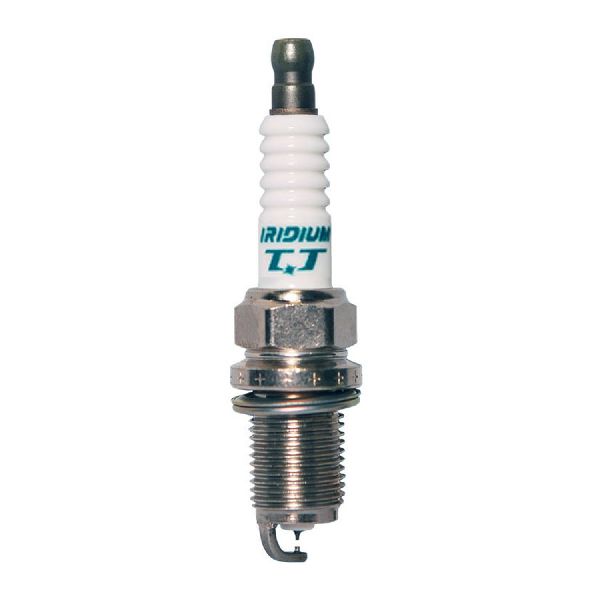
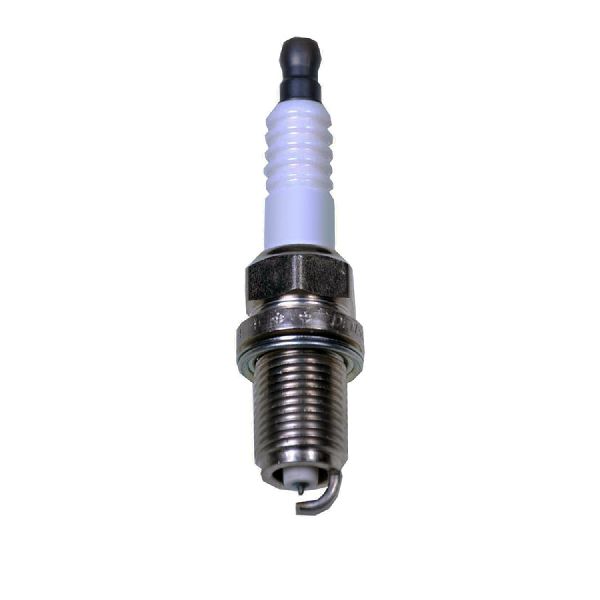
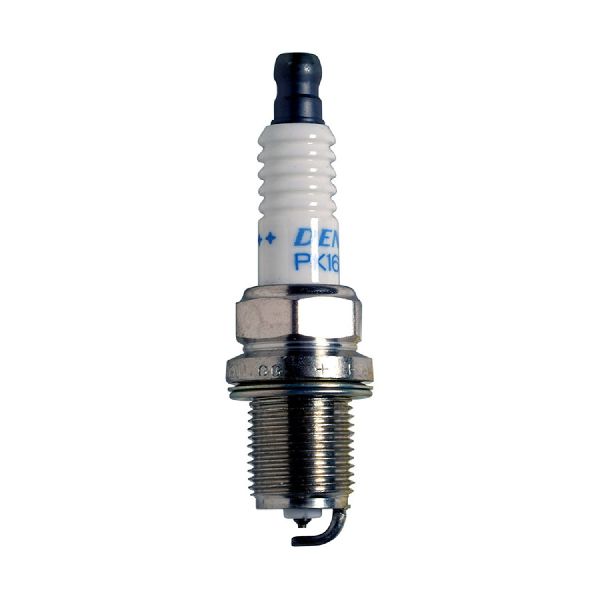
Typical fix: Replace all three spark plugs and wires on the rear bank (cylinders 1, 3, 5). It is inefficient to replace just one due to the labor involved. Use high-quality long-life (iridium or platinum) plugs. This is a common DIY fix documented in owner forums.
Est. part cost: $50-$100 - Failed Ignition Coil 🔴 High Probability → Shop Ignition Coil
How to confirm: The 2.7L V6 uses three ignition coils in a waste-spark system. Each coil fires two cylinders simultaneously. The coil for cylinder 5 also fires cylinder 2. Therefore, a failing coil can trigger both P0305 and P0302 codes. A common diagnostic step is to swap the coil suspected of being faulty with another one (e.g., swapping the 2-5 coil with the 4-1 coil). However, since accessing the rear coils requires removing the intake manifold, this test is impractical for P0305. It's best to test the coil's primary and secondary resistance with a multimeter once removed or replace it as preventative maintenance given the labor already invested.
Typical fix: Replace the ignition coil responsible for cylinder 5. Given the labor, many owners choose to replace all three coils at once, or at least the one on the rear bank. The coil is shared between cylinders 2 and 5.
Est. part cost: $40-$80 per coil - Clogged or Failed Fuel Injector 🟡 Medium Probability → Shop Fuel Injector
How to confirm: After confirming the spark plug and coil are good, the fuel injector is the next suspect. An electrical test can be done with a 'noid light' to see if the injector is receiving a pulse from the ECM. A more thorough test involves a mechanic checking the injector's flow rate and spray pattern, which requires removing the fuel rail.
Typical fix: Replace the faulty fuel injector. This also requires removing the intake manifold to access the fuel rail for the rear bank, so it's often done at the same time as ignition components if suspected.
Est. part cost: $70-$150
Rare But Worth Checking
- Vacuum Leak: A leak in the intake manifold gaskets (plenum gaskets), especially after being disturbed for a previous repair, can cause a lean condition and misfire on a specific cylinder or the entire bank.
- Low Engine Compression: This indicates a serious internal engine problem like a burnt valve, worn piston rings, or a head gasket failure. A compression test on cylinder 5 is required to diagnose this. Standard compression for this engine is 171 psi, with a minimum of 149 psi.
- Failed Crankshaft Position Sensor (CKP): A failing CKP sensor is a common issue on this platform and can cause a variety of symptoms, including intermittent stalling, hard starting, and engine misfires. While it often causes random misfires (P0300), it can sometimes manifest as a single-cylinder misfire initially.
Diagnosis Steps
- Confirm the P0305 code using an OBD-II scanner and check for any other stored codes, paying close attention to P0302, P0301, or P0303.
- Plan for the removal of the upper intake manifold (plenum) to gain access to the rear cylinder bank. This is a multi-hour job.
- Once the manifold is off, you have access to the spark plugs, wires, and coils for cylinders 1, 3, and 5.
- Inspect the ignition wire for cylinder 5 for any signs of damage, arcing, or corrosion.
- Remove the ignition coil and the spark plug for cylinder 5. Examine the spark plug's condition. A worn, fouled, or damaged plug is a likely culprit.
- Due to the significant labor involved, the most cost-effective and reliable strategy is to replace all three spark plugs and wires on the rear bank at this stage.
- Consider also replacing the ignition coil for the 5-2 cylinder pairing while access is available, as it is a common failure item.
- Always replace the upper intake manifold gaskets (plenum gaskets) to prevent future vacuum leaks. This is a mandatory step.
- If ignition components are replaced and the misfire persists, the next step is to inspect the fuel injector for cylinder 5.
- If all ignition and fuel components check out, a mechanical compression test is the final step to check for internal engine issues like worn valves or piston rings.
Parts You'll Likely Need
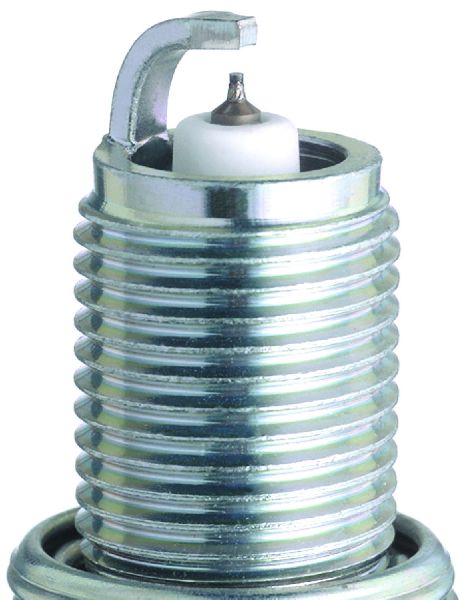
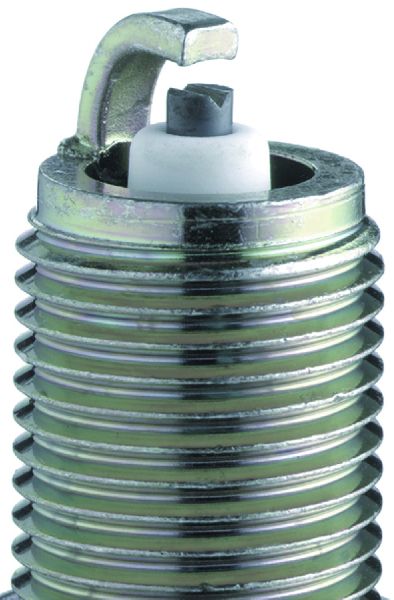
- Spark Plugs (Set of 3 for rear bank) — Spark plugs are a primary wear item and the most common cause of a single-cylinder misfire. Accessing them is labor-intensive, so they are the first part to replace.
Trusted brands: NGK, Denso
OEM price range: $15-$25 per plug
Aftermarket price range: $8-$15 per plug - Spark Plug Wire Set
(OEM #27501-37B00)— Like spark plugs, wires degrade over time and are a common failure point. They should be replaced with the plugs. This part number is also used on the Kia Sportage with the same engine.
Trusted brands: NGK, Denso, Standard Motor Products
OEM price range: $60-$90
Aftermarket price range: $30-$50 - Ignition Coil
(OEM #27301-37150)— The ignition coil provides the high voltage for the spark. Heat and age cause them to fail. It's wise to replace the coil for cylinder 5/2 during the repair. This OEM part number is confirmed for the 2.7L Tucson.
Trusted brands: Delphi, Bosch, Standard Motor Products
OEM price range: $80-$120
Aftermarket price range: $40-$80 - Intake Manifold Gasket (Plenum Gasket)
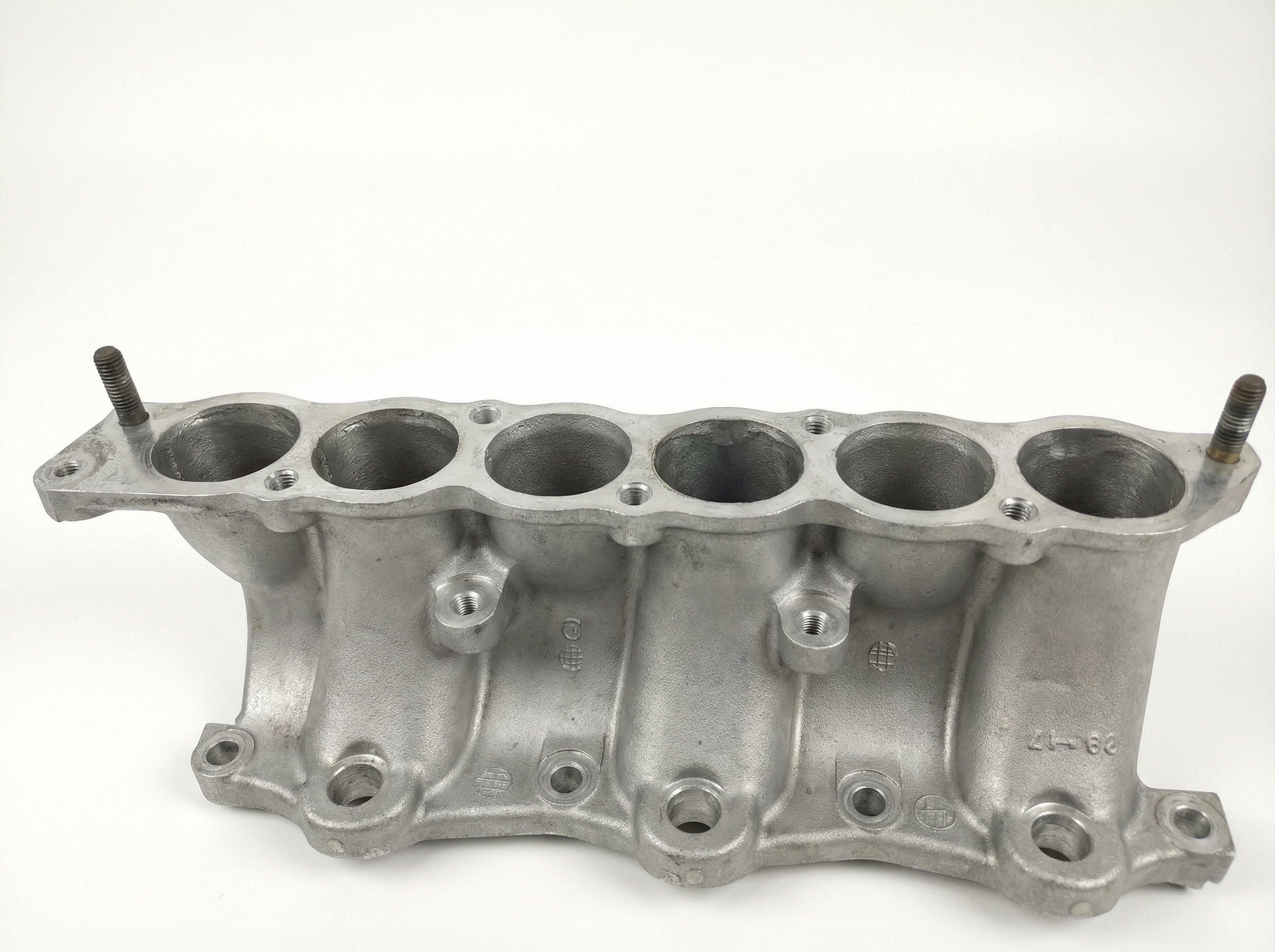
(OEM #29215-37100)— This gasket must be replaced whenever the intake manifold is removed to ensure a proper seal and prevent vacuum leaks. This part is also referred to as a 'Surge Tank Gasket'.
Trusted brands: Fel-Pro, Mahle, Victor Reinz
OEM price range: $20-$30
Aftermarket price range: $10-$20
Related Codes That Often Appear With This One
- P0300 — If the cause of the misfire (like a major vacuum leak or failing crankshaft sensor) affects multiple cylinders, a P0300 (Random/Multiple Cylinder Misfire) may be stored alongside P0305.
- P0302 — The 2.7L engine uses a waste-spark ignition system where one coil fires two cylinders. The coil for cylinder 5 is paired with cylinder 2. A failing coil can cause a misfire on both cylinders, making a P0302 code a strong clue that the 2-5 coil is the culprit.
- P0301, P0303 — If the entire rear bank of ignition components is old, it's common for other cylinders on that bank to fail around the same time, triggering these codes as well.
Technical Service Bulletins (TSBs) & Recalls
- TSB 09-BD-007: While not directly for P0305, this TSB addresses corrosion of the front and rear subframes in 'Salt Belt' states. This is a critical safety and structural issue for the platform that owners should be aware of, as severe rust can affect suspension mounting points.
Platform-Specific Known Issues
- Owner Experience: A user on Reddit with a 2007 Tucson confirmed the cylinder layout (1, 3, 5 top/rear; 2, 4, 6 bottom/front) while diagnosing a misfire on cylinder 6.
- Repair Story: A video diagnosis on a 2008 Santa Fe with the same 2.7L engine and a P0305 code demonstrates using an oscilloscope to confirm a bad ignition signal at the coil connector before removing the intake manifold, saving diagnostic time and preventing misdiagnosis of a fuel injector issue.
Mechanic-Grade Diagnostic Values
- Ignition Coil Resistance (Part # 27301-37150) — expected: Primary: ~0.74 Ω, Secondary: ~13.6 kΩ. Failure: A reading of infinite resistance (open circuit) or significantly outside the expected range.
- Fuel Injector Resistance (Part # 35310-37150) — expected: Approximately 13.8 - 15.2 Ω at 68°F (20°C).. Failure: A reading well outside this range, especially a much lower reading for a 'circuit low' code or infinite for a 'circuit open' code, indicates a faulty injector coil.
- Fuel Pressure (at fuel rail test port) — expected: 38 - 50 PSI with the engine running and the vacuum hose disconnected from the fuel pressure regulator.. Failure: Low pressure suggests a clogged filter or failing fuel pump. High pressure suggests a faulty fuel pressure regulator.
- Engine Compression — expected: Standard: 171 PSI (1177 kPa). Minimum allowable: 149 PSI (1029 kPa).. Failure: Pressure below the minimum, or a difference between any two cylinders greater than 14 PSI, indicates internal engine wear (rings, valves, head gasket).
Hidden / Shadow Codes Worth Checking
- Mode 6, Test ID $53: This is not a hidden code, but a standard OBD-II function that advanced scanners can access. It provides raw misfire count data for each cylinder during the current and last 10 driving cycles. For P0305, a technician would look at the misfire counter for cylinder 5 (Component ID $05) to see if it is actively incrementing. (see via An advanced OBD-II scan tool with Mode 6 capability.)
Scan Tool Commands That Help
- Hyundai GDS (Global Diagnostic System): Actuation Test — To individually test components without removing them. For a P0305, a technician can use this function to disable the fuel injector for cylinder 5. If the engine's running condition does not change, it confirms that cylinder was not contributing, pointing towards a problem with its fuel or spark.
- Hyundai GDS (Global Diagnostic System): Resetting Adaptive Values — After replacing a component like a fuel injector or fixing a vacuum leak, this function should be used to clear the long-term fuel trim values from the ECM. This forces the computer to relearn the fuel strategy with the new parts, preventing it from running too rich or lean based on old data.
- Hyundai GDS (Global Diagnostic System): DTC Analysis (Cylinder Misfire Data) — The GDS provides more than just the stored code; it can display a live counter of misfire events per cylinder. This helps confirm that cylinder 5 is the only one misfiring and allows the technician to see if the misfire is constant or only occurs under specific conditions (e.g., high RPM, idle).
Wiring & Ground Locations
- ECM (Engine Control Module) — Under the driver's side of the dashboard.. This is the source of the command signals for the ignition coils and fuel injectors. In rare cases of persistent misfires with good components, the driver circuit within the ECM could be at fault.
- Plenum Ground Strap — A ground wire attached to the upper intake manifold (plenum) with a 10mm bolt.. This ground is critical for the ignition system. It must be removed to take off the intake manifold for the P0305 repair. Forgetting to reinstall it or ensuring it has a clean, tight connection can cause weak spark and persistent or random misfires.
- G01 Ground — Under the right center of the dashboard.. This is a major interior ground point. While less likely to be the direct cause of a single cylinder misfire, a poor connection here can cause a variety of strange electrical issues with dash lights and modules.
- Engine Compartment Fuse/Relay Box — In the left front corner of the engine compartment.. This box contains fuses and relays critical to the engine management system, including the main ECU fuse, injector fuse, and fuel pump relay. A fault here would typically affect more than just one cylinder but is a key checkpoint for any no-spark or no-fuel condition.
OEM Part Supersession History
27301-37150→N/A— This ignition coil part number appears to be stable for the 2005-2009 model years.
Heads up: No known supersession issues. The part is widely cross-referenced by major aftermarket brands like NGK, Delphi, and Bosch under numbers such as UF498 and C1501.
Model Year Variations Within This Range
- 2005-2009: While there was a minor cosmetic refresh for the 2009 model year and trim level names changed (e.g., LX became Limited in 2006), the 2.7L Delta V6 engine, 4-speed automatic transmission, and associated engine management systems remained consistent. The diagnostic and repair procedure for a P0305 code is identical for all V6 models in this generation.
Diagnostic Flowchart
Other Known Issues on This Vehicle
Issues unrelated to this code that are worth knowing about as an owner of this generation:
- Subframe and Control Arm Corrosion 🔴 High — Very common in regions that use road salt (the 'Salt Belt'). Can occur even on vehicles treated under recall. (Ref: Hyundai Recall 113 (NHTSA 13V-354) and other service campaigns (e.g., TSB 09-BD-007) were issued to inspect and treat or replace affected components.)
- Timing Belt Hydraulic Tensioner Failure 🔴 High — A known weak point. Failure often occurs before the timing belt service interval, typically signaled by a rattling noise on cold starts. (Ref: No specific recall, but it is a widely acknowledged failure point. Since the 2.7L is an interference engine, a failed tensioner can lead to catastrophic engine damage.)
- Crankshaft Position Sensor (CKP) Failure 🟠 Medium — Common around the 100,000-mile mark. Can cause intermittent stalling, difficulty starting, and sometimes misfire codes.
- Ineffective Misfire Recognition by ECM 🟡 Low — The engine control system on this platform is noted for not always being effective at isolating simple issues like a single bad spark plug, sometimes allowing a misfire to continue without a specific code until it becomes more severe.
Used vs. New Parts: Buying Guide for This Vehicle
When a used part is the smart pick: Using a salvaged part is generally not recommended for this repair, as the primary causes are wear-and-tear items (plugs, wires, coils). A used part may have little remaining service life. A used intake manifold or fuel rail could be considered if the original was physically damaged during repair, but not the electronic or ignition components themselves.
Donor-vehicle mileage cap: roughly under 50000 miles for the part to have meaningful remaining life.
What to inspect on the donor part:
- For an ignition coil or fuel injector, inspect for cracks in the plastic housing.
- Ensure electrical connector pins are clean, straight, and free of corrosion.
- Avoid parts from vehicles that show signs of flood damage or engine fire.
OEM-only on this vehicle (don't cheap out):
- While not strictly 'OEM-only', using unbranded, no-name ignition coils or fuel injectors from online marketplaces is highly discouraged. Failures are common and repeating the labor-intensive intake manifold removal is costly and frustrating.
Aftermarket brands forum-validated for this vehicle:
- Ignition Coils: Delphi, Bosch, NGK
- Spark Plugs / Wires: NGK, Denso
- Gaskets: Fel-Pro, Mahle, Victor Reinz
Brands owners have reported issues with on this vehicle:
- Be cautious with lesser-known or unbranded 'white box' parts, as quality control can be inconsistent. While some may work, the risk of premature failure often outweighs the initial cost savings for a labor-intensive job like this.
Documented NHTSA Reports
NHTSA ODI #10520742
Symptoms: An owner reported that the vehicle would quickly slow down from 70 MPH to 35 MPH without warning, accompanied by the Check Engine Light and code P0305.
Context: The report notes this as a continuing problem with no fix that resulted in several near misses on the road.
NHTSA ODI #10508566 (Cross-Model Reference)
Symptoms: While reported on a different model (Genesis), this record describes a scenario where multiple misfire codes, including P0302, P0303, P0304, P0305, and P0306, were detected simultaneously.
Context: A service writer verbally advised the owner that the misfire was detected across nearly all cylinders.
Real Owner Stories
Aggregated from forums and TSBs cited above. Mileages and costs reflect what owners reported in those sources.
2007 Hyundai Tucson 2.7L V6
Symptoms: Owner was diagnosing a misfire and confirmed the cylinder layout for the Delta engine as 1, 3, 5 on the top/rear bank and 2, 4, 6 on the bottom/front bank.
What fixed it: Used the cylinder layout to isolate the misfire location (specifically noted while diagnosing cylinder 6).
Source hint: Reddit user on r/MechanicAdvice
2005 Hyundai Santa Fe 2.7L V6
Symptoms: Misfires across the entire rear bank (P0300, P0301, P0303, P0305).
What fixed it: Identified an incorrectly installed camshaft by a previous technician as the mechanical cause of the rear bank misfires.
Source hint: ScannerDanner Forum - Thread 'FIXED] 05 HYUNDAI SANTA FE 2.7L P0300 P0301 P0303 P0305'
2006 Hyundai Tucson 2.7L V6
Symptoms: Rear trailing arm mount separating from the subframe due to severe rust.
What fixed it: Addressed via the rear subframe recall/corrosion service campaigns.
Source hint: hyundai-forums.com - Thread 'Rear SubFrame Recall ?'
2008 Hyundai Santa Fe 2.7L V6
Symptoms: P0305 code present.
What fixed it: Technician used an oscilloscope to confirm a bad ignition signal at the coil connector before removing the intake manifold, preventing unnecessary fuel injector replacement.
Source hint: Video diagnosis on a 2008 Santa Fe
Related OBD-II Codes
Frequently Asked Questions
Why is the labor for P0305 so much higher on the 2.7L V6 compared to other engines?
Can a single faulty ignition coil cause both P0305 and P0302 on my Tucson?
Should I only replace the spark plug for cylinder 5 to save money?
Is there a TSB for the rust I see near my rear suspension while fixing this misfire?
What type of spark plugs should I use for the 2.7L V6?
Could a rattling noise on cold starts be related to my misfire issues?
Helpful Videos
Used OEM Parts in Stock
New Aftermarket Parts Available

The information in this article is provided for general reference and educational purposes only. Vehicle specifications, procedures, and part compatibility can vary by production date, trim level, and region. Always consult your vehicle's factory service manual and verify part numbers before purchasing or performing repairs. Safety-critical components such as airbags, seat belts, and braking systems should be installed by a qualified professional.
- Hyundai Tucson:
- 🧭 Diagnostic Flowchart
- 🎬 Helpful Videos
- 🛍️ Shop This Part
- What's Unique About the 2005-2009 Hyundai Tucson
- Symptoms You May Notice
- Most Likely Causes
- Rare But Worth Checking
- Diagnosis Steps
- Parts You'll Likely Need
- Related Codes That Often Appear With This One
- Technical Service Bulletins (TSBs) & Recalls
- Platform-Specific Known Issues
- Mechanic-Grade Diagnostic Values
- Hidden / Shadow Codes Worth Checking
- Scan Tool Commands That Help
- Wiring & Ground Locations
- OEM Part Supersession History
- Model Year Variations Within This Range
- Other Known Issues on This Vehicle
- Used vs. New Parts: Buying Guide for This Vehicle
- Documented NHTSA Reports
- NHTSA ODI #10520742
- NHTSA ODI #10508566 (Cross-Model Reference)
- Real Owner Stories
- 2007 Hyundai Tucson 2.7L V6
- 2005 Hyundai Santa Fe 2.7L V6
- 2006 Hyundai Tucson 2.7L V6
- 2008 Hyundai Santa Fe 2.7L V6
- Related OBD-II Codes
- Frequently Asked Questions
- 🎟️ Get 5% Off