

P0305 on 2007-2011 Jeep Wrangler 3.8L: Cylinder 5 Misfire Causes and Fixes
On a 2007-2011 Wrangler with the 3.8L V6, code P0305 is most often caused by a worn-out spark plug, a bad spark plug wire, or a failing ignition coil pack. The engine's known oil consumption issue often fouls the spark plug in cylinder 5, making it a primary suspect. A full set of plugs and wires is a common fix and costs around $70-$150 for parts.
- P0305 on a 3.8L Wrangler is a misfire on the rearmost passenger-side cylinder.
- Start your diagnosis with the simple and high-probability items: the spark plug and spark plug wire for cylinder 5.
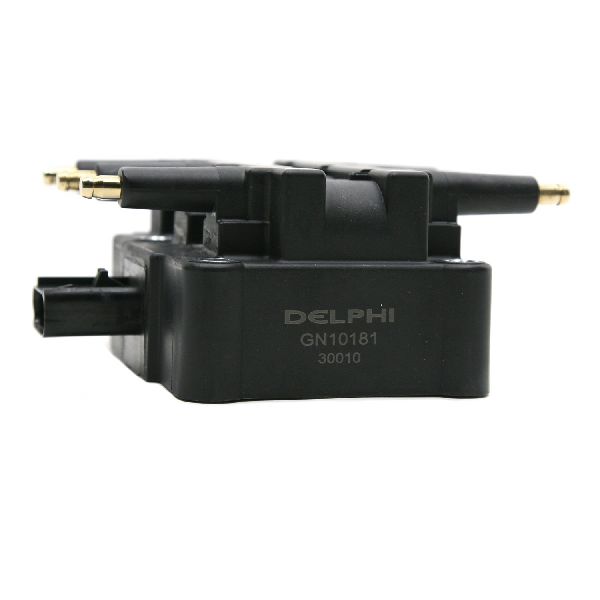
- This engine uses a single coil pack with wires, not coil-on-plug. The entire pack must be replaced if it's faulty.
- Do not confuse this issue with the well-known valvetrain problems of the newer 3.6L Pentastar engine found in 2012+ Wranglers.
- Check your engine oil level, as this engine's tendency to burn oil can foul spark plugs and cause this code.
What's Unique About the 2007-2011 Jeep Wrangler
Unlike the later 3.6L Pentastar engine known for mechanical valvetrain failures, the 3.8L V6 in the 2007-2011 Wrangler is more straightforward. Misfires are almost always tied to its conventional ignition system, which uses a single ignition coil pack and spark plug wires rather than a coil-on-plug design. This engine, often called the "minivan engine" because of its origins in Chrysler minivans, is also known for consuming oil, which can foul spark plugs over time and lead to misfires. The diagnostic process typically focuses on these basic, accessible tune-up components.
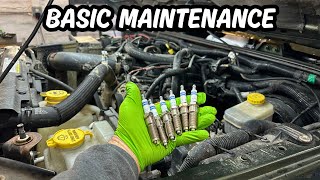
🎬 Watch: Complete 3.8L tune-up guide for plugs, wires, and coils.Symptoms You May Notice
- Flashing or solid Check Engine Light
- Rough or shaky idle
- Engine hesitation or stumbling during acceleration
- Noticeable loss of power
- Poor fuel economy
- Smell of unburnt fuel from the exhaust
- Engine running rough, especially at startup or under load
- Valvetrain noise, as noted in manufacturer service records regarding misfire codes
- Replacing only the spark plug without inspecting the wire and coil pack. Often, more than one ignition component is at the end of its service life.
- Confusing diagnostic information from the 3.6L Pentastar engine (2012+ models), which has common valvetrain failures that do not apply to the 3.8L engine.
- Assuming a new spark plug is good. One owner chased a misfire for weeks, replacing many parts, only to find the issue was resolved by replacing the relatively new spark plugs with a different, high-quality brand.
Most Likely Causes
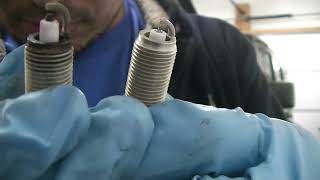
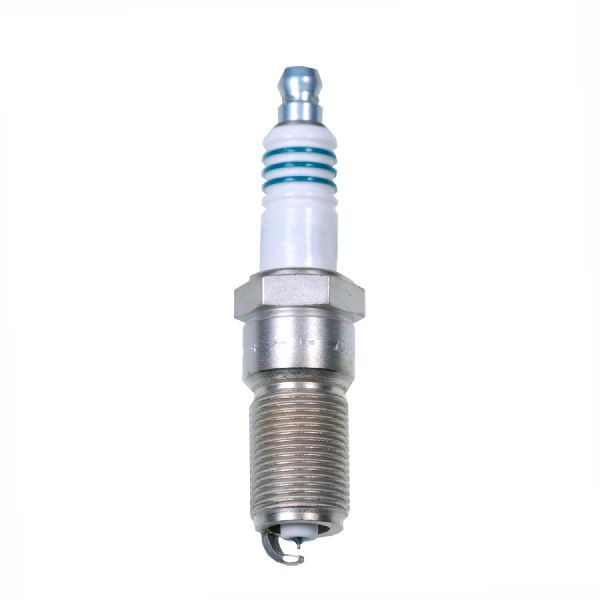
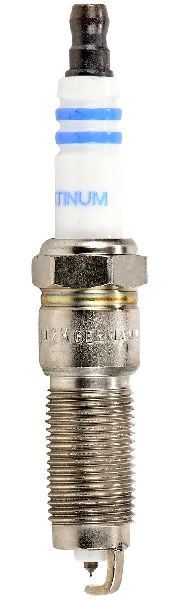
- Worn Spark Plugs 🔴 High Probability → Shop Spark Plug Spark plugs are a standard maintenance item. The 3.8L's tendency to burn oil can also foul plugs, causing a weak or non-existent spark. A plug from a misfiring cylinder may appear black and oily.
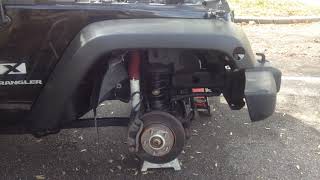
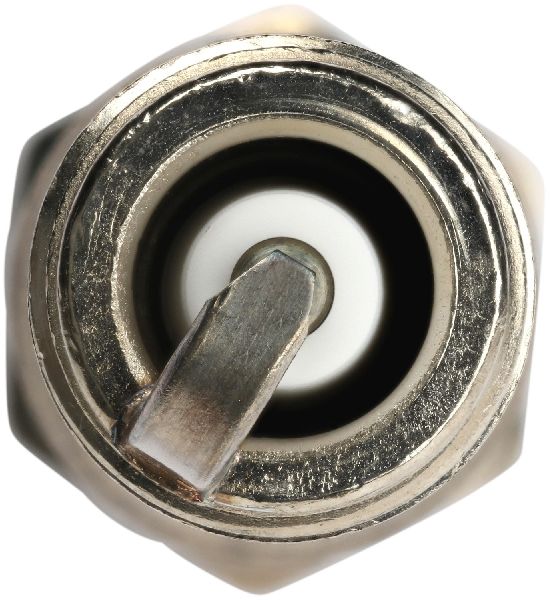
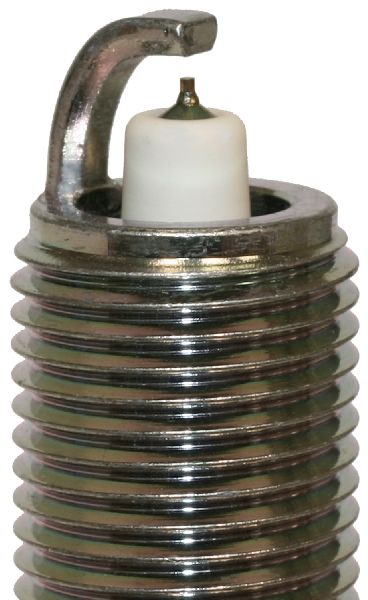
How to confirm: Remove the spark plug from cylinder 5 (passenger side, rear). Inspect it for wear, corrosion, oil fouling, or a cracked insulator. The gap should be 0.050 inches. Accessing the rear plugs can be made easier by removing the inner fender liner. 🎬 See how to access and remove the tricky passenger side plugs.
Typical fix: Replace the spark plug. It is highly recommended to replace all six spark plugs at the same time for even performance. Many owners report success fixing a misfire simply by upgrading to quality Iridium plugs.
Est. part cost: $5-$15 per plug - Faulty Spark Plug Wire 🔴 High Probability → Shop Spark Plug The 3.8L uses spark plug wires which degrade over time due to heat and vibration, leading to increased resistance or arcing. The wires for the passenger side cylinders (1, 3, 5) are routed behind the engine and can be difficult to inspect and replace.
How to confirm: Inspect the wire for cylinder 5 for cracks, burns, or corrosion at the terminals. A simple diagnostic test is to swap the #5 wire with another cylinder's wire (e.g., #3) and see if the misfire code changes to P0303. Be sure to route the new wires correctly to avoid contact with hot exhaust components.
Typical fix: Replace the spark plug wire. It is best practice to replace the entire set of six wires. A common DIY tip is to tape the new wire to the old one before pulling it through from behind the engine to make routing easier.
Est. part cost: $40-$100 for a full set - Defective Ignition Coil Pack 🟡 Medium Probability → Shop Ignition Coil The single coil pack is responsible for firing all six cylinders. Over time, cracks can develop in the housing, or an internal coil winding can fail. The 3.8L uses a wasted spark system, where cylinders 2 and 5 are paired and fire from the same internal coil. A failure in this specific part of the coil can cause a P0305.
How to confirm: Inspect the coil pack for cracks or burn marks, especially around the #5 terminal tower. A multimeter can be used to check the resistance of the primary and secondary windings. The most definitive test is to check for spark at the #5 wire; if spark is weak or absent but present on its paired cylinder (#2), the coil pack is likely faulty. Some owners have successfully diagnosed a bad coil by swapping it with a known good one.
Typical fix: Replace the single ignition coil pack.
Est. part cost: $50-$120 - Clogged or Faulty Fuel Injector ⚪ Low Probability → Shop Fuel Injector
How to confirm: If ignition components are confirmed good, swap the fuel injector from cylinder 5 with another cylinder (e.g., cylinder 3). Clear the codes and drive. If the code changes to P0303, the injector is the problem. This is often considered after ignition parts are replaced and the misfire persists.
Typical fix: Replace the faulty fuel injector. It's often recommended to replace the upper intake plenum gaskets 🎬 Watch: How to diagnose and fix a faulty fuel injector. when doing this job.
Est. part cost: $40-$90 per injector
Rare But Worth Checking
- Low Cylinder Compression: This indicates a more serious internal engine problem, such as worn piston rings (sometimes related to the 3.8L's oil consumption), a burnt valve, or a leaking head gasket. A compression test is required to diagnose this. One owner on a forum reported a P0305 after severely overheating the engine, which likely caused internal damage.
- Intake Manifold Gasket Leak: → Shop Engine Intake Manifold A vacuum leak near the intake runner for cylinder 5 can lean out the air/fuel mixture enough to cause a misfire. This can be diagnosed with a smoke test.
- Powertrain Control Module (PCM) Failure: In very rare cases, the driver circuit within the PCM that controls the ignition coil can fail. This is a known issue for 2007-2011 Wranglers, though not extremely common. This should only be considered after all other possibilities have been exhaustively ruled out. A failed ignition coil can sometimes damage the PCM, requiring both to be replaced.
- Cracked Exhaust Manifold: A cracked exhaust manifold on Bank 1 (passenger side) is a known issue on the 3.8L engine and can sometimes lead to O2 sensor issues or, less commonly, contribute to misfire-like symptoms by affecting sensor readings.
Diagnosis Steps
- Read the code with an OBD-II scanner to confirm P0305 and check for any other codes. Note if the Check Engine Light is flashing, indicating a severe misfire.
- Visually inspect the spark plug wire for cylinder 5 (passenger side, rear) for any signs of damage, arcing, or corrosion.
- Remove and inspect the spark plug for cylinder 5. Look for signs of oil fouling (a common issue with the 3.8L), wear, or damage. While it's out, check the plug gap (spec is 0.050"). It is highly recommended to replace all six plugs if they are old.
- If the misfire persists, swap the spark plug wire from cylinder 5 with the wire from cylinder 3. Clear the codes and run the engine. If the code changes to P0303, the wire is bad.
- If the misfire remains on cylinder 5, inspect the ignition coil pack for cracks or burn marks. Test for spark output at the #5 terminal. If possible, swap the coil pack with a known good unit.
- If the ignition system seems healthy, proceed to test the fuel system. Swap the fuel injector from cylinder 5 with cylinder 3. If the code moves to P0303, the injector is faulty.
- If all of the above steps do not resolve the issue, perform a cylinder compression test to check for internal mechanical engine problems. A healthy 3.8L should have compression over 140 PSI per cylinder.
Parts You'll Likely Need
- Spark Plugs
(OEM #SPZFR6F11G)— This is the most common failure item for any misfire code and a routine maintenance part. Oil fouling from the 3.8L's consumption issue makes plugs a primary suspect.
Trusted brands: NGK, Champion, Autolite Iridium
OEM price range: $10-$20 per plug
Aftermarket price range: $5-$15 per plug - Spark Plug Wire Set
(OEM #68017712AB)— Wires are the second most likely cause, as they degrade over time and are a critical part of the ignition system on the 3.8L engine.
Trusted brands: Mopar, NGK, Denso
OEM price range: $70-$110
Aftermarket price range: $40-$80 - Ignition Coil Pack
(OEM #56029098AB)— The single coil pack is a common point of failure that can cause a single-cylinder misfire, especially if cracked or internally shorted.
Trusted brands: Mopar, NGK, Delphi
OEM price range: $80-$150
Aftermarket price range: $50-$120
Related Codes That Often Appear With This One
- P0300 — If the root cause, like a failing coil pack or major vacuum leak, begins to affect other cylinders, a P0300 (Random/Multiple Cylinder Misfire) may be triggered.
- P0302 — Because the 3.8L uses a wasted spark system where cylinders 2 and 5 are paired on the same coil, a failure in that specific part of the coil pack can sometimes cause misfires on both cylinders.
Technical Service Bulletins (TSBs) & Recalls
- While no TSB is specific to P0305, TSB 09-005-08 was issued for early 3.8L engines regarding excessive oil consumption, which is a primary root cause of spark plug fouling that leads to this code. The TSB outlined a procedure for dealers to test consumption and potentially replace the engine short block.
- Manufacturer Bulletin #09-011-25 notes that customers may comment on rough idle or valvetrain noise in conjunction with DTC P0305.
- Bulletin #18-003-23 describes instances where the Malfunction Indicator Lamp (MIL) for P0305-00 may illuminate specifically during 4WD-LO operation.
- Other manufacturer records, such as Bulletin #1805223, Bulletin #18-158-22, and Bulletin #1400322REVA, confirm P0305 as a recognized diagnostic trouble code that may be accompanied by a rough idle.
Platform-Specific Known Issues
- The 3.8L EGH V6 is widely known for higher-than-average oil consumption, which can foul spark plugs and lead to misfires. It's also susceptible to cracked exhaust manifolds and occasional PCM failures.
Mechanic-Grade Diagnostic Values
- Fuel Pressure (Key On, Engine Running) — expected: 58 PSI +/- 2 PSI. Failure: Pressure significantly below 56 PSI could indicate a weak fuel pump, causing a lean condition and misfires.
- Fuel Injector Resistance — expected: Approximately 11.5 to 14 Ohms when cold.. Failure: A reading of 'OL' (Open Loop) or infinite resistance, especially when the engine is hot, points to an internal failure of the injector coil. This is a known heat-soak issue.
- Ignition Coil Primary Resistance — expected: Approximately 0.55 Ohms.. Failure: A reading significantly higher or lower than the specification indicates a fault in the primary winding.
- Ignition Coil Secondary Resistance — expected: Approximately 11.7 kOhms.. Failure: A reading far outside this range (e.g., 8.8-10.2 kOhms mentioned for a similar engine) or an open circuit ('OL') indicates a failure in the secondary winding.
Scan Tool Commands That Help
- Professional Scan Tool (e.g., WiTech, Autel, Snap-on): Cylinder Misfire Counter (Live Data) — Use this to confirm in real-time that cylinder #5 is the one misfiring, especially during a test drive when symptoms occur. This is the primary data the PCM uses to set the P0305 code.
- Professional Scan Tool (e.g., WiTech, Autel, Snap-on): Fuel Injector Balance Test — This function fires each injector for a set duration and measures the corresponding fuel pressure drop. A smaller pressure drop for cylinder 5 compared to others indicates a clogged or failing injector. This is a definitive fuel system test before physically swapping parts.
Wiring & Ground Locations
- Engine to Firewall Ground Strap — A braided ground strap runs from the passenger side of the engine block (often near the back, behind the catalytic converter heat shield) to the firewall.. This is a critical ground path for the engine management system. A corroded, loose, or broken strap is a common issue and can cause erratic behavior, including misfires, by creating an unstable ground reference for the PCM and ignition system.
- G201 / G203 — Located under the kick panel in the passenger footwell.. These are primary chassis ground points for interior electronics. While less likely to cause a single-cylinder misfire, a poor connection here can contribute to general electrical gremlins that may affect PCM operation.
- Battery to Engine/Frame Grounds — The main negative battery cable grounds to the engine block and body/fender area. There should also be grounds from the engine block to the frame.. The entire ignition system relies on a solid ground path back to the battery. A weak main ground can cause insufficient spark energy, leading to misfires, especially under load.
- PCM Connector C2, Pin 1 — This is the pin on the Powertrain Control Module's C2 connector for the ignition coil driver for cylinder #5.. When diagnosing a rare PCM failure, a technician would probe this pin to check for the control signal (a pulsed ground) being sent to the ignition coil. Absence of this signal when all other inputs are good points to a failed PCM driver.
Real Owner Repair Stories
- YouTube - South Main Auto Repair (2009 Jeep Wrangler JK 3.8L V6) — Intermittent rough running and misfire (P0204, but same diagnostic principle applies) only after the engine gets hot. Ran perfectly when cold.
❌ Tried (didn't work) Initial resistance check on the cold injector showed 13.4 Ohms, which was within the normal range.
✅ What actually fixed it The mechanic ran the engine until it was hot and the misfire appeared. Re-testing the hot fuel injector showed its resistance was 'OL' (Open Loop). The heat caused an internal winding to separate. Replacing the fuel injector solved the problem. - JK-Forum.com user (2007 Jeep Wrangler JK) — Persistent P0305 misfire, sometimes flashing check engine light. Seemed to get better after revving the engine but would return.
❌ Tried (didn't work) Replacing the ignition coil pack did not fix the issue.
✅ What actually fixed it The user suspected a leaking fuel injector was causing fuel to enter the oil. While the final resolution isn't posted in a single comment, the diagnostic path strongly points towards a faulty injector after the ignition system was ruled out. The discussion highlights that a leaking injector can cause oil thinning and intermittent misfires.
OEM Part Supersession History
56029098AA→56029098AB— Standard part revision, likely for improved reliability or manufacturing process.
Model Year Variations Within This Range
- 2011 only: The 2011 model year received a significantly upgraded interior with a new dashboard, instrument panel, and improved materials. While the 3.8L engine itself remained largely the same as prior years, some engine tuning revisions were made, and it was the last year before the switch to the 3.6L Pentastar in 2012.
- 2007-2010 vs 2011: The 3.8L engine used in the JK was continuously revised. Changes over its life included updates to the intake, a one-piece rear crank seal, and a different oil pan design to increase structural rigidity with the transmission. While these changes don't directly alter the P0305 diagnosis, they mean that not all engine components are interchangeable with the minivan version of the 3.8L.
Diagnostic Flowchart
Other Known Issues on This Vehicle
Issues unrelated to this code that are worth knowing about as an owner of this generation:
- Excessive Oil Consumption 🔴 High — Very common, especially on 2007-2008 models. Can start as early as 50k-70k miles. Consumption of 1 quart per 1,000 miles is not unheard of. (Ref: TSB 09-005-08)
- Totally Integrated Power Module (TIPM) Failure 🔴 High — Common across 2007-2013 models. Can cause a wide range of bizarre electrical issues, including no-start conditions, fuel pump failure, and horn/lights acting erratically. (Ref: Multiple TSBs and a class-action lawsuit relate to this issue.)
- Cracked Exhaust Manifolds 🟠 Medium — Common on the 3.8L engine due to heat cycling. Often presents as a ticking noise when the engine is cold, which may disappear as the metal expands and seals the crack.
- 'Death Wobble' - Front End Oscillation 🔴 High — A characteristic issue for solid front axle Jeeps, not specific to the engine. Can be triggered by hitting a bump at speed (40-60 mph) and is usually caused by worn steering or suspension components like the track bar, ball joints, or steering stabilizer.
- Leaking Rear Main Seal / Oil Pan Gasket 🟠 Medium — A common source of oil leaks on higher mileage 3.8L engines.
Used vs. New Parts: Buying Guide for This Vehicle
When a used part is the smart pick: For this repair, used parts are generally not recommended for the primary failure items. However, if a larger component like an intake manifold (if cracked) or a wiring harness connector is needed, a used part from a reputable auto recycler is a viable option.
Donor-vehicle mileage cap: roughly under 100000 miles for the part to have meaningful remaining life.
What to inspect on the donor part:
- For wiring, check for brittle insulation, corrosion on pins, or any signs of previous repair (splices, tape).
- For hard parts like manifolds, ensure there are no visible cracks, especially around bolt holes or seams.
- Verify the donor vehicle was not in a front-end collision that could have stressed the engine components.
OEM-only on this vehicle (don't cheap out):
- Powertrain Control Module (PCM): While aftermarket options exist, a new or remanufactured OEM unit programmed to your vehicle's VIN is the most reliable way to avoid compatibility issues.
Aftermarket brands forum-validated for this vehicle:
- Spark Plugs: NGK, Champion
- Ignition Wires: NGK, Denso, Mopar
- Ignition Coil: NGK, Delphi, Mopar
- Fuel Injectors: Bosch, Standard Motor Products (SMP)
Brands owners have reported issues with on this vehicle:
- Unbranded, no-name ignition coils and fuel injectors sold in cheap online multi-packs are frequently cited on forums as being unreliable, sometimes failing within weeks or months.
Real Owner Stories
Aggregated from forums and TSBs cited above. Mileages and costs reflect what owners reported in those sources.
2011 Jeep Wrangler JK 3.8L — 190000 miles
Symptoms: Extensive troubleshooting for P0305 including swapping plugs and wires and replacing the coil; compression test showed 140+ PSI.
What fixed it: Suspected fuel injector failure after all ignition components and compression were confirmed good.
Source hint: Reddit r/AskMechanics: '2011 Jeep jk 3.8 misfire'
2007-2011 Jeep Wrangler 3.8L
Symptoms: A heavily oil-fouled spark plug from cylinder 5 after the engine was overheated.
What fixed it: The owner noted severe oil burning led to the persistent misfire.
Source hint: JK-Forum.com: 'Cylinder 5 misfire P0305'
2007-2011 Jeep Wrangler 3.8L
Symptoms: Persistent P0305 misfire; tried a new coil pack without success and noted an oil leak on the same side.
What fixed it: Suspected a fuel injector after the coil pack failed to resolve the issue.
Source hint: JK-Forum.com: 'Another 3.8 misfire (P0305)'
Related OBD-II Codes
Frequently Asked Questions
Does TSB 09-005-08 apply to my 3.8L Wrangler if I have a P0305 code?
Why is cylinder 5 specifically prone to misfiring on the 2007-2011 Jeep Wrangler?
What spark plug gap should I use for my 2011 Wrangler 3.8L to prevent P0305?
Can a cracked exhaust manifold cause a misfire code on this vehicle?
Is there an easier way to access the cylinder 5 spark plug on the JK Wrangler?
Could my TIPM be causing the P0305 misfire?
Helpful Videos
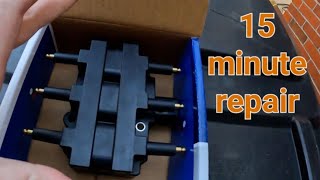
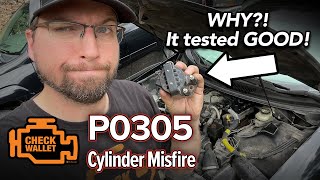
Used OEM Parts in Stock
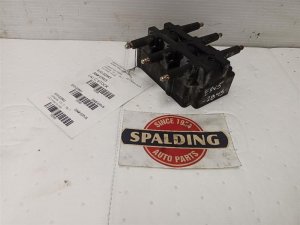
New Aftermarket Parts Available


The information in this article is provided for general reference and educational purposes only. Vehicle specifications, procedures, and part compatibility can vary by production date, trim level, and region. Always consult your vehicle's factory service manual and verify part numbers before purchasing or performing repairs. Safety-critical components such as airbags, seat belts, and braking systems should be installed by a qualified professional.
- Jeep Wrangler:
- 🧭 Diagnostic Flowchart
- 🎬 Helpful Videos
- 🛍️ Shop This Part
- What's Unique About the 2007-2011 Jeep Wrangler
- Symptoms You May Notice
- Most Likely Causes
- Rare But Worth Checking
- Diagnosis Steps
- Parts You'll Likely Need
- Related Codes That Often Appear With This One
- Technical Service Bulletins (TSBs) & Recalls
- Platform-Specific Known Issues
- Mechanic-Grade Diagnostic Values
- Scan Tool Commands That Help
- Wiring & Ground Locations
- Real Owner Repair Stories
- OEM Part Supersession History
- Model Year Variations Within This Range
- Other Known Issues on This Vehicle
- Used vs. New Parts: Buying Guide for This Vehicle
- Real Owner Stories
- 2011 Jeep Wrangler JK 3.8L — 190000 miles
- 2007-2011 Jeep Wrangler 3.8L
- 2007-2011 Jeep Wrangler 3.8L
- Related OBD-II Codes
- Frequently Asked Questions
- 🎟️ Get 5% Off