

P0305 on 2006-2010 Kia Optima 2.7L V6: Cylinder 5 Misfire Causes and Fixes
P0305 means cylinder 5 is misfiring. On the Kia Optima 2.7L V6, this cylinder is on the rear bank against the firewall, making access difficult. The most common cause is a failed ignition coil or spark plug. Due to the high labor involved, it's wise to replace all three rear coils, plugs, and the intake gaskets at the same time.
- P0305 on this vehicle points to a misfire on cylinder 5, which is on the difficult-to-access rear bank of the engine.
- The most probable cause is a bad ignition coil and/or spark plug.
- Due to the 2.5+ hours of labor required to remove the intake manifold, it is strongly recommended to replace all three rear ignition coils, spark plugs, and the intake gasket at the same time.
- A flashing Check Engine Light indicates a severe misfire that can quickly destroy the catalytic converter; do not drive the vehicle if this occurs.
- Ensure the timing belt has been replaced according to its 60,000-mile service interval, as a failure there can also cause misfires.
What's Unique About the 2006-2010 Kia Optima
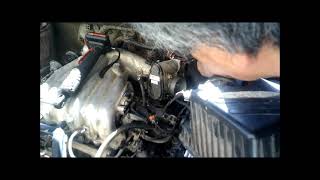
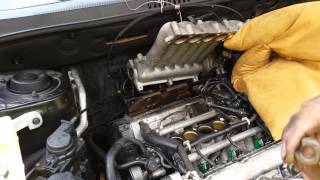
The defining challenge with a P0305 code on the 2006-2010 Kia Optima's 2.7L V6 is the location of cylinder 5. It is part of the rear cylinder bank (1-3-5), positioned against the firewall. Accessing the spark plug and ignition coil for this cylinder requires removing the entire upper intake manifold plenum. 🎬 See this walkthrough on removing the manifold to reach the plugs. This turns a simple ignition component replacement into a much more labor-intensive job, significantly impacting the repair time and cost compared to a misfire on the easily accessible front bank (cylinders 2-4-6). This design and its associated repair challenges are shared across numerous Hyundai and Kia models that used the Delta 2.7L V6 engine.
Symptoms You May Notice
- Rough or shaking idle
- Noticeable loss of power and hesitation during acceleration
- Flashing or solid Check Engine Light
- Decreased fuel economy
- A smell of raw fuel from the exhaust
- Replacing only the spark plug without replacing the ignition coil (or vice-versa). Given the high labor cost to access the rear bank, it is inefficient and risky not to replace both.
- Replacing front bank (2, 4, 6) ignition components when the code is for a rear bank cylinder.
- Assuming a bad catalytic converter is the cause, when it is more often the victim of the misfire.
Most Likely Causes
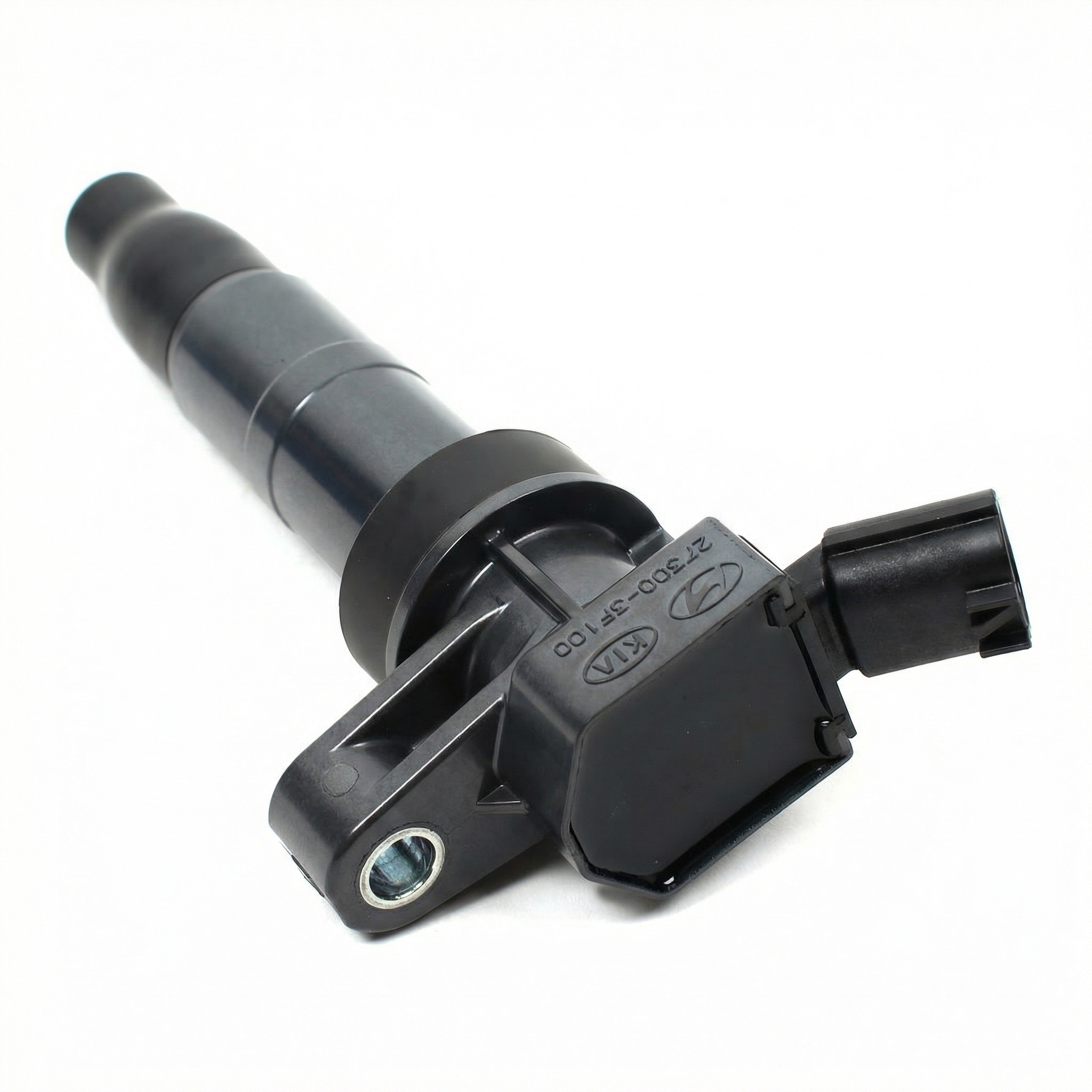
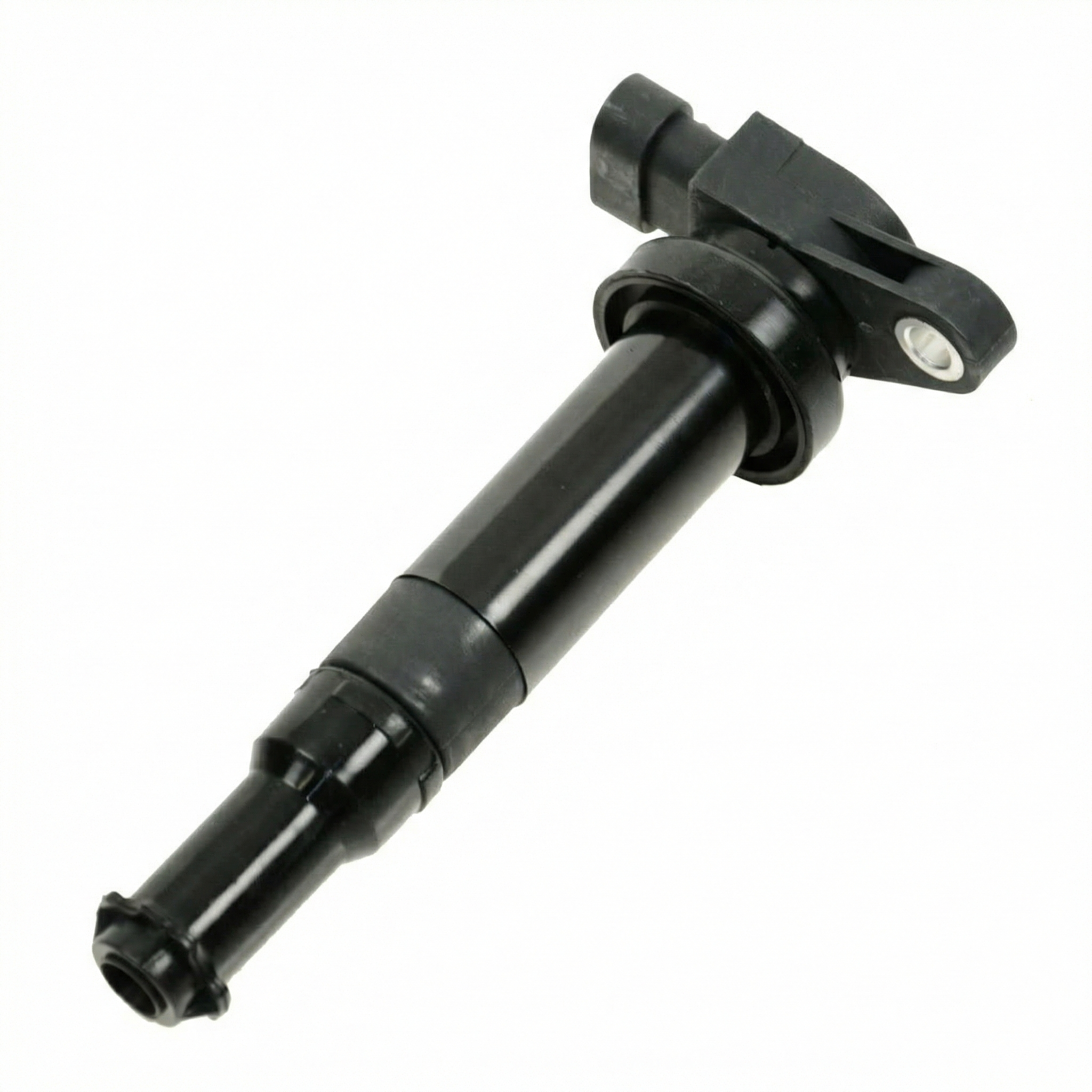
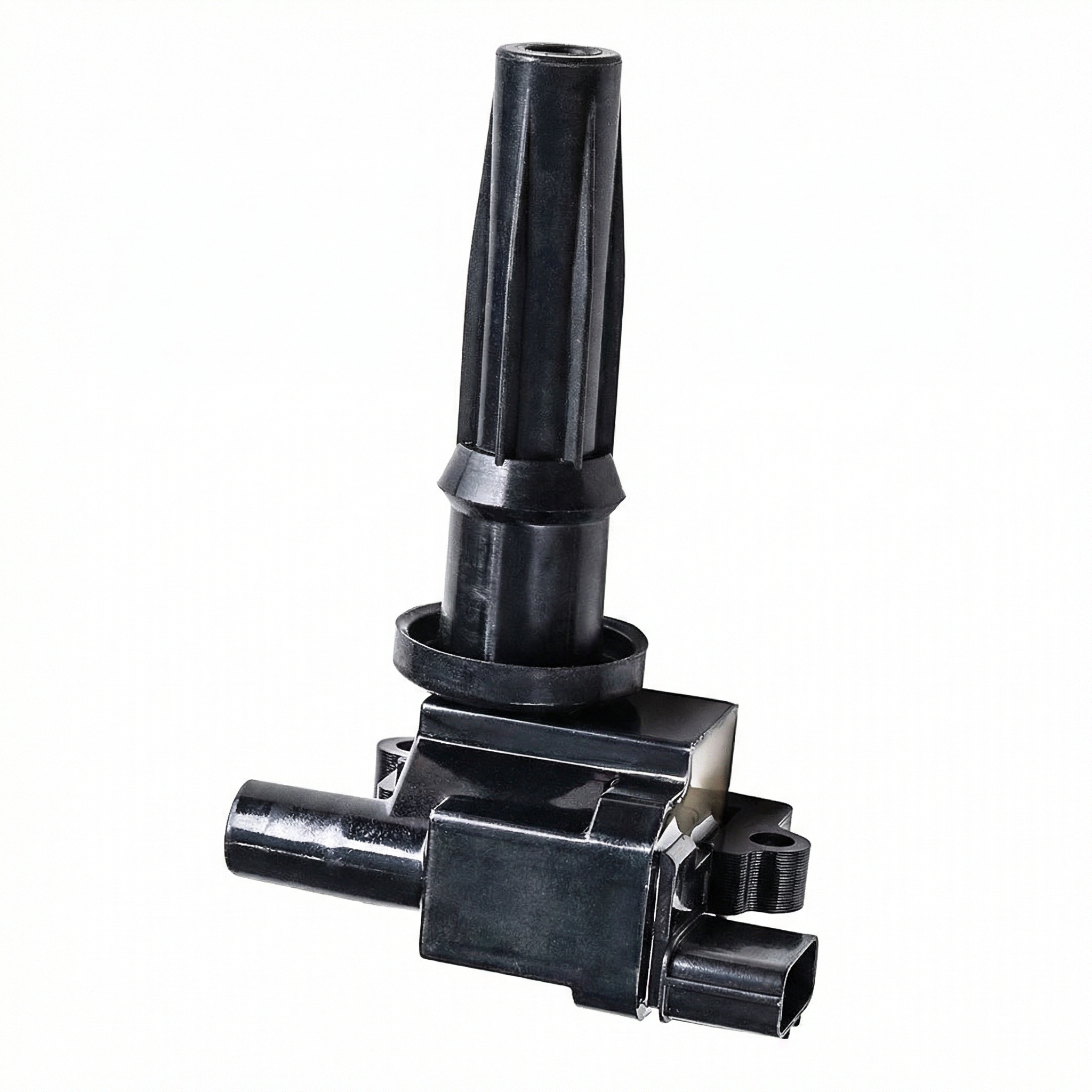
- Failed Ignition Coil 🔴 High Probability → Shop Ignition Coil Ignition coils are common wear items that fail with age and heat cycles. The rear coils on this V6 are in a high-heat area with less airflow, potentially leading to a higher failure rate.
How to confirm: The most definitive test is to swap the coil with another cylinder, but this is impractical due to its location. Given the labor to access it, replacement is the most common diagnostic step. A mechanic can test the coil's resistance and output if it's removed.
Typical fix: Replace the ignition coil for cylinder 5. It is highly recommended to replace all three rear coils (cylinders 1, 3, 5) at the same time due to the labor involved in accessing them.
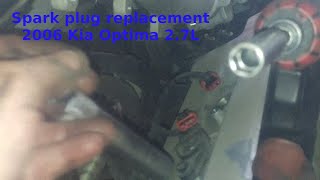
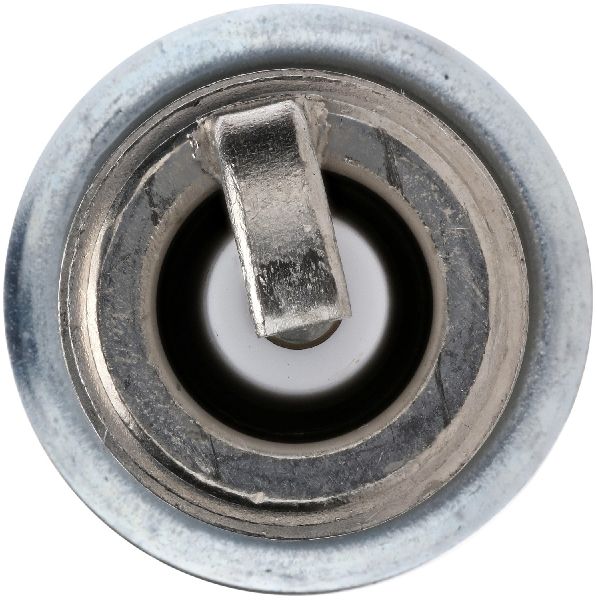
Est. part cost: $30-$70 per coil - Worn or Fouled Spark Plug 🔴 High Probability → Shop Spark Plug Spark plugs have a finite lifespan. Because the rear plugs are so difficult to access, they are often neglected during routine 🎬 Watch: A DIY guide to replacing spark plugs on this V6. maintenance, leading to a misfire as they wear out.
How to confirm: Visual inspection after removal will show signs of wear, such as a rounded electrode or carbon fouling. Like the coil, replacement is the most practical confirmation.
Typical fix: Replace the spark plug for cylinder 5. As with the coils, it is best practice to replace all six spark plugs (or at least the three on the rear bank) at the same time.
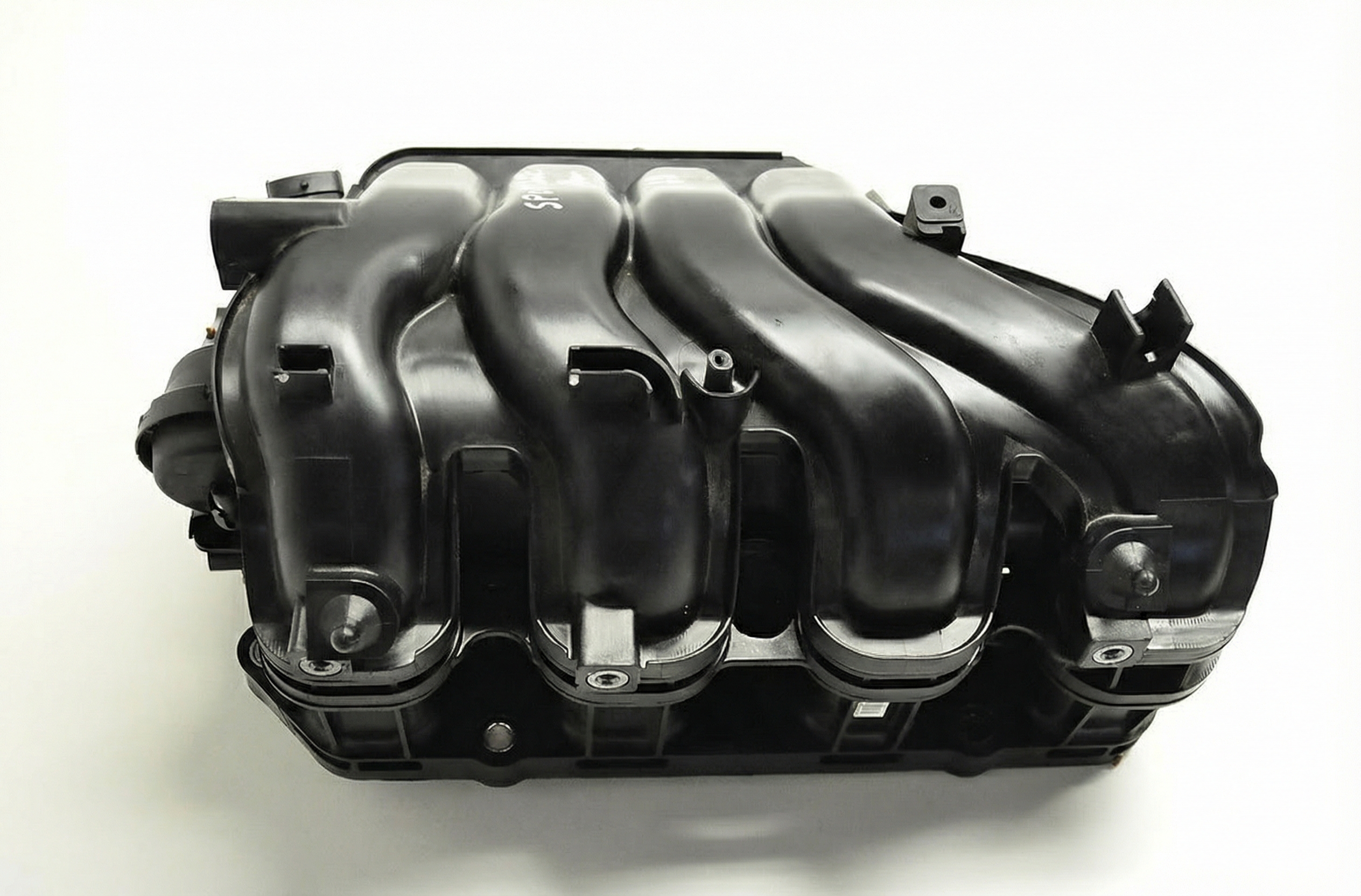
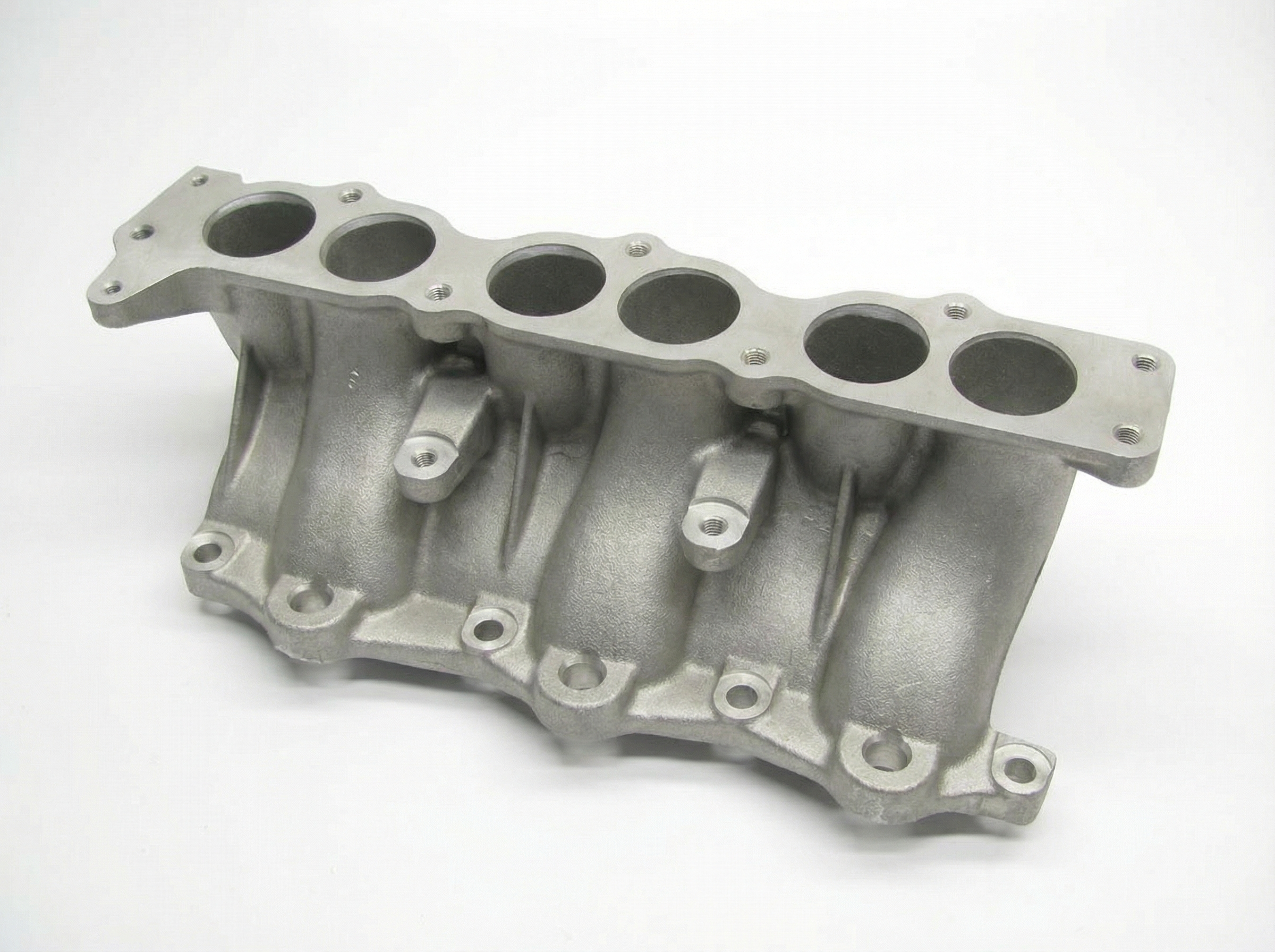
Est. part cost: $8-$20 per plug - Leaking Intake Manifold (Plenum) Gasket 🟡 Medium Probability → Shop Engine Intake Manifold The gasket that seals the upper intake manifold can become brittle and fail over time, creating a vacuum leak. This is a common issue on many V6 engines.
How to confirm: A vacuum leak can sometimes be heard as a hissing sound. A mechanic can perform a smoke test to pinpoint the source of the leak. Since the manifold must be removed to fix P0305, the gasket must be replaced regardless.
Typical fix: Replace the upper intake manifold gasket. This is a required step when replacing the rear coils or plugs.
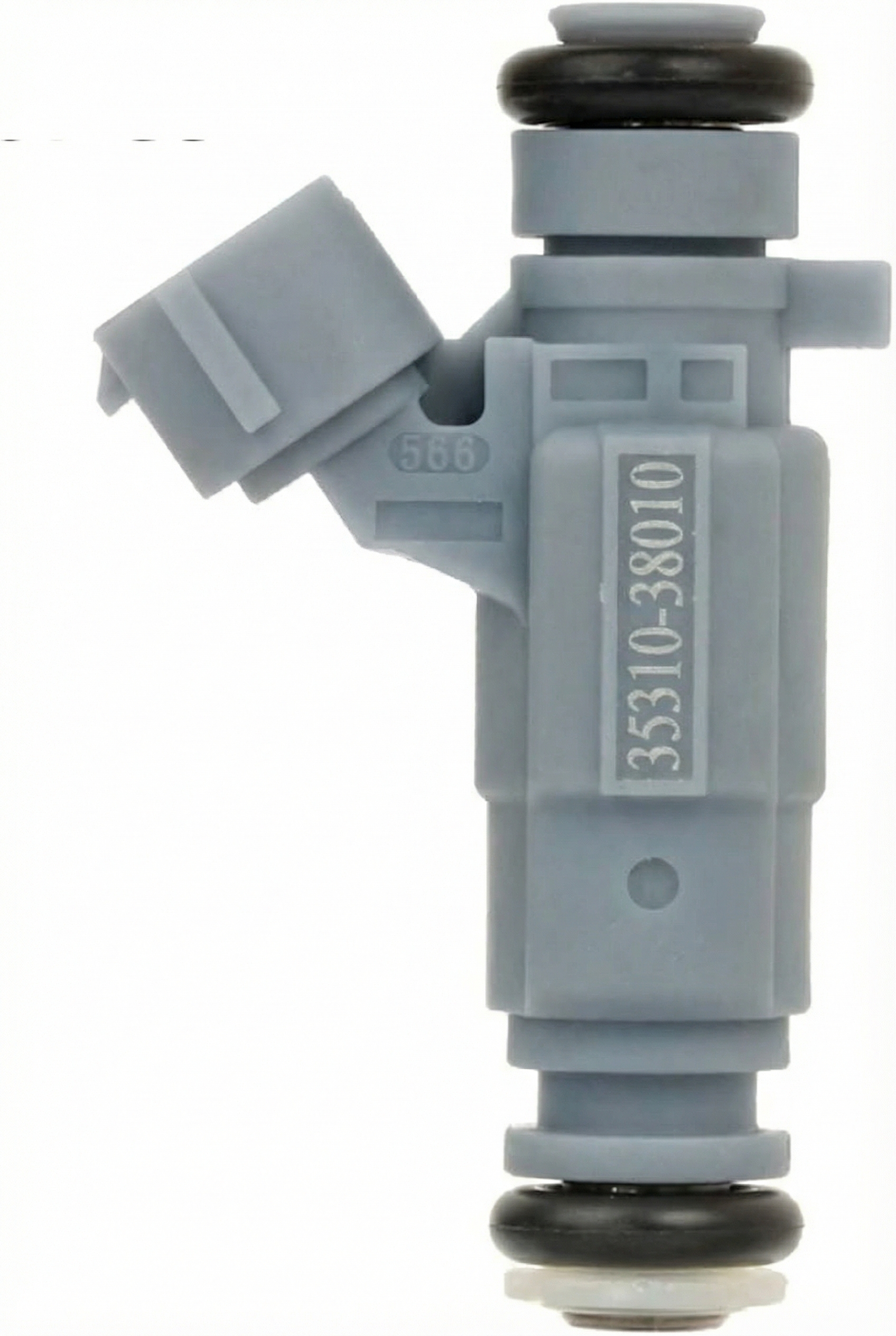
Est. part cost: $20-$40 - Clogged or Failed Fuel Injector ⚪ Low Probability → Shop Fuel Injector
How to confirm: Listen to the injector with a mechanic's stethoscope; it should make a consistent clicking sound. If the sound is absent or irregular, it may be faulty. The electrical circuit can also be tested with a multimeter; resistance should be around 11-16 Ohms. An injector-specific code like P0273 is a strong indicator of a failed injector.
Typical fix: Replace the cylinder 5 fuel injector. This also requires removing the intake manifold. It is wise to replace all three rear injectors at the same time.
Est. part cost: $50-$120
Rare But Worth Checking
- Stretched or Jumped Timing Belt: The Delta 2.7L V6 is an interference engine with a timing belt that requires replacement every 60,000 miles. If the belt has stretched or jumped a tooth, it can cause misfires across one or more cylinders. If the belt breaks, the pistons will collide with the valves, causing catastrophic engine damage.
- Low Engine Compression: Internal engine issues like a burnt valve, worn piston rings, or a leaking head gasket can cause a loss of compression and a persistent misfire. A compression test is needed to diagnose this after ignition and fuel systems have been ruled out.
Diagnosis Steps
- Confirm the P0305 code with an OBD-II scanner. Note any other codes present, especially injector circuit codes like P0273.
- Acknowledge that cylinder 5 is on the rear bank and will require removing the upper intake manifold for access.
- Plan to perform a full service on the rear bank. Purchase three new ignition coils, three new spark plugs, and a new upper intake manifold gasket set.
- Disconnect the battery. Remove the engine cover and air intake ducting.
- Carefully disconnect all sensors, vacuum lines, and bolts attached to the upper intake manifold. Label everything to ensure correct reassembly.
- Remove the upper intake manifold to expose the rear ignition coils. Cover the open lower intake ports with clean rags to prevent debris from falling into the engine.
- Replace the ignition coils and spark plugs for cylinders 1, 3, and 5.
- Thoroughly clean the mating surfaces for the intake manifold gasket.
- Install the new intake manifold gasket and reinstall the manifold, torquing bolts to the manufacturer's specification in the correct sequence.
- Reconnect all sensors, lines, and the battery.
- Clear the codes and start the engine. Check for smooth operation and verify the code does not return.
Parts You'll Likely Need
- Ignition Coil
(OEM #27301-3E400 (or 27301-3E410))— This is the most common failure point for a single-cylinder misfire. It's recommended to replace all three on the rear bank due to the labor involved. The part number 27301-3E410 may be a newer revision.
Trusted brands: Denso, NGK, Delphi
OEM price range: $60-$90
Aftermarket price range: $30-$70 - Spark Plug — Spark plugs are a primary wear item and are often neglected on the rear bank due to difficult access. They should always be replaced when servicing the coils.
Trusted brands: NGK, Denso, Bosch
OEM price range: $15-$25
Aftermarket price range: $8-$20 - Intake Manifold Gasket (Plenum Gasket)
(OEM #29215-3E100)— This gasket must be replaced anytime the upper intake manifold is removed to prevent vacuum leaks. It is not reusable.
Trusted brands: Fel-Pro, Mahle
OEM price range: $30-$50
Aftermarket price range: $20-$40 - Fuel Injector
(OEM #35310-23600)— If the misfire persists after ignition work, or if an injector circuit code is present, a failed injector is the likely cause. This part is used across many 2.7L V6 and 2.0L I4 Kia/Hyundai engines.
Trusted brands: Genuine Hyundai/Kia, Standard Motor Products
OEM price range: $80-$130
Aftermarket price range: $50-$90
Related Codes That Often Appear With This One
- P0300 — If the misfire is intermittent or begins to affect other cylinders due to a shared cause like a vacuum leak or timing issue, a P0300 (Random/Multiple Cylinder Misfire) code may be triggered.
- P0301, P0303 — If the root cause is a vacuum leak from the intake manifold or a timing issue, it's common to see misfire codes for the other cylinders on the same bank (1 and 3).
- P0273 — A code like P0273 (Cylinder 5 Injector Circuit Low) is a more specific electrical fault code. If you see this code alongside P0305, the fuel injector is almost certainly the root cause of the misfire.
Technical Service Bulletins (TSBs) & Recalls
- No specific Technical Service Bulletins (TSBs) have been issued by Kia for the P0305 code on this platform. The issue is typically addressed through standard diagnostic procedures for misfires. Recalls for this vehicle address other components like the clock spring, shift cable, and stop lamp
Platform-Specific Known Issues
- PCM Injector Shutdown for Catalyst Protection: In cases of a persistent, hard misfire, owners and technicians have noted that the Powertrain Control Module (PCM) may intentionally shut down the fuel injector for the misfiring cylinder. This is a protective measure to prevent raw, unburnt fuel from destroying the catalytic converter. In one documented case on a 2.7L Santa Fe, the PCM would disable injectors #1 and #5 exactly 42 seconds after startup, a cycle that would repeat upon every engine restart until the root cause of the misfire was fixed.
Mechanic-Grade Diagnostic Values
- Fuel Injector Resistance — expected: 11 - 16 Ohms. Failure: A reading significantly outside this range, especially an open circuit (infinite resistance) or short circuit (near zero resistance), indicates a failed injector coil.
- Long Term Fuel Trim (LTFT) — expected: Within +/- 10% at idle. Failure: A high positive value (e.g., +25%) on the bank with cylinder 5 (Bank 1) can indicate a vacuum leak affecting that bank, which could be a bad intake gasket. The PCM is adding fuel to compensate for unmetered air.
- Fuel Pump Maximum Pressure — expected: Up to 95 PSI (pump max output). Failure: This is the maximum pressure the pump can create, not the regulated system pressure. A weak pump will not be able to achieve this pressure, leading to fuel starvation under load, which can cause misfires. The regulated pressure is what's most important for diagnosis.
Hidden / Shadow Codes Worth Checking
- 35 (Flash Code): Deteriorated Injector. This is an older, pre-OBD-II style code that may be stored in some ECUs. (see via Requires grounding a specific terminal in the diagnostic link connector and counting the flashes of the Malfunction Indicator Lamp (MIL).)
- 37 (Flash Code): Intake System Air Leakage. This older flash code points directly to a vacuum leak, a common cause of misfires on this engine. (see via Requires grounding a specific terminal in the diagnostic link connector and counting the flashes of the Malfunction Indicator Lamp (MIL).)
- P1000: OBD-II Readiness Test Not Complete. This code doesn't indicate a fault but shows that the vehicle's self-diagnostic tests have not all been run since the last time codes were cleared. It's important to see this clear before confirming a fix is complete. (see via Standard OBD-II scanner.)
Scan Tool Commands That Help
- Professional Scan Tool (e.g., Kia GDS): Power Balance Test — This function allows a technician to disable one cylinder at a time to observe the corresponding drop in engine RPM. If disabling a cylinder causes little or no change in RPM, that cylinder is not contributing power, confirming the misfire location.
- Professional Scan Tool (e.g., Kia GDS): Fuel Injector Kill — Similar to a power balance test, this command deactivates a specific fuel injector. It helps isolate whether the misfire is due to a fuel delivery problem or an ignition/mechanical problem. If killing the injector makes no difference, the problem is likely with that injector or cylinder.
Wiring & Ground Locations
- IP Junction Box — The fuse and relay box located inside the passenger cabin, typically under the driver's side dashboard.. This box contains fuses and relays related to the Engine Control Module (ECM) and ignition system. A poor connection or faulty relay here could cause power supply issues to the ignition or fuel systems.
- Gxxx (Engine Ground) — There are multiple critical ground points on the engine block and from the block to the chassis. One specific ground wire assembly for the 2.7L engine is part number 918302G400.. The ignition coils and fuel injectors rely on a clean, solid ground connection to function. A corroded or loose engine ground can cause a weak or intermittent spark and erratic injector behavior, leading to misfires that are difficult to diagnose.
Real Owner Repair Stories
- ScannerDanner Forum user 'gilbert' (2005 Hyundai Santa Fe 2.7L V6 (same engine family)) — Multiple misfires on Bank 1 (P0300, P0301, P0303, P0305). Car came in after a customer-performed camshaft replacement.
❌ Tried (didn't work) Tightening loose camshaft bearing caps., Verifying spark and injector pulse were present.
✅ What actually fixed it The technician discovered the previous owner had installed the incorrect parts during a head gasket job: the left-side head gasket was installed on the right-side head, and the left-side camshaft was installed on the right-side head. Even though the timing marks aligned, the valve lobes were incorrectly oriented, causing the misfires. Replacing the camshaft with the correct part for the right head resolved the issue.
OEM Part Supersession History
27301-3E400→27301-3E410— Part revision or manufacturer update. Functionally interchangeable.
Heads up: Aftermarket coils often cross-reference to part number UF558.35310-37150→N/A— This is a correct OEM part number for the 2.7L V6 fuel injector.
Heads up: The part number 35310-23600 from Pass 2 is likely incorrect for this V6 engine. Be sure to verify fitment using the vehicle's VIN, as several similar-looking injectors were used across the Hyundai/Kia lineup.
Model Year Variations Within This Range
- 2009-2010: For the 2009 model year facelift, the 2.7L Delta V6 engine received a power increase from 185 hp to 194 hp. This may be due to changes in ECU tuning or minor mechanical revisions. While most repair procedures remain the same, it's a key difference to note when sourcing ECU-related components.
Diagnostic Flowchart
Other Known Issues on This Vehicle
Issues unrelated to this code that are worth knowing about as an owner of this generation:
- Timing Belt Failure 🔴 High — The timing belt is a critical maintenance item with a recommended replacement interval of every 60,000 miles. Failure is common on neglected vehicles.
- Crankshaft Position Sensor (CPS) Failure 🔴 High — A very common failure across all 2.7L Delta V6 platforms. The sensor often fails when the engine gets hot, causing a sudden stall or a crank-no-start condition. (Ref: While no specific recall exists for the Optima, the issue is widely documented across all models with this engine.)
- Idle Air Control (IAC) Valve Malfunction 🟠 Medium — The IAC valve (OEM #35150-33010) and its air passages are prone to clogging with carbon, leading to erratic idle, stalling, and codes like P0505 or P0506.
- Clock Spring Failure 🔴 High — Common enough to warrant a recall. The clock spring in the steering column can fail, causing the driver's airbag to become inoperative. (Ref: NHTSA Recall #12V014000)
- Stop Lamp Switch Failure 🟠 Medium — A widespread issue that prompted a recall. The switch can fail, causing the brake lights to not illuminate or preventing the deactivation of cruise control. (Ref: NHTSA Recall #13V114000)
Used vs. New Parts: Buying Guide for This Vehicle
When a used part is the smart pick: Major, non-wear mechanical parts like the upper intake manifold could be sourced from a junkyard if the original is physically cracked. However, for electronic components that are common failure items, buying new is strongly advised.
Donor-vehicle mileage cap: roughly under 100000 miles for the part to have meaningful remaining life.
What to inspect on the donor part:
- For an intake manifold, check carefully for hairline cracks, especially around bolt holes and seams.
- Ensure gasket surfaces are flat and not heavily corroded or warped.
- Inspect all plastic vacuum nipples to ensure they are not brittle or broken.
- Avoid parts from vehicles that show signs of a major engine fire or have been sitting with the hood open in the elements.
OEM-only on this vehicle (don't cheap out):
- While not strictly required, using OEM or OE-supplier (Denso, NGK) sensors like the Crankshaft Position Sensor or Camshaft Position Sensor is highly recommended to avoid intermittent issues and ensure compatibility.
Aftermarket brands forum-validated for this vehicle:
- NGK (Ignition Coils, Spark Plugs)
- Denso (Ignition Coils, Spark Plugs)
- Fel-Pro (Gaskets)
- Mahle (Gaskets)
Brands owners have reported issues with on this vehicle:
- Unnamed, low-cost ignition coils and spark plugs from online marketplaces are frequently cited as being unreliable or failing prematurely.
Real Owner Stories
Aggregated from forums and TSBs cited above. Mileages and costs reflect what owners reported in those sources.
2008 Hyundai Santa Fe 2.7L V6
Symptoms: Misfires on the rear bank (P0300, P0301, P0303, P0305). The PCM would disable injectors #1 and #5 exactly 42 seconds after startup.
What fixed it: The root cause of the misfire was addressed to stop the PCM's protective injector shutdown cycle.
Source hint: ScannerDanner Forum: 08 HYUNDAI SANTA FE 2.7L P0300 P0301 P0303 P0305
Related OBD-II Codes
Frequently Asked Questions
Why is it recommended to replace all three rear ignition coils on my 2.7L Optima if only cylinder 5 is misfiring?
Are there any Kia TSBs or recalls for the P0305 code on the 2006-2010 Optima?
My Optima starts fine but the misfire gets worse after about 40 seconds. Why?
Do I need to buy a new gasket when fixing a P0305 on this V6 engine?
Could a failing Crankshaft Position Sensor cause my P0305 misfire?
Helpful Videos

Used OEM Parts in Stock
New Aftermarket Parts Available


The information in this article is provided for general reference and educational purposes only. Vehicle specifications, procedures, and part compatibility can vary by production date, trim level, and region. Always consult your vehicle's factory service manual and verify part numbers before purchasing or performing repairs. Safety-critical components such as airbags, seat belts, and braking systems should be installed by a qualified professional.
- Kia Optima:
- 🧭 Diagnostic Flowchart
- 🎬 Helpful Videos
- 🛍️ Shop This Part
- What's Unique About the 2006-2010 Kia Optima
- Symptoms You May Notice
- Most Likely Causes
- Rare But Worth Checking
- Diagnosis Steps
- Parts You'll Likely Need
- Related Codes That Often Appear With This One
- Technical Service Bulletins (TSBs) & Recalls
- Platform-Specific Known Issues
- Mechanic-Grade Diagnostic Values
- Hidden / Shadow Codes Worth Checking
- Scan Tool Commands That Help
- Wiring & Ground Locations
- Real Owner Repair Stories
- OEM Part Supersession History
- Model Year Variations Within This Range
- Other Known Issues on This Vehicle
- Used vs. New Parts: Buying Guide for This Vehicle
- Real Owner Stories
- 2008 Hyundai Santa Fe 2.7L V6
- Related OBD-II Codes
- Frequently Asked Questions
- 🎟️ Get 5% Off