

P0305 on 2011-2015 Kia Sorento: Cylinder 5 Misfire Causes and Fixes
P0305 means a misfire on cylinder 5. On these Sorento V6 engines, cylinder 5 is in the rear bank against the firewall, requiring removal of the intake manifold for access. The most likely cause is a bad ignition coil or spark plug. Due to the high labor, it's strongly recommended to replace all three rear coils, all six spark plugs, and the intake gaskets at the same time to prevent repeat repairs.
- P0305 on this Sorento means a misfire on cylinder 5, which is located on the rear bank of the engine against the firewall.
- Repairing this code is a labor-intensive job (DIY 4/5) because the upper intake manifold must be removed to access the cylinder.
- The most common causes are a bad ignition coil or a worn spark plug.
- Due to the high labor involved, it is strongly recommended to replace all three rear ignition coils, all six spark plugs, and the intake gaskets at the same time to prevent future repeat repairs.
- A flashing check engine light indicates a severe misfire that can quickly damage the catalytic converter; avoid driving the vehicle if this occurs.
What's Unique About the 2011-2015 Kia Sorento
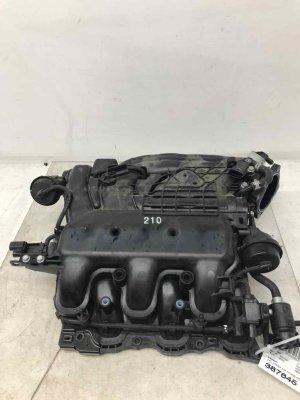
The defining challenge for a P0305 code on the 2011-2015 Sorento V6 is the physical location of cylinder 5. On these transverse-mounted Lambda engines, the odd-numbered cylinders (1, 3, 5) are in the rear bank (Bank 1), tucked against the firewall. This means accessing the spark plug, ignition coil, or fuel injector for cylinder 5 requires the complete removal of the upper intake manifold—a labor-intensive job that turns a simple component swap into a multi-hour repair. This design reality heavily influences the recommended diagnostic and repair strategy, making it crucial to replace related components preventatively.
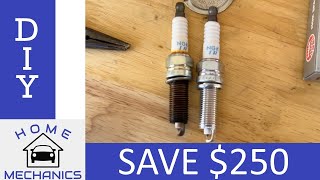
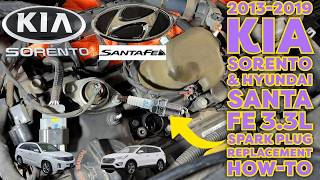
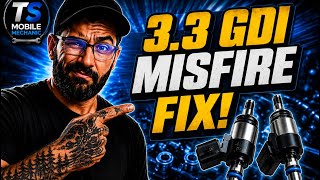
Generation note: The 2011-2015 Kia Sorento is the second generation (XM). However, this range includes a major powertrain update. The 2011-2013 models use a 3.5L V6 with multi-port fuel injection (MPI). 🎬 See this step-by-step spark plug replacement for 3.5L engines. The refreshed 2014-2015 models use a 3.3L V6 with gasoline direct injection (GDI). 🎬 Watch: How to replace spark plugs on the 3.3L GDI engine. While the fundamental misfire causes are the same, the GDI engine is more susceptible to carbon buildup on intake valves as a potential, though less common, cause of misfires.
Symptoms You May Notice
- Rough or vibrating idle
- Hesitation or stumbling during acceleration
- Noticeable loss of engine power
- Solid or flashing Check Engine Light 🎬 Watch: A quick breakdown of what a P0305 code means.
- Decreased fuel economy
- A smell of raw fuel from the exhaust
- Replacing only the spark plug for cylinder 5 without replacing the coil, leading to a repeat repair when the coil was the actual issue.
- Replacing only the single failed part on the rear bank, instead of all three coils and plugs, leading to another difficult repair a few months later when the next original part fails.
- Assuming the misfire is ignition-related when it is caused by a clogged fuel injector or carbon buildup on GDI models.
Most Likely Causes
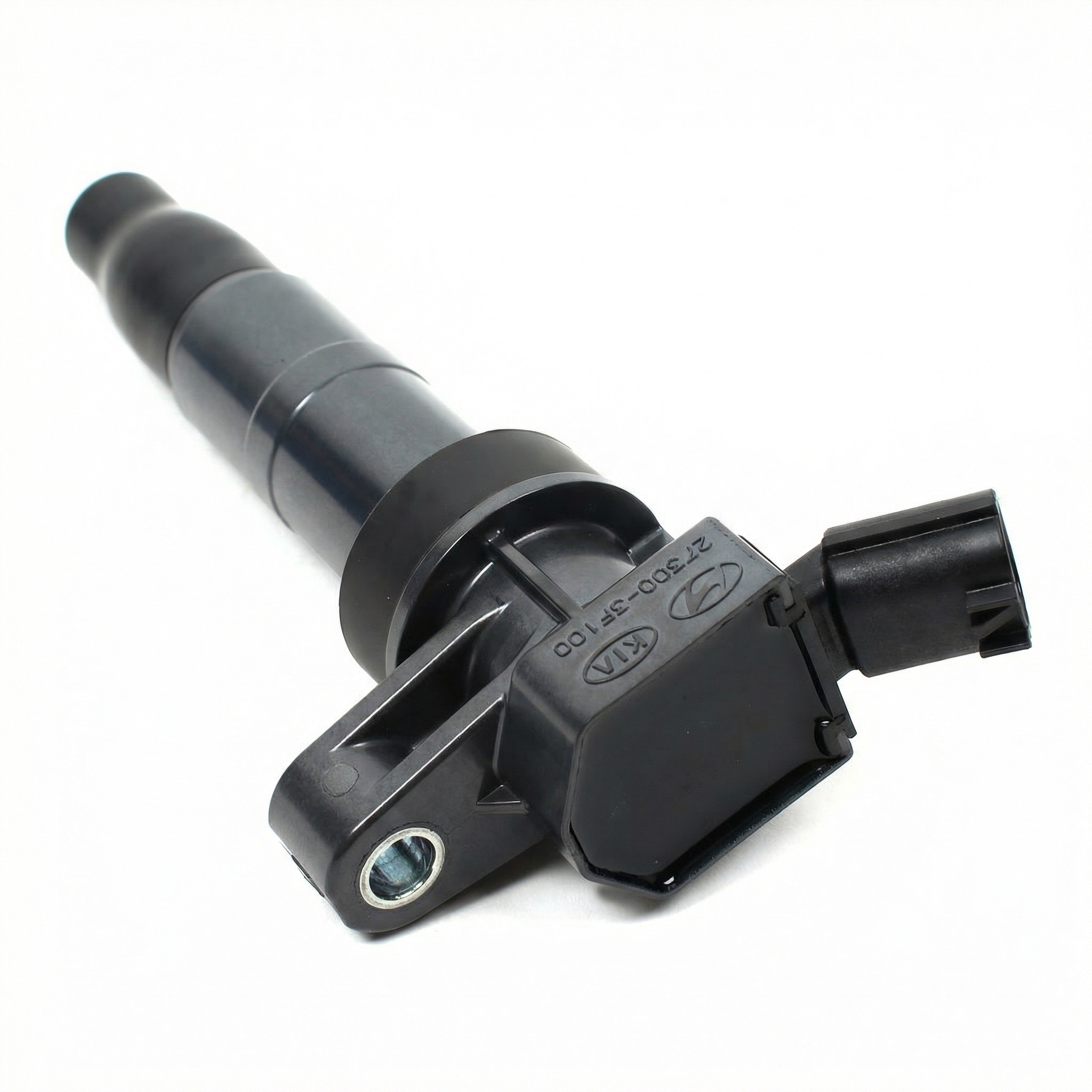
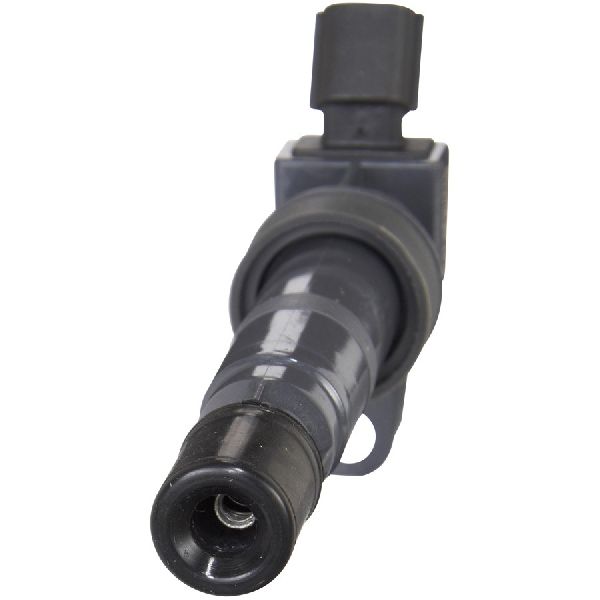
- Failed Ignition Coil 🔴 High Probability → Shop Ignition Coil Ignition coils are a common wear item, and failure rates increase after 100,000 miles. The coil-on-plug design is reliable but individual units can fail due to heat and vibration. The rear bank coils may be more prone to failure due to higher ambient heat near the firewall.
How to confirm: After removing the intake manifold, swap the cylinder 5 ignition coil with one from the front bank (e.g., cylinder 4). Reassemble enough to run the engine. If the misfire code changes to P0304, the coil is faulty. Visually inspect the coil boot for any signs of carbon tracking or oil saturation.
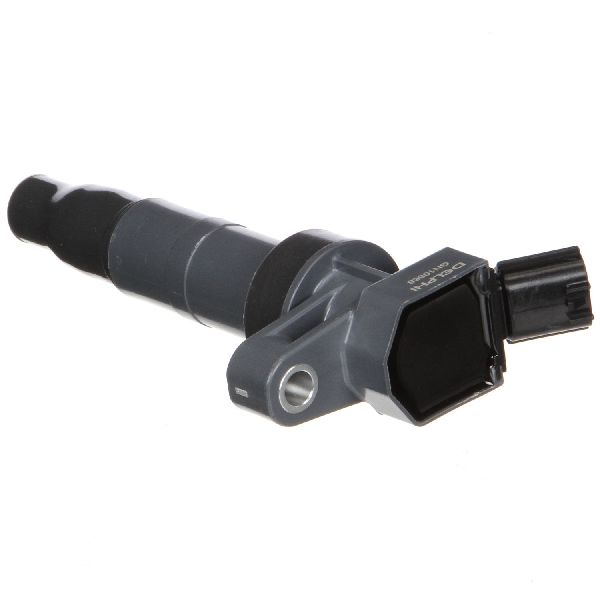
Typical fix: Replace the faulty ignition coil. It is highly recommended to replace all three rear coils (cylinders 1, 3, 5) at the same time due to the labor involved in accessing them.
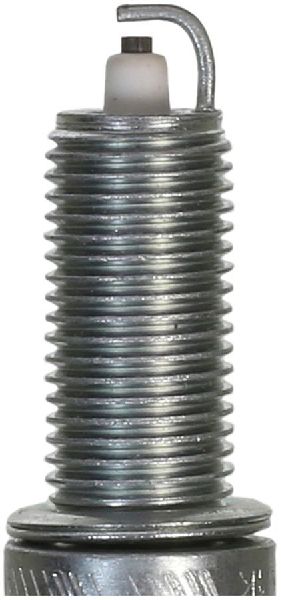
Est. part cost: $30-$70 per coil - Worn or Fouled Spark Plug 🔴 High Probability → Shop Spark Plug Spark plugs have a finite service life of around 100,000 miles. They can fail prematurely or become fouled by oil (due to oil consumption issues) or carbon deposits, leading to a weak or non-existent spark.
How to confirm: After removing the intake manifold and ignition coil, remove the spark plug from cylinder 5. Inspect it for wear (worn electrode), fouling (black, sooty, or oily deposits), or incorrect gap. A heavily fouled plug can indicate other engine issues.
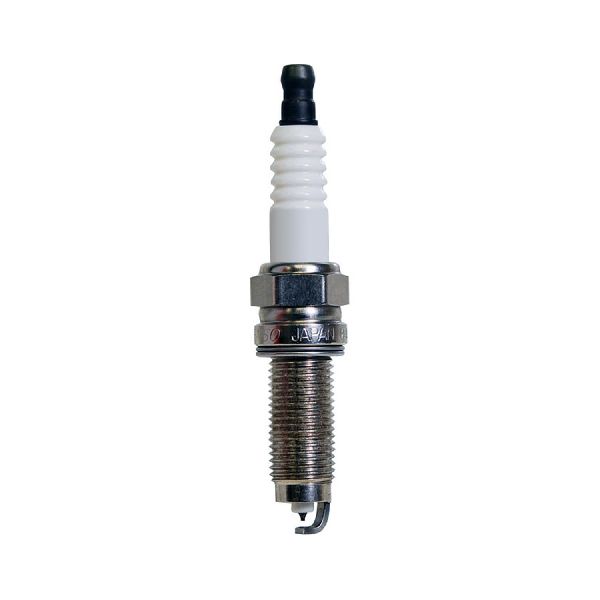
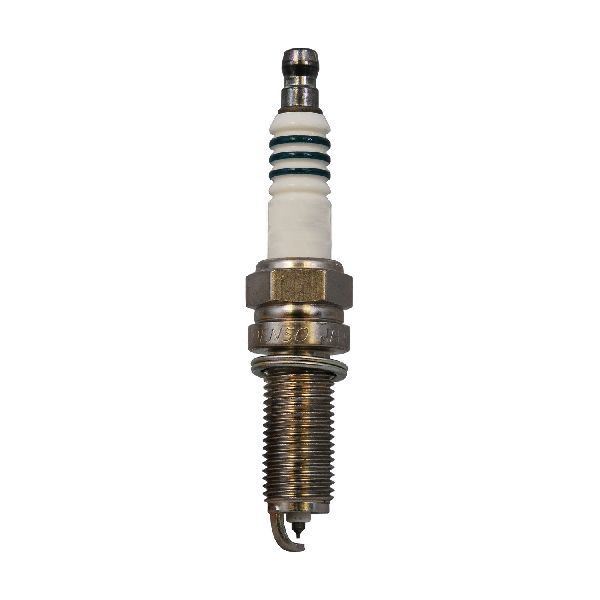
Typical fix: Replace the spark plug. Best practice is to replace all six spark plugs at once, especially since the rear bank is difficult to access. Ensure new plugs are gapped correctly before installation.
Est. part cost: $10-$25 per plug - Clogged or Faulty Fuel Injector 🟡 Medium Probability → Shop Fuel Injector On GDI models (2014-2015), injectors are under high pressure and more susceptible to clogging. On MPI models (2011-2013), they can fail with age. A stuck-open injector can wash fuel down the cylinder walls, leading to compression loss over time.
How to confirm: If new spark plugs and coils do not fix the misfire, the fuel injector is a strong suspect. A professional can perform a flow test. A DIY method is to swap the cylinder 5 injector with one from the front bank (e.g., cylinder 6), but this is very labor-intensive as it requires removing the fuel rail.
Typical fix: Replace the cylinder 5 fuel injector. This also requires removal of the intake manifold and fuel rail.
Est. part cost: $70-$150
Rare But Worth Checking
- Intake Valve Carbon Buildup (3.3L GDI): On the 2014-2015 3.3L GDI engine, heavy carbon deposits on the intake valves can impede airflow and cause misfires, especially during cold starts. This is a known characteristic of early GDI engines. The fix is a professional 'walnut blasting' or manual cleaning service, which should be done with the intake manifold already removed.
- Leaking Intake Manifold Gasket: → Shop Engine Intake Manifold A vacuum leak from a failed or improperly seated intake manifold gasket can lean out the air/fuel mixture and cause a misfire on one or more cylinders of that bank. Since the gaskets must be replaced whenever the manifold is removed, this is often addressed as part of the primary repair.
- Low Engine Compression: Internal engine issues like a worn piston ring, a burnt valve, or a leaking head gasket can cause a loss of compression and a persistent misfire. A compression test is needed to diagnose this. If the spark plug from cylinder 5 is steam-cleaned, it could indicate a head gasket leak.
Diagnosis Steps
- Confirm the P0305 code using an OBD-II scanner. Note any other codes present, but fix misfire codes first.
- Plan for a significant repair. Due to the location of cylinder 5, the upper intake manifold (plenum) must be removed to access the ignition coil and spark plug.
- Disconnect the battery. Remove the engine cover, air intake ducting, throttle body, and all necessary vacuum lines and electrical connectors from the intake manifold. Label hoses and connectors to ensure correct reassembly.
- Remove the bolts securing the upper intake manifold and carefully lift it off the engine. The torque sequence for reinstallation is important. Cover the open lower intake ports with clean rags to prevent debris from falling into the engine.
- You now have access to the rear bank of cylinders (Bank 1). The cylinders are numbered 1, 3, 5 from front-to-back (passenger to driver side). Cylinder 5 is the rearmost on the firewall side.
- Remove the 10mm bolt holding the ignition coil, disconnect its electrical connector, and pull the coil out.
- Remove the spark plug from cylinder 5 using a 5/8" spark plug socket with an extension.
- Inspect the old spark plug and ignition coil for signs of damage, oil, or carbon tracking.
- Recommended Repair: To avoid repeating this labor-intensive job, replace all three ignition coils on the rear bank (cylinders 1, 3, 5), all six spark plugs (front and back), and the upper intake manifold gaskets.
- Install the new spark plugs, torquing them to the manufacturer's specification (typically 15-20 ft-lbs). Apply a small amount of dielectric grease to the inside of the new ignition coil boots and install the new coils.
- Install the new intake manifold gaskets and reinstall the manifold. Torque the bolts in the correct sequence to the specified value (often a two-step process, check service manual for specifics).
- Reconnect all hoses, connectors, and components. Ensure the PCV hose and brake booster vacuum line are secure.
- Reconnect the battery, clear the trouble codes with the scanner, and start the engine. Check for smooth operation and monitor for any returning codes.
Parts You'll Likely Need
- Ignition Coil
(OEM #27301-3C000)— This is the most common cause of a single-cylinder misfire. The OEM part number appears to be consistent across both the 3.5L and 3.3L V6 engines in this Sorento.
Trusted brands: Kia (OEM), NGK, Denso, Delphi
OEM price range: $70-$100
Aftermarket price range: $30-$70 - Spark Plug (Iridium)
(OEM #18846-11070)— Spark plugs are a primary wear item and a common cause of misfires. This OEM part number is specified for both V6 engines. Aftermarket equivalents include NGK and Bosch.
Trusted brands: Kia (OEM), NGK, Denso, Bosch
OEM price range: $18-$25
Aftermarket price range: $10-$20 - Upper Intake Manifold (Plenum) Gasket Set
(OEM #29215-3CFA1 (for 3.3L GDI) / 29215-3CAA0 (for 3.5L MPI))— These gaskets are a mandatory replacement anytime the intake manifold is removed to prevent vacuum leaks.
Related Codes That Often Appear With This One
- P0300 — If the misfire is intermittent or begins to affect other cylinders, a P0300 (Random/Multiple Cylinder Misfire) code may appear.
- P0301, P0303 — Misfire codes for other cylinders on the same rear bank (Bank 1) could indicate a shared problem, like a vacuum leak from the intake manifold gasket affecting that entire bank or a failing fuel pump.
- P0172, P0175 — A 'System Too Rich' code for Bank 1 (P0172) or Bank 2 (P0175) can appear if a fuel injector is stuck open, dumping too much fuel and causing a misfire.
Mechanic-Grade Diagnostic Values
- Ignition Coil Primary Resistance — expected: 0.62 Ohms ± 15%. Failure: A reading significantly higher or lower than the standard value indicates a faulty coil.
- Low-Pressure Fuel System (In-tank pump) — expected: 69.7 PSI. Failure: Pressure dropping below this specification, especially during hesitation events, points to a weak in-tank pump or a restricted fuel line.
- High-Pressure Fuel System (GDI Engine) — expected: 2,000 to 2,800 PSI. Failure: Pressure that is significantly below the commanded pressure by the ECM, which would typically set a P0087 code along with misfires.
Scan Tool Commands That Help
- Kia GDS (or advanced generic scanner): Live Data Misfire Counter — This is a critical function to use during a test drive to confirm which cylinder is actively misfiring. After swapping a component (like an ignition coil from cylinder 5 to 4), monitoring the live counters for P0305 and P0304 will instantly tell you if the fault moved with the component, confirming the diagnosis without having to wait for the Check Engine Light to return.
Real Owner Repair Stories
- YouTube video from a professional technician (Kia vehicle with Lambda V6 (specific model not stated, but same engine family)) — P0301, P0303, P0305 (misfires on all of Bank 1). Fuel trims were high, near the threshold for setting a lean code.
❌ Tried (didn't work) Cleaning the Mass Airflow (MAF) sensor, which slightly improved fuel trims but did not stop the misfires.
✅ What actually fixed it The technician suspected carbon buildup on the intake valves. An 'old school' method of feeding a cleaning solution (SeaFoam was shown) through a vacuum line was performed to clean the intake valves and combustion chambers. This resolved the multiple misfires on Bank 1.
OEM Part Supersession History
27301-3C010→27301-3C000— Part number consolidation and revision by the manufacturer.
Heads up: According to Kia parts diagrams, 27301-3C000 replaces 27301-3C010. They are interchangeable for this application.
Model Year Variations Within This Range
- 2011-2013: These models use the 3.5L V6 with Multi-Port Injection (MPI). Misfires are almost always related to spark (coil, plug) or a standard fuel injector. Carbon buildup on valves is not a common issue.
- 2014-2015: These models use the 3.3L V6 with Gasoline Direct Injection (GDI). This introduces two additional common failure points for misfires: 1) The high-pressure fuel pump (HPFP) and 2) Significant carbon buildup on the back of the intake valves, which can restrict airflow and cause misfires that spark/fuel component replacement won't fix.
Diagnostic Flowchart
Other Known Issues on This Vehicle
Issues unrelated to this code that are worth knowing about as an owner of this generation:
- Engine Oil Consumption 🔴 High — Common on both 3.5L and 3.3L GDI engines, particularly over 80,000 miles. Many owners report consumption rates of 1 quart per 1,000-2,000 miles. (Ref: No specific recall, but numerous dealer complaints and TSBs exist for oil consumption testing protocols. Kia's threshold for a warrantable repair is often greater than 1 quart per 1,000 miles.)
- MDPS Steering Coupler Failure 🟠 Medium — Extremely common across many Hyundai/Kia models of this era. The rubber coupler disintegrates over time, causing a distinct clicking or clunking noise in the steering column when turning. (Ref: No recall for this specific Sorento generation, but the part (56315-2K000-FFF) is well-known and an inexpensive DIY fix if caught early.)
- Catastrophic Engine Failure (Theta II & Lambda II) 🔴 High — While more famous on the 4-cylinder Theta II engine, the V6 Lambda engines are also subject to numerous complaints of premature failure, often linked to oil consumption or internal bearing issues. (Ref: Multiple recalls and class-action lawsuits have been filed, primarily targeting the Theta II engines, but some V6 models have been included in certain warranty extensions.)
- A/C Compressor Clutch Failure 🟡 Low — A common issue where the A/C compressor clutch fails, resulting in no cold air despite correct refrigerant levels. The compressor is often replaced as a complete unit.
- Headlight Bulbs Burning Out Prematurely 🟡 Low — Owners report frequent burnout of low-beam headlight bulbs, sometimes accompanied by melting of the connector harness.
Used vs. New Parts: Buying Guide for This Vehicle
When a used part is the smart pick: For this repair, using used parts is generally not recommended due to the high labor cost. The risk of a used ignition coil or fuel injector failing shortly after installation outweighs the small cost savings. If a major component like the entire intake manifold assembly were damaged, a used part would be a viable option.
Donor-vehicle mileage cap: roughly under 60000 miles for the part to have meaningful remaining life.
What to inspect on the donor part:
- For an intake manifold, check for cracks, warping, and ensure all threaded inserts are intact.
- Verify the donor vehicle was not in a front-end collision that could have stressed plastic components.
- Ask for the VIN to check the donor vehicle's service history for related repairs if possible.
OEM-only on this vehicle (don't cheap out):
- Intake Manifold Gaskets: The cost is low and the risk of a vacuum leak from a cheap, poor-fitting aftermarket gasket is too high given the labor involved.
Aftermarket brands forum-validated for this vehicle:
- Ignition Coils: Denso, Delphi, NGK.
- Spark Plugs: NGK, Denso, Bosch.
Brands owners have reported issues with on this vehicle:
- Unbranded, 'white-box' ignition coils and sensors from online marketplaces. While tempting due to low price, their failure rate is notoriously high, making them a poor choice for a labor-intensive job like this.
Real Owner Stories
Aggregated from forums and TSBs cited above. Mileages and costs reflect what owners reported in those sources.
2013 Hyundai Santa Fe GLS 3.3L V6
Symptoms: Multiple misfire codes on Bank 1 (P0300, P0301, P0303, P0305) appearing after an oil pressure switch replacement.
What fixed it: Troubleshooting focused on identifying vacuum leaks after reassembly of the intake manifold.
Source hint: hyundai-forums.com thread titled '2013 Hyundai Santa Fe GLS 3.3L - Multiple Misfire Codes on Bank 1'
2005 Kia Sedona 3.5L V6
Symptoms: Intractable misfire on cylinder 5; owner performed extensive troubleshooting including compression tests and swapping coils and injectors.
What fixed it: The diagnostic journey confirmed the difficulty of the repair due to the intake manifold design and the necessity of swapping components to isolate the fault.
Source hint: Reddit r/MechanicAdvice thread titled '2005 Kia Sedona w/ Hyundai 3.5L V-6 -- Intractable misfire on cylinder 5'
2011-2015 Kia Sedona 3.5L V6 — ~100000 miles
Symptoms: Arcing ignition coils causing misfires.
What fixed it: Replacing ignition coils in sets after removing the intake plenum.
Source hint: YouTube video 'Misfire Diagnosis on Kia Sedona 3.5L V6' by a professional mechanic
NHTSA Reported Multi-Cylinder Misfire
Symptoms: An owner reported a cascade of codes including P0300, P0301, P0302, P0303, P0304, P0305, and P0306, often appearing alongside fuel system codes like P0087 (NHTSA ODI #11513767).
What fixed it: While the codes were intermittent, the presence of P0305 with P0087 suggests a potential failure in the high-pressure fuel system or a widespread sensor issue affecting all cylinders.
NHTSA Reported Highway Stalling
Symptoms: According to NHTSA ODI #11499800, a vehicle began showing codes P0300 through P0306 on the highway, accompanied by P0506 (Idle Control System) and P0087 (Fuel Rail Pressure Too Low).
What fixed it: The owner noted the codes would appear and then disappear from the dashboard, indicating an intermittent but severe fault in the propulsion system.
Related OBD-II Codes
Frequently Asked Questions
Where is cylinder 5 located on the 2011-2015 Kia Sorento V6?
Why is the labor for a P0305 code so much higher than other cylinders?
Should I replace just the one faulty coil on my Sorento?
Can oil consumption cause this misfire on my 3.3L GDI engine?
Is there a specific part number for the steering noise I hear along with my check engine light?
What is the recommended torque for the new spark plugs?
Helpful Videos

Used OEM Parts in Stock
New Aftermarket Parts Available


The information in this article is provided for general reference and educational purposes only. Vehicle specifications, procedures, and part compatibility can vary by production date, trim level, and region. Always consult your vehicle's factory service manual and verify part numbers before purchasing or performing repairs. Safety-critical components such as airbags, seat belts, and braking systems should be installed by a qualified professional.
- Kia Sorento:
- 🧭 Diagnostic Flowchart
- 🎬 Helpful Videos
- 🛍️ Shop This Part
- What's Unique About the 2011-2015 Kia Sorento
- Symptoms You May Notice
- Most Likely Causes
- Rare But Worth Checking
- Diagnosis Steps
- Parts You'll Likely Need
- Related Codes That Often Appear With This One
- Mechanic-Grade Diagnostic Values
- Scan Tool Commands That Help
- Real Owner Repair Stories
- OEM Part Supersession History
- Model Year Variations Within This Range
- Other Known Issues on This Vehicle
- Used vs. New Parts: Buying Guide for This Vehicle
- Real Owner Stories
- 2013 Hyundai Santa Fe GLS 3.3L V6
- 2005 Kia Sedona 3.5L V6
- 2011-2015 Kia Sedona 3.5L V6 — ~100000 miles
- NHTSA Reported Multi-Cylinder Misfire
- NHTSA Reported Highway Stalling
- Related OBD-II Codes
- Frequently Asked Questions
- 🎟️ Get 5% Off