

P0305 on 2007-2018 Lexus ES 350: Cylinder 5 Misfire Causes and Fixes
P0305 means your Lexus has a misfire in cylinder 5. This is almost always caused by a bad ignition coil or a worn spark plug. Because cylinder 5 is on the difficult-to-reach rear bank of the engine, expect a shop repair of $400-$700. The parts are inexpensive, but the labor to remove the intake manifold is significant.
- P0305 on a Lexus ES 350 points to a misfire on cylinder 5, which is on the difficult-to-access rear bank of the engine.
- The most likely cause is a bad ignition coil, followed by a worn spark plug.
- Repair requires removing the upper intake manifold, which significantly increases labor time and cost. DIY difficulty is high (4/5).
- Due to the high labor involved, it is strongly recommended to replace all three rear ignition coils, spark plugs, and the intake gaskets at the same time.
- Ignoring a P0305 code, especially with a flashing check engine light, can lead to catalytic converter damage, a much more expensive repair.
What's Unique About the 2007-2018 Lexus ES 350
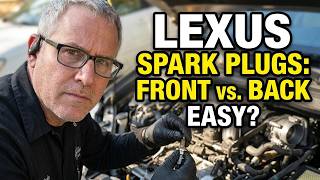
On the 2GR-FE V6 engine, the cylinders are divided into two banks. Cylinders 2, 4, and 6 are on the front bank (near the radiator) and are easy to access. However, cylinders 1, 3, and 5 are on the rear bank, tucked against the firewall. The cylinder numbering runs 1-3-5 from the passenger side to the driver's side on the rear bank. Therefore, Cylinder 5 is on the driver's side end of the rear bank, and accessing its ignition coil or spark plug requires the complete removal of the upper intake manifold (plenum) and throttle body, turning a simple task into a more labor-intensive job.
Generation note: This guide covers the fifth (XV40, 2007-2012) and sixth (XV60, 2013-2018) generations of the Lexus ES 350. Both generations use the 2GR-FE 3.5L V6 engine, and the causes, diagnosis, and repair procedure for a P0305 code are identical for both.
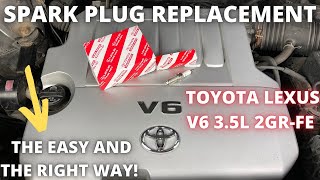
🎬 Watch this easy step-by-step spark plug replacement guide.Symptoms You May Notice
- Check engine light is on (can be solid or flashing)
- Rough or shaking idle
- Engine hesitation or stumbling during acceleration
- Noticeable loss of power
- Poor fuel economy
- A smell of fuel from the exhaust
- Vibration felt throughout the vehicle, sometimes mistaken for an unbalanced tire
- Intermittent rough running after coming to a stop with the engine at operating temperature (as noted in Lexus technical documentation)
- Replacing only the cylinder 5 ignition coil or spark plug. While this may fix the immediate code, it's a common mistake not to replace the other two rear coils/plugs at the same time. The labor to remove the intake manifold is the main cost, so it's inefficient not to replace all accessible service items while you're in there.
- Misidentifying the location of Cylinder 5. It is critical to know that on the 2GR-FE, the rear bank is odd-numbered (1-3-5) and the front is even (2-4-6).
Most Likely Causes
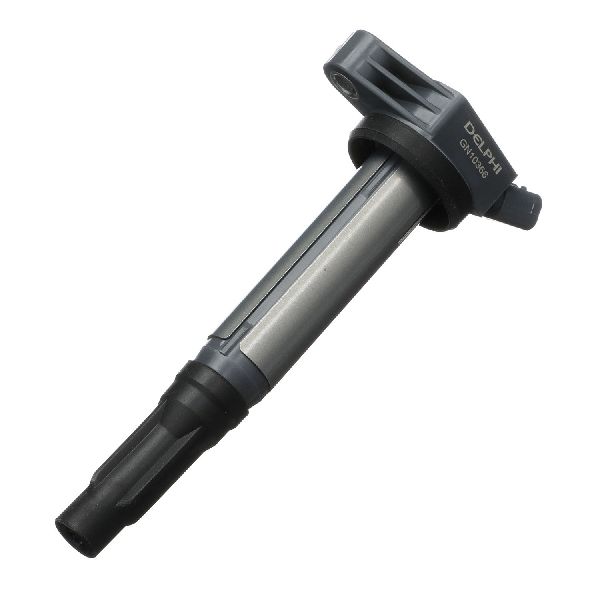
- Faulty Ignition Coil 🔴 High Probability → Shop Ignition Coil Ignition coils are wear items that fail over time due to high heat and vibration. The rear bank where cylinder 5 resides is particularly hot. Denso is the OEM supplier.
How to confirm: Swap the cylinder 5 ignition coil with a coil from an accessible front cylinder (e.g., cylinder 2 or 4). Clear the codes and drive. If the code changes to P0302 or P0304, the coil is confirmed bad. However, this requires removing the intake manifold first, making it a confirmation step during the repair rather than an easy diagnosis.
Typical fix: Replace the ignition coil. It is highly recommended to replace all three rear ignition coils and spark plugs at the same time due to the significant labor involved in accessing them.
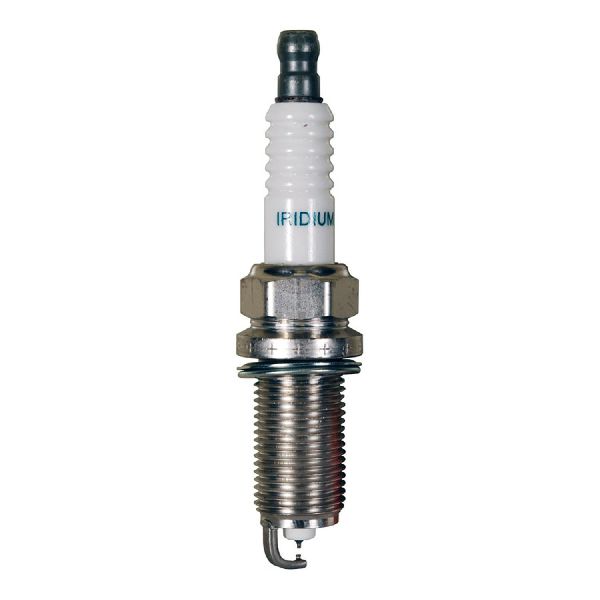
Est. part cost: $50-$100 per coil - Worn or Fouled Spark Plug 🔴 High Probability → Shop Spark Plug The original iridium spark plugs have a service life of 100,000-120,000 miles. An old, oil-fouled, or incorrectly gapped plug can't produce a strong enough spark to ignite the mixture consistently.
How to confirm: After removing the intake manifold and ignition coil, remove the spark plug and inspect it. Look for heavy carbon deposits, oil fouling, a worn-down electrode, or cracked porcelain.
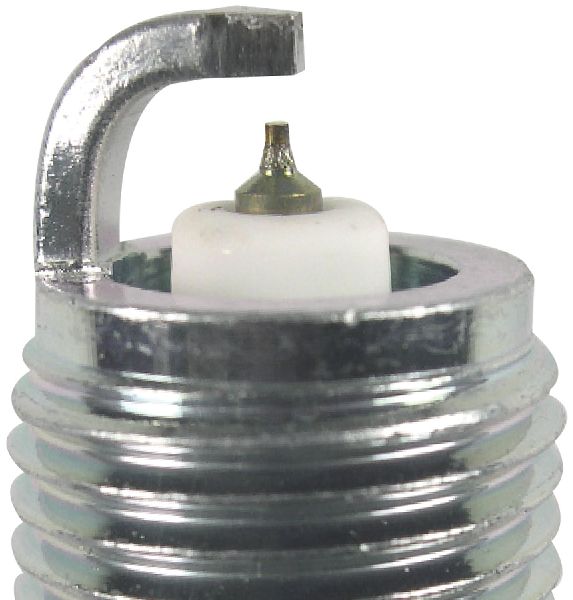
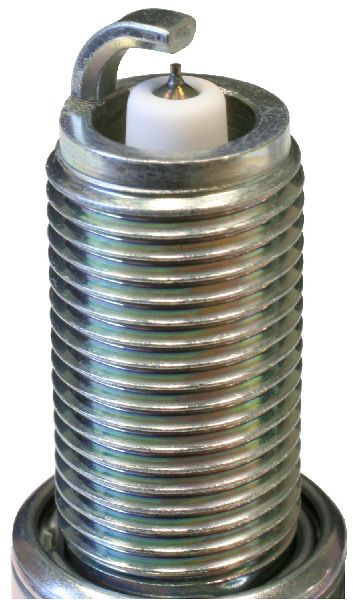
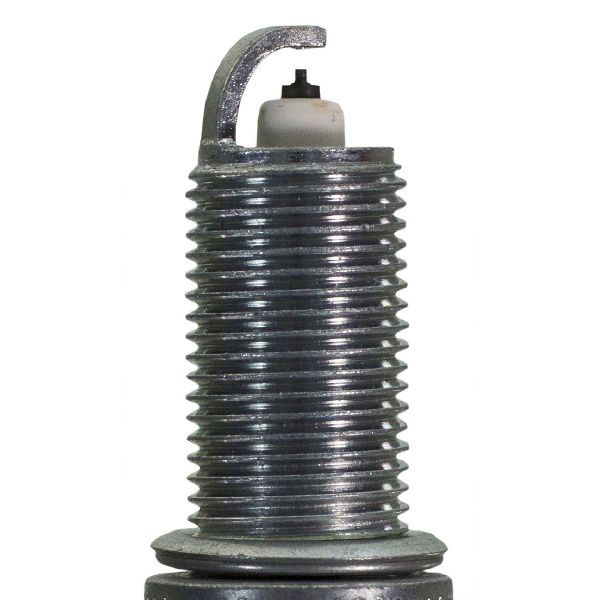
Typical fix: Replace the spark plug. The OEM plug is a Denso FK20HR11. Always replace spark plugs as a set, or at a minimum, replace all three on the rear bank when the intake manifold is off.
Est. part cost: $15-$25 per plug - Leaking Spark Plug Tube Seal 🟡 Medium Probability → Shop Spark Plug The seals at the top of the spark plug tubes are part of the valve cover gasket assembly. With age and heat, they become hard and brittle, allowing engine oil to leak down into the tube, submerging the spark plug and shorting out the ignition coil.
How to confirm: When you pull the ignition coil out of the cylinder 5 spark plug tube, check if the coil boot and the tube itself are full of engine oil. If so, the seal has failed.
Typical fix: The valve cover gasket and spark plug tube seals must be replaced. This adds complexity and time to the job but is necessary to prevent repeat failures.
Est. part cost: $40-$80 for a valve cover gasket kit - Clogged or Faulty Fuel Injector ⚪ Low Probability → Shop Fuel Injector
How to confirm: This is typically diagnosed after ignition-related causes are ruled out. A user on Reddit reported a persistent P0305 even after replacing the coil and plug, with a mechanic suspecting the injector next. Diagnosis involves testing the injector's resistance or flow rate, which is best left to a professional.
Typical fix: Replace the faulty fuel injector. Like the coils and plugs, it's wise to address all rear injectors if one fails, given the labor involved.
Est. part cost: $70-$150 per injector
Rare But Worth Checking
- Intake Manifold Gasket Leak: → Shop Engine Intake Manifold A vacuum leak from a failed intake manifold gasket near the cylinder 5 runner can lean out the mixture and cause a misfire. Since the manifold must be removed for the primary fixes, always install new gaskets upon reassembly to prevent this issue.
- Low Engine Compression: In rare cases on high-mileage engines, a mechanical issue like a burnt valve or worn piston rings can cause a persistent misfire that doesn't respond to ignition or fuel system repairs. A compression test would be needed to confirm this. One owner was warned of a possible blown head gasket after other parts failed to fix the issue.
- Ruptured VVT-i Oil Line: On 2007-2010 models, the original rubber VVT-i oil line can rupture, causing a sudden and massive loss of oil pressure. While this typically leads to catastrophic engine failure, an early or slow leak could potentially starve the valvetrain and lead to timing-related misfires before the engine is destroyed. This is an extreme but platform-specific possibility.
Diagnosis Steps
- Confirm the P0305 code using an OBD-II scanner.
- Plan for the removal of the upper intake manifold (plenum). This is a required step to access any cylinder 5 components.
- Disconnect the battery. Remove the engine cover, air intake assembly, and throttle body.
- Carefully disconnect all vacuum lines and electrical connectors from the intake manifold and label them.
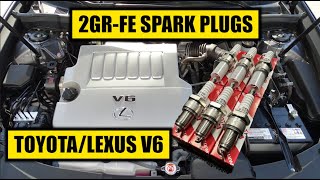
- Unbolt and remove the intake manifold. There are typically 6 bolts and 4 nuts. Cover the open intake ports on the lower manifold with clean rags to prevent debris from falling in. 🎬 Follow this walkthrough for changing plugs on the 2GR-FE engine.
- You now have access to the rear bank ignition coils. Swap the coil from cylinder 5 with the coil from cylinder 1 or 3.
- Temporarily reinstall the intake manifold (it does not need to be fully torqued for this test), reconnect sensors, and start the engine. See if the misfire code has moved to P0301 or P0303. If it has, the ignition coil is the culprit.
- If the code remains P0305, the coil is likely good. The next step is to inspect and replace the spark plug.
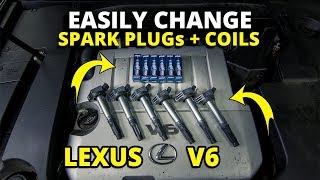
- While the manifold is off, it is best practice to replace all three rear ignition coils (Denso 90919-02255) and spark plugs (Denso FK20HR11).
- Inspect the spark plug tube for any signs of oil. If oil is present, the valve cover gaskets need to be replaced.
- Reassemble the engine using new intake manifold gaskets (e.g., Fel-Pro MS 96433). Torque the intake manifold bolts and nuts to 15 ft-lbs (21 Nm) in a crisscross pattern.
- Clear the codes with the scanner and perform a test drive to ensure the repair was successful.
Parts You'll Likely Need
- Ignition Coil
(OEM #90919-02255 (or superseding 90919-A2007))— This is the most common failure part for a P0305 code. Cylinder 5 is on the hot, hard-to-reach rear bank, leading to eventual failure.
Trusted brands: Denso (OEM), NGK
OEM price range: $90-$120
Aftermarket price range: $45-$80 - Iridium Spark Plug
(OEM #Denso FK20HR11 (Toyota P/N: 90919-01247))— This is a primary service item. If it's old, it can cause a misfire. It should always be replaced if the intake manifold is removed for a misfire diagnosis.
Trusted brands: Denso (OEM), NGK
OEM price range: $15-$25
Aftermarket price range: $10-$20 - Intake Manifold Gasket Set
(OEM #Fel-Pro MS 96433 (Aftermarket) or Toyota OE)— These are one-time-use gaskets and must be replaced anytime the intake manifold is removed to prevent vacuum leaks.
Trusted brands: Mahle, Fel-Pro, Lexus OE
OEM price range: $30-$50
Aftermarket price range: $15-$30
Related Codes That Often Appear With This One
- P0300 — If the misfire becomes more widespread or is intermittent across multiple cylinders, a P0300 (Random/Multiple Misfire) code may appear alongside P0305.
- P0301, P0303 — If a component common to the rear bank of cylinders fails (like a vacuum leak from the intake gasket on that side), you may see misfire codes for the other cylinders on that bank.
Technical Service Bulletins (TSBs) & Recalls
- L-SB-0045-12 Rev: While for the RX450h, it mentions cold-start misfires on the 2GR engine that could point to carbon buildup requiring piston/ring replacement in severe cases, showing a potential deeper issue if common fixes fail. This bulletin specifically notes that vehicles may exhibit rough running on initial start-up after a cold soak with DTC P0305 present.
- Toyota TSB EG001-07 (and subsequent updates): Pertains to the rubber VVT-i oil line that is prone to rupture on early 2GR-FE engines (approx. 2007-2010), which can cause catastrophic oil pressure loss. A slow leak could theoretically cause timing-related misfires before total failure.
- Bulletin #L-SB-0044-19: This manufacturer bulletin provides a specific repair procedure to address misfire codes including P0305 for vehicles using similar Lexus powertrain configurations.
- Bulletin #L-TT-0192-15: Notes that some Lexus vehicles may exhibit P0305 and intermittently run rough after coming to a stop with the engine at operating temperature.
Mechanic-Grade Diagnostic Values
- Fuel Pressure at Idle — expected: 304 to 343 kPa (44 to 50 psi). Failure: Pressure below 44 psi can indicate a weak fuel pump, clogged filter, or failing pressure regulator.
- Fuel Injector Resistance — expected: 11.6 to 12.4 Ω at 20°C (68°F). Failure: Resistance outside this range indicates a faulty injector coil winding.
- Ignition Coil Secondary Resistance (OEM Denso) — expected: ~9.5 to 11.1 kΩ. Failure: A reading significantly outside this range suggests an internal coil failure. Note: Aftermarket coils may have different specifications.
- Spark Plug Gap (New OEM Denso FK20HR11) — expected: 1.0 to 1.1 mm (0.039 to 0.043 in.). Failure: The gap on iridium plugs should not be adjusted. A used plug with a gap exceeding the maximum of 1.4 mm should be replaced.
Hidden / Shadow Codes Worth Checking
- Mode 6 / Techstream Misfire Monitor: While not a 'shadow code' in the traditional sense, the dealer-level Techstream software provides a 'Misfire Monitor' screen that offers far more detail than standard OBD-II. It shows a historical misfire count (EWMA) and a current misfire 'Rate' for each cylinder. This is critical for diagnosing intermittent misfires that don't immediately set a CEL, as the 'Rate' will show a misfire happening in real-time while the standard data list may not update quickly enough under load. (see via Toyota Techstream software connected via a VCI cable. Navigate to the 'Monitor' screen and select 'Details' under the Misfire section.)
Scan Tool Commands That Help
- Toyota Techstream: Active Test: Control the Fuel Pump / Speed — Use this function to command the fuel pump on without the engine running. This allows you to verify pump operation and safely check for fuel pressure at the rail, helping to rule out fuel supply issues.
- Toyota Techstream: Active Test: Cylinder Cut / Injector Cut — This function allows you to disable individual injectors or ignition coils one by one while the engine is idling. When you cut a good cylinder, the engine RPM will drop noticeably. If you cut the misfiring cylinder (Cylinder 5) and there is little to no change in engine smoothness, it confirms that cylinder was not contributing properly.
- Toyota Techstream: Utility: Compression Test — After ruling out fuel and spark, this utility can perform a relative compression test. It cranks the engine with fuel and spark disabled and measures the RPM drop as each cylinder passes through its compression stroke. While not a substitute for a mechanical gauge test, it can quickly identify a cylinder with a major compression issue.
Wiring & Ground Locations
- ECM Terminals (C55) — The Engine Control Module (ECM) is located in the engine bay.. The ECM sends the ignition trigger (IGT) signal to the coil. For cylinder 5, this is pin IGT5 (Pin 36 on connector C55). The coil sends a confirmation signal (IGF1, shared) back to the ECM. A wiring issue between the ECM and the coil can cause a P0305.
- Engine Ground Points (e.g., D4) — The 2GR-FE has several critical ground points bolted directly to the engine block and cylinder heads. For example, ground point 'D4' is located on the left side of the engine.. A loose or corroded engine ground can cause a weak spark or erratic sensor readings, leading to misfires. The ignition coils ground through the cylinder head, so ensuring the main engine-to-chassis ground straps are clean and tight is a crucial, often overlooked step.
Real Owner Repair Stories
- ClubLexus Forum User (1998 Lexus GS300 (similar diagnostic path)) — Flashing check engine light with code P0305.
❌ Tried (didn't work) Replaced all spark plugs with OEM Denso parts., Replaced all spark plug wires and ignition coils.
✅ What actually fixed it The final cause was a bad fuel injector for cylinder 5. The key diagnostic clue was that after replacing all ignition parts, the spark plug from cylinder 5 still looked brand new and white, indicating no fuel was being burned (no combustion). - Reddit user Sea_Construction1137 (2017 Toyota Avalon (same 2GR-FE engine)) — Intermittent P0305 misfire that only occurs under specific conditions: right after refueling, on a cold start without letting the engine idle first, or on a warm restart without idling.
❌ Tried (didn't work) Swapped the ignition coil from another cylinder., Swapped the fuel injector from another cylinder., Confirmed the spark plug was new.
✅ What actually fixed it The user's detailed description of when the misfire occurs, combined with having ruled out the common ignition and fuel parts, led a commenter to suggest the most likely remaining cause: carbon buildup on the intake valves. This can disrupt airflow and fuel mixture, especially during transient conditions like startup, causing a temporary misfire until the engine stabilizes.
"I Checked Everything" — The Actual Cause
- A common scenario for a persistent P0305 on a high-mileage (100k+ miles) 2GR-FE, after ignition parts are replaced and a smoke test for vacuum leaks comes back clean, is carbon buildup on the intake valves. The carbon acts like a sponge, absorbing fuel when the engine is cold or just started, leaning out the mixture enough to cause a misfire. It doesn't show up as a vacuum leak, and the injector/coil may test perfectly fine, making it a difficult-to-diagnose issue that often gets missed. A borescope inspection is the definitive way to confirm it.
OEM Part Supersession History
90919-02255→90919-A2007 (and others like 90919-A2005)— Revisions are common to improve durability, internal materials, or manufacturing processes. The 2GR-FE has been in production for a long time, leading to several updates.
Heads up: The original part number 90919-02250 was superseded by 90919-02255, which was later superseded by parts like 90919-A2005 and 90919-A2007. While they should all be interchangeable for this application, it is best practice to use the latest available part number from the dealer and to replace coils in sets (or at least the full bank of 3) to ensure consistent performance.
Model Year Variations Within This Range
- 2007-2010: Early 2GR-FE engines were equipped with a rubber VVT-i oil supply line for the front (Bank 2) cylinder head. This line is known to rupture, causing a rapid loss of oil pressure. While a full rupture is catastrophic, a small leak or seep could potentially affect oil pressure to the VVT-i system, which could, in very rare cases, manifest as timing-related misfires before the line fails completely. Later models were updated with an all-metal line.
Diagnostic Flowchart
Other Known Issues on This Vehicle
Issues unrelated to this code that are worth knowing about as an owner of this generation:
- Rupturing VVT-i Oil Line 🔴 High — Common on early models (approx. 2007-2010) that came with a rubber hose section. Failure can cause catastrophic oil loss and engine seizure. (Ref: Toyota TSB EG001-07 (original), later updated. Not a recall, but a well-documented service campaign to replace the rubber line with an all-metal line (Part No. 15772-31030).)
- Melting / Sticky / Cracked Dashboard 🟠 Medium — Very common on 2007-2012 models due to a manufacturing defect in the plastics, exacerbated by heat and humidity. (Ref: Lexus Warranty Enhancement Program ZLD (expired) and ZLZ covered repairs.)
- Transmission Hesitation or Harsh Shifting 🟡 Low — Some owners of the XV40 generation (2007-2012) report hesitation or jerky shifts from the U660E transmission. Often addressed with a software update or fluid change.
- Oil Leaks from Timing Cover or Valve Covers 🟠 Medium → Shop Engine Valve Cover — Can occur on higher mileage engines. Leaks from the valve cover gasket can lead to oil in the spark plug tubes, causing misfires.
Used vs. New Parts: Buying Guide for This Vehicle
When a used part is the smart pick: For this specific repair, using used parts is generally not recommended due to the high labor cost. If you must remove the intake manifold, you want the highest confidence that the new parts will last. The only exception might be sourcing a complete, low-mileage JDM engine if your misfire is diagnosed as a major mechanical failure (like low compression), but this is an entirely different scale of repair.
Donor-vehicle mileage cap: roughly under 60000 miles for the part to have meaningful remaining life.
What to inspect on the donor part:
- For an ignition coil, there are no reliable visual cues. It's an electronic component that fails internally.
- If considering a used fuel injector, look for clean tips without heavy carbon deposits and ensure the O-rings are pliable, though they should always be replaced anyway.
- For a complete engine, look for evidence of regular maintenance (clean oil visible through the filler cap), no signs of heavy oil leaks, and a clear history if possible.
OEM-only on this vehicle (don't cheap out):
- Ignition Coils
- Spark Plugs
- Fuel Injectors
Aftermarket brands forum-validated for this vehicle:
- Denso (OEM for coils and plugs)
- NGK (Coils and plugs)
- Fel-Pro (Gaskets)
- Mahle (Gaskets)
Brands owners have reported issues with on this vehicle:
- Unnamed, no-brand 'white box' ignition coils from online marketplaces. They are notorious for high failure rates, sometimes within weeks or months. Given the labor to replace a rear coil, using a cheap part is a significant gamble that often results in doing the job twice.
Real Owner Stories
Aggregated from forums and TSBs cited above. Mileages and costs reflect what owners reported in those sources.
2007-2012 Lexus ES 350 2GR-FE
Symptoms: Can't get rid of P0305 & P0301 codes even after replacing plugs and coils.
What fixed it: The owner detailed a struggle with persistent misfires on the rear bank, highlighting that the issue can be a significant diagnostic challenge even after standard part replacement.
Source hint: ClubLexus.com: 'Can't get rid of P0305 & P0301 codes'
2009 Toyota Sienna 2GR-FE
Symptoms: P0305 misfires persist after replacing the plug, coil, and injector.
What fixed it: The issue remained unresolved after standard fixes, demonstrating the problem can sometimes be deeper than the most common causes.
Source hint: Reddit r/MechanicAdvice: '2009 Toyota Sienna P0305 misfires help'
2009 Lexus RX 350 2GR-FE
Symptoms: Misfire codes P0303 and P0305 for the entire rear bank after replacing plugs and coils.
What fixed it: The report points toward a potential shared issue like a vacuum leak or fuel delivery problem affecting the rear bank.
Source hint: Reddit r/Cartalk: 'Code P0303 P0305 on 2009 Lexus rx350'
Related OBD-II Codes
Frequently Asked Questions
Does TSB EG001-07 apply to my 2007-2010 Lexus ES 350?
Which specific spark plugs should I use for my Lexus ES 350 to fix a P0305 code?
Why is the labor for a Cylinder 5 misfire so much higher than other cylinders?
Can I just swap the coil to test it like on other cars?
Is there a specific ignition coil part number I should look for?
What else should I replace while the intake manifold is off for a P0305 repair?
Are there any manufacturer bulletins specifically for P0305 on Lexus vehicles?
Helpful Videos
We Have This Part in Stock


The information in this article is provided for general reference and educational purposes only. Vehicle specifications, procedures, and part compatibility can vary by production date, trim level, and region. Always consult your vehicle's factory service manual and verify part numbers before purchasing or performing repairs. Safety-critical components such as airbags, seat belts, and braking systems should be installed by a qualified professional.
- Lexus ES 350:
- 🧭 Diagnostic Flowchart
- 🎬 Helpful Videos
- 🛍️ Shop This Part
- What's Unique About the 2007-2018 Lexus ES 350
- Symptoms You May Notice
- Most Likely Causes
- Rare But Worth Checking
- Diagnosis Steps
- Parts You'll Likely Need
- Related Codes That Often Appear With This One
- Technical Service Bulletins (TSBs) & Recalls
- Mechanic-Grade Diagnostic Values
- Hidden / Shadow Codes Worth Checking
- Scan Tool Commands That Help
- Wiring & Ground Locations
- Real Owner Repair Stories
- "I Checked Everything" — The Actual Cause
- OEM Part Supersession History
- Model Year Variations Within This Range
- Other Known Issues on This Vehicle
- Used vs. New Parts: Buying Guide for This Vehicle
- Real Owner Stories
- 2007-2012 Lexus ES 350 2GR-FE
- 2009 Toyota Sienna 2GR-FE
- 2009 Lexus RX 350 2GR-FE
- Related OBD-II Codes
- Frequently Asked Questions
- 🎟️ Get 5% Off