

P0305 on 2007-2018 Lexus ES350: Cylinder 5 Misfire Causes and Fixes
P0305 means cylinder 5 is misfiring on your Lexus ES350. This is almost always caused by a bad ignition coil or a worn-out spark plug. Because cylinder 5 is on the rear bank against the firewall, replacement is labor-intensive and can cost several hundred dollars in labor alone. It is strongly recommended to replace all three rear coils and all six spark plugs at the same time to avoid repeating the labor.
- P0305 indicates a misfire in cylinder #5.
- The most likely cause is a bad ignition coil, followed by a worn spark plug.
- Cylinder 5 is on the rear bank of the engine against the firewall, making access difficult and labor-intensive.
- Due to the high labor cost, it is strongly recommended to replace all three rear ignition coils, all six spark plugs, and the intake gaskets at the same time.
- If the check engine light is flashing, stop driving immediately to prevent damage to the catalytic converter.
What's Unique About the 2007-2018 Lexus ES350
On the 2GR-FE V6 engine in your ES350, the engine is mounted transversely. The cylinders are numbered with 2-4-6 on the front bank (easy to access, near the radiator) and 1-3-5 on the rear bank, against the firewall. This means that cylinder 5, the source of the P0305 code, is one of the most difficult to reach. Replacing a simple part like an ignition coil or spark plug requires removing the entire upper intake manifold (plenum), which significantly increases labor time and cost compared to a misfire on the front bank (e.g., P0302, P0304, P0306).
Generation note: This guide covers the Lexus ES350 from the XV40 generation (2007-2012) and the XV60 generation (2013-2018). Both generations use the 2GR-FE 3.5L V6 engine, and the causes and diagnostic procedures for a P0305 code are identical. Part numbers for ignition components may vary slightly, so always verify with your vehicle's VIN.
Symptoms You May Notice
- Check Engine Light is on (solid or flashing)
- VSC (Vehicle Stability Control) light is often on at the same time
- Rough or shaky engine idle
- Hesitation or stumbling during acceleration
- Noticeable loss of engine power
- Reduced fuel economy
- A smell of raw gasoline from the exhaust
- Replacing only the spark plug when the ignition coil was the actual cause, requiring the labor-intensive job to be done a second time.
- Replacing front bank (2, 4, 6) components when the code is for a rear bank cylinder (5).
- Forgetting to replace the upper intake manifold gaskets after removing the manifold, leading to a new vacuum leak and potentially a P0300 random misfire code.
Most Likely Causes
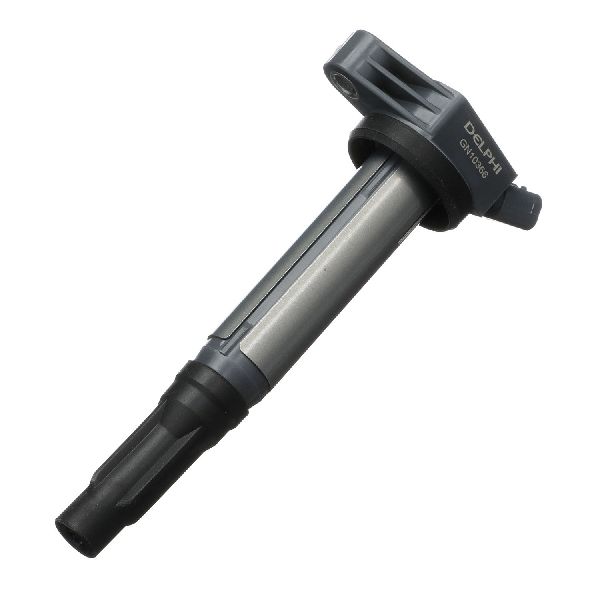
- Faulty Ignition Coil 🔴 High Probability → Shop Ignition Coil Ignition coils are a common wear item on most modern engines, and the 2GR-FE is no exception. Heat and vibration eventually cause the internal windings to fail. Denso is the original equipment manufacturer (OEM).
How to confirm: The most effective diagnostic step is to swap the ignition coil from cylinder 5 with one from an accessible front cylinder (e.g., cylinder 4 or 6). This requires removing the intake manifold to access cylinder 5. Clear the codes and drive the car. If the code changes to P0304 or P0306, the coil is confirmed to be faulty.
Typical fix: Replace the faulty ignition coil. Since accessing the rear bank is labor-intensive, many owners and shops choose to replace all three rear coils (cylinders 1, 3, 5) and all six spark plugs at the same time. This is considered best practice to avoid paying for the same labor again if another rear coil fails soon after.
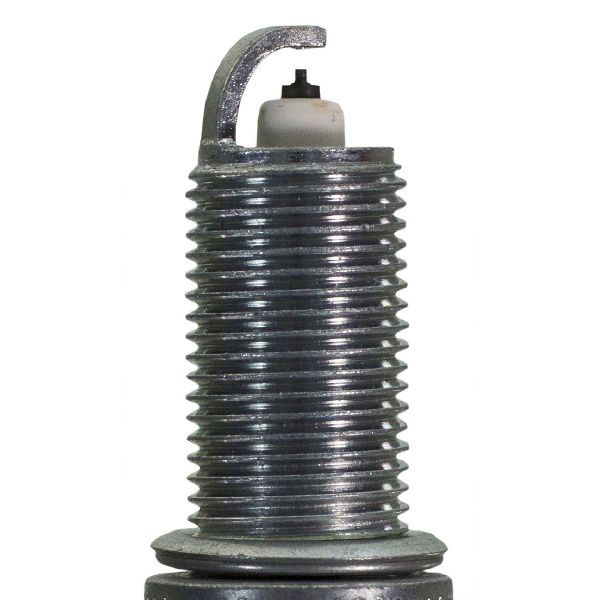
Est. part cost: $65-$130 per coil - Worn or Fouled Spark Plug 🔴 High Probability → Shop Spark Plug The recommended service interval for the original equipment Iridium spark plugs is typically 100,000-120,000 miles. An old plug with a worn electrode or one fouled by oil or carbon cannot produce a strong enough spark, leading to a misfire.
How to confirm: After confirming the ignition coil is good, remove the spark plug from cylinder 5. Inspect it for wear (a rounded center electrode), excessive carbon fouling, or contamination from oil or coolant. A spark plug with oil on the threads can also be a clue pointing towards other issues like a leaking spark plug tube seal.
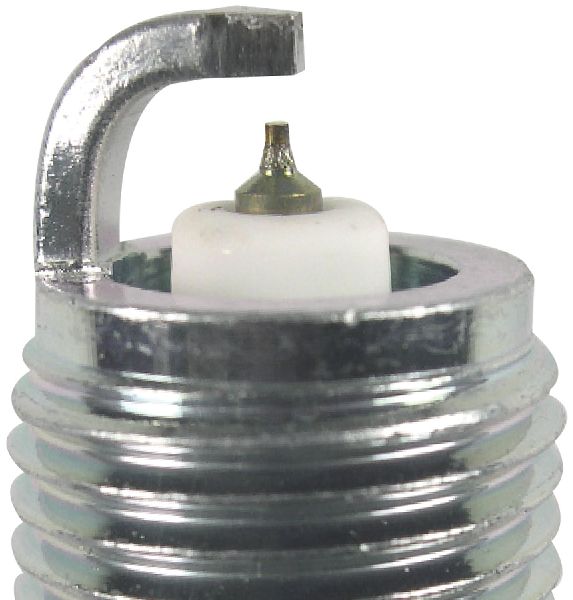
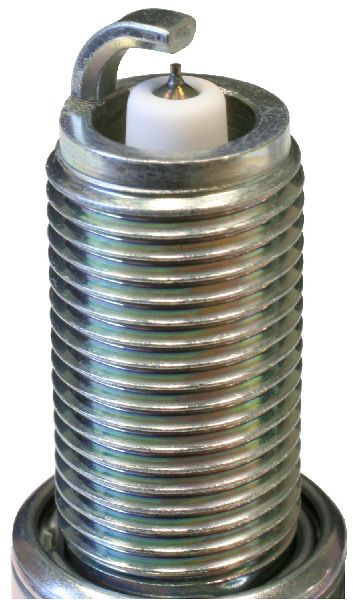
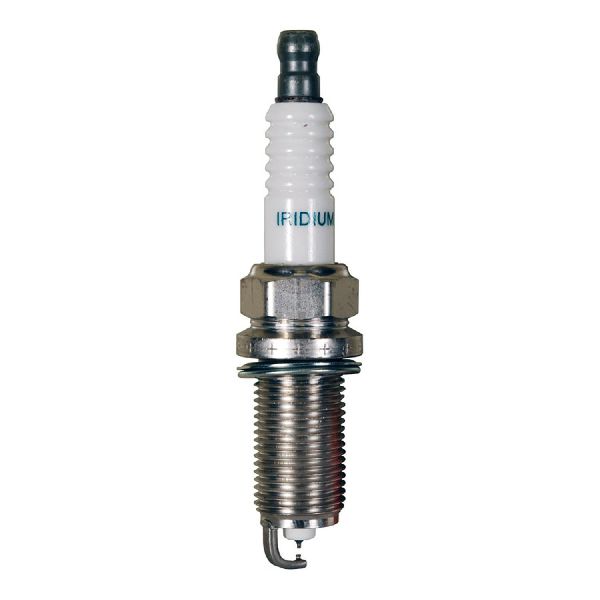
Typical fix: Replace the spark plug. It is highly recommended to replace all six spark plugs at once with high-quality Iridium plugs (Denso or NGK), especially given the labor required to access the rear bank.
Est. part cost: $15-$25 per plug - Clogged or Faulty Fuel Injector 🟡 Medium Probability → Shop Fuel Injector
How to confirm: If the coil and spark plug are good, the fuel injector is the next likely cause. A mechanic can perform a fuel injector balance test to measure its flow rate. A simpler DIY check is to listen to the injector with a mechanic's stethoscope; it should make a consistent, rapid clicking sound. In some forum cases, owners replaced coils and plugs only to find the P0305 code returned, with the final culprit being a bad injector.
Typical fix: Replace the faulty fuel injector. This also requires removing the intake manifold, so it can be done at the same time as coils and plugs if being thorough.
Est. part cost: $100-$250
Rare But Worth Checking
- Intake Manifold Gasket Leak: → Shop Engine Intake Manifold A vacuum leak from a failed or improperly seated upper intake manifold gasket near the cylinder 5 intake runner can lean out the air/fuel mixture and cause a misfire. This is often diagnosed with a smoke test. The gasket must be replaced anytime the manifold is removed.
- Low Cylinder Compression: In rare cases on high-mileage engines, internal mechanical problems like a burnt valve, worn piston rings, or even camshaft actuator bolt failure can cause a loss of compression. This leads to a persistent misfire that isn't resolved by replacing ignition or fuel parts. A compression test is required to diagnose this.
- Faulty Engine Control Module (ECM): While rare, a faulty ECM or outdated software can cause misfire codes. TSB L-SB-0044-19, although for a newer RX model, shows that Lexus sometimes pairs a coil replacement with an ECM software update to fully resolve misfire issues, indicating a link between control logic and component failure.
Diagnosis Steps
- Read the code with an OBD-II scanner to confirm P0305 is present. Note any other codes, like P0355.
- Note if the Check Engine Light is flashing. If so, avoid driving to prevent catalytic converter damage.
- Identify cylinder 5. It is on the rear bank (closer to the firewall), on the driver's side of the engine.
- Due to the labor involved, many owners skip the coil swap test and proceed with replacing all three rear coils, all six spark plugs, and the intake gaskets at once. This is the most time and cost-effective approach.
- If you must test, remove the upper intake manifold. Swap the coil from cylinder 5 with the coil from cylinder 6 (front bank, driver's side). Reassemble using NEW intake manifold gaskets.
- Clear the codes and start the engine. If the code changes to P0306, the ignition coil is faulty. It is still highly recommended to replace all three rear coils at this point.
- If the code remains P0305 after the swap, the coil is likely good. The issue is likely the spark plug or fuel injector for cylinder 5.
- If all ignition and fuel components check out, a compression test should be performed to rule out internal engine mechanical issues.
Parts You'll Likely Need
- Ignition Coil
(OEM #90919-A2007 (supercedes 90919-A2002, 90919-02251))— This is the most common failure part for a single-cylinder misfire on this engine.
Trusted brands: Denso (OEM, P/N 673-1309), NGK
OEM price range: $95-$130
Aftermarket price range: $65-$100 - Iridium Spark Plug
(OEM #90919-01247)— Spark plugs are a routine maintenance item and the second most likely cause of a misfire. It is best practice to replace them when replacing a coil, especially on the hard-to-access rear bank.
Trusted brands: Denso (OEM, P/N FK20HR11), NGK (P/N 6176 / DILFR6D11)
OEM price range: $15-$20
Aftermarket price range: $10-$15 - Upper Intake Manifold Gasket Set
(OEM #17176-0P021 (Plenum to Lower Manifold Gasket, Qty 1))— This gasket set must be replaced anytime the upper intake manifold is removed to access the rear coils and plugs. Reusing the old gasket will likely cause a vacuum leak.
Trusted brands: Fel-Pro (MS96666), Mahle (MS19675)
OEM price range: $25-$40
Aftermarket price range: $15-$30
Related Codes That Often Appear With This One
- P0300 — If the misfire is intermittent or affects other cylinders, a P0300 (Random/Multiple Cylinder Misfire) code may appear alongside P0305. This can happen if the root cause is a vacuum leak or fuel delivery issue affecting the whole engine.
- P0301, P0303 — If a component that affects the entire rear bank fails, such as a vacuum leak from the intake gasket on that side, you may see misfire codes for the other rear cylinders as well.
- P0355 — This code stands for 'Ignition Coil 'E' Primary/Secondary Circuit Malfunction,' which points directly to a problem with the ignition coil for cylinder 5. If you see this code with P0305, it's a very strong indication that the coil itself or its wiring is the problem.
Technical Service Bulletins (TSBs) & Recalls
- L-SB-0044-19: While officially for 2016-2019 RX450h models, this TSB addresses misfire codes (P0301-P0306) on the related 2GR-FXS engine. It identifies faulty ignition coils as the cause and requires an ECM update as part of the repair. This indicates a known pattern of coil failure and software sensitivity within the wider 2GR engine family.
Mechanic-Grade Diagnostic Values
- Fuel Injector Resistance — expected: 11.6 to 12.4 Ω at 20°C (68°F). Failure: Resistance outside of the specified range indicates a faulty injector.
- Fuel Pressure — expected: 304 to 343 kPa (44 to 50 psi). Failure: Pressure below this range can cause lean misfires; pressure above can indicate a regulator issue.
- Ignition Coil Primary Resistance — expected: ~0.5 Ω ± 0.1Ω. Failure: A significant deviation suggests an internal fault in the coil's primary winding.
- Ignition Coil Secondary Resistance — expected: 9.5 to 11.1 kΩ. Failure: An open circuit (infinite resistance) or a reading outside this range indicates a failed secondary winding.
Hidden / Shadow Codes Worth Checking
- Mode 6 Data (Misfire Monitor): Toyota/Lexus vehicles provide detailed misfire data through Mode 6. This includes the 'EWMA' (Exponentially Weighted Moving Average), which shows misfire history over the last 10 driving cycles, and a 'Rate' counter for current misfires. This can reveal intermittent misfires on cylinder 5 before they are frequent enough to set a P0305 code. (see via Using Toyota's Techstream software, connect to the vehicle, go to the 'Engine and ECT' ECU, and select the 'Monitor' screen instead of the standard 'Data List'. Select 'Misfire' and then 'Details' to view the counts for each cylinder.)
Scan Tool Commands That Help
- Toyota Techstream: Active Test: Control the Injection Mode — This function allows a technician to manually switch between port and direct injection (on applicable 2GR-FKS engines) or command specific injectors to fire. For the port-injected 2GR-FE, it can be used to perform a power balance test by shutting off fuel to individual cylinders one by one. If shutting off cylinder 5 causes no change in engine RPM, it confirms that cylinder is not contributing, pointing to a fuel, spark, or compression issue.
- Toyota Techstream: Utility: Compression Test — Techstream has a utility that performs a relative compression test by measuring crankshaft speed variations as the engine cranks. It disables fuel and spark, then reports the RPM for each cylinder's compression stroke. A cylinder with a significantly lower RPM reading (e.g., 178-182 is normal) indicates a potential mechanical compression issue, saving the labor of a manual compression test.
Wiring & Ground Locations
- Engine Harness Ground (Rear Bank) — On the side of the rear cylinder head (Bank 1), located directly under the throttle body assembly.. This is a primary grounding point for the engine harness on the same bank as cylinder 5. A loose or corroded ground here can cause erratic signals for ignition coils and injectors on this bank, leading to intermittent misfires.
- Engine Harness Ground (Front Bank) — On the side of the front cylinder head (Bank 2), near the VVT-i oil line.. While not on the same bank, poor grounding at any major engine point can introduce electrical noise and voltage drops that may affect the ECM's ability to properly fire the ignition coils.
- Cylinder 5 Ignition Coil Connector — Connects directly to the ignition coil for cylinder 5, which is on the rear bank, driver's side. The ECM sends the trigger signal (IGT5) to this connector.. The wiring at this connector can become brittle from heat. Check for a broken locking tab, spread terminals, or corrosion inside the connector, which would interrupt the signal from the ECM and cause a P0305 and likely a P0355.
Real Owner Repair Stories
- YouTube channel 'speedkar99' (2007 Lexus ES350 with 213,000 km) — Engine had difficulty starting, ran on three cylinders, and made a horrible noise. Borescope inspection revealed piston-to-valve contact.
❌ Tried (didn't work) Initial diagnosis might point towards a simple timing jump or single component failure.
✅ What actually fixed it The root cause was the bolts for the rear bank's intake camshaft VVT gear backing out completely. This allowed the cam phaser to lose timing control, leading to catastrophic piston and valve collision. The engine required replacement. This was a known recall issue on other 2GR-FSE models (IS/GS) but not officially on the ES350's 2GR-FE, though the failure mode is identical. - ClubLexus Forum User (2006 Lexus RX350 (same 2GR-FE engine)) — Persistent misfire codes and low compression on multiple cylinders (Cyl 1: 8 bar, Cyl 3: 9 bar) after a professional engine rebuild.
❌ Tried (didn't work) Verifying PCV, injectors, coils, and spark plugs were all good.
✅ What actually fixed it The issue was traced to severe cylinder wall scuffing and piston damage in the 'rebuilt' engine, indicating poor quality machine work or incorrect parts (pistons specified were Teikin +1.00). The intake manifold was also coated in oil. This highlights that even after replacing common parts, a persistent P0305 can be due to fundamental and severe mechanical engine failure.
"I Checked Everything" — The Actual Cause
- In some cases, a P0305 misfire that is not caused by ignition or fuel components can be traced to a clogged or sticking PCV valve. While it won't show up as a vacuum leak in a smoke test, a faulty PCV valve can lead to excessive crankcase pressure and oil being forced into the intake manifold. This oil vapor can contaminate the air-fuel mixture and foul the spark plug for cylinder 5 over time, causing an intermittent misfire.
OEM Part Supersession History
90919-02251 / 90919-A2002→90919-A2007— Part revision and consolidation by Toyota/Lexus for improved reliability or manufacturing changes.
Model Year Variations Within This Range
- 2007-2010 vs 2011-2012: For the 2011 model year, Lexus changed the fuel recommendation from premium to regular unleaded. This resulted in a slight de-rating of the 2GR-FE engine from 272 hp to 268 hp due to ECU tuning adjustments. The fundamental engine mechanics and diagnosis for P0305 remain identical.
- 2013-2018 (XV60 Generation): The ES350 was redesigned for 2013, moving to the Toyota Avalon platform. While it continued to use the 2GR-FE engine rated at 268 hp, some ancillary parts and wiring harness routing may differ slightly from the earlier XV40 generation. However, the location of cylinder 5 and the diagnostic procedure for P0305 are the same.
Diagnostic Flowchart
Other Known Issues on This Vehicle
Issues unrelated to this code that are worth knowing about as an owner of this generation:
- VVT-i Oil Line Rupture 🔴 High — Common on early models (approx. 2007-2009) that were not serviced under a Limited Service Campaign. A rubber section of the oil line can degrade and burst, leading to rapid, catastrophic oil loss and engine seizure. (Ref: Toyota issued a Limited Service Campaign (LSC) to replace the rubber/metal line with an all-metal line (Part No. 15772-31030).)
- Melting / Sticky Dashboard 🟡 Low — Very common on 2007-2008 models, especially in hot, humid climates. The dashboard material degrades, becoming shiny, sticky, and prone to cracking. (Ref: Lexus initiated a Warranty Enhancement Program (ZLD) to replace affected dashboards, but the program has since expired for most owners.)
- Excessive Oil Consumption 🟠 Medium — Can occur on higher-mileage (120,000+ miles) engines. Often attributed to carbon buildup causing piston oil control rings to stick. Not as widespread as on some other Toyota engines of the era, but a known possibility.
- Water Pump Failure 🟠 Medium — The water pump is a known potential failure point. Leaks, often identified by pink coolant residue around the pump area, are a common sign. It is often replaced preemptively during other major services.
- Transmission Shift Flare/Hesitation 🟠 Medium — Some owners of earlier models (especially 2007-2009) report issues with rough shifting or hesitation. Sometimes this can be addressed with an ECU software update or is a sign of internal wear.
Used vs. New Parts: Buying Guide for This Vehicle
When a used part is the smart pick: For major mechanical components like a complete engine assembly, a used part from a reputable salvage yard can be a cost-effective solution, especially if the original engine suffered catastrophic failure (like from backed-out cam gear bolts). Ensure the donor vehicle was not in a severe front-end collision and has documented low mileage.
Donor-vehicle mileage cap: roughly under 80000 miles for the part to have meaningful remaining life.
What to inspect on the donor part:
- Check for a VIN tag on the donor engine to verify its origin and mileage if possible.
- Look for signs of heavy oil leaking from the timing cover or valve covers, which are common issues.
- Ask the salvage yard if they performed a compression or leak-down test before pulling the engine.
- Inspect the oil fill cap and dipstick for any signs of milky, sludgy oil, indicating coolant contamination or poor maintenance.
OEM-only on this vehicle (don't cheap out):
- Ignition Coils
- Fuel Injectors
- PCV Valve
Aftermarket brands forum-validated for this vehicle:
- Denso (for ignition coils, spark plugs - OEM supplier)
- NGK (for ignition coils, spark plugs)
- Fel-Pro (for intake manifold gaskets)
- Mahle (for intake manifold gaskets)
Brands owners have reported issues with on this vehicle:
- Unnamed, no-brand 'white box' ignition coils and sensors from online marketplaces. These frequently have high failure rates and incorrect resistance values, causing persistent issues.
Real Owner Stories
Aggregated from forums and TSBs cited above. Mileages and costs reflect what owners reported in those sources.
2007-2018 Lexus ES350 2GR-FE
Symptoms: The P0305 code returned even after a shop replaced all three rear coils and plugs.
What fixed it: The next diagnostic step identified the issue as a fuel injector or a vacuum leak.
Source hint: ClubLexus.com: Thread 'Misfire Code P0305 after replacing spark plugs and coils' (URL: https://www.clublexus.com/forums/es-1st-to-6th-gen-1990-2018/976903-misfire-code-p0305-after-replacing-spark-plugs-and-coils.html)
2007-2018 Lexus ES350 2GR-FE
Symptoms: Cylinder 5 misfire confirmed after checking the ignition coil and spark plug.
What fixed it: The solution was replacing a faulty fuel injector.
Source hint: ClubLexus.com: Thread 'P0305 Cylinder 5 Misfire' (URL: https://www.clublexus.com/forums/es-1st-to-6th-gen-1990-2018/1006509-p0305-cylinder-5-misfire.html)
2007 Lexus ES350 2GR-FE
Symptoms: Multiple, shifting misfire codes including P0305; owner experienced a cascade of codes.
What fixed it: The issue was a failing component triggering multiple faults before settling on the primary misfire.
Source hint: Reddit.com: r/Lexus Thread 'Lexus ES350 2007 issue/ need help...' (URL: https://www.reddit.com/r/Lexus/comments/t50ifb/lexus_es350_2007_issue_need_help_all_cylinders/)
Related OBD-II Codes
Frequently Asked Questions
Why is my VSC light on at the same time as the P0305 code on my ES350?
Does TSB L-SB-0044-19 apply to my 2GR-FE engine?
Where is cylinder 5 located on the 2007-2018 Lexus ES350?
Is there a specific part recommended for replacing the ignition coils?
Why do mechanics recommend replacing all three rear coils at once for a P0305 code?
What is the risk of driving my ES350 while the Check Engine Light is flashing?
Helpful Videos
![How to Fix P0305 Engine Code in 3 Minutes [2 DIY Methods / Only $4.53]](https://img.youtube.com/vi/iu7X5E-N1II/mqdefault.jpg)
We Have This Part in Stock


The information in this article is provided for general reference and educational purposes only. Vehicle specifications, procedures, and part compatibility can vary by production date, trim level, and region. Always consult your vehicle's factory service manual and verify part numbers before purchasing or performing repairs. Safety-critical components such as airbags, seat belts, and braking systems should be installed by a qualified professional.
- Lexus ES350:
- 🧭 Diagnostic Flowchart
- 🎬 Helpful Videos
- 🛍️ Shop This Part
- What's Unique About the 2007-2018 Lexus ES350
- Symptoms You May Notice
- Most Likely Causes
- Rare But Worth Checking
- Diagnosis Steps
- Parts You'll Likely Need
- Related Codes That Often Appear With This One
- Technical Service Bulletins (TSBs) & Recalls
- Mechanic-Grade Diagnostic Values
- Hidden / Shadow Codes Worth Checking
- Scan Tool Commands That Help
- Wiring & Ground Locations
- Real Owner Repair Stories
- "I Checked Everything" — The Actual Cause
- OEM Part Supersession History
- Model Year Variations Within This Range
- Other Known Issues on This Vehicle
- Used vs. New Parts: Buying Guide for This Vehicle
- Real Owner Stories
- 2007-2018 Lexus ES350 2GR-FE
- 2007-2018 Lexus ES350 2GR-FE
- 2007 Lexus ES350 2GR-FE
- Related OBD-II Codes
- Frequently Asked Questions
- 🎟️ Get 5% Off