

P0305 on 2007-2015 Lexus RX 350: Cylinder 5 Misfire Causes and Fixes
P0305 means your Lexus RX 350 has a misfire in cylinder #5. This is almost always caused by a bad ignition coil or a worn-out spark plug. Because cylinder #5 is on the hard-to-reach rear cylinder bank, the repair is more involved and costs between $450 and $800 at a shop. It is highly recommended to replace all three rear coils and all six spark plugs during this repair.
- P0305 on a Lexus RX 350 points to a misfire on cylinder #5, located on the difficult-to-access rear bank of the engine.
- The most likely cause is a failed ignition coil, followed closely by a worn-out spark plug.
- Due to the significant labor of removing the intake manifold to access cylinder #5, it is highly recommended to replace all three rear ignition coils, all six spark plugs, and the intake manifold gasket at the same time.
- A flashing Check Engine Light indicates a severe misfire that can damage your catalytic converter; avoid driving the vehicle if this occurs.
- Always start diagnosis by swapping the ignition coil with one from the front bank to see if the misfire code follows it before buying parts.
What's Unique About the 2007-2015 Lexus RX 350
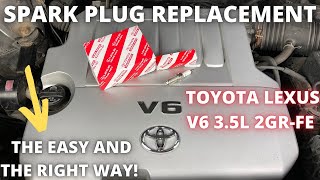
On the Lexus RX 350's 2GR-FE engine, the cylinders are numbered with the odd bank (1, 3, 5) at the rear, against the firewall, and the even bank (2, 4, 6) at the front. Cylinder #5 is the middle cylinder on the rear bank. This location is critical because accessing the ignition coil and spark plug requires removing the entire upper intake manifold 🎬 See this walkthrough for accessing the rear bank spark plugs. (plenum), making the job significantly more labor-intensive than a misfire on the front bank.
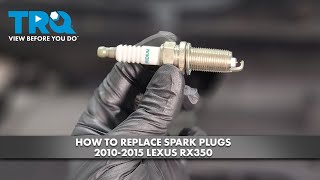
Generation note: This guide covers the 2007-2009 (second generation, XU30) and 2010-2015 (third generation, AL10) 🎬 Watch: Step-by-step spark plug replacement for 2010-2015 models. Lexus RX 350. Both generations use the 2GR-FE 3.5L V6 engine, and the causes and repair procedures for a P0305 code are consistent across both.
Symptoms You May Notice
- Rough or shaking idle
- Engine hesitation or stumbling during acceleration
- Noticeable loss of power
- Solid or flashing Check Engine Light
- Reduced fuel economy
- Fuel odor from the exhaust
- Rough running on initial start-up after a cold soak
- Replacing only the spark plug when the ignition coil was the actual failure.
- Replacing front bank ignition components when the code is for a rear bank cylinder.
- Assuming a major engine problem before performing the simple coil and plug swap diagnostic tests.
- Not replacing the intake manifold gasket after removing it, leading to a vacuum leak and new codes.
Most Likely Causes
- Faulty Ignition Coil 🔴 High Probability → Shop Ignition Coil Ignition coils are a common wear item. The rear bank where cylinder #5 is located experiences significant heat soak from the engine and exhaust, which can shorten the life of electronic components. Forum users report coil failures as a very common occurrence.
How to confirm: The most effective method is to swap the ignition coil from cylinder #5 with a coil from an easily accessible front cylinder (e.g., cylinder #4 or #6). This requires removing the intake manifold. Clear the codes. If the misfire code changes to P0304 or P0306, the coil is confirmed bad.
Typical fix: Replace the faulty ignition coil. It is highly recommended to replace all three rear ignition coils and all six spark plugs at the same time due to the labor involved in accessing the rear bank. Many owners also recommend replacing the plastic electrical connectors for the coils, as they become brittle and often break during removal.
Est. part cost: $50-$90 per coil - Worn Spark Plug 🔴 High Probability → Shop Spark Plug Spark plugs are a routine maintenance item. The factory-recommended Iridium plugs have a long service life (around 100,000-120,000 miles), but they will eventually wear out, causing a weak spark and misfires. Oil from a leaking valve cover gasket can also foul the plug, causing a misfire.
How to confirm: After ruling out the ignition coil, inspect the spark plug for wear, fouling, or damage. A visual check is often sufficient. If the coil swap test didn't move the misfire, swap the spark plug from cylinder #5 with one from the front bank. If the code moves, the plug is bad.
Typical fix: Replace the spark plug. As with the ignition coil, it is best practice to replace all six spark plugs at once, especially if they are near the end of their service life. Always use a torque wrench for installation.
Est. part cost: $10-$25 per plug - Clogged or Faulty Fuel Injector ⚪ Low Probability → Shop Fuel Injector While less common than ignition issues, fuel injectors can become clogged with deposits over time or fail electrically.
How to confirm: If swapping the coil and plug does not resolve the P0305 code, the fuel injector is the next likely culprit. This can be confirmed by testing the injector's resistance with a multimeter or by swapping it with another cylinder's injector, which is a highly labor-intensive task. A ClubLexus forum member confirmed a bad fuel injector was the cause after ignition parts didn't fix the issue.
Typical fix: Replace the faulty fuel injector. It's also wise to replace the injector seals and O-rings during this service.
Est. part cost: $100-$250 per injector
Rare But Worth Checking
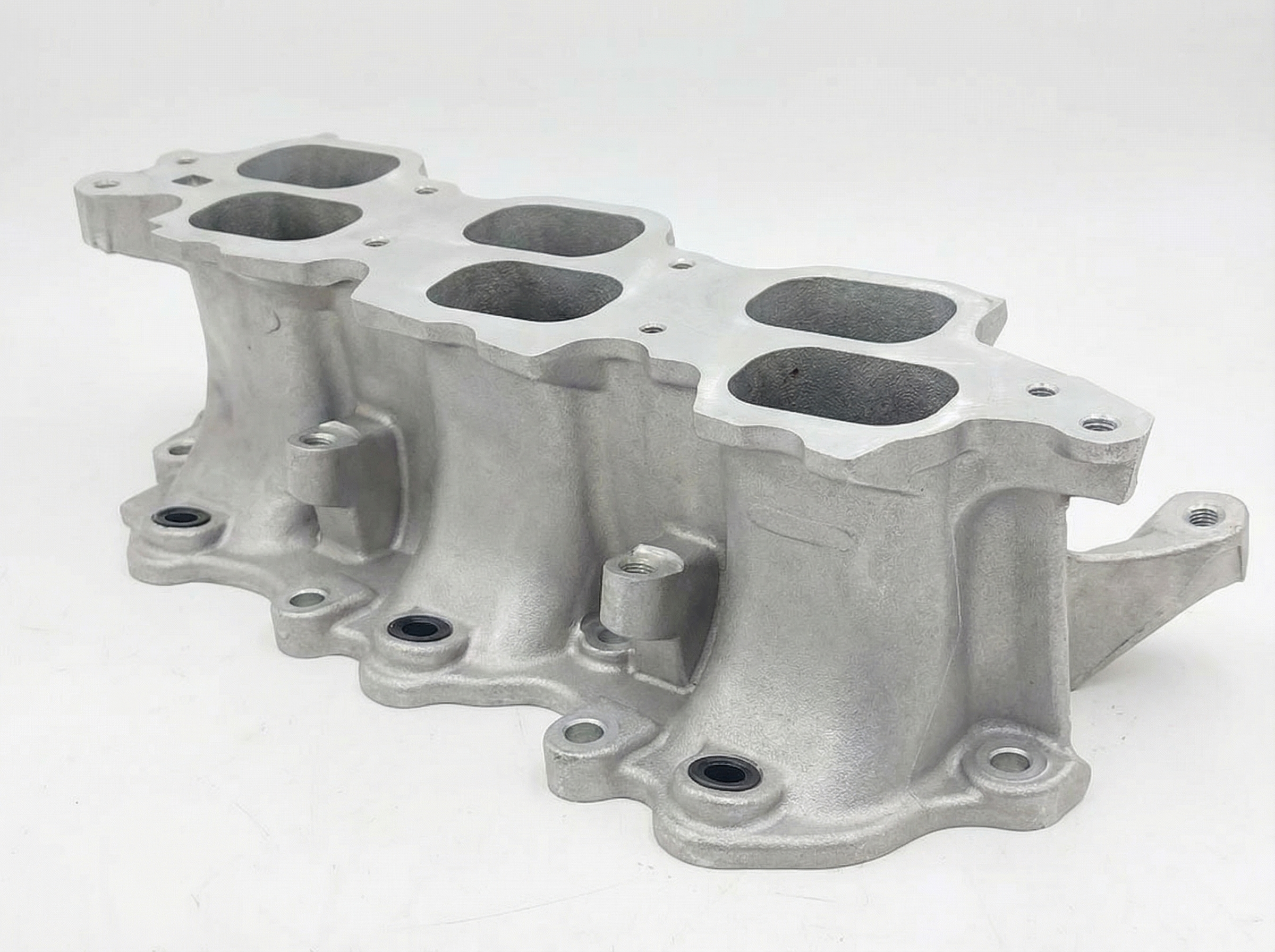
- Intake Manifold Gasket Leak: → Shop Engine Intake Manifold A vacuum leak from a failed intake gasket near the runner for cylinder #5 can lean out the air/fuel mixture and cause a misfire. This should be checked while the intake manifold is off for a coil or plug replacement. The gasket is a single-use item and must be replaced anytime the manifold is removed.
- Low Engine Compression: In rare cases, especially on higher mileage engines, internal engine issues like a burnt valve, worn piston rings, or excessive carbon buildup can cause low compression. A compression test is needed to diagnose this. Toyota issued a TSB (L-SB-0045-12 Rev) for some models that could require piston and ring replacement for cold-start misfires due to carbon.
- Failed Oil Control Valve (OCV): A malfunctioning VVT-i oil control valve for Bank 1 (the rear bank) can cause timing issues that lead to misfires across all three rear cylinders (P0301, P0303, P0305). This is often accompanied by timing-related codes like P0015.
Diagnosis Steps
- Connect an OBD-II scanner and confirm P0305 is the active code. Note any other codes present, especially P0300 or P0355.
- Check freeze frame data to see the engine conditions (speed, load, temperature) when the misfire occurred.
- To access cylinder #5, you must remove the engine cover, air intake assembly, and the upper intake manifold (plenum). This is a multi-hour job. It is recommended to have a new intake manifold gasket on hand before starting.
- Mark the ignition coil on cylinder #5. Swap it with the coil from cylinder #4 (front bank, middle cylinder).
- Reassemble the intake enough to run the engine safely. Clear the codes and start the vehicle. Let it run for a few minutes.
- Rescan for codes. If the code is now P0304, the ignition coil you moved is faulty and needs to be replaced.
- If the code remains P0305, the issue is not the coil. Given the labor involved, it is highly recommended to proceed with replacing all three rear coils and all six spark plugs at this stage.
- If you choose to continue diagnosing, swap the spark plug from cylinder #5 with the one from cylinder #4.
- If the code then moves to P0304, the spark plug is the culprit.
- If the code still remains P0305 after swapping both the coil and plug, the problem is likely the fuel injector, its wiring harness, or a mechanical issue with the cylinder.
- At this point, a compression test and/or a fuel injector resistance test are the next logical steps.
Parts You'll Likely Need
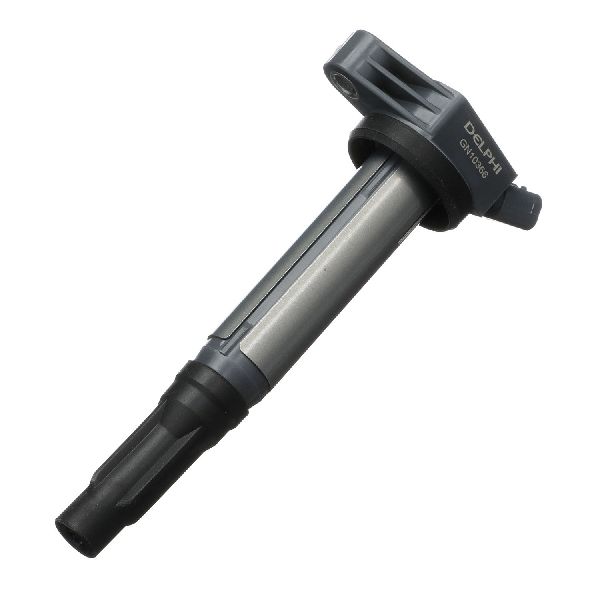
- Ignition Coil
(OEM #90919-A2007 (supersedes 90919-02255, 90919-A2004, 90919-A2002, 90919-02251))— This is the most common failure part for a P0305 code. The rear bank location is difficult to access, so it's wise to replace all three rear coils at once.
Trusted brands: Denso (OEM), NGK, Delphi
OEM price range: $80-$120
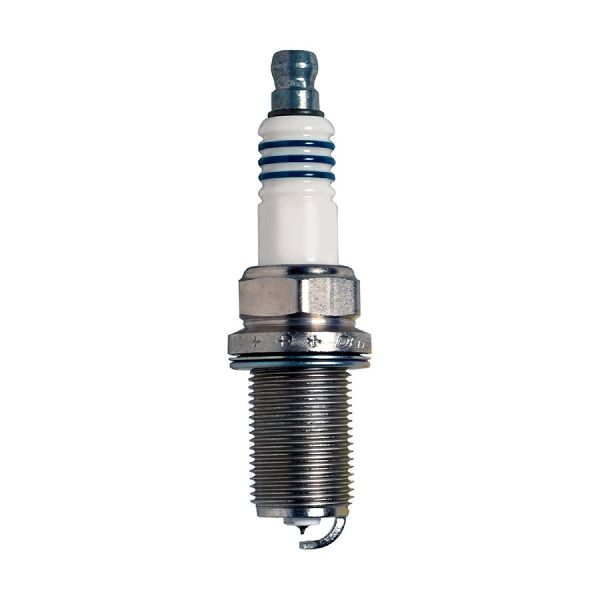
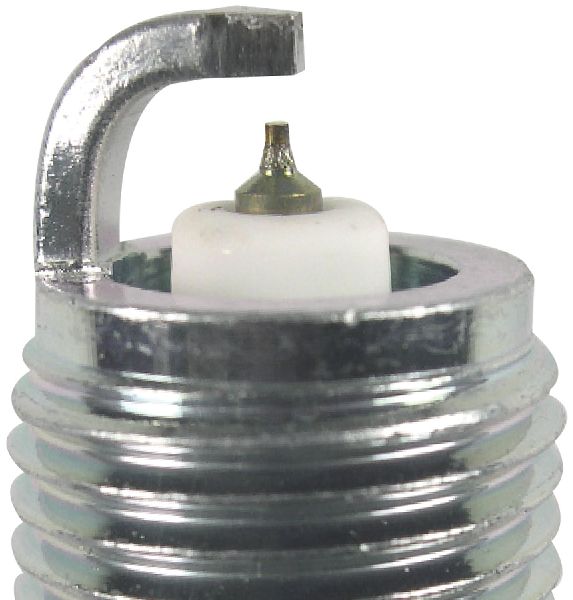
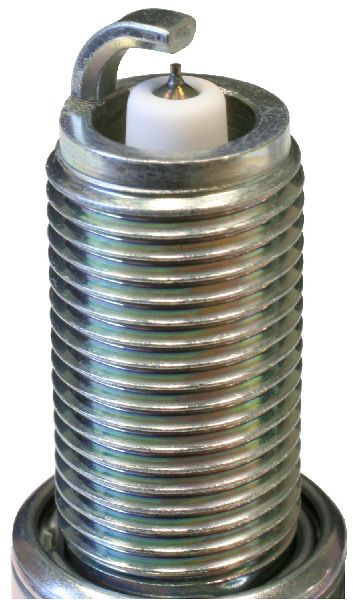
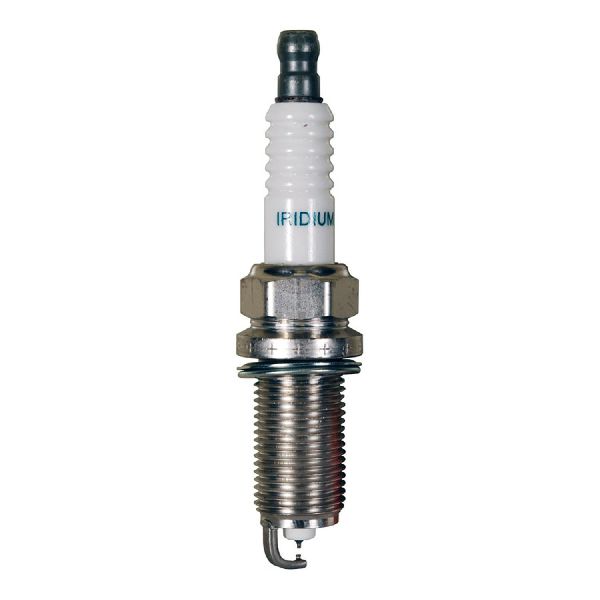
Aftermarket price range: $45-$75 - Iridium Spark Plug
(OEM #90919-01247)— Spark plugs are a primary cause of misfires and are typically replaced along with the ignition coils as preventative maintenance, especially given the labor to access the rear bank.
Trusted brands: Denso (FK20HR11), NGK (ILFR6T11)
OEM price range: $15-$25
Aftermarket price range: $10-$18 - Intake Manifold Gasket Set
(OEM #17176-31050 (Plenum Gasket))— This gasket must be replaced whenever the upper intake manifold is removed to access the rear cylinders. It is not reusable and ensures no vacuum leaks are introduced.
Trusted brands: Lexus/Toyota OE, Mahle, Fel-Pro
OEM price range: $20-$30
Aftermarket price range: $10-$20
Related Codes That Often Appear With This One
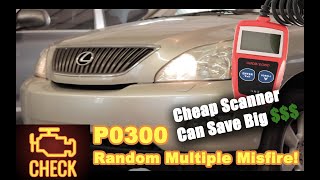
- P0300 — If the misfire is intermittent or other cylinders are also beginning to fail, a P0300 (Random/Multiple Cylinder Misfire) may be stored alongside P0305. 🎬 Watch: How to diagnose and repair random multiple misfire codes.
- P0355 — This code specifically means 'Ignition Coil 'E' Primary/Secondary Circuit Malfunction.' Since cylinder #5 is often designated as 'E' in the firing order, this code is a direct pointer to a failed ignition coil or wiring issue for cylinder #5.
- P0301, P0303 — Misfire codes for the other rear-bank cylinders (1 and 3) may appear alongside P0305, often pointing to a systemic issue affecting the entire bank, like a failed Oil Control Valve or a vacuum leak from the intake gasket.
Technical Service Bulletins (TSBs) & Recalls
- L-SB-0045-12 Rev: For some 2GR-FE engines, addresses cold-start misfires which may require ECM updates or internal engine repair (pistons/rings) due to carbon buildup. This bulletin notes that vehicles may exhibit MIL "ON" with DTC P0305 and rough running on initial start-up after a cold soak.
- L-SB-0037-10: Addresses MIL ON with misfire DTCs, may involve ECM update.
- Bulletin #L-SB-0044-19: Provides a specific repair procedure for addressing misfire detections including P0305.
- Bulletin #L-TT-0192-15: Notes that some vehicles may exhibit P0305 and intermittently run rough after coming to a stop with the engine at operating temperature.
- TSB 01107 (April 2007): Notes potential for 2GR-FE engine oil leak from the front timing cover. While not directly causing a misfire, it's a known engine issue.
Platform-Specific Known Issues
- ClubLexus Forum: '07 RX350 throwing codes, please help: An owner of a 2007 RX350 with only 30,000 miles experienced a shudder and multiple misfire codes including P0305. Another user replied that Bank 1 (rear) coil packs are notorious for failing and that it's normal for them to be replaced, even at low mileage. They recommended replacing all rear coils and plugs at the same time. URL: https://www.clublexus.com/forums/rx-2nd-gen-2004-2009/839499-07-rx350-throwing-codes-please-help.html
- Reddit: P0303 & P0305 after replacing plugs and coils: A user on Reddit reported getting P0303 and P0305 codes on a 2009 RX350 even after replacing all six spark plugs and the three rear ignition coils. This indicates that while coils and plugs are the most common cause, the issue can sometimes be something else, such as fuel injectors or a compression issue, requiring further diagnosis. URL: https://www.reddit.com/r/Cartalk/comments/15tqg3b/code_p0303_p0305_on_2009_lexus_rx350/
Mechanic-Grade Diagnostic Values
- Fuel Injector Resistance — expected: 11.6 to 12.4 Ω at 20°C (68°F). Failure: A reading outside this range, or a reading that is significantly different from the other injectors, indicates a faulty injector. Very low resistance (e.g., under 10 ohms) suggests a short, while very high resistance (e.g., over 20 ohms) suggests an open coil.
- Ignition Coil Primary Resistance — expected: ~0.5 Ω ± 0.1Ω. Failure: A reading significantly outside this range can indicate a faulty coil. However, this is a less reliable test than a secondary resistance check or a component swap.
- Ignition Coil Secondary Resistance — expected: ~12 kΩ. Failure: A reading far from this value suggests internal coil failure. This test is more indicative of coil health than the primary resistance test.
- Fuel Pressure — expected: 304 to 343 kPa (44 to 50 psi). Failure: Low fuel pressure can cause lean conditions and misfires, but it would typically affect multiple cylinders or the entire engine (e.g., P0171/P0174 codes) rather than just a single cylinder.
Hidden / Shadow Codes Worth Checking
- Mode $06, TID $53: This is not a 'code' but a specific monitor within the OBD-II system's Mode $06 data. Test ID (TID) $53 tracks the misfire count for cylinder 5. A high count here, even before the threshold is met to trigger a P0305, can confirm that cylinder 5 is the source of the problem. (see via An advanced scan tool capable of displaying Mode $06 data, such as Toyota's Techstream software.)
Scan Tool Commands That Help
- Toyota Techstream: Active Test: Control the Injector/Injection Volume — After removing the intake manifold, this function allows a technician to command a specific injector to fire. By listening for the 'click' of the injector solenoid with a mechanic's stethoscope, one can verify if the injector is receiving the signal and is mechanically actuating. This can help differentiate between a bad injector and a wiring problem.
- Toyota Techstream: Misfire RPM (in Data List) — While the engine is running, this live data parameter shows the engine RPM at which the misfire was detected. This, along with other freeze frame data, can help determine if the misfire occurs under specific conditions (e.g., only at high load, or only at idle).
- Toyota Techstream: Power Balance Test — This active test allows the technician to sequentially disable one cylinder at a time (by cutting fuel or spark) and observe the corresponding drop in engine RPM. A cylinder that causes little or no RPM drop when disabled is the one that is not contributing power, i.e., the misfiring cylinder. This is a quick way to confirm the location of the misfire without disassembly.
Wiring & Ground Locations
- ECM (Engine Control Module) — Located behind the glove box on the 2010-2015 models.. All signals for the ignition coils and fuel injectors originate from the ECM. In extremely rare cases of a persistent P0305 with no other cause found, a faulty ECM driver for cylinder 5 could be the issue. The wiring harness from the rear bank components routes to the ECM.
- Engine Ground Points — Key ground points for the engine harness are typically located on the cylinder heads and the engine block, secured by bolts. On a 2010 RX350, wiring diagrams show multiple ground connection points on the left side of the dash and under the center console that are part of the overall engine control system.. A loose or corroded ground can cause erratic behavior in electronic components, including weak spark or inconsistent injector firing. While a bad ground would likely cause multiple, random issues (P0300), a partially failing ground near the Bank 1 harness could theoretically contribute to a single cylinder misfire.
Real Owner Repair Stories
- ClubLexus Forum user (1998 Lexus GS 300 (similar diagnostic path)) — Flashing check engine light, P0305 code.
❌ Tried (didn't work) Replaced all spark plugs with OEM Denso parts., Replaced all new NGK wires and coil packs.
✅ What actually fixed it The final cause was a bad fuel injector for cylinder 5. The diagnostic clue was that after replacing all ignition components, the spark plug in cylinder 5 remained perfectly clean, indicating no fuel was being injected to create combustion. - ClubLexus Forum user (2007 Lexus ES350 with 150k miles (same 2GR-FE engine)) — Check engine light and VSC light on, code P0305.
❌ Tried (didn't work) A repair shop replaced all three rear ignition coils and all six spark plugs.
✅ What actually fixed it The P0305 code returned the very next day. The owner reported the car was running smoothly despite the code. The thread concludes with the owner taking the car back to the mechanic for further diagnosis, suggesting the issue was not the common coils/plugs and was likely a fuel injector, wiring, or compression issue.
OEM Part Supersession History
90919-02251, 90919-02255→90919-A2002, 90919-A2004, 90919-A2007— Revisions to improve reliability and performance.
Heads up: The newer part numbers are generally backward compatible with vehicles that used the older numbers. Always confirm fitment with VIN, but 90919-A2007 is the most current recommended coil for this application.
Model Year Variations Within This Range
- 2007-2009: Some early 2GR-FE engines (pre-2010) were equipped with a rubber oil cooler line that is known to rupture, causing a catastrophic loss of oil and engine failure. While not directly related to P0305, it's a critical maintenance item to check on these earlier models. Lexus issued a TSB to replace the rubber line with an all-metal one.
- 2010-2015: The 2010 model year marked a major redesign (AL10 generation). While the 2GR-FE engine is fundamentally the same, the body, interior, and some electronics are different. The 2010+ models feature a different suspension design (rear wishbone) for a smoother ride and have different interior features like push-button start. The diagnostic and repair procedure for P0305 remains identical.
Diagnostic Flowchart
Other Known Issues on This Vehicle
Issues unrelated to this code that are worth knowing about as an owner of this generation:
- VVT-i Oil Line Rupture 🔴 High — Common on 2007-2009 models that did not have the recall/LSC performed. The original rubber hose section degrades, leading to a sudden, catastrophic oil leak that can destroy the engine if not shut down immediately. (Ref: Limited Service Campaign (LSC) 90K was issued to replace the rubber/metal line with an all-metal line.)
- Cracked/Sticky Dashboard 🟡 Low — Extremely common across 2007-2009 models due to material defects, exacerbated by heat and sun exposure. The dash becomes cracked, sticky, and can melt. (Ref: Lexus initiated a Warranty Enhancement Program (ZLZ) to replace affected dashboards, though the program has since expired for most vehicles.)
- Timing Cover Oil Leak 🟠 Medium — A well-documented issue where the sealant for the timing chain cover fails over time, causing a persistent oil leak. It is a very labor-intensive and expensive repair ($2000+), often requiring the engine to be partially dropped. (Ref: TSB 01107 from April 2007 acknowledges oil leaks from the front timing cover on the 2GR-FE.)
- Transmission Shift Lag/Hesitation 🟡 Low — Some owners, particularly of the 2010-2015 models, report a noticeable delay or hesitation from the automatic transmission when accelerating from a stop or at low speeds. An ECU reflash or adaptation reset sometimes helps.
Used vs. New Parts: Buying Guide for This Vehicle
When a used part is the smart pick: For this repair, using used parts is generally not recommended due to the high labor cost. If you have to remove the intake manifold, you want to install parts with the longest possible service life. The only exception might be a complete, low-mileage used engine if a major mechanical failure (like low compression) is diagnosed, as a used 2GR-FE is often more cost-effective than a rebuild.
Donor-vehicle mileage cap: roughly under 75000 miles for the part to have meaningful remaining life.
What to inspect on the donor part:
- For a complete engine, look for evidence of regular oil changes (no sludge under the oil cap).
- Check for oil leaks around the timing cover and valve covers.
- Ask for the VIN of the donor vehicle to check its service history if possible.
OEM-only on this vehicle (don't cheap out):
- Intake Manifold Gasket: Never reuse this part. While aftermarket is available, the cost savings are minimal and the OEM gasket (17176-31050) is a guaranteed fit.
- Ignition Coils: While some aftermarket brands are good, the OEM Denso coils are proven to last. Given the labor, using cheap, unproven coils is a significant risk.
- Fuel Injectors: Stick with OEM Denso injectors. Remanufactured units can be a gamble, and the labor to replace a failed one is too high to risk it.
Aftermarket brands forum-validated for this vehicle:
- Denso (OEM supplier for coils, plugs, injectors)
- NGK (Excellent alternative for ignition coils and spark plugs)
- Fel-Pro, Mahle (Reputable brands for the intake manifold gasket if OEM is unavailable)
Brands owners have reported issues with on this vehicle:
- Unbranded, 'no-name' ignition coils and fuel injectors from online marketplaces. Owners frequently report premature failure of cheap electronic parts, leading to repeat repairs.
Real Owner Stories
Aggregated from forums and TSBs cited above. Mileages and costs reflect what owners reported in those sources.
2007 Lexus RX 350 3.5L V6 — 30000 miles
Symptoms: The vehicle experienced a shudder and threw multiple misfire codes including P0305.
What fixed it: Replacement of the rear bank coil packs and spark plugs.
Source hint: ClubLexus Forum: '07 RX350 throwing codes, please help
2009 Lexus RX 350 3.5L V6 — ~120000 miles
Symptoms: P0303 and P0305 codes persisted even after replacing all six spark plugs and the three rear ignition coils.
What fixed it: Further diagnosis was required as the standard coil/plug replacement did not resolve the issue, suggesting a fuel injector or compression problem.
Source hint: Reddit: P0303 & P0305 after replacing plugs and coils
2007-2015 Lexus RX 350 3.5L V6
Symptoms: P0305 code remained active after swapping ignition coils and spark plugs.
What fixed it: Replacement of the fuel injector resolved the misfire.
Source hint: ClubLexus.com forum member
Related OBD-II Codes
Frequently Asked Questions
Why is cylinder #5 so prone to misfires on the Lexus RX 350?
Does L-SB-0045-12 Rev apply to my RX 350 misfire issue?
Can I replace the cylinder #5 coil without removing the intake manifold?
Should I replace all the coils at once on my 2007-2015 RX 350?
Are there any other engine issues I should look for while fixing P0305?
What spark plugs should I use for the 2GR-FE 3.5L V6?
Helpful Videos

Used OEM Parts in Stock
New Aftermarket Parts Available


The information in this article is provided for general reference and educational purposes only. Vehicle specifications, procedures, and part compatibility can vary by production date, trim level, and region. Always consult your vehicle's factory service manual and verify part numbers before purchasing or performing repairs. Safety-critical components such as airbags, seat belts, and braking systems should be installed by a qualified professional.
- Lexus RX 350:
- 🧭 Diagnostic Flowchart
- 🎬 Helpful Videos
- 🛍️ Shop This Part
- What's Unique About the 2007-2015 Lexus RX 350
- Symptoms You May Notice
- Most Likely Causes
- Rare But Worth Checking
- Diagnosis Steps
- Parts You'll Likely Need
- Related Codes That Often Appear With This One
- Technical Service Bulletins (TSBs) & Recalls
- Platform-Specific Known Issues
- Mechanic-Grade Diagnostic Values
- Hidden / Shadow Codes Worth Checking
- Scan Tool Commands That Help
- Wiring & Ground Locations
- Real Owner Repair Stories
- OEM Part Supersession History
- Model Year Variations Within This Range
- Other Known Issues on This Vehicle
- Used vs. New Parts: Buying Guide for This Vehicle
- Real Owner Stories
- 2007 Lexus RX 350 3.5L V6 — 30000 miles
- 2009 Lexus RX 350 3.5L V6 — ~120000 miles
- 2007-2015 Lexus RX 350 3.5L V6
- Related OBD-II Codes
- Frequently Asked Questions
- 🎟️ Get 5% Off